Blog hero image
Top Travel Stories

Explore our latest blogs and travel with us

Baniyakund
May 30, 20253 Minutes
Baniyakund
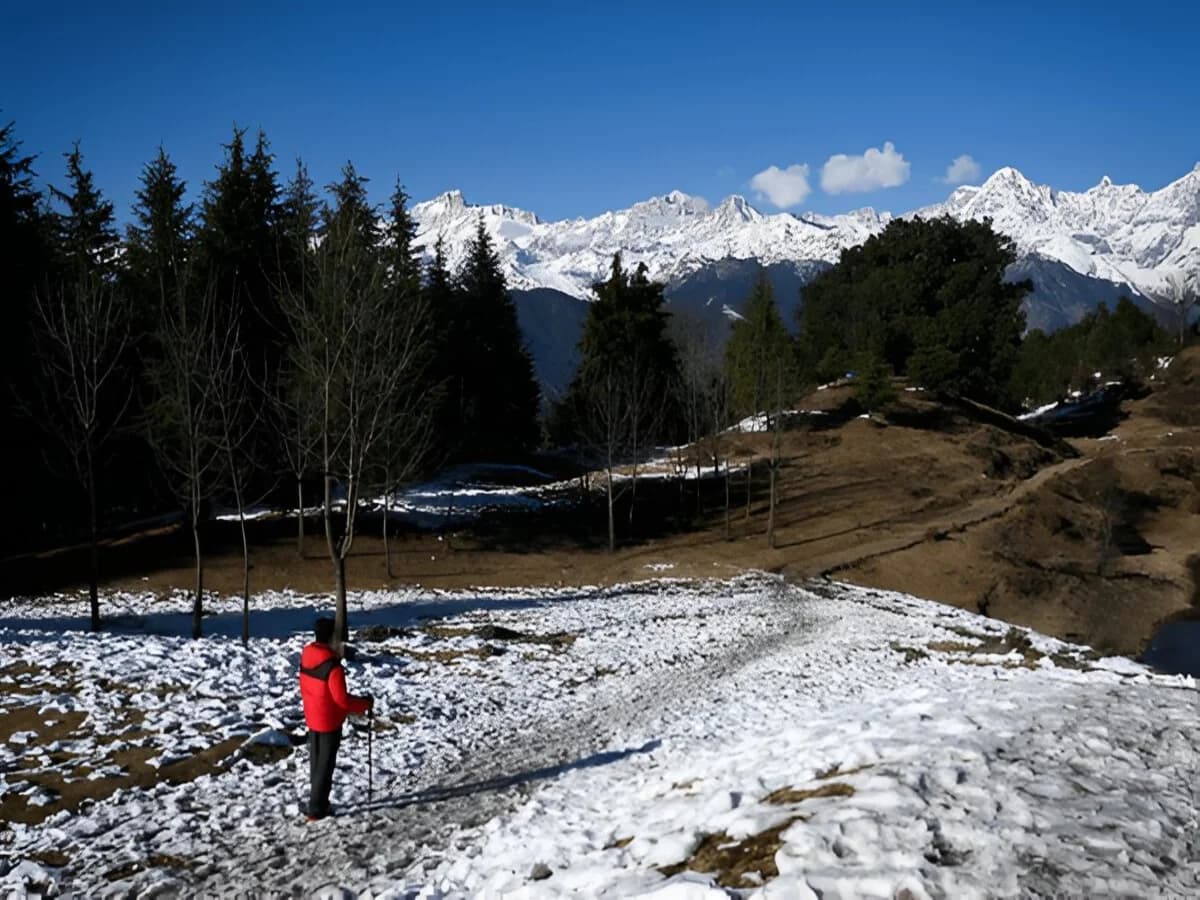
Overview of Baniyakund: Baniyakund is located in the heart of Uttarakhand’s Himalayan range. It is an idyllic destination for nature lovers and adventure enthusiasts alike. Situated near Chopta, it is a popular base for the renowned Chopta-Tungnath-Chandrashila trek. This peaceful village, perched at an altitude of 2,600 meters, offers stunning panoramic views of the Nanda Devi, Trishul, and Chaukhamba peaks, making it a photographer’s paradise. Baniyakund is surrounded by lush forests of oak and rhododendron, with vibrant wildflowers that paint the meadows during summer. The area is ideal for activities like camping, birdwatching, and trekking, attracting trekkers from across the globe. Visitors can also enjoy the peaceful environment away from the hustle and bustle of city life. To make the trip hassle-free, Chopta tour packages offer convenient services like guided treks, comfortable accommodations, and transportation, making it an ideal way to explore the charm of Baniyakund and its surroundings. What are the Key Highlights of Baniyakund: Trekking Hub: The village serves as a starting point for the famous Chopta-Tungnath-Chandrashila trek, which is popular among trekkers. Stunning Views: Enjoy breathtaking vistas of Himalayan peaks, including Nanda Devi, Trishul, and Chaukhamba. Birdwatching Paradise: Baniyakund is home to a variety of bird species, making it a great destination for birdwatching enthusiasts. Camping Spot: The meadows around Baniyakund are perfect for camping, offering a chance to sleep under the stars and enjoy nature at its best. Serene Atmosphere: The peaceful environment provides an excellent escape from the hustle and bustle of city life, ideal for relaxation. Flora and Fauna: Surrounded by dense forests, the area is rich in flora like rhododendrons and oak trees, providing a serene ambience for visitors. Chopta Tour Packages: Available for easy and organized access to Baniyakund, offering everything from trekking to accommodation arrangements. Timings & Entry Fees of Baniyakund: Timings: Open year-round for visitors, although the best time to visit is from April to June and September to November. Entry Fees: There are no entry fees for visiting Baniyakund but trekking, camping, and transportation services may incur additional charges through tour packages. Travel Tips / Essential Information For Baniyakund: Weather Considerations: The weather can be unpredictable, so carry warm clothing, especially for evening and night temperatures, which can drop suddenly. Book in Advance: Accommodation in Chopta and Baniyakund can fill up quickly, so it’s wise to book your stay in advance, especially during peak tourist seasons. Carry Essentials: Pack snacks, water, a first-aid kit, and a flashlight, as amenities can be limited in the area. Respect Nature: Keep the area clean by disposing of trash properly and respecting local customs. Physical Preparation: Since Baniyakund is at a high altitude, take time to acclimatize to avoid altitude sickness. Health Precautions: Carry necessary medications, and stay hydrated during the trek. Guided Treks: Opt for guided treks for a safer and more enjoyable experience, especially if you are unfamiliar with the terrain. Baniyakund offers a unique blend of adventure and tranquillity. Whether you are an avid trekker or someone simply seeking a peaceful retreat, this hidden gem in Uttarakhand promises an unforgettable experience. Also Read: Places to Visit in ChoptaMust Read: Things to do in Chopta

Read More

Badrinath Temple
May 30, 20253 Minutes
Badrinath Temple
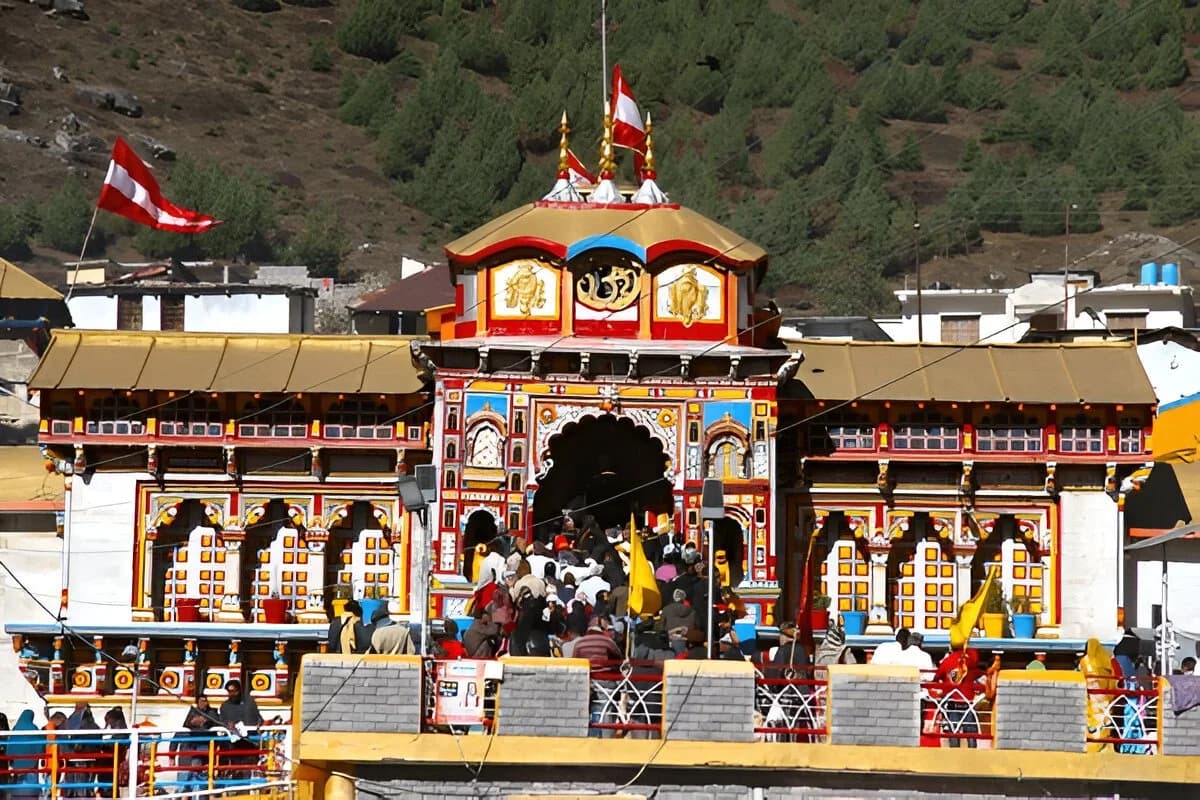
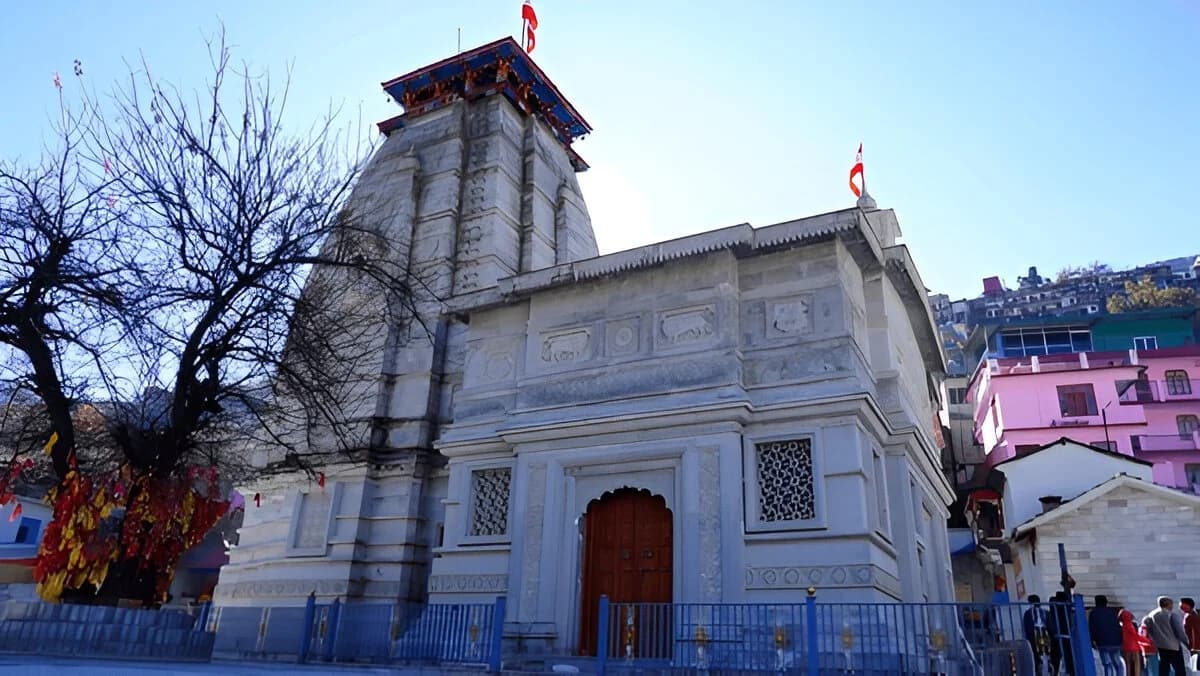
Overview of Badrinath Temple: Located in the Garhwal Himalayas of Uttarakhand, Badrinath is one of India’s most sacred places in India and a must-visit spot for both spiritual lovers and nature lovers. The famous Badrinath Temple, dedicated to Lord Vishnu, sits at a breathtaking height of 3,300 meters. The sacred shrine’s history dates back to the Vedic age, though the current temple structure was built by the Garhwal Kings in the 8th century CE. Over the centuries, various rulers have renovated and enhanced the temple, preserving its spiritual significance. For those looking to book Chardham Yatra packages, Badrinath is an important stop along with Kedarnath, Gangotri, and Yamunotri. The temple’s architecture showcases a blend of North and South Indian styles, with its colorful facade roof being instantly recognizable. The main idol of Lord Badrinarayan is carved from black stone, believed to have been recovered from the Alaknanda River. What are the Key Highlights of Badrinath Temple: Spiritual Energy Hub: Feel the amazing vibe at the main temple during the evening aarti. The sound of bells and chanting creates a magical atmosphere that stays with you forever. Hot Springs Magic: Take a dip in Tapt Kund, the natural hot water spring right near the temple. People say it has healing powers, and honestly, it feels amazing after a long day of travel. Peaceful Meditation Spots: Check out Charanpaduka, a beautiful place with Lord Vishnu’s footprints. Perfect spot for some quiet time with stunning valley views. Mana Village Experience: Visit India’s last village before Tibet. Meet friendly locals, try their special tea, and check out the ancient caves where they say the Pandavas stayed. Stunning Photography Points: Don’t miss the Nilkantha Peak viewpoint – the snow-covered peak looks like it’s touching the sky. The best time for photos is early morning when the sun hits the peak. Ancient Cave Temples: Explore Vyas Gufa and Ganesh Gufa, where great saints meditated. The caves have cool stories that local guides love to share. Local Food: Try the famous local khichdi served as prasad and the unique Garhwali thali at local shops. Super tasty and totally authentic! Timings & Entry Fees for Badrinath Temple: Temple Timings: Summer (May-November) – 4:30 am to 9 pm Winter (Temple closes from mid-November to April) Entry Free: Free Special Puja Fees: INR 51 to INR 5,100 (depending on the puja type) Camera Fee: INR 50 for still cameras Travel Tips & Essential Information for Badrinath Temple: Best Time to Visit: Plan your trip between May and October. Skip July-August if you don’t like heavy rains. Early morning temple visits help avoid long queues. Altitude Alert: Take it easy for the first day. The high altitude can make you feel dizzy. Drink lots of water and don’t rush around. Stay Options: Book hotels hotels near the temple complex for easy temple access. Plenty of options from budget Dharamshala (INR 500) to luxury hotels (INR 5,000+). Warm Clothing Must: Pack warm clothes even in summer – evenings get really cold. Don’t forget rain gear and good walking shoes. Local Transport Smart: Share taxis available from Joshimath to Badrinath (INR 200 per person). Book return tickets in advance during peak season. Prasad Shopping: Buy Prasad only from official temple shops. The local sweets and dry fruits are great to take back home. Medical Help: Carry basic medicines. There’s a small hospital near the temple, but better to be prepared. Also Read: Places to Visit in Chardham YatraMust Read: Things to do in Chardham Yatra

Read More

Kalimath Temple
May 30, 20253 Minutes
Kalimath Temple
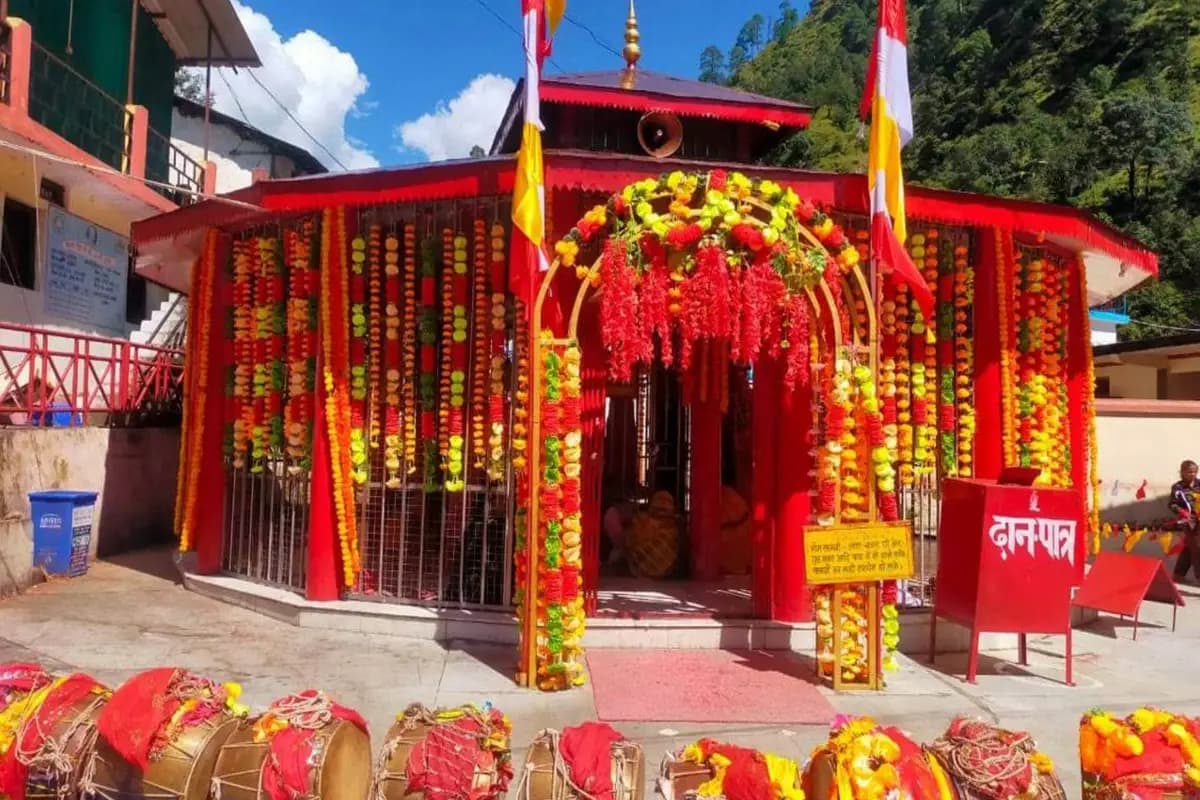
Overview of Kalimath Temple: Kalimath Temple, nestled in the serene hills of Uttarakhand, is an important spiritual site for Hindus. The temple is dedicated to Goddess Kali, who is revered as the goddess of power, destruction, and transformation. This sacred shrine is located in Kalimath, a quiet village surrounded by lush greenery and majestic Himalayan views. It is considered one of the Shakti Peethas, making it a significant pilgrimage site for those who follow Hindu traditions. For those looking to explore Kalimath and other nearby attractions, Chopta tour packages provide guided tours that make visiting this holy site easy and convenient. The temple’s location provides a peaceful atmosphere, ideal for meditation and spiritual practices. Visitors often feel a strong sense of connection with the divine as they witness the beautiful idol of Goddess Kali. The temple’s serene setting and the panoramic views of the surrounding landscapes create a tranquil environment that makes the journey worthwhile. What are the Key Highlights of Kalimath Temple: Sacred Site: Dedicated to Goddess Kali, one of the most revered deities in Hinduism. Shakti Peetha: Kalimath Temple is an important Shakti Peetha, adding to its spiritual significance. Divine Atmosphere: The temple offers a peaceful environment for prayer and meditation. Beautiful Surroundings: Surrounded by lush forests and majestic hills, perfect for nature lovers. Historical Significance: The temple is believed to be a place where Sati’s body parts fell, making it a site of great mythological importance. Pilgrimage Stop: Kalimath is part of the Kedarnath and Badrinath pilgrimage circuit, providing spiritual enrichment for devotees. Chopta Tour Packages: These packages make it easier for tourists to visit Kalimath and other nearby destinations, offering guided services and transport. Timings & Entry Fees for Kalimath Temple: Timings: The temple is open for worship from 6:00 AM to 8:00 PM daily. Entry Fees: There are no entry fees for the temple, but donations are welcome. Travel Tips / Essential Information for Kalimath Temple: Best Time to Visit: The best time to visit Kalimath is between April and June, and September to November. During winter, the temple is accessible, but the roads may be affected by snow. Respect Local Customs: As a place of worship, it’s important to dress modestly and follow the temple’s rituals. Weather Conditions: The weather can be unpredictable, so pack warm clothes, even in the summer months. Accommodation: Basic accommodation is available near the temple. It’s advisable to book your stay in advance, especially during the peak pilgrimage season. Carry Essentials: Due to the temple’s remote location, carry snacks, water, and basic first-aid supplies. Kalimath Temple offers a divine escape from the hustle and bustle of daily life. Whether you’re seeking spiritual enlightenment or simply wish to connect with nature, Kalimath provides a serene experience. Also Read: Places to Visit in ChoptaMust Checkout: Things to do in Chopta

Read More

Gangotri
May 30, 20253 Minutes
Gangotri
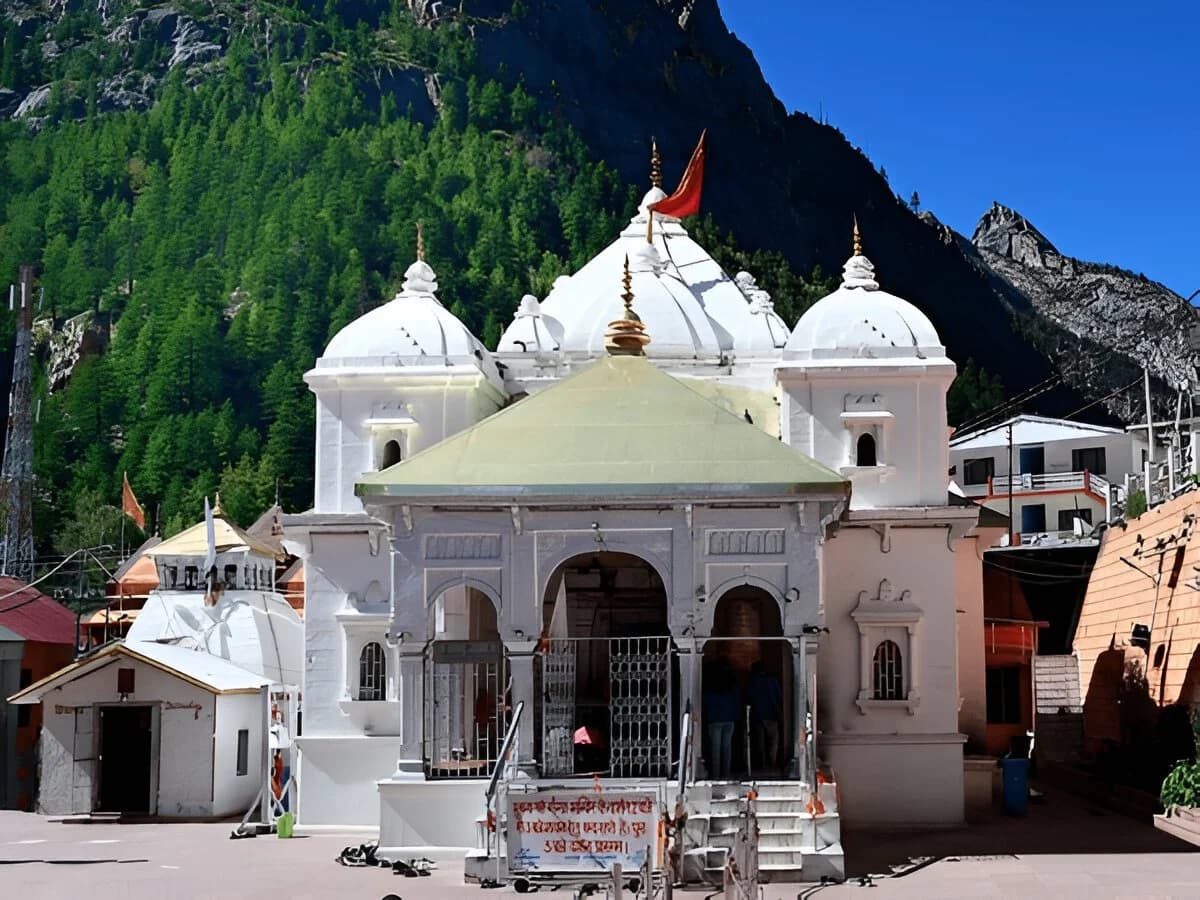
Overview of Gangotri: At an altitude of 3,415 meters, Gangotri is one of the most sacred places in India. The town got its name from the holy River Ganges, which originates nearby at Gaumukh. According to Hindu mythology, this is where Goddess Ganga descended to Earth when Lord Shiva released the river from his locks to help King Bhagiratha save his ancestors. The main attraction here is the stunning Gangotri Temple, built in the 18th century by the Gorkha ruler Amar Singh Thapa. The temple, made of white granite, stands tall against the backdrop of snow-capped peaks. It’s an important stop for people doing the Chardham Yatra packages, which cover four main pilgrim sites in Uttarakhand. The temple opens its doors for just six months a year due to extreme weather conditions. During winters, the temple’s deity is moved to Mukhba village, where devotees continue their prayers. The peaceful environment, combined with the sound of the rushing Bhagirathi River and the surrounding mountain views, makes it a truly special place. What are the Key Highlights of Gangotri: Sacred Gaumukh Trek: Take a challenging but rewarding trek to the Gaumukh Glacier, the actual source of the River Ganges. Perfect for adventure lovers and photographers capturing the raw beauty of nature. Evening Aarti Experience: Watch the mesmerizing evening aarti at Gangotri Temple as bells ring and priests perform ancient rituals. Great time for spiritual connection and stunning photos. Surya Kund: Visit this natural hot water spring near the temple. People believe taking a dip here cures skin problems and brings good health. Kedartal Trek Base: Start your journey to the stunning Kedartal Lake from here. The trek offers amazing views of peaks like Thalay Sagar and Meru. Bhagirath Shila: See the sacred rock where King Bhagiratha meditated. Amazing spot for sunrise views and peaceful meditation. Pandav Gufa: Explore the cave where Pandavas supposedly meditated during their exile. Great for history buffs and those interested in Mahabharata stories. Timings & Entry Fees for Gangotri: 1. Temple Timings: 6:00 am to 8:00 pm (May to November)2. Entry Fee: Free3. Temple remains closed from November to April due to heavy snowfall4. Photography allowed outside the temple5. No entry fee for the town, but the Gaumukh trek requires a forest permit (INR 150 for Indians) Travel Tips & Essential Information for Gangotri: Best Time to Visit: May to June and September to October. Avoid monsoon months (July-August) due to landslides. Altitude Sickness Prevention: Spend a day acclimatizing in Uttarkashi before heading to Gangotri. Carry basic medicines and drink plenty of water. Warm Clothing Essential: Pack heavy woolens even in summer as temperatures can drop suddenly. Carry rain gear and good trekking shoes. Phone Connectivity: The phone network is really limited, only postpaid sims work. Food Choices: Many small restaurants serve simple vegetarian food. Carry some snacks and water bottles, especially for treks. Respect Local Culture: Dress modestly near the temple. Non-vegetarian food and alcohol are not allowed in Gangotri town. Power Backup: Carry power banks as electricity can be irregular. Most hotels have limited power backup. Booking Services: Use local travel agents for trek permits and guides. They’re more reliable than online bookings. Also Checkout: Things To Do in ChardhamMust Read: Places To Visit in Char Dham

Read More

Omkar Ratneshwar Mahadev Temple
May 30, 20253 Minutes
Omkar Ratneshwar Mahadev Temple
Overview of Omkar Ratneshwar Mahadev Temple: Omkar Ratneshwar Mahadev temple in Chopta, Uttarakhand, is one of the most peaceful Shiva temples in the region. The temple is located in Sari Village where most of the travelers stay using their Chopta Tour Packages, so, it’s easily accessible. Like all other popular Shiva Temples in the region like Kedarnath, and Tungnath, this temple’s architecture also resembles those. The temple structure, built in the traditional Nagara style, features big stone carvings. As this is the only temple within a few kilometers, the temple becomes particularly lively during Mahashivratri when devotees from nearby villages gather here for celebrations. The morning aarti, with the sun rising behind the mountains, is when you can visit the temple to experience the local way of worshiping. What are the Key Highlights of Omkar Ratneshwar Mahadev Temple: Spiritual Energy Spot: Experience a unique sense of peace in the main temple chamber. The ancient Shiva lingam here is said to be self-manifested, making it extra special for devotees. Stunning Mountain Views: Get amazing views of the Kedarnath range from the temple premises. Perfect for photography, especially during sunrise and sunset. Ancient Architecture: Marvel at the temple’s stonework and carvings that have stood strong for centuries. Local Festivals: Join the vibrant celebrations during Mahashivratri and other festivals when the temple comes alive with lights, prayers, and local cultural programs. Meditation Spots: There’s a spot in front of the temple where you can meditate. The morning silence, broken only by temple bells, creates a great atmosphere. Timings & Entry Fees of Omkar Ratneshwar Mahadev Temple: Temple Timings: 5 am to 12 pm and 4 pm to 9 pm. There’s no particular timing, but locals come for the morning aarti at around 6 am, and for the evening aarti at 7 pm. Entry: Free Camera fee: No charges Travel Tips / Essential Information for Omkar Ratneshwar Mahadev Temple: Best Time to Visit: March to June and September to November offer comfortable weather and clear mountain views. Avoid monsoon months as roads can be slippery. Accommodation Options: Several guesthouses and Dharamshala are available near the temple. Book in advance during peak season and festivals. Dress Code Requirements: Carry warm clothes as it gets cold. Wear modest clothing when visiting the temple. Remove shoes before entering. Local Transport: Shared taxis and private vehicles are available from Chopta. The temple is a 20-minute walk from the main road. Parking Facilities: Free parking is available 100 meters from the temple. During festivals, park at designated spots in Chopta. Food Availability: Small food stalls near the temple serve tea and snacks. Carry water and some snacks, especially during off-peak hours. Physical Fitness: The walk to the temple involves some stairs. Take it slow if you’re not used to high altitudes. Mobile Connectivity: Other than BSNL, all networks have a little patchy network. Local Guide Services: You don’t actually need a guide to visit or explore this temple, just ask a few locals about the temple and its story, and you will be bombarded with all the knowledge you need. Also Read: Places to Visit in ChoptaMust Read: Things to do in Chopta

Read More

Rohini Bugyal
May 30, 20253 Minutes
Rohini Bugyal
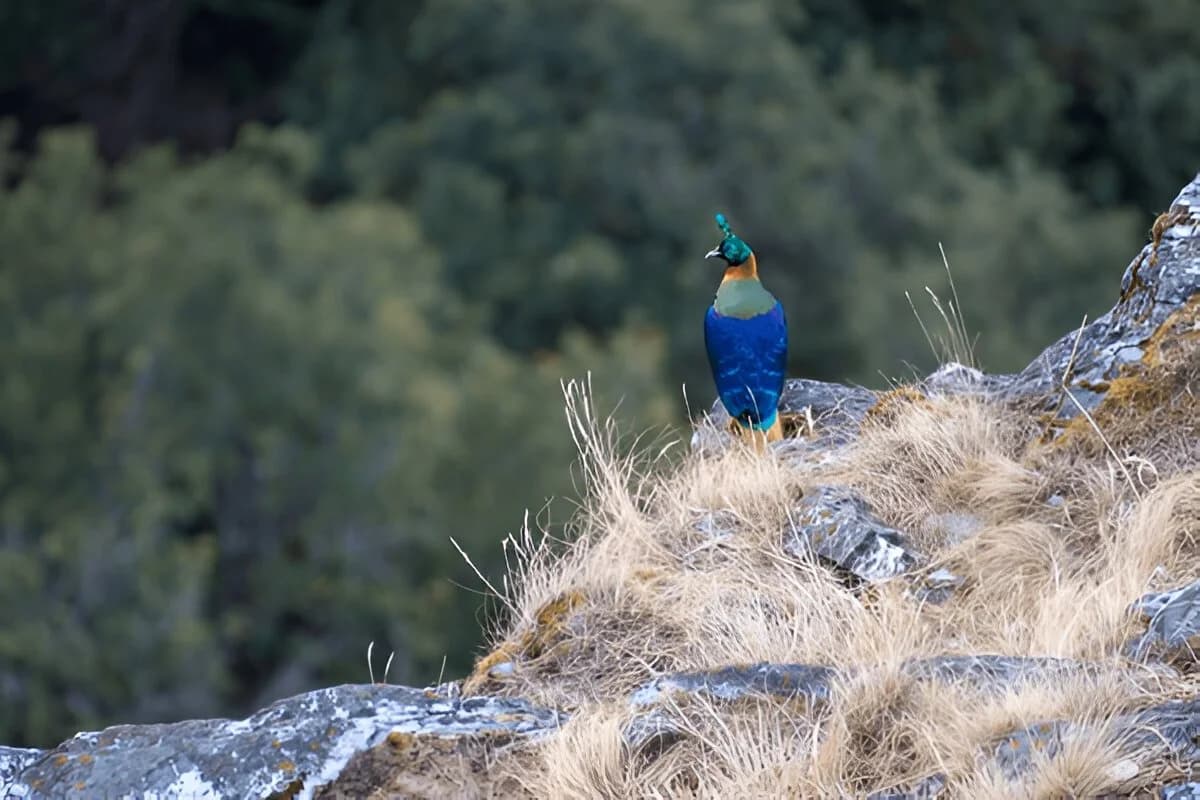
Overview of Rohini Bugyal: Rohini Bugyal is a high-altitude land in the Himalayas of Uttarakhand, located at an elevation of 3,800 meters. This beautiful grassland is a paradise for nature lovers, offering a perfect mix of lush green meadows and Himalayan mountain views. Explorers can easily combine Rohini Bugyal with Chopta Tour Packages since it’s located on the same route. The meadow is most famous for its stunning sunrise views, where you can see the first rays of the sun hitting the mighty Himalayan peaks like Nanda Devi and Trishul. Trekkers love this place because it’s less crowded than popular spots like Valley of Flowers, making it perfect for those who want to enjoy nature in peace. The gentle slopes and clear mountain air make it an ideal spot for both beginners and experienced trekkers. What are the Key Highlights of Rohini Bugyal: Panoramic Mountain Views: Catch breathtaking views of major Himalayan peaks including Nanda Devi, Trishul, and Chaukhamba. The clear morning skies offer the best mountain photography opportunities. Wildflower: Visit between July to September to see the meadow transform into a carpet of colorful flowers. Great chance to spot rare Himalayan flowers and click amazing photos. The variety of flowers here is simply mind-blowing. Camping Experience: Set up your tent in one of the designated camping spots surrounded by mountains. Perfect for stargazing and night photography. Wildlife Spotting: Keep your cameras ready to spot Himalayan Monal (state bird), Himalayan Thar, and various mountain birds. Early mornings are best for wildlife watching. Local Culture: Visit nearby Garhwali villages to experience authentic mountain life. Try local dishes and interact with friendly villagers who have amazing stories to share. Timings & Entry Fees of Rohini Bugyal: Rohini Bugyal is accessible from April to November. No entry fee is required, but camping requires forest department permission (INR 150 per tent per night). Guides are mandatory for overnight stays. Early morning visits are recommended for the best experience. Travel Tips/ Essential Information for Rohini Bugyal: Best Time to Visit: May-June and September-October offer the most pleasant weather. Avoid monsoon season (July-August) as trails become slippery. Winter months are extremely cold and not recommended for casual visitors. Physical Fitness: The trek requires a moderate fitness level. Start a basic exercise routine 2-3 weeks before your trip. Regular walks and basic stretching exercises will help prepare you. Essential Items: Carry warm clothes, good trekking shoes, rain protection, basic medicines, and enough water. Local shops are limited. Stay Options: Bring your own camping gear or book through local tour operators in Chopta. Basic homestays are available in nearby villages. Guide Services: Local guides charge INR 1000-1500 per day. Book through registered tour operators in Chopta or Ukhimath. They know the best spots and trails. Weather: Always check the weather forecast before starting the trek. Morning treks offer clearer views and better weather. Keep buffer days in your itinerary for weather changes. Transportation: Regular buses run from Rishikesh to Chopta. Shared taxis are also available. Private taxis can be hired from Rishikesh or Gopeshwar for more comfort. Emergency Contacts: Save local forest office numbers and nearby medical facility contacts. Network connectivity is limited, so inform your family about your trek plans. Also Read: Places to Visit in ChoptaMust Read: Things to do in Chopta

Read More

Yamunotri
May 30, 20253 Minutes
Yamunotri
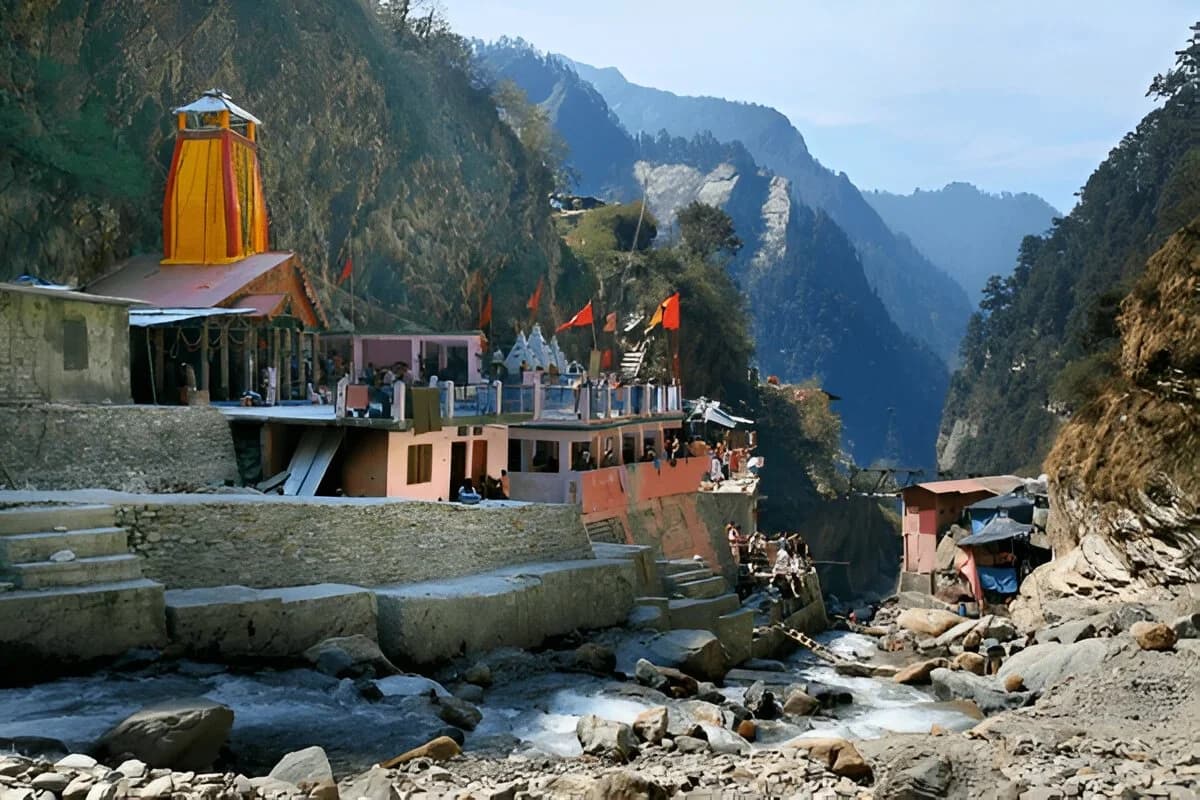
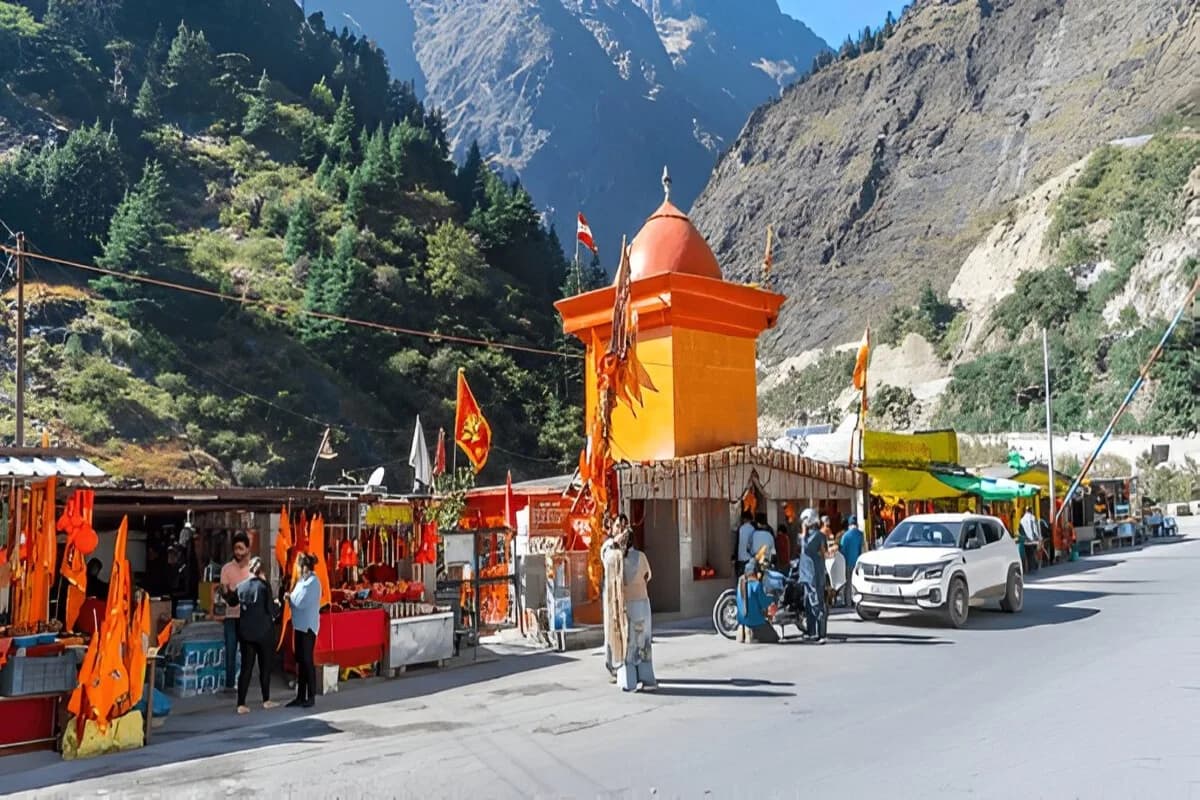
Overview of Yamunotri: Yamunotri, the source of the Yamuna River, is one of the holiest sites in Hinduism, making it an integral part of the Char Dham pilgrimage circuit. Situated at an altitude of 3,293 meters in the Garhwal region of Uttarakhand, the temple is dedicated to Goddess Yamuna. According to Hindu mythology, the Yamuna River is considered to be the daughter of the Sun God, Surya, and is believed to bring health and prosperity to devotees who take a holy dip in its waters. Those on Chardham Yatra packages often visit this sacred place to seek blessings and experience its natural beauty.The temple at Yamunotri is a serene, peaceful place that offers a perfect spiritual retreat for travellers. The trek to the temple is a beautiful journey, with breathtaking views of the surrounding mountains, valleys, and forests. The temple is open to devotees between May and November, as the weather conditions are favourable. What are the Key Highlights of Yamunotri: Source of the Yamuna River: Yamunotri is the origin of the Yamuna River, and pilgrims visit to take a holy dip in its waters, believed to cleanse the soul. Yamunotri Temple: The temple is dedicated to Goddess Yamuna, and the deity’s idol inside is beautifully adorned. Hot Springs: Nearby, visitors can enjoy the hot springs at Janki Chatti, which are believed to have medicinal properties and provide a soothing experience after the challenging trek. Scenic Trek: The 5-kilometer trek from Hanuman Chatti to Yamunotri is scenic, surrounded by lush forests and alpine meadows. The trail offers stunning views of snow-capped mountains and the lush valleys below. Divine Spirituality: As part of the Char Dham pilgrimage, Yamunotri holds immense spiritual significance. Pilgrims visit to pray for a prosperous life and to pay homage to Goddess Yamuna. Timings & Entry Fees for Yamunotri: 1. Temple Timings: The Yamunotri Temple is open daily from 6:00 AM to 8:00 PM.2. Entry Fees: There is no entry fee to visit the temple. Donations are welcome to support the temple’s maintenance. Pilgrims and visitors can contribute voluntarily. Travel Tips & Essential Information for Yamunotri: Best Time to Visit: The ideal time to visit Yamunotri is between May and November, when the weather is pleasant, and the trek is accessible. Winters can be harsh, and heavy snowfall often makes the route difficult. How to Reach: To reach Yamunotri, you need to first travel to the town of Janki Chatti, which is well-connected by road to Rishikesh, Haridwar, and Dehradun. From Janki Chatti, the 5-kilometer trek to the temple begins. Alternatively, horses and palanquins are available for hire. What to Wear: As Yamunotri is located at a high altitude, it’s important to wear comfortable, warm clothing, especially during the colder months. Also, sturdy trekking shoes are recommended for the trek. Nearby Attractions: While in Yamunotri, don’t miss out on visiting the nearby hot springs in Janki Chatti. Altitude Precaution: Due to its high altitude, travellers should be cautious about altitude sickness. Carry plenty of water, and take it easy to acclimatize to the altitude. Yamunotri is a place where spirituality meets natural beauty. A visit to the temple offers a perfect combination of divine serenity and awe-inspiring landscapes. Its importance in the Char Dham pilgrimage, coupled with the scenic beauty of the Himalayas, makes it a must-visit destination for travellers seeking spiritual solace and adventure. Also Checkout: Things To Do in ChardhamMust Read: Places To Visit in Char Dham

Read More

Kanchula Korak Musk Deer Sanctuary
May 30, 20253 Minutes
Kanchula Korak Musk Deer Sanctuary
Overview of Kanchula Korak Musk Deer Sanctuary: Kanchula Korak Musk Deer Sanctuary, located in the Chamoli district of Uttarakhand, is a hidden gem that travelers shouldn’t miss. This sanctuary spreads across 800 square kilometers of Himalayan wilderness and is one of India’s most important conservation areas for the endangered Himalayan musk deer. There are many Chopta Tour Packages that allow to you explore this sanctuary, making it easier for tourists to spot not just musk deer but also other mountain wildlife. The sanctuary is untouched, and this is what makes it special – dense forests of oak and rhododendron trees cover the slopes. The sanctuary is also home to leopards, black bears, and countless bird species that call these forests their home. What are the Key Highlights of Kanchula Korak Musk Deer Sanctuary: Musk Deer Spotting: Watch these rare, shy creatures in their natural habitat. Early morning and dusk are the best times to spot them moving through the thick undergrowth. Don’t forget your binoculars! Himalayan Wildlife: Keep your eyes peeled for Himalayan black bears, leopards, and gorals roaming freely in their natural environment. Great chance for wildlife photographers to capture some amazing shots. Bird Watcher’s Dream: Spot colorful Himalayan birds like monal pheasants, koklass pheasants, and various eagles soaring above. Perfect for both amateur and professional bird watchers. Rhododendron Trails: Walk through stunning trails lined with blooming rhododendrons during spring. These red and pink flowers create perfect photo opportunities. Mountain Views: Enjoy breathtaking views of snow-capped Himalayan peaks from various viewpoints within the sanctuary. Best visited during clear winter mornings. Timings & Entry Fees for Kanchula Korak Musk Deer Sanctuary: Sanctuary open hours: 6 am to 6 pm daily (on some special days, it remains closed, so check before visiting) Entry is free Travel Tips/ Essential information for Kanchula Korak Musk Deer Sanctuary: Best Time to Visit: Plan your trip between March to June or September to November for comfortable weather and better wildlife sighting chances. Avoid monsoon months as trails become slippery. Accommodation Options: Book your stay in nearby Chopta or Gopeshwar. Several budget guesthouses and forest rest houses are available. Advance booking is recommended during peak season. Essential Items: Carry warm clothes even in summer, good hiking shoes, binoculars for wildlife watching, and a basic first aid kit. Don’t forget your camera! Guided Tours Only: Always hire an authorized guide from the sanctuary entrance. They know the best spots for wildlife sightings and ensure your safety. Respect Wildlife: Maintain silence during wildlife watching, don’t use flash photography, and keep a safe distance from animals. No feeding of wildlife allowed. Transportation Tips: Private vehicles can reach the sanctuary entrance. Local taxis are available from Gopeshwar. Four-wheel drives are recommended during winter months. Medical Facilities: Basic medical facilities are available in Gopeshwar (20 km away). Carry personal medicines if needed. Also Read: Places to Visit in ChoptaMust Read: Things to do in Chopta

Read More

Tehri Lake
May 30, 20253 Minutes
Tehri Lake
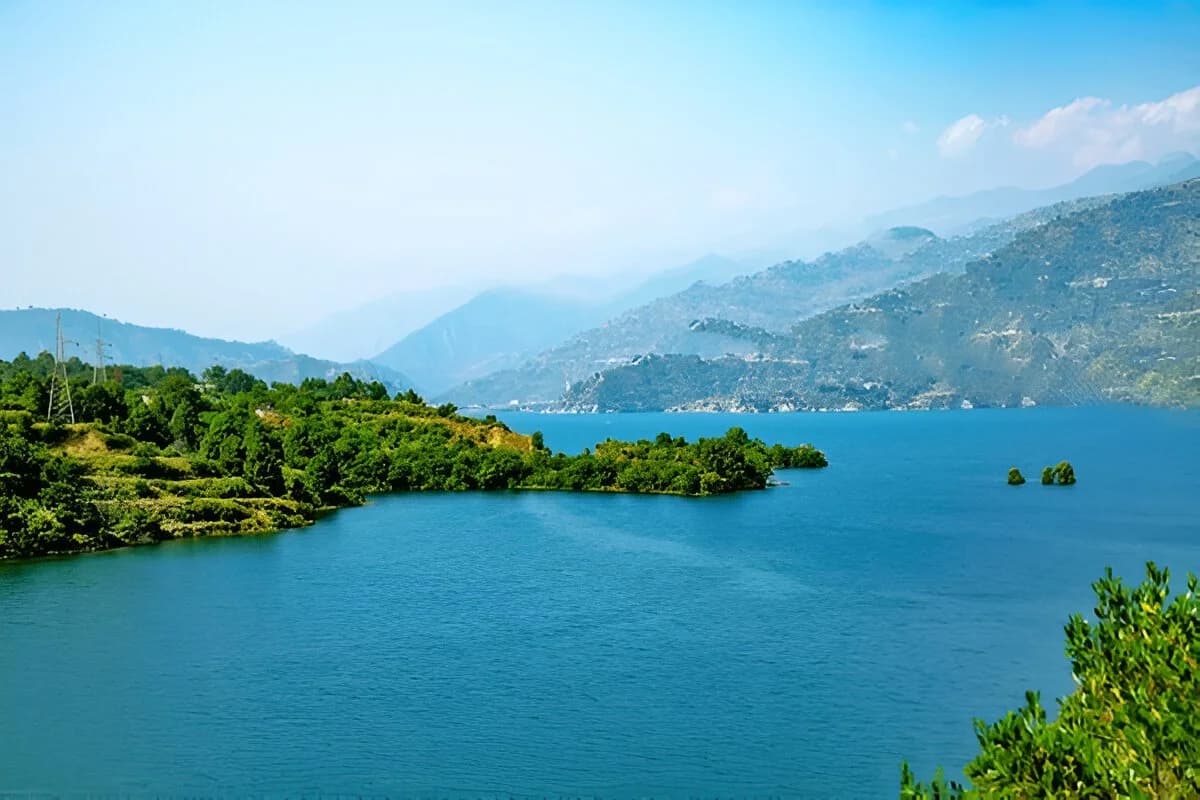
Overview of Tehri Lake: Tehri Lake is one of India’s largest man-made lakes, created by the massive Tehri Dam in Uttarakhand. The story of this lake is quite interesting – it came into existence when the old Tehri town was submerged to build the Tehri Dam in 2006. The dam, standing tall at 260 meters, is Asia’s highest dam and has turned the area into a stunning water body surrounded by hills. For anyone planning their Chardham Yatra packages, you can easily add Tehri Lake to your journey. The lake has completely changed how this area looks and feels. The lake isn’t just pretty to look at – it’s become a hot spot for water sports and activities. Local families have found new ways to earn by offering boat rides and running small restaurants around the lake. What are the Key Highlights of Tehri Lake: Adventure Water Sports: Try jet skiing, kayaking, and banana boat rides on Asia’s deepest lake. Perfect for thrill-seekers and amazing Instagram stories! Sunset Boat Rides: Take a peaceful boat ride during sunset when the mountains turn golden and reflect in the crystal-clear waters. Great for family photos and romantic evenings. Hidden Town Mystery: During winter months when water levels drop, catch glimpses of the submerged old Tehri town – you can sometimes spot old building tops and temple spires! Camping by the Lake: Stay in luxury tents or basic camps right by the lakeside. Wake up to misty mornings and stunning lake views. Fresh Fish Restaurants: Try local fish dishes at small family-run restaurants along the shore. The fish comes fresh from the lake daily. Mountain Biking Trails: Explore the surrounding hills on bikes. The winding roads offer amazing views of the lake from different angles. Nature Walking Tracks: Take easy walks around the lake area. Spot local birds and enjoy the fresh mountain air. Timings & Entry Fees for Tehri Lake: Lake viewing is open 24/7 and free. Water sports operate from 9 am to 5 pm daily. Activities cost: Jet skiing (INR 1000/15 mins), Banana boat (INR 300/person), Kayaking (INR 500/hour). Boating charges: INR 750 for a 30-minute ride for 4 people. Travel Tips & Essential Information for Tehri Lake: Best Time to Visit: March to June and September to November are perfect. Avoid monsoon months (July-August) as activities might be closed. How to Reach: Located 86 km from Rishikesh. Take a taxi (INR 2000-2500) or a local bus (INR 150) from the Rishikesh bus stand. Pack Right: Carry sunscreen, caps, and water bottles. Wear comfortable clothes and water-friendly shoes if planning activities. Food Scene: Try local food at small shops, but also pack some snacks. Restaurants are basic but serve fresh food. Safety First: Always use life jackets during water activities. Listen to instructors and follow safety rules. Medical Help: Basic medical facilities are available nearby. Keep emergency numbers handy. Also Read: Places to Visit in Chardham YatraMust Read: Things to do in Chardham Yatra

Read More

Panch Kedar
May 30, 20253 Minutes
Panch Kedar
Overview of Panch Kedar: The Panch Kedar refers to 5 sacred Shiva temples in Uttarakhand’s Garhwal region, each with a connection to the Epic – Mahabharata. According to local beliefs, after the great war of Kurukshetra, the Pandavas wanted to seek Lord Shiva’s blessings to absolve their sins. When Shiva wanted to avoid them, he took the form of a bull, but Bhim identified the bull as Shiva and caught him by his tail, but it disappeared into the ground. Different parts of his body appeared at five locations, which became the Panch Kedar temples. The temples at Kedarnath (head), Madhmaheshwar (navel), Tungnath (arms), Rudranath (face), and Kalpeshwar (hair) together form this sacred circuit called Panch Kedar. You can customize Chopta Tour Packages to include visits to some of these ancient shrines, particularly the Tungnath temple. The Panch Kedar circuit is visited by thousands of devotees and trekkers each year. The temples, built in the North Indian Nagara style, showcase incredible stone architecture that has stood strong for over a thousand years, telling tales of devotion, craftsmanship, and the region’s rich cultural heritage. What are the Key Highlights of Panch Kedar: Kedarnath Temple Experience: Trek through snow-capped mountains to reach this majestic temple at 3,583 meters. Marvel at the massive stone edifice that’s survived natural calamities for centuries. The helicopter services and stunning valley views make it a bucket-list destination. Tungnath’s Sunrise: Witness the world’s highest Shiva temple and witness its sunrise. There is also a trek of Chandrashila a kilometer above the temple. The golden rays hitting this peak spires while clouds float below you create magical moments for photography. Madhmaheshwar’s Hidden Beauty: Travel through dense forests and streams to reach this remote temple. The ancient architecture and local legends about Lord Shiva’s meditation spot make it truly special. Rudranath’s Wild Adventure: Experience one of the toughest pilgrimages through alpine meadows and rocky terrain. The natural cave temple and surrounding rhododendron forests offer a raw, untouched Himalayan experience. Kalpeshwar’s Cave Mystery: Explore the unique cave temple where you can touch the matted hair (jata) of Lord Shiva. The intimate temple setting and the sound of the nearby Kalpganga River create a peaceful atmosphere. Timings & Entry Fees of Panch Kedar: The temples remain open from May to October/November (depending on weather). Winter closure varies for each temple. Entry is free, but special pujas start from INR 1,100. Helicopter services to Kedarnath cost between INR 4,500 to 7,500 per person (one way). Travel Tips/ Essential information for Panch Kedar: Best Time to Visit: May to June and September to October offer comfortable weather and clear views. Avoid monsoon season (July-August) as landslides are common. Accommodation Options: Book stays in nearby towns like Guptkashi, Ukhimath, or Gopeshwar. Rates range from INR 800-3,000 per night. Government rest houses offer cheaper alternatives. Physical Preparation: Start basic cardio exercises 1-2 months before your trip. The high altitude and steep treks demand good fitness levels. Essential Items: Pack warm clothes, good trekking shoes, rain protection, a first-aid kit, and sufficient cash as ATMs are limited in higher regions. Local Transport: Shared jeeps and buses connect major towns. Book private vehicles for flexibility – costs around INR 3,000-4,000 per day. Altitude Sickness Prevention: Acclimatize properly, stay hydrated, and carry basic medicines. Don’t rush between temples – take time to adjust to the height. Also Read: Places to Visit in ChoptaMust Checkout: Things to do in Chopta

Read More

Shree Kashi Vishwanath Temple, Uttarkashi
May 30, 20253 Minutes
Shree Kashi Vishwanath Temple, Uttarkashi
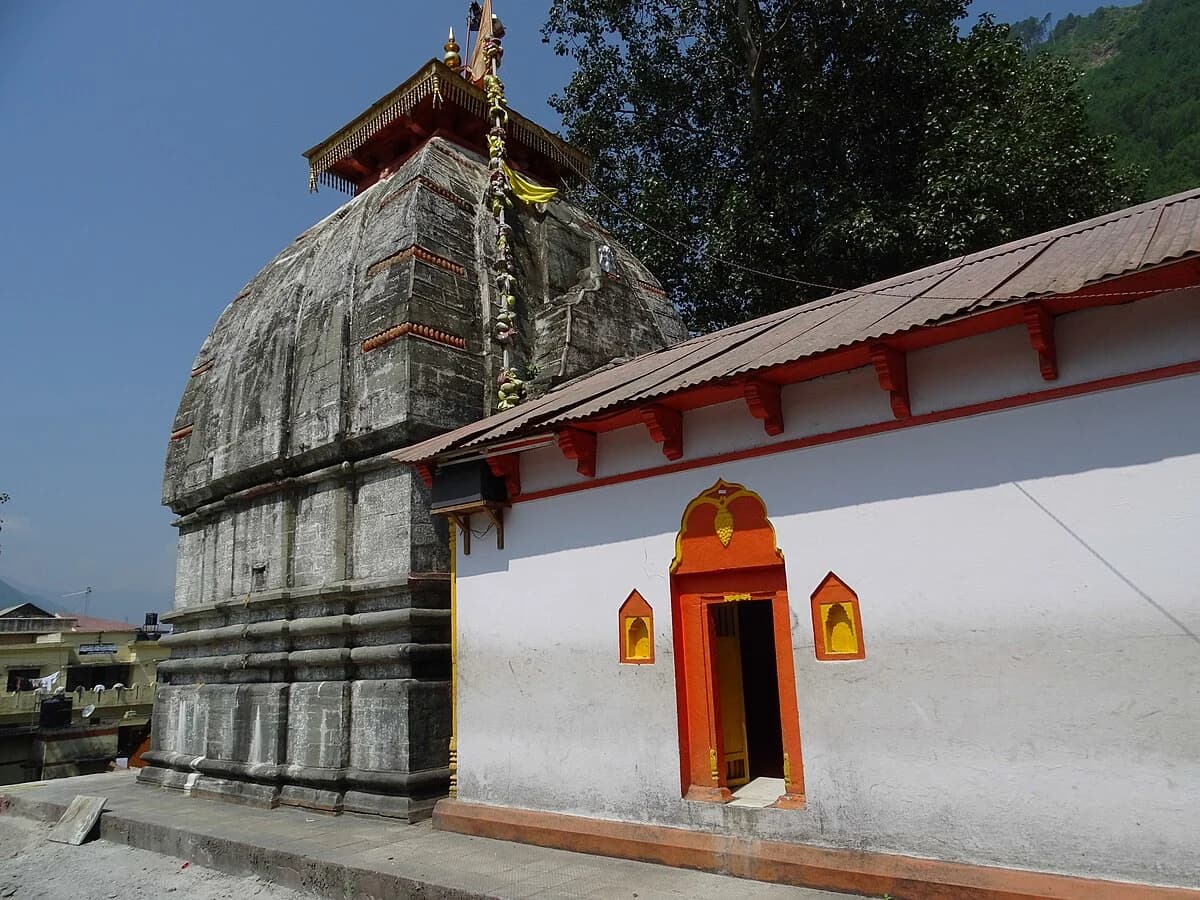
Overview of Shree Kashi Vishwanath Temple:Vishwanath Temple, located in Uttarkashi, is one of the most revered temples dedicated to Lord Shiva. It is an essential stop for devotees embarking on the Chardham Yatra. Parashurama, it is believed, built the temple, which was later renovated by Maharani Khaneti of Tehri State. The towering shivling inside the temple is said to be self-manifested and attracts thousands of pilgrims every year. Whether you are seeking divine blessings, exploring the rich history, or simply soaking in the spiritual vibes, Vishwanath Temple is a must-visit during your Chardham Yatra packages journey.The temple complex is serene, offering an atmosphere of devotion and tranquillity. Devotees perform abhishekam (ritual bathing) of the shivling with holy water from the Bhagirathi River, which flows nearby. The temple also houses a shrine dedicated to Goddess Parvati, making it a place of deep spiritual energy.What are the Key Highlights of Shree Kashi Vishwanath Temple:Ancient Shiva Temple: Vishwanath Temple is believed to have existed for centuries, making it a historic and spiritual landmark in Uttarkashi.Massive Shivling: The temple enshrines a naturally formed shivling, attracting devotees seeking Lord Shiva’s blessings.Goddess Parvati Shrine: A separate shrine dedicated to Goddess Parvati within the temple premises enhances its spiritual significance.Chardham Pilgrimage Stop: As part of the Chardham Yatra, this temple is a crucial stop for devotees heading to Gangotri and beyond.Religious Rituals: Visitors can participate in special poojas and abhishekam ceremonies that create a deeply immersive spiritual experience.Sacred Location: It is situated on the banks of the Bhagirathi River, the temple’s location adds to its divine aura.Beautiful Architecture: The temple features classic Himalayan architectural elements with intricate carvings and a peaceful courtyard.Timings & Entry Fees for Shree Kashi Vishwanath Temple:1. Temple Timings: Open daily from 6:00 AM to 8:00 PM.2. Aarti Timings: Morning aarti at 6:30 AM and evening aarti at 7:00 PM.3. Entry Fee: No entry fee; donations are welcome.4. Best Time to Visit: April to June and September to November.Travel Tips & Essential Information for Shree Kashi Vishwanath Temple:Best Time to Visit: Summer and post-monsoon months are ideal, as the weather is pleasant for pilgrimage.Dress Code: It is recommended to wear modest attire and to cover your head prior to entering the temple.Footwear Rule: Shoes must be removed before entering the temple premises.How to Reach: Uttarkashi is well-connected by road; the nearest airport is Jolly Grant Airport, Dehradun.Local Transport: Taxis and buses are available from Haridwar, Rishikesh, and Dehradun.Accommodation: Plenty of dharamshalas and budget hotels are available nearby.Photography: Not allowed inside the temple but permitted outside the premises.Important Rituals: Participate in abhishekam and aarti for a complete spiritual experience.Carry Essentials: Keep a water bottle, warm clothes (depending on the season), and a torch if visiting early morning or late evening.Safety Tip: The temple can get crowded during peak pilgrimage seasons, so plan your visit accordingly.A trip to Vishwanath Temple is not just about devotion, it’s a journey filled with peace, faith, and divine energy.Also Read: Places to Visit in Chardham YatraMust Read: Things to do in Chardham Yatra

Read More

Kedarnath Wildlife Sanctuary
May 30, 20253 Minutes
Kedarnath Wildlife Sanctuary
Overview of Kedarnath Wildlife Sanctuary: Kedarnath Wildlife Sanctuary, located in Uttarakhand’s Chamoli district, is a beautiful natural paradise that spreads across 975 square kilometers of the mighty Himalayas. This protected area is home to some of India’s most amazing wildlife, including the snow leopard, Himalayan tahr, and musk deer. It’s one of the few places where you can spot these rare animals in their natural home. As this trek starts from Kedarnath, it can be easily included in Chopta tour packages. The sanctuary sits at heights between 1,160 meters to 7,068 meters, making it perfect for both wildlife lovers and adventure seekers. During spring and summer, the whole place turns into a colorful canvas with rare Himalayan flowers like the Brahma Kamal (which only blooms at night) and blue poppies. The sanctuary surrounds the famous Kedarnath Temple, so you get to experience both nature and spirituality in one amazing place. What are the Key Highlights of Kedarnath Wildlife Sanctuary: Diverse Wildlife: Keep your cameras ready to spot rare animals like snow leopards, Himalayan black bears, and musk deer. The sanctuary is also home to over 230 bird species that’ll make any bird watcher super happy. Magical Flower Valley: Visit during May-September to see the Valley of Flowers within the sanctuary. Thousands of colorful Alpine flowers create a natural carpet that looks straight out of a fairy tale. Sacred Kedarnath Temple Views: Get unique views of the ancient Kedarnath Temple against the backdrop of snow-capped peaks. The spiritual energy here is something else! Trekking: Take on exciting trails like Tungnath (the highest Shiva temple) and Chandrashila Peak. Perfect for both beginners and experienced trekkers. High-Altitude Lakes: Visit pristine mountain lakes like Vasuki Tal and Gandhi Sarovar. These crystal-clear waters surrounded by mountains are perfect for photography. Himalayan Herb Garden: Explore the natural garden with rare medicinal plants that have been used in Ayurveda for centuries. Timings & Entry Fees of Kedarnath Wildlife Sanctuary: Sanctuary Entry Fee: INR 150 for Indians, INR 600 for foreigners Camera Fee: INR 50 for still cameras, INR 500 for video cameras Timing: Open 24 hrs, every day (April to November) (Note: The Sanctuary remains closed during winter months – December to March, due to heavy snowfall) Travel Tips/ Essential information for Kedarnath Wildlife Sanctuary: Best Time to Visit: Plan your trip between April to June or September to November. These months offer the best weather for wildlife spotting and trekking. Altitude Preparation: Take it slow for the first day to avoid altitude sickness. Drink lots of water and carry basic medicines with you. Photography Equipment: Bring a good zoom lens for wildlife photos. Early morning and evening are best for spotting animals. Local Guide Must: Hire a local guide who knows the best spots for wildlife watching. They cost around INR 800-1000 per day and are totally worth it. Accommodation Options: Book your stay in Gopeshwar or Joshimath. These towns have good hotels ranging from budget to comfort stays. Clothing Essentials: Pack warm clothes even in summer. The temperature can drop suddenly. Don’t forget good trekking shoes and rain gear. Permission Requirements: Get forest department permission at least a day before your visit. Carry valid ID proof with you.Eco-friendly Practices: Carry a garbage bag. Don’t disturb wildlife or pluck any plants. Let’s keep the sanctuary clean for everyone. Also Read: Places to Visit in ChoptaMust Read: Things to do in Chopta

Read More

Rudranath Temple
May 30, 20253 Minutes
Rudranath Temple
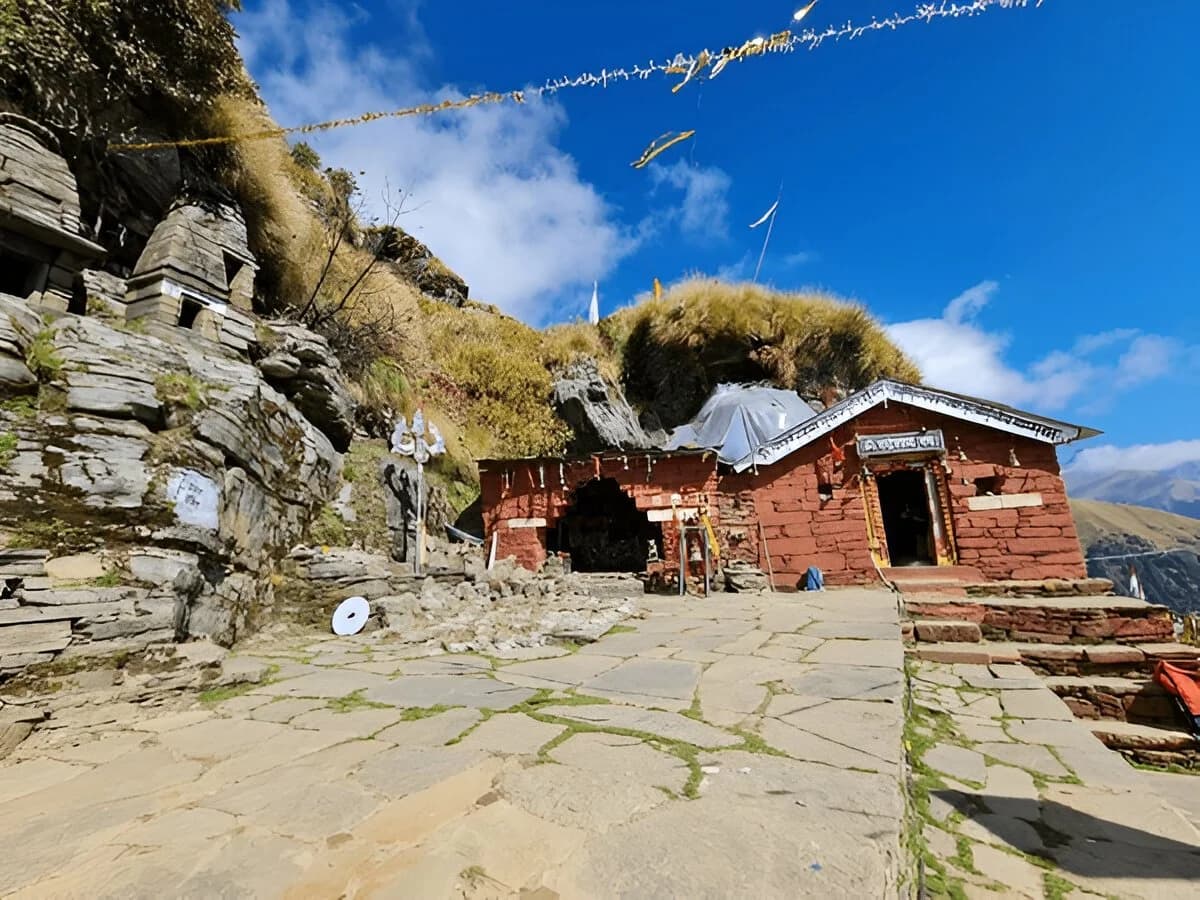
Overview of Rudranath Temple: Rudranath Temple, located in the Chamoli district of Uttarakhand, is a significant pilgrimage site for Shiva devotees. It is one of the five Panch Kedar temples, where the face of Lord Shiva is worshipped. Unlike other temples that are easily accessible, Rudranath requires an adventurous trek through dense forests, meadows, and stunning mountain landscapes. This temple is also a key highlight in Chardham Yatra packages, attracting devotees from across the country.The temple, believed to have been established by the Pandavas, holds immense mythological and spiritual significance. Surrounded by rhododendron forests and the majestic Himalayan peaks, it provides a surreal and peaceful atmosphere. The trek to Rudranath is challenging but rewarding, offering mesmerizing views of Nanda Devi, Trishul, and Nanda Ghunti peaks.For those seeking a blend of devotion and adventure, Rudranath Temple is a perfect destination. The journey itself becomes a spiritual experience, making it a cherished visit for pilgrims and nature lovers alike. What are the Key Highlights of Rudranath Temple: Panch Kedar Temple: Rudranath is one of the five temples where Lord Shiva is worshipped in different forms. Unique Shiva Worship: Unlike other Shiva temples, Rudranath enshrines the face of Lord Shiva as the main deity. Scenic Trekking Route: The temple is accessible only through a stunning trek, offering breathtaking views of the Himalayas. Spiritual Atmosphere: The temple is located at an altitude of 3,600 meters, creating an aura of divine energy. Rhododendron Forests: The trek passes through thick forests filled with vibrant rhododendron flowers. Surreal Sunrises and Sunsets: Witnessing sunrise and sunset at Rudranath is a magical experience. Nearby Sacred Sites: The temple is surrounded by several holy kunds (lakes), such as Suryakund, Chandrakund, and Tarakund, adding to its spiritual charm. Timings & Entry Fees for Rudranath Temple: 1. Temple Timings: Open from 6:00 AM to 7:00 PM (May to October, as the temple remains closed in winter).2. Entry Fee: No entry fee; donations are welcome.3. Best Time to Visit: May to October, when the weather is pleasant and trekking conditions are favourable. Travel Tips & Essential Information for Rudranath Temple: Best Time to Visit: Plan your trip between May and October to avoid harsh winter conditions. Trekking Preparation: The trek is moderate to difficult; ensure you are physically prepared. Dress Code: It is advised to dress modestly and wear comfortable trekking clothes. Trekking Route: The most common trek starts from Sagar Village, covering approximately 20 km. How to Reach: Nearest airport – Jolly Grant Airport (Dehradun); nearest railway station – Rishikesh. Accommodation: Basic lodges and dharamshalas are available at Panar and Urgam villages. Food Availability: Limited food options along the route; carry dry snacks and water. Safety Tip: Travel with a guide if unfamiliar with the trek, as the trail can be challenging. Altitude Precaution: Due to high altitude, some travellers may experience breathlessness; and carry necessary medications. Temple Rituals: Participate in the special aarti and rituals for a fulfilling spiritual experience. Also Read: Places to Visit in Chardham YatraMust Read: Things to do in Chardham Yatra

Read More

Snow Trekking at Chopta
May 30, 20253 Minutes
Snow Trekking at Chopta
Overview of Snow Trekking at Chopta: Snow trekking in India is becoming famous day by day. Not just because it’s really adventurous, but because India has so many treks, it always keeps adventure lovers excited. From December to March, these treks transform into winter wonderlands, offering adventures that both beginners and experts can enjoy. The crisp mountain air, the crunch of snow under your boots, and the thrill of conquering snowy peaks make these journeys unforgettable. Some of India’s most popular snow treks include the Kedarkantha Trek in Uttarakhand which is famous for its easy trails and stunning summit views; the Brahmatal Trek, famous for its frozen lake; the Chadar Trek in Ladakh, where you walk on the frozen Zanskar River; the Kuari Pass Trek with its panoramic views of Nanda Devi; and the Dayara Bugyal Trek, perfect for first-time snow trekkers. You can easily explore and visit these treks through our Chopta Tour Packages, letting you experience both snow adventures and the beauty of this charming hill station. What are the Key Highlights of Snow Trekking at Chopta: Sunrise Summit Views: Watch the sun paint the snow-covered peaks in golden hues from heights of 12,000+ feet. Perfect for photographers and nature lovers. Camping in Snow: Experience the thrill of sleeping in specially designed tents surrounded by snow-covered peaks. Hot meals and bonfire sessions are included. Frozen Lakes & Waterfalls: Trek to hidden frozen lakes that turn into natural ice skating rinks. Watch waterfalls frozen in time, creating stunning ice formations. Local Mountain Villages: Visit traditional Himalayan homes where locals share warm butter tea and stories of mountain life. Great chance to experience authentic culture. Pine Forest Trails: Walk through snow-covered pine forests with branches heavy with snow. Excellent spots for wildlife spotting and nature photography. Professional Guides: Learn snow survival skills from experienced local guides who know these mountains like the back of their hand. Night Sky Viewing: Experience crystal clear night skies with countless stars, far from city lights. Perfect for stargazing and astrophotography. Timings & Entry Fees of Snow Trekking at Chopta: Best snow trekking season: December to March. Most treks take 4-7 days Trek costs: INR 8,000 – 15,000 per person (including camping, meals, and basic equipment). Some protected areas require forest permits: INR 150-500 per person Guide fees: INR 1,500-2,500 per day Travel Tips/ Essential Information for Snow Trekking at Chopta: Physical Preparation: Start basic cardio exercises at least 2 months before your trek. Regular walking and stair climbing help build the stamina needed for snow treks. Essential Gear: Pack proper snow boots, warm layers, a waterproof jacket, thermal wear, and good-quality socks. Rent expensive gear instead of buying if you’re a first-timer. Altitude Safety: Take proper rest breaks, drink plenty of water, and listen to your guide’s advice about altitude sickness. Carry basic medicines for headaches and colds. Smart Packing: Keep important items like medicines, cameras, and documents in waterproof bags. Pack chocolates and dry fruits for quick energy on the trail. Stay Warm Tricks: Wear layers instead of one thick jacket. Keep spare socks, don’t skip meals, and avoid cotton clothes as they retain moisture. Photography Tips: Keep camera batteries warm in inner pockets. Morning light is best for snow photography. Carry a small tripod for stable shots. Budget Smart: Book treks directly through local operators instead of big companies. Travel in groups of 4-6 to share costs. Carry some extra cash for emergencies. Also Read: Places to Visit in ChoptaMust Read: Things to do in Chopta

Read More

Shri Narsingh Temple Joshimath
May 30, 20253 Minutes
Shri Narsingh Temple Joshimath
Overview of Narsingh Temple: The Narsingh Temple is a prominent religious site located in Joshimath, Uttarakhand, and is an essential stop for those embarking on the Chardham Yatra packages. Dedicated to Lord Narsingh, an incarnation of Lord Vishnu, the temple holds immense importance for Hindus. The story of Lord Narsingh, who protected his devotee Prahlad, is central to the temple’s significance. The temple’s architecture features intricately carved wooden sculptures that add to its charm. The deity’s idol inside the temple, depicting the half-man, half-lion form of Lord Narsingh, is one of the most revered sights for devotees.Nestled amid the serene beauty of the Himalayas, the temple offers a peaceful and spiritual atmosphere. Apart from its religious importance, the Narsingh Temple is also known for its scenic location, which attracts visitors who seek both spiritual solace and breathtaking natural views. A visit to this sacred temple is a must when exploring Uttarakhand. What are the Key Highlights of Narsingh Temple: Dedicated to Lord Narsingh: The temple honours Lord Narsingh, an incarnation of Lord Vishnu who appeared to protect his devotee, Prahlad, from the demon king Hiranyakashipu. Exquisite Architecture: The temple’s beautiful wooden carvings and intricate sculptures reflect traditional Himalayan craftsmanship. Spiritual Atmosphere: A peaceful place where visitors can meditate and experience spiritual tranquillity, far from the noise of city life. Part of the Chardham Circuit: Located on the Chardham pilgrimage route, it is a key stop for pilgrims and tourists alike. Scenic Location: Set against the stunning backdrop of the Himalayan mountains, the temple offers scenic views that add to the serene experience. Annual Celebrations: Special occasions like Narsingh Jayanti and other Hindu festivals see the temple come alive with religious fervour and activities. Timings & Entry Fees for Narsingh Temple: 1. Opening Hours: The Narsingh Temple is open daily from 6:00 AM to 8:00 PM.2. Entry Fees: There is no entry fee for the temple, although donations are welcomed to support its upkeep. Visitors are encouraged to contribute voluntarily. Travel Tips & Essential Information for Narsingh Temple: Best Time to Visit: The best time to visit the Narsingh Temple is between April and November. The weather is pleasant, and the roads are accessible, making travel easier. Winter months are harsh, with snow blocking access. How to Get There: Joshimath is well-connected by road to major towns like Rishikesh and Haridwar. You can take a taxi or a bus to Joshimath from these cities. From Joshimath, the temple is easily accessible by foot or a short drive. What to Wear: There is no strict dress code, but it’s advisable to wear modest, comfortable clothing as the temple is a religious site. Also, bring warm clothes during colder months as the temperature can drop significantly. Stay Options: Joshimath offers various accommodation options ranging from budget-friendly guesthouses to comfortable hotels. It’s recommended to book your stay in advance during peak pilgrimage seasons. Nearby Attractions: Don’t miss out on nearby spots such as Auli, known for its skiing, and Badrinath Temple, another important site in the Char Dham circuit. Altitude Precaution: Joshimath is situated at a high altitude, so make sure to stay hydrated and take regular breaks if you’re not used to the altitude. Whether you’re a devotee seeking blessings or a traveler looking to enjoy the beauty of the Himalayas, this temple offers a peaceful and uplifting experience. Also Read: Places to Visit in Chardham YatraMust Read: Things to do in Chardham Yatra

Read More

Chopta Tungnath Temple
May 30, 20253 Minutes
Chopta Tungnath Temple
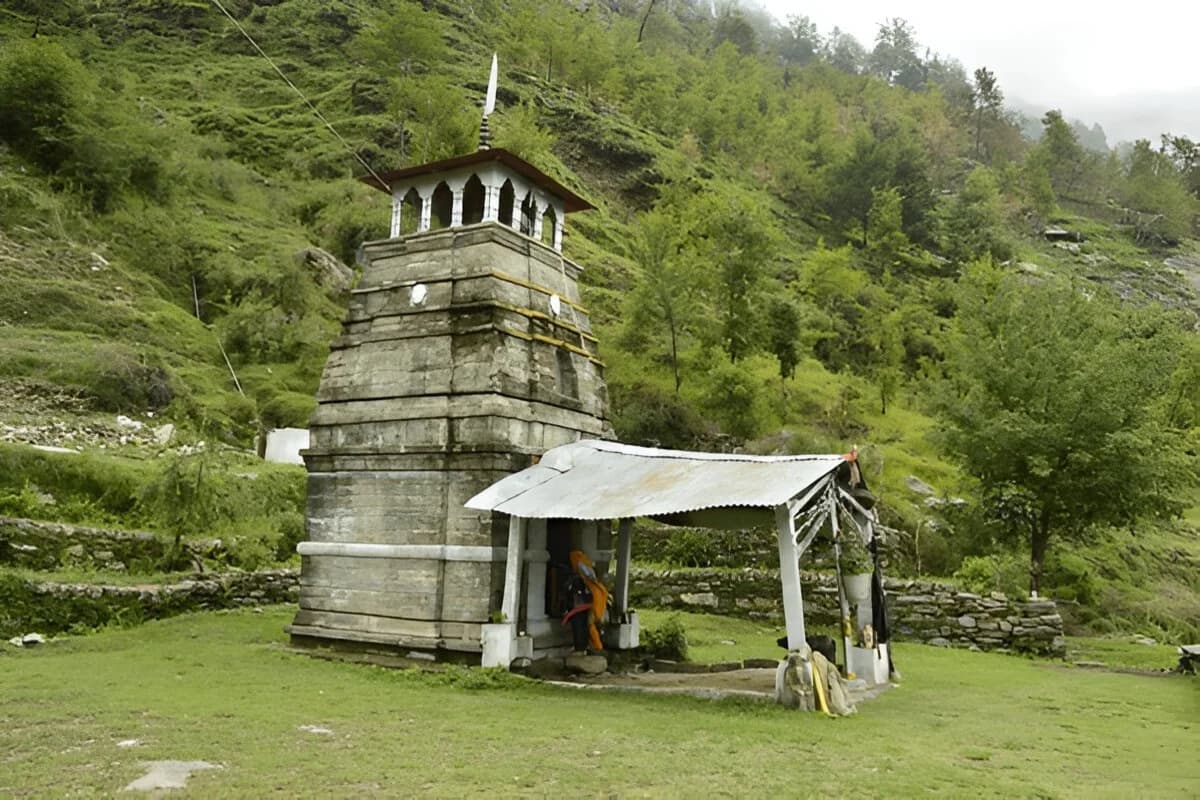
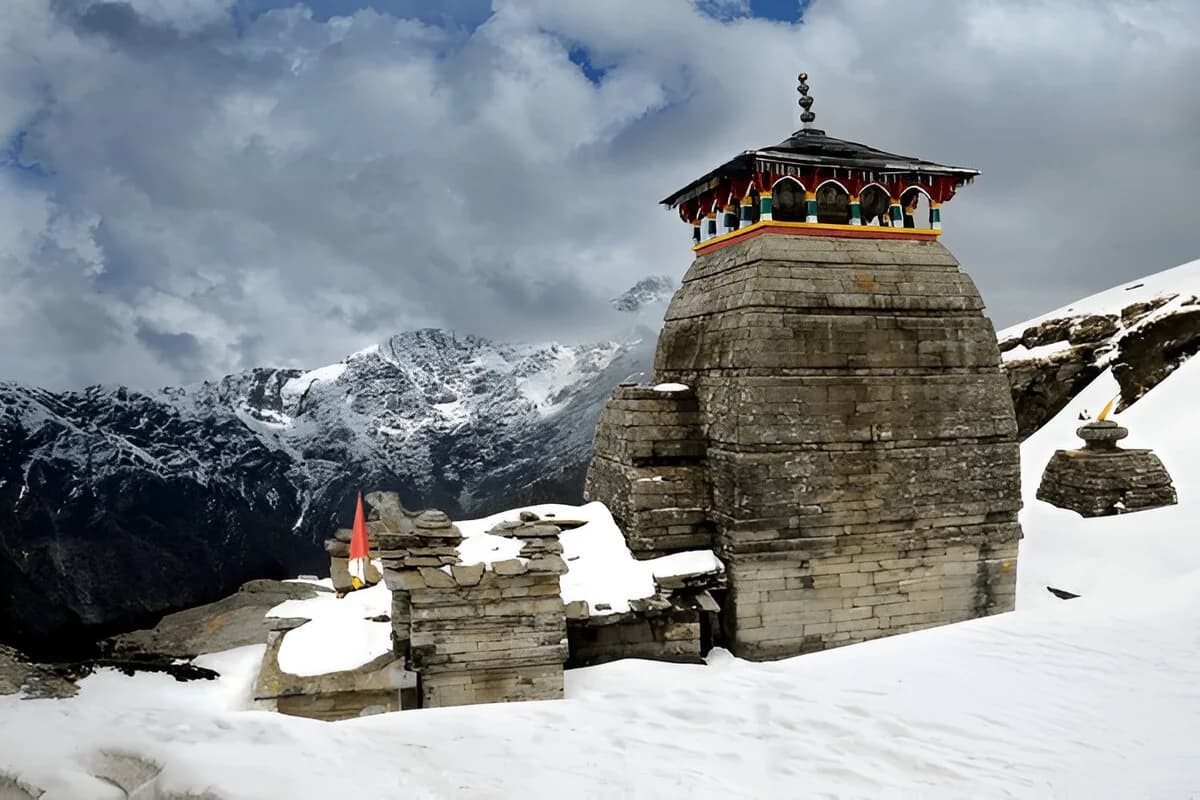
Overview of Chopta Tungnath Temple: Tunganath Temple located at 12,073 feet in Chopta, Uttarakhand, is the highest Shiva temple in the world. The temple has an amazing story that goes back over 5,000 years, to the time of the Pandavas from Mahabharata. Legend says that after the great war, the Pandavas built this temple to seek Lord Shiva’s forgiveness. The temple’s architecture shows the typical North Indian temple style. When people go for Chardham Yatra Packages, you can easily add Tungnath Temple to your itinerary as it is located in Uttarakhand itself. The temple is part of the Panch Kedar temples in Uttarakhand, each with its own special connection to different parts of Lord Shiva’s body. At Tunganath, devotees worship his arms. During winter, the temple gets covered in thick snow, creating a magical sight that draws both pilgrims and nature lovers. What are the Key Highlights of Chopta Tungnath Temple: Highest Shiva Temple: At 12,073 feet above sea level and feel on top of the world. The clean mountain air and spectacular views make it a one-of-a-kind experience. Trek Adventure: Enjoy a moderate 4 km trek from Chopta to the temple through beautiful rhododendron forests. Perfect for both beginners and experienced trekkers. Sunrise: Catch the golden sunrise from Chandrashila Peak, just above the temple. Watch the sun paint the Himalayan peaks in stunning colors. Meadows of Chopta: Walk through lush green meadows filled with colorful flowers in summer. Great spots for photography and picnics. Local Wildlife: Spot Himalayan monal birds, tahr, and maybe even a snow leopard if you’re lucky. Don’t forget your camera! Ancient Architecture: Marvel at the temple’s stonework and design that has survived centuries of harsh weather. Timings & Entry Fees of Chopta Tungnath Temple: Temple opens from May to October, 6 am to 6 pm daily. Closed during winter months (November to April) due to heavy snowfall. No entry fee for the temple. Travel Tips/ Essential information of Chopta Tungnath Temple: Best Time to Visit: May to June and September to October offer perfect weather for temple visits and trekking. Avoid monsoon months (July-August). Altitude Sickness Alert: Take it slow and stay hydrated. Carry basic medicines and give yourself time to adjust to the height. Accommodation Options: Book stays in Chopta or nearby Gopeshwar. Options range from Rs. 500 to Rs. 3000 per night. Proper Clothing: Pack warm clothes even in summer. Temperature can drop suddenly. Don’t forget rain gear and good trekking shoes. Early Start Benefits: Begin your trek early morning to avoid afternoon clouds and get clear mountain views. Local Food Must-Try: Sample local Garhwali dishes at small eateries in Chopta. Remember to bring some snacks for the trek. Fitness Preparation: Start some basic exercises 2-3 weeks before your trip. The trek is moderate but needs basic fitness.Also Read: Places to Visit in Chardham YatraMust Read: Things to do in Chardham Yatra

Read More

Saptrishi Kund
May 30, 20253 Minutes
Saptrishi Kund
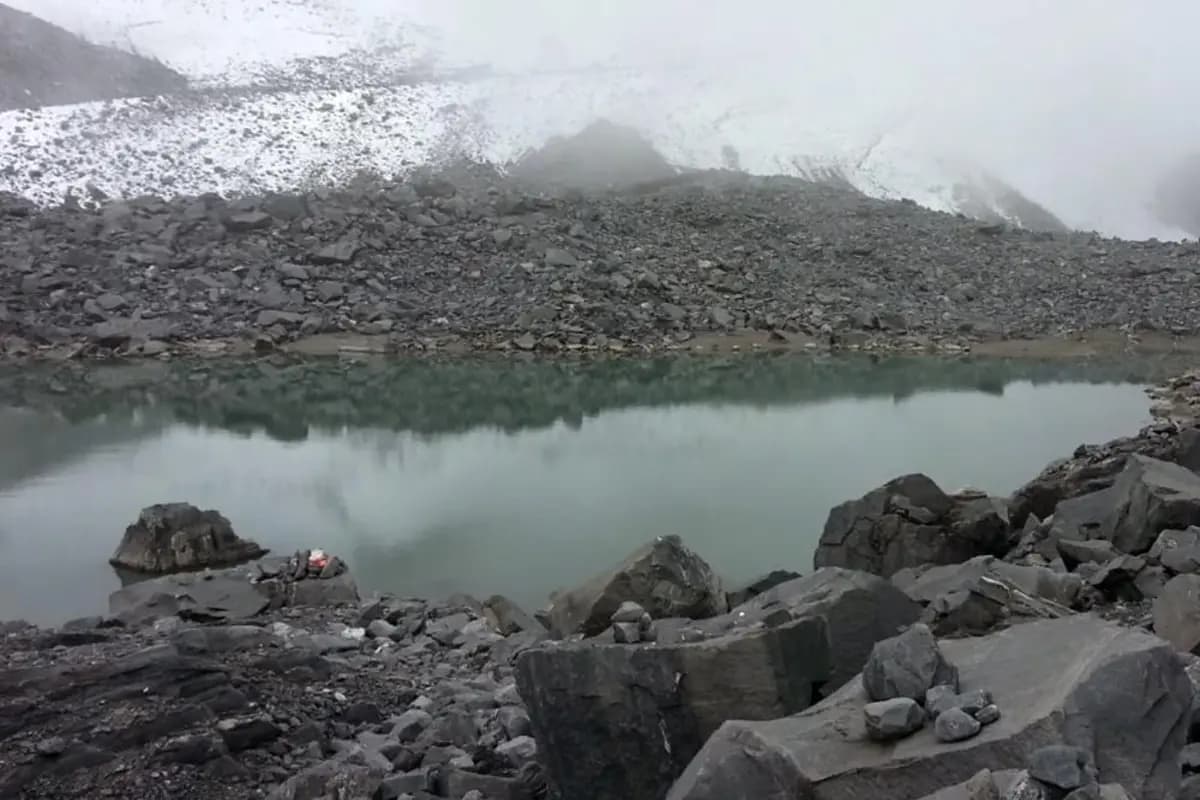
Overview of Saptrishi Kund Saptrishi Kund, situated at a high altitude of about 4,500 meters in the Garhwal region, is a sacred glacial lake near Yamunotri. The lake holds great spiritual importance, as it is believed to be the meditation site of the seven great sages, known as the Saptrishis, in ancient times. Surrounded by towering snow-capped peaks and lush green meadows, the area offers some of the most picturesque views in the region. It is also a hidden gem for those exploring Chardham Yatra packages, as it provides a perfect blend of spirituality and adventure. The Kund, formed by the melting snow from the Yamunotri Glacier, is a serene and pristine place. Getting there is an adventure in itself, with a challenging trek that takes visitors through rugged terrain, dense forests, and alpine meadows. Despite the difficulty, the peaceful atmosphere and breathtaking views make it well worth the effort. For those looking to connect with nature and spirituality, Saptrishi Kund is an unforgettable destination. What are the Key Highlights of Saptrishi Kund: Spiritual Significance: Saptrishi Kund is believed to be the place where the seven sages (Saptrishis) meditated, making it a sacred site for pilgrims. Stunning Natural Beauty: The Kund is surrounded by breathtaking views of snow-capped peaks, green meadows, and dense forests, offering a peaceful and serene environment. Challenging Trek: The journey to Saptrishi Kund involves a 19-kilometer trek from Yamunotri. It is not easy, but the stunning scenery along the way makes the effort worthwhile. Off-the-Beaten-Path: Unlike other more popular destinations, Saptrishi Kund remains relatively unexplored, providing a tranquil and secluded experience for those who venture there. Connection to the Yamunotri Glacier: The Kund is fed by the melting waters of the Yamunotri Glacier, adding to its beauty and sacred nature. Timings & Entry Fees of Saptrishi Kund: Timings: Saptrishi Kund is open year-round, but the best time to visit is between May and October, as the trek is more accessible and the weather is favourable. Entry Fees: There is no entry fee for visiting Saptrishi Kund, but visitors are advised to bring their food and supplies for the trek. Travel Tips & Essential Information For Saptrishi Kund: Best Time to Visit: The ideal time to visit Saptrishi Kund is during the summer and early autumn months (May to October). Winters bring heavy snowfall, making the trek inaccessible. How to Reach: To reach Saptrishi Kund, travellers need to first reach Yamunotri. From there, it’s a 19-kilometer trek. It’s a strenuous journey, so visitors should be prepared for challenging terrain and high altitudes. What to Wear: Dress in layers, as temperatures can vary. It’s important to wear sturdy trekking shoes as the path can be rough. Don’t forget to bring a hat, sunscreen, and sunglasses for protection from the sun. Carry Essentials: Since Saptrishi Kund is remote, it’s essential to carry water, food, and other supplies for the trek. There are no shops along the way. Physical Fitness: The trek is physically demanding, so it’s important to be in good shape. Take regular breaks and drink plenty of water to avoid altitude sickness. Saptrishi Kund is a peaceful and spiritual retreat that offers a perfect escape for nature lovers and spiritual seekers alike. The trek to the lake is a challenging yet rewarding journey, providing an opportunity to experience the raw beauty of the Himalayas. It’s a must-visit destination for anyone looking to connect with nature and find solace away from the crowds.Also Read: Places to Visit in Chardham YatraMust Read: Things to do in Chardham Yatra

Read More

Valley of Flowers
May 30, 20253 Minutes
Valley of Flowers
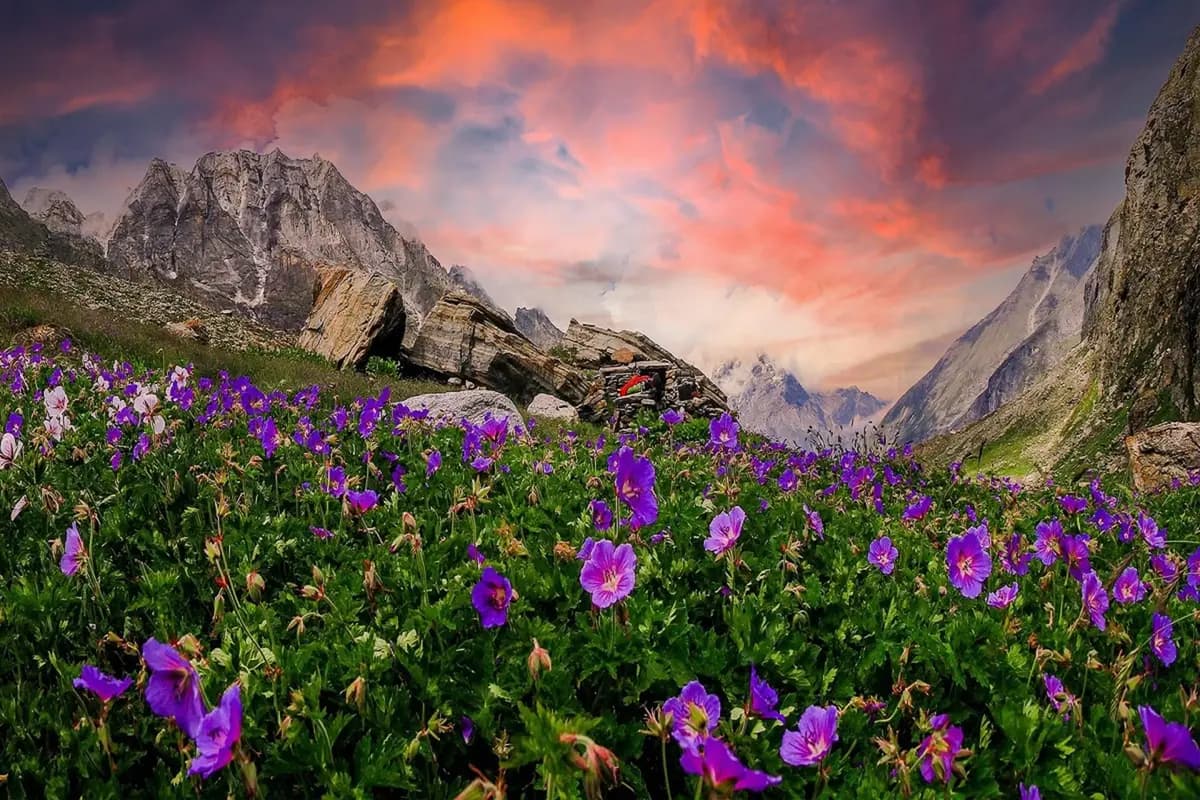
Overview of Valley of Flowers: The Valley of Flowers, located in Uttarakhand’s Chamoli district, is a mesmerizing national park known for its rich biodiversity and stunning landscapes. Spread over 87 square kilometres, this enchanting valley is home to more than 600 species of wildflowers, including blue poppies, orchids, primulas, and the rare Brahma Kamal. It is also a part of the Nanda Devi Biosphere Reserve, making it a UNESCO World Heritage Site. A part of Chardham Yatra packages, this natural wonder is a paradise for nature lovers, trekkers, and spiritual seekers looking to experience the untouched beauty of the mountains. For centuries, this valley has been considered sacred, with many believing it to be the resting place of gods. The trek to the valley, starting from Govindghat, takes visitors through lush forests, flowing rivers, and picturesque villages, making it an unforgettable experience. The best time to visit is during the monsoon season (July to September) when the valley is in full bloom. Whether you are an adventurer, a botanist, or simply someone seeking peace, the Valley of Flowers is a must-visit destination. What are the Key Highlights of Valley of Flowers: A UNESCO World Heritage Site: It is recognized for its unique biodiversity and pristine beauty, the Valley of Flowers is a globally protected area. A Botanical Wonderland: Home to over 600 species of flowers, including the rare and sacred Brahma Kamal. A Trekker’s Paradise: The journey to the valley involves a scenic 14-kilometer trek from Govindghat, offering breathtaking views along the way. Spiritual and Mythological Significance: It is believed that Lord Hanuman collected Sanjeevani Booti from this valley to revive Lakshman in the Ramayana. Wildlife Sanctuary: The valley is home to rare animals such as the Asiatic black bear, snow leopard, and musk deer, making it a wildlife lover’s delight. Timings & Entry Fees of Valley of Flowers: Timings: The Valley of Flowers is open from June to October, with the peak blooming season from July to September. Entry Fees: Indian Nationals: ₹150 per person Foreign Nationals: ₹600 per person The entry ticket is valid for three days, and additional charges apply for extended visits. Travel Tips & Essential Information For Valley of Flowers: Best Time to Visit: Plan your trip between July and September to witness the valley in full bloom. The monsoon months bring the flowers to life, making it the most picturesque time to visit. Trek Details: The trek starts from Govindghat, covering approximately 14 kilometres to reach the valley. It is of moderate difficulty, and suitable for beginners with basic fitness levels. How to Reach: The nearest airport is Jolly Grant Airport in Dehradun, and the nearest railway station is Haridwar or Rishikesh. From there, one can hire a taxi or take a bus to Govindghat. What to Pack: Wear comfortable trekking shoes, carry rain gear, a backpack, sunscreen, sunglasses, and a camera to capture the stunning views. Stay Options: Accommodation is available at Govindghat and Ghangaria, the base point for the trek. Staying overnight in the valley is not permitted. Permit Requirement: Entry permits are required and can be obtained from the forest department office at Govindghat or Ghangaria. The Valley of Flowers is more than just a trek, it’s an experience of a lifetime. Whether you seek adventure, photography, spirituality, or just an escape into nature, this Himalayan paradise promises an unforgettable journey.Also Read: Places to Visit in Chardham YatraMust Read: Things to do in Chardham Yatra

Read More

Ganga Aarti
May 30, 20253 Minutes
Ganga Aarti
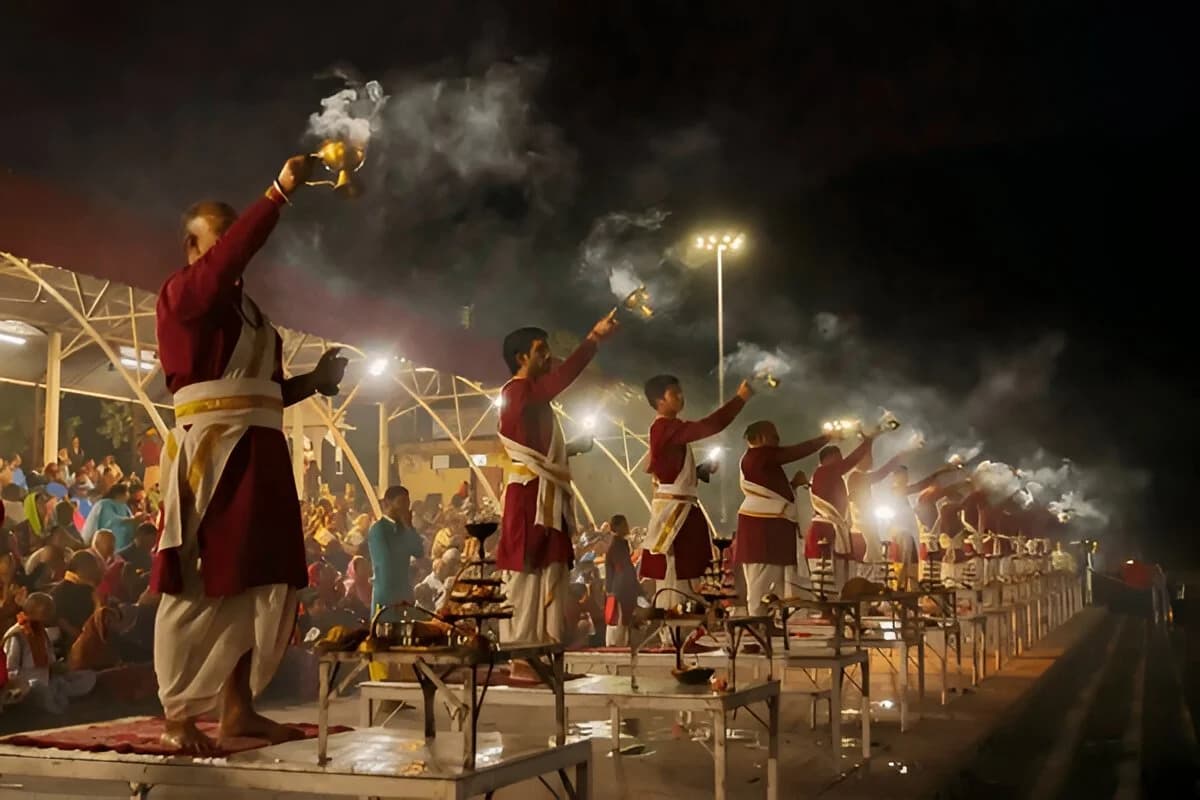
Overview of Ganga Aarti: The Ganga Aarti is a divine ritual dedicated to the River Ganga, considered the holiest river in India. This spiritual ceremony is performed every evening at various ghats, with the most famous ones being Har Ki Pauri in Haridwar and Triveni Ghat in Rishikesh. Priests dressed in traditional attire offer prayers using large brass lamps, with the sound of bhajans, bells, and conch shells filling the air. As part of Chardham Yatra packages, many pilgrims attend the Ganga Aarti to seek blessings before or after visiting the four sacred shrines of Yamunotri, Gangotri, Kedarnath, and Badrinath. The sight of the flickering diyas floating on the river, combined with the chants and the cool evening breeze, creates an unforgettable experience. Whether you are religious or simply seeking inner peace, the Ganga Aarti is a must-attend ritual that embodies devotion and serenity. What are the Key Highlights of Ganga Aarti: Har Ki Pauri, Haridwar: One of the most popular places to witness the Ganga Aarti, where thousands gather daily to experience this divine event. Triveni Ghat, Rishikesh: A peaceful location offering a quieter yet equally powerful Aarti experience by the sacred confluence of three rivers. Spiritual Significance: The Aarti symbolizes gratitude to the Ganga for its life-giving waters and purifying presence. It is believed that attending the Aarti cleanses the soul. Participation in Rituals: Visitors can offer flowers, diyas, and prayers, making it a deeply personal and spiritual experience. Timings & Entry Fees of Ganga Aarti: Haridwar: 6:00 PM – 7:00 PM (Summer) | 5:30 PM – 6:30 PM (Winter) Rishikesh: 6:00 PM – 7:00 PM (Summer) | 5:30 PM – 6:30 PM (Winter) Entry Fee: Free (VIP seating available at some ghats for a fee). Travel Tips & Essential Information For Ganga Aarti: Best Time to Visit: Attend the Aarti during sunset for the most magical experience. Arrive 30-45 minutes early to get a good spot. How to Reach: Haridwar & Rishikesh: The nearest airport is Jolly Grant Airport, Dehradun. Well-connected by road and train. Where to Sit: The front rows offer the best views but fill up quickly. Some ghats provide VIP seating for a donation. What to Carry: Bring a camera, a small offering (flowers, diya), and comfortable footwear. Beware of pickpockets in crowded areas. Spiritual Significance: Taking a dip in the Ganga before the Aarti is considered highly auspicious. Spiritual Significance: Taking a dip in the Ganga before the Aarti is considered highly auspicious. Cultural Etiquette: Maintain silence and respect during prayers. Follow instructions given by the priests. The Ganga Aarti is more than just a ritual, it is a soulful journey into India’s spiritual essence. Whether you’re part of a Chardham Yatra package or exploring on your own, this sacred event will leave you with a sense of peace and divine connection.Also Checkout: Things To Do in ChardhamMust Read: Places To Visit in Char Dham

Read More

Gomukh Glacier
May 30, 20253 Minutes
Gomukh Glacier
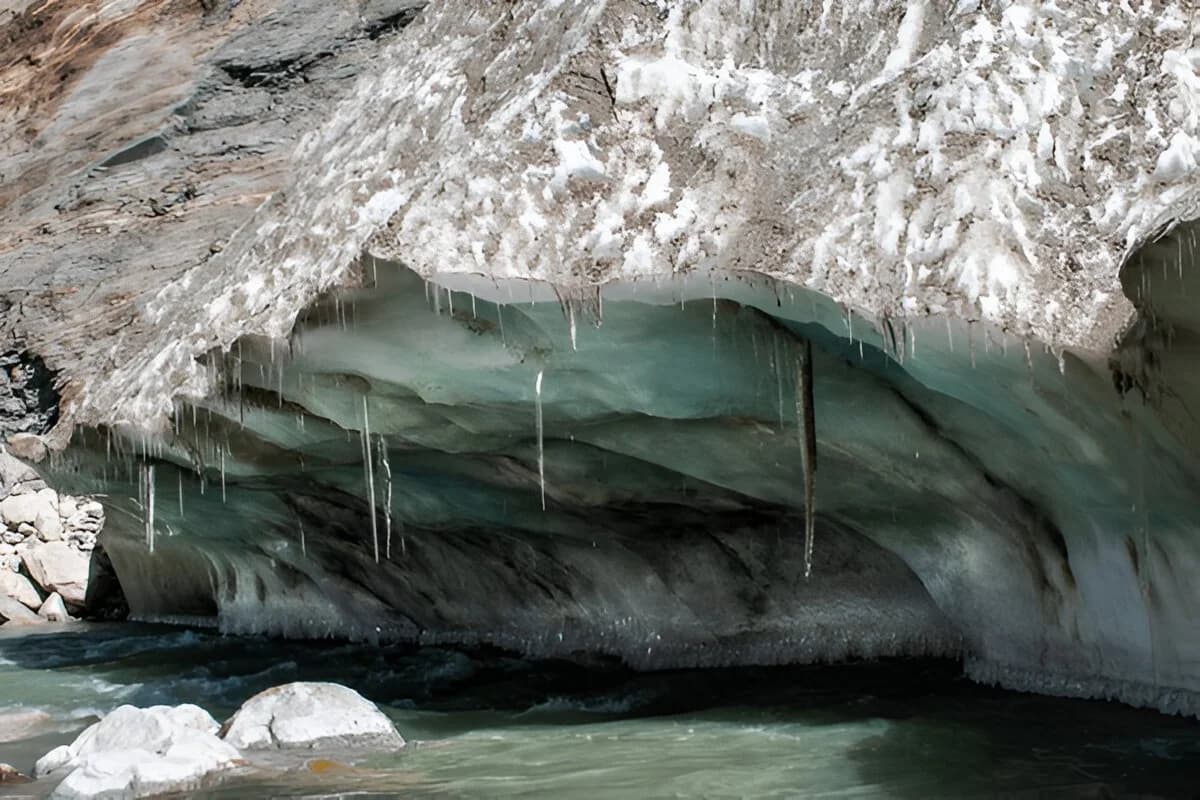
Overview of Gomukh Glacier: Gomukh Glacier, situated at an altitude of 4,000 meters in Uttarakhand’s Gangotri National Park, is the origin of the Bhagirathi River, which later merges with the Alaknanda to form the sacred Ganga River. The glacier derives its name from its cow-like snout (Gomukh), from where the river emerges. This glacier holds immense spiritual importance, as it is closely associated with the Ganga’s divine descent to Earth, as mentioned in Hindu mythology. Many pilgrims include Gomukh in their journey as part of Chardham Yatra packages, making it a revered spot for prayer and meditation. Apart from religious significance, Gomukh Glacier is a paradise for trekkers. The 18 km trek from Gangotri to Gomukh offers breathtaking views of snow-capped peaks, lush valleys, and unique Himalayan flora and fauna. Whether for spirituality or adventure, visiting Gomukh is an experience like no other. What are the Key Highlights of Gomukh Glacier Sacred Origin of the Ganga: The glacier is believed to be the divine source of the Ganga River, making it a significant pilgrimage site. Challenging Trek: A moderate to difficult 18 km trek from Gangotri to Gomukh, passing through Bhojbasa, offers an exciting adventure for trekking enthusiasts. Scenic Beauty: The route offers mesmerizing views of Shivling Peak, Bhagirathi Peaks, and Meru Peak, along with diverse Himalayan wildlife. Gangotri National Park: Home to rare species like the Himalayan blue sheep (Bharal), snow leopards, and musk deer. Spiritual Experience: Many pilgrims perform meditation and rituals at Gomukh, believing it to be a deeply sacred place. Limited Permits: To preserve the natural beauty, a permit from the Uttarkashi Forest Department is required for trekking. Timings & Entry Fees of Gomukh Glacier Best Visiting Months: May – October (Closed in winter due to heavy snowfall). Entry Fee: ₹150 per person (Indian), ₹600 per person (Foreigners) for entry to Gangotri National Park. Permit Required: Visitors need a trekking permit from the Forest Department in Uttarkashi before heading to Gomukh. Travel Tips & Essential Information For Gomukh Glacier: Best Time to Visit: May to June and September to October offer the best trekking conditions. How to Reach: Nearest Airport: Jolly Grant Airport, Dehradun (250 km from Gangotri). Nearest Railway Station: Dehradun or Rishikesh (followed by a drive to Gangotri). By Road: Gangotri is accessible via motorable roads; trekking begins from there. Trekking Essentials: Carry warm clothing, sturdy trekking shoes, energy bars, and sufficient water for the trek. Health Precautions: Due to high altitude (4,000m+), acclimatize properly and carry necessary medications for altitude sickness. Permits & Regulations: Obtain a permit from the Uttarkashi Forest Department (limited entries per day). Accommodation: Simple guesthouses and GMVN huts are available in Bhojbasa, the last stop before Gomukh. Respect Nature: Avoid littering and follow eco-friendly practices to protect the pristine environment. A visit to Gomukh Glacier is a journey of both spiritual and adventurous significance. Whether included in Chardham Yatra packages or explored independently, this sacred glacier offers a truly divine and thrilling experience in the heart of the Himalayas.Also Checkout: Things To Do in ChardhamMust Read: Places To Visit in Char Dham

Read More

Hanuman Chatti
May 30, 20253 Minutes
Hanuman Chatti
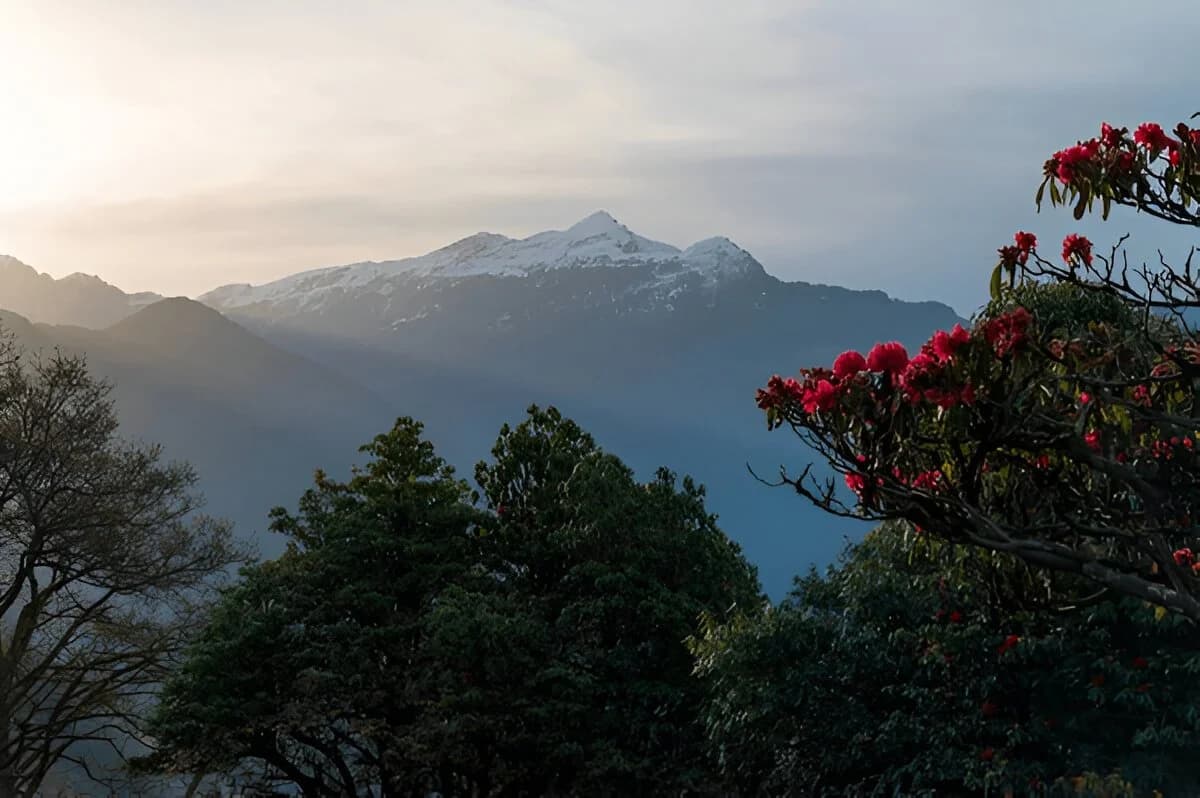
Overview of Hanuman Chatti: Hanuman Chatti is a small yet important pilgrimage site in Uttarakhand, located at the confluence of the Hanuman Ganga and Yamuna rivers. This peaceful destination is about 13 km from Yamunotri and serves as a base for pilgrims trekking to Yamunotri Dham. The place is named after Lord Hanuman, and there is an ancient Hanuman Temple where devotees stop to offer prayers before continuing their spiritual journey. Many pilgrims include Hanuman Chatti in their journey as part of Chardham Yatra packages, making it a special stop on the way to the divine sites of Uttarakhand. Surrounded by lush greenery, snow-capped mountains, and flowing rivers, Hanuman Chatti is not just a religious place but also a great spot for nature lovers and trekkers. The fresh mountain air, calm environment, and scenic beauty make it a perfect place to rest and rejuvenate before heading towards Yamunotri. What are the Key Highlights of Hanuman Chatti: Hanuman Temple: The main attraction is an ancient temple dedicated to Lord Hanuman, where devotees seek blessings before continuing their journey. Scenic Beauty: Surrounded by Himalayan mountains, green valleys, and the Yamuna River, it is a peaceful retreat for travellers. Trekking Base for Yamunotri: Earlier, trekking to Yamunotri started from Hanuman Chatti, but now the trek begins from Janki Chatti. However, many still visit this spot for its beauty. Hot Springs: Pilgrims can enjoy natural hot water springs in nearby Janki Chatti, just a few kilometres away. Spiritual Importance: Many believe that Lord Hanuman rested here after defeating a demon, making it a holy place. Perfect Rest Stop: Pilgrims on their way to Yamunotri rest and refresh here before continuing their journey. Timings & Entry Fees of Hanuman Chatti: Temple Timings: Open daily from sunrise to sunset. Best Time to Visit: April to June and September to November, as the weather is pleasant. Entry Fees: No entry fee for visiting Hanuman Chatti or the temple. Nearby Facilities: Basic guesthouses and food stalls are available for travellers. Travel Tips & Essential Information For Hanuman Chatti: Best Time to Visit: The best months are April to June and September to November, as winters bring heavy snowfall. How to Reach: By Air: The nearest airport is Jolly Grant Airport (Dehradun), about 190 km away. By Train: Rishikesh Railway Station is the closest, around 170 km from Hanuman Chatti. By Road: Accessible by road from Haridwar, Rishikesh, and Dehradun. Trekking Information: Though the trek to Yamunotri now starts from Janki Chatti, many still enjoy a short trek from Hanuman Chatti. Accommodation: Budget guesthouses and dharamshalas are available for travelers. It’s best to book in advance during peak season. Food Options: Small roadside eateries offer simple vegetarian meals for pilgrims. Carry Essentials: Warm clothes, trekking shoes, and personal items are recommended, as temperatures drop at night. Respect the Environment: Do not litter; follow eco-friendly practices to preserve the natural beauty of the region. A visit to Hanuman Chatti is a blend of spirituality and natural beauty. Whether as part of Chardham Yatra packages or as an independent journey, this sacred place offers peace, devotion, and stunning landscapes for every traveller.Also Read: Places to Visit in Chardham YatraMust Checkout: Things to do in Chardham Yatra
Read More

Login ModalPost Login FormTalk with trip expert