Blog hero image
Top Travel Stories

Explore our latest blogs and travel with us

Vietnam War Remnants Museum
May 30, 20253 Minutes
Vietnam War Remnants Museum
Overview of Vietnam War Remnants Museum: The Vietnam War Memorial is an important site in Vietnam that helps visitors learn about one of the country’s most tragic times. The Vietnam War lasted from 1955 to 1975, causing great suffering and loss. This memorial was built to remember the soldiers and civilians who lost their lives during the war. If you are planning a trip with Vietnam tour packages, adding a visit to one of these memorials can give you a deeper understanding of the country’s past. There are many war memorials across Vietnam, but some of the most famous ones include the War Remnants Museum in Ho Chi Minh City, the Vietnam Veterans Memorial in Hanoi, and the My Lai Massacre Memorial in Quang Ngai. These places help people understand the struggles of war, the effects on local people, and the bravery of those who fought. Visiting the Vietnam War Memorial is a powerful experience. It is not just a place to learn history but also to honor those who sacrificed their lives. What are the Key Highlights of Vietnam War Remnants Museum: Here are some key things to know about the Vietnam War Memorial: War Remnants Museum (Ho Chi Minh City) – One of the most visited places, showcasing war artifacts, photos, and personal stories. Vietnam Veterans Memorial (Hanoi) – A place that remembers the soldiers who fought in the war. My Lai Massacre Memorial (Quang Ngai) – A memorial built in memory of the innocent villagers killed during the war. Truong Son National Cemetery – The largest war cemetery in Vietnam, where many soldiers are buried. Artifacts and Displays – Visitors can see old war tanks, helicopters, and weapons used during the war. Real Stories from the War – The memorials include letters, photos, and personal belongings of those who lived through the war. A Place for Reflection – These sites help visitors understand the impact of war and appreciate peace. Timings & Entry Fees for Vietnam War Remnants Museum: War Remnants Museum (Ho Chi Minh City): Timings: 7:30 AM – 6:00 PM Entry Fee: Around ₹150 per person My Lai Massacre Memorial (Quang Ngai): Timings: 7:00 AM – 5:00 PM Entry Fee: Around ₹100 per person Vietnam Veterans Memorial (Hanoi): Timings: Open all day Entry Fee: Free Travel Tips / Essential Information for Vietnam War Remnants Museum: If you are planning to visit the Vietnam War Memorial, here are some useful tips: Be Respectful – These sites hold painful memories, so visitors should maintain a quiet and respectful attitude. Read the Information – Take time to read the stories and descriptions to understand the full history. Bring a Guide or Use Audio Tours – Some sites offer guided tours or audio guides to help explain the exhibits. Wear Comfortable Shoes – Some memorials, like Truong Son Cemetery, are large and require a lot of walking. Check Opening Hours Before Visiting – Some places may close early, so it’s best to plan your visit. Photography Rules – Some museums allow photos, while others may have restrictions. Always ask before taking pictures. Visit Early to Avoid Crowds – War museums and memorials can get crowded, so visiting early in the day can give you a better experience. A visit to the Vietnam War Memorial is an emotional and educational journey. It helps visitors understand the country’s past and appreciate the peace it has today. Also Read: Places to Visit in VietnamMust Read: Things to do in Vietnam

Read More

Scuba Diving in Vietnam
May 30, 20253 Minutes
Scuba Diving in Vietnam
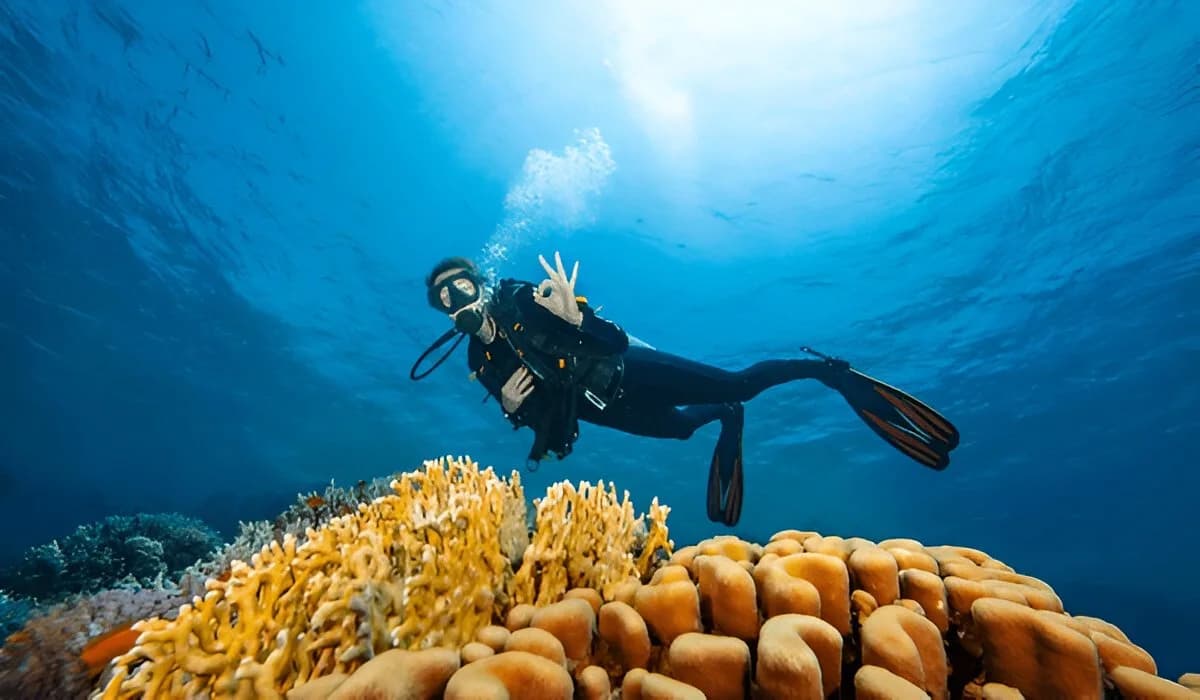
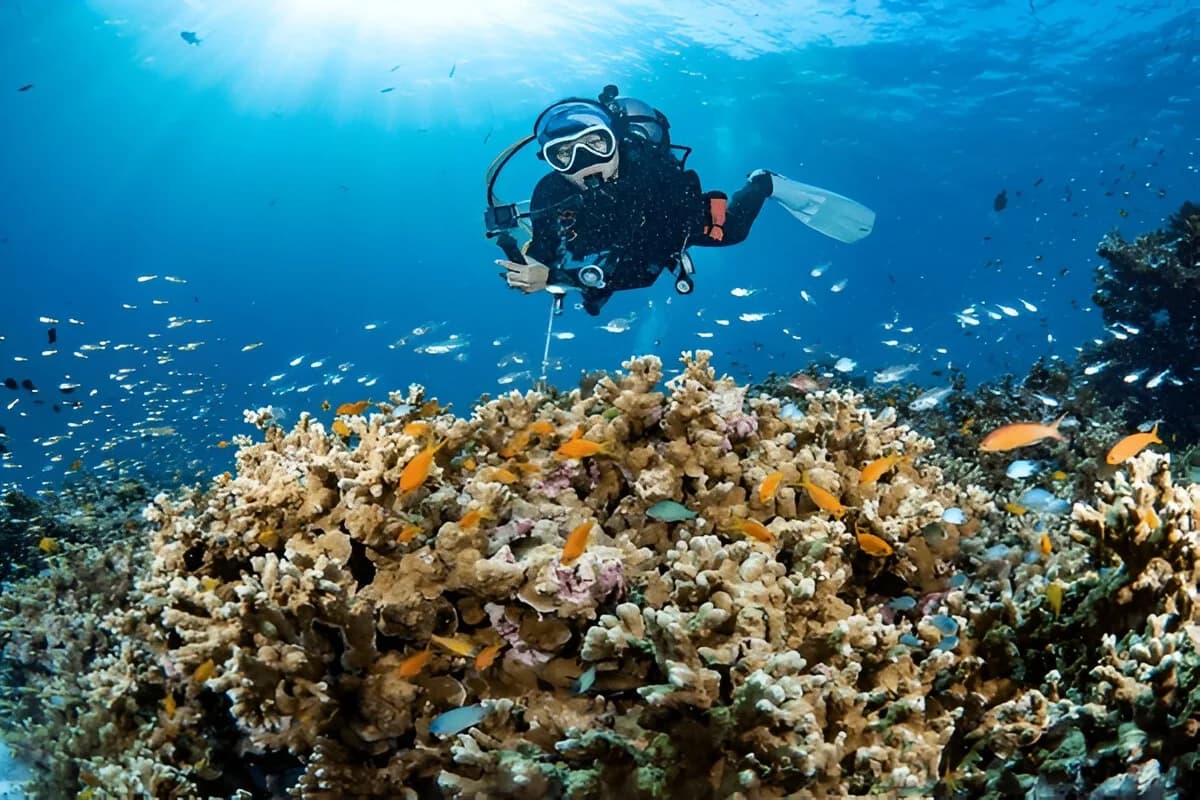
Overview of Scuba Diving in Vietnam: Vietnam is not just about its beautiful landscapes and delicious food; it also has an amazing underwater world waiting to be explored. With a coastline stretching over 3,000 km, Vietnam is home to some of the best scuba diving spots in Southeast Asia. The country offers diverse marine life, stunning coral reefs, and clear blue waters, making it a perfect destination for diving. If you’re planning a Vietnam tour package, consider adding scuba diving to your itinerary. It’s a fantastic way to experience the country’s hidden beauty beneath the waves. Some of the top places for scuba diving in Vietnam include Nha Trang, Phu Quoc, Con Dao, and the Cham Islands. These locations have vibrant coral gardens, underwater caves, and even shipwrecks for adventurous divers. You can swim alongside colorful fish, sea turtles, and even manta rays. Whether you are a beginner or an advanced diver, Vietnam has something to offer for everyone. What are the Key Highlights of Scuba Diving in Vietnam: Here are some of the best things about scuba diving in Vietnam: Nha Trang – The diving capital of Vietnam with clear waters and diverse marine species. Hon Mun Marine Park is a top diving site. Phu Quoc – It is perfect for beginners and experienced divers. Explore Turtle Island and An Thoi Archipelago for colorful coral reefs. Con Dao – It is ideal for deep-sea diving. Discover shipwrecks, manta rays, and even rare dugongs. Cham Islands – A UNESCO Biosphere Reserve known for crystal-clear waters and stunning coral gardens. Affordable Diving Packages – Compared to other countries, scuba diving in Vietnam is budget-friendly. Diverse Marine Life – You can expect to see clownfish, seahorses, moray eels, and even barracudas. Options for All Levels – Whether you’re a beginner, intermediate, or expert, Vietnam has dive sites for every level. Timings & Entry Fees for Scuba Diving in Vietnam: Best Diving Season: April to October – Best for Nha Trang & Cham Islands. November to March – Best for Phu Quoc & Con Dao. Cost of Scuba Diving: Prices start at ₹3,000 – ₹8,000 per dive, depending on location and package. PADI certification courses are available for beginners at an additional cost. Travel Tips / Essential Information for Scuba Diving in Vietnam: To make the most of your scuba diving experience in Vietnam, keep these tips in mind: Choose a Licensed Diving Center – Ensure your dive is safe by booking with a certified diving operator. Check the Weather Conditions – Avoid diving during storms or rough waves for a better experience. Wear Proper Diving Gear – A well-fitted wetsuit, mask, and fins will help you stay comfortable underwater. Follow Safety Instructions – Always dive with a buddy and follow your instructor’s guidance. Respect Marine Life – Avoid touching or disturbing corals and sea creatures. Try Snorkeling if You’re a Beginner – If scuba diving feels too challenging, snorkeling is an easy way to explore Vietnam’s marine beauty. Book Early During Peak Season – Popular dive spots like Nha Trang and Phu Quoc can get crowded, so reserve your dive in advance. Also Read: Things to do in VietnamMust Read: Places To Visit in Vietnam

Read More

Red River, Vietnam
May 30, 20254 Minutes
Red River, Vietnam
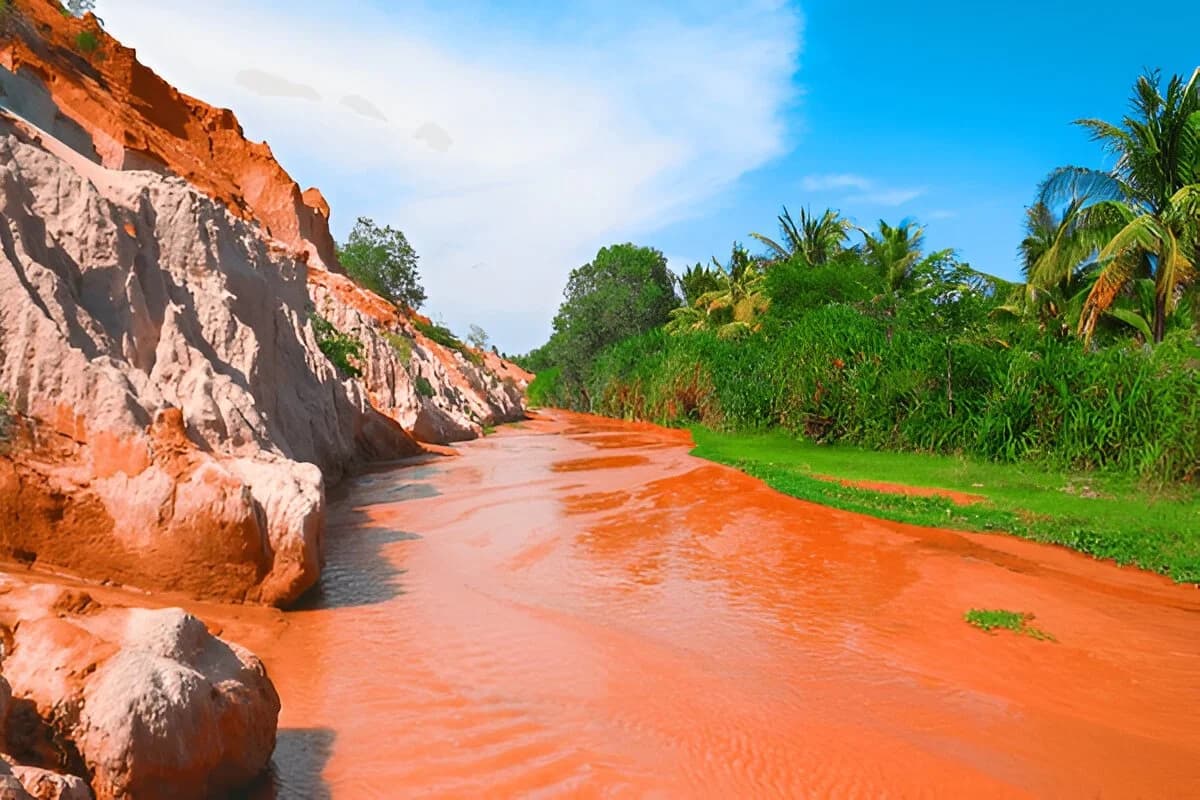
Overview of Red River, Vietnam: The Red River (Sông Hồng) is one of the most important rivers in Vietnam. It starts in China’s Yunnan province, flows through northern Vietnam, passes Hanoi, and ends in the Gulf of Tonkin. The river is 1,100 km long and has been important for trade, farming, and culture for centuries. Its reddish-brown colour comes from the silt it carries, making the land around it very fertile. Check out Vietnam tour packages to enjoy this amazing river and its surroundings! The Red River Delta has been home to farmers, fishermen, and traders for a long time. Today, the river is still used for farming, transport, and hydroelectric power. It is also a beautiful place to visit. Many people take boat cruises to see traditional villages, rice fields, temples, and busy riverside markets. If you are in Hanoi or nearby, the Red River is a great place to explore. What are the Key Highlights of the Red River: The Red River is not just a waterway; it’s a symbol of Vietnamese history, economy, and daily life. Here are some reasons why this river is fascinating: Hanoi’s Lifeline – The river flows through Hanoi, playing a significant role in the city’s development. Distinct Red Color – Unlike other rivers, the Red River gets its reddish-brown hue from the rich silt and clay deposits it carries downstream. Fertile Lands & Agriculture – The river provides nutrient-rich soil, essential for growing rice, fruits, and vegetables. The Red River Delta – It is recognized as a UNESCO-listed region, it features lush rice fields, traditional villages, and floating markets. Scenic Boat Cruises – A boat ride along the river lets you enjoy stunning views of countryside landscapes, fishing boats, and historic sites. Historical Importance – The river was once a major trade route, connecting northern Vietnam to China. Famous Bridges – The Long Bien Bridge, built by Gustave Eiffel, is a historical landmark crossing the river in Hanoi. Riverside Markets & Fishing – Locals rely on the river for freshwater fish and seafood, and riverside markets bustle with fresh produce and traditional goods. Cultural Significance – Many ancient temples and pagodas are built along the riverbanks, reflecting Vietnam’s spiritual and religious traditions. Timings & Entry Fees for Red River, Vietnam: Best Time to Visit – The river is scenic all year, but the best time for boat cruises and sightseeing is from September to April when the weather is cooler. Boat Cruise Prices – Prices vary depending on the tour, but most range from 200,000 to 500,000 VND (₹700–₹1,800) per person. No Entry Fee – The river can be viewed freely from various points in Hanoi, such as Long Bien Bridge or West Lake. Travel Tips & Essential Information for Red River, Vietnam: Best Viewing Spots – For a panoramic view of the river, visit Long Bien Bridge or take a walk along the Hanoi riverside. River Cruises Are Worth It – Consider taking a boat tour from Hanoi, which often includes stops at traditional villages, temples, and floating markets. Sunsets Are Magical – The best time for photography is at sunset when the sky reflects beautifully on the reddish waters. Explore the Red River Delta – If you have time, explore the Red River Delta, home to lush rice paddies and peaceful countryside. Be Cautious in the Rainy Season – The Red River can flood during heavy rains, particularly from June to August. Local Markets – Visit riverside markets in Hanoi for fresh seafood, vegetables, and local delicacies. Cultural Sites – Along the riverbanks, you’ll find historic temples, ancient pagodas, and traditional villages showcasing Vietnam’s rich heritage. Try Local River Food – Many restaurants in Hanoi serve delicious dishes made with fresh fish from the Red River—a must-try for seafood lovers! Why Visit the Red River? The Red River is more than just a body of water—it’s a living part of Vietnam’s history and culture. Whether you’re taking a river cruise, visiting ancient temples, or simply watching fishermen at work, the river offers a glimpse into Vietnamese life. The Red River Delta, with its scenic landscapes, rice fields, and floating villages, showcases Vietnam’s agricultural roots. Meanwhile, in Hanoi, the river remains a symbol of growth and connection to the past. If you’re in Vietnam, don’t miss the chance to experience this historic and culturally rich river—it’s a journey through the heart of northern Vietnam. Also Checkout: Things to do in VietnamMust Read: Places To Visit in Vietnam

Read More

Hoi An, Vietnam
May 30, 20253 Minutes
Hoi An, Vietnam
Overview of Hoi An, Vietnam: Hoi An, a UNESCO World Heritage Site, is a charming ancient town in Vietnam known for its well-preserved architecture, lantern-lit streets, and rich cultural heritage. Once a bustling trading port, Hoi An offers a unique blend of Vietnamese, Chinese, and Japanese influences. The town’s picturesque riverside setting, traditional wooden houses, and colourful markets create an enchanting atmosphere. So, you can discover this magical town with the best Vietnam tour packages and immerse yourself in its timeless beauty. Visitors can explore ancient temples, visit the famous Japanese Covered Bridge, and experience the lively night market. Hoi An is also known for its tailor shops, offering custom-made clothing at affordable prices. The town’s serene beaches, like An Bang Beach, provide a perfect escape for relaxation. Whether it’s enjoying local delicacies, taking a lantern-making class, or simply wandering through its charming streets, Hoi An offers an unforgettable experience.  What are the Key Highlights of Hoi An, Vietnam: Japanese Covered Bridge – A 400-year-old bridge and a symbol of Hoi An’s history. Hoi An Night Market – A vibrant marketplace filled with lanterns, souvenirs, and street food. Ancient Town – Well-preserved buildings, temples, and traditional houses showcasing the town’s heritage. An Bang Beach – A serene beach perfect for sunbathing and relaxing. Tailor Shops – Get custom-made clothing from expert tailors at affordable prices. Hoi An Lantern Festival – A monthly festival where the town glows with colourful lanterns. Fujian Assembly Hall – A stunning temple dedicated to the sea goddess, Mazu. Tra Que Vegetable Village – Experience traditional farming and fresh organic food. Boat Ride on Thu Bon River – Enjoy a peaceful sunset boat ride through the town’s waterways. Cooking Classes – Learn to make authentic Vietnamese dishes with local chefs. Timings & Entry Fees for Hoi An Vietnam: Ancient Town Entry Ticket – Open all day, Entry fee: INR 400 (covers major attractions) Japanese Covered Bridge – 7:00 AM – 9:30 PM, Entry included in Ancient Town ticket Hoi An Night Market – 5:00 PM – 10:00 PM, Free entry An Bang Beach – Open all day, Free entry Boat Ride on Thu Bon River – 6:00 AM – 9:00 PM, Approx. INR 300 per person Travel Tips & Essential Information for Hoi An, Vietnam: Best Time to Visit: February to April offers pleasant weather and fewer crowds. Currency: Vietnamese Dong (VND); exchange INR at local banks or exchange centers. Getting Around: Rent a bicycle, walk through the town, or take a boat ride for sightseeing. Local Food to Try: Cao Lau, White Rose Dumplings, and Banh Mi Hoi An. Shopping Tips: Bargaining is common at markets; negotiate for the best prices. Dress Code: Light and breathable clothing is recommended, but dress modestly when visiting temples. Photography: The town is very photogenic, but be respectful when taking pictures of locals. Safety Tips: Hoi An is generally safe, but always keep an eye on your belongings in crowded areas. Cultural Etiquette: Remove shoes before entering temples and be polite to shop owners. Visa Requirements: Check Vietnam’s visa policies before planning your trip. Also Checkout: Things to do in VietnamMust Read: Places To Visit in Vietnam

Read More

Saigon, Vietnam
May 30, 20254 Minutes
Saigon, Vietnam
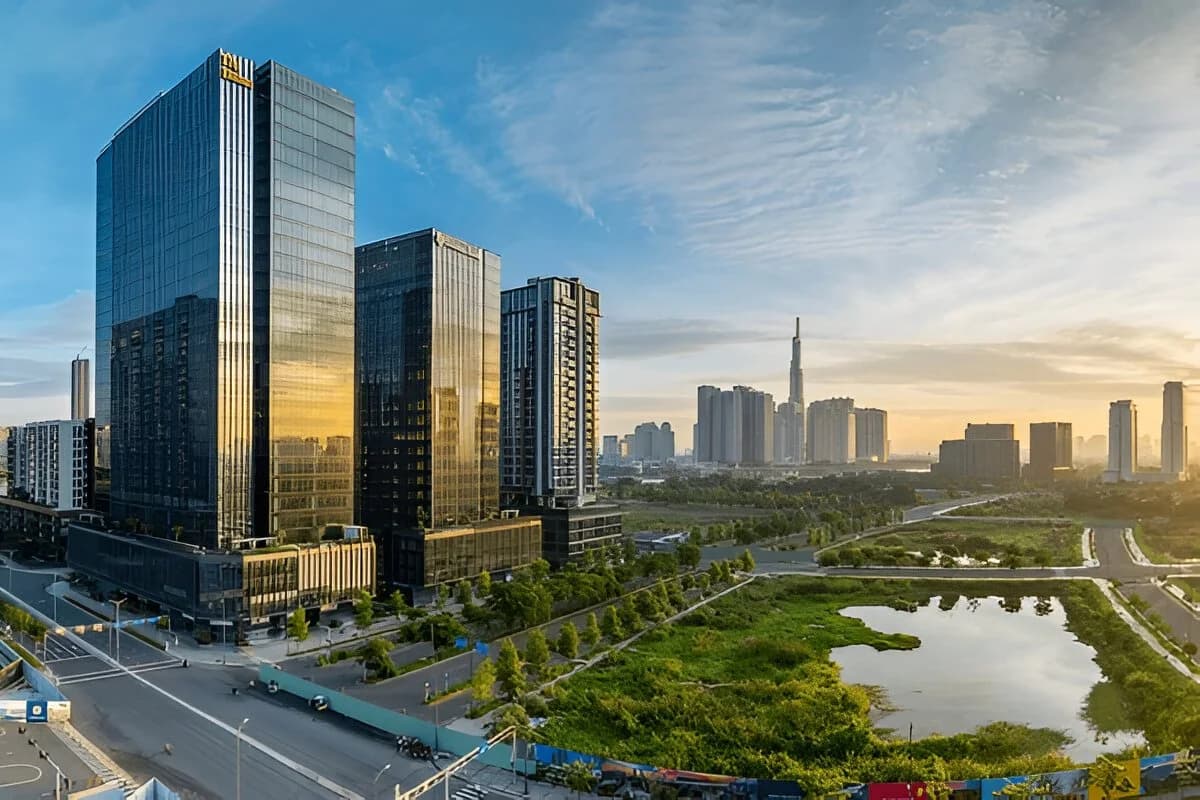
Overview of Saigon: Saigon which is officially known as Ho Chi Minh City, is Vietnam’s largest and most dynamic metropolis, blending history, culture, and modernity. It was once the capital of South Vietnam, it played a crucial role in the Vietnam War. Today, the city boasts a vibrant energy with its mix of colonial-era architecture, towering skyscrapers, and a rich culinary scene. You can experience the best of Vietnam tour packages and immerse yourself in the charm of this incredible city. Saigon offers visitors an array of experiences, from historical landmarks like the War Remnants Museum and Independence Palace to bustling markets such as Ben Thanh Market. Food lovers can indulge in authentic Vietnamese street food, while nightlife seekers will enjoy the city’s lively bars and rooftop lounges. Whether you’re interested in history, shopping, or cultural exploration, Saigon is a must-visit destination. What are the Key Highlights of Saigon: Independence Palace – A significant historical landmark that served as the presidential residence of South Vietnam during the war. The preserved rooms and exhibits provide insights into the country’s political history. War Remnants Museum – Showcasing war artefacts, photographs, and exhibitions, this museum offers a sobering look at the impact of the Vietnam War. Notre-Dame Cathedral – A stunning example of French colonial architecture built in the late 19th century, featuring beautiful stained-glass windows and a neo-Romanesque design. Ben Thanh Market – One of Saigon’s oldest and most famous markets which offers everything from street food to handicrafts, textiles, and souvenirs. Nguyen Hue Walking Street – A lively pedestrian street filled with cafes, street performers, and a fantastic view of the city’s modern skyline. Cu Chi Tunnels – An extensive underground network used by Vietnamese soldiers during the war, offering an interactive and immersive experience of wartime strategies. Bitexco Financial Tower – It is home to the Saigon Skydeck and this skyscraper offers breathtaking panoramic views of the city’s skyline. Saigon Opera House – A beautifully restored French colonial building that hosts various cultural performances, including traditional Vietnamese music and dance shows. Bui Vien Street – The heart of Saigon’s nightlife, bustling with bars, street food vendors, and live music. Mekong Delta Day Trip – A popular excursion where travellers can experience the lush landscapes, floating markets, and traditional boat rides of the Mekong River region. Timings & Entry Fees for Saigon: Independence Palace – Open 8:00 AM – 4:30 PM, Entry Fee: INR 200 War Remnants Museum – Open 7:30 AM – 5:00 PM, Entry Fee: INR 150 Notre-Dame Cathedral – Open 8:00 AM – 11:00 AM & 3:00 PM – 6:00 PM, Free entry Ben Thanh Market – Open daily, Free entry Cu Chi Tunnels – Open 7:00 AM – 5:00 PM, Entry Fee: INR 350 Bitexco Financial Tower (Skydeck) – Open 9:30 AM – 9:30 PM, Entry Fee: INR 600 Travel Tips & Essential Information for Saigon: Best Time to Visit: December to April offers dry and pleasant weather, ideal for sightseeing and outdoor activities. Currency: The local currency is Vietnamese Dong (VND). Currency exchange is available at airports, banks, and major hotels. Local Transport: Getting around the city is easy with taxis, motorbike rentals, and ride-hailing apps like Grab. Must-Try Food: Don’t miss out on Pho (Vietnamese noodle soup), Banh Mi (Vietnamese sandwich), and fresh spring rolls. Shopping Tip: Bargaining is expected at markets like Ben Thanh, so negotiate for the best prices. Dress Code: Wear light and breathable clothing due to the tropical climate, but dress modestly when visiting religious sites. Safety Tips: Be mindful of pickpockets in crowded areas and keep your belongings secure at all times. Cultural Etiquette: A smile goes a long way in Vietnam! Be polite, avoid public displays of affection, and respect local customs. Photography: Always ask for permission before photographing locals, especially monks and street vendors. Visa Requirements: Check Vietnam’s visa policies before travelling to ensure you have the necessary documentation. Also Read: Things to do in VietnamMust Read: Places To Visit in Vietnam

Read More

Lantern Festival in Vietnam
May 30, 20253 Minutes
Lantern Festival in Vietnam
Held in Hoi An, this festival happens every month on the full moon night. But don’t worry, it’s not just about lanterns; it’s a mix of history, culture, and good vibes. This festival dates back to the 16th century when Hoi An was a busy trading port. Traders and locals started lighting lanterns as a way to honor their ancestors and bring in good luck. Over time, it became a mesmerizing spectacle, attracting thousands of travelers. The festival’s beauty lies in the beautifully lit streets, traditional music, and the peaceful sight of lanterns floating on the Thu Bon River. If you’re booking Vietnam tour packages, make sure you plan your trip during this festival. How Vietnam’s Lantern Festival is Celebrated: Glowing Lanterns on the River – Release a lantern with a wish and watch it float away, carrying your dreams (and maybe your bad luck) with it! Ancient Town Without Electricity – For one night, Hoi An switches off its streetlights, and the entire town glows in warm lantern light—no power cuts, just pure magic! Street Performances – Watch traditional Vietnamese dances, folk music, and even a dramatic lion dance that gets the crowd cheering. Candlelit Boat Rides – Hop onto a wooden boat and sail through a sea of lanterns on the Thu Bon River. It’s romantic, even if you’re single! Local Street Food – Try Vietnamese delicacies like Banh Mi, Cao Lau noodles, and sweet sesame candies as you stroll through the festival streets. Paper Lotus Offerings – People light paper lotuses and set them afloat as a sign of good fortune and respect to their ancestors. Night Market Shopping – Grab souvenirs, handmade lanterns, and even traditional silk garments at the bustling Hoi An Night Market. Temple Visits – Temples hold special ceremonies where monks chant and people offer prayers for health and happiness. Timings and Entry Fee for Lantern Festival in Vietnam: Timings: The festival takes place every full moon night, from sunset to around 10 PM. The best time to visit is between 7 pm and 9 pm when the town is fully illuminated. Entry Fee: Entry to Hoi An Ancient Town costs INR 500 per person. Releasing a lantern on the river costs around INR 100-150. Boat Rides: A candlelit boat ride on the Thu Bon River costs INR 300-600, depending on the duration. Travel Tips / Essential Information for Lantern Festival in Vietnam: Best Time to Visit: October to April is ideal as the weather is pleasant, and the monsoons won’t rain on your parade. Where to Stay: Choose a hotel near Hoi An Ancient Town for easy access. Many budget stays offer stunning river views. What to Wear: Comfortable cotton clothes and good walking shoes—you’ll be strolling a lot! Avoid heels unless you’re auditioning for a balancing act. Food to Try: Don’t miss Banh Mi, Vietnamese Pho, and coconut ice cream. Your taste buds will thank you! Photography Tip: Bring a good camera or a phone with night mode to capture the glowing beauty of the lanterns. How to Get There: Hoi An doesn’t have an airport. Fly into Da Nang International Airport and take a 45-minute cab ride (costs around INR 1,200-1,500). Cultural Etiquette: Be respectful in temples—cover your shoulders and avoid loud chatter.Safety First: Hoi An is safe, but watch your belongings in crowded areas. Must Read: Places To Visit in VietnamAlso Read: Things to do in Vietnam

Read More

Nha Trang, Vietnam
May 30, 20253 Minutes
Nha Trang, Vietnam
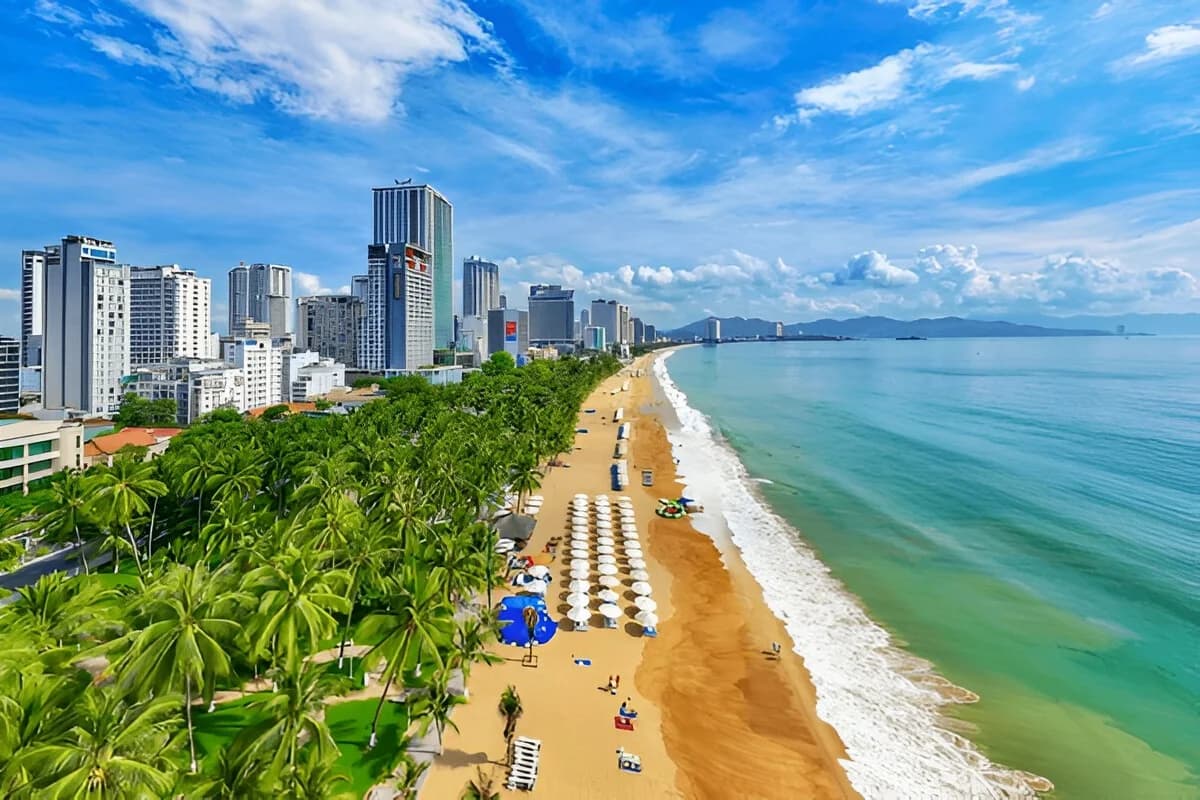
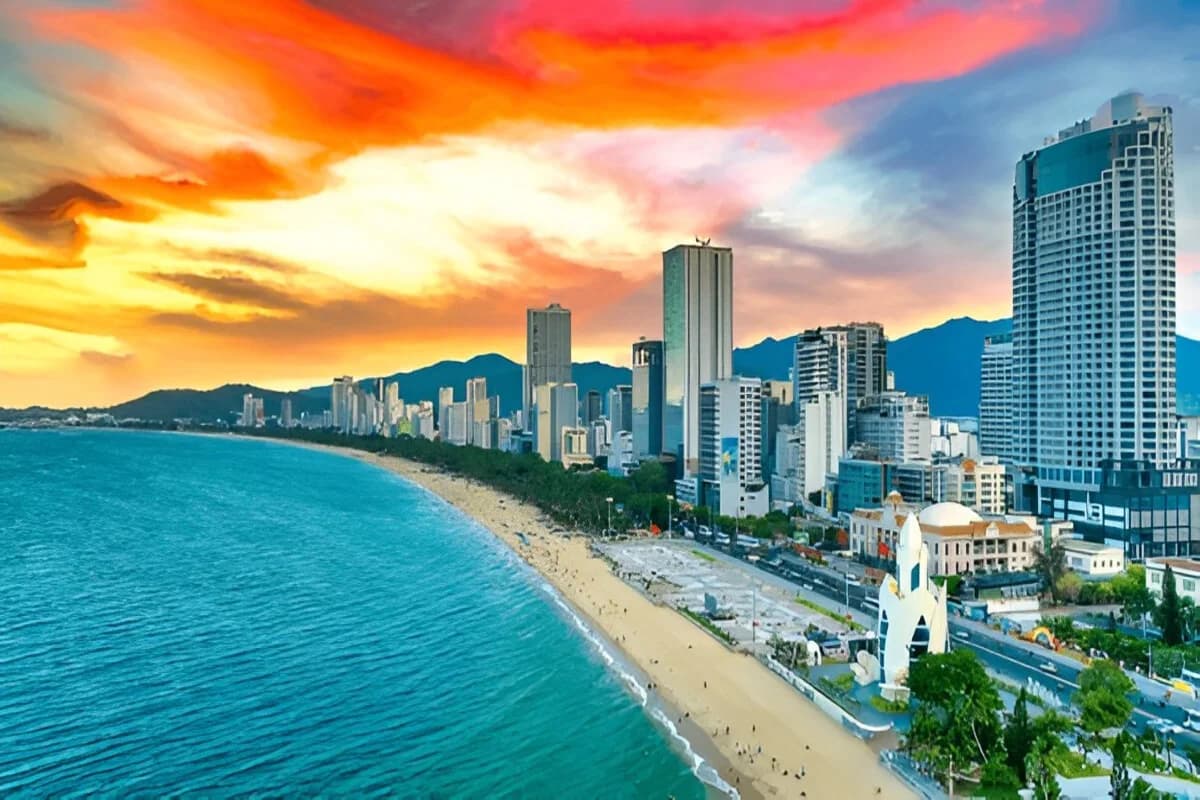
Overview of Nha Trang, Vietnam: If you love beaches, seafood, and a little adventure, then Nha Trang is the place for you! This lively coastal city in Vietnam is known for its stunning beaches, crystal-clear waters, and vibrant nightlife. Whether you want to relax by the sea, try water sports, or just eat your way through the seafood markets, Nha Trang has something for everyone. With Vietnam tour packages, you can explore this tropical paradise hassle-free. But Nha Trang isn’t just about beaches, it’s got a little bit of everything. You can soak in a mud bath (yes, getting dirty is part of the fun here), explore ancient temples, or take a cable car ride over the ocean to Vinpearl Land, an island amusement park. If you love snorkelling or diving, the Hon Mun Marine Protected Area is a must-visit, with colourful coral reefs and tropical fish. Whether you’re solo, honeymooning, or travelling with family, Nha Trang will leave you with unforgettable memories! What are the Key Highlights of Nha Trang, Vietnam: Here are the top things to do in Nha Trang: Nha Trang Beach – White sand, blue waters, and a view that’ll make your Instagram followers jealous. Scuba Diving & Snorkeling – Hon Mun Island is perfect for spotting colourful marine life. Mud Baths – Ever paid to be covered in mud? It’s surprisingly fun and great for your skin! Po Nagar Cham Towers – Ancient Hindu temples from the 7th century with stunning architecture. Vinpearl Land – A theme park on an island, reached by a cable car over the sea. Talk about an entrance! Nha Trang Night Market – Shop for souvenirs, and street food, and test your bargaining skills. Long Son Pagoda – A giant white Buddha statue with breathtaking city views. Hon Chong Promontory – A rocky coastal area with beautiful scenery and legend-filled history. Waterfalls & Hot Springs – The Ba Ho Waterfalls and Thap Ba Hot Springs are perfect for nature lovers. Timings & Entry Fees for Nha Trang, Vietnam: Po Nagar Cham Towers – 6:00 AM – 5:30 PM, Entry: ₹100 INR (approx.) Vinpearl Land – 8:00 AM – 9:00 PM, Ticket: ₹2,700 INR (approx.) (includes round-trip cable car) Mud Baths – Prices range from ₹340 – ₹1,700 INR, depending on the spa. Long Son Pagoda – Free entry (donations welcome). Travel Tips & Essential Information for Nha Trang, Vietnam: Best Time to Visit – The best months are February to August for sunshine and outdoor fun. Avoid September to December unless you enjoy sightseeing in the rain! Currency & Payments – The local currency is the Vietnamese Dong (VND), but many places accept USD too. Credit cards are accepted in hotels but bring cash for street shopping. Getting Around: If you’re feeling adventurous, rent a motorbike or take a taxi (but always ask for the meter!). Grab, the ride-hailing app, is also available. Food You Must Try – Bun Cha Ca (fishcake noodle soup), Lobster, and Banh Canh Cha Ca (thick noodle soup with fish cakes). Sun Protection: The sun here is no joke. Bring sunscreen, sunglasses, and a hat unless you want to turn into a lobster. Respect the Culture – If you visit temples, wear modest clothing (no shorts or sleeveless tops). Shopping Tip – Bargaining is expected! If you don’t negotiate, you might end up paying “tourist prices.” Nha Trang is the perfect mix of relaxation and adventure. Whether you want to chill on the beach, try fun water sports, or explore local culture, this city has it all. The affordable prices, fresh seafood, and lively atmosphere make it a great destination for all types of travellers. So, if you’re looking for a budget-friendly, beautiful, and exciting travel destination, Nha Trang is waiting for you! Pack your swimsuit (and sunscreen!), and get ready for an unforgettable beach escape. Must Read: Places To Visit in VietnamAlso Read: Things to do in Vietnam

Read More

Bicholim
May 30, 20253 Minutes
Bicholim
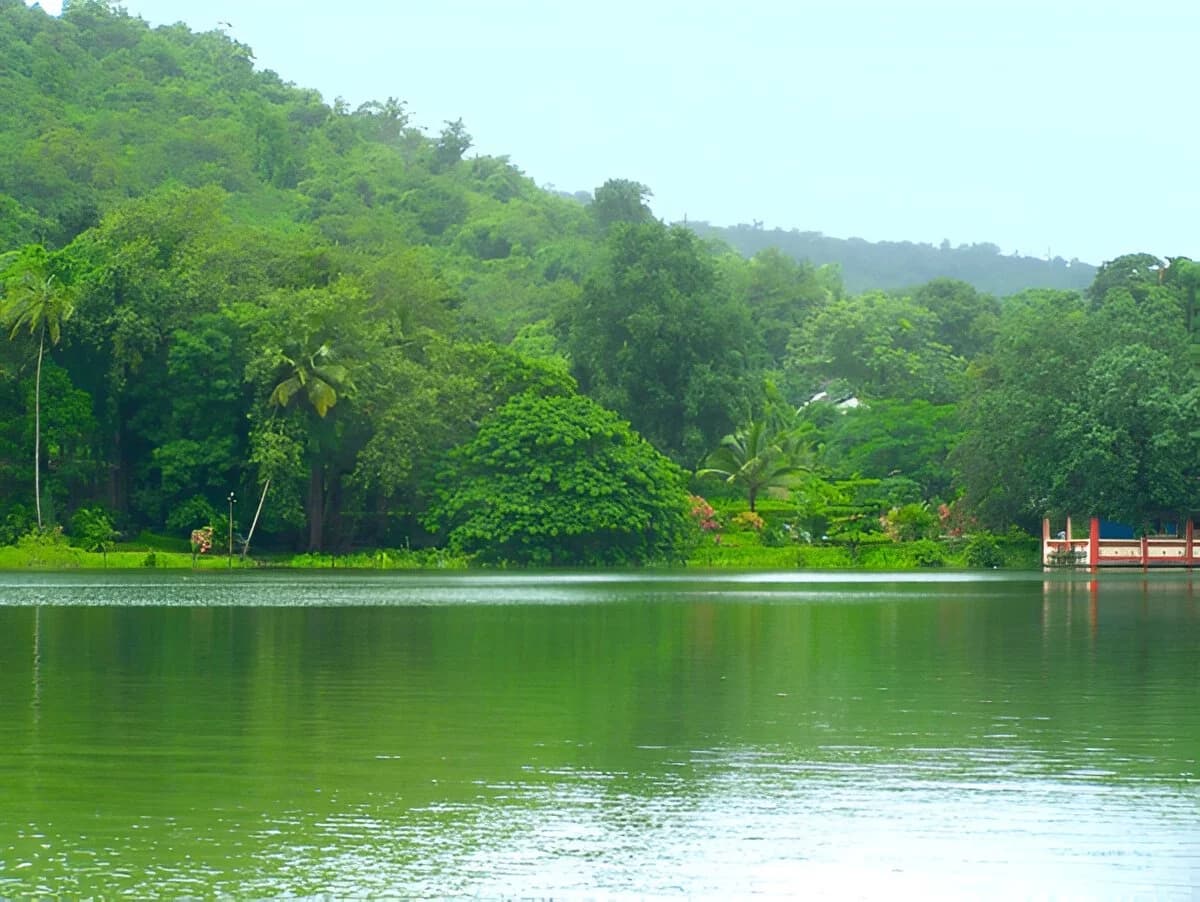
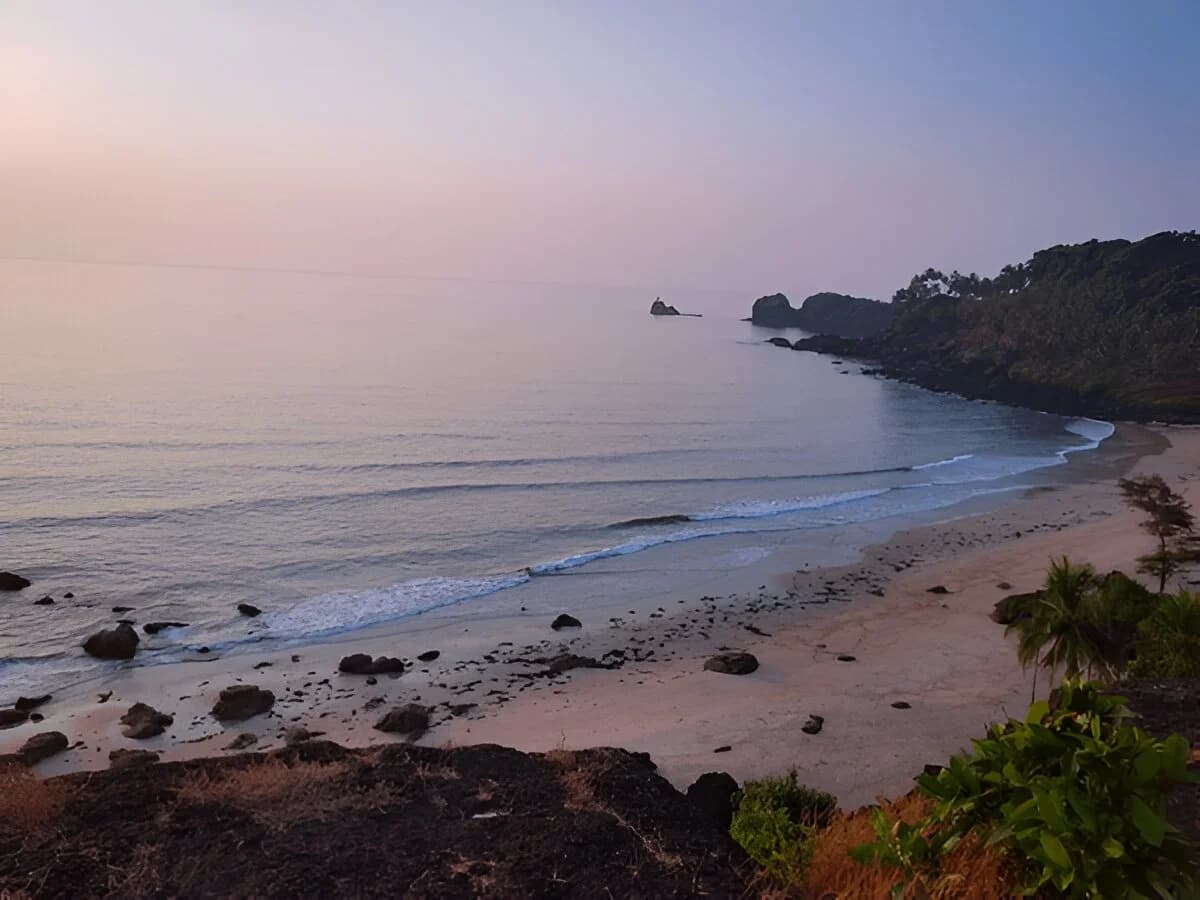
Overview of Bicholim: Bicholim is a charming town known for its scenic landscapes, historic temples, and serene lakes which is located in the heart of North Goa, Unlike the bustling beaches of Goa, this inland destination offers a more peaceful and culturally rich experience. It’s an ideal spot for travellers exploring a different side of Goa beyond its famous coastline. Many Goa tour packages now include Bicholim as part of their itinerary for a more diverse travel experience.Bicholim is home to beautiful natural attractions like the Mayem Lake, perfect for boating and picnics, and the Harvalem Waterfalls, a stunning spot surrounded by lush greenery. The town also has significant religious sites, including the Saptakoteshwar Temple, one of Goa’s oldest and most revered temples.If you’re looking for an offbeat experience, Bicholim is a must-visit. Whether you’re an adventure seeker, a history lover, or just want a peaceful retreat, this place has something unique to offer. What are the Key Highlights of Bicholim: Mayem Lake – A picturesque lake surrounded by greenery, perfect for a quiet picnic or a boat ride. Harvalem Waterfalls – A breathtaking waterfall hidden within a dense forest, offering a peaceful escape from the crowds. Saptakoteshwar Temple – A historical Hindu temple with beautiful architecture and deep spiritual significance. Arvalem Caves – Ancient rock-cut caves believed to date back to the 6th century, adding a touch of mystery to your trip. Bicholim’s Spice Plantations – A great place to learn about Goa’s famous spices and enjoy a guided tour of lush green farms. Local Markets – Experience authentic Goan culture by exploring Bicholim’s local markets, known for handicrafts, pottery, and Goan spices. Timings & Entry Fees of Bicholim: Mayem Lake – Open all day; Boating timings: 9 AM – 5 PM; Entry: Free (boating charges apply). Harvalem Waterfalls – Open all day; No entry fee. Saptakoteshwar Temple – Open from 6 AM – 8 PM; Free entry. Arvalem Caves – Open from 9 AM – 5 PM; Entry: ₹10 per person. Travel Tips / Essential Information For Bicholim: Best Time to Visit: The ideal time to explore Bicholim is between October and March when the weather is pleasant. The monsoon season (June – September) is also great for witnessing the waterfalls in full flow. How to Reach: Bicholim is about 30 km from Panaji. You can hire a taxi, rent a scooter, or take a local bus from Panaji or Mapusa. What to Carry: Comfortable footwear, light clothing, sunglasses, sunscreen, and a camera to capture the scenic beauty. Local Cuisine: Don’t miss out on Goan delicacies like fish curry, bebinca (Goan dessert), and fresh coconut-based dishes in local restaurants. Stay Options: You can find budget homestays, eco-resorts, and comfortable hotels near Mayem Lake and other attractions. Safety Tips: While exploring waterfalls and lakes, be cautious of slippery surfaces, especially during the monsoon season. Bicholim offers a refreshing change from Goa’s crowded beaches. Whether you love history, and nature, or simply want to experience Goa beyond its party scene, this town will leave you mesmerized. If you’re planning a trip to Goa, make sure Bicholim is on your list. It’s a hidden gem that deserves to be explored! Also Checkout – Things To Do in Goa​Also Read – Places to Visit in Goa

Read More

Trilokinath Temple
May 30, 20253 Minutes
Trilokinath Temple
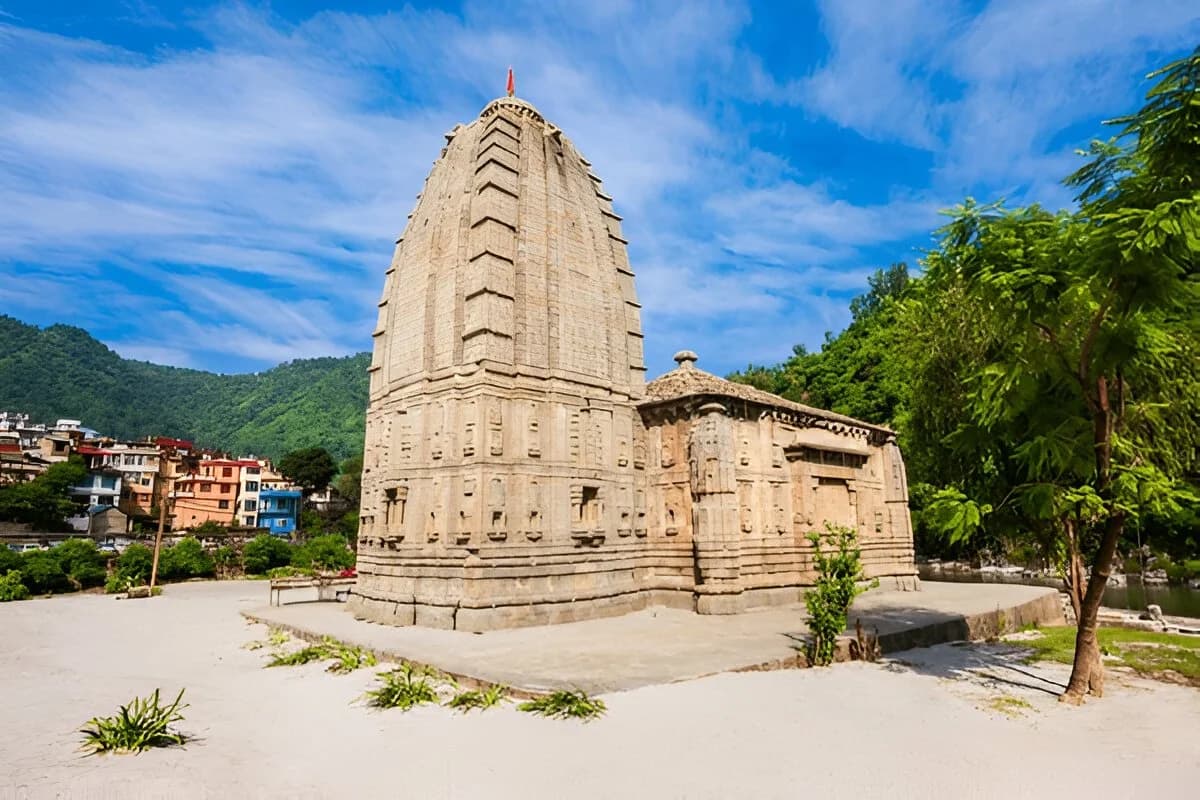
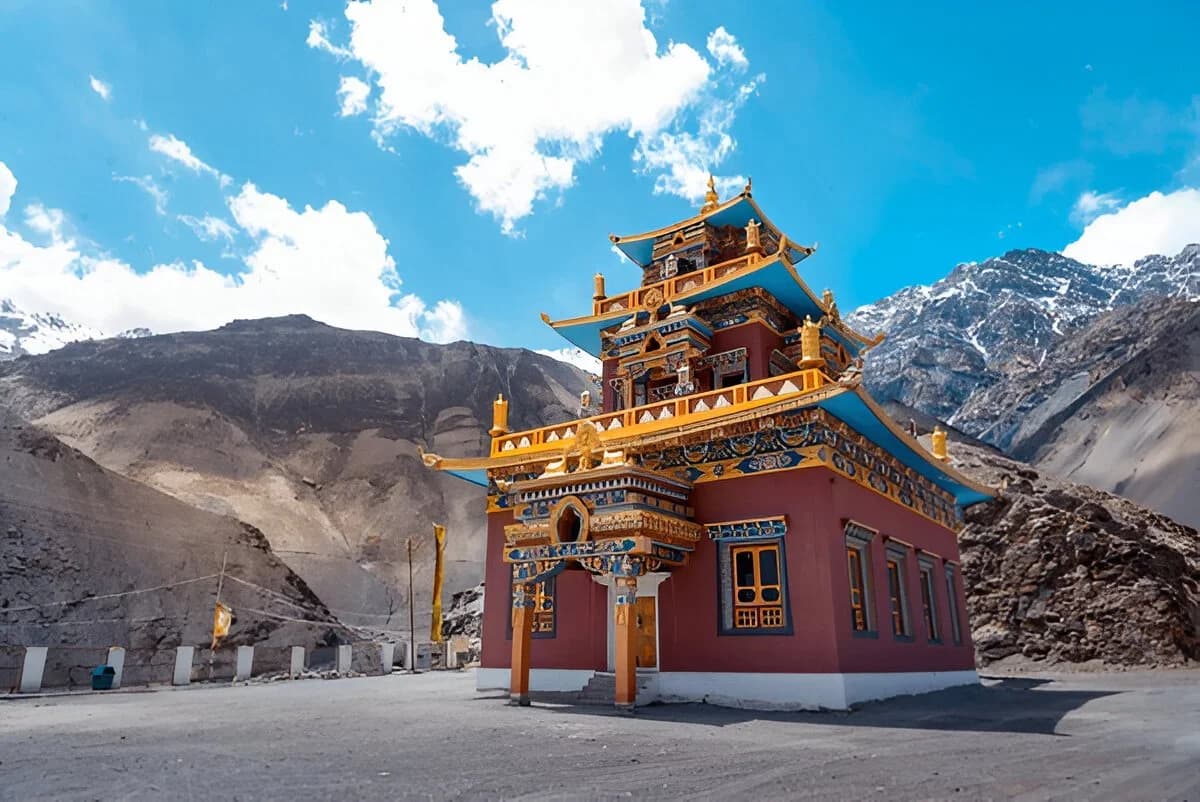
Overview of Trilokinath Temple: In the remote Himalayan region of Lahaul-Spiti, there’s this beautiful ancient Trilokinath Temple which dates back to the 8th century. Triloknath Temple is located in the Udaipur subdivision of Lahaul and Spiti district, Himachal Pradesh. It is approximately 45 km from Keylong, the district headquarters, and around 146 km from Manali. Historically, the temple was known as Tunda Vihar. This unique temple is important to locals as it’s famous by both Hindus and Buddhists. Hindus worship the deity as Lord Shiva, while Buddhists revere it as Avalokiteshvara, the Buddha of Compassion. This temple dates back to the 10th century, as confirmed by a stone inscription discovered within the temple complex in 2002. The inscription states that Dvanjra Rana believed to be an ancestor of the present Rana Thakur rulers of Triloknath village, built the temple. If you’re planning to explore this beauty Spiti Valley Packages including this temple are the best options for you. What are the Key Highlights of Trilokinath Temple: Dual Faith Worship: This rare temple is one of the few places where Hindus and Buddhists pray side by side, creating a beautiful atmosphere of religious harmony. Ancient White Marble Statue: The main shrine houses a stunning six-armed white marble deity that’s believed to be over 1,000 years old, with remarkably preserved details. Colorful Prayer Flags: The fluttering prayer flags around the temple create a magical atmosphere while carrying prayers to the wind. Annual Festival: The Pauri Festival in August brings the temple alive with local dancers in traditional attire, folk music, and religious ceremonies that few outsiders witness. Panoramic Views: From the temple grounds, you can see the mesmerizing confluence of the Chandrabhaga River and snow-capped peaks that will take your breath away. Architecture: The temple showcases a fascinating blend of Hindu and Buddhist architectural styles, with wooden carvings, brass bells, and painted murals. Local Devotees: Watching locals perform age-old rituals gives visitors a glimpse into authentic mountain spiritual practices unchanged for centuries. Best Time to Visit for Trilokinath Temple: Visit between May to October when roads are clear of snow and the weather is pleasant. August is perfect if you want to experience the colorful Pauri Festival. Avoid winter months (November-April) as heavy snowfall makes the temple inaccessible and temperatures drop severely. Travel Tips / Essential Information for Trilokinath Temple: Location: Situated in Udaipur village of Lahaul, about 145 km from Manali. Entry Fee: No entry fee, but donations (10-50 INR) are welcome and help maintain the temple. Accommodation: Basic guesthouses available in nearby Udaipur village; book ahead during festival times. Road Conditions: Prepare for bumpy, narrow mountain roads that test even experienced drivers. Altitude Awareness: At 2,760 meters, take time to acclimatize to avoid headaches and nausea. Local Etiquette: Remove shoes before entering, dress modestly covering shoulders and knees, and maintain silence during prayers. Connectivity: Mobile networks barely work here. Weather Preparedness: Carry warm clothes even in summer as evenings get chilly. Language Barrier: Most locals speak Hindi with limited English; learning basic greetings helps. Food Options: Limited restaurants nearby; carry some snacks and water. Also Read: Places to Visit in Spiti ValleyMust Read: Things to do in Spiti Valley

Read More

Last Village of Spiti Valley
May 30, 20253 Minutes
Last Village of Spiti Valley
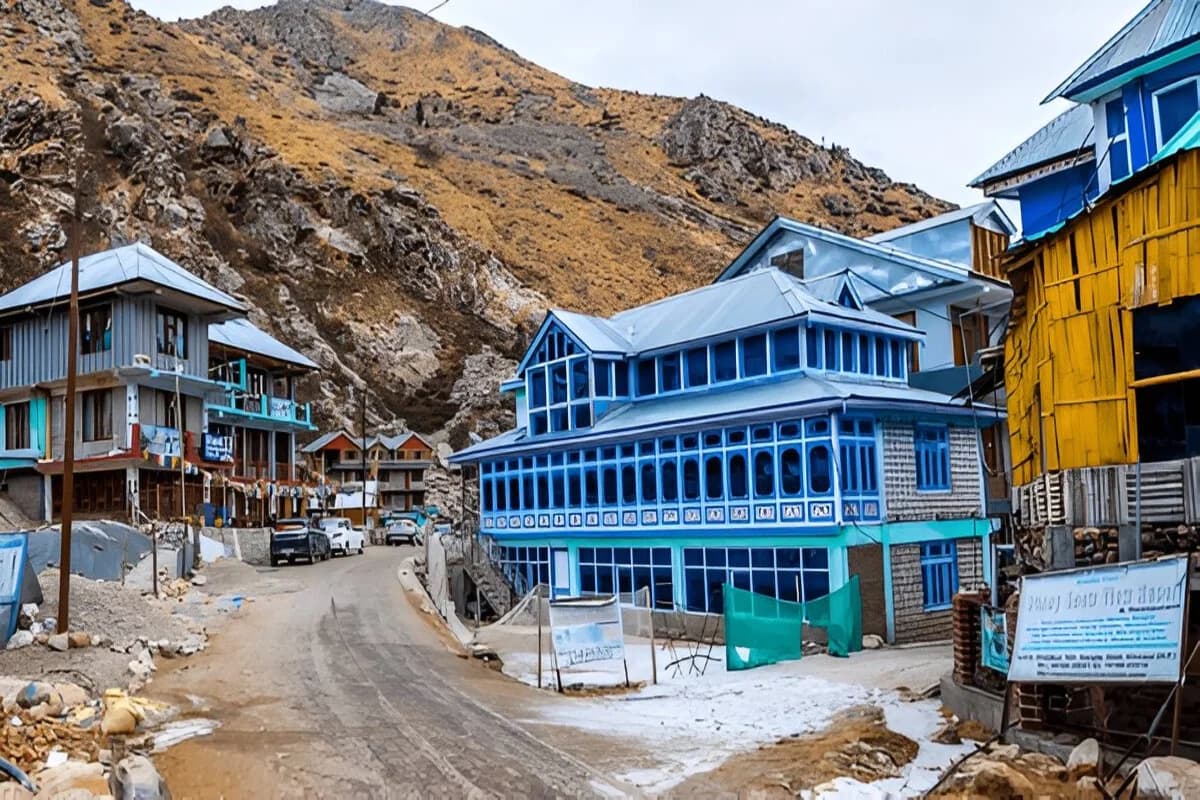
Overview of Last Village of Spiti Valley: Located near the Indo-Tibetan border, the last village of Spiti Valley, Chitkul or Gete (depending on the route), is a hidden gem in the Himalayas that is always included in all Spiti Valley Packages. It is the last inhabited settlement on the Indian side of the Indo-China Border. Rich in history, these villages were once important stops on ancient trade routes connecting India and Tibet. Even today, their untouched beauty, traditional wooden houses, and fluttering prayer flags reflect their deep-rooted cultural past. At an altitude of over 14,000 feet, the air here is thin, and winter temperatures drop well below freezing, making it a challenging destination. Electricity and phone networks are often unreliable, so it gives you a true escape from modern life. The people of this village are mostly Tibetan Buddhists. This village is an unforgettable experience for those willing to brave its remote and rugged terrain. What are the Key Highlights of Last Village of Spiti Valley: Spectacular Views: The village offers panoramic views of the Himalayas, especially from the nearby riverside. Ancient Monasteries: The local monastery, a hub of Buddhist learning has rare murals, scriptures, and prayer wheels that spin with the cold mountain wind. Remote and Peaceful: With no honking cars or city noise, this village is one of the quietest places in India, making it ideal for those who want a true escape. Starry Nights: The absence of light pollution makes the night sky spectacular. So the stargazing experience with the Milky Way visible is unreal. Harsh Climate & Limited Facilities: This is not a luxury destination. There are only a few homestays, food options are basic, and extreme cold makes even simple tasks challenging. No Mobile Network: Forget calling or scrolling through social media. The complete disconnection from the outside world is both a challenge and a blessing. Timings and Entry Fees for Last Village of Spiti Valley: There are no fixed timings to visit the last village of Spiti Valley, as it is a residential area. However, the best months to visit are from May to October, avoid monsoon time. There is no entry fee. Winters make access difficult due to heavy snowfall. Travel Tips / Essential Information for Last Village of Spiti Valley: Acclimatization is Important: The altitude is above 14,000 feet, so take time to adjust to avoid altitude sickness. Carry necessary medicines. Extreme Cold, Even in Summer: Nights can be freezing even in June. Carry heavy woolens, gloves, and proper winter gear. No ATMs or Card Payments: Cash is the only mode of payment. The nearest ATM is miles away, and it often runs out of cash. Limited Accommodation: Only a few homestays are available, and they fill up fast. Book in advance or be ready to sleep in basic conditions. Electricity and Network Issues: Power cuts are frequent, and there is no mobile network. Carry a power bank. Basic Food Options: Local food is simple, mostly dal-rice, momos, and thukpa. If you have dietary restrictions, bring snacks from home. Roads Are Rough: The journey to this village is long and bumpy. Travel in a sturdy vehicle with an experienced driver. Also Read– Places To Visit in Spiti ValleyMust Read – Things To Do in Spiti Valley

Read More

Margao
May 30, 20253 Minutes
Margao
Overview of Margao: Margao, often called the commercial and cultural capital of South Goa, is a vibrant city that blends Portuguese heritage with Goan traditions. Unlike the party vibes of North Goa, Margao offers a more laid-back and authentic experience. It is a city of bustling markets, colonial architecture, serene churches, and delicious Goan cuisine. Many Goa tour packages include Margao for those looking to experience Goa beyond its beaches.The city is famous for landmarks like the Church of the Holy Spirit, one of Goa’s oldest churches, and the Margao Municipal Garden, a peaceful spot in the heart of the city. The nearby Colva Beach and Benaulim Beach make it a perfect base for travellers who want to explore Goa’s quieter coastline. Whether you’re a history lover, a foodie, or a traveller seeking local experiences, Margao has something special for you. What are the Key Highlights of Margao: Church of the Holy Spirit – A stunning example of baroque architecture and one of the most beautiful churches in Goa. Margao Market – A paradise for shoppers looking for spices, fresh seafood, Goan sweets, and local handicrafts. Margao Municipal Garden – A relaxing green space in the centre of the city, perfect for a peaceful break. Colva Beach – Just a short drive from Margao, this beach is known for its golden sand, water sports, and lively shacks. Benaulim Beach – A quieter alternative to Colva, ideal for a peaceful beach day. Sat Burzam Ghor (House of Seven Gables) – A historic mansion showcasing Portuguese architecture. Local Goan Cuisine – Try authentic dishes like Goan fish curry, bebinca (a layered Goan dessert), and prawn balchão in Margao’s famous eateries. Timings & Entry Fees of Margao: Church of the Holy Spirit – Open from 7:00 AM – 7:00 PM; Free entry. Margao Market – Open from 9:00 AM – 8:00 PM; No entry fee. Margao Municipal Garden – Open all day; Free entry. Colva & Benaulim Beach – Open all day; Free entry. Travel Tips / Essential Information For Margao: Best Time to Visit: The ideal time to explore Margao is between October and March when the weather is pleasant. How to Reach: Margao is well-connected by road and rail. The Madgaon Railway Station is one of Goa’s main railway hubs. You can also reach Margao by bus, taxi, or rented vehicle. What to Carry: Light and comfortable clothing, sunglasses, sunscreen, and a camera to capture the beautiful architecture and markets. Where to Stay: Margao has a range of accommodation options, from budget hotels to luxury resorts near the beaches. Local Transport: Auto-rickshaws, taxis, and rental scooters are the best ways to get around the city. Safety Tips: While Margao is generally safe, be mindful of pickpockets in crowded markets and always negotiate taxi fares in advance. Margao is the perfect destination for travellers who want to experience Goa’s rich heritage, vibrant markets, and peaceful beaches. Whether you’re interested in history, food, or culture, Margao offers a side of Goa that many tourists miss. If you’re planning a trip to Goa, make sure Margao is on your list—you won’t regret it! Also Checkout – Things To Do in Goa​Also Read – Places to Visit in Goa

Read More

Batal Valley in Spiti Valley
May 30, 20253 Minutes
Batal Valley in Spiti Valley
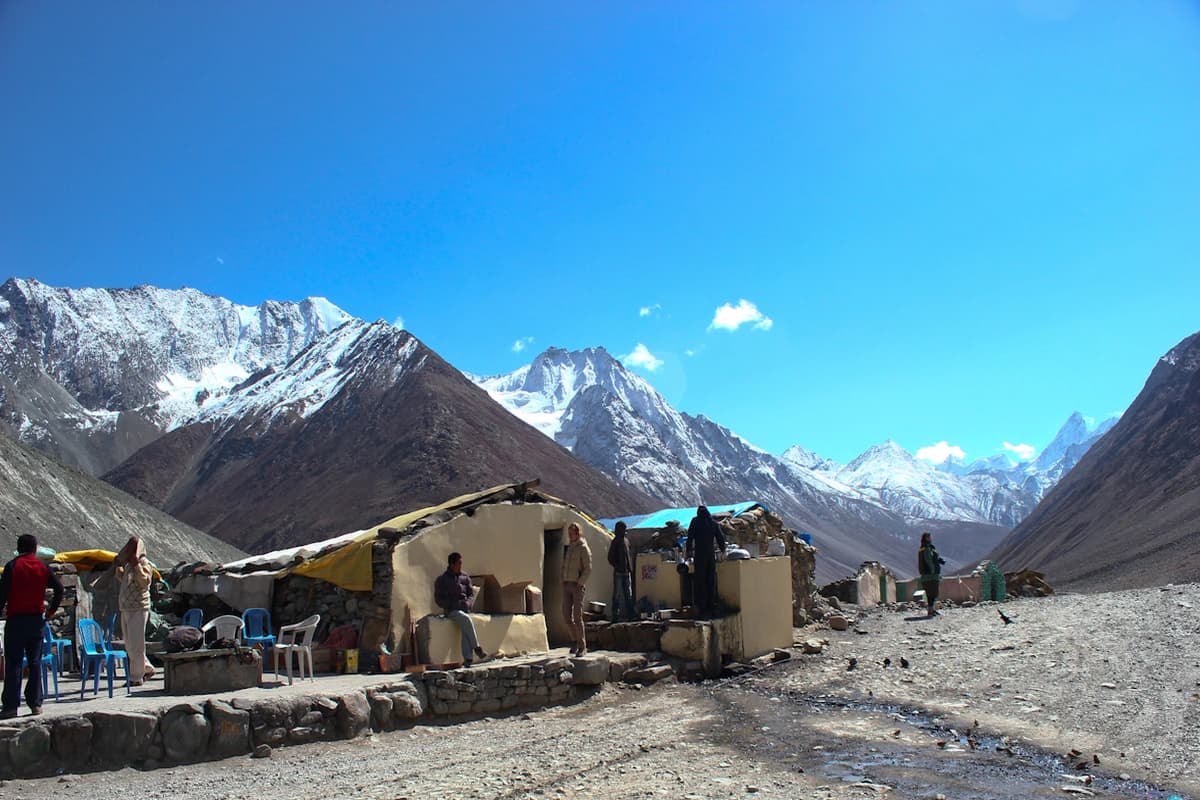
Overview of Batal Valley: Located in the cold desert of Himachal Pradesh, Batal is that wild, untamed beauty you didn’t know you needed in your travel plans. This tiny settlement, at an altitude of 4,000 meters, is the ultimate stop for adventurers heading towards Chandratal Lake or crossing the Kunzum Pass. Batal is famous for the legendary Chacha-Chachi Dhaba, which is a popular stop of all Spiti Valley Packages. What makes it unique is its isolation. No hotels, no luxury, just pure, unfiltered nature. The rocky terrain, the wild winds, and the sense of nothingness around make it a dream spot for those who crave raw adventure. What are the Key Highlights of Batal Valley: Chandratal Lake: Just 14 km away, this crescent-shaped lake is the main charm of the whole Spiti Tour. Kunzum Pass: At 4,551 meters, this pass connects Spiti to Lahaul and offers panoramic views that make every bumpy ride worth it. Chacha-Chachi Dhaba: The lifeline of Batal! Run by an elderly couple, this dhaba serves steaming rajma-chawal and tea to travelers. Batal Glacier: A lesser-known but stunning glacier near Batal, perfect for those who love offbeat adventures. Camping Under the Stars: With zero light pollution, Batal offers an insane view of the Milky Way. Bring a tent and thank yourself later. Treacherous Roads: The route to Batal is an adventure itself—narrow, rocky, and full of heart-stopping moments. Wildlife Spotting: If you’re lucky, you might spot a Himalayan fox or even a snow leopard. No Network Zone: Disconnect completely because even Google can’t save you here. Enjoy the rare peace of a world without notifications. Timings and Entry Fee for Batal Valley: There are no official timings, but it’s best to visit between June and September when the roads are open. Travel Tips / Essential Information for Batal Valley: Altitude Sickness is Real: Batal is at 4,000 meters, so carry Diamox, stay hydrated, and don’t sprint around like a Bollywood hero. Roads Will Test Your Soul: The route to Batal is rough, full of landslides, and definitely not for the faint-hearted. Only experienced drivers should attempt it. No ATMs, No Petrol Pumps: Fuel up at Manali or Kaza, and carry enough cash because Batal won’t accept your UPI payments. Extreme Weather: Temperatures drop below freezing even in summer nights. Pack layers, gloves, and an emergency hot water bottle. Camping is the Only Option: No hotels, no homestays—The nearest homestays are in Lasar, bring your tent or sleep in the dhaba if you’re lucky. Chacha-Chachi Dhaba is a Lifesaver: This is the only eatery, so grab a hot meal and listen to some crazy travel stories from fellow wanderers. Wildlife and Dogs: Be mindful of stray dogs and wild animals. They might look cute but remember, this is their home. Photography Heaven: The landscapes here are unreal. Make sure your camera or phone has enough storage! Respect the Locals and Nature: Keep the place clean, don’t litter, and respect the silence. Batal is remote for a reason—let’s not ruin that! Also Read– Places To Visit in Spiti ValleyMust Read – Things To Do in Spiti Valley

Read More

Gue Village, Spiti Valley
May 30, 20253 Minutes
Gue Village, Spiti Valley
Overview of Gue Village: Located in the remote Spiti Valley of Himachal Pradesh, Gue Village is no ordinary place. It became famous when an ancient, naturally mummified monk was discovered in a tiny monastery here. This 500-year-old mummy, believed to be that of Sangha Tenzin, has fascinated travelers and historians. Unlike Egyptian mummies, this one wasn’t embalmed—it was preserved naturally in the dry, high-altitude climate of Spiti. At an altitude of 10,500 feet, it offers amazing top views of barren mountains and clear blue skies. The village remains untouched by mass tourism, making it an offbeat gem. Visiting Gue Village and monastery is a part of the Spiti Tour packages, don’t miss this hidden wonder. With its history, breathtaking landscapes, and the mystery of the mummy, Gue Village is a must-visit. What are the Key Highlights of Gue Village: The Mummy of Gue: The biggest attraction of the village, this 500-year-old mummy is astonishingly well-preserved, with skin and teeth still intact. It sits in a meditative posture, making it extraordinary. Gue Monastery: A serene and less-explored Buddhist monastery near the mummy site, offering a peaceful vibe and stunning views of the valley. Scenic Beauty: Surrounded by the rugged, surreal landscape of Spiti, Gue is a dream come true for photographers and nature lovers. Local Culture: The village is home to a small community of warm and welcoming locals who follow traditional Buddhist customs. Tibetan Influence: Like much of Spiti, Gue has a strong Tibetan influence in its architecture, culture, and food. Perfect for Offbeat Travelers: Unlike the more popular spots in Spiti, Gue is still undiscovered by most tourists. Best Stargazing Spot: Thanks to minimal pollution, Gue offers breathtaking views of the Milky Way on clear nights. Timings and Entry Fee for Gue Village: Timings: The mummy site is open from 6:00 am to 6:00 pm every day. Entry Fee: Free Travel Tips / Essential Information for Gue Village: How to Reach: The nearest major town is Tabo, around 35 km away. You can hire a taxi from Tabo or drive your own vehicle (preferably an SUV due to rough roads). Best Time to Visit: Summers (May to September) are ideal, as winters make the roads nearly inaccessible due to heavy snowfall. Accommodation: Gue has limited homestays. You can also stay in Tabo or Kaza, where you’ll find more options. Food Availability: Don’t expect fancy restaurants. Local homes and small eateries offer simple Tibetan and Himachali meals. Try the Thukpa and Momos! Mobile Connectivity: Very limited! BSNL is your best bet, but don’t rely on it. Enjoy the digital detox. Altitude Sickness: At 10,500 feet, some travelers may experience mild altitude sickness. Stay hydrated and avoid excessive exertion on the first day. Clothing: Carry warm clothes even in summer—Spiti’s weather is unpredictable, and it gets chilly at night. Photography Tip: Sunrise and sunset bring out the best colors of the barren landscapes—don’t forget your camera! Also Read: Places to Visit in Spiti ValleyMust Checkout: Things to do in Spiti Valley

Read More

Scuba Diving in Goa
May 30, 20254 Minutes
Scuba Diving in Goa
Overview of Scuba Diving in Goa: Goa is widely known for its stunning beaches, vibrant nightlife, and laid-back atmosphere, but beyond the shorelines lies an exciting underwater world waiting to be explored. Scuba diving in Goa is a must-try experience for adventure seekers and nature lovers alike. The warm waters of the Arabian Sea provide a perfect setting for beginners and experienced divers to witness the beauty beneath the surface. Many Goa tour packages now include scuba diving, making it easy for travellers to add this unforgettable adventure to their itinerary.From colourful coral reefs to schools of exotic fish, the marine life in Goa is both diverse and mesmerizing. Popular dive sites such as Grande Island, Bat Island, and Suzy’s Wreck offer a range of experiences, from shallow-water dives to deep-sea explorations. The best part is that even those with no prior diving experience can take part, as professional instructors guide participants through the process. Best Scuba Diving Spots in Goa: 1. Grande Island Grande Island is the most popular diving location in Goa, known for its clear waters and rich marine life. It is an ideal spot for beginners, offering a calm and safe environment to experience scuba diving for the first time. Divers can expect to see colourful fish, sea turtles, and a variety of corals. 2. Bat Island It is located close to the mainland, Bat Island is known for its rocky seabed and vibrant underwater world. The site is perfect for those looking for a mix of scuba diving and snorkelling. The shallow depths and clear visibility make it a great spot for first-time divers. 3. Suzy’s Wreck Suzy’s Wreck is a popular diving site for those interested in exploring shipwrecks. This British cargo shipwreck from World War II has now become a thriving marine ecosystem, attracting fish, corals, and even larger marine species like barracudas. 4. Sail Rock For more experienced divers, Sail Rock offers a deeper and more challenging dive. Located further off the coast, this site is home to larger species such as stingrays, groupers, and even reef sharks. It is recommended for certified divers who are comfortable with deeper waters. 5. Malvan (Near Goa) Though not in Goa itself, Malvan is a short drive away and offers some of the clearest diving waters in the region. With minimal currents and abundant marine life, it is an excellent alternative for those looking for a peaceful yet adventurous diving experience. Timings for Scuba Diving in Goa: Best Time for Scuba Diving: October to May (Monsoon season is not ideal due to rough sea conditions). Timings: Most diving operators conduct sessions between 8:00 AM – 3:00 PM. Duration: The entire session, including training and diving, takes approximately 3-4 hours. Cost of Scuba Diving in Goa: Beginners Dive (20-30 minutes): ₹2,500 – ₹4,000 per person Certified Diver (1-hour dive): ₹5,000 – ₹7,500 per person Underwater Photos/Videos: ₹500 – ₹1,000 (optional add-on) Travel Tips & Essential Information of Scuba Diving in Goa: Who Can Try Scuba Diving? Anyone above the age of 10 years can participate. No prior swimming experience is required for beginner dives. People with asthma, heart conditions, or respiratory issues should consult a doctor before attempting to dive. What to Carry? Comfortable swimwear and an extra change of clothes. A towel, sunscreen, and waterproof bag. A waterproof camera if you prefer taking your photos. What to Expect During the Dive? A short training session by professional instructors covering safety guidelines and breathing techniques. Learning basic hand signals for underwater communication. A guided dive with an instructor ensures safety throughout the session. Use of high-quality diving equipment, including wetsuits, masks, and oxygen tanks. Safety Tips for Scuba Diving in Goa: Always choose a licensed and reputed diving operator for your experience. Carefully follow the instructor’s guidelines and signals. Stay calm and breathe normally to avoid any discomfort underwater. Avoid diving if you have a cold, ear infection, or sinus issues, as it can affect pressure balance. Scuba diving in Goa offers a unique way to experience the region’s natural beauty beyond its sandy beaches. The opportunity to explore coral reefs, shipwrecks, and diverse marine life makes it an adventure worth experiencing. If you are looking for an unforgettable adventure in Goa, scuba diving is the perfect way to dive into an extraordinary world beneath the waves. Also Checkout – Things To Do in Goa​Also Read – Places to Visit in Goa

Read More

Phu Quoc, Vietnam
May 30, 20253 Minutes
Phu Quoc, Vietnam
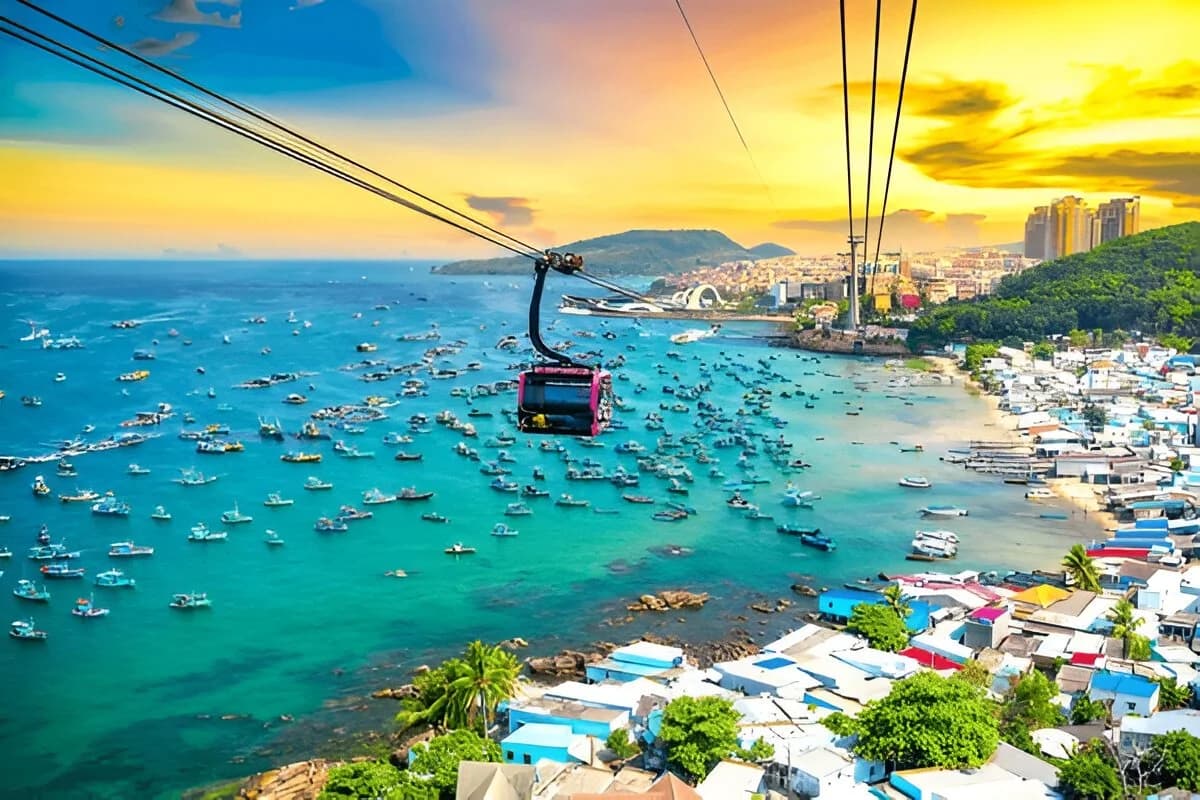
Overview of Phu Quoc, Vietnam: If you dream of white sandy beaches, crystal-clear water, and breathtaking sunsets, then Phu Quoc, Vietnam, is the perfect destination for you! This tropical island is located in the southern part of Vietnam and is famous for its stunning beaches, fresh seafood, and laid-back vibes. Whether you want to relax by the beach, explore nature, or try water sports, Phu Quoc has something for everyone. With Vietnam tour packages, visiting Phu Quoc is easy and stress-free. The island is home to beautiful national parks, hidden waterfalls, and vibrant night markets. You can go snorkelling or diving in the clear waters, take a boat tour to nearby islands, or visit the world-famous Phu Quoc pepper farms. If you’re a foodie, don’t miss out on Phu Quoc’s fresh seafood and famous fish sauce. Whether you’re looking for a romantic getaway, a family vacation, or an adventure trip, this island will not disappoint! What are the Key Highlights of Phu Quoc, Vietnam: Here are some must-visit places in Veitnam Phu Quoc: Sao Beach – One of the most beautiful beaches in Vietnam, with soft white sand and clear blue water. Long Beach – A perfect spot to watch the sunset and enjoy beachside cafés. VinWonders Phu Quoc – A huge amusement park with thrilling rides, water slides, and shows. Phu Quoc Night Market – The best place to try fresh seafood, local snacks, and souvenirs. Hon Thom Cable Car – Enjoy a stunning 8-km cable car ride over the sea to Pineapple Island. Phu Quoc National Park – A paradise for hikers and nature lovers, with lush forests and waterfalls. Starfish Beach – A peaceful beach where you can see starfish in shallow waters. Phu Quoc Prison Museum – Learn about the history of Vietnam through this former prison site. Timings & Entry Fees for Phu Quoc, Vietnam: VinWonders Phu Quoc – 9:00 AM – 8:00 PM, Entry: 950,000 VND (₹3,200 INR) Hon Thom Cable Car – 8:00 AM – 6:00 PM, Ticket: 600,000 VND (₹2,000 INR) (round trip) Phu Quoc Night Market – Open every evening, free entry Phu Quoc National Park – 6:00 AM – 6:00 PM, free entry Travel Tips & Essential Information for Phu Quoc, Vietnam: Best Time to Visit – The best time is November to April, with clear skies and warm weather. Avoid May to October as it’s the rainy season. Getting Around – Rent a motorbike or bicycle to explore the island, or use taxis and Grab (ride-hailing app). Local Food to Try – Grilled seafood, Bun Quay (noodle soup), and Phu Quoc’s famous fish sauce. Currency & Payments – The local currency is Vietnamese Dong (VND). Credit cards are accepted in hotels, but bring cash for small shops and markets. What to Pack – Sunscreen, sunglasses, beachwear, and mosquito repellent are must-haves. Respect the Environment – Don’t touch or take starfish from Starfish Beach; they are living creatures! Shopping Tip – Bargain at local markets to get the best price on souvenirs and seafood. Phu Quoc is the perfect island getaway for those looking for relaxation, adventure, and stunning natural beauty. With its pristine beaches, clear blue water, and exciting activities, this island is one of the top destinations in Vietnam. Whether you want to chill by the sea, explore the jungle, or enjoy local seafood, Phu Quoc has it all! With Vietnam tour packages, visiting Phu Quoc is easy and affordable. So, if you’re looking for a tropical paradise with beautiful views and unforgettable experiences, Phu Quoc should be on your travel list! Also Read: Things to do in VietnamMust Read: Places To Visit in Vietnam
Read More

Ho Chi Minh City
May 30, 20253 Minutes
Ho Chi Minh City
Overview of Ho Chi Minh City: Welcome to Ho Chi Minh City, Vietnam’s busiest and most exciting destination! This city has everything with the mixture of history, culture, modern skyscrapers, and delicious food. Whether you love history, street food, or exploring new places, Ho Chi Minh City has something special for you. Start your journey at the War Remnants Museum, where you can fascinatingly learn about Vietnam’s past. Walk along Nguyen Hue Walking Street, a lively area filled with energy. If you admire architecture, visit the Saigon Opera House, a stunning French colonial landmark. As you explore, consider a Vietnam tour packages to make the most of your trip, offering guided experiences to the city’s best attractions. But the real magic is in the streets, the tempting aroma of pho and banh mi fills the air, making every meal unforgettable. Ho Chi Minh City is a place where history, culture, and amazing food come together! What are the Key Highlights of Ho Chi Minh City: Ben Thanh Market – A shopper’s paradise! Bargain like a pro and leave with souvenirs, street food, and maybe even a new best friend. Cu Chi Tunnels – Want to crawl through underground tunnels like a real-life action hero? This place gives a glimpse into Vietnam’s wartime history. Notre Dame Cathedral of Saigon – A stunning piece of French architecture that will make you wonder, “Am I in Vietnam or Paris?” Bui Vien Street – The city’s nightlife hub. Loud music, cheap beer, and an unforgettable experience (just don’t lose your wallet!). Jade Emperor Pagoda – A peaceful, spiritual place filled with incense and stunning carvings. Saigon Skydeck – The best view of the city from the top of the Bitexco Financial Tower. If you’re scared of heights, just take a deep breath…and don’t look down. Timings & Entry Fees for Ho Chi Minh City: War Remnants Museum: 7:30 AM – 6:00 PM | Entry: Approx. ₹140 Cu Chi Tunnels: 8:00 AM – 5:00 PM | Entry: Approx. ₹385 Saigon Skydeck: 9:30 AM – 9:30 PM | Entry: Approx. ₹700 Ben Thanh Market: Open daily | Free entry Travel Tips / Essential Information for Ho Chi Minh City: Cash is important – Some places accept cards, but street vendors and small shops prefer cash. Keep small notes with you. Bargain like a local – Never accept the first price at markets. Haggle a bit—it’s part of the fun! Stay hydrated – The city is humid. Drink plenty of water (or fresh coconut juice—it’s tastier!). Beware of pickpockets – Keep your belongings secure, especially in crowded places like markets. Try the coffee – Vietnamese coffee is strong enough to wake you up instantly. Be prepared! Respect the culture – When visiting temples, dress modestly and remove your shoes. Plan for rain – Ho Chi Minh weather can be unpredictable, so always carry an umbrella or raincoat. Ho Chi Minh vietnam is full of surprises, delicious food, and unforgettable experiences. Whether you’re here for history, nightlife, or just a good bowl of pho, you’ll leave with great memories. Also Checkout: Things to do in VietnamMust Read: Places To Visit in Vietnam
Read More

Manali New Town
May 30, 20253 Minutes
Manali New Town
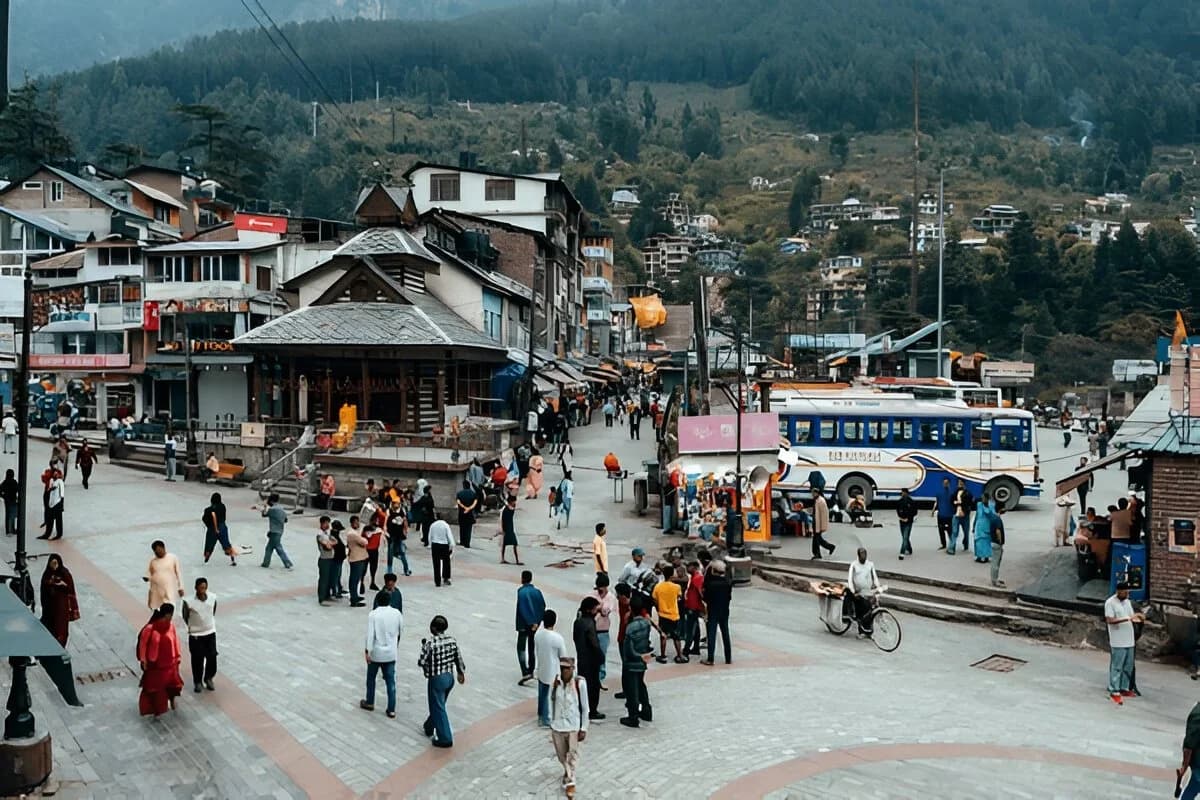
Overview of Manali New Town:Manali New Town is a perfect blend of modernity and nature which is situated in the beautiful valley of Himachal Pradesh. This quieter part of Manali is becoming increasingly popular with travellers who want a peaceful stay while still being close to all the action. This place is located just a short distance from the main Mall Road, Manali New Town offers easy access to the bustling town centre, but with a more laid-back vibe. It is surrounded by majestic snow-capped mountains and lush green landscapes, it offers breathtaking views that will make your visit memorable.Opting for Manali tour packages will help you explore this peaceful yet vibrant part of the town more conveniently. Manali New Town is an ideal location for those who want to experience the serene beauty of the area while also having all the modern conveniences. Whether you’re in the mood for adventure or relaxation, this area has a little something for everyone.Highlights of the Manali New Town:Proximity to Major Attractions: Manali New Town is close to popular tourist spots like Hadimba Temple, Solang Valley, and Rohtang Pass. This makes it a perfect base for exploring the best of Manali.Scenic Views: The town is surrounded by stunning views of snow-capped peaks and lush greenery, ideal for nature lovers. It’s a peaceful spot where you can relax and enjoy the natural beauty of the Himalayas.Adventure Activities: Whether you love skiing, trekking, or paragliding, Manali New Town gives you easy access to adventure hubs like Solang Valley, making it a great place for thrill-seekers.Modern Amenities: With a range of hotels, restaurants, and shopping areas, the area provides all the modern conveniences travellers need.Peaceful Atmosphere: Unlike the crowded town centre, Manali New Town offers a calmer, quieter environment to unwind after a busy day of sightseeing.Good Connectivity: Well-connected to the Mall Road, Old Manali, and other nearby attractions, making it easy to travel around the town.Timings & Entry Fees of Manali New Town:Manali New Town is open year-round, offering visitors the chance to enjoy its natural beauty and attractions at any time. While there is no entry fee for exploring the town itself, the individual tourist spots and adventure activities nearby may charge entry fees or equipment rental fees.Travel Tips for Manali New Town:Best Time to Visit: The ideal time to visit Manali New Town is between March and June when the weather is pleasant. For snow activities, the winter months of December to February are perfect.Stay Options: You’ll find a variety of stay options in Manali New Town, from budget hotels to luxury resorts, giving you the freedom to pick according to your preferences and budget.Weather: The weather in Manali can be unpredictable. It’s advisable to carry warm clothes if you’re visiting during the winter months, as temperatures can drop significantly.Transportation: Local buses, private taxis, and rental bikes are available to help you travel around Manali New Town and visit surrounding attractions.Safety: The area is generally safe for tourists, but like any other destination, it’s a good idea to avoid wandering around too late at night.Access to ATMs: While Manali New Town has basic facilities, ensure you have access to cash as some areas may have limited ATMs.Also Checkout – Things To Do in ManaliAlso Read – Places to Visit in Manali

Read More

Cat Lai Port, Vietnam
May 30, 20253 Minutes
Cat Lai Port, Vietnam
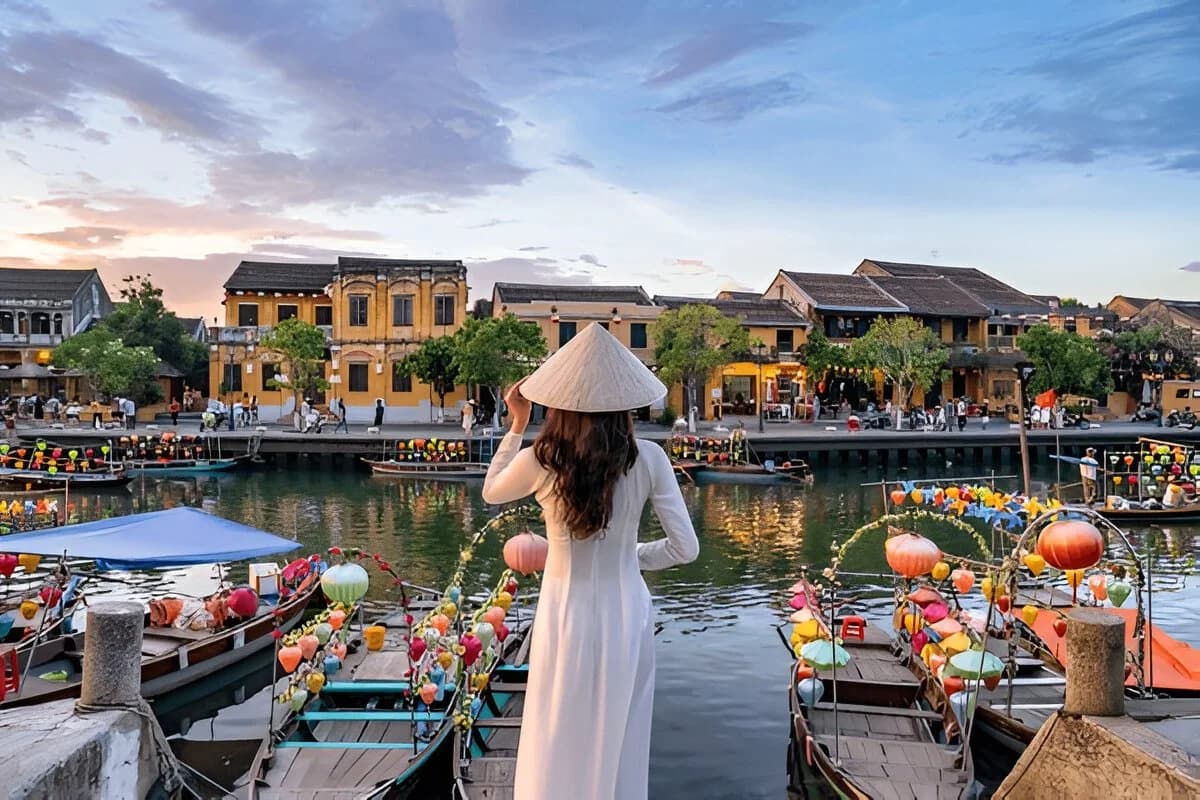
Overview of Cat Lai Port, Vietnam: If Vietnam had a trade powerhouse, Cat Lai Port would be it! Located in Ho Chi Minh City, this is one of the busiest container ports in Southeast Asia. Every day, massive cargo ships, gigantic cranes, and endless rows of shipping containers keep Vietnam’s economy moving. This port is not a tourist attraction, but it’s a fascinating place for those interested in global trade, logistics, or just really big machines. It handles millions of tons of goods each year, from electronics and textiles to seafood and coffee, making it a key player in Vietnam’s import and export industry. If you’re exploring the country with Vietnam tour packages, you’ll likely see this port in action while travelling through Ho Chi Minh City. Its strategic location, just 15 km from the city centre, makes it a crucial hub for businesses, factories, and international trade routes. While visitors can’t just walk in, it’s an impressive sight from a distance, especially if you’re curious about how goods travel across the world! What are the Key Highlights of Cat Lai Port, Vietnam: What makes Cat Lai Port so important? Here are a few key reasons: Vietnam’s Biggest Container Port – Handles millions of shipping containers every year. Imagine a never-ending maze of colorful metal boxes! Strategic Location – Just 15 km from downtown Ho Chi Minh City, close to major highways and industrial zones. Advanced Technology – Equipped with giant cranes, automated cargo systems, and 24/7 logistics operations. Global Trade Hub – Connects Vietnam to Europe, the US, China, and other major markets. Economic Backbone – Supports industries like manufacturing, seafood, agriculture, and textiles. Thousands of Jobs – Provides employment for port workers, truck drivers, logistics teams, and warehouse staff. Always in Motion – The port operates 24/7, making sure goods move in and out without delays. If you ever wondered how that “Made in Vietnam” label on your clothes or coffee made it to your country, Cat Lai Port is the answer! Timings & Entry Fees for Cat Lai Port, Vietnam: Operating Hours – 24/7 (this place never sleeps!) Entry Rules – Not open to the public; only port workers, logistics companies, and authorized business visitors can enter. Visitor Access – Special permission is required for business tours or industry-related visits. Travel Tips & Essential Information for Cat Lai Port, Vietnam: Not a Sightseeing Spot – This is a working industrial port, not a tourist destination, so don’t expect guided tours or photo zones. Heavy Traffic – The roads around the port are always packed with trucks, so avoid the area during peak hours. Best Viewing Spots – If you want a glimpse of the action, head to Cat Lai Bridge or nearby industrial areas. Business Visitors – If you work in shipping, logistics, or international trade, contact port authorities in advance for a business visit. Nearby Attractions – Since you can’t explore the port, take some time to visit Ho Chi Minh City, just a short drive away! Stay Safe – If visiting for work, wear safety gear and follow strict port regulations. Fun Fact – If you’ve ever ordered something online from Vietnam, chances are it passed through Cat Lai Port! Why is Cat Lai Port Important? Every day, thousands of shipping containers filled with goods arrive and depart, helping businesses across Vietnam and beyond. Whether it’s Vietnamese coffee heading to Europe or electronics being shipped worldwide, this port makes it all happen. While it’s not a place for sightseeing, its impact is huge. It supports thousands of jobs, connects Vietnam to global markets, and keeps the economy running smoothly. Next time you see a product labelled “Made in Vietnam”, just remember—it probably passed through Cat Lai Port first! Also Read: Things to do in VietnamMust Read: Places To Visit in Vietnam
Read More

Cham Island, Vietnam
May 30, 20253 Minutes
Cham Island, Vietnam
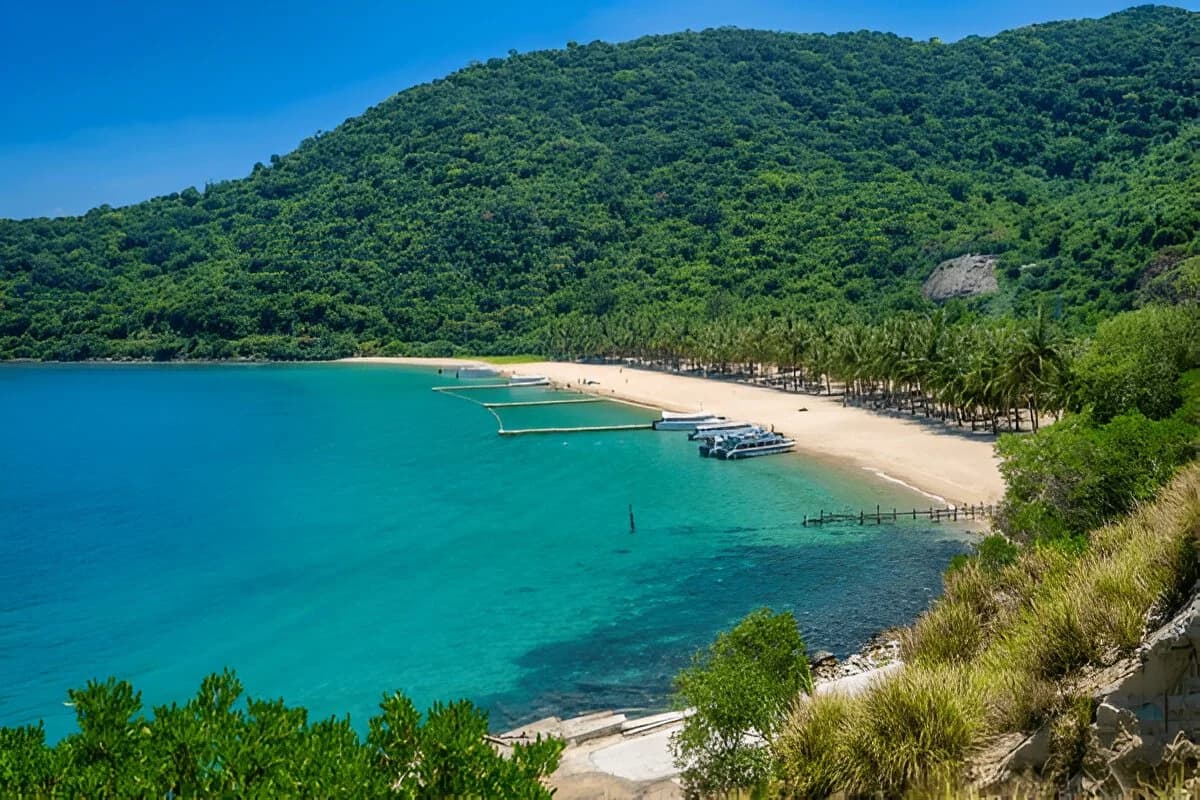
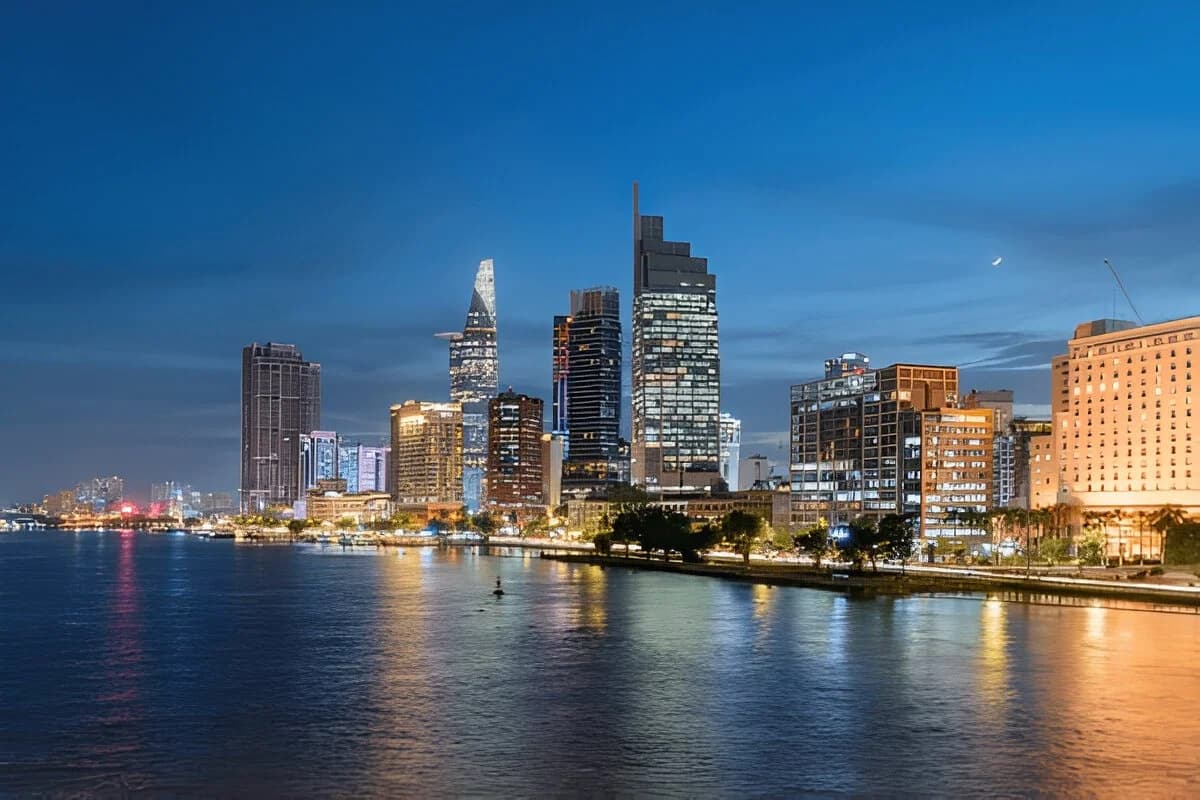
Overview of Cham Island, Vietnam: Cham Island, also known as Cu Lao Cham, is a beautiful island near Hoi An, Vietnam. It is famous for its clear blue waters, white sandy beaches, and diverse marine life. As part of the Cu Lao Cham Marine Park, a UNESCO Biosphere Reserve, the island remains well-preserved and offers a clean, natural environment. Many travelers visit Cham Island to enjoy snorkeling, swimming, and diving, as the waters are home to colorful coral reefs and tropical fish. The island is also known for its peaceful fishing villages, where visitors can experience local island life. Fresh seafood is another highlight, with dishes like grilled fish, prawns, and crabs being must-tries. For those looking for a relaxing escape, Cham Island is an ideal getaway. Many Vietnam tour packages include a trip here, allowing visitors to enjoy the island’s stunning nature, quiet atmosphere, and delicious food.. What are the Key Highlights of Cham Island: Beautiful Beaches – Cham Island has clean, white beaches like Bai Chong Beach and Bai Xep Beach, perfect for relaxing. Snorkeling & Diving – The island has colorful coral reefs and many types of fish, making it a great spot for snorkeling and diving. Local Village Life – Tan Hiep Market is a great place to see local life and buy souvenirs. Seafood Delights – The seafood here is fresh and delicious, cooked in traditional Vietnamese style. Boat Rides & Kayaking – You can take a boat tour around the island or rent a kayak to explore on your own. Eco-Friendly Tourism – Since it is a protected area, the island is kept very clean, and plastic use is limited. Timings & Entry Fees for Cham Island, Vietnam: Boat Timings: Boats from Hoi An to Cham Island usually leave between 7:30 AM – 9:00 AM and return in the afternoon. Entry Fees: There is a small entrance fee of about INR 240 per person. If you go on a tour, the fee is usually included. Travel Tips & Essential Information for Cham Island, Vietnam: Best Time to Visit – The best time to visit Cham Island is from March to September when the weather is warm and the sea is calm. How to Get There – You can take a speedboat or a wooden boat from Hoi An. The speedboat is faster (20 minutes), while the wooden boat is cheaper but slower (about 1.5 hours). What to Bring – Bring sunscreen, a hat, sunglasses, and swimwear. The sun can be strong, and there are no big shops on the island. Cash Only – There are no ATMs on the island, so bring cash for food and shopping. Respect Nature – Since Cham Island is a protected area, avoid littering and do not touch the corals. Cham Island is a perfect place for a day trip or a short stay. If you love nature, the beach, and simple island life, you will enjoy this hidden paradise in Vietnam! Also Read: Things to do in VietnamMust Read: Places To Visit in Vietnam
Read More

Paragliding in Manali
May 30, 20253 Minutes
Paragliding in Manali
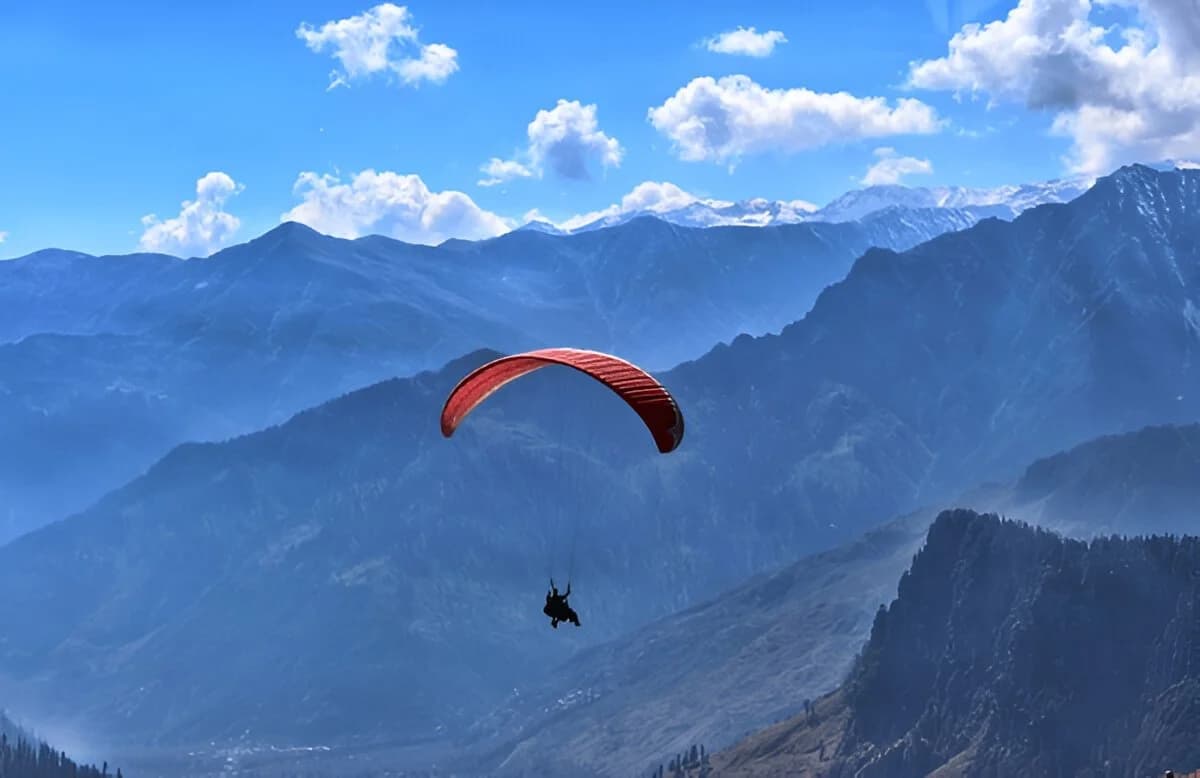
Overview of Paragliding in Manali: Manali has become a hot favorite for paragliding lovers from all over India, and trust us, once you try it, you’ll know why! The weather conditions here are perfect for both beginners and pros. You don’t need any experience – trained pilots will take care of everything. If you’re worried about planning all this, our Manali Tour Packages include paragliding along with other adventures, making it super easy to tick this off your bucket list. Among all the thrilling activities, paragliding stands out as a must-try experience. The town offers breathtaking views, perfect wind conditions, and trained professionals to ensure a safe yet adrenaline-pumping ride. Short flights give you a taste of the skies, while long flights offer an extended aerial adventure. It’s an experience that combines thrill and beauty, making it one of the most unforgettable activities in Manali. Best Places for Paragliding in Manali: 1. Solang Valley: The most popular paragliding spot, offering both short and long flights. Service Providers: Himalayan Extreme, Paragliding Manali Timings: 9 am – 5 pm (weather-dependent) Fees: ₹2,500 – ₹4,500 (depending on flight duration) 2. Kullu: Being close to Manali, this comes before Manali, so it’s the best place for paragliding in Manali. Service Providers: Backpackers, Vision Himalayas, and Himalayan Sky Rockers Timings: 9 am – 5 pm (weather-dependent) Charges: ₹2,500 – ₹4,500 (depending on flight duration) 3. Dobhi Valley: Known for its long-duration flights, this spot provides breathtaking views of the Beas River. Service Providers: Sky Riders, Adventure Manali Timings: 10 am – 4 pm Fees: ₹3,500 – ₹5,000 4. Marhi: A lesser-known but fantastic paragliding site with high-altitude takeoffs and stunning landscapes. Service Providers: Aero Himalayan, Free Bird Paragliding Timings: 8:30 am – 3:30 pm Fees: ₹2,000 – ₹4,000 5. Burwa: Ideal for beginners, offering scenic views and a smooth flight experience. Service Providers: Sky High Adventures, Fly Manali Timings: 9:30 am – 4 pm Fees: ₹1,800 – ₹3,500 Travel Tips & Essential Information for Paragliding in Manali: Best Season: March to June and September to December are the best weather for flying. Avoid monsoon months due to heavy rains. Fitness & Health: Not recommended for people with heart conditions, vertigo, or breathing issues. Basic fitness is essential for take-off and landing. Clothing & Gear: Wear comfortable sports shoes and layered clothing. Helmets and harnesses are provided by operators. Safety First:Always choose certified operators who use well-maintained equipment and have experienced pilots. Advance Booking: Paragliding slots fill up quickly, especially in peak season. Book in advance for better rates and confirmed slots. Weather Conditions: Flights are subject to wind and weather conditions. Be prepared for last-minute changes. Photo & Video Options: Many operators offer GoPro recordings at an extra cost. Capture your flight for memories! How to Reach: Local taxis and rental bikes are available from Manali town to all major paragliding sites. Also Checkout – Things To Do in ManaliAlso Read – Places to Visit in Manali

Read More

Trang An, Vietnam
May 30, 20253 Minutes
Trang An, Vietnam
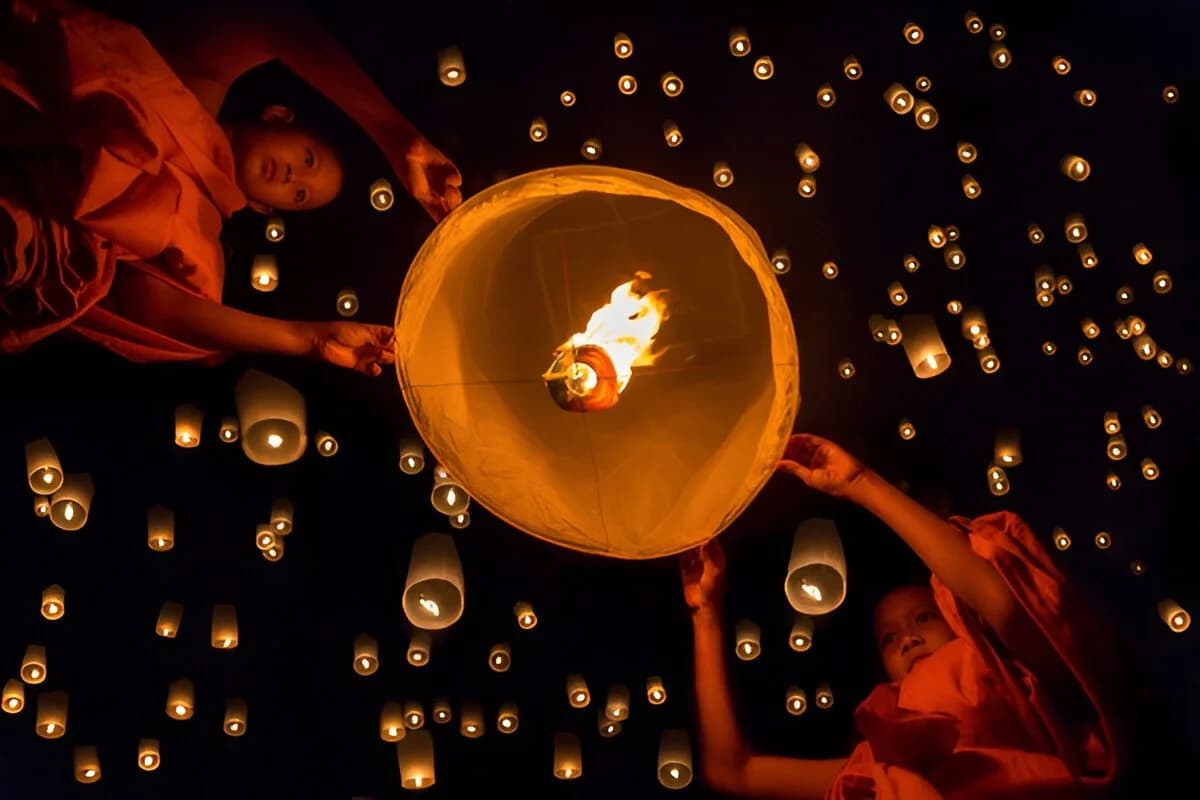
Overview of Trang An, Vietnam: If you’ve ever watched the movie Kong: Skull Island, you’ve already seen glimpses of Trang An’s breathtaking landscapes. This place shot to fame after the film showcased its dramatic limestone karsts, serene waterways, and lush greenery. Many Vietnam tour packages now include this magical spot, and for good reason! But even before Hollywood put it on the map, Trang An was a UNESCO World Heritage Site, known for its mesmerizing boat tours through caves and ancient temples. This hidden gem attracts travelers who crave adventure, tranquility, and jaw-dropping scenery.  What’s Here to Experience Trang An, Vietnam: Boat Tours Through Stunning Caves: Hop on a traditional sampan boat and float through a network of caves, hidden grottos, and peaceful waterways. The boat ride lasts around two hours and is the best way to soak in Trang An’s beauty. Kong Island (Kong: Skull Island Film Set): Yes, the famous Hollywood movie was filmed here! You can visit the set, take photos with tribal-like huts, and relive scenes from the movie. Bai Dinh Pagoda: The largest Buddhist pagoda in Vietnam, Bai Dinh is a must-visit. It features giant Buddha statues, stunning architecture, and a peaceful spiritual atmosphere. Hang Mua (Mua Cave Viewpoint): If you don’t mind climbing 500 steps, you’ll be rewarded with one of the best panoramic views of Trang An. Trust me, the view is worth the sweat! Hoa Lu Ancient Capital: Explore the remnants of Vietnam’s first capital. It’s a great spot for history lovers. Cycling Around Trang An: Rent a bicycle and explore the countryside at your own pace. The lush rice paddies, limestone karsts, and peaceful villages make for a picture-perfect ride. Travel Tips / Essential Information for Trang An, Vietnam: Best Time to Visit The best months to visit are from March to May and September to November when the weather is pleasant, and nature is at its best. Avoid the peak summer heat! How to Reach From Hanoi: Trang An is about 100 km from Hanoi, and it takes around 2 hours by car. You can book a private car, hop on a bus, or take a train to Ninh Binh, the nearest city. From Ninh Binh: A 15-minute taxi ride will get you to Trang An. Entry Fees & Boat Tour Costs Trang An Boat Tour: INR 900 per person Hang Múa Entrance Fee: INR 250 per person Bai Dinh Pagoda Electric Car Ride: INR 200 per person Packing Essentials Comfortable shoes Sunscreen, hat, and sunglasses – the sun can be intense A light raincoat or poncho Camera or phone with enough storage—trust me, you’ll be taking hundreds of photos Food & Local Delicacies Don’t leave without trying goat meat—a local specialty! Vietnamese rice rolls (banh cuon) make for a great snack. Trang An is one of those places where you’ll wish time could slow down. So, pack your bags and get ready for an adventure. Also Read: Things to do in VietnamMust Read: Places To Visit in Vietnam
Read More

Login ModalPost Login FormTalk with trip expert