Blog hero image
Top Travel Stories

Explore our latest blogs and travel with us

Naval Base in Lakshadweep
May 30, 20254 Minutes
Naval Base in Lakshadweep
Overview of Naval Base in Lakshadweep: Lakshadweep is a strategically significant group of islands in the Arabian Sea, that plays a crucial role in India’s maritime security. To strengthen surveillance and defence in this remote region, the Indian Navy established INS Dweeprakshak, the primary naval base in Lakshadweep, located on Kavaratti Island. Commissioned in 2012, INS Dweeprakshak enhances India’s ability to monitor the surrounding waters, ensuring protection against piracy, illegal fishing, smuggling, and potential security threats. The naval base is responsible for coastal patrolling, maritime surveillance, and disaster relief operations. Given Lakshadweep’s proximity to important international sea routes, it is a crucial military installation for national security. Plan your trip carefully and explore the history and power of naval through Lakshadweep Packages. Apart from defence, the naval base assists in humanitarian efforts, rescue missions, and environmental protection in the region. It also strengthens coordination between the Indian Navy, Coast Guard, and local authorities, ensuring safety for the islands and their residents. With its presence, India has reinforced its commitment to maintaining peace and security in the Arabian Sea while safeguarding its island territories. What are the Key Highlights of Naval Base in Lakshadweep: Strategic Location – Lakshadweep’s proximity to major international sea routes makes it vital for maritime security. INS Dweeprakshak – Established in 2012 on Kavaratti Island, it is the primary naval base in Lakshadweep. Surveillance & Patrolling – The base ensures continuous monitoring of territorial waters to prevent illegal activities. Piracy & Smuggling Prevention – Plays a key role in combating piracy, smuggling, and unauthorized fishing. Disaster Relief Operations – Assists in rescue and relief missions during natural calamities and emergencies. Coordination with Coast Guard – Works closely with the Indian Coast Guard for effective maritime security operations. Environmental Protection – The naval force actively helps in preserving marine biodiversity and preventing ecological damage. Training & Logistics Support – Provides support to naval ships and personnel operating in the Arabian Sea. Military Preparedness – Strengthens India’s defensive presence in the region, ensuring territorial integrity. Support for Local Communities – Assists Lakshadweep residents with medical aid and emergency responses when required. Naval Base Details & Entry Restrictions: Base Name: INS Dweeprakshak Location: Kavaratti Island, Lakshadweep Established: 2012 Access: Restricted; only authorized military personnel are allowed entry. Purpose: Surveillance, patrolling, anti-piracy operations, disaster response, and environmental conservation. Best Viewing Spot: While entry is restricted, visitors to Kavaratti can observe naval activities from a distance. Travel Tips & Essential Information for Naval Base in Lakshadweep: Restricted Access – The naval base is not open to civilians; only military personnel can enter. Observation Point – While tourists cannot visit, you may catch glimpses of naval ships near Kavaratti’s coastline. Importance of Lakshadweep – The region plays a vital role in India’s maritime security strategy. Naval Exercises – Occasionally, naval drills can be seen from nearby islands, showcasing defence preparedness. Best Time to Visit Kavaratti – If you’re interested in learning about India’s maritime power, visit Lakshadweep between October and March. Respect Security Norms – Photography of naval operations is strictly prohibited near the base. Local Interaction – Speak with fishermen and locals, who often share insights about how the Navy supports island security. Coast Guard Presence – Apart from the Navy, the Indian Coast Guard also plays a role in maintaining law and order in the region. Defensive Importance – Given its strategic position, Lakshadweep is crucial for monitoring Indian Ocean trade routes. Future Expansions – The Indian government is working on enhancing the naval infrastructure in Lakshadweep for stronger maritime security. INS Dweeprakshak in Lakshadweep serves as a vital military outpost, ensuring coastal security, maritime surveillance, and environmental protection. Though it is not open to civilians, its presence strengthens India’s defence capabilities in the Indian Ocean. For travellers visiting Kavaratti, observing naval ships and operations from afar offers a glimpse into India’s strong maritime presence. Lakshadweep remains a significant location in India’s defence and security strategy in the Arabian Sea. Also Read: Places to Visit in LakshadweepMust Read: Things to Do in Lakshadweep

Read More

Glowing Beach in Lakshadweep
May 30, 20254 Minutes
Glowing Beach in Lakshadweep
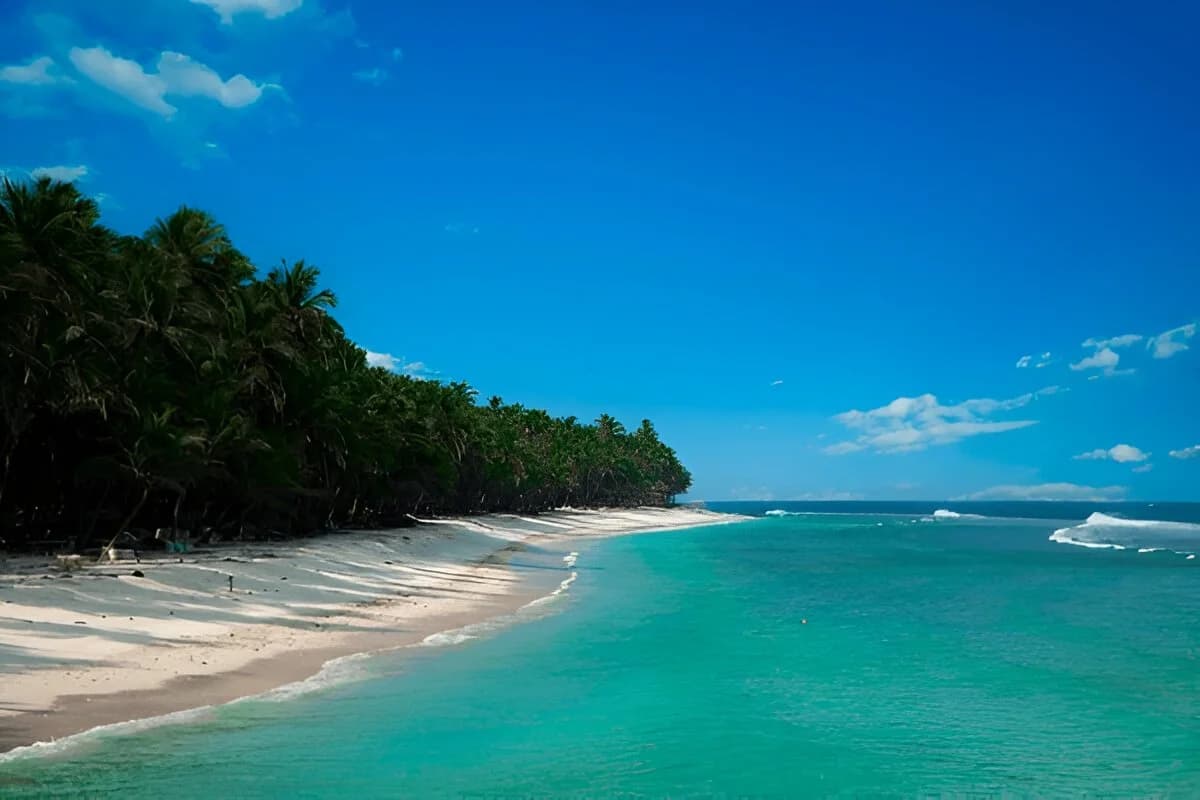
Overview of Glowing Beach in Lakshadweep: Lakshadweep, a stunning archipelago in the Arabian Sea, is home to some of the most pristine beaches in India. Among them, the Glowing Beach stands out as a breathtaking natural wonder. This rare phenomenon, known as bioluminescence, makes the shoreline shimmer with a blue glow at night, creating an enchanting experience for visitors. Plan your visit carefully, and you may just experience one of nature’s most extraordinary light shows with the best Lakshadweep Packages. The glowing effect is caused by bioluminescent plankton, tiny marine organisms that emit light when disturbed by waves or movement. This mesmerizing glow can be seen on select nights, especially during new moon phases when the sky is darkest. The phenomenon is similar to the famous glowing beaches in the Maldives and Thailand, making Lakshadweep an emerging hotspot for night-time beach exploration. While bioluminescence is visible on multiple islands, Agatti, Kavaratti, and Bangaram Islands are among the best places to witness this magical glow. A visit to the Glowing Beach in Lakshadweep is a once-in-a-lifetime experience that allows travellers to witness nature’s brilliance in one of the most serene settings in the world. What are the Key Highlights of the Glowing Beach in Lakshadweep: Bioluminescent Phenomenon – Caused by phytoplankton that emit a natural blue glow when disturbed. Best Islands to Witness It – Most visible on Agatti, Bangaram, and Kavaratti Islands. Peak Visibility – The glowing effect is best seen during dark, moonless nights. Unique Natural Wonder – A rare experience similar to glowing beaches in the Maldives and Thailand. Ideal Season to Visit – Best witnessed between November and March when water clarity is high. Eco-Friendly Experience – The glow is entirely natural and does not involve artificial lights or pollution. Perfect for Night Strolls – Walking along the shoreline while the waves light up creates a magical experience. No Special Equipment Needed – Unlike other natural wonders, you don’t need gear to witness this phenomenon—just a night and patience. Best Photographic Opportunity – While tricky to capture, long-exposure photography can help document the glowing waves. Unforgettable Romantic Setting – Ideal for couples looking for a unique and serene beach experience. Timings & Entry Fees for Glowing Beach in Lakshadweep: Best Viewing Time: 7:00 PM to Midnight (depending on darkness and tidal conditions). Entry Fee: No special entry fee; beach access is free for tourists. Ideal Weather: Clear nights with no artificial light pollution enhance the experience. Restrictions: Avoid using flashlights or artificial lights as they reduce the visibility of bioluminescence. Travel Tips & Essential Information for Glowing Beach in Lakshadweep: Best Time to Visit – Plan your trip between November and March when the water is clearest. Check Moon Phases – Avoid visiting during a full moon as the brightness reduces the visibility of bioluminescence. Choose the Right Island – Agatti, Bangaram, and Kavaratti Islands offer the best chances of witnessing the glow. Stay Overnight – Opt for a beachside resort or guesthouse to maximize your chances of experiencing the phenomenon. Be Patient – The glow depends on natural conditions, so wait and observe patiently. Avoid Flashlights – Use minimal artificial light to let your eyes adjust and see the glow better. Wear Comfortable Clothing – Light, breathable clothes and sandals are ideal for night beach walks. Try Long-Exposure Photography – Capture the glow by using a tripod and long shutter speed settings. Respect Nature – Do not touch or disturb the bioluminescent organisms in the water. Book a Guided Tour – Some local guides offer night-time beach walks for a better viewing experience. The Glowing Beach in Lakshadweep is a hidden gem that transforms the shoreline into a shimmering spectacle at night. The sight of bioluminescent waves gently lighting up the coast is truly magical. Whether you’re a nature lover, a photographer, or simply seeking a peaceful retreat, witnessing this rare phenomenon is a must. Also Read: Places to Visit in LakshadweepMust Read: Things to Do in Lakshadweep

Read More

Lakshadweep in June
May 30, 20256 Minutes
Lakshadweep in June
Lakshadweep, India’s smallest Union Territory, is a beautiful collection of 36 coral islands, atolls, and reefs. While winter is the popular season, Lakshadweep in June has its charm. The islands turn greener, the crowds disappear, and the peaceful vibe makes it perfect for relaxation. If you love nature and adventure, this is a great time to visit.The monsoon brings refreshing rains, making the landscapes even more stunning. Though some water activities may be limited, you can still enjoy the beauty of the islands. To make your trip easy and comfortable, Lakshadweep packages are available, covering travel, stay, and sightseeing. If you’re wondering whether June is the right time, let’s explore what makes it special!Lakshadweep weather in June​:Lakshadweep in June experiences the monsoon season, making it a refreshing and lush destination. Lakshadweep weather in June is mostly cloudy and rainy. Lakshadweep temperature in June​ experiences pleasant temperatures ranging between 25°C to 30°C, offering a warm yet comfortable climate.The islands receive moderate to heavy rainfall, bringing cool breezes and a fresh, green atmosphere. However, due to frequent showers, humidity levels remain high, around 75-85%. The Arabian Sea can be rough, which may cause travel restrictions for boats and ferries, making it essential to check weather updates before planning your trip.Despite these conditions, the monsoon adds a unique charm to the islands, making them lush and peaceful. If you love rainy getaways with stunning natural beauty, June is a great time to visit. However, keep in mind that certain water activities might be restricted due to strong tides.Special Activities in Lakshadweep:Despite the rainy season, there’s still plenty to do in Lakshadweep in June. The islands turn into a lush paradise, offering nature lovers and adventure seekers a peaceful retreat. If you don’t mind occasional showers, here are some incredible experiences you can enjoy in Lakshadweep during June:1. Monsoon Beach Walks – A Dreamy Coastal EscapeWhile swimming and water sports might not be the best options due to rough seas, the beaches of Lakshadweep still offer a mesmerizing experience. Take a peaceful stroll along the pristine shores of Agatti or Kavaratti Island, where you can witness the magical sight of rain meeting the ocean. The cool monsoon breeze, rhythmic sound of the waves, and the scent of wet sand create an unforgettable atmosphere for those who love tranquil coastal moments.2. Exploring Local Culture – A Glimpse into Island LifeJune is a fantastic time to immerse yourself in the rich culture and traditions of Lakshadweep. Visit small fishing villages, interact with the friendly islanders, and get a glimpse of their daily life. Indulge in the local cuisine, which is heavily influenced by Malabar flavours, and enjoy freshly prepared seafood dishes like tuna curry, fried mussels, and coconut-based delicacies. Engaging with the locals will give you a deeper appreciation of the island’s heritage and way of life.3. Indoor Activities & Luxurious Resort StaysSince outdoor adventures may be limited due to unpredictable weather, resorts in Lakshadweep offer a variety of indoor experiences to make your stay enjoyable. Pamper yourself with a rejuvenating Ayurvedic spa treatment, participate in traditional dance or music performances, or enjoy indoor games like chess, table tennis, and carrom. Many resorts also offer cultural programs where you can learn about the island’s history and traditions while staying in a cosy, tropical retreat.4. Rainy Day Photography – Capturing Nature’s MagicThe monsoon transforms Lakshadweep into a breathtaking wonderland, making it a paradise for photography enthusiasts. Capture the sight of lush green coconut groves swaying in the rain, dramatic monsoon clouds over the ocean, and the mist-covered beaches that look straight out of a dream. The contrast of the turquoise waters, golden sands, and rain-washed landscapes creates some of the most picturesque views you’ll ever see.5. Birdwatching & Nature Trails – A Refreshing Escape into the WildThe rainy season brings out the best of Lakshadweep’s flora and fauna, making it a great time for nature walks and birdwatching. The islands are home to a variety of exotic birds, including white terns, herons, and frigatebirds. Walk through lush coconut plantations and mangrove forests, enjoying the fresh scent of rain-soaked earth. If you’re lucky, you might even spot rare migratory birds that find refuge in Lakshadweep during this season.Travel Tips for Visiting Lakshadweep in June:Travelling to Lakshadweep in June requires some planning due to monsoon conditions. Here are a few essential tips to ensure a smooth trip:Check the Weather Forecast – Since June is monsoon season, plan accordingly for unpredictable rains and rough seas.Choose Flights Over Boats – If ferries get cancelled due to rough weather, flights to Agatti Island are the best way to reach Lakshadweep.Pack Smartly – Bring light cotton clothes, a raincoat, waterproof footwear, and extra plastic covers to protect your belongings from moisture.Book Accommodations in Advance – There are many best resorts in Lakshwadeep may have limited availability due to off-season conditions.Be Flexible with Plans – Certain activities like scuba diving in Lakwadeep and snorkelling in Lakshwadeep may not be available due to sea conditions, so plan alternative experiences.Lastly, the Best time to visit Lakshadweep is a unique experience, offering serene beaches, vibrant greenery, and a peaceful escape from crowds. If you don’t mind the rains and prefer a relaxing vacation with beautiful views, this is a great time to go for the Lakshadweep Tour in June. However, if you’re looking for water sports and clear skies, it’s best to visit during the dry season.Must Read – Places To Visit in LakshadweepAlso Read – Things to Do in Lakshadweep

Read More

Temples in Lakshadweep
May 30, 20255 Minutes
Temples in Lakshadweep
Despite having a predominantly Muslim population, Temples in Lakshadweep remain significant cultural and spiritual landmarks. These temples are a way to learn and explore the religious diversity of Lakshadweep, showcasing the island’s historical connections with Hinduism even though it is an Islamic-dominant union territory. While Lakshadweep is widely visited and known for its beaches and marine life, it also has hidden spiritual gems worth exploring.Travellers can visit these temples as part of Lakshadweep packages. These sacred sites give peace, making them ideal spots for peace, spiritual, and even history lovers. If you plan to explore the islands beyond their popular attractions, these temples will add a meaningful dimension to your journey.4 Best Temples in Lakshadweep1. Shree Shiva Kshethram, KavarattiOne of the most well-known Lakshadweep temples, Shree Shiva Kshethram in Kavaratti, is a place of worship for Lord Shiva devotees. The temple conducted prayers regularly. Locals and tourists visit this temple to seek blessings and immerse themselves in its peaceful ambience.Temple Timings: Open daily for morning and evening prayers. The best time to visit is during festivals like Maha Shivaratri when the temple becomes a hub of religious activities.How to Reach: It is accessible via ferries and flights from Kochi. Regular boat services operate between nearby islands, making it easy for visitors to reach the temple.2. Shree Krishna Temple, MinicoyDedicated to Lord Krishna, this temple is located in Minicoy. The temple is famous for its traditional architectural style and spiritual atmosphere. This is among the few temples in Lakshadweep, that is a place of deep devotion.While exploring things to do in Lakshadweep, visiting these temples is a must.Temple Timings: The temple remains open during early mornings and evenings for darshan. Special pujas are conducted on Janmashtami.How to Reach: Minicoy is accessible via ferries. Visitors can travel by boat from other islands within Lakshadweep.3. Shiva Temple, Near Police StationLocated near the police station in Kavaratti, this small yet historically significant Shiva temple is one of the lesser-known religious sites in the region. Because of its huge size, this Lakshadweep famous temple has great cultural importance and is frequently visited by locals for daily prayers and rituals.Temple Timings: Open throughout the day, with special rituals conducted in the morning and evening. The temple sees an increase in visitors during Hindu festivals.How to Reach: The temple is easily accessible within Kavaratti town. Tourists staying in nearby accommodations can reach the temple on foot.4. Hanuman Mandir, AminiLocated in Amini, this temple is dedicated to Lord Hanuman and is one of the most spiritually significant temples in Lakshadweep for Hindu devotees. The temple is known for its prayers and aarti ceremonies, creating an atmosphere of devotion and faith.Temple Timings: The temple is open during early morning and evening prayer sessions, with special rituals conducted on Hanuman Jayanti.How to Reach: Amini is well-connected via ferries from Kavaratti and Agatti. Visitors can also explore nearby islands while visiting the temple.Travel Tips for Visiting These TemplesPlan Your Visit During the Best Time – The best time to visit Lakshadweep temples is between October and March. Avoid monsoon months, as ferry services may be disrupted.Respect Local Customs – Although Lakshadweep has a predominantly Muslim population, Hindu temples hold significance. Dress modestly and follow temple etiquette when visiting.Check Temple Timings in Advance – Most temples of Lakshadweep are open from morning to sunset with no closing in the afternoon. Plan your visits accordingly to avoid disappointment.Pack Light and Carry Essentials – Due to limited transport options, carry essentials like comfortable footwear, light clothing, and sunscreen for a hassle-free trip.Try Local Cuisine – Along with temple visits, explore the island’s seafood and coconut-based delicacies for an authentic overall experience.Carry Sufficient Cash – ATMs are limited, so bring enough cash for temple donations, transport, and shopping.The Lakshadweep temple are a great option to explore unique spiritual experiences apart from the beach beauty of the islands. From Shiva and Krishna temples to Hanuman Mandirs, these sacred sites add cultural richness to your trip.Plan your trip during the best time to visit Lakshadweep to make the most of your journey.Also Read: Places to Visit in Lakshadweep

Read More

Top 10 Lakshadweep Beach with Unique Experiences
May 30, 20258 Minutes
Top 10 Lakshadweep Beach with Unique Experiences
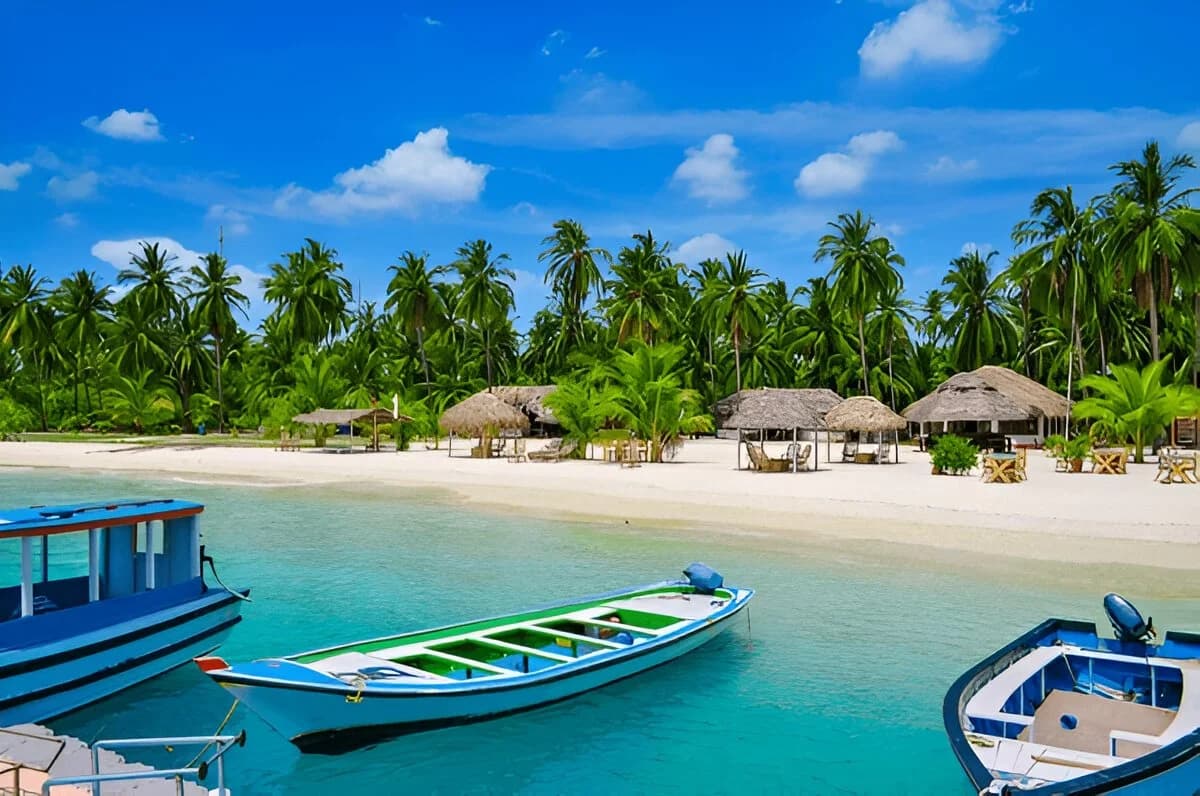
Lakshadweep is an archipelago of 36 islands off the coast of India, it has many beaches, and to find the best one can be tough. Well, all Lakshadweep Beaches are really great with white sandy beaches and water so clear you can see your toes wiggling in the sand below. Lakshadweep packages make it super easy to plan your trip without the usual travel headaches. Trust me, these beaches will make your Goa pictures look faded. Whether you’re a beach bum looking to relax or an adventure junkie ready to dive in, Lakshadweep’s beaches have something special waiting for you. Let’s check out the top best beaches.10 Best Beaches in Lakshadweep1. Agatti Beach:Agatti is the most popular beach in Lakshadweep. This Lakshadweep Beach is the perfect screensaver to come to life. It is famous for its white sand and clear waters. This beach in Agatti Island is perfect for water sports like snorkelling and scuba diving and is also famous for its sunset views.Unique Things to Experience:Snorkel with fish who seem as curious about you as you are about themTry scuba diving (even if you’re a first-timer!)Watch sunsets that’ll make your Instagram followers think you’ve used filtersLocal tip: Chat with fishermen for the best spots to see sea turtlesEntry fee: None2. Bangaram Beach:Bangaram Beach is pretty much your private beach. Just a boat ride from Agatti, this Beach is what dreams are made of. No crowds, no noise – just you and nature showing off its best work. The beach offers a unique experience with bioluminescent plankton that glow at night, creating a magical ambiance.Unique Things to Experience:Watch the water glow blue at night (thanks to some fancy plankton)Stay in Lakshadweep beach Resort cottages that make Lakshadweep hotels look boringSpot dolphins playing in the distanceGo on midnight beach walks (totally safe and totally magical)Try traditional Lakshadweep cuisine right on the beachEntry fee: None, but resort booking required3. Kavaratti Beach:Welcome to the capital’s crown jewel! This Lakshadweep Beach is where the action happens. Think of it as the Times Square of Lakshadweep but with way more coconut trees and zero traffic! Kayaking in Lakshadweep and glass-bottom boat rides are really famous here.Unique Things to Experience:Ride glass-bottom boats Visit the marine aquarium – perfect for those who want to see fish without getting wetTry kayaking. Kavaratti Beach is a best destination for the Kayaking.Take selfies with the beautiful mosque in the background4. Cheriyam Beach:Located on Bitra Island, Cheriyam Beach is a secluded spot that can be reached by boat. This beach is less crowded, making it an ideal destination for travelers seeking solitude and serenity away from the most popular, crowded, and best beaches in Lakshadweep.Unique Things to Experience:Cheriyam Beach offers an opportunity for fishing, where you can engage with local fishermen. The beach also provides amazing sunset views, perfect for spending evening time. 5. Minicoy Beach:The southernmost Lakshadweep Beach is shaped like a smile. This crescent-shaped beauty comes with its own lighthouse. You can experience traditional lava dance performances and enjoy tuna fishing, an iconic activity in Minicoy Island. The beach’s cultural significance makes it a must-see for those seeking local heritage.Unique Things to Experience:Watch local lava dance performances (way cooler than your regular dance shows)Learn how tuna fishing is done the traditional wayClimb up the lighthouse for views that’ll make your jaw dropTry local tuna dishes that’ll make your taste buds danceEntry fee: Lighthouse entry: ₹50 per person6. Kalpeni Beach:Among all the Lakshadweep Beach, Kalpeni Beach is famous for swimming, and boating The waters are so shallow and calm, that even your non-swimming friends can enjoy a dip. Swimming, reef walking, and snorkelling allow you to explore the underwater beauty of the beach and its surroundings.Unique Things to Experience:Go reef walking (yes, that’s a thing!)Spot colourful corals without even diving deepTry stand-up paddling in the calm lagoonWatch local kids perform impressive swimming tricksJoin a coral conservation talk (and become a marine life expert)Entry fee: None7. Kadmat Beach:Looking for a beach with the perfect mix of adventure and chill vibes? This Lakshadweep Beach hits the sweet spot! Situated on Kadmat Island, accessible via ferry from Agatti. Kadmat Beach is a top destination for adventure seekers. Besides scuba diving, you can enjoy dolphin watching and relax at the Lakshadweep Beach resorts.Unique Things to Experience:Watch dolphins show off their acrobaticsStay in beachside rooms that let you wake up to wave soundsGo night diving to see different marine lifeJoin local fishing trips (and maybe catch your dinner!)Take a beach yoga class with the sunriseEntry fee: None8. Thinnakara Beach:Close to Bangaram Island, can be reached via speedboat. Thinnakara Beach, this Lakshadweep Beach is best for couples, or someone on a honeymoon! Camping, kayaking, and bioluminescent nights make this beach even more exciting.Unique Things to Experience:Camp under stars brighter than your phone’s flashlightWatch the water glow at night (nature’s own light show!)Go kayaking in crystal clear watersTry beach camping with all modern comfortsLearn coconut tree climbing from localsCamping fees start from ₹2000 per night9. Suheli Par Beach:Famous for its untouched beaches, Suheli Par is a peaceful place for nature lovers. Here you can enjoy deep-sea fishing and turtle spotting as you explore the calm waters and stunning marine ecosystem. It is a secret gem that most travelers don’t visit because not many people know about it, but those who do can’t stop talking about it! This is the only Lakshadweep Beach which is a bit tricky to reach as it is a remote beach, and is visited via special boat tours.Unique Things to Experience:Go deep-sea fishing Spot sea turtles in their natural habitatExplore untouched coral reefsJoin local conservation effortsTry traditional fishing methodsEntry fee: Special permit required (arranged through tour operators)10. Pitti Beach:Pitti Beach is a small islet near Kalpeni, accessible by boat. Famous for its untouched beauty, this beach is a sanctuary for nature lovers and an ideal spot for those looking to explore the quiet side of Lakshadweep.Unique Things to Experience:This is one of the best beaches in Lakshadweep and is home to a bird sanctuary, making it an excellent destination for birdwatching enthusiasts. The surrounding coral reefs are perfect for snorkeling and underwater exploration.Must Read – Places To Visit in LakshadweepAlso Read – Things to Do in Lakshadweep

Read More

The History of Lakshadweep Islands
May 30, 20255 Minutes
The History of Lakshadweep Islands
Hey there, Explorers! We know you’re also eager to know about the history of Lakshadweep. Well, grab a cup of tea because we’re diving deep into Lakshadweep’s history, it’s an incredible chain of islands that’s been making waves for centuries. Some amazing Lakshadweep Packages help you explore this tropical paradise, but not many make you understand its fascinating history. But don’t worry, this page is all about that history part. We’ll make you understand its history from its roots to till date.Some key Highlights:The islands were formed by coral reefs that took thousands of years to develop. It’s India’s smallest union territory but has the largest share of territorial waters. Every island has its own unique story about how it was discovered. The islands switched hands between rulers many times which we’ll discuss.The Mystery of Early SettlersWe all wonder who first discovered these stunning islands! The history of Lakshadweep is filled with interesting theories about its first inhabitants. Some say it was fishermen who accidentally stumbled upon these islands during a storm, while others believe it was those smart Greek traders who first set up here.Lakshadweep’s history dates back to ancient times, with records from the 1st century CE mentioning the islands as an important source of tortoise shells for Greek sailors. Its strategic position in the Arabian Sea made it a key destination for seafaring traders, including the Phoenicians, Arabs, and Romans.These Arab traders saw these islands as perfect pit stops during their long sea journeys. So it became a resting hub for them. They brought with them their culture, their traditions, and of course, their trading skills. Arrival of Cholas and Islamic RulersMoving into medieval times, the history of Lakshadweep Island gets even more interesting. The Cholas and Cheras (powerful South Indian dynasties) decided they wanted a piece of this island. These rulers weren’t just interested in adding more land to their kingdoms – they saw these islands as important strategic locations.But the biggest game-changer was when Islam arrived on the shores. The introduction of Islam changed everything – from the way people lived to what they ate and how they dressed. Arab Sufi Ubaidullah brought Islam to Lakshadweep. Soon, Lakshadweep became deeply intertwined with Islamic culture. And even today most of Lakshadweep’s population practice Islam.Enter the EuropeansJust when everyone thought they had things figured out, the Portuguese with their massive ships and fancy guns entered. Then, the history of Lakshadweep took another turn as these European sailors started controlling the islands. The Portuguese and Dutch established a foothold in the nearby coastal areas, but their direct involvement in governing the islands remained limited.Later, the British took over. Under their rule, the islands saw some major changes. They introduced new administrative systems, built lighthouses, and started keeping proper records of imports, exports, and trading.The Independence EraWhen India gained independence, the history of Lakshadweep entered a new chapter. The islands became part of India, and things changed! The government started focusing on development – building schools, and hospitals, and improving transportation. Today, these islands are a perfect blend of tradition and modernity. While you’ll find modern amenities, the history is still alive in its people’s customs, festivals, and daily life. The government has been working hard to preserve this unique heritage while making sure the islands keep up with the times.Concluding the HistoryAs we wrap up our journey through the history of Lakshadweep, it’s amazing to think how these tiny islands have gone through so much! From simple coral formations to becoming a tourism hub, from ancient traders to modern tourists, these islands have quite a story to fascinate everyone.Whether you’re a history lover, a beach lover, or just someone looking to escape the city chaos, Learning and exploring Lakshadweep’s rich history is a great choice, it adds an extra layer of magic to your island adventure. The islands remind us that sometimes the smallest places have the biggest stories.Must Read – Places To Visit in LakshadweepAlso Checkout– Things to Do in Lakshadweep

Read More

Lakshadweep in December
May 30, 20255 Minutes
Lakshadweep in December
December is definitely the travel season for almost every Indian destination. And Lakshadweep in December is undoubtedly refreshing. December is one of the best times to visit Lakshadweep. The weather in Lakshadweep in December is cool, and have clear skies, and calm sea conditions, making it an ideal time to explore the islands. Choosing the right season for Lakshadweep Packages is essential, and December is just the right balance of great weather, fewer rains, and beautiful natural scenery. Unlike the monsoon season, when the islands might be a bit soggy, December’s dry days allow you to enjoy beaches, boat rides, and all water sports. Lakshadweep temperature in December is cold, and so what the water.Lakshadweep Weather in DecemberThe weather in Lakshadweep in December is just fabulous – cool temperatures, sunny skies, and the sea so calm. December is the peak tourist season of Lakshadweep, and there are reasons behind that.The weather is comfortable, making it the best time to engage in water activities like snorkeling, scuba diving, and kayaking. December also brings festivals and cultural events that give you a taste of the local traditions. Think of it as an all-inclusive experience of fun and learning! Special Activities in Lakshadweep in DecemberDecember in Lakshadweep isn’t just famous for sunbathing and beach walks (although those are awesome too). There’s so much more to do, and December is the perfect time for these activities.1. Scuba Diving & Snorkeling:The water is so clear you can see fish even from boats. Seriously! The coral reefs and diverse marine life are waiting for you to dive right in. Whether you’re a beginner or a pro, these underwater adventures are unmissable.2. Kayaking & Canoeing:If you like the idea of paddling through calm waters while enjoying the peace around you, you should try kayaking and canoeing. It’s a peaceful, relaxing way to explore the best places to visit in Lakshadweep.3. Beach Camping & Bonfires:The best winter activity in December in Lakshadweep. Can you think of anything better than sitting by a bonfire with the waves crashing softly nearby, gazing at the stars? Beach camping in Lakshadweep in December is like living in a dream.4. Fishing & Deep-Sea Excursions:Get your hands on some sustainable fishing while exploring the depths of the ocean. And no, it’s not just about catching fish; it’s about catching memories.5. Exploring Local Culture:Take a walk through traditional villages and get a taste of the island lifestyle. It’s a cultural feast you won’t forget!6. Wildlife & Birdwatching:If you’re into birdwatching, you can observe exotic marine species and colorful birds, you’ll find plenty to admire. Pitti Bird Sanctuary on Pitti Island is the best place for that.7. Sunset Cruises:There’s nothing like a relaxing boat ride while watching the sun dip below the horizon. Perfect for a peaceful end to your day.Travel Tips for Visiting Lakshadweep in DecemberBefore you pack your bags and race to the nearest airport, here are a few tips to make sure your December in Lakshadweep goes off without a hitch.Plan in Advance: Since December is peak season, booking early is a must. You don’t want to miss out on the best resorts and activities!Pack Wisely: Even in December, light clothing is ideal with a jacket, but don’t forget your sunscreen and waterproof gear. You’ll be in and out of the water, so you’ll need them.Respect Local Culture: Be aware of local traditions and rules. Lakshadweep has a peaceful vibe, and it’s best to respect the island’s culture.Permits Required: Some islands require entry permits. Check ahead, so you don’t end up doing the walk of shame (back to the port).Check Weather Conditions: While weather in Lakshadweep in December​ is generally perfect, it’s always a good idea to keep an eye on the forecast. There could be an occasional shower, but it won’t ruin your trip.Carry Cash: Not all islands have ATMs, so it’s a good idea to carry enough cash for your trip.Choose Eco-Friendly Travel: Lakshadweep is all about nature, so travel responsibly. Avoid plastic and opt for eco-friendly travel options.All in all, Lakshadweep in December is a dream come true with a little bit of planning and responsible travel!Must Read – Places To Visit in LakshadweepAlso Read – Things to Do in Lakshadweep

Read More

James Bond Island
May 30, 20253 Minutes
James Bond Island
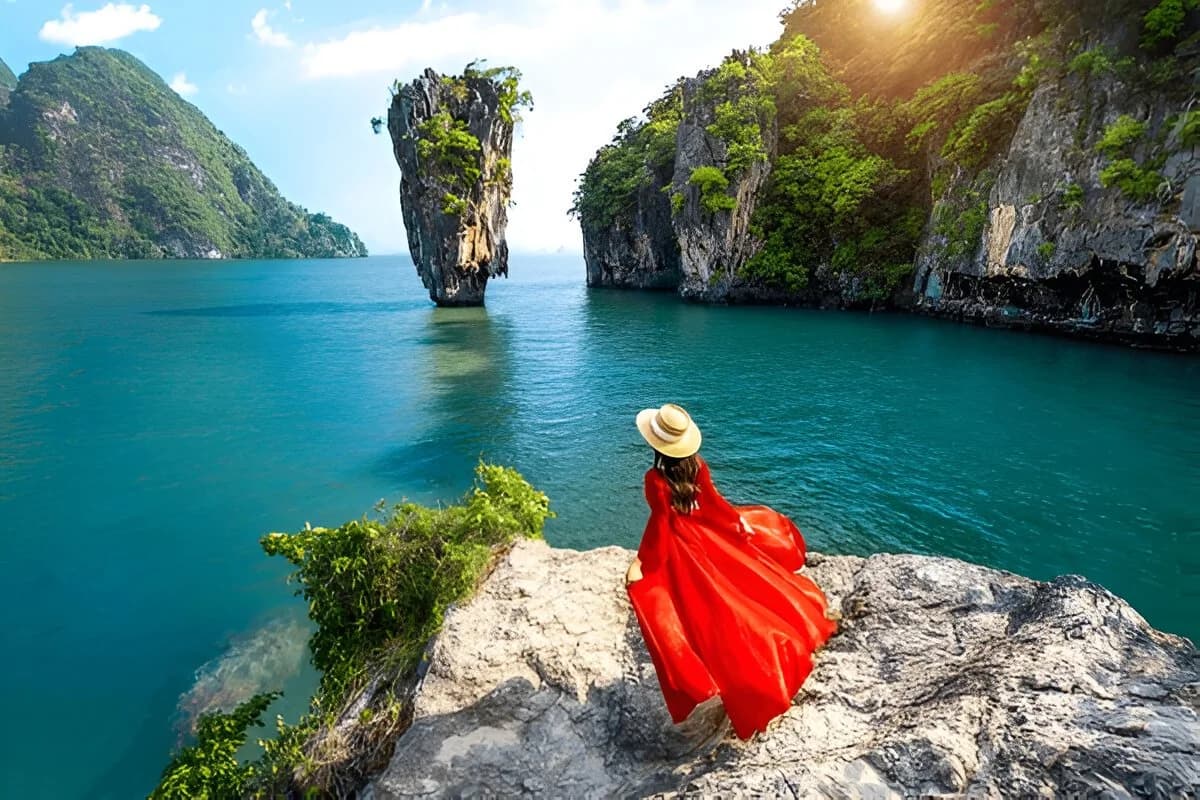
Overview of James Bond Island: The iconic needle-shaped rock that made movie history – James Bond Island- is one of the most popular tourist destinations and has always been a tourist hotspot in Thailand. Back in 1974, this beach got international fame when it was featured in the movie “The Man with the Golden Gun.” Before Hollywood, locals knew it as Koh Tapu (Nail Island) due to its unique shape. It was once a peaceful fishing area that quickly became one of Thailand’s must-see attractions. Today, thousands flock here the place has become an integral part of Thailand Tour Packages, eager to snap photos of the famous rock and explore the surroundings of Phang Nga Bay. The island itself may be small, but its reputation is absolutely massive. Between the scenery and the movie connection, it’s no wonder this place has become the gem of Phang Nga Bay tourism. What are the Key Highlights of the James Bond Island: The Famous Nail Rock: The 20-meter limestone cliff that made James Bond history looks like it might topple over any minute, but it’s been holding strong for centuries! Khao Ping Kan: The actual island you’ll walk on (Koh Tapu is just the rock) features caves, beaches, and rock formations. Stunning Photo Ops: Get your camera ready for amazing views. These aren’t your average holiday snaps, these will be insane. Island Hopping Opportunities: Most tours combine James Bond Island with visits to nearby floating villages and cave explorations. Geological Wonders: Beyond the famous nail rock, the entire area has fascinating erosion patterns created over millions of years. Marine Life Viewing: The waters are clear around the island, so bring a waterproof camera to capture the unexpected fish encounters. Timings & Entry Fees for James Bond Island: The island can be visited daily from 8 am to 5 pm. The entry fee to James Bond Island for foreigners is 300 baht (approximately ₹700) per person. Remember to carry cash as card machines are as rare as finding actual secret agents here. Travel Tips/ Essential Information of James Bond Island: Best Time to Visit: November to April offers calm seas and less rain. Avoid the island between 11 am-2 pm when it turns into tourist central! Beat the Crowds: Book an early morning or late afternoon tour – you’ll be thanked when you get photos without strangers photobombing your perfect shot. Seasickness Preparation: If you’re prone to motion sickness, take medication before boarding the boat. The waters are usually calm, but the combination of heat and boat movement can affect them. Dress Smart: Wear swimwear under light clothes, pack water shoes (those beaches can be rocky), and don’t forget sunscreen. Choose Your Tour Wisely: Speedboat tours are faster but bumpier, while traditional longtail boats offer a more authentic (and gentle on your back) experience. Pack Light but Right: Waterproof bags for electronics, mosquito repellent, and a hat are absolute musts. Food Options are Limited: Eat breakfast before your tour, and pack some snacks as food on the island is overpriced and limited in variety. Mind the Monkeys: If you encounter wild monkeys, keep a safe distance and secure your belongings. Respect the Environment: This is a national park, so misbehavior with nature or feeding local monkeys is not allowed. Also Read: Places to Visit in ThailandMust Checkout: Things to do in Thailand

Read More

Floating Market, Bangkok
May 30, 20253 Minutes
Floating Market, Bangkok
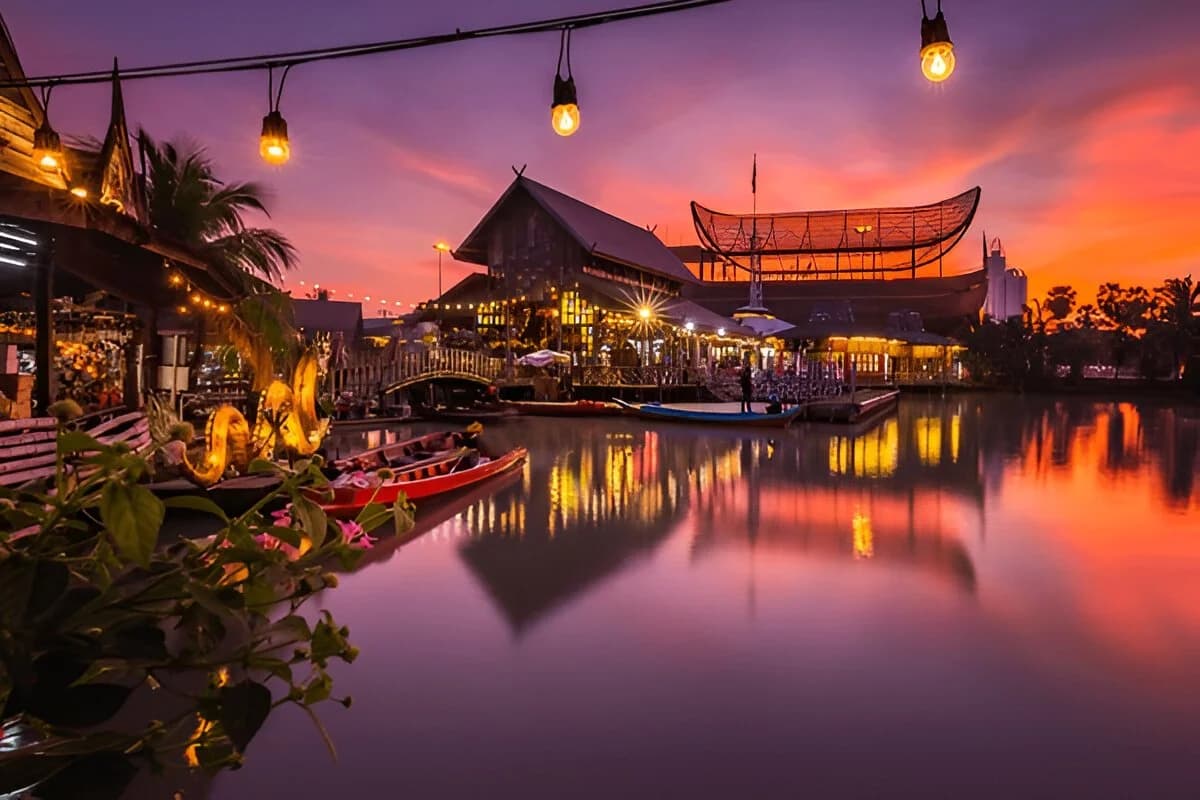
Overview of Floating Market, Bangkok: Shopping over water, yes, that’s Floating Market in Bangkok. These markets are traditional ways of selling fresh fruits, and vegetables in many Asian countries. This centuries-old tradition began when waterways were Thailand’s main transportation routes. At that time, farmers used to load their boats with fresh fruits and vegetables and row to meeting points, creating raw markets on water. These floating markets actually got the limelight after featuring in countless travel magazines, documentaries, and word-of-mouth from visitors who couldn’t stop talking about them. Now they’re a must-visit for anyone booking Thailand Tour packages. It’s shopping with a splash, literally! What are the Key Highlights of the Floating Market, Bangkok: Canal Culture in Action: Watch skilled vendors carefully narrowing boats loaded with goods while cooking fresh pad thai right in their tiny boat kitchens. How they don’t fall is alone fun to watch. Food items: Try exotic fruits, crispy roti pancakes, and coconut ice cream served right from boats. Nothing builds an appetite like shopping while balancing in a wooden canoe! Photographic Gold: Capture the colorful boats loaded with tropical fruits, flowers, and traditional Thai outfits. Beyond Shopping: Experience traditional Thai culture with impromptu music performances and craftsmanship displays. It’s a floating cultural center. Longtail Boat Rides: Navigate narrow canals on traditional wooden boats, passing local homes and glimpsing everyday Thai life away from tourist hotspots. Market Variety: Visit different floating markets like Damnoen Saduak (the famous one), Amphawa (the foodie one), or Bang Nam Pheung (the local one). Floating Convenience Stores: Spot boat vendors selling everyday necessities to canal-side homes – the original home delivery service, centuries before food delivery apps. Timings & Entry Fees for Floating Market, Bangkok: Most floating markets operate from 7 am to noon, with peak activity between 8-10 am. Arrive early to avoid tourist crowds! Entry to market areas is free, but boat rides cost INR 250-350 per person depending on duration and negotiation skills. Travel Tips/ Essential Information of Floating Market, Bangkok: Early Bird Gets the Authentic Experience: Wake up at dawn (yes, on vacation!) to see the markets as locals do before tourist buses arrive. Coffee is available there, thankfully! Bargaining Basics: Start at 50% of the initial price and work your way up with a smile. Remember, it’s not about winning but finding a price that makes both sides happy. Carry Cash: Most vendors don’t accept online payments, so bring small Thai Baht notes. Nothing kills a bargain faster than pulling out a 1000 Baht note for a 50 Baht purchase! Dress Appropriately: Wear comfortable clothes and waterproof your valuables. Splashing is part of the experience, sometimes intentional if you’re a tough negotiator! Language Lifesavers: Learn basic Thai phrases like “How much?” (Tao rai?) and “Too expensive!” (Paeng pai!). Transportation Tactics: Book a tour if you’re short on time, or adventure with public transportation if you enjoy getting slightly lost in a foreign country before finding amazing local spots! Bag Smarts: Bring a waterproof bag for purchases and keep valuables in a secure pouch. Respectful Photography: Ask before taking photos of locals and vendors or their boats. Also Checkout: Things to do in ThailandMust Read: Places to Visit in Thailand

Read More

Pattaya Dolphin World
May 30, 20253 Minutes
Pattaya Dolphin World
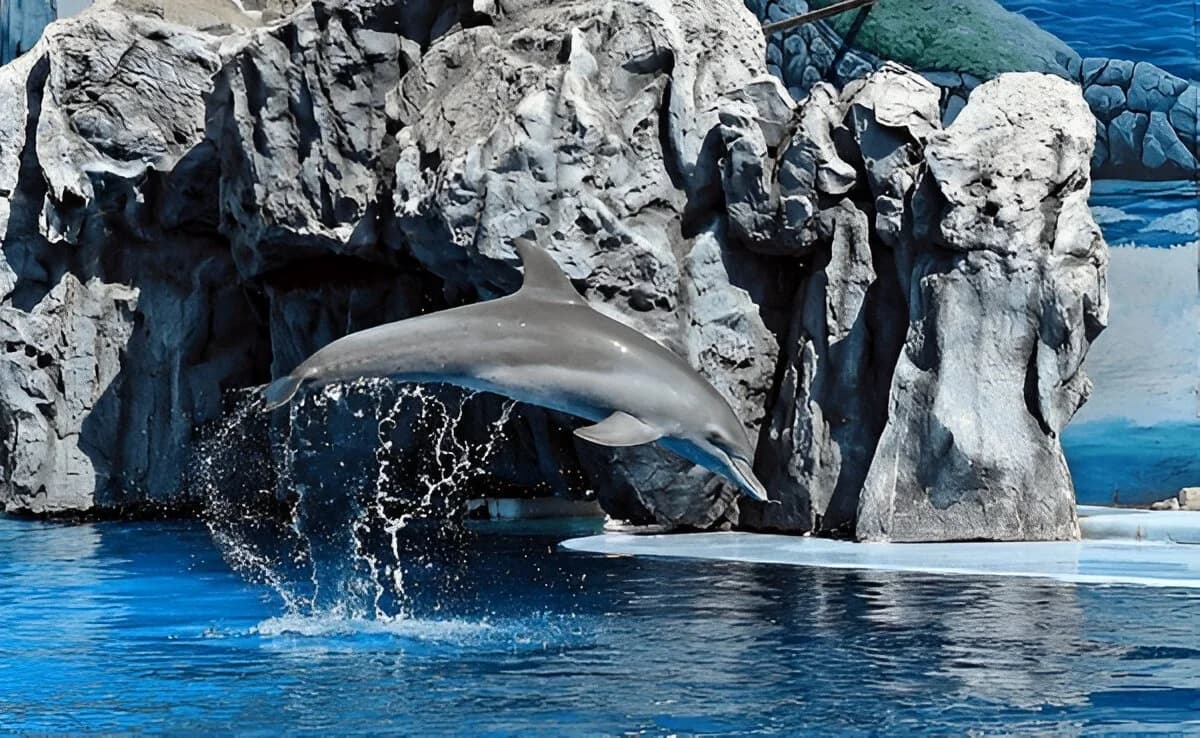
Overview of Pattaya Dolphin World: Dolphin World became an overnight sensation when it first opened in 2015. It started as a small marine conservation project and quickly transformed into Thailand’s most beloved aquatic attraction. Visitors were instantly attracted by its commitment to ethical animal interactions and educational experiences that went beyond typical tourist traps. Dolphin World is the perfect balance of entertainment and education for kids as well. Unlike other marine parks that focus solely on performances, Dolphin World prioritizes animal welfare and conservation. The dolphins here aren’t just performers; they’re ambassadors for ocean conservation. For travelers exploring Thailand Tour Packages, this hidden gem offers a refreshing break from the usual temple tours and beach hopping. The facility’s extended 15-acre campus, complete with state-of-the-art pools and rehabilitation centers, has become a must-visit destination for families and marine enthusiasts. What are the Key Highlights of the Pattaya Dolphin World: Meet & Greet Sessions: Get up close with friendly dolphins in waist-deep water where they’ll swim around you, shake fins, and even give a dolphin kiss on your cheek! No swimming skills are required – just bring your excitement and willpower. Behind-the-Scenes Tour: Peek into the dolphin kitchen, medical facilities, and training areas. The trainers share hilarious stories about dolphin personalities – turns out they’re just as curious as we are! Interactive Shows: Not your average dolphin show! These educational performances showcase natural behaviors with a splash of fun. Sit in the first three rows if you don’t mind getting soaked. Photo Opportunities: Pose with these photogenic mammals. Warning: dolphins are notorious for photobombing and stealing the spotlight. Sea Lion Encounters: If dolphins aren’t enough, spend some time with the adorable sea lions, known for their fun antics and cute expressions. Kid-Friendly Activities: Apart from marine animal experiences, there are fun zones and play areas for kids to enjoy. Timings & Entry Fee for Pattaya Dolphin World: Open daily from 10 am to 7 pm, except Wednesdays. Entry fee to Dophin World starts at ₹1,600 for adults. Interactive experiences range from ₹3,500 to ₹7,000 depending on the program. Family packages are available with a 15% discount for groups of four or more. Travel Tips/ Essential Information of Pattaya Dolphin World: Best Time to Visit: Early mornings (9-11 AM) offer smaller crowds and more energetic dolphins. Check Age Restrictions: Swimming with dolphins has age restrictions. Usually, kids below 5 years aren’t allowed, so plan accordingly. Carry Swimwear: If you plan to swim with the dolphins, make sure to pack your swimsuit. They do provide wetsuits, but having your own is always better. What to Wear: Quick-dry clothes and water shoes are recommended. Leave the fancy outfits at home. Booking Ahead: Reserve interactive experiences at least 3 days in advance. These packages sell out really fast. Sun Protection: Apply waterproof sunscreen 30 minutes before activities. Remember, dolphin interactions happen outdoors. Stay Hydrated: With all the excitement, don’t forget to drink water and keep yourself hydrated. Carry Cash: While credit cards are accepted, some vendors inside only take cash. Photography Policy: Personal cameras are allowed in general areas, but underwater photography requires a special permit (₹500). Language & Guide Support: Guide services available in Hindi, English, and Thai. Also Read: Places to Visit in ThailandMust Checkout: Things to do in Thailand

Read More

Phuket Bird Park
May 30, 20253 Minutes
Phuket Bird Park
Overview of Phuket Bird Park: Phuket Bird Park is a giant, feathery, and colorful park filled with different variety of birds. The birds are real, and they might just land on your shoulder! This attraction became famous for its massive collection of exotic birds, entertaining bird shows, and a lush environment that makes you feel like you’re in a jungle adventure. With over 1,000 birds from around the world, the park offers a fun and interactive experience for visitors of all ages. It’s not just a park, it’s an experience that brings you closer to nature in the most entertaining way possible. If you’re planning a trip with your family or looking for a break from beaches, this is a great addition to your Thailand tour packages, and you definitely need something more than just beaches and shopping! What are the Key Highlights of the Phuket Bird Park: Bird Shows with a Bang: Watch eagles, parrots, and hornbills perform tricks. The shows are not just about birds flying around; they are interactive, fun, and full of surprises. Walk-in Aviary: Walk through a giant area where birds fly freely around you. Exotic Bird Collection: See rare species like the Nicobar pigeon, African grey parrots, and giant hornbills up close. Photo Opportunities: Get the perfect selfie with a colorful parrot on your arm or an owl giving you side-eye. The park organizes a dedicated photo session time. Tropical Garden Vibes: The whole park is set in a beautiful green paradise with waterfalls, wooden bridges, and scenic spots. Kid-Friendly Fun: A great spot for children to interact with birds and learn about nature in the most fun way. Even adults will it really engaging. Timings & Entry Fees for Phuket Bird Park: Phuket Bird Park opens every day 10 am – 5 pm (Open every day) Entry Fee to Phuket Bird Park starts at ₹1,250 (approx. 550 THB) for adults, and ₹625 (approx. 275 THB) for kids. Bird Show Timings: 10:30 am, 1:30 pm, and 3:30 pm. (Note: Prices & Show timings vary, check before visiting) Travel Tips/ Essential Information of Phuket Bird Park: Wear Bright Colors: Birds love bright colors, so if you want them to come close, wear something cheerful. (Avoid black) Carry Some Cash: Some attractions inside the park require a small extra fee, and shops often accept cash not cards. Visit During Bird Show Timings: The bird shows are the main attraction here! Check the schedule upon arrival to catch the best performances. Keep Your Snacks Hidden: Birds have sharp eyes and sharper beaks, so keep your snacks in the bag or open them when you’re away from the birds. Respect the Birds: No sudden movements or loud noises; these birds are friendly, but the environment is really quiet, so maintain that. Best Time to Visit: Mornings are cooler and less crowded, making the experience more enjoyable. Perfect for Families and Couples: Whether you’re traveling with kids or your partner, this is a unique experience that everyone will love. Don’t Forget Sunscreen and Water: Phuket can get hot, and while the park has shaded areas, it’s always good to stay hydrated and sun-protected. Also Read: Places to Visit in ThailandMust Read: Things to do in Thailand

Read More

Madame Tussauds BANGKOK
May 30, 20253 Minutes
Madame Tussauds BANGKOK
Overview of Madame Tussauds BANGKOK: Madame Tussauds Bangkok is a famous wax museum also located in Thailand. Part of the globally celebrated Madame Tussauds franchise, it also offers visitors a showcase or exhibition of lifelike wax figures of celebrities, historical icons, and world leaders. The museum’s fame comes from its artisans, where each figure is crafted with incredible detail, making it a favorite attraction for both locals and tourists. Situated within the Siam Discovery shopping mall, the museum provides an experience that’s both entertaining and educational. Visitors can pose with their favorite stars, learn about significant historical figures, and even engage in exhibits. Madame Tussauds Bangkok is often included in many Thailand tour packages, especially for unforgettable photo opportunities. What are the Key Highlights of the Madame Tussauds BANGKOK: Music Icons: Click pictures with legends like Michael Jackson, Madonna, and Lady Gaga. Hollywood Celebrities: Stand beside famous actors such as Angelina Jolie, Brad Pitt, and Leonardo DiCaprio. Bollywood Stars: Meet Indian cinema icons like Shah Rukh Khan and Amitabh Bachchan. You can recreate your favorite Bollywood poses with them! Sports Legends: athletes like Cristiano Ronaldo, Lionel Messi, Serena Williams, and David Beckham are also there. World Leaders: Shake hands with great leaders such as Mahatma Gandhi, Barack Obama, Narendra Modi, and Queen Elizabeth II. Marvel Superheroes: Pose with the Avengers, including Spider-Man, Iron Man, and Captain America. Perfect for comic book fans! Interactive Zones: Enjoy fun activities like karaoke with pop stars, shooting hoops with basketball legends, or even sitting at the desk in a presidential office! Movie Scene Replicas: Enter famous movie sets like Mission Impossible, Kung Fu Panda, and more. VR & 4D Experiences: Enjoy virtual reality games and 4D movie experiences that make your visit even more memorable. Timings & Entry Fees for Madame Tussauds BANGKOK: 1. Timings: Madame Tussauds Bangkok opens daily from 10 am to 8 pm (Last entry at 7 pm). 2. Entry Fees: Adults (12 and above): ₹2,300 Children (3–11 years): ₹1,840 Discounts are available for online bookings. (Prices may vary; check the official website for the latest rates.) Travel Tips/ Essential Information of Madame Tussauds BANGKOK: 1. Location: Madame Tussauds Bangkok is on the 6th floor of Siam Discovery Mall, right in the city center.2. How to Reach: BTS Skytrain: Take the Sukhumvit Line or Silom Line to Siam Station. From there, it’s a short walk. MRT: Transfer at Sukhumvit or Silom stations to the BTS Skytrain. Public Bus: Several buses stop near Siam Discovery, including routes 15, 16, 25, 40, and 79. Taxi/Tuk-Tuk: Simply tell the driver “Siam Discovery Mall” or show them the location on Google Maps. 3. Best Time to Visit: Mornings or weekdays are best to avoid long lines and crowds. Weekends and holidays tend to be busier.4. Photography: Cameras are allowed. However, tripods and professional equipment might require a special permit.5. Duration: Allocate at least 2 hours to fully explore the museum and enjoy all interactive zones.6. Accessibility: The museum is wheelchair-friendly. You can also request wheelchair assistance at the entrance. Also Read: Places to Visit in ThailandMust Read: Things to do in Thailand

Read More

Elephant Jungle Sanctuary, Phuket
May 30, 20253 Minutes
Elephant Jungle Sanctuary, Phuket
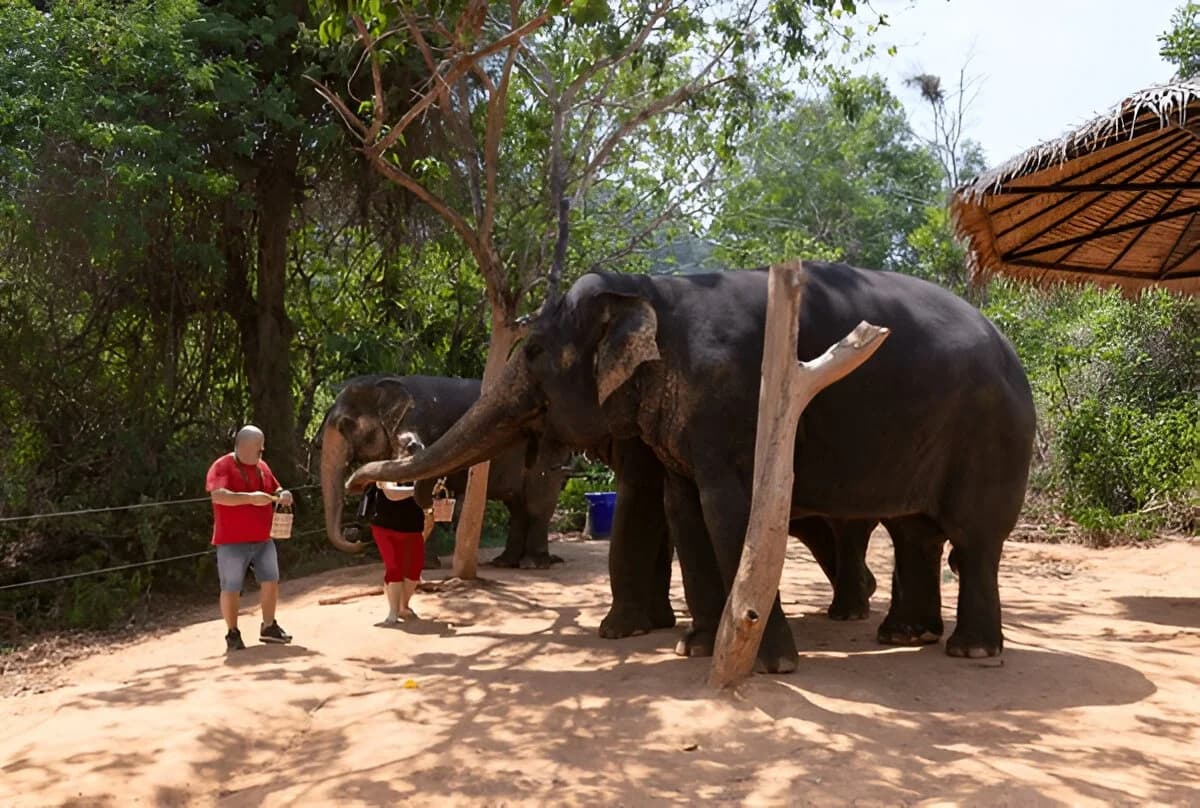
Overview of Elephant Jungle Sanctuary, Phuket: Located in Phuket, Elephant Jungle Sanctuary, clear from its name only, its a kind of wildlife sanctuary with elephants as the main attraction. it’s an initiative dedicated to rescuing and rehabilitating elephants. Before it was a small sanctuary, and quickly became famous for its ethical approach to elephant tourism. It is a home where rescued elephants have the freedom to roam. Unlike traditional elephant rides, here, you get to interact with elephants in the most compassionate way — bathing them, feeding them, and even getting a muddy hug. This sanctuary gained immense popularity as travelers began to seek ethical wildlife experiences. All the visitors love the fact that the elephants here are well cared for, with no chains, no tricks, and definitely no riding! The experience is fun, interactive, and perfect for families, couples, or solo travelers. So, if you’re booking Thailand Tour packages, make sure to add this heartwarming experience to your itinerary. Trust us, this is an experience of a lifetime. What are the Key Highlights of the Elephant Jungle Sanctuary, Phuket: Elephant Bathing & Mud Spa: Play, scrub, and splash with elephants as they enjoy a refreshing mud bath—prepare to get messy! Feeding Sessions: Hand-feed elephants with bananas and sugarcane. No Riding Policy: Ethical and responsible tourism means no elephant rides—just genuine interactions. Educational Talks: Learn about elephant conservation, their history in Thailand, and the importance of responsible tourism. Jungle Trek with Elephants: Walk alongside elephants as they roam freely in the area. Photo Opportunities: Capture once-in-a-lifetime memories with elephants, and yes, they do pose for pictures, you can ask the sanctuary instructor. Small Group Experience: Unlike overcrowded attractions, this sanctuary is less crowded, so, visit in groups for a more personal experience. Traditional Thai Lunch: Enjoy a delicious local Thai meal after your elephant interactions, included in the ticket price. Meet the Mahouts: Interact with the skilled elephant caretakers who have been looking after these for years. Eco-Friendly Tourism: The sanctuary promotes sustainability by ensuring elephants are treated with love and care, with no exploitation involved. Timings & Entry Fees for Elephant Jungle Sanctuary, Phuket: 1. Timings: Elephant Jungle Sanctuary opens daily from 7 am to 5 pm.2. Entry Fees: Half-day visit: Approx. ₹4,500 per person Full-day visit: Approx. ₹7,000 per person Children (4-10 years): Discounted rates available Prices include hotel transfers, meals, and activities. Travel Tips/ Essential Information of Elephant Jungle Sanctuary, Phuket: Book in Advance: This sanctuary is super popular, so secure your spot early, especially in peak season. Wear Comfortable Clothes: You will get wet and muddy—wear something light and easy to clean. Respect the Rules: No loud noises, sudden movements, or attempts to ride the elephants—this is an ethical sanctuary. Be Gentle with the Elephants: No pulling trunks, climbing, or teasing—these giants are friendly, but they deserve respect. No Perfume or Strong Scents: Elephants have a strong sense of smell and prefer to smell like a human, not a walking bottle of deodorant. Bring a Change of Clothes: Unless you want to sit in an air-conditioned taxi in mud-soaked shorts. Bring Cash: Souvenirs, snacks, and tips for the amazing staff are best paid in cash. Don’t Expect a Zoo: This is an interactive experience, not an enclosure-based zoo—be ready to get hands-on! Keep Your Valuables Safe: Carry a waterproof pouch for your phone and wallet to avoid any accidents during the mud bath. Capture the Moments: Bring a good camera or a phone with a waterproof case, if you want to document these memories. Travel Light: Since you’ll be moving around a lot, carry only essentials like a towel, sunscreen, and extra clothes. Also Read: Places to Visit in ThailandMust Read: Things to do in Thailand

Read More

Thai Massage in Phuket
May 30, 20253 Minutes
Thai Massage in Phuket
Overview of Thai Massage in Phuket: Thai massages in Phuket have become a popular relaxation ritual for all travelers coming to Thailand from around the world, especially for those booking Thailand Tour packages. It’s not just about the massage itself; it’s about the deep sense of calm, the tradition that makes it a must-try experience. Originating from ancient Thai healing practices, Thai massage combines acupressure, assisted yoga postures, and stretching techniques, all together aimed at balancing the body’s energy. This unique approach sets it apart from other types of massages. With gentle Thai music in the background, a serene environment, and skilled therapists, a Thai massage in Phuket is an experience that will leave you feeling completely relaxed and rejuvenated. What are the Key Highlights of the Thai Massage in Phuket: 1. Oasis Spa Phuket: A serene, peaceful spa surrounded by greenery. Famous for its signature treatments that is the combination of traditional Thai techniques with modern luxuries. The staff is friendly, and the ambiance feels like a mini paradise.Price: ₹6,500 – ₹13,000 (depending on the service) 2. Banyan Tree Spa: One of the most luxurious spots in Phuket. If you’re after a 5-star experience with top-notch service, this is it. The massage rooms have stunning views of the ocean, making it feel like you’re being pampered by nature itself.Price: ₹13,00 – ₹25,000 3. Health Land Spa & Massage: This Spa is famous for its professional approach and fantastic value for money, Health Land offers excellent Thai massages. The ambiance is calming, and their full-body massage is a popular favorite.Price: ₹1,000 – ₹2,500 4. The Silk Spa: Set in a beautifully decorated space, The Silk Spa offers a range of traditional Thai massages and spa treatments. Their therapists and cozy interiors make for a great experience.Price: ₹2,000 – ₹10,000 Timings & Entry Fees for Thai Massage in Phuket: The timings of Thai massage in Phuket range from 9:00 am to 9:00 pm, with flexible hours depending on the place. Advance booking is recommended to secure a slot during peak seasons. Travel Tips/ Essential Information of Thai Massage in Phuket: Booking in Advance: Always book your massage in advance, especially during peak tourist seasons. Trust me, you don’t want to miss out on relaxation after a long day of adventure. Be Clear About Preferences: If you have any special preferences like a softer or firmer touch, communicate it upfront. Thai massages can range from light to deep pressure, so it’s important to get what you’re comfortable with. Tipping Etiquette: Tipping is appreciated in most spas in Thailand. Typically, a 10-15% tip of the total bill is enough to show appreciation for the service. Wear Comfortable Clothes: Some places provide a robe, but it’s always a good idea to wear loose-fitting clothing for maximum comfort. Avoid Heavy Meals: Try not to eat a heavy meal right before your massage. It’s better to feel light and relaxed. Hydrate: Drink plenty of water before and after the massage. It’ll help flush out toxins and keep you feeling refreshed. Also Read: Places to Visit in ThailandMust Read: Things to do in Thailand

Read More

Thailand Full Moon Party
May 30, 20253 Minutes
Thailand Full Moon Party
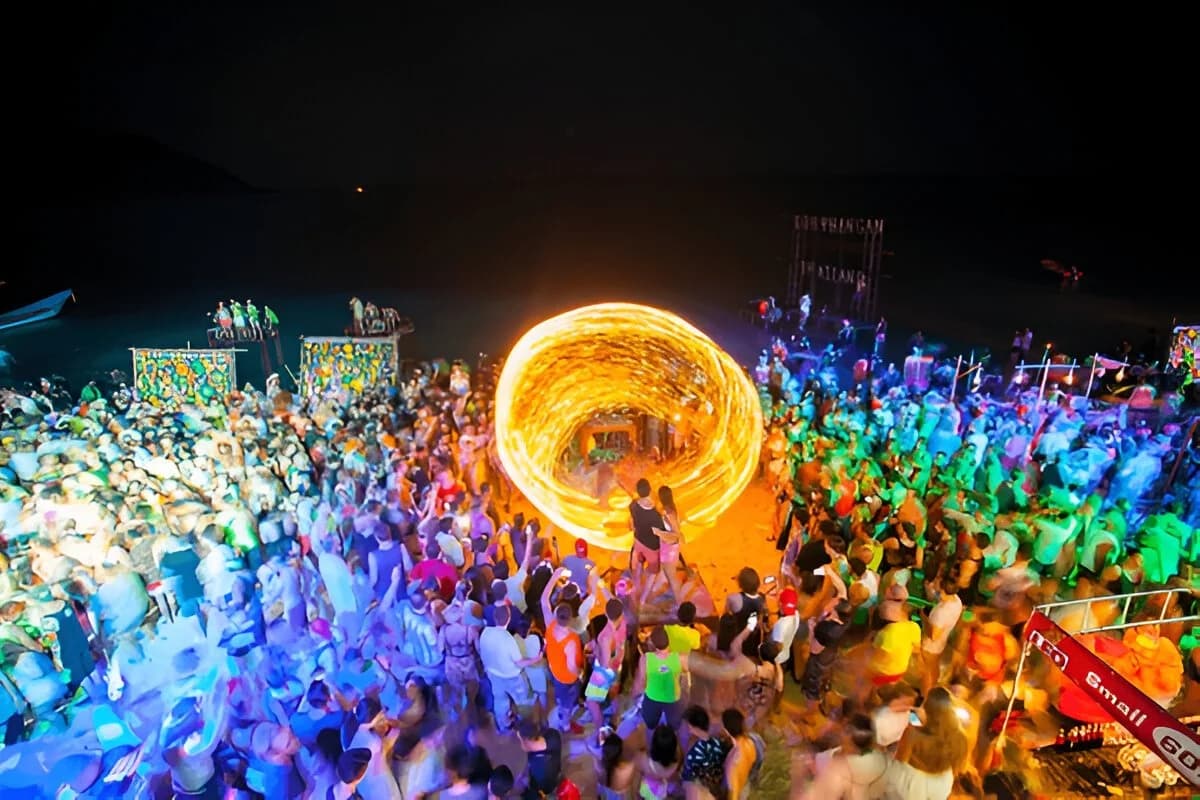
Overview of Thailand Full Moon Party: The Full Moon Party started as a small beach gathering in the 1980s in Koh Phangan, Thailand, with just a handful of backpackers. Fast forward to today, and it has exploded into a world-famous beach party attracting thousands of travelers from across the globe. But what makes it so special? All-night dance party on a beautiful beach, with neon body paint, fire dancers, crazy music, and a vibe that’s pure madness. This party is a once-in-a-lifetime experience. You’ll see people playing beach games, trying wildfire limbo, and sipping on iconic Thai bucket cocktails (basically mini buckets filled with alcohol), EDM, reggae, or good old Bollywood beats (yes, you’ll find those too!). If you’re planning a trip, make sure to check out Thailand tour packages to include this once-in-a-lifetime experience in your itinerary. Whether you love this party has something for everyone. What are the Key Highlights of the Thailand Full Moon Party: Dates: Held every full moon night—yes, literally! But just in case you miss it, there are also Half Moon and Black Moon parties. Location: Haad Rin Beach, Koh Phangan, Thailand. Entry Fee: ₹250-₹300 (100-200 THB) per person at the entrance. Bucket Drinks: ₹400-₹800 (150-300 THB) for a classic Thai bucket cocktail. Food Stalls: From ₹200 for Thai street food—Pad Thai, grilled seafood, and even samosas (for when the desi cravings hit). Fire Show & Activities: Free to watch, but if you want to participate (fire skipping ropes, limbo, etc.), be prepared for minor burns and major regrets. Timings & Entry Fees of Thailand Full Moon Party: Party Starts: Around 7 pm, but the real madness kicks in after 10 pm. Party Ends: When the last person stops dancing—usually sunrise! Entry Fee: ₹250-₹300 (100-200 THB). Travel Tips/ Essential Information of Thailand Full Moon Party: Book Accommodation Early: Hotels and hostels on Koh Phangan get fully booked during the Full Moon Party, so book at least a month in advance. Stay Hydrated (But Not Just with Beer): The heat and dancing can get intense. Alternate between cocktails and water unless you want to pass out before midnight. Dress the Part: Neon clothes, glow-in-the-dark body paint, and comfy flip-flops (because shoes will be ruined in the sand). Keep Your Stuff Safe: Pickpocketing is common. Carry only the essentials—cash, ID, and a fully charged phone. Skip the Fire Jump Rope (Unless You’re a Ninja): It looks fun, but unless you have great reflexes, you’ll end up with burnt legs. Pre-Game Smartly: Drinks inside can be pricey, so many people start with a few drinks at their hostel before heading to the beach. Arrange Your Return Transport: Ferries back to the mainland don’t run late at night. If you’re not staying in Koh Phangan, make sure you have a plan! The Full Moon Party is an unforgettable experience, and if you love music, dancing, and wild energy, this is the place to be. Just remember—what happens at the Full Moon Party stays at the Full Moon Party. Also Read: Places to Visit in ThailandMust Read: Things to do in Thailand

Read More

Khao Yai National Park
May 30, 20253 Minutes
Khao Yai National Park
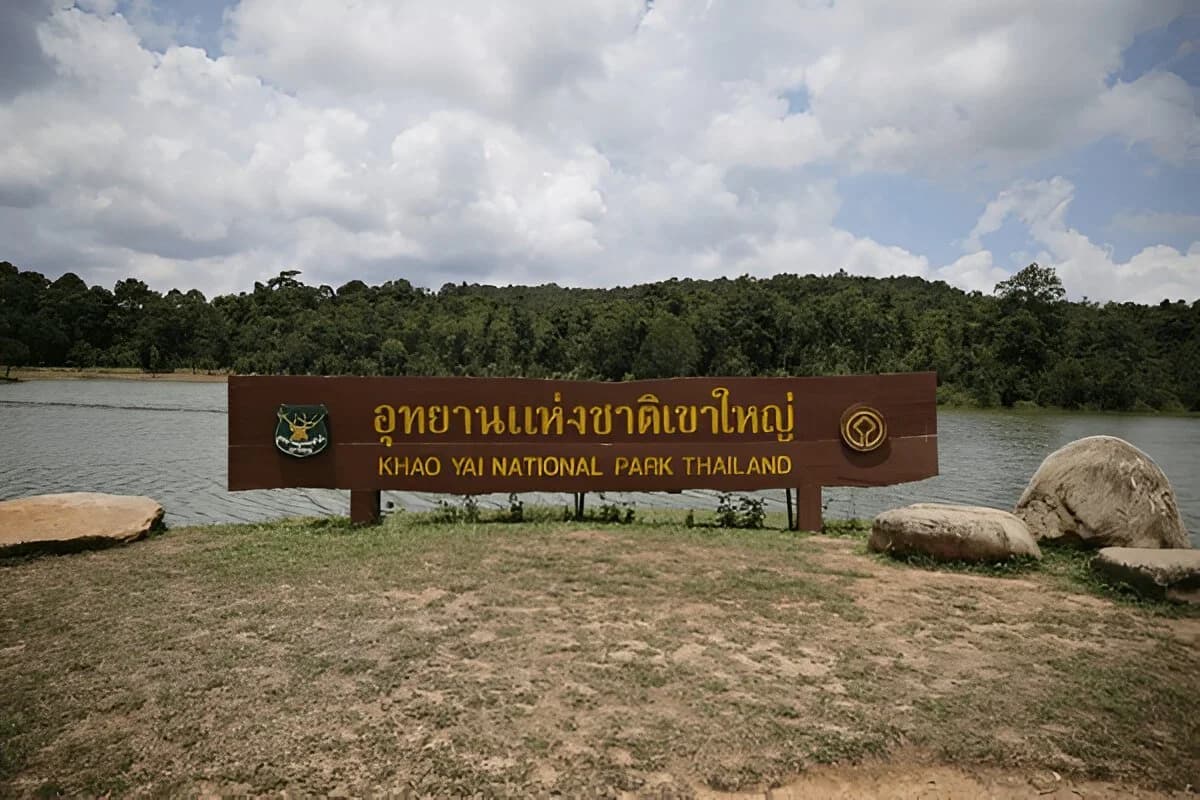
Overview of Khao Yai National Park: Khao Yai, Thailand’s first national park, is a great place for nature lovers. Originally recognized for its lush forests and diverse wildlife, it shot to fame thanks to its waterfalls, scenic viewpoints, and encounters with wild elephants. The park also has cool weather, a rarity in Thailand, making it a year-round attraction. You can trek through its dense jungles, sip wine at a European-style vineyard, or even just take pictures at sunflower fields. For travelers looking to explore beyond Bangkok, Khao Yai National Park is a must-visit. It offers a break from Thailand’s beaches and lets you experience a different side of the country. Various Thailand Tour Packages include Khao Yai, making it super convenient for travelers. Whether you love wildlife, waterfalls, or just a good road trip, Khao Yai won’t disappoint! What are the Key Highlights of the Khao Yai National Park: Haew Narok Waterfall: Khao Yai’s biggest and most breathtaking waterfall, famous for its three-tiered drop. A must-see, but beware—the steep trail might leave your legs sore! Haew Suwat Waterfall: Made famous by the movie The Beach, this waterfall is easy to reach and perfect for a picnic. Just don’t try jumping in like Leonardo DiCaprio! Wild Elephant Spotting: One of the few places in Thailand where you can see wild elephants roaming freely—definitely more exciting than a zoo! PB Valley Winery: Yes, there are vineyards inside the park, sip on locally produced wine while enjoying the beautiful countryside views. Sunflower Fields: Visit between November and January to see endless golden fields. Khao Yai Art Museum: A hidden gem filled with contemporary Thai art. Even if you’re not an art fan, the sculptures and paintings are worth a look. Timings & Entry Fees for Khao Yai National Park: 1. Khao Yai National Park Timings: 6:00 am – 6:00 pm2. Entry Fee: Foreign Adults: ₹470 (200 THB) Foreign Children: ₹235 (100 THB) Thai Nationals: Lower prices apply Attractions like wineries, Primo Piazza, and the art museum have separate entry fees. Travel Tips/ Essential Information of Khao Yai National Park: Best Time to Visit: November to February is the best time, with cool weather and clear skies—ideal for road trips and hikes! How to Reach: Khao Yai is about a 3-hour drive from Bangkok. Renting a car is the easiest option, but buses and private tours are also available. What to Pack: Comfortable shoes for trekking, sunscreen, a light jacket (it gets chilly at night), and a camera—you’ll regret not bringing one! Food Options: Plenty of cafes and restaurants serve everything from Thai street food to European-style dishes. Try the fresh farm produce—it’s delicious! Wildlife Safety: If you see an elephant on the road, stay inside your car. They may look cute, but they don’t like surprises. Language Barrier: English is not widely spoken, so learning a few basic Thai phrases or using Google Translate will be helpful. Budget Tip: Many attractions charge entry fees, so keep some cash handy. Also, local homestays and hostels are great for saving money Also Read: Places to Visit in ThailandMust Read: Things to do in Thailand

Read More

Best Time to Visit Lakshadweep
May 30, 20256 Minutes
Best Time to Visit Lakshadweep
Lakshadweep, India’s smallest Union Territory, is a tropical paradise and its climate remains warm and humid throughout the year, influenced by monsoons and sea breezes.These gorgeous islands off India’s west coast are surely like a paradise that can be easily compared to foreign coastal islands. But hold on – before you pack those swimsuits and sunscreen, let’s figure out the best time to visit Lakshadweep. Trust me, timing can make or break your island adventure! While checking out Lakshadweep Packages, you’ll notice prices vary with seasons, so let’s break it down month by month.Peak Season (October – March):October to March is the best time to visit​ Lakshadweep. This is the peak season of Lakshadweep, where the island has crystal-clear waters, perfect sunny days, and weather that makes you want to live on the beach forever! The water is so clear, you can spot colourful fish from the beach itself! But here’s the thing – everyone wants to visit during these months. It’s like Mumbai local trains during rush hour. So during this time, just remember to book way ahead – these islands are really popular during its peak season.Shoulder Season (April – Early May):April to early May can be the best time to visit Lakshadweep! The crowds thin out, prices drop a bit, and you still get plenty of sunshine. Yes, it’s a bit hotter but you can still enjoy most activities and you don’t have to wait in long queues for the ferry rides. It’s perfect for budget travellers who don’t mind a little extra sweat to save some money.Waning Season (Mid-May – September):Best time to visit Lakshadweep islands? Definitely not in the monsoon for first-timers!​, the monsoon hits hard in Lakshadweep and the sea gets as moody. Most water sports take a break, and some islands become harder to reach. The islands turn incredibly green, and if you’re lucky, you might catch some amazing thunderstorms over the ocean.Seasonal Guide of Lakshadweep1. Lakshadweep in Summer (April – May):Temperature: Temperatures dance between 30°C to 35°C, with humidity playing its own little game.Important Things to Know: April and May are the Lakshadweep best time to visit for water activities, it’s perfect for budget travellers. You’ll find fewer tourists, which means better deals on Lakshadweep hotels and more personal attention from guides. Water sports are at their peak.Unique Experience: The underwater visibility is amazing during summer! The water’s warmer but clearer, making it one of the best times for diving. Plus, you’ll get more chances to hang out with locals and learn about their daily life – try their special summer drink called ‘Coconut Palm Juice’ (₹40 per glass).Tips: Start your island hopping before 7 am (trust me on this!)Pack light cotton clothes and plenty of sunscreenCarry a big water bottle everywhereTake afternoon siestas like the locals doBook evening water sports sessions when it’s cooler2. Lakshadweep in Winter (October – March):Temperature: A perfect 20°C to 30°C, with cool breezes making it the best time to visit Lakshadweep.Important Things to Know: October and March are peak tourist season for a reason in Lakshadweep! The weather’s perfect, the sea’s calm, and every possible activity is up and running. But remember – everybody knows this is the best time, so book way ahead.Unique Experience:Dolphins playing near your boat during sunrise cruisesCrystal clear water with 20+ meter visibilityPerfect conditions for first-time snorkelersSpecial winter festivals on different islandsNighttime phosphorescent plankton shows (seriously, it’s like underwater stars!)Tips:Book accommodation at least 3 months in advancePre-book popular activities like scuba divingCarry a light jacket for evening boat ridesTry the special winter catch – grilled yellowfin tuna (₹200-300 per plate)Join the local winter fishing festivals3. Laskadweep in Monsoon (June – September):Temperature: Expect romantic rain showers with temperatures between 25°C to 28°C. While this isn’t the best time to visit Lakshadweep, it has its own beauty!Important Things to Know: Most water activities in Lakshadweep are closed, and ferry services also operate in fewer numbers. But his time is crazy for good photography and super cheap hotel rates!Unique Experience: Cloudy skies perfect for photographyEmpty beaches all to yourselfLush green landscapes everywhereTraditional indoor activities with localsSpecial monsoon dishes like spiced hot tea and local frittersTips:Keep plans flexible – weather changes quicklyBook refundable ticketsPack rain gear and waterproof camerasStay on larger islands with more indoor activitiesTry local monsoon specialties like hot ‘Sulaimani’ tea (₹20)Highlights That’ll Make You Pack Your Bags Right Now:Glass-bottom boat rides showcasing vibrant coral reefs (₹500 per person)Scuba diving in Lakshadweep with PADI-certified instructors (₹3500-6000 per dive)Traditional ‘dhoni’ sunset cruises with local snacks (₹1000 per person)Fresh coconut water straight from the tree (₹30-50)Private beaches where you can spot baby sharksKayaking in Lakshadweep through lagoons (₹300 per hour)Banana boat rides (₹400 per person)Night fishing trips with locals (₹1500 per person)Coral reef walking tours (₹800 per person)Photography tours during golden hour (₹1200)Also Read – Things to Do in Lakshadweep

Read More

Dolphin Show, Phuket
May 30, 20253 Minutes
Dolphin Show, Phuket
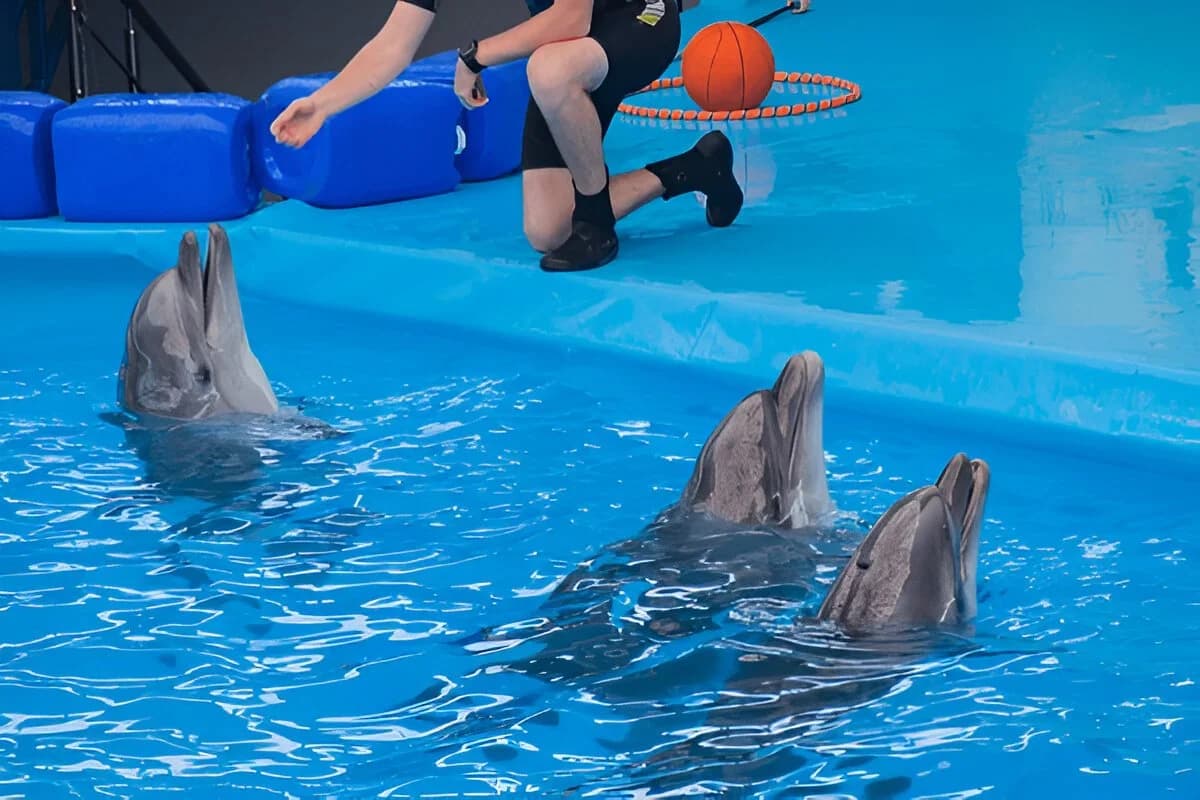
Overview of Dolphin Show, Phuket:The Dolphin Show in Phuket is a fantastic attraction where these intelligent marine creatures put on an incredible performance. Located at Dolphins Bay Phuket, it is one of the most loved experiences for visitors. The dolphins perform stunts, dance, and even interact with the audience. If you thought your pet dog was smart, wait until you see these dolphins in action! So, when planning your Thailand Tour Package, make sure this show is on your list.The show lasts for about 45 minutes, but trust us, you’ll wish it never ended. The trainers communicate with the dolphins in a way that seems straight out of a Bollywood movie – full of drama, action, and emotions!The best part? You can even get up close with these friendly creatures for a photo session or a little handshake (or should we say “fin-shake”?) after the show.Whether you’re travelling with kids or just a kid at heart, the Dolphin Show is a wonderful way to add some laughter and excitement to your trip. So, get ready to clap, cheer, and maybe even get splashed a little!What are the Key Highlights of the Dolphin Show, Phuket:Incredible Stunts – Be amazed as dolphins jump through hoops, perform high-flying flips, and balance balls with perfect precision. Their agility and talent will leave you in awe!Interactive Fun – Get up close with these friendly dolphins! Shake hands (or fins!), snap memorable photos, and enjoy their playful charm. It’s an experience you won’t forget.Perfect for Families – A fantastic outing for all ages! Kids will be thrilled by the dolphins’ tricks, and even adults can’t help but smile at their intelligence and playfulness.Short and Sweet – The show lasts just 45 minutes, making it a perfect activity to fit between sightseeing, shopping, or relaxing at the beach. Quick, fun, and worth it!A Unique Experience – Ever seen a dolphin paint? Here, you will! Watch in amazement as these talented creatures create colourful artwork—better than most of us could manage!Timings & Entry Fees for Dolphin Show, Phuket:Show Timings: Generally, shows are held 3 to 4 times a day (confirm before visiting).Entry Fee: Approx. 700-1,200 THB per person (varies based on seating).Location: Dolphins Bay Phuket, near Chalong.Travel Tips/ Essential Information of Dolphin Show, Phuket:Book in Advance: Tickets sell out fast, especially in peak season.Pick the Right Seat: Front rows get the best view but also the most splashes!Arrive Early: To grab good seats and avoid last-minute hassle.Great for Rainy Days: A perfect indoor activity when the weather is unpredictable.Photo Opportunity: You can pose with dolphins after the show (extra charges apply).Kid-Friendly: A must-visit for families with young children.Best Time to Visit: Early shows are less crowded, so you get better views.Carry a Light Jacket: The AC inside can be a bit chilly.Also Read: Places to Visit in ThailandMust Read: Things to do in Thailand

Read More

Lakshadweep Travel Guide
May 30, 20259 Minutes
Lakshadweep Travel Guide
Welcome to Lakshadweep, India’s beach paradise in the Arabian Sea. This group of 36 islands, atolls, and reefs has grown into one of the most desired destinations for beach lovers and adventure lovers. This is a Lakshadweep Travel Guide to help you learn about the destination. Its beaches, waters, and coral reefs all together never fail to attract travellers.In recent years, tourism in Lakshadweep has been steadily growing, attracting visitors with its isolated beauty and thrilling water activities. If you’re planning a trip, our Lakshadweep Packages will help you navigate the best experiences, places, and tips to make the most of your journey. Get ready to explore India’s most exotic island destination!Best Time to Visit LakshadweepOctober to March are the best time to visit Lakshadweep. So, when should you visit this island? Lakshadweep is a year-round destination, so the best time to visit Lakshadweep depends on what you seek. During these months, the weather is good, with cool breezes and moderate temperatures ranging from 25°C to 30°C.Lakshadweep Climate:1. Summer in Lakshadweep:Lakshadweep experiences a tropical climate, with summers lasting from March to May. During this time, the temperatures soar between 30°C to 35°C, making the days hot and humid.The heat is slightly tempered by cool sea breezes, but it can still feel quite warm. Summer is an ideal time for water-based activities such as snorkelling, diving, and beach lounging, as the clear waters and calm seas make the islands particularly inviting. However, it’s crucial to stay hydrated and wear sun protection when exploring.2. Monsoon in Lakshadweep:June to September is the monsoon season in Lakshadweep. During this period, the islands experience heavy rainfall and strong winds, which can lead to rough seas. The temperature during this time is around 28°C to 32°C, but the humidity increases significantly. While the monsoon brings a refreshing change to the climate, it’s not the best time for outdoor activities or water sports. A Lakshadweep travel guide might advise against traveling during this season due to unpredictable weather conditions.3. Winters in Lakshadweep:Winter in Lakshadweep, from October to February, is the most pleasant time to visit. The temperature ranges between 23°C to 30°C, offering a cooler and more comfortable climate. The clear skies, calm seas, and pleasant weather make it perfect for outdoor activities and exploring the beautiful coral reefs.How to Reach LakshadweepThere are two ways to reach Lakshadweep:- Air and Sea. You can travel by air or sea, depending on your preference.1. By Air: Flights operate from Kochi to Agatti Airport, the only airport in Lakshadweep. Air India runs regular services, and the flight takes about 90 minutes. From Agatti, speedboats and helicopters connect visitors to other islands.2. By Sea: Another way is a passenger ship from Kochi. Ships like MV Kavaratti, MV Minicoy, and MV Lakshadweep Sea operate trips that take about 14-20 hours.No matter how you travel, this Lakshadweep travel guide will help you to know everything about the region.Places to Visit in LakshadweepLakshadweep isn’t just one island—it’s a collection of stunning atolls, reefs, and lagoons. Here are the top Places to Visit in Lakshadweep that you must visit:1. Agatti Island:The only island with an airport, Agatti Island is your first stop. Think of it as your personal welcome committee, featuring beautiful beaches and waters. And the sunsets here are really amazing.2. Bangaram Island:If your idea of a vacation is to do absolutely nothing except sip coconut water and stare at the sea, Bangaram Island is perfect. No stress, no crowds—just you and the ocean.3. Kavaratti:The heart of Lakshadweep, Kavaratti is one of the best places to visit in Lakshadweep, and has beautiful mosques, a marine aquarium, and some of the best seafood you’ll ever taste. Don’t miss the Ujra Mosque, a masterpiece of architecture.4. Minicoy:Home to the region’s tallest lighthouse, Minicoy is a mix of Maldivian vibes and rich Lakshadweep culture. The dance performances here are a must-watch—don’t be surprised if you find yourself grooving too!5. Kalpeni:Kalpeni is all about picture-perfect lagoons and vibrant coral reefs. It’s a paradise for water babies, with snorkeling and kayaking opportunities aplenty.A Lakshadweep travel guide is incomplete without these gems, so make sure to add them to your itinerary!Top Things to Do in Lakshadweep:Apart from lazing around on the beach, there’s no doubt that Lakshadweep has some of the best things to do in Lakshadweep. Here’s what you can do to make your trip unforgettable:Island hopping: Each island has its own charm. Take a boat and explore as many as you can!Exploring cultural and heritage sites: Visit traditional homes, mosques, and lighthouses to learn about Lakshadweep’s rich history.Snorkelling and scuba diving: The underwater world here is magical, so if you love water sports, scuba and snorkelling are a must-try.Trying local seafood: Fresh fish, coconut curries, and delicious tuna dishes—foodies, rejoice!Attending traditional dance performances: The folk dances of Lakshadweep are a treat to watch.Sunset cruises: Nothing beats the view of the sun dipping into the Arabian Sea while you relax on a boat.Strolling on bioluminescent beaches: Some beaches here glow at night (yes, like in the movies!).A Lakshadweep travel guide would be incomplete without these experiences, so be sure to tick them off your list!Water Activities in Lakshadweep:Lakshadweep has become a top hotspot for water sports in India, attracting adventure lovers from all over. Among all the Lakshadweep Travel Guide, watersports is one common inclusion. With the growing number of tourists, the islands have seen significant improvements in infrastructure and facilities.The government has actively worked to position Lakshadweep as a premier water sports destination, not just in India but globally. However, to safeguard the delicate ecosystem, only eco-friendly activities are promoted. As a result, high-impact sports like water scooters and speed boats are not available.For adventure lovers, Lakshadweep offers plenty of water sports:Scuba diving and snorkelling – The coral reefs here are vibrant and full of marine life, making for an unforgettable dive experience.Kayaking and jet skiing – Paddle through the calm lagoons or zoom across the waves for an adrenaline rush.Deep-sea fishing – Try your luck at catching some big fish. Who knows, you might even reel in your dinner!Glass-bottom boat rides – Perfect for those who want to admire the underwater beauty without getting wet.If you love water sports, check out Water Activities in Lakshadweep, to learn more.Follow this Lakshadweep tour guide, and you’ll have an unforgettable experience!Facts About Lakshadweep:India’s Smallest Union Territory: Lakshadweep is the tiniest Union Territory of India, with only 32 sq km of land spread across 36 coral islands. If you ever wanted to visit a place where everyone knows everyone—this is it!Only 10 Inhabited Islands: Out of 36 islands, only 10 have people living on them. The rest? Just stunning lagoons, coral reefs, and a whole lot of fish having a vacation of their own.No Private Beaches Here! Every beach in Lakshadweep is open to everyone. So, no need to burn a hole in your pocket to experience pristine sands and crystal-clear waters.Importance of Coconut: The entire economy thrives on coconut cultivation. Expect coconut in your food, drinks, and maybe even in your dreams!A Diver’s Paradise: The islands boast one of the richest marine biodiversity in India, making it perfect for snorkeling and scuba diving. Say hello to colorful corals and playful fish!No Alcohol Allowed: Except on Bangaram Island, alcohol is banned here. So, if you were hoping for a beachside cocktail, you might have to settle for fresh coconut water instead.Unique Culture: The people of Lakshadweep follow a mix of Malayali and Islamic traditions. You’ll find some of the tastiest Malabar-style seafood here!Consider this – Facts about Lakshadweep to learn more about this untouched gem.Travel Tips for a Lakshadweep Trip:Entry Permits Are a Must: Indians need an entry permit from the Lakshadweep administration, and foreigners are allowed only on select islands. So, sort this out well in advance.Pack Smart: Think light and breezy! Cotton clothes, sunglasses, flip-flops, and loads of sunscreen (trust me, the sun doesn’t take a break here). Also, don’t forget waterproof bags for your gadgets.Carry enough Cash: ATMs are rare, and card payments might not always work. Bring enough cash.Respect Local Customs: Lakshadweep follows Islamic traditions, so dressing modestly is recommended, especially in public places.No Plastic Please! The islands are eco-sensitive, so avoid bringing plastic. Carry a reusable water bottle and help keep paradise clean.Limited Network, Unlimited Peace: Mobile connectivity is weak, and WiFi is rare. Take this as a golden chance for a digital detox!Seafood Lovers Rejoice! Lakshadweep serves up some of the freshest seafood with Kerala-style flavors.This sums up your Lakshadweep Tour Guide. This is an informative travel guide for all travelers who are planning to visit Lakshadweep. This will help you plan you itinerary, and choose your preferences according to you so that you enjoy the most of your trip.What are the best monthly travel guides for visiting Lakshadweep?Here are the best monthly guide to visit in Lakshadweep:1. Lakshadweep in January2. Lakshadweep in May3. Lakshadweep in June4. Lakshadweep in July5. Lakshadweep in August6. Lakshadweep in September7. Lakshadweep in October8. Lakshadweep in December


Read More

Phang Nga Bay
May 30, 20253 Minutes
Phang Nga Bay
Overview of Phang Nga Bay: Phang Nga Bay is located between Phuket and Krabi, making it a must-visit destination for travellers. This bay is famous for its huge limestone cliffs, which rise dramatically from the water, creating a stunning landscape. The most iconic spot here is James Bond Island, made famous by the movie The Man with the Golden Gun. Another unique attraction is Koh Panyee, a floating fishing village where people live in houses built on stilts over the water. If you’re searching for Thailand tour packages, make sure this magical bay is on your list! The bay is also home to many hidden caves and lagoons. Taking a kayak tour through the caves is an unforgettable experience, as some of them open up into magical, secret lagoons surrounded by towering cliffs. The calm waters make it an excellent place for boat trips, and nature lovers will enjoy the stunning views, exotic birds, and marine life. Whether you want to take beautiful photos, explore, or just enjoy the peaceful vibes, Phang Nga Bay is the perfect destination. What are the Key Highlights of the Phang Nga Bay: James Bond Island – A world-famous island with a tall, unique rock formation. Koh Panyee – A floating village where locals live, sell food, and run small shops. Sea Caves & Lagoons – Explore hidden caves that lead to peaceful, secret lagoons. Limestone Cliffs – Majestic rock formations that rise dramatically from the sea. Phang Nga National Park – A protected area with lush mangrove forests and wildlife. Island Hopping – Visit nearby islands like Hong Island and Naka Island for more adventures. Timings & Entry Fees of Phang Nga Bay: Timings: Open all year round, but boat tours usually run from 8:00 AM to 5:00 PM. Entry Fees: There is no fixed entry fee, but boat tours cost between INR 1,500 – 5,000 per person, depending on the type of tour and boat. Travel Tips & Essential Information for Phang Nga Bay: Best Time to Visit: November to April is the best time. The weather is perfect, and the sea is calm. Avoid the monsoon season as it can be rainy and rough. How to Reach: You can take a boat from Phuket or Krabi. Speedboats and traditional long-tail boats are both available. What to Carry: Sunglasses, sunscreen, a hat, a waterproof bag for your phone, and comfortable clothes. Food Alert: Most food options here are seafood-based. If you’re vegetarian, bring some snacks. Stay Hydrated: It gets hot and humid, so carry a water bottle. Respect Local Culture: If you visit Koh Panyee, remember it is a Muslim village. Dress modestly and be respectful. Book in Advance: Tours can get fully booked, especially in peak season, so reserve your spot early. Cash is King: Many small vendors don’t accept cards, so carry some Thai Baht for shopping and snacks. Phang Nga Bay is a must-visit destination for anyone travelling to Thailand. Whether you’re an adventure seeker, a nature lover, or just someone looking for a peaceful escape, this place has something for everyone. So, pack your bags (or at least book your ticket), and get ready for an unforgettable experience in Thailand!Also Read: Places to Visit in ThailandMust Read: Things to do in Thailand

Read More

9 Interesting Facts About Lakshadweep
May 30, 20258 Minutes
9 Interesting Facts About Lakshadweep
Lakshadweep is one of the most beautiful yet least explored destinations in India. This stunning group of 36 coral islands lies in the Arabian Sea, offering crystal-clear waters, white sandy beaches, and vibrant marine life. But beyond its beauty, Lakshadweep Packages offers travellers a chance to discover many surprising and rare things about this tropical paradise.Beyond its breathtaking landscapes, Lakshadweep has a rich cultural heritage, rare biodiversity, and fascinating history that many people are unaware of. From its unique ecosystem to its restricted access for visitors, there are many intriguing facts about this tropical wonder.In this blog, we’ll share 10 amazing facts about Lakshadweep that most people don’t know. If you love learning about unique places, this one’s for you. Whether you’re a nature lover, an adventure enthusiast, or just someone curious about rare destinations, this is a must-read!1. Only 10 Out of 36 Islands Are Inhabited:Even though Lakshadweep has 36 islands, only 10 have people living on them. The rest are either too small, uninhabitable, or protected for marine life conservation.The most important islands where people live are Kavaratti (the capital), Agatti, Minicoy, and Amini. Since these islands are small and fragile, the government strictly controls tourism to protect them. This is one of the main reasons why Lakshadweep remains untouched and beautiful compared to other tourist spots in India.2. Lakshadweep Has India’s Only True Coral Atolls:One of the most unique facts about Lakshadweep is that it is the only place in India with genuine coral atolls and reefs. Unlike the Andaman & Nicobar Islands, which are volcanic, Lakshadweep is made entirely of coral deposits.These atolls were formed over millions of years by tiny coral polyps, making Lakshadweep one of the most delicate ecosystems in the world. Since the islands are made of coral and sand, they are very vulnerable to rising sea levels.3. You Need Special Permission to Visit:Unlike most places in India, you cannot visit Lakshadweep freely. Even Indian citizens need a special permit from the government to enter. It is one of the most interesting facts About lakshadweep.Why? The reason is simple—to protect the islands. Since they are small and ecologically fragile, the government controls the number of tourists allowed each year. Foreigners face even stricter rules. They can only visit select islands like Bangaram and Agatti, while most other islands are off-limits to them.4. Minicoy Island Speaks a Different Language!:A very surprising fact about Lakshadweep is that one island known as Minicoy Island speaks a completely different language from the rest.While most people in Lakshadweep speak Malayalam, the people of Minicoy Island speak Mahl, which is the same language spoken in the Maldives! This is because Minicoy has strong historical and cultural ties with the Maldives. Many traditions, food habits, and even the way houses are built on Minicoy resemble Maldivian culture rather than Indian culture.5. Lakshadweep’s Coral Lagoons Are Older Than the Himalayas!:One of the most fascinating facts about Lakshadweep is that its coral reefs are older than the Himalayas!These reefs started forming over 60 million years ago, long before the Himalayas even existed. Over time, these reefs developed into atolls and lagoons, creating the islands we see today.Since these formations took millions of years to develop, they are extremely sensitive to environmental changes and must be carefully protected.6. No Rivers, No Mountains, and Almost No Soil!:Lakshadweep is very different from mainland India. It has no rivers, no mountains, and almost no natural soil. It is the most interesting fact about Lakshadweep.Since these islands are made from coral and sand, there are no large freshwater sources. This is why rainwater harvesting is very important, and people depend on desalination plants to convert seawater into drinking water. Also, farming is extremely limited—coconuts are the only major crop, and most food supplies come from the mainland.7. Lakshadweep Has Glowing Beaches at Night!:A magical fact about Lakshadweep is that some of its beaches glow in the dark at night! This natural phenomenon, called bioluminescence, happens because of tiny organisms called phytoplankton. When disturbed by waves or movement, these organisms emit a beautiful blue glow in the water. The best places to witness this stunning sight are Agatti, Bangaram, and Kadmat islands, especially on new moon nights when the sky is dark.8. Lakshadweep Has the Lowest Crime Rate in India:If you’re looking for a safe place to travel, Lakshadweep is one of the safest places in India! It has an extremely low crime rate, and major crimes like theft and violence are almost nonexistent.One reason for this is that the communities are small and close-knit, so everyone knows each other. Also, since the islands are isolated, it’s hard for outsiders to enter without permission. This makes Lakshadweep a peaceful and stress-free travel destination.9. The Only Place in India Where Alcohol is Completely Banned:A surprising fact about Lakshadweep is that alcohol is completely banned on all islands except one—Bangaram Island. The reason for this is cultural and religious. Since most of the population follows Islam, alcohol has been prohibited for decades.If you visit Lakshadweep, don’t expect beachside cocktails like in Goa or the Andamans! Instead, enjoy fresh coconut water and other local drinks while taking in the beauty of this paradise.Final Words:Lakshadweep is a place filled with hidden wonders, from glowing beaches and ancient coral reefs to a unique language and culture. But it is also a fragile paradise, facing serious threats from climate change and rising sea levels.We hope these facts about Lakshadweep helped you learn more about this incredible yet lesser-known destination. If you ever get a chance to visit, remember to respect its beauty and ecosystem!Must Read – Places To Visit in LakshadweepAlso Read – Things to Do in Lakshadweep

Read More

Login ModalPost Login FormTalk with trip expert