Blog hero image
Top Travel Stories

Explore our latest blogs and travel with us

River Rafting in Rishikesh
May 30, 20253 Minutes
River Rafting in Rishikesh
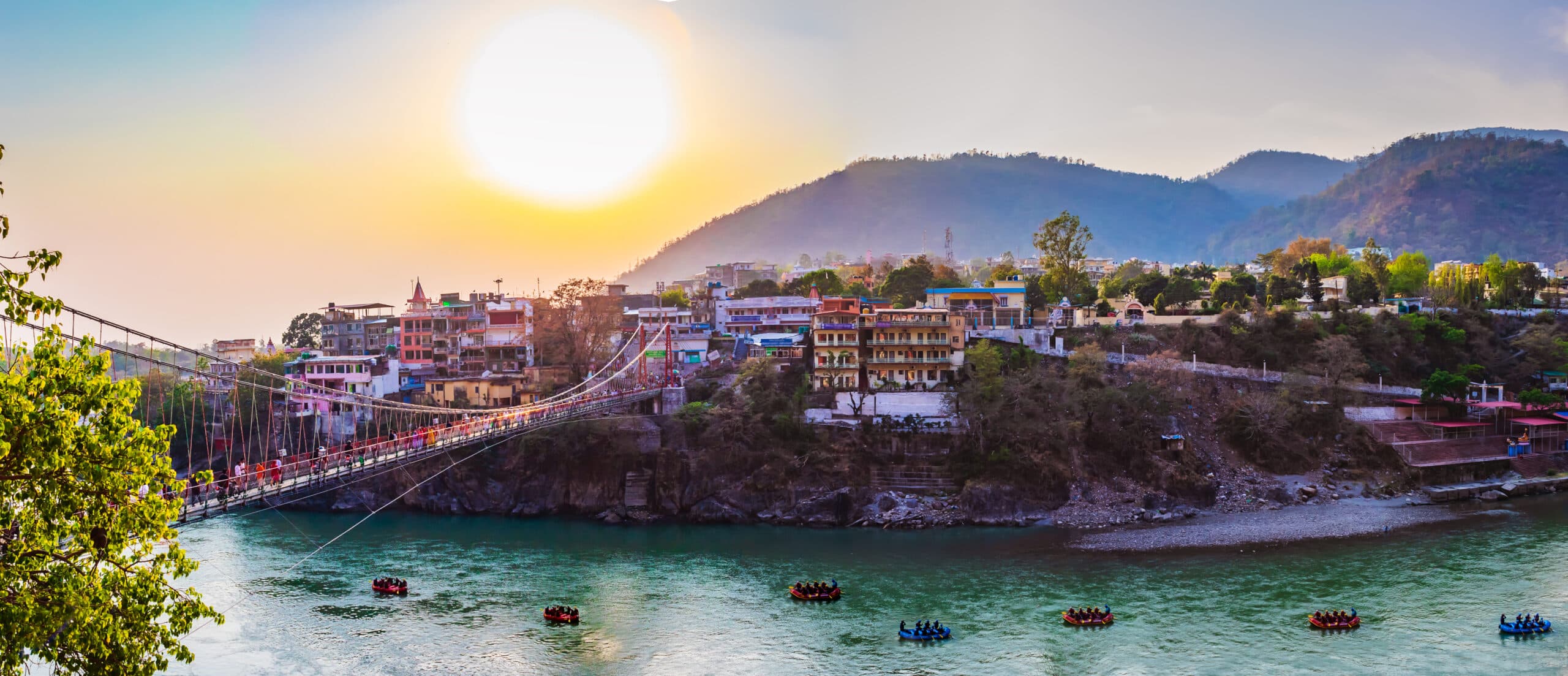
Overview of River Rafting in Rishikesh: Rishikesh is known as the Adventure Capital of India, and river rafting is one of the main attractions here. The city is located on the banks of the Ganges River, surrounded by hills and forests. The strong currents of the river make it a perfect place for rafting. Many people who book Chaardham Yatra packages also explore Rishikesh for adventure activities like rafting, camping, and bungee jumping. Rafting in Rishikesh is available for everyone, whether you are a beginner or have experience. The rafting routes have different difficulty levels, ranging from easy to challenging. Some of the famous rafting stretches include Brahmpuri, Shivpuri, Marine Drive, and Kaudiyala. The best time for river rafting is from September to June, as the monsoon season (July and August) makes rafting unsafe. Apart from adventure, rafting in Rishikesh also offers breathtaking views of the Himalayas and holy ghats along the river. What are the Key Highlights of River Rafting in Rishikesh: Different Rafting Levels: Brahmpuri (Easy – 9 km): Best for beginners and families. Shivpuri (Moderate – 16 km): Good for adventure lovers. Marine Drive (Challenging – 24 km): For those who want an intense rafting experience. Kaudiyala (Very Challenging – 36 km): Only for experts. Exciting Rapids: Rishikesh has famous rapids like The Wall, Three Blind Mice, Roller Coaster, and Golf Course, making the ride more adventurous. Beautiful Scenery: While rafting, you can enjoy the Himalayan mountains, lush green forests, and peaceful riverbanks.Safe & Guided Rafting: Every rafting group is guided by trained professionals to ensure safety.Other Activities Nearby: You can also enjoy camping, cliff jumping, and trekking near the rafting sites. Timings & Costs Rafting Timings: Usually from 7:00 AM to 4:00 PM. Rafting Cost: Brahmpuri (₹600 – ₹1,000 per person) Shivpuri (₹1,000 – ₹1,500 per person) Marine Drive (₹1,500 – ₹2,000 per person) Kaudiyala (₹2,000 – ₹2,500 per person) Travel Tips & Essential Information For River Rafting in Rishikesh: Wear Comfortable Clothes: Avoid jeans or heavy clothes. Wear light, quick-dry clothes and sports shoes. Follow Safety Instructions: Always listen to your guide and wear a life jacket properly. Carry Essentials: Bring sunscreen, sunglasses, and an extra set of clothes. Check the Weather: Rafting is best during pleasant weather. Avoid rainy days as the river flow is too strong. Health & Fitness: Rafting requires some physical strength. People with heart problems or serious health issues should avoid rafting. Book in Advance: Rafting is very popular, so it is better to book in advance, especially in peak season. Enjoy Other Activities: Along with rafting, try camping, bungee jumping, yoga, or exploring temples in Rishikesh. River rafting in Rishikesh is an exciting and unforgettable adventure. Whether you are looking for fun, thrill, or natural beauty, rafting on the Ganges River is a must-try experience in India. Also Checkout: Things To Do in ChardhamMust Read: Places To Visit in Char Dham

Read More

Kartik Swami Temple
May 30, 20253 Minutes
Kartik Swami Temple
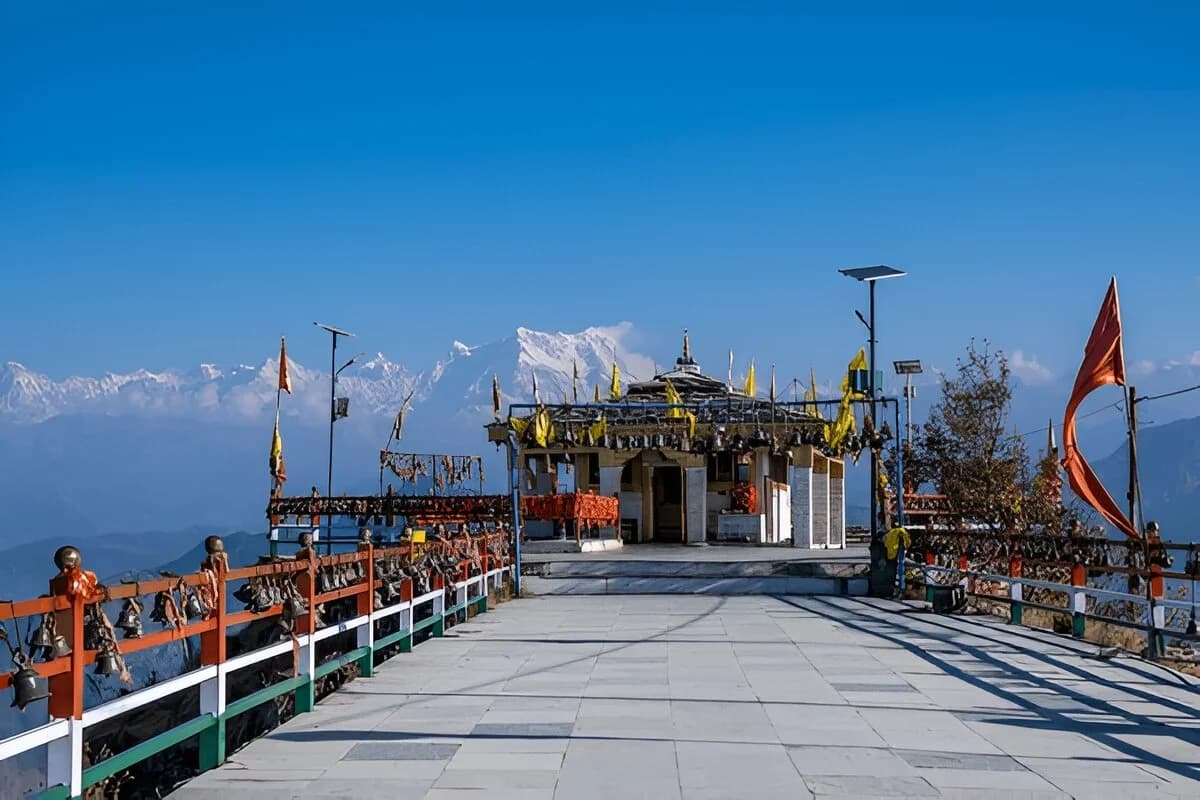
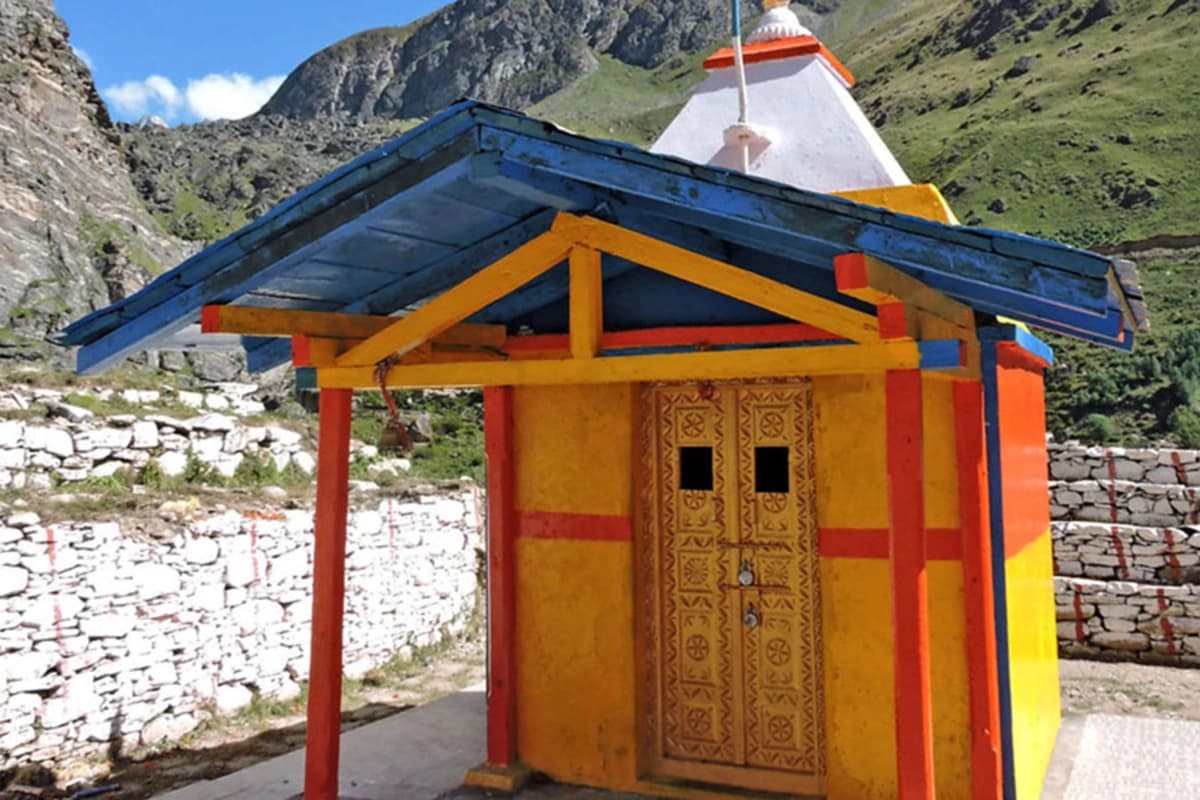
Overview of Kartik Swami Temple: Located in the Rudraprayag district of Uttarakhand, Kartik Swami Temple is high majestically at an altitude of 3,500 meters above sea level. This ancient temple, dedicated to Kartikeya (the son of Lord Shiva), dates back to the 8th century and holds deep religious significance for devotees. The temple has ancient architecture and showcases the typical North Indian temple styles. For travelers and pilgrims who explore Chardham through our Chardham Yatra packages, Kartik Swami Temple can be a perfect additional stop. Because the temple is located on a cliffside, it gives 360-degree views of the snow-capped Himalayan peaks, including Chaukhamba, Kedarnath, and Neelkanth. It’s one of the rare temples in India dedicated to Lord Kartikeya in North India, as most of his temples are found in South India. The peaceful atmosphere and the challenging trek to reach the temple makes it unique. What are the Key Highlights of Kartik Swami Temple: Panoramic Mountain Views: Stand at the temple complex and soak in breathtaking 360-degree views of majestic Himalayan peaks. Perfect for sunrise photography and meditation sessions. Ancient Stone Architecture: Marvel at the centuries-old stone temple structure featuring detailed carvings of deities and geometric patterns. Each stone tells a story of ancient craftsmanship. Sacred Cave Shrines: Explore the small cave temples near the main shrine where, according to locals, Lord Kartikeya meditated. These caves have a mystical atmosphere. Local Flora Experience: Walk through the forests of Brahma Kamal (rare Himalayan flowers) during the summer months. Great opportunity for nature photographers. Traditional Temple Rituals: Witness unique prayer ceremonies performed by local priests using age-old traditions specific to this temple. Meditation Spots: Find peaceful corners around the temple complex where you can meditate while listening to temple bells and mountain winds. Timings & Entry Fees of Kartik Swami Temple: Temple Timings: 6 am to 7 pm (summer), 7 am to 6 pm (winter) Entry Fee: No entry fee Aarti Timings: Morning – 7 am, Evening – 6 pm Camera Fee: No additional charges Travel Tips/ Essential Information of Kartik Swami Temple: Trek Preparation: Pack comfortable walking shoes and warm clothes. The 3 km trek from the base takes about 2 hours. Start early to avoid the afternoon sun. Weather: The best months to visit are May-June and September-October. Avoid monsoon season (July-August) as trails become slippery. Altitude Consideration: Take frequent breaks during the trek if you’re not used to high altitudes. Carry water and light snacks. Accommodation Options: Stay at nearby Kanak Chauri village or Rudraprayag town. Basic guesthouses are available starting at INR 500 per night. Local Transport: Shared jeeps are available from Rudraprayag to the trek starting point. Cost: INR 50 per person. Essential Items: Carry a warm jacket, walking stick, water bottle, snacks, and basic medical supplies. No food shops are available near the temple. Photography Tips: Early morning offers the clearest mountain views. Carry extra camera batteries as charging points aren’t available. Sacred Rules: Remove shoes before entering the temple. Dress modestly. Taking photos inside the main shrine is prohibited.Also Checkout: Places to Visit in Char Dham YatraMust Read: Things to Do in Char Dham Yatra

Read More

Harshil Village
May 30, 20253 Minutes
Harshil Village
Overview of Harshil Village: Harshil Village, in the Uttarkashi district of Uttarakhand, is a hidden gem that most tourists miss while rushing to popular spots. This peaceful village sits by the Jalandhari River, surrounded by dense pine forests and snow-capped peaks. What makes it special is how it’s still untouched by commercial tourism – you’ll find wooden houses with slate roofs, apple orchards everywhere, and friendly locals who’ll greet you with warm smiles. If you’re planning your Chardham Yatra packages, adding Harshil to your list is a great idea. It’s just 73 km before Gangotri, making it a perfect stopover.  The village becomes a gem for cultural experience during the apple-picking season when the whole place smells of fresh apples. You’ll spot locals drying red chilies on their rooftops, and if you’re lucky, you might also catch them performing their traditional folk dances in the evening. In the village, you can stay in basic wooden cottages here, eat local food, and experience the simple mountain life that’s becoming rare these days. What are the Key Highlights of Harshil Village: Local Apple Experience: Visit during September-October to see apple orchards in full bloom. Join locals in apple picking, taste fresh juice, and buy organic apples directly from farmers. Mysterious Shriya Caves: Explore these ancient caves just 2 km from the village. Locals believe these caves have secret tunnels leading to unknown destinations. Perfect for adventure lovers. Mukhba Temple Connection: Visit the winter home of Goddess Ganga, where the deity stays for six months. Riverside Camping Spots: Set up camp by the Jalandhari River. Listen to river sounds at night, stargaze. Many locals can arrange basic camping gear. Traditional House Tours: Walk through the village to see 100-year-old wooden houses. Many families welcome visitors to see their traditional kitchens and daily life. Timings & Entry Fees of Harshil Village: The village is open all year round. No entry fee is required. Most homestays charge between INR 800-1500 per night. For camping, local guides charge around INR 1000 for equipment and setup. Temple visits are free, but photography inside temples needs permission. Travel Tips / Essential Information For Harshil Village: Best Time to Visit: April to June and September to November are perfect. Avoid monsoon season (July-August) as roads can be risky. Connectivity Alert: Mobile networks are weak here. Only BSNL works properly. Other postpaid sims also work fine. Local Transport Scene: Shared taxis from Uttarkashi cost around INR 100 per person. Private taxis charge INR 1500-2000 for a round trip. Accommodation Tips: Book homestays in advance during apple season. Most places don’t accept online bookings – get phone numbers from local travel groups. Weather Warning: Temperature drops suddenly in the evenings. Pack warm clothes even in summer. Carry rain protection all year round. Language Help: Learn basic Hindi/Garhwali phrases. Locals don’t speak English but are super helpful. Foods: Carry some ready-to-eat stuff. Local shops close early. Most homestays offer simple vegetarian food. Altitude Tips: The village is at 8,000 feet. Take a day to acclimatize. Carry basic medicines for mountain sickness. Respect Local Culture: Dress modestly. Ask before taking photos of people or inside homes. Remove shoes before entering houses.Also Read: Places to Visit in Chardham YatraMust Checkout: Things to do in Chardham Yatra

Read More

Rishikesh
May 30, 20253 Minutes
Rishikesh
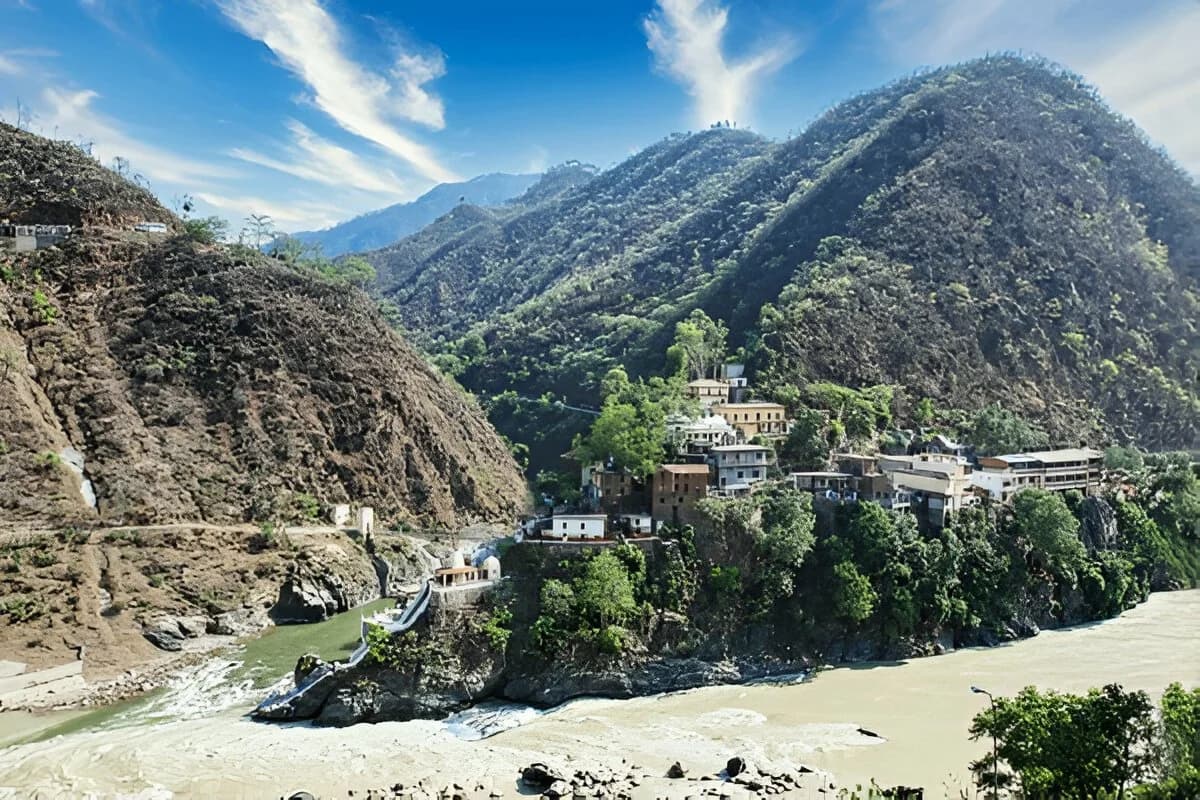
Overview of Rishikesh: Rishikesh on the banks of the Ganga in Uttarakhand, is one of those places in India where you can experience both spirituality and adventure. The moment you step into this town, you’ll hear temple bells mixing with the sound of rushing river waters and screams from rafters. The streets are filled with travelers from around the world – some carrying yoga mats, others in rafting gear, and many just enjoying the peaceful vibe of this unique place. When travelers book Chardham Yatra packages, Rishikesh comes along the way and serves as the perfect starting point for the journey. The town has everything from budget ashrams to luxury resorts, and the food scene is amazing – from small cafes serving fresh smoothie bowls to local shops with hot kachoris. You can start your day with a peaceful yoga session, spend the afternoon river rafting, join the evening Ganga aarti, and end your day at a cafe jamming with travelers from around the world. The mix of spiritual energy and adventure activities makes it a perfect spot for both soul-seekers and thrill-lovers. What are the Key Highlights of Rishikesh: Laxman Jhula Experience: Walk across this iconic 450-foot suspension bridge for stunning river views. Best visited during the early morning or sunset for amazing photos. Free entry. Beatles Ashram Adventure: Explore the abandoned ashram where the Beatles composed their songs. See amazing graffiti art and meditation domes. Entry fee: INR 150 for Indians. Triveni Ghat Evening: Join the magical evening aarti by the Ganga. Watch hundreds of diyas float on water, try local street food, and feel the spiritual energy. White Water Rafting Thrill: Take on rapids ranging from Grade 1 to 4. Choose from 16km to 36km stretches. Starting from INR 1000 per person. Yoga Capital Experience: Join morning yoga sessions at famous ashrams. Many places offer drop-in classes starting at INR 500. Cafe Hopping Fun: Visit unique cafes like German Bakery and Beatles Cafe. Most offer great river views and live music evenings. Neer Garh Waterfall Trek: Easy 2-hour trek to a beautiful waterfall. Perfect morning activity ending with a refreshing swim. Entry fee: INR 30. Sunset View Point: Climb to Rishikesh View Point for panoramic views of the town and river. Great spot for photographers. Best Time to Visit Rishikesh: Visit between September to March for perfect weather. October to November and February to March are ideal for rafting. Avoid July-August (monsoon) as most activities shut down. Early mornings and evenings are best for outdoor activities during the summer months (April-June). Travel Tips/ Essential Information For Rishikesh: Easy Access Routes: Take direct trains to Haridwar, then a 45-minute taxi ride to Rishikesh. Direct buses from Delhi ISBT. The nearest airport: is Dehradun (35 km away). Budget Smart: Stay in ashrams for under INR 500/night. Cafes in the main market area are cheaper than those near bridges. Safety First: Book rafting only from government-approved operators. Carry ID proof for ashram stays. Local Transport Tips: Use shared autos between Laxman Jhula and Ram Jhula. Walking is best to explore nearby areas. Practical Packing: Carry modest clothes for temple visits. Swimming costume for rafting. Light jacket for evening river breeze. Phone Networks: All major networks work well. Currency Access: ATMs are available near both bridges. Many places accept online payments but keep cash handy for small shops. Accommodation Guide: Book rooms in advance during peak season (October-March). Areas near Laxman Jhula tend to be quieter than the main market. Food Safety: Stick to busy restaurants for street food. Try local specialties like chole bhature at Ram Jhula market.Also Checkout: Things To Do in ChardhamMust Read: Places To Visit in Char Dham

Read More

Haridwar
May 30, 20253 Minutes
Haridwar
Overview of Haridwar: Harshil Village, in the Uttarkashi district of Uttarakhand, is a hidden gem that most tourists miss while rushing to popular spots. This peaceful village sits by the Jalandhari River, surrounded by dense pine forests and snow-capped peaks. What makes it special is how it’s still untouched by commercial tourism – you’ll find wooden houses with slate roofs, apple orchards everywhere, and friendly locals who’ll greet you with warm smiles. If you’re planning your Chardham Yatra packages, adding Harshil to your list is a great idea. It’s just 73 km before Gangotri, making it a perfect stopover.  The village becomes a gem for cultural experience during the apple-picking season when the whole place smells of fresh apples. You’ll spot locals drying red chilies on their rooftops, and if you’re lucky, you might also catch them performing their traditional folk dances in the evening. In the village, you can stay in basic wooden cottages here, eat local food, and experience the simple mountain life that’s becoming rare these days. What are the Key Highlights of Haridwar: Local Apple Experience: Visit during September-October to see apple orchards in full bloom. Join locals in apple picking, taste fresh juice, and buy organic apples directly from farmers. Mysterious Shriya Caves: Explore these ancient caves just 2 km from the village. Locals believe these caves have secret tunnels leading to unknown destinations. Perfect for adventure lovers. Mukhba Temple Connection: Visit the winter home of Goddess Ganga, where the deity stays for six months. Riverside Camping Spots: Set up camp by the Jalandhari River. Listen to river sounds at night, stargaze. Many locals can arrange basic camping gear. Traditional House Tours: Walk through the village to see 100-year-old wooden houses. Many families welcome visitors to see their traditional kitchens and daily life. Timings & Entry Fees of Haridwar: The village is open all year round. No entry fee is required. Most homestays charge between INR 800-1500 per night. For camping, local guides charge around INR 1000 for equipment and setup. Temple visits are free, but photography inside temples needs permission. Travel Tips / Essential Information of Haridwar: Best Time to Visit: April to June and September to November are perfect. Avoid monsoon season (July-August) as roads can be risky. Connectivity Alert: Mobile networks are weak here. Only BSNL works properly. Other postpaid sims also work fine. Local Transport Scene: Shared taxis from Uttarkashi cost around INR 100 per person. Private taxis charge INR 1500-2000 for a round trip. Accommodation Tips: Book homestays in advance during apple season. Most places don’t accept online bookings – get phone numbers from local travel groups. Weather Warning: Temperature drops suddenly in the evenings. Pack warm clothes even in summer. Carry rain protection all year round. Language Help: Learn basic Hindi/Garhwali phrases. Locals don’t speak English but are super helpful. Foods: Carry some ready-to-eat stuff. Local shops close early. Most homestays offer simple vegetarian food. Altitude Tips: The village is at 8,000 feet. Take a day to acclimatize. Carry basic medicines for mountain sickness. Respect Local Culture: Dress modestly. Ask before taking photos of people or inside homes. Remove shoes before entering houses.Also Read: Places to Visit in Chardham YatraMust Checkout: Things to do in Chardham Yatra

Read More

Sonprayag
May 30, 20253 Minutes
Sonprayag
Overview of Sonprayag:Sonprayag is a picturesque and sacred town in Uttarakhand, situated on the route to Kedarnath. It is famous for the confluence of the Mandakini and Basuki rivers, where many pilgrims take a dip before continuing their journey. The town holds deep religious significance as it is believed that Lord Shiva and Goddess Parvati were married here. The cool climate and spiritual vibe make it an essential stop during the Chardham Yatra packages.Surrounded by majestic mountains and lush greenery, Sonprayag offers a serene atmosphere for visitors. It is also a resting spot for pilgrims heading to Kedarnath, providing basic facilities like lodging and food. Apart from its religious importance, Sonprayag is known for its scenic beauty, making it a great spot for nature lovers. Whether you’re a pilgrim or a traveller seeking peace, this place offers a unique experience. What are the Key Highlights of Sonprayag?Famous Places to VisitTriyuginarayan Temple – A famous temple where Lord Shiva and Parvati are believed to have married.Gaurikund – The starting point of the Kedarnath trek, known for its hot springs and religious significance.Kedarnath Temple – One of the four Chardham shrines and an important pilgrimage site dedicated to Lord Shiva.Guptkashi – A historic town known for the Vishwanath Temple and Ardh Narishwar Temple.Vasuki Tal – A high-altitude lake offering stunning views of the Himalayan peaks.Activities to EnjoySpiritual Bath – Take a dip at the holy confluence of the Mandakini and Basuki rivers.Trekking – Experience an adventurous trek from Sonprayag to Kedarnath.Photography – Capture the breathtaking beauty of the Himalayas.Meditation and Yoga – Enjoy peaceful meditation amidst nature.Explore Local Culture – Interact with locals and experience the simple mountain lifestyle.Best Time to Visit Sonprayag:The best time to visit Sonprayag is from May to October, as the weather remains pleasant, and the Kedarnath Yatra is open during this period. Winter months (November to April) are extremely cold, with heavy snowfall making the area inaccessible. Plan your visit during the summer or post-monsoon season for a smooth and safe journey.Travel Tips & Essential Information for Sonprayag:How to Reach Sonprayag:By Air – The nearest airport is Jolly Grant Airport in Dehradun, around 210 km away. From there, you can take a taxi or bus to Sonprayag.By Train – The closest railway station is Rishikesh Railway Station, 190 km away. From Rishikesh, buses and taxis are available.By Road – Sonprayag is well-connected by road with Haridwar, Rishikesh, and Dehradun. Regular buses and shared taxis operate from these cities.Important Tips for Sonprayag:Carry warm clothes as temperatures drop significantly, even in summer.Keep cash handy, as ATMs are limited in the region.Wear comfortable trekking shoes if visiting Kedarnath.Respect local customs and maintain the sanctity of religious sites.Book accommodation in advance during peak pilgrimage season.Avoid travelling during the monsoon due to the risk of landslides.Sonprayag is a blend of spirituality and natural beauty, making it a perfect stop in the Chardham Yatra packages. Whether you are on a religious journey or a nature retreat, this place will leave you with unforgettable memories.Also Read: Places to Visit in Chardham YatraMust Read: Things to do in Chardham Yatra

Read More

Gaurikund
May 30, 20253 Minutes
Gaurikund
Overview of Gaurikund: Gaurikund is a revered pilgrimage site located in Uttarakhand, serving as the base camp for the Kedarnath trek. It is nestled at an altitude of 1,982 meters, it is an essential stop for devotees undertaking the Chardham Yatra. It is an important stop in the Chardham Yatra packages, offering religious significance and natural beauty. This holy destination holds immense religious significance as it is believed to be the place where Goddess Parvati performed penance to win Lord Shiva’s affection. The natural hot water spring here is considered sacred, and pilgrims take a holy dip before embarking on their journey to Kedarnath. The serene surroundings, mesmerizing views of the Garhwal Himalayas, and the spiritual aura make Gaurikund a must-visit for travellers. Apart from its religious importance, it also offers scenic beauty and a peaceful ambience, making it a rejuvenating retreat.  What are the Key Highlights of Gaurikund: Sacred Hot Springs: The natural thermal springs of Gaurikund are believed to cleanse the soul and body before heading to Kedarnath. Gauri Temple: A significant temple dedicated to Goddess Parvati, where she is believed to have performed penance for Lord Shiva. Scenic Beauty: Surrounded by lush green valleys and majestic peaks, the location offers breathtaking views. Base Camp for Kedarnath: The pilgrimage to Kedarnath begins from Gaurikund, making it a crucial stop for devotees. Mythological Significance: Associated with the divine love story of Lord Shiva and Goddess Parvati, enhancing its religious importance. Spiritual Ambiance: The divine aura, along with chants and devotional activities, provides a deeply spiritual experience. Adventure & Trekking: A starting point for the Kedarnath trek, attracting adventure seekers as well. Cultural Experience: Witness traditional Himalayan culture and interact with local devotees and priests. Timings & Entry Fees of Gaurikund: Timings: Gaurikund is open throughout the year, but the best time to visit is between April and November. Entry Fees: No entry fee is required to visit Gaurikund. However, charges may apply for accommodation and other facilities in the area. The hot spring and temple visits are free for devotees. Travel Tips / Essential Information for Gaurikund: Best Time to Visit: April to June and September to November are ideal for pleasant weather and safe travel. Accommodation: Limited guesthouses and dharamshalas are available; booking in advance is advisable. Clothing: Carry warm clothes as temperatures can drop significantly, even during summer. Footwear: Comfortable trekking shoes are a must for the Kedarnath trek. Health Precautions: High-altitude sickness is common; carry necessary medicines. Transportation: Reachable via road from Rishikesh, Haridwar, and Dehradun; pony and palanquin services are available for Kedarnath. Spiritual Practices: Taking a dip in the hot springs is considered sacred before visiting Kedarnath. Local Cuisine: Try simple yet delicious pahadi food available at local stalls. Respect Traditions: Follow temple customs and maintain decorum in sacred areas. Emergency Contacts: Keep local emergency numbers handy for safety and assistance. Gaurikund is not just a pilgrimage site but an experience filled with devotion, natural beauty, and adventure. Whether you seek spirituality or serenity, this destination enriches your Chardham Yatra journey. Also Checkout: Things To Do in ChardhamMust Read: Places To Visit in Char Dham

Read More

Mata Murti Temple
May 30, 20253 Minutes
Mata Murti Temple
Overview of Mata Murti Temple: Mata Murti Temple is a small but important temple located near Badrinath in Uttarakhand. This temple is dedicated to Mata Murti, who is believed to be the mother of Lord Narayan’s twin incarnations, Nara and Narayana. According to legend, she prayed deeply for Lord Vishnu to be born as her son, and her prayers were fulfilled. That’s why this temple holds special significance, especially for devotees visiting on their Chardham Yatra packages. It is situated on the banks of the Alaknanda River; the temple is surrounded by beautiful Himalayan mountains, making it a peaceful and divine place to visit. Devotees believe that offering prayers here can bring blessings and spiritual enlightenment. The temple is most lively during the Mata Murti Ka Mela, a festival that celebrates the motherly power of Mata Murti. People from all over visit during this time to take part in the celebrations and seek blessings. The calm atmosphere, religious importance, and breathtaking views make Mata Murti Temple a must-visit for anyone travelling to Badrinath. It is a place where faith meets nature, creating a serene and powerful spiritual experience. What are the Key Highlights of Mata Murti Temple: Dedicated to Mata Murti: The temple honours Mata Murti, the divine mother of Nara and Narayana. Located Near Badrinath: Just a few kilometres away from Badrinath, making it easy for pilgrims to visit. Mata Murti Ka Mela: A grand festival celebrated every year with devotion and joy. Beautiful Himalayan Views: The temple sits near the Alaknanda River, offering a stunning natural setting. Peaceful and Spiritual Vibe: A great place for meditation and self-reflection. Belief in Blessings: Many devotees believe praying here can bring peace and prosperity. No Entry Fee: Visitors can enter for free, though donations are welcome. Timings & Entry Fees of Mata Murti Temple: Temple Timings: Open daily from 6:00 AM to 6:00 PM. Entry Fees: There is no entry fee for visitors. Donations for temple upkeep are appreciated. Travel Tips & Essential Information for Mata Murti Temple: To ensure a smooth visit to Mata Murti Temple, here are some useful travel tips: Best Time to Visit: The temple is best visited between May and October when the weather is pleasant. During winter, the temple remains closed due to heavy snowfall. How to Reach: You can reach the temple by road from Badrinath. Local taxis and buses are available. It is just a short distance from the main town. Weather Considerations: Even during summer, the temperatures in this area can be quite cold. Carry warm clothes to stay comfortable. Accommodation: There are no hotels near the temple itself, but plenty of options are available in Badrinath for those wanting to stay overnight. Respect the Customs: Maintain silence inside the temple and follow the local rituals to show respect. Photography: If you wish to take pictures inside the temple, ask for permission first. Nearby Places to Visit: You can combine your visit with a trip to Badrinath Temple, Mana Village, and Tapt Kund for a complete spiritual experience. Health Tips: Since this is a high-altitude area, some people may experience mild altitude sickness. Carry basic medicines and stay hydrated. Spiritual Importance: Many believe that visiting Mata Murti Temple and offering prayers can bring positive changes in life and strengthen faith. So, if you’re in Badrinath, take some time to visit Mata Murti Temple. Enjoy the serene surroundings, offer your prayers, and soak in the divine energy of this sacred place! Also Read: Places to Visit in Chardham YatraMust Read: Things to do in Chardham Yatra

Read More

Mana Village
May 30, 20253 Minutes
Mana Village
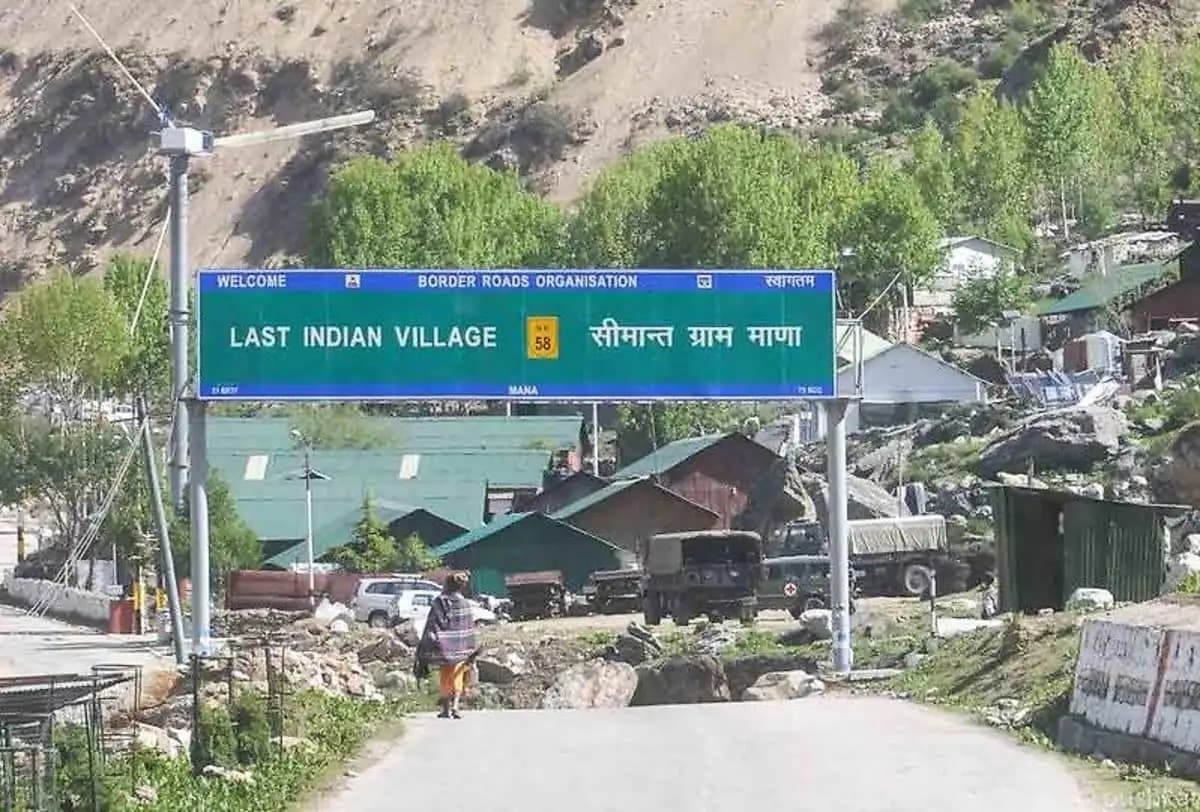
Overview of Mana Village: Mana Village, located in Uttarakhand’s Chamoli district, is famously known as India’s last village near the Indo-Tibetan border. Just 3 km from Badrinath, this scenic village sits at an altitude of around 3,200 meters, surrounded by the breathtaking Himalayas. It is an essential stop for travellers on the Chardham Yatra packages, as it is steeped in mythological significance. According to legend, Mana is believed to be the place where the Pandavas, from the epic Mahabharata, started their journey to heaven. The village is home to the Vyas Cave and Ganesh Cave, where Sage Vyas is said to have written the Mahabharata. Alongside its deep-rooted history, Mana offers mesmerising landscapes, glacial rivers, and a chance to experience the unique lifestyle of the local Bhotiya community. The traditional stone houses, woollen handicrafts, and local cuisine add to the village’s charm, making it a must-visit destination. What are the Key Highlights of Mana Village: India’s Last Village: The final Indian settlement before the Tibetan border. Close to Badrinath: Just a short drive from Badrinath, making it easily accessible. Vyas Cave & Ganesh Cave: Mythological caves where Sage Vyas is said to have composed the Mahabharata. Breathtaking Views: Surrounded by snow-capped mountains and the Saraswati River. Local Culture & Handicrafts: Experience the unique traditions of the Bhotiya tribe and shop for local woollen goods. Spiritual Significance: The village holds a sacred place in Hindu mythology, linked to the Pandavas’ final journey. Eco-Tourism Destination: Ideal for nature lovers and trekkers looking for serene beauty. Timings & Entry Fees of Mana Village: Timings: Open throughout the day; best visited between May and October before snowfall makes access difficult. Entry Fees: No entry fee; however, visitors may contribute to local temples or cultural sites. Travel Tips & Essential Information for Mana Village: Best Time to Visit: The village is accessible from May to October; during winters, heavy snowfall cuts off access. How to Reach: Mana Village is 3 km from Badrinath and can be reached by road. Taxis and local transport are available. Weather Conditions: The high-altitude location means cold weather even in summer, so pack warm clothes. Accommodation: While there are no hotels in Mana, visitors can stay in Badrinath and make a short trip to the village. Local Customs: Respect local traditions, especially in religious places like Vyas Cave. Photography: Allowed, but always seek permission before taking pictures of locals. Nearby Attractions: Visit Badrinath Temple, Vasudhara Falls, and Tapt Kund for a complete travel experience. Trekking Opportunities: Adventure seekers can explore nearby trekking routes, including the trek to Vasudhara Falls. Health Precautions: Due to the high altitude, some visitors may experience mild altitude sickness. Carry essential medicines and stay hydrated. Spiritual Importance: A visit here is believed to bring divine blessings and a sense of peace. So, if you are visiting Badrinath, don’t miss the chance to explore Mana Village, where legends and nature come together in a truly magical way! Also Read: Places to Visit in Chardham YatraMust Read: Things to do in Chardham Yatra

Read More

Charan Paduka Temple
May 30, 20253 Minutes
Charan Paduka Temple
Overview of Charan Paduka Temple:Charan Paduka, located near the serene town of Yamunotri, holds deep religious significance for devotees of the Chardham Yatra Packages. The site is renowned for its large stone imprint, believed to be the divine footprint of Lord Vishnu. Nestled amidst the majestic Himalayan peaks, this peaceful location invites pilgrims to reflect and connect with their spirituality. It is an integral stop for those on their journey to Yamunotri and the larger Chardham pilgrimage. The tranquil surroundings and the divine essence of the place make it a must-visit destination for seekers of peace and enlightenment. Many believe that visiting Charan Paduka offers divine blessings, helping to purify the soul and pave the way for a blessed journey ahead.What are the Key Highlights of Charan Paduka Temple:Sacred Footprint: The divine footmark of Lord Vishnu, an essential religious symbol for Hindus.Location: Situated in the picturesque Yamunotri region, adding to its serene and spiritual appeal.Historical Significance: A revered site for pilgrims on the Chardham Yatra, attracting devotees for centuries.Divine Blessings: Believed to purify the soul and ensure blessings from the gods.Stunning Views: Offers mesmerising views of the surrounding Himalayan range.Pilgrim Destination: An essential stop on the spiritual journey, elevating the experience of the Chardham Yatra.Timings & Entry Fees of Charan Paduka Temple:Timings: Open throughout the year; ideal for visits early morning or late afternoon.Entry Fees: No entry fee is required.Travel Tips / Essential Information for Charan Paduka Temple:Best Time to Visit: The ideal time to visit Charan Paduka is during the Chardham Yatra season, typically from May to October. The weather is pleasant, making the journey more comfortable.Travel Route: You can reach Charan Paduka via a 4-5 km trek from the Yamunotri temple. It’s recommended to take a local guide for the trek, as the path can be challenging in places.Weather: The weather in Yamunotri is often cold, especially during early mornings and evenings. Carry warm clothes, especially if you are visiting during the winter months.Trekking Tips: The trek can be physically demanding, so it’s advisable to maintain good physical fitness before undertaking the journey. Comfortable trekking shoes, along with basic trekking gear, are essential.Stay and Accommodation: Basic accommodation options are available around the Yamunotri temple and Charan Paduka area. It’s best to book in advance during peak seasons to secure a place.Health Precautions: Altitude sickness is a common issue at high altitudes, so it’s recommended to stay hydrated and acclimatise gradually. Carry necessary medicines for altitude sickness, as well as first aid.Pilgrimage Etiquette: Respect the spiritual ambience of the place by maintaining silence and refraining from unnecessary noise. Pilgrims often engage in prayers and meditation at the site, contributing to its serene atmosphere.Donations: Charan Paduka, as part of the larger pilgrimage, welcomes donations for maintenance and spiritual activities. Make sure to donate according to your ability, but with a pure heart.By including Charan Paduka in your Chardham Yatra packages, you will not only embark on a spiritual journey but also experience the deep serenity and divine energy that this place offers. Make your visit memorable by being prepared and embracing the spiritual ambience of the location.Also Read: Places to Visit in Chardham YatraMust Read: Things to do in Chardham Yatra

Read More

Raghunathji Temple
May 30, 20253 Minutes
Raghunathji Temple
Overview of Raghunathji Temple: Raghunathji Temple, dedicated to Lord Rama, is an important pilgrimage site along the Chardham Yatra. Located in the town of Kullu, Himachal Pradesh, this ancient temple is known for its rich history and religious significance. You can explore this sacred temple and enrich your journey with Chardham Yatra Packages to get a deeper connection to the divine. The temple stands as a symbol of devotion to Lord Rama, with a peaceful and serene atmosphere that draws thousands of pilgrims each year. The temple is believed to have been established in the 17th century by Raja Jagat Singh, the ruler of Kullu. It is a beautiful example of traditional wooden architecture, surrounded by scenic views of the Kullu Valley. Visiting Raghunathji Temple allows devotees to experience not only the spiritual essence of the place but also the divine blessings of Lord Rama, making it an essential stop for anyone on the Chardham Yatra. What are the Key Highlights of Raghunathji Temple: Divine Deity: The temple is dedicated to Lord Rama, one of the most revered gods in Hinduism. Historical Significance: Established by Raja Jagat Singh in the 17th century, it has deep historical and cultural value. Scenic Location: Located in Kullu, offering stunning views of the surrounding valley. Wooden Architecture: A prime example of traditional Kullu architecture, featuring intricate wood carvings. Religious Importance: A must-visit for pilgrims on the Chardham Yatra, seeking Lord Rama’s blessings. Cultural Connection: The temple holds cultural significance, as it is central to the local community and their traditions. Timings & Entry Fees of Raghunathji Temple: Timings: Open daily from 6:00 AM to 8:00 PM. Entry Fees: Free entry for all visitors; donations are accepted. Travel Tips / Essential Information for Raghunathji Temple: Best Time to Visit: The best time to visit Raghunathji Temple is from April to October, as the weather is pleasant and conducive for pilgrimage. During winters, the region experiences snowfall, which might make travel difficult. Travel Route: Raghunathji Temple is easily accessible from Kullu. You can take a taxi or local bus from the Kullu town centre, which is around 3-4 km away. The route is well-marked and easy to follow. Weather: The weather in Kullu can vary, with hot summers and chilly winters. It’s advisable to dress in layers, especially during the colder months, as temperatures can drop unexpectedly. Stay and Accommodation: Kullu offers a variety of accommodation options, including budget hotels and guesthouses. During the peak pilgrimage season, it’s recommended to book accommodations in advance. Health Precautions: Ensure you stay hydrated during the journey, especially if you’re trekking to the temple. Carry any necessary medications, particularly if you suffer from altitude sickness. Respect Local Customs: While visiting the temple, it’s important to observe local customs. Avoid loud conversations and maintain the sanctity of the temple by dressing modestly and speaking softly. Photography: While photography is allowed outside the temple, visitors are requested to seek permission before taking photos inside the temple premises to maintain respect for the sacred environment. Pilgrimage Etiquette: Offer your prayers respectfully and take time to reflect. Pilgrims often perform rituals here, such as lighting incense and offering flowers to Lord Rama. Raghunathji Temple, as part of your Chardham Yatra package, is not just a place of worship but an opportunity to experience the peace and divine blessings of Lord Rama. Plan your visit thoughtfully and allow the spiritual essence of the temple to enrich your journey. Also Read: Places to Visit in KashmirMust Checkout: Things to do in Kashmir

Read More

Devprayag
May 30, 20253 Minutes
Devprayag
Overview of Devprayag: Devprayag, a small yet significant town in Uttarakhand, is famous for being a divine meeting point of rivers Alaknanda and Bhagirathi, which join to form the holy River Ganga. The sight of these two rivers merging – one in milky white and the other in green-blue hues – creates a magical view that stays with you forever. The sound of temple bells, the cool breeze, and the mighty mountains around make this place truly special. While traveling for Chardham Yatra packages, Devprayag comes along the way and serves as a pit stop. Local priests perform age-old rituals, travelers take holy dips, and the peaceful atmosphere makes this place different from typical tourist spots. Don’t miss trying the local sweet called ‘bal mithai’ from the small shops near the temples – it’s a specialty you won’t find anywhere else. What are the Key Highlights of Devprayag: Sacred Confluence Point: Watch the spectacular meeting of two mighty rivers from the viewing point. Perfect for photography, especially during sunrise and sunset. The different colors of the rivers create a stunning natural phenomenon. Ancient Raghunath Temple: Visit this 10th-century temple dedicated to Lord Rama, featuring unique architecture and peaceful surroundings. The morning aarti here is a must-watch experience. River Ghat Experience: Take a dip in the holy waters at the safe ghats. Local guides help you find the right spots. Remember to carry a change of clothes. Mountain Trekking Routes: Explore easy hiking trails around the town offering stunning views of the valley. Great for beginners and photography enthusiasts. Local Food Discovery: Try the famous ‘pahadi’ meals at small local eateries. Don’t miss the special ‘rajma chawal’ and ‘bal mithai’. Most meals cost between INR 100-200. Meditation Spots: Find peaceful corners near the riverside for meditation and yoga. Early morning sessions are particularly refreshing. Timings & Entry Fees for Devprayag: Devprayag is best visited between March to May or September to November. Summers are pleasant with temperatures between 15-30°C. Avoid monsoon season (July-August) as the region experiences heavy rainfall. Winter (December-February) can be very cold but offers clear skies and amazing views. Travel Tips & Essential Information for Devprayag: Easy Access Route: Take a bus or taxi from Rishikesh (70 km) or Dehradun (100 km). Regular buses run daily, costing around INR 150-300. Shared taxis are available for INR 500-700 per person. Accommodation Options: Basic guesthouses and dharamshalas are available near the temple area. Rates range from INR 500-1500 per night. Book in advance during peak season. Essential Packing: Carry comfortable walking shoes, warm clothes (even in summer), water bottles, and basic medicines. Most shops close early, so packthe necessary items. Local Transport: The town is small and walkable. For nearby areas, shared jeeps are available. Negotiate rates beforehand. Temple Etiquette: Dress modestly, carry a head covering for temples. Photography allowed in most areas except inside main temples. Food and Water: Carry water bottles, can be refilled at many points. Many small eateries serve vegetarian food. Carry some snacks for emergencies. ATM Availability: Limited ATMs in the main market area. Carry sufficient cash as many places don’t accept cards. Also Read: Places to Visit in Chardham YatraMust Read: Things to do in Chardham Yatra

Read More

Rudraprayag
May 30, 20253 Minutes
Rudraprayag
Overview of Rudraprayag: Located in Uttarakhand, Rudraprayag is the place where you can say that spirituality meets the raw natural beauty of mountains. On Chardham Yatra packages, Rudraprayag comes after Devprayag, it’s like a base camp that connects you to both Kedarnath and Badrinath. This small town is located at the meeting point of the Alaknanda and Mandakini rivers and has stories that will give you goosebumps. Today, this peaceful town welcomes thousands of visitors who come here for both adventure and peace of mind. You can spend hours just sitting by the river confluence, watching the green waters crash against ancient rocks. The locals here are super friendly and love sharing tales about their town over a cup of hot chai. What are the Key Highlights of Rudraprayag: 1. Must-Visit Attractions: Sacred Confluence Point: Watch in awe as two mighty rivers meet at the ancient Rudranath Temple. Perfect spot for evening aarti and stunning photographs. Entry fee: Free Koteshwar Temple: Explore this unique cave temple where Lord Shiva is said to have meditated. The cave structure and riverside location make it a photographer’s paradise. Historic Jim Corbett Trail: Walk the same path where the famous hunter tracked the legendary man-eating leopard. Great for history buffs and adventure seekers. 2. Fun Activities: River Rafting Adventures: Get your adrenaline pumping with white water rafting on the Alaknanda River. Starting from INR 1500 per person. Trek to Kartik Swami: Take a beautiful 3km trek through dense forests to reach this ancient temple with jaw-dropping Himalayan views. Local Food Experience: Try the famous Garhwali thali at local joints. Don’t miss the bal mithai and singori sweets. Timings & Entry Fees for Rudraprayag: Visit between March to June for perfect weather and clear mountain views. If you’re okay with some cold, September to November is fantastic too – less crowded and beautiful autumn colors. Avoid July-August (heavy rains) and December-February (super cold) unless you’re ready for extreme weather. Travel Tips & Essential Information for Rudraprayag: How to Reach: Nearest Airport: Jolly Grant Airport, Dehradun (167 km). Take a taxi or shared cab to Rudraprayag. Cost: Around INR 3500-4000. Railway Connection: Rishikesh Railway Station (140 km). Regular buses and taxis available. Bus fare: INR 300-400. Road Journey: Well-connected by regular buses from Rishikesh, Haridwar, and Delhi. Perfect for budget travelers. Essential Know-How: Accommodation Options: Book hotels near the river confluence for the best views. Budget hotels start from INR 800, mid-range from INR 2000. Local Transport: Shared taxis and local buses are available for nearby attractions. Auto-rickshaws are good for short distances. Must-Pack Items: Warm clothes (even in summer), good walking shoes, basic medicines, a power bank, and a camera. Money Matters: Carry cash as ATMs are limited. Most local shops don’t accept cards. Altitude Tips: Take it easy first day. Drink lots of water and avoid heavy activities immediately after arrival. Also Read: Places to Visit in Chardham YatraMust Read: Things to do in Chardham Yatra

Read More

Joshimath
May 30, 20253 Minutes
Joshimath
Overview of Joshimath:Located in the lap of the Himalayas, Joshimath is a small town in Uttarakhand that holds great religious and cultural significance. When you walk through its narrow lanes, the fresh mountain air and the sound of temple bells create a peaceful atmosphere that was hard to find elsewhere. The town serves as a gateway to several important pilgrim sites including Badrinath Temple and offers stunning views of Nanda Devi, India’s second-highest peak.In all the Chardhaam Yatra packages Joshimath is a compulsory stop. The town serves as a crucial base camp for various treks and expeditions. The local markets buzz with activity, and the warm smiles of locals make you feel at home. What will catch your attention is the unique mix of traditional houses and the stories of Adi Shankaracharya that every local loves to share.What are the Key Highlights of Joshimath:1. Sacred spots:– Narsingh Temple: Step into this ancient temple where a self-manifested idol of Lord Narsingh is believed to have emerged from a stone. The peaceful atmosphere and intricate architecture make it a must-visit. Entry fee: Free– Shankaracharya Math: Visit the 1200-year-old monastery established by Adi Shankaracharya himself. The cave where he meditated still exists, creating a powerful spiritual atmosphere.2. Adventure Activities:– Auli Ropeway Experience: Take India’s longest cable car ride to Auli, offering breathtaking views of snow-capped peaks. Perfect for photography and winter sports. Cost: INR 750 round trip.– Trekking: Start your journey to famous treks like Valley of Flowers and Hemkund Sahib. The well-marked trails and local guides make it perfect for beginners.– Valley Views: Catch the sunrise from Joshimath’s viewpoint, where the golden rays paint the Himalayan peaks in magical colors. Best spot for morning photographs.Best Time To Visit Joshimath:Visit between April to June for pleasant weather and clear mountain views. Winter months (December-February) are perfect for snow activities in nearby Auli. Avoid monsoon season (July-September) as landslides are common.Travel Tips & Essential Information for Joshimath:How to Reach:Train Connection: Reach Haridwar railway station, then take a 10-hour shared taxi or bus to Joshimath. Book ISBT buses in advance during peak season.Road Trip Route: Drive from Delhi via Haridwar and Rishikesh. The journey takes about 18-20 hours with regular breaks.Essential Tips:Altitude Awareness: Take a day to acclimatize as Joshimath sits at 6,150 feet. Carry basic medicines and drink plenty of water.Stay Options: Choose from numerous guesthouses and hotels ranging from INR 500-2500 per night. Book ahead during the Yatra season.Local Movement: Use shared taxis for nearby attractions. Most charge INR 100-200 per person for short distances.Network Coverage: Only BSNL and Jio work consistently. Download offline maps before your trip.Money Matters: Limited ATMs available. Carry enough cash, especially for local shops and small eateries.Smart Packing: Carry warm clothes even in summer as evenings get chilly. Don’t forget comfortable walking shoes.Also Checkout: Places to Visit in Char Dham YatraMust Read: Things to Do in Char Dham Yatra

Read More

Nandaprayag
May 30, 20253 Minutes
Nandaprayag
Overview of Nandaprayag: Nandprayag is a small but important town in Uttarakhand where two mighty rivers – Alaknanda and Nandakini – meet in a beautiful confluence. The town has a peaceful vibe with its ancient temples, flowing rivers, and mountain views that will make you fall in love with it. The town has a really small population, and locals welcome you with warm smiles and hot cups of chai, making you feel right at home. You can spend hours sitting by the riverbank, listening to the sound of flowing water, and watching the sunset paint the sky in beautiful colors. If you’re booking Chardham Yatra Packages, Nandprayag serves as a perfect stopover point. The town offers basic but clean accommodations, and local pahadi food that will make your taste buds dance. The morning aarti at the temples, the chants echoing through the valley, and the cool mountain breeze create an unforgettable experience. Don’t miss trying the local specialty – bhang ki chutney and mandua ki roti, served with love by the homestay owners. What are the Key Highlights of Nandaprayag: Ancient Nand Temple: Visit the historic temple dedicated to King Nand, on whom, the town is named. River Confluence Point: Experience the magical meeting point of the green Alaknanda and blue Nandakini rivers. Best visited during sunrise when the first rays hit the water, creating stunning photo opportunities. Local Market Experience: Explore the small bazaar area selling woolen items, traditional jewelry, and local snacks. Great place to pick up authentic pahadi spices and herbs. Hidden Waterfall Trek: Take a guided 2-hour trek to a secluded waterfall. Local guides charge INR 500-800 per group. Perfect for bird watching and nature photography. Riverside Camping: Enjoy a night under the stars by the river. Operators provide tents, meals, and bonfires for INR 1500-2000 per person. Best Time to Visit Nandaprayag: March to June are the best time to visit Nandprayag. September to November brings moderate temperatures and festivals. Avoid monsoon months (July-August) due to landslides, and winter months (December-February) unless you’re comfortable with very cold weather. Travel Tips & Essential Information for Nandaprayag: Easy Transport Access: Take a train to Rishikesh station (160 km) and grab a shared taxi (INR 300-400) or private cab (INR 3000-3500). Regular UKRTC buses are also available. Budget-Friendly Stays: Simple guesthouses cost INR 500-1000 per night. Mid-range hotels are available for INR 1500-2500. Book early during the Yatra season. Carry Enough Cash: Single ATM in town. Carry cash as most places don’t accept online payments. Local Exploration: The town is small and walkable. Shared jeeps are available for nearby spots, but walking is fine to explore all the nearby places. Medical Help: Basic medical shop in town. The main hospital in Karnaprayag (20 km away). Market Schedule: Shops are open from 8 am to 8 pm, with an afternoon break (1-3 pm). Sunday markets are lively with special local products. Pack Smart: Even in summer, after sunset, it becomes cold so carry a warm jacket, good walking shoes, and basic medicines. Also Read: Places to Visit in Chardham YatraMust Read: Things to do in Chardham Yatra

Read More

Uttarkashi
May 30, 20253 Minutes
Uttarkashi
Overview of Uttarkashi:Uttarkashi, often called the ‘Kashi of the North,’ is a holy town in Uttarakhand. It lies along the banks of the Bhagirathi River and is surrounded by the majestic Himalayas. The town is famous for its ancient temples, spiritual significance, and adventure opportunities.The Vishwanath Temple, dedicated to Lord Shiva, is the most revered site here. Pilgrims also visit Uttarkashi as part of their journey on the Chardham Yatra packages, as it is a major stop before heading to Gangotri. Apart from religious importance, Uttarkashi is also a paradise for nature lovers and adventure seekers. The town is known for trekking routes, beautiful meadows, and the stunning backdrop of the Himalayan peaks.Uttarkashi is also home to many ashrams and yoga centres, offering spiritual seekers a chance to meditate in a serene environment. The simplicity of life in Uttarkashi and its breathtaking natural beauty makes it ideal for both short visits and extended stays. Whether you are looking for inner peace or a thrilling adventure, Uttarkashi has something to offer everyone.What are the Key Highlights of Uttarkashi:1. Famous Places to Visit:Vishwanath Temple – One of the most significant Shiva temples in Uttarakhand.Shakti Temple – Home to a massive Trishul (trident) that holds great religious significance.Maneri Dam – A scenic spot with a beautiful reservoir on the Bhagirathi River.Dodital Lake – A picturesque high-altitude lake, ideal for trekking and camping.Nehru Institute of Mountaineering – A prestigious institute for adventure enthusiasts.Kuteti Devi Temple – Located on a hilltop, offering stunning views of the valley.Gangotri Temple – One of the four Char Dham sites, dedicated to Goddess Ganga.Harsil – A charming village known for apple orchards and its peaceful surroundings.2. Activities to Enjoy:Pilgrimage – Visit the sacred temples and experience the divine energy.Trekking – Explore trails like Dayara Bugyal, Dodital, and Nachiketa Tal.Camping – Enjoy the peaceful environment with camping near the Bhagirathi River.River Rafting – Experience adventure with thrilling rafting on the river.Wildlife Exploration – Visit Govind Wildlife Sanctuary for diverse flora and fauna.Yoga and Meditation – Rejuvenate your mind and soul at various ashrams.Photography – Capture the mesmerizing landscapes and unique cultural essence of Uttarkashi.Best Time To Visit Uttarkashi:The best time to visit Uttarkashi is from April to June and September to November. During these months, the weather is pleasant, making it ideal for sightseeing, trekking, and religious visits. The winter months (December to February) experience heavy snowfall, making travel difficult. However, if you love snow and adventure, visiting during winter can be a magical experience.Travel Tips & Essential Information for Uttarkashi:How to Reach Uttarkashi:By Air: The nearest airport is Jolly Grant Airport in Dehradun, around 170 km away.By Train: The closest railway stations are in Rishikesh (145 km) and Haridwar (170 km).By Road: Regular buses and taxis are available from Dehradun, Rishikesh, and Haridwar.Travel Tips:Carry warm clothes, as temperatures can drop suddenly.Trekking enthusiasts should have proper gear and a guide.Respect local traditions and religious sites.Keep cash handy, as ATMs may not be easily available in remote areas.Carry essential medicines and a first-aid kit for emergencies.Avoid monsoon season (July-August) as landslides are common.Stay hydrated and carry energy snacks, especially if trekking.Hire local guides to make the most of your journey and explore hidden gems.Uttarkashi is a perfect blend of spirituality, nature, and adventure. Whether you are a devotee or an explorer, this town promises an unforgettable experience. The peaceful environment, combined with breathtaking landscapes, makes it a must-visit destination in Uttarakhand. So pack your bags, plan your trip, and get ready to witness the divine beauty of Uttarkashi.Also Read: Places to Visit in Chardham YatraMust Read: Things to do in Chardham Yatra

Read More

Guptkashi
May 30, 20253 Minutes
Guptkashi
Overview of Guptkashi:Guptkashi is a picturesque town in Uttarakhand, nestled in the Garhwal Himalayas at an altitude of 1,319 meters. Known for its deep spiritual roots, the town is home to several revered temples and holds a significant place in Hindu mythology. The name “Guptkashi” translates to “Hidden Kashi,” and it is believed that Lord Shiva hid here before revealing himself in Kedarnath.A major stop for pilgrims on their way to Kedarnath, Guptkashi is part of the Chardham Yatra packages. The Vishwanath Temple, dedicated to Lord Shiva, is the most famous here, resembling the one in Varanasi. The town is also known for the Ardh Narishwar Temple, symbolizing the divine unity of Shiva and Parvati.Beyond its religious significance, Guptkashi offers breathtaking views of the Chaukhamba peaks and lush green valleys. It is a haven for nature lovers, trekkers, and spiritual seekers alike. The peaceful environment, combined with its cultural heritage, makes Guptkashi a perfect destination for those looking to experience divine tranquillity amidst nature.What are the Key Highlights of Guptkashi:1. Famous Places to Visit:Vishwanath Temple – Dedicated to Lord Shiva, this temple is a must-visit for devotees.Ardh Narishwar Temple – A unique temple depicting the half-male, half-female form of Shiva and Parvati.Manikarnika Kund – A sacred water pond where the streams of the Ganges and Yamuna meet.Triyuginarayan Temple – The legendary site where Lord Shiva and Goddess Parvati got married.Ukhimath – A winter abode of Kedarnath, offering spiritual solace.Kalimath Temple – A revered Shakti Peeth, known for its mystical energy.Chopta – A beautiful hill station nearby, often called the ‘Mini Switzerland of India.’Deoria Tal – A crystal-clear lake with mesmerizing reflections of snow-clad peaks.2. Activities to Enjoy:Pilgrimage – Seek blessings at the holy temples of Guptkashi.Trekking – Embark on treks to Tungnath, Chandrashila, and Deoria Tal.Camping – Enjoy a peaceful stay amidst the serene Himalayan landscapes.Photography – Capture the stunning beauty of mountains and spiritual sites.Yoga and Meditation – Experience spiritual rejuvenation in the lap of nature.Nature Walks – Explore the charming trails and scenic valleys surrounding the town.Bird Watching – Spot exotic Himalayan birds in the forests near Guptkashi.Best Time To Visit Guptkashi:The best times to visit Guptkashi are from April to June and September to November. The weather remains pleasant, making it ideal for sightseeing and temple visits. However, the monsoon months (July-August) bring heavy rainfall, which can lead to landslides, so travel is not recommended during this period. Winters (December-February) can be freezing, with snowfall in higher areas, making the region less accessible.Travel Tips & Essential Information for Guptkashi:How to Reach Guptkashi:By Air: The nearest airport is Jolly Grant Airport in Dehradun, around 190 km away.By Train: The closest railway stations is Rishikesh (168 km) and Haridwar (190 km).By Road: Regular buses and taxis operate from Rishikesh, Haridwar, and Dehradun.2. Travel Tips:Carry warm clothes as temperatures drop suddenly, especially at night.If visiting for Chardham Yatra packages, book accommodations in advance.Trekking gear is essential if planning to visit nearby high-altitude locations.Respect the local culture and follow temple guidelines.ATMs are limited, so carry sufficient cash for your trip.Avoid monsoon travel due to landslide risks.Keep essential medicines and a first-aid kit handy.Drink plenty of water and carry energy snacks during your journey.Engage with local guides to explore hidden spiritual and natural gems.Guptkashi is a perfect blend of spirituality, nature, and adventure. Whether you’re a pilgrim or a traveler seeking solace, this sacred town leaves an everlasting impression. Plan your visit and experience the divine charm of Guptkashi firsthand!Also Read: Places to Visit in Chardham YatraMust Checkout: Things to do in Chardham Yatra

Read More

Scuba Diving in Lakshadweep
May 30, 20253 Minutes
Scuba Diving in Lakshadweep
Overview of Scuba Diving in Lakshadweep: Lakshadweep, a tropical paradise in the Arabian Sea, is one of the best places in India for scuba diving. It has clear waters, colourful coral reefs, and diverse marine life, this destination is an unforgettable underwater experience. The island group is home to some of the most unique, colourful, and beautiful dive sites, where you can swim alongside fish, sea turtles, and even reef sharks. Thanks to government efforts, the coral reefs here remain untouched. Scuba diving is available on multiple islands, each offering a unique experience. For those looking for an all-inclusive trip, Lakshadweep packages often include scuba diving as part of their itinerary. With the right planning, you can enjoy a hassle-free vacation while exploring one of India’s best underwater worlds. Best Places for Scuba Diving in Lakshadweep: Minicoy, Kavaratti, Agatti, Bangram, Kadmat, and Kalpeni islands are considered as the best places for Scuba Diving in Lakshadweep. 1. Minicoy Island: Shipwreck Diving: Offers a unique opportunity to explore an ancient sunken ship. Depth Upto: 45m Service Provider: Minicoy Dive Club Timings: 10 am – 5 pm Charges: ₹6,800 per dive 2. Kavaratti Island: Underwater Caves: Explore hidden caves and tunnels filled with exotic marine life. Depth Upto: 40m Service Provider: Lakshadweep Diving Academy Timings: 8 am – 4 pm Charges: ₹6,500 per dive 3. Agatti Island: Shark Spotting: Known for reef sharks, manta rays, and colorful schools of fish. Depth Upto: 35m Service Provider: Dolphin Dive Center Timings: 9 am – 3 pm Charges: ₹7,000 per dive 4. Bangaram Island: Amazing Reefs: A paradise for divers, featuring rich coral gardens and diverse marine species. Depth Upto: 30m Service Provider: Laccadives Dive Center Timings: 9 am – 4 pm Charges: ₹6,000 per dive 5. Kadmat Island: Clear Waters: Shallow waters with high visibility make it perfect for beginners. Service Provider: Kadmat Scuba Diving Center Depth Upto: 25m Timings: 8 am – 5 pm Charges: ₹5,500 per dive 6. Kalpeni Island: Snorkeling & Diving Combo: Ideal for families and first-time divers. Service Provider: Ocean Tribe Lakshadweep Depth Upto: 20m Timings: 9 am – 3 pm Charges: ₹5,200 per dive Travel Tips / Essential Information for Scuba Diving in Lakshadweep: Best Time to Visit October to May offers the best weather and visibility. Avoid monsoon season (June to September) due to rough seas. How to Reach Flights: Agatti Airport is the only airport; flights operate from Kochi. Ships: Passenger ships from Kochi take 14-20 hours to reach Lakshadweep. Permits & Regulations Indian tourists need an entry permit from the Lakshadweep Administration. Scuba diving is only allowed through authorized dive centers. Health & Safety Tips Wait at least 12-24 hours before flying after diving. Drink plenty of water to stay hydrated. Follow the instructor’s guidelines strictly. Budget & Expenses Scuba diving costs ₹5,000-₹7,500 per dive, depending on location. Accommodation ranges from ₹3,000 to ₹10,000 per night. Packing Essentials Lightweight clothing, sunscreen, and underwater camera. Personal snorkeling gear (optional but recommended). Lakshadweep is a hidden gem for scuba diving lovers. With the right plan, you can experience the thrill of underwater adventure in one of India’s most beautiful destinations! Also Read: Places to Visit in LakshadweepMust Read: Things to Do in Lakshadweep

Read More

Snorkeling in Lakshadweep
May 30, 20253 Minutes
Snorkeling in Lakshadweep
Overview of Snorkeling in Lakshadweep: Snorkelling is among the most popular water activities that you can try in Lakshadweep. You don’t need to travel abroad for this experience! India’s own hidden gem, Lakshadweep will give you some of the best snorkeling experiences in the world. These remote islands, scattered across the Arabian Sea, are home to some of the most beautiful coral ecosystems you’ll ever see. When you book Lakshadweep Packages, you’re signing up for more than just a beach holiday – you’re getting a first-hand ticket to nature’s underwater theater!  The waters here are so clear that visibility extends up to 20-30 meters on good days. Unlike crowded tourist spots, Lakshadweep’s beaches remain relatively undiscovered and give you plenty of space to explore. The coral formations here have remained largely untouched by tourism, creating a thriving marine ecosystem that’s bursting with life. From beginners to experienced snorkelers, these waters welcome everyone – just remember to bring your underwater camera, if not, they provide you recording with extra charges. Best 5 Places for Snorkeling in Lakshadweep: Kavaratti, Agatti, Bangram, Kadmat, and Kalpeni islands are considered as the best places for Snorkeling in Lakshadweep. 1. Agatti Island Aggatti Island Is considered as a accessible snorkelling spot with shallow lagoons is perfect for beginners. Entry from the beaches is easy, with coral gardens starting just 10-15 meters from shore.  Price: ₹500-700 for gear rental. Expect to see: Parrotfish, angelfish, and sea turtles 2. Bangaram Island Bangaram Island is famous for its horseshoe or crescent-shaped reef that creates a naturally protected area for snorkelling. The island’s western side offers drift snorkelling experiences where currents gently carry you over colorful coral patches. Spot manta rays between November and March.  Price: ₹1,200 for guided snorkeling trips 3. Kadmat Island Kadmat Island is more popular for the “Coral Garden” area where brain corals and table corals create underwater mazes. The northern tip features a drop-off where reef sharks often gather. The eastern shore is perfect for afternoon snorkelling sessions.  Price: ₹800 for full-day equipment rental 4. Kalpeni Island Kalpeni Island offers the remarkable “coral walkway” – a partially submerged coral formation connecting two sections of the island. Snorkelling here reveals hundreds of small reef fish and moray eels hiding in coral crevices. Price: ₹600-900 depending on duration 5. Kavaratti Island The main island features the Marine Aquarium and Museum for orientation before hitting the water. The lagoon off Kavaratti Beach has marked snorkelling trails with information about coral species. Look for octopus and clownfish.  Price: ₹750 including guide. Best Timming for Snorkeling in Lakshadweep: The best time to do Snorkeling in lakshadweep is in between October to May. Avoid to go in monsoon Seasons. Travel Tips / Essential Information for Snorkeling in Lakshadweep: Drinking water is limited; carry refillable bottles Permits required; book 45 days in advance Cash is king; limited ATMs are available Respect local Muslim culture; modest dress on islands Pack water shoes (coral cuts are common!) Book accommodations early (limited availability) Buy an underwater camera; memories are worth it. They also provide recordings on extra charge No alcohol available (strict prohibition) Internet connectivity unreliable Basic medical supplies necessary; limited facilities Mosquito repellent essential for evenings Respect marine life; no touching corals Local ferry timings change often; confirm the day before Carry motion sickness pills (sea can be rough) Light cotton clothes sufficient year-round Also Read: Places to Visit in LakshadweepMust Read: Things to Do in Lakshadweep

Read More

Kayaking in Lakshadweep
May 30, 20254 Minutes
Kayaking in Lakshadweep
Overview of Kayaking in Lakshadweep: Lakshadweep is a beautiful place with clear blue lagoons, coral reefs, and soft sandy beaches. It is perfect for people who love water sports. One of the best activities to try here is kayaking, which lets you explore the calm waters, scenic islands, and amazing marine life. Whether you love adventure or just want to enjoy nature, kayaking is a great way to see the untouched beauty of this tropical paradise. When you’re on a Lakshadweep Packages, this activity offers an immersive experience in nature, making it a must-try adventure in Lakshadweep. The peaceful lagoons make kayaking easy for both beginners and experienced paddlers. As you move through the water, you can see colourful corals, different types of fish, and beautiful sunsets. Some of the best places for kayaking in Lakshadweep are Bangaram, Kavaratti, Minicoy, and Agatti, where the breathtaking views make the experience even better. Unlike other water sports, kayaking is quiet and eco-friendly, allowing you to enjoy nature at your own pace. What are the Key Highlights of Kayaking in Lakshadweep: Turquoise Lagoons – Paddle through some of the clearest waters in the world, surrounded by beautiful coral reefs. Wildlife Encounters – Spot various colourful fish, turtles, and even dolphins while kayaking. Ideal for Beginners & Experts – The calm waters of Lakshadweep make it perfect for all skill levels. Best Islands for Kayaking – Try kayaking at Bangaram, Kavaratti, Minicoy, and Agatti for stunning views. Breathtaking Sunsets – Experience mesmerizing sunsets while gliding across the peaceful waters. Guided Kayak Tours – Choose from solo adventures or guided tours led by local experts. Eco-Friendly Adventure – Kayaking is a non-motorized, sustainable activity that helps preserve marine life. Night Kayaking – Some islands offer the rare experience of night kayaking under a starry sky and glowing plankton. Photography Opportunities – Capture stunning reflections of the sky and the crystal-clear water from your kayak. Combine with Other Activities – Pair your kayaking trip with snorkelling, scuba diving, or island hopping for a complete adventure. Timings & Entry Fees for Kayaking in Lakshadweep: Best Time to Kayaking: October to March, when the weather is calm, and the sea is clear. Kayak Rental Charges: Prices vary by island, but generally range from ₹500 – ₹1,500 per hour. Guided Tours: Available at resorts and local operators, starting from ₹2,000 per person for a full kayaking experience. Timings: Kayaking is available throughout the day, but early mornings and evenings are the best for pleasant weather. Travel Tips / Essential Information for Kayaking in Lakshadweep: Choose the Right Island – Bangaram, Kavaratti, and Agatti offer the best kayaking experiences in Lakshadweep. Book in Advance – Since tourism in Lakshadweep is regulated, it’s best to book kayaking activities through resorts or tour operators. Wear the Right Gear – A life jacket, water-resistant clothing, and reef-safe sunscreen are essential. Respect Marine Life – Avoid touching or disturbing the coral reefs and marine creatures while kayaking. Try Night Kayaking – Some places offer bioluminescent kayaking, where glowing plankton illuminate the waters at night. Stay Hydrated – Carry water, as the sun can be intense even in the mornings. Combine with Snorkeling – Many kayak tours allow you to stop and snorkel in shallow coral gardens. Capture the Moments – Waterproof cameras or GoPros are great for documenting your adventure. Follow Safety Guidelines – Always listen to the instructor, especially if you’re new to kayaking. Check Entry Permits – Lakshadweep requires special entry permits for tourists, so ensure all travel documents are arranged in advance. Kayaking in Lakshadweep is an adventure that combines relaxation, nature, and exploration. Whether you’re gliding through clear lagoons, spotting marine life, or enjoying a breathtaking sunset, this activity offers a one-of-a-kind experience. As part of your Lakshadweep adventure, kayaking allows you to connect with nature in a peaceful yet thrilling way. Don’t miss the chance to paddle through this tropical paradise and witness its untouched beauty firsthand. Must Read – Places To Visit in LakshadweepAlso Read – Things to Do in Lakshadweep

Read More

National Parks in Lakshadweep
May 30, 20254 Minutes
National Parks in Lakshadweep
Overview of National Parks in Lakshadweep:Lakshadweep, a group of 36 coral atolls and islands, is not just famous for its pristine beaches and turquoise waters but also its rich marine biodiversity. Among its natural treasures, the Pitti Bird Sanctuary and Marine National Park stand out as a paradise for wildlife lovers and nature enthusiasts. This national park, located on the uninhabited Pitti Island, is home to a diverse range of marine species, coral reefs, and migratory birds. Plan your trip carefully and embrace the breathtaking beauty with the Lakshadweep Tour Packages.This protected area is a haven for sea turtles, colourful fish, and exotic seabirds like terns and noddies. The national park also boasts stunning coral formations, making it a popular spot for snorkelling and diving. Since Lakshadweep is one of India’s least disturbed marine ecosystems, the park offers a rare glimpse into an untouched underwater world.For travellers looking to experience nature in its purest form, a visit to this national park is a must. It provides an educational and adventurous experience, allowing visitors to witness the delicate balance of marine life in this tropical paradise.What are the Key Highlights of National Parks in Lakshadweep:Pitti Bird Sanctuary – A nesting site for seabirds like bridled terns, sooty terns, and brown noddies.Rich Coral Reefs – The park has vibrant coral gardens, making it ideal for marine exploration.Diverse Marine Life – Spot reef sharks, sea turtles, butterflyfish, parrotfish, and manta rays.Snorkelling & Diving – Visitors can explore the underwater world through guided snorkelling and scuba diving.Eco-Tourism Destination – The national park is protected to preserve its biodiversity, offering an untouched experience.Ideal for Birdwatching – A paradise for bird lovers, especially during the migratory season.Best Time to Visit – From October to March, when the weather is pleasant and marine visibility is high.Limited Accessibility – Pitti Island is uninhabited, and visitors require special permission to explore the area.Great Photography Spot – Capture breathtaking shots of seabirds, marine creatures, and coral formations.Perfect for Nature Enthusiasts – Experience a rare marine habitat that remains largely undisturbed by human activities.Timings & Entry Fees for National Parks in Lakshadweep:Visiting Hours: Since it is a protected area, visits are allowed only through guided tours.Entry Fee: No standard fee, but visitors must book a tour package through Lakshadweep Tourism.Best Time to Visit: October to March for the best wildlife sightings and clear waters for snorkelling.Permit Requirement: Foreign and domestic tourists need an entry permit to visit Lakshadweep.Travel Tips / Essential Information for National Parks in Lakshadweep:Pre-Book Your Tour – Entry to Pitti Marine National Park is restricted, so book guided tours in advance.Respect Marine Life – Avoid touching or disturbing corals, fish, and nesting birds while exploring the area.Pack Essentials – Carry sunscreen, water, light clothing, and snorkelling gear for a comfortable visit.Best Time for Marine Life – Visit between November and February for peak bird migration and clear waters.Stay at Nearby Islands – Since Pitti is uninhabited, book accommodations on Agatti, Kavaratti, or Bangaram islands.Follow Eco-Tourism Guidelines – Littering is strictly prohibited to preserve the fragile ecosystem.Snorkeling & Diving – If you are interested in underwater activities, opt for certified dive operators.Limited Facilities – There are no shops or restaurants on Pitti Island, so carry snacks and essentials.Travel Permits – All tourists need special permits to visit Lakshadweep, which can be arranged through tour operators.Ideal for Nature Enthusiasts – If you love wildlife, marine biodiversity, and photography, this national park is a must-visit.A visit to the Marine National Park in Lakshadweep is an unforgettable experience, offering a chance to witness nature in its most pristine form. Whether you’re fascinated by vibrant coral reefs, diverse marine life, or rare seabirds, this national park is a true paradise. As a protected area, it plays a vital role in conserving marine biodiversity.Also Read: Places to Visit in LakshadweepMust Read: Things to Do in Lakshadweep
Read More

Login ModalPost Login FormTalk with trip expert