Blog hero image
Top Travel Stories

Explore our latest blogs and travel with us

Ghepan Lake
May 30, 20254 Minutes
Ghepan Lake
Overview of Ghepan Lake Ghepan Lake is a pristine alpine lake nestled in the heart of the Spiti Valley. Situated at an altitude of approximately 4,430 meters (14,534 feet), the lake is surrounded by towering peaks, making it a truly captivating sight. The lake’s deep blue waters reflect the surrounding mountain landscape, creating a picturesque scene that leaves visitors in awe.  If you’re up for an adventure, make sure to include Ghepan Lake in your Spiti Valley packages and enjoy one of the most peaceful and awe-inspiring landscapes the Himalayas have to offer. The lake is located near the village of Tibet, within the Pin Valley National Park. It holds both natural beauty and spiritual significance for the locals, who believe the lake to be sacred. The surrounding area is home to a variety of wildlife, including snow leopards, Himalayan ibex, and many species of birds. The trek to Ghepan Lake is challenging but rewarding, attracting adventure enthusiasts from around the world who are eager to experience the untouched wilderness of the Himalayas. Although it’s not one of the most visited destinations in Spiti, Ghepan Lake remains a hidden gem for those seeking peace, isolation, and a connection with nature. The lake is accessible only via a strenuous trek that takes several days to complete, making it ideal for experienced trekkers looking for an off-the-beaten-path adventure. What are the Key Highlights of Ghepan Lake: Breathtaking Natural Beauty: Surrounded by snow-capped mountains and lush greenery, Ghepan Lake offers a breathtaking view, with its deep blue waters perfectly reflecting the landscape. Wildlife Spotting: The area around the lake is a haven for wildlife, including rare species like snow leopards, Himalayan ibex, and Himalayan griffon vultures. Spiritual Significance: The locals regard the lake as sacred, and it is believed to be a holy place by the Spiti Valley community. The peaceful surroundings make it an ideal location for meditation or reflection. Challenging Trek: The trek to Ghepan Lake is not for the faint-hearted. It is a challenging route that takes trekkers through rugged terrain, dense forests, and scenic valleys, offering an adventure-filled experience. Off-the-Beaten-Path Location: Unlike many other tourist spots in Spiti, Ghepan Lake remains relatively untouched by mass tourism, providing a more serene and isolated experience. Timings & Entry Fees of Ghepan Lake: Timings: The best time to visit Ghepan Lake is during the summer months, from May to October. During the winter months, the area is often covered in snow, making it difficult to reach. Entry Fee: There is no entry fee for Ghepan Lake. However, you may need to hire a local guide or take part in a guided trek to reach the lake safely. This helps support the local economy and ensures that visitors are aware of the area’s environmental importance. Travel Tips/ Essential Information For Ghepan Lake: Trekking Experience: The trek to Ghepan Lake is difficult and requires prior trekking experience. If you’re new to trekking, consider hiring an experienced guide. Pack Light but Smart: Since the trek to the lake is physically demanding, pack only essential items, such as warm clothes, good trekking shoes, and a first-aid kit. Best Time to Visit: May to October is the best time to visit as the weather is relatively warmer and snow is not as heavy, making the trek manageable. Respect the Environment: This area is ecologically sensitive. Make sure to carry your trash back, follow local guidelines, and respect the wildlife around the lake. Local Support: It’s a good idea to hire a local guide for the trek, as they not only ensure your safety but also help you understand the cultural and spiritual significance of the lake. Prepare for Cold Weather: Even in summer, the temperatures near Ghepan Lake can drop drastically at night. Bring layers of clothing, including warm jackets and gloves.Must Read: Places To Visit in Himachal PradeshAlso Checkout: Things To Do in Himachal Pradesh

Read More

Biking Spiti
May 30, 20253 Minutes
Biking Spiti
Overview of Biking Spiti: The rugged beauty of Spiti Valley is what excites all adventurers and bikers. This high-altitude desert in Himachal Pradesh is there is almost everyone’s bucket list. The twisting roads and hairpin bends make Spiti perfect for biking – you can stop anywhere enjoy the views, interact with locals, or simply breathe in the pure mountain air. Unlike cars, bikes let you feel every turn, and every altitude change, and connect deeply with the landscape. The ancient monasteries perched on hilltops and stark landscapes create an otherworldly experience. As the sun sets, the valley transforms into a stargazer’s dream – the night sky bursts into life with millions of twinkling stars, the Milky Way stretches across like a silver ribbon, and shooting stars become your regular companions. All the Spiti Valley Packages offer everything from budget homestays to premium camping experiences. What makes Spiti special is its untouched beauty – think snow-capped peaks, clear mountain streams, and lakes reflecting the blue sky. The local culture, deeply rooted in Tibetan Buddhism, adds a spiritual touch to your journey, with every stop along the way becoming a story to tell. What are the Key Highlights of Biking Spiti: Remote Mountain: Experience one of the world’s highest inhabited villages, Komik, sitting pretty at 15,050 feet. Perfect for those Instagram stories that’ll make everyone back home jealous. Ancient Monasteries: Visit the 1000-year-old Key Monastery, perched dramatically on a hilltop. The morning prayers and butter tea with monks are experiences you won’t forget. Fossil Village of Langza: Hunt for marine fossils millions of years old. Yes, you read that right – ancient sea creatures in the mountains! Chandratal Lake: Camp beside the moon lake (Chandratal) surrounded by mountains. The sunrise here will make even non-morning people wake up early. Timings & Entry Fees for Biking Spiti: Best visited from June to September when mountain passes are open. Most monasteries are open from 8 am to 6 pm. Some villages have a small green fee of INR 50 per person. Travel Tips/ Essential Tips for Biking Spiti: High-Altitude Preparation: Take at least 1 to 2 days for acclimatization. Drink lots of water and carry basic medicines. AMS is real, and you need to respect the altitude. Bike Maintenance Must-haves: Carry spare tubes, tool kit, and basic repairs. The nearest mechanic might be hours away, so being prepared is crucial. Stay Connected (Or Not): The network is patchy. Download offline maps and inform your family about your rough itinerary before heading out. Pack Smart: Layer your clothes – mornings are cold, afternoons are sunny. Don’t forget sunscreen and good-quality riding gear. Cash: ATMs are available in the Kaza market. Carry enough cash for your entire trip, including emergencies. Documentation: Keep multiple copies of your ID proof and bike papers. Inner Line Permits are needed for certain areas, so arrange them beforehand. Also Read– Places To Visit in Spiti ValleyMust Read – Things To Do in Spiti Valley

Read More

Gue Mummy Stupa
May 30, 20254 Minutes
Gue Mummy Stupa
Overview of Gue Mummy Stupa The Gue Mummy Stupa is located in a remote village called Gue, situated about 40 kilometres from Kaza, the main town of Spiti Valley. This stupa is famous for housing the mummified remains of a Buddhist Lama who lived and passed away around 500 years ago. The mummy is remarkably well-preserved, thanks to the dry and cold climate of the region, which naturally preserved the body over time.  It offers visitors an intriguing blend of spirituality, culture, and history while exploring Spiti Valley packages. The Gue Mummy is displayed inside a small monastery, which was built around the stupa to protect and honour the sacred remains. This mummified monk is believed to have been a lama from Tibet who travelled to the Spiti Valley, where he passed away. Local legends suggest that he was a revered monk, and his body was intentionally preserved to continue his spiritual influence after death. Over the years, this site has attracted many pilgrims, tourists, and historians, all drawn to its cultural and spiritual significance. Despite being a remote location, the Gue Mummy Stupa has become one of the must-visit sites in Spiti Valley, offering a unique and eerie glimpse into the spiritual traditions of the region. What are the Key Highlights of Gue Mummy Stupa: Historical Significance: The Gue Mummy is over 500 years old, making it a remarkable site for history lovers and anyone interested in the ancient traditions of Buddhism. Well-Preserved Mummy: The mummified body of the monk is preserved in a way that visitors can still see the figure, providing a truly unusual and fascinating experience. Spiritual Importance: The Gue Mummy is not just a tourist attraction but a significant religious site for Buddhists, particularly those in the Tibetan tradition. Scenic Location: Gue is nestled in the heart of Spiti Valley, offering stunning views of the surrounding mountains and landscapes, making it a perfect stop for nature lovers. Cultural Heritage: The site provides insight into the rich culture and spirituality of the region, with nearby monasteries and villages adding to the overall experience of Spiti’s unique traditions. Timings & Entry Fees of Gue Mummy Stupa: Timings: The Gue Mummy Stupa is open to visitors daily from 6 AM to 6 PM. The best time to visit is during the summer months, from May to September when the weather is favourable for travel. Entry Fee: There is no entry fee to visit the Gue Mummy Stupa. However, if you wish to have a guide or participate in a pilgrimage, it is recommended to make a small donation to the local monastery. Travel Tips/ Essential Information for Gue Mummy Stupa Accessibility: Gue is located in a remote area, so visitors need to plan their journey carefully. The road can be rough, and it’s advisable to travel in a 4×4 vehicle for a smoother experience. Best Time to Visit: The ideal time to visit Gue is during the summer months (May to September), when the roads are more accessible, and the weather is conducive to travel. Respect the Sacred Site: While visiting the Gue Mummy Stupa, it is important to be respectful of the religious and cultural significance of the site. Dress modestly and observe local customs. Stay Hydrated and Bring Snacks: The journey to Gue can be long and tiring, so be sure to bring enough water and snacks to stay energized during your trip. Local Guide: Hiring a local guide can enrich your visit, as they can provide deeper insights into the history, legends, and cultural context of the Gue Mummy and the surrounding areas. Altitude Awareness: Gue is situated at a high altitude, so it’s essential to acclimatize properly before your visit to avoid altitude sickness. The Gue Mummy Stupa is a fascinating and unique destination in Spiti Valley that combines history, culture, and spirituality.Also Read: Places to Visit in Spiti ValleyMust Checkout: Things to do in Spiti Valley

Read More

Kaza Market
May 30, 20253 Minutes
Kaza Market
Overview of Kaza Market: Kaza Market is located in Kaza, Spiti Valley, and hands down it is one of the authentic markets where you can shop for all those typical Himachali items. It is also a trading hub that perfectly captures the essence of local Himalayan life. This marketplace is at an elevation of 3,800 meters. Walking through its lanes, you’ll find everything from traditional handicrafts and woolen clothes to essential supplies and local street food. All the Spiti Valley packages include an evening exploration of Kaza Market as it’s the perfect place to experience local life and shop for unique things. The market is especially famous for its authentic Spitian jewelry, prayer wheels, and traditional musical instruments. It serves as a meeting point for locals from nearby villages who come here to trade goods and share stories. The aroma of fresh momos and thukpa fills the air, while friendly shopkeepers are always ready for a chat about their culture and traditions. What are the Key Highlights of Kaza Market: Local Food Experience: Try authentic Spitian dishes at small family-run eateries. The steaming hot thukpa and butter tea are must-tries, especially during cold evenings. Traditional Craft Shops: Explore the stores selling authentic Tibetan jewelry, prayer flags, and handmade woolen items. Perfect for picking up unique souvenirs that tell a story. Monastery Artifacts: Find spiritual items like prayer wheels, Buddhist paintings, and ceremonial objects. Many shops offer genuine pieces with interesting historical backgrounds. Cultural Exchange Hub: Meet locals from remote villages who come here to trade goods. Great chance to learn about their lifestyle and maybe pick up some Spitian phrases. Ancient Architecture: Notice the traditional mud-brick buildings around the market, some over 100 years old. They showcase typical Spitian architecture. Local Produce Section: There’s a particular section selling fresh local vegetables, dried fruits, and unique Himalayan herbs. Many items are organically grown in nearby villages. Timings & Entry Fees of Kaza Market: Market opens daily from 8 am to 11 pm Summer timing (April-October): Shops stay open till 11 pm Winter timing (November-March): Shops close by 10 pm Weekly holiday: Sunday (some shops remain open) Travel Tips/ Essential Information for Kaza Market: Best Time to Visit: Plan your market visit between 10 am to 4 pm when all shops are open and the weather is pleasant. Mornings are perfect for photography. Carry Cash: Carry enough cash as most shops don’t accept cards. UPI payments are acceptable at most shops. There’s also an ATM in the Kaza Market. Weather: Carry a warm jacket even in summer as temperatures can drop suddenly. Market lanes aren’t covered, so keep an umbrella handy. Bargaining Tips: Friendly negotiation is acceptable but remember this is a local market. Prices are generally reasonable, so bargain respectfully. Altitude Tips: Take it slow while walking around as the high altitude can make you breathless. Drink plenty of water and take regular breaks. Medical Needs: There’s a medical store in the market, but carry basic medicines. The nearest hospital is 1 km away in Kaza town.Also Read– Places To Visit in Spiti ValleyMust Read – Things To Do in Spiti Valley

Read More

Penang National Park
May 30, 20253 Minutes
Penang National Park
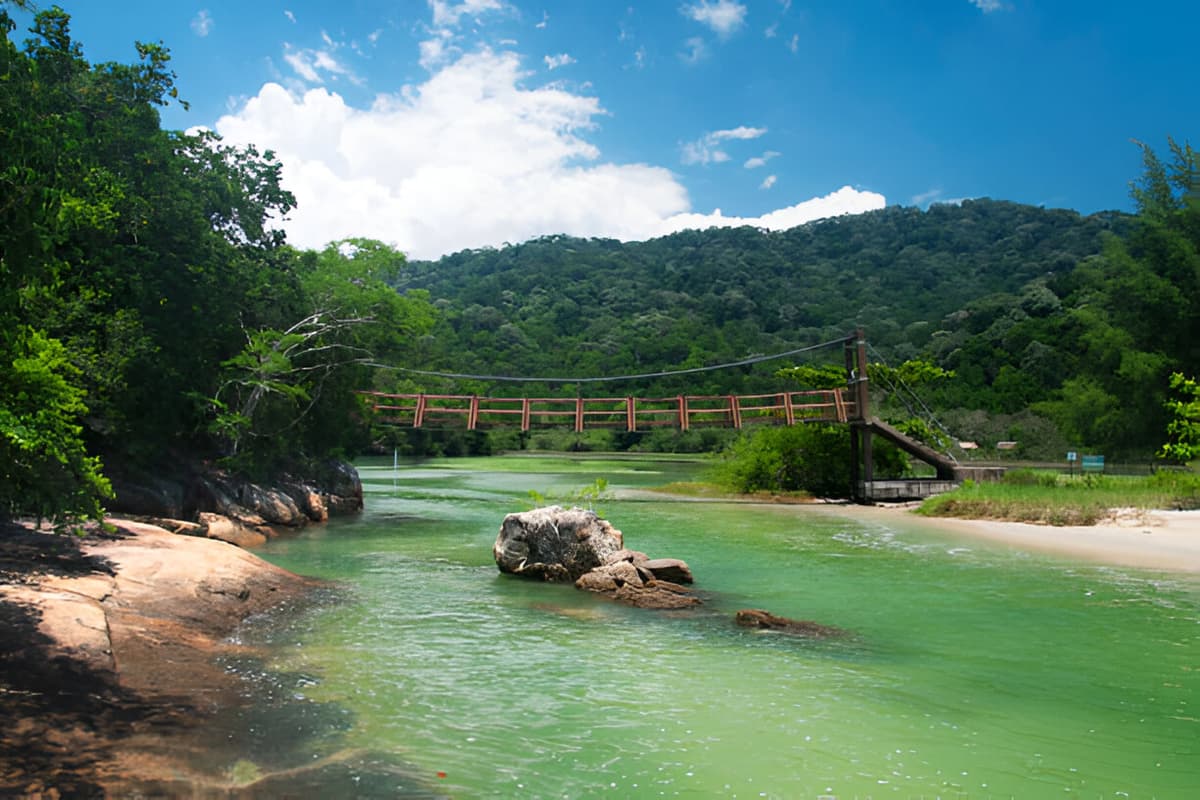
Overview of Penang National Park: Penang National Park, located on Penang Island in Malaysia, is one of the world’s smallest national parks, covering just 2,562 hectares. Despite its size, it offers an incredible range of biodiversity, making it a must-visit destination for nature lovers. Established in 2003, the park is home to a variety of ecosystems, including rainforests, mangroves, and coral reefs. Visitors can explore several trails that take them through lush greenery, pristine beaches, and diverse wildlife. Don’t miss this beautiful natural haven on your Malaysia tour package. The park is a sanctuary for both floral and faunal diversity. Its unique setting makes it a haven for birdwatching, trekking, and eco-tourism. You can enjoy the serene atmosphere, listen to the sounds of nature, and spot rare species such as the green sea turtle and the dusky leaf monkey. Penang National Park is perfect for those seeking adventure in nature while exploring Malaysia’s natural beauty. What are the Key Highlights of Penang National Park: Trekking Trails – Penang National Park features a range of scenic trails suitable for all levels of trekkers. Popular trails include the Pantai Kerachut Trail and the Teluk Duyung Trail, offering breathtaking views of the rainforest and coastal areas. Pantai Kerachut – A beautiful beach that’s only accessible by a trek through the jungle, famous for its green sea turtles nesting on the shores. Teluk Bahang Forest Reserve – A lush area of rainforest, home to diverse wildlife and the starting point for several trails. Wildlife Watching – Spot rare animals like monkeys, lizards, and a wide variety of bird species. Coral Reefs – The park also has one of the most vibrant coral reefs in Malaysia, making it a great destination for snorkelling and scuba diving. Lighthouse at Cape Rachado – An old lighthouse offering panoramic views of the surrounding coastline and the Andaman Sea. Timings & Entry Fees of Penang National Park: Timings: Penang National Park is open from 9:00 AM to 5:00 PM daily. It’s best to visit during the day when you can fully enjoy the park’s natural beauty and wildlife. Entry Fee:Malaysians: Free entryForeign Visitors: MYR 10 (approximately ₹180) for adults.Children: MYR 5 (approximately ₹90).Additional fees may apply for specific activities like boat rides or guides. Travel Tips / Essential Information for Penang National Park: Best Time to Visit: The ideal time to visit the park is during the dry season from December to February when the weather is more comfortable for outdoor activities. Dress Appropriately: Wear comfortable clothing and sturdy shoes suitable for trekking through the park’s trails. Carry Water & Snacks: It can get hot during your hike, so make sure to bring water and some snacks to keep hydrated and energized. Hire a Guide: Consider hiring a local guide to enhance your experience. They can provide interesting information about the wildlife and plants you encounter along the way. Stay on Trails: Stick to designated trails to avoid getting lost and to protect the park’s delicate ecosystem. Snorkelling and Diving: If you’re interested in snorkelling or diving, make sure to check the weather conditions beforehand. The coral reefs are best explored on calm days. Respect Nature: Be mindful of the environment. Avoid littering and refrain from disturbing wildlife. Whether you’re exploring the rainforest, relaxing on the beaches, or discovering marine life, Penang National Park offers a memorable experience for everyone. Also Read– Places To Visit in MalaysiaMust Read – Things To Do in Malaysia

Read More

Spiti’s Organic Kitchen
May 30, 20253 Minutes
Spiti’s Organic Kitchen
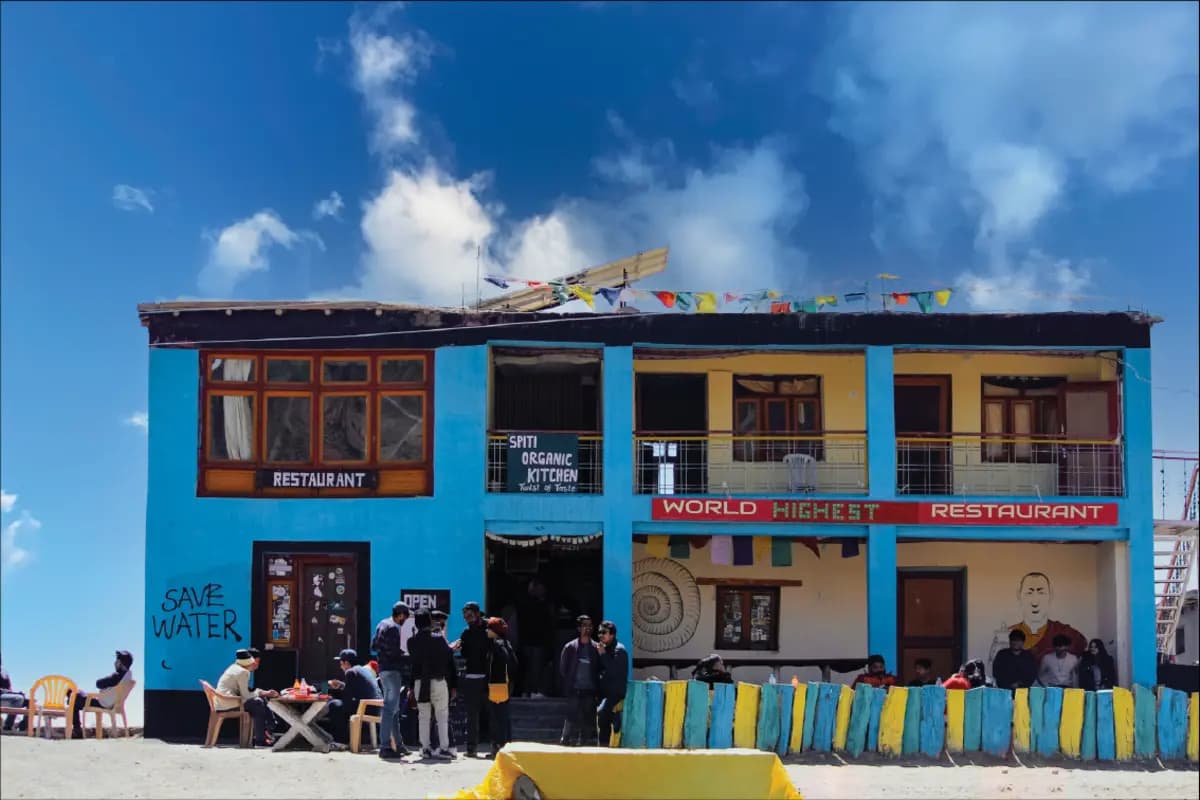
Overview of Spiti’s Organic Kitchen:Located at a height of 15,027 feet, Spiti’s Organic Kitchen in Komic Village holds the distinctive title of being the world’s highest restaurant. This hidden gem in the remote Spiti Valley serves almost all typical Himachali dishes– it’s an experience that combines stunning mountain views with authentic local flavors. The restaurant is run by local families and serves traditional Spitian dishes made from organic ingredients grown in their own fields.All Spiti Valley Packages includes Komic because it is the world’s highest motorable village, has the world’s highest restaurant, and also the surrounding wonders of the valley just mesmerize you. What makes this place truly special is its location in Komic, one of the highest villages in the world where people live year-round. The restaurant’s warm interiors, decorated with traditional Spitian artwork and prayer flags, provide a cozy shelter from the chilly mountain air.What are the Key Highlights of Spiti’s Organic Kitchen:Mountain-Top Dining Experience: Enjoy your meal at 15,027 feet while surrounded by panoramic views of the Spiti Valley. Perfect for unique Instagram shots and creating lasting memories.Traditional Spitian Cuisine: Savor authentic dishes like Thukpa, Thenthuk, and Skyu, all made from locally grown organic ingredients. The special butter tea here is a must-try.Local Cultural Immersion: Watch local women prepare traditional dishes in the open kitchen, sharing stories and cooking techniques passed down through generations.Sustainable Practices: Experience farm-to-table dining at its finest, with ingredients sourced from nearby fields.Monastery Views: Enjoy clear views of the ancient Tangyud Monastery while dining, adding a spiritual touch to your meal.Stargazing Opportunities: There are no stays near the restaurant, but there’s a monastery nearby, so if you’re a solo or nomad explorer, you can ask for a night stay to experience Stargazing. Wildlife Spotting: Keep your eyes peeled for rare Himalayan wildlife like blue sheep and snow leopard paw prints around the restaurant area.Timings & Entry Fees of Spiti’s Organic Kitchen:Open daily from 8 am to 8 pmNo entry fee requiredAverage snacks cost: INR 200-400 per personSpecial meal experiences: INR 800-1000 per personNOTE: Closed during extreme winter months (December-February)Travel Tips/ Essential information for Spiti’s Organic Kitchen:Altitude Acclimatization: Take it slow and spend at least 2-3 days in the lower regions of Spiti before visiting Komic. Carry necessary medication for altitude sickness.Weather Preparation: Pack warm clothes regardless of season. Temperature can drop suddenly, even during summer months. Carry a good quality windproof jacket.Best Time to Visit: Plan your visit between May to October when roads are accessible and the weather is relatively stable. Morning hours offer the clearest mountain views.Transport Arrangements: Book a reliable local taxi or driver as the road to Komic is challenging. Regular vehicles might not be suitable for the terrain.Cash Requirements: Carry enough cash as there are no ATMs nearby. Cards or UPI payments are not accepted at the restaurant, as there’s no network.Also Read– Places To Visit in Spiti ValleyMust Read – Things To Do in Spiti Valley

Read More

Stargazing at Spiti
May 30, 20253 Minutes
Stargazing at Spiti
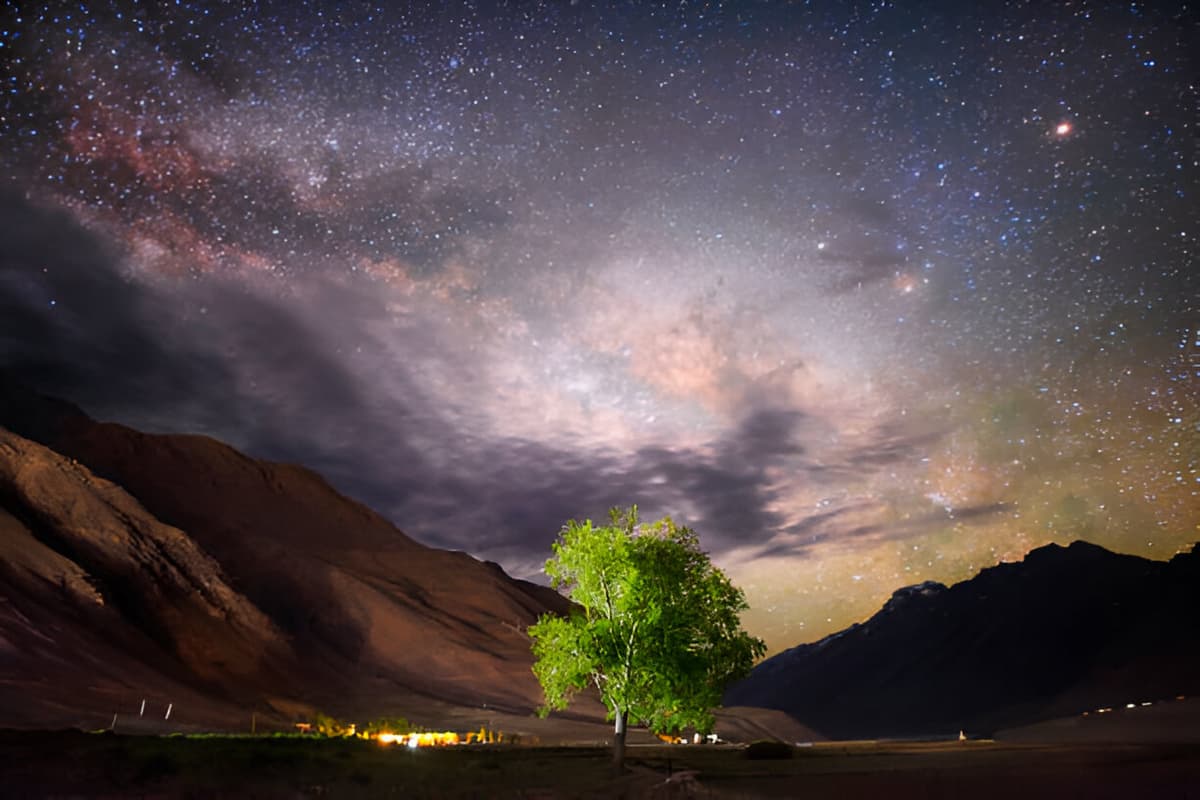
Overview of Stargazing at Spiti: Spiti Valley is located high in the Himalayas, which makes it a stargazer’s paradise. On clear nights, the sky transforms into a glittering canvas, showing off countless stars, planets, and even the Milky Way in all its glory. What makes stargazing here so special, especially in Kaza and Chandratal? These are the regions with high altitude (around 12,500 feet), extremely low light pollution, and crystal-clear mountain air that create perfect conditions for watching the night sky. To experience this phenomenal activity, Check out our Spiti Valley Packages. Local guides, who know these skies like the back of their hand, will help you spot constellations and share fascinating stories about them. You don’t need fancy equipment – just grab a warm blanket, find a cozy spot, and look up. If you have a good camera phone, you can capture these nights, using pro mode. During peak season (May to October), you might even catch sight of shooting stars or rare astronomical events. What are the Key Highlights of Stargazing at Spiti: Milky Way Magic: Get ready to see our galaxy’s spiral arm stretching across the night sky. Perfect for astrophotography enthusiasts and creating unforgettable memories. High-Altitude Observatories: Visit local observatories where guides use telescopes to show you planets, star clusters, and distant galaxies up close. Moonless Night Activities: Join special night tours during new moon phases when the sky is darkest and stars shine brightest. Traditional Star Stories: Listen to local Spitian folks share ancient tales about constellations, passed down through generations. Midnight Photography Sessions: Learn to capture stunning night sky photos with help from expert photographers who know the best spots. Camping Under Stars: Experience sleeping under the clearest night sky in special transparent-roof tents or traditional camps. Timings & Entry Fees for Stargazing at Spiti: Spiti Valley is a village and there’s no entry fee to enter the village. And Stargazing in Spiti is also free. Night camping for stargazing cost around INR 1500-3000 per night. Travel Tips/ Essential information for Stargazing at Spiti: Weather: Check weather forecasts before planning your stargazing night. Clear skies are a must for the best experience. Warm Clothing Essential: Pack multiple layers, thick jackets, gloves, and woolen caps. Nights get super cold, even in summer. Acclimatization Time: Spend at least 2-3 days getting used to the altitude before planning night activities. Basic Equipment Needed: Bring a good-quality torch, binoculars if possible, and a comfortable mat to lie down on. Photography Gear Tips: Pack a tripod, wide-angle lens, and extra batteries. Cold weather drains battery life quickly. Local Guide Benefits: Hire local guides who know secret spots and can explain astronomical events in simple terms. Health Precautions: Carry necessary medicines, especially for altitude sickness. Keep emergency numbers handy. Time Your Visit: Plan around new moon dates for the darkest skies and best star visibility. Respect Local Rules: Follow guide instructions and don’t litter. Help keep Spiti’s night sky experience pristine for future visitors. Also Read– Places To Visit in Spiti ValleyMust Read – Things To Do in Spiti Valley

Read More

Chicham Bridge
May 30, 20253 Minutes
Chicham Bridge
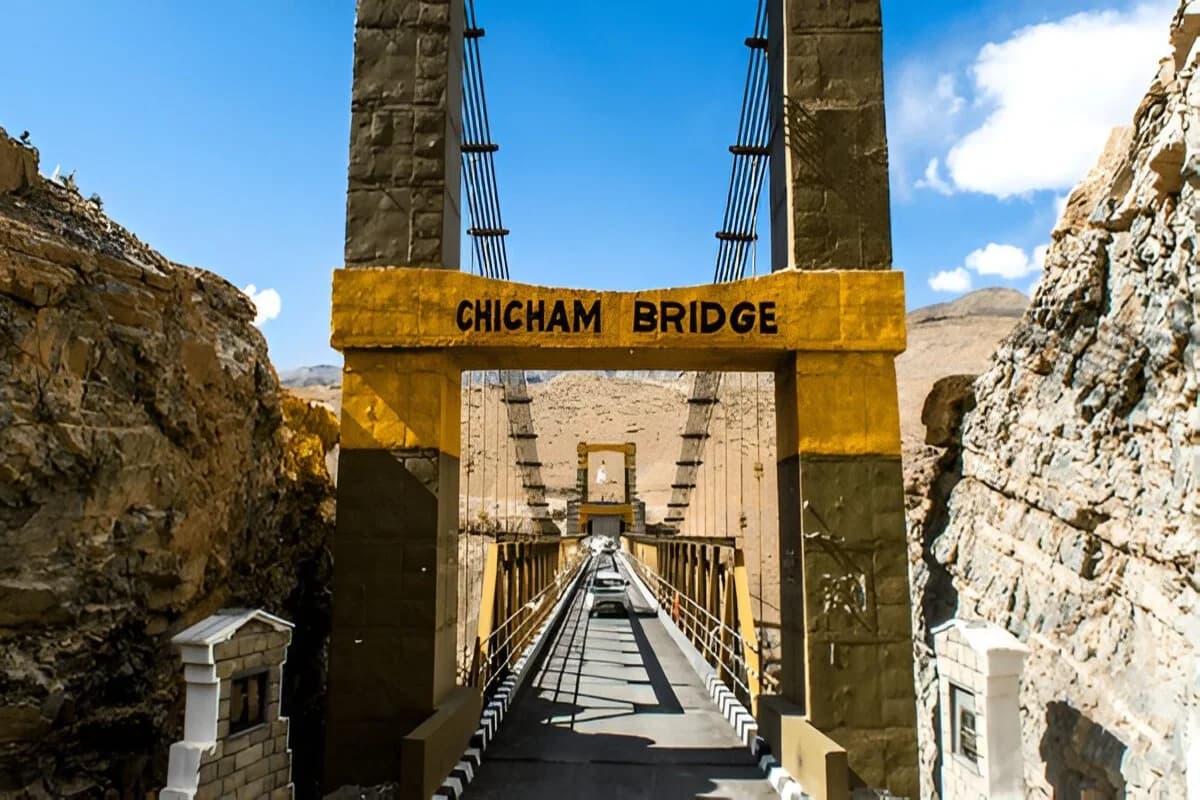
Overview of Chicham Bridge: Chicham Bridge is one of the most thrilling engineering marvels in India, standing tall at a height of 13,596 feet in the Spiti Valley. Chicham Bridge is the highest bridge in Asia. What makes it special is the heart-stopping view of the 1,000-foot drop below, which has turned it into a major attraction that is included in all Spiti Valley Packages. It’s a must-visit spot that offers both thrill and stunning views of the surrounding Himalayan landscape. Before the bridge was built in 2017, locals had to use a dangerous ropeway to cross the gorge, which often put their lives at risk. Today, this bridge has become a lifeline for the residents of Chicham village, connecting them to Kibber and other parts of Spiti Valley. What are the Key Highlights of Chicham Bridge: Spine-Chilling Height Experience: Stand at the highest bridge in Asia and feel your heart race as you look down at the 1,000-foot-deep gorge below. Perfect for adventure lovers and those seeking an adrenaline rush. Picture-Perfect Views: Capture spectacular shots of the snow-capped Himalayas, deep valleys, and the rustic charm of Spiti. The bridge offers unmatched photography spots during sunrise and sunset. Local Life Connect: Watch locals crossing the bridge with their cattle and goods, giving you a peek into the daily life of Spiti’s mountain communities. Great chance to interact with friendly locals. Ancient Monastery Visit: Take a short drive to the nearby Kibber Monastery, one of the highest monasteries in the world. Experience the peaceful Buddhist culture and ancient architecture. Wildlife Spotting: Keep your eyes open for rare Himalayan wildlife like the snow leopard, blue sheep, and Himalayan griffon vultures that are often spotted in this area. Timings & Entry Fees for Chicham Bridge: The bridge is open 24/7 and is free to access. However, during heavy snowfall in winter (December-February), access is restricted. It’s best to visit during daylight hours (9 am to 5 pm) for safety and better views. Travel Tips/ Essential information for Chicham Bridge: Weather: Pack warm clothes as temperatures can drop suddenly. Mornings and evenings are particularly cold, even in summer. Carry a windproof jacket and gloves. Altitude Matters: Take it slow as the high altitude can cause breathing problems. Spend at least a day in Kaza to acclimatize before visiting the bridge. Carry basic medicines for altitude sickness. Best Timing: Visit between May to October when the weather is pleasant and the roads are clear. July-August might see some rainfall, making the roads slippery. Stay Options: Book your stay in Kibber or Kaza as there are no hotels near the bridge. Both places offer basic guesthouses and homestays at reasonable prices. Transportation Tips: Hire a local taxi or driver who knows the mountain roads well. Self-driving can be tricky on these narrow mountain roads. Safety First: Don’t lean over the bridge railings for photos. The strong winds can be dangerous. Follow local guidelines and don’t stop vehicles on the bridge. Phone Network: Phone networks are weak. Only BSNL works in this area, and that too with limited connectivity. Also Read– Places To Visit in Spiti ValleyMust Read – Things To Do in Spiti Valley

Read More

Tungnath Trek
May 30, 20253 Minutes
Tungnath Trek
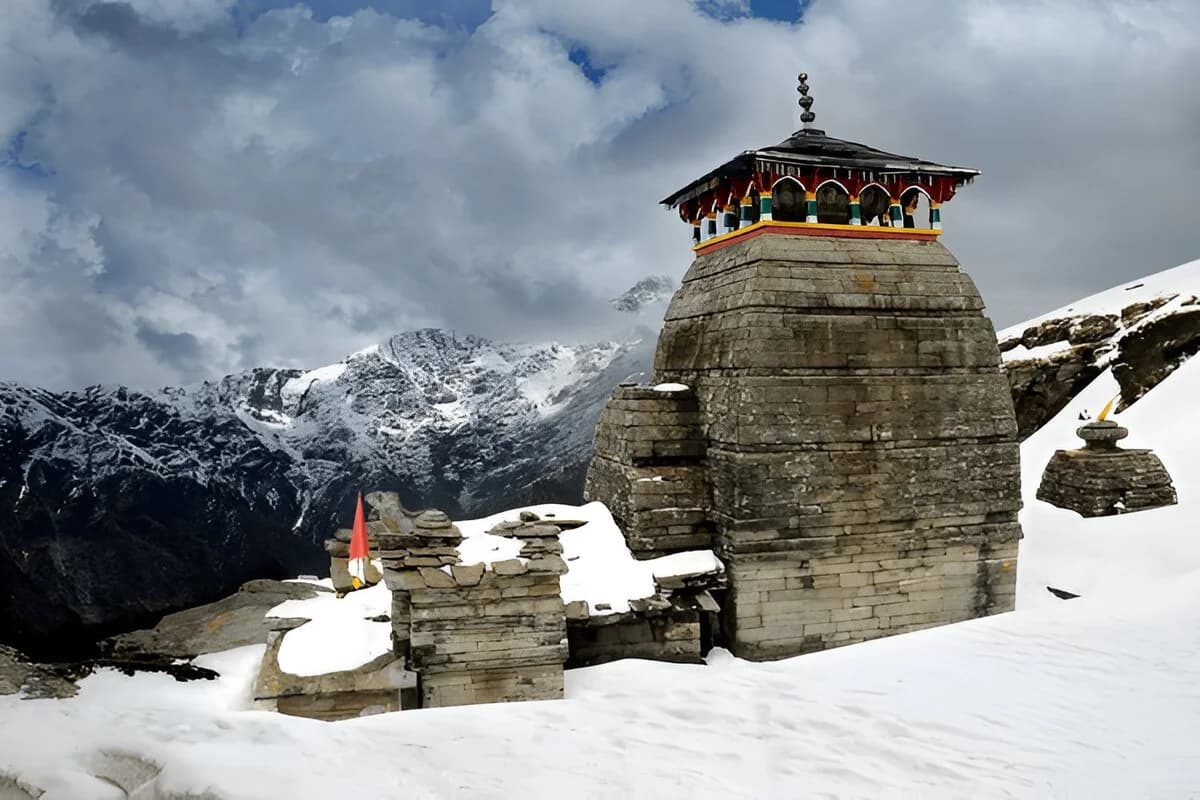
Overview of Tungnath Trek: Tungnath is the highest of the Panch Kedar temples, sitting at 3,680 meters in Uttarakhand’s Rudraprayag district. The trek to Tungnath begins from Chopta, often called the ‘Mini Switzerland of India.’ The 3.5 km trek is quite easy and can be done by beginners too. Along the way, you’ll see breathtaking views of famous Himalayan peaks like Nanda Devi, Chaukhamba, and Kedarnath. Many Chopta Tour Packages include this trek as a must-visit spot for those looking for adventure and peace. Besides its spiritual importance, this trek is a paradise for nature lovers. The path is surrounded by green meadows, colourful rhododendron flowers, and a variety of birds. The temple, which is over 1,000 years old, is strongly connected to the Pandavas from the Mahabharata. If you want an extra challenge, you can continue your journey to Chandrashila, a summit offering a 360-degree view of the majestic Himalayas.  What are the Key Highlights of Tungnath Trek: Highest Shiva Temple: Tungnath is the tallest temple dedicated to Lord Shiva in the world. Easy and Scenic Trek: A 3.5 km trek from Chopta, suitable for all skill levels. Amazing Himalayan Views: You can see peaks like Nanda Devi, Trishul, Chaukhamba, and Kedarnath. Spiritual Importance: It is linked to the Mahabharata, as the Pandavas are believed to have worshipped Lord Shiva here. Beautiful Nature: The trail is filled with green meadows, rhododendron trees, and rare bird species. Chandrashila Summit: A short trek from Tungnath that offers breathtaking sunrise views. Trek All Year Round: Visit in summer for lush greenery or in winter for a snow-filled adventure. Timings & Entry Fees of Tungnath Trek: Temple Timings: Open from April to November, usually from 6:00 AM to 7:00 PM. Entry Fees: No entry fee for the trek or temple visit. Best Time to Visit: April-June for great weather, and November-March if you love snow-covered landscapes. Travel Tips & Essential Information for Tungnath Trek: Fitness Level: It’s an easy-moderate trek, but some level of fitness will help. Altitude Precaution: Take breaks and stay hydrated to avoid altitude sickness. Ideal Trekking Season: Visit in spring (April–June) for green landscapes or winter (December–March) for snow. Weather Readiness: The weather can change quickly, so carry warm clothing even in summer. Trekking Essentials: Wear good shoes, carry trekking poles, and keep snacks, water, and a first-aid kit handy. Stay Options: A few guesthouses and campsites are available in Chopta; booking in advance is best. Respect Nature: Do not litter, respect the local culture, and be mindful of the environment. How to Reach: Haridwar (225 km) is the nearest railway station, and the closest airport is Jolly Grant Airport, Dehradun (250 km). Chopta is easily accessible by road from major cities in Uttarakhand. If you’re looking for a mix of adventure, spirituality, and natural beauty, Tungnath Trek is the perfect choice! Also Read: Places to Visit in ChoptaMust Read: Things to do in Chopta

Read More

Kedarnath Temple
May 30, 20253 Minutes
Kedarnath Temple
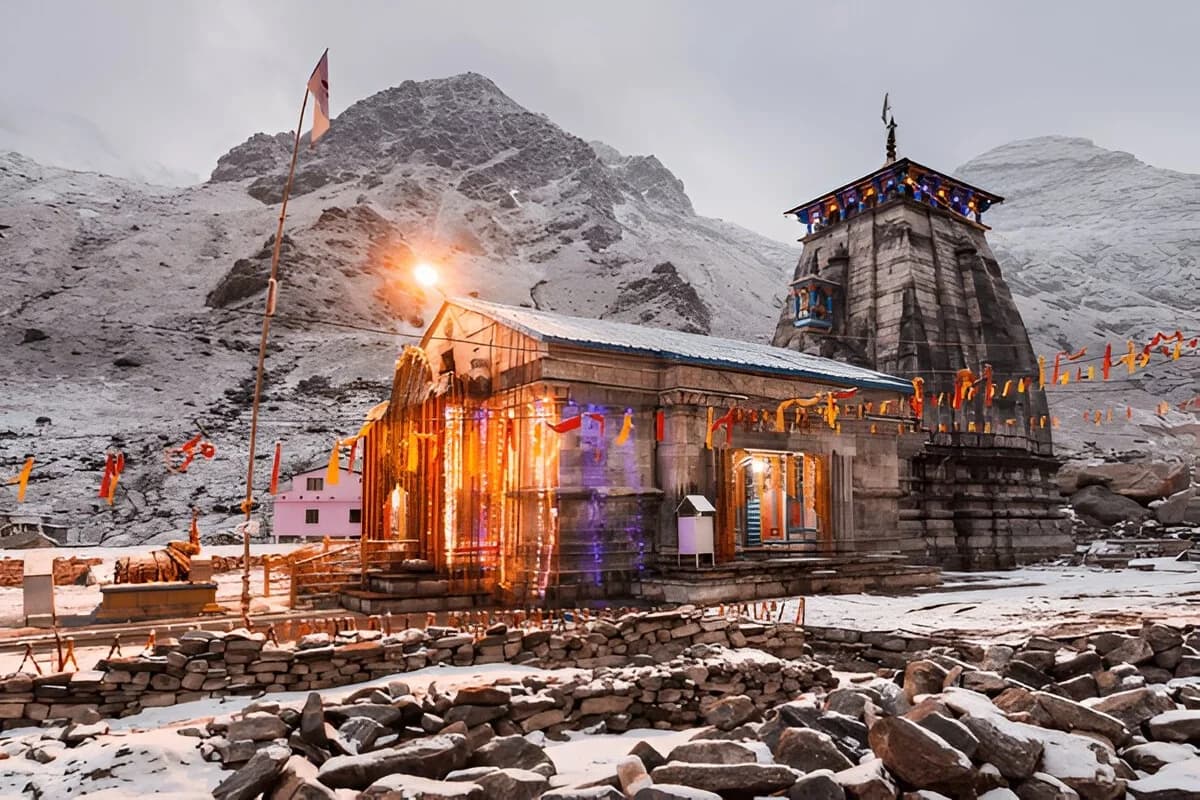
Overview of Kedarnath Temple: Kedarnath is a very special place for those who believe in Lord Shiva. It is located at 3,583 meters above sea level and is one of the holiest Hindu temples. The temple was originally built by the Pandavas from the Mahabharata and later restored by Adi Shankaracharya in the 8th century. People from all over India come to pray here. Due to heavy snowfall, the temple opens in May and closes in November. In the winter months, the idol of Lord Shiva is moved to Ukhimath, where devotees continue to worship him. Many Chardham tour packages are available that include a visit to Kedarnath, offering a spiritually enriching journey through the sacred shrines of Uttarakhand. The journey to Kedarnath starts from Gaurikund, the last motorable point. From there, visitors have to walk 16 km to reach the temple. For those who cannot trek, helicopter services, ponies, and palanquins are also available. The temple is surrounded by breathtaking mountains covered in snow, and the Mandakini River flows nearby, adding to its beauty. The spiritual atmosphere, combined with nature’s charm, makes Kedarnath a truly divine experience. What are the Key Highlights of Kedarnath Temple: One of the 12 Jyotirlingas: A highly sacred place for Lord Shiva devotees. Part of the Char Dham Yatra: One of the four important pilgrimage sites in Uttarakhand. Surrounded by the Himalayas: The temple is set against breathtaking snow-capped mountains. Peaceful & Spiritual Atmosphere: Many devotees feel a deep connection with Lord Shiva here. Trekking & Adventure: The 16 km trek is full of natural beauty. Alternative Travel Options: Helicopter rides, ponies, and palanquins are available. Winter Worship in Ukhimath: The deity is shifted here during the winter. Mythological Significance: Believed to be built by the Pandavas to seek forgiveness from Lord Shiva. Adi Shankaracharya’s Samadhi: A sacred site near the temple where the great saint attained salvation. Timings & Entry Fees for Kedarnath Temple: Temple Timings: 4:00 AM – 9:00 PM (May to October) Entry Fees: Free for temple entry; trekking and transport services have separate charges. Best Time to Visit: May – June: Best time for a comfortable journey. September – October: Less crowded and beautiful weather. Travel Tips & Essential Information for Kedarnath Temple: Acclimatization Required: Since Kedarnath is at a high altitude, takes time to adjust. Weather Precautions: Carry warm clothes as temperatures drop suddenly. Accommodation: Simple guesthouses and dharamshalas are available. Food Availability: Basic vegetarian food is served at small eateries. Respect Local Traditions: Follow temple rules and help keep the surroundings clean. Carry Essentials: Always keep medicines, a flashlight, and extra batteries. Book Accommodations in Advance: Due to high demand, finding a place to stay can be difficult. Avoid the Monsoon Season: Heavy rainfall makes the journey risky due to landslides. Stay Hydrated: Due to the altitude, dehydration can happen quickly, so drink plenty of water. Temple Rituals: Attend the morning and evening aarti for a truly divine experience. Visiting Kedarnath is not just a trip; it is a spiritual journey that fills the heart with peace and devotion. Whether you go for faith, adventure, or to enjoy the beauty of nature, Kedarnath is a place that stays with you forever. Also Read: Places to Visit in Chardham YatraMust Read: Things to do in Chardham Yatra

Read More

Trishul Peak, Uttarakhand
May 30, 20254 Minutes
Trishul Peak, Uttarakhand
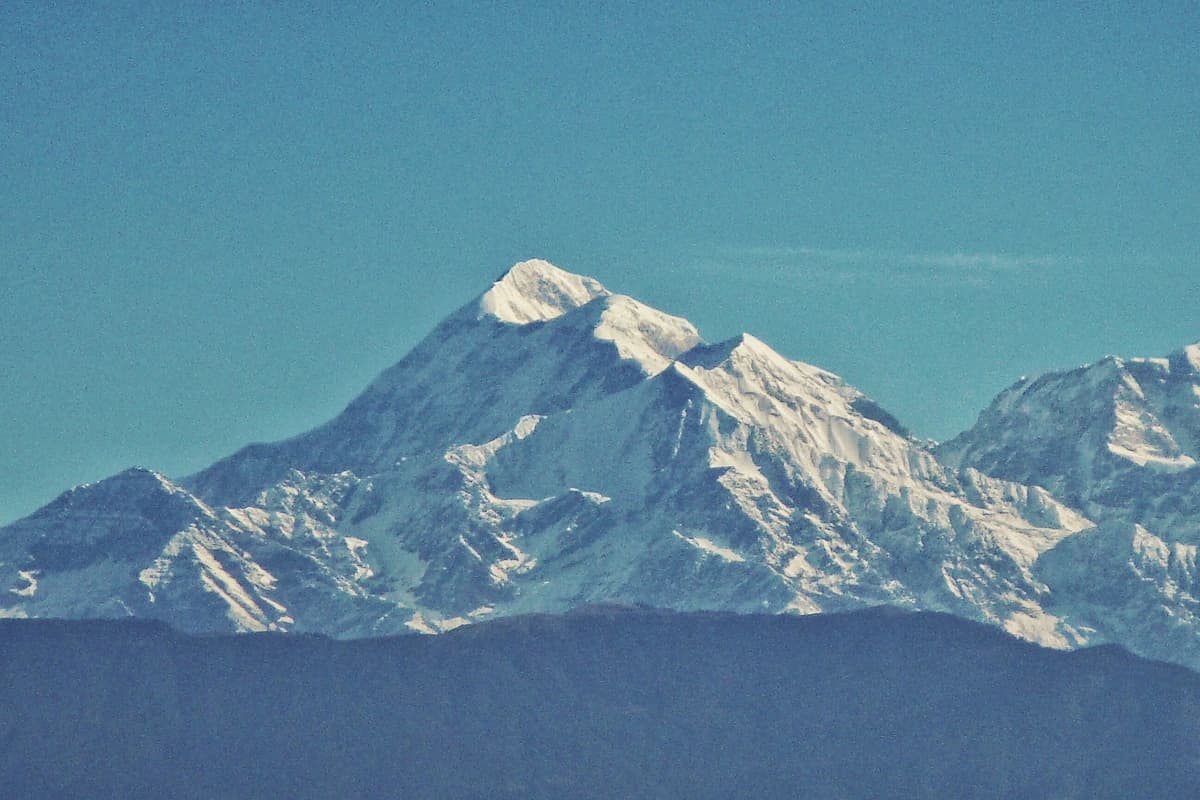
Overview of Trishul Peak: Trishul, standing at an elevation of 7,120 meters (23,360 feet), is part of the Garhwal Himalayan range in Uttarakhand. Its name, derived from the trident of Lord Shiva, reflects its spiritual significance, as it is believed to be the dwelling place of the mighty deity. Trishul is not just a mountain for trekkers but a revered site for Hindus. The striking trident-like summit makes the peak easily identifiable and adds to its mystical allure. The journey to Trishul starts from the nearby town of Nandprayag, which is around 35 kilometres from Chopta. The trek to the base camp is challenging and requires a good level of fitness and preparation. Along the way, trekkers are treated to views of pristine alpine meadows, dense forests, and glaciers. While the peak is not typically scaled by amateur trekkers due to its high difficulty level, the base camp itself offers an unforgettable experience for adventurers. For those visiting Trishul, Chopta tour packages are a great way to explore not only the peak but also the scenic beauty of Chopta, often referred to as the “Mini Switzerland of India.” The region offers various trekking options, wildlife sightings, and serene landscapes, making it a perfect addition to any trip focused on nature and adventure. Chopta serves as a base for those planning to explore Trishul and its surrounding areas. What are the Key Highlights of Trishul Peak: Majestic Trident Shape: Trishul’s distinct trident-shaped summit is a striking visual that stands out in the landscape of the Himalayas. Spiritual Significance: The peak is associated with Lord Shiva, symbolizing power and divine energy. Trekking Adventures: Trishul offers trekking routes for seasoned adventurers, with the base camp being the primary destination for most trekkers. Scenic Views: The trek to Trishul offers breathtaking views of snow-capped peaks, alpine meadows, and valleys. Base Camp Experience: While summiting Trishul is extremely challenging, reaching its base camp gives trekkers a thrilling and rewarding experience. Proximity to Chopta: Located near Chopta, visitors can enjoy a variety of outdoor activities, such as trekking, birdwatching, and photography. Chopta’s Natural Beauty: Known for its lush green meadows, dense forests, and panoramic mountain views, Chopta is the ideal destination for nature lovers. Timings & Entry Fees for Trishul Peak: Timings: There are no specific timings for Trishul itself, but trekkers typically start their journey early in the morning from Nandprayag to reach the base camp by evening. Entry Fees: There is no entry fee for the trek, but permits may be required for certain areas. Travel Tips & Essential Information for Trishul Peak: Fitness Level: The trek to Trishul is strenuous and requires a high level of physical fitness and proper preparation. Acclimatization: The altitude at Trishul requires proper acclimatization. It is essential to spend time at lower altitudes to avoid altitude sickness. Weather Precautions: Carry warm clothing as temperatures can drop drastically, especially at higher altitudes. Local Accommodation: Basic guesthouses and campsites are available along the trekking route, but it is best to book in advance during peak seasons. Respect Nature: Carry your trash back, respect local wildlife, and maintain the pristine beauty of the region. Guides & Porters: Hiring a local guide or porter is recommended for safety, navigation, and carrying heavy loads. Pack Essentials: Essential items include trekking shoes, a flashlight, a first aid kit, water bottles, snacks, and extra layers for warmth. Travel Insurance: It is advisable to have travel insurance covering high-altitude trekking, accidents, and emergency evacuation. Trishul is not just a mountain; it is a symbol of divine power and adventure. For trekkers, the challenge of reaching the base camp is one of the most rewarding experiences in the Indian Himalayas. For those with spiritual inclinations, the connection to Lord Shiva and the serene environment is deeply moving. Also Read: Places to Visit in ChoptaMust Read: Things to do in Chopta

Read More

Nanda Devi
May 30, 20253 Minutes
Nanda Devi
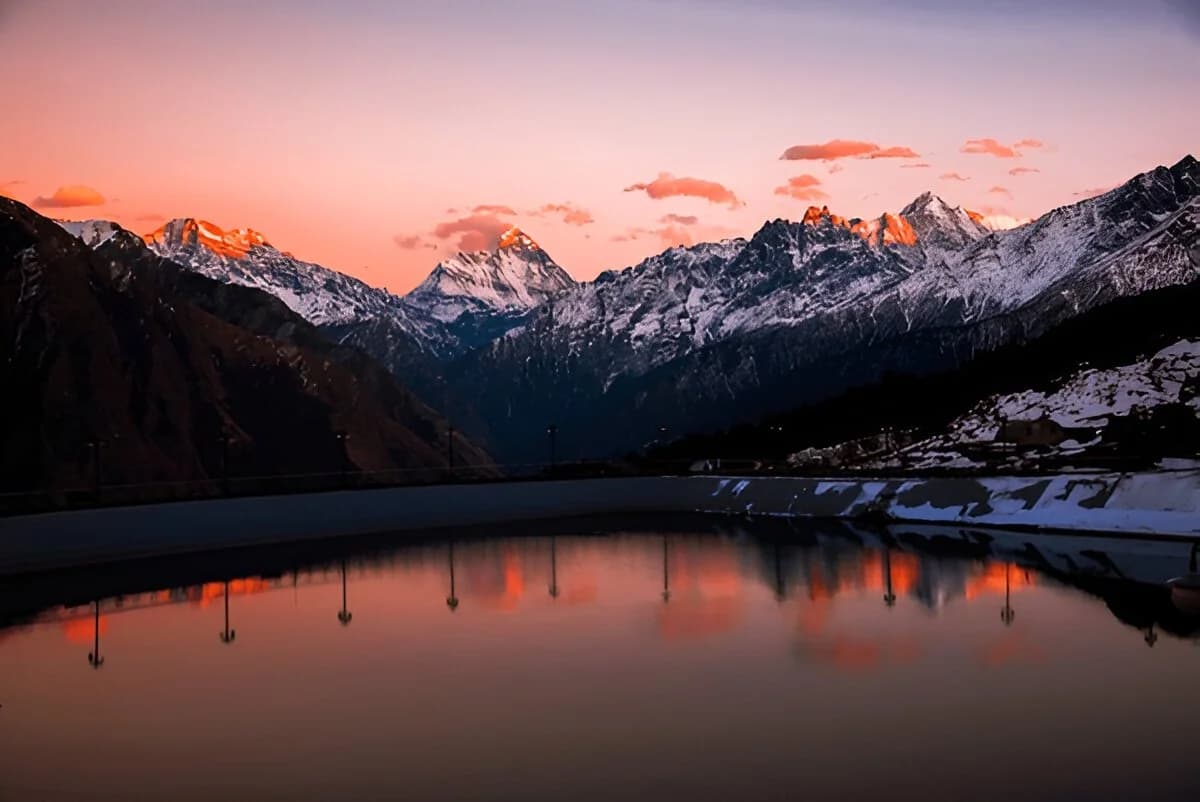
Overview of Nanda Devi: Nanda Devi is India’s second-highest peak and a gem of the Garhwal Himalayas in Uttarakhand. The mountain has a height of 7,816 meters, and named after the Hindu goddess Nanda, holds deep religious significance for locals who worship it as the blessed abode of their patron deity (Protector). Its striking twin peaks and challenging terrain have drawn mountaineers from across the globe, making it one of the most sought-after climbing destinations in the Indian Himalayas. Nanda Devi Trek has become popular among all Chopta Tour Packages. The mountain sits within the Nanda Devi National Park, a UNESCO World Heritage site, home to rare Himalayan wildlife like snow leopards, Himalayan musk deer, and numerous bird species. The peak remained isolated for years due to its difficult approach through the Rishi Gorge, adding to its beauty. The first successful climb was achieved in 1936 by a British-American expedition, and since then, it has remained a symbol of ultimate mountaineering challenges in India. What are the Key Highlights of Nanda Devi: Spectacular Twin Peaks: Get the main peak views and its eastern summit, a unique double-peaked mountain that’s visible from miles away. Wild-Ruggged Beauty: Explore the surrounding sanctuary with its untouched forests, alpine meadows, and glaciers. Spot rare Himalayan flora and fauna in their natural habitat. Local Culture & Spirituality: Experience the deep-rooted cultural traditions of nearby villages where locals consider the peak as their protecting goddess. Visit small temples dedicated to Nanda Devi. Rishi Gorge Adventure: Witness one of the most challenging mountain approaches in the world – a deep, narrow gorge that kept the peak isolated for years. Base Camp Trek: Take the trek to the base camp area for stunning views of the peak and surrounding mountains. Great for both amateur and experienced trekkers. Biodiversity Hotspot: Being inside the National Park, you can explore over 312 floral species and diverse wildlife including bharal, musk deer, and Himalayan tahr. Timings & Entry Fees of Nanda Devi: 1. Entry to Nanda Devi National Park: INR 50 for Indians, INR 150 for foreigners2. Camera charges: INR 50 for still camera3. Video camera: INR 5004. Park timing: 6 am to 5 pm (May to October)5. Trekking costs: Starts from INR 34,000 (NOTE: Permits are required for trekking and mountaineering from the Indian Mountaineering Foundation) Travel Tips & Essential Information for Nanda Devi: Best Time to Visit: Plan your trip between May to October when weather conditions are most favorable. Avoid monsoon season (July-August) due to landslide risks. Essential Permits: Get necessary permits from the Forest Department and IMF (Indian Mountaineering Foundation) well in advance. Carrying permit copies is mandatory. Altitude Preparation: Spend at least 2-3 days acclimatizing in nearby towns like Joshimath or Auli before attempting any treks. Carry basic medication for altitude sickness. Local Guide Requirement: Hiring a local guide is mandatory for entering the sanctuary. They know the terrain and local weather patterns best. Fitness Matters: Start basic fitness training at least two months before your visit. Focus on cardiovascular exercises and strength training. Packing Tips: Carry warm clothes, good quality trekking shoes, rain gear, and basic first aid. Don’t forget camping gear if planning overnight stays. Respect Local Customs: The area is considered sacred. Respect local traditions and avoid carrying non-vegetarian food near temple areas. Also Read: Places to Visit in ChoptaMust Read: Things to do in Chopta

Read More

Deoria Taal
May 30, 20253 Minutes
Deoria Taal
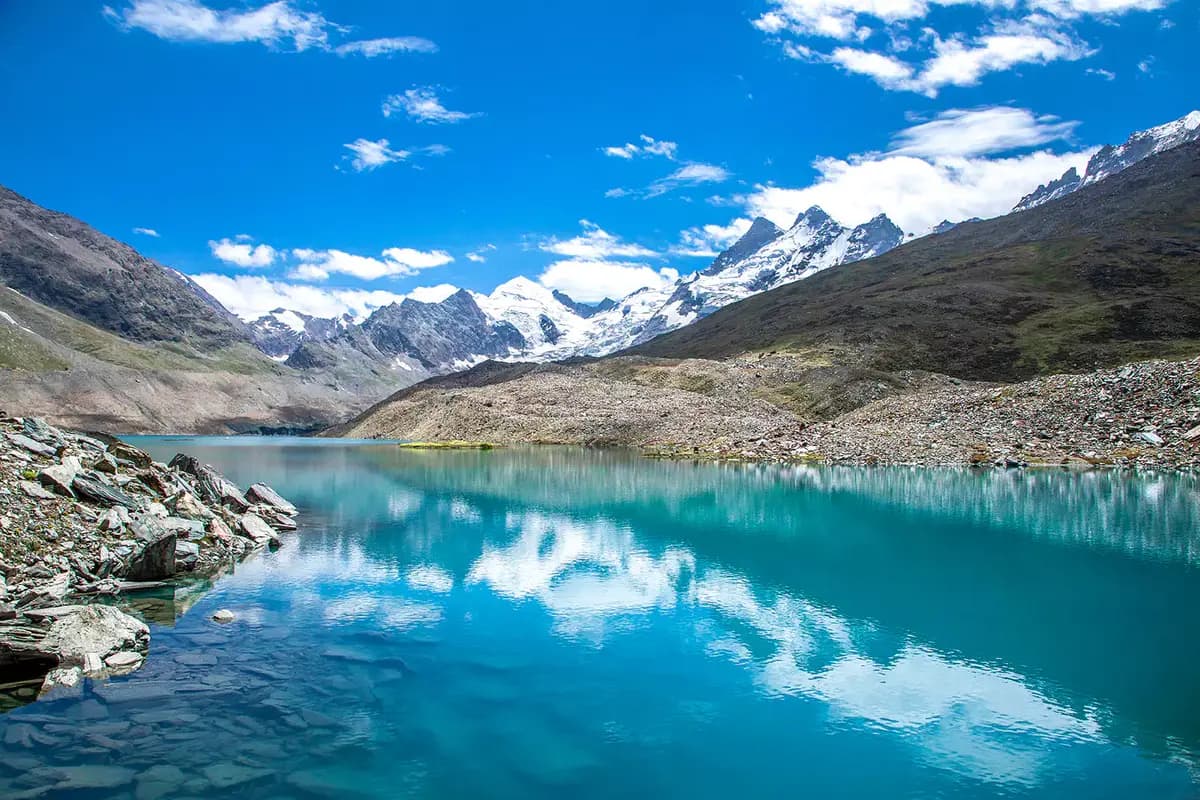
Overview of Deoria Taal: Deoria Tal is a beautiful high-altitude lake located in the Garhwal Himalayas of Uttarakhand, at 2,438 meters above sea level. This lake is like nature’s mirror, perfectly reflecting the mighty Chaukhamba peaks when the weather is clear. Many locals believe the lake has religious importance as they say the Devas (Gods) used to take a dip in its pure waters. This lake is super special because of its easy trek – just a 2 km hike that even beginners can handle. It’s becoming a hot favorite among travelers looking for weekend getaways from Delhi and nearby cities. If you’re planning to explore this region, check out our Chopta Tour Packages, and add Deoria tal to your list. You can camp by the lakeside and wake up to some of the most incredible sunrise views you’ll ever see. During clear weather, you can spot major peaks like Chaukhamba, Nilkantha, Bandarpunch, and even the Yellow Tooth. What are the Key Highlights of Deoria Taal: Magical Mirror Lake: Watch in amazement as the still waters create perfect reflections of snow-capped peaks. The best time to catch this view is early morning when there’s no wind. Perfect Camping Spot: Set up your tent by the lake and spend a night under the stars. The clear night sky here offers amazing stargazing opportunities. Photography: Capture the golden hours when the sun paints the mountains in gorgeous colors. The lake offers perfect frame-worthy shots during sunrise and sunset. Easy Trek Route: Unlike many Himalayan treks, this one’s perfect for beginners. Just 2 km of moderate climbing gets you to this heavenly spot. Local Village Experience: Visit nearby Sari village to experience the simple mountain life and taste local Garhwali food. Mountain Views: Get clear views of famous peaks like Chaukhamba, Nilkantha, and Bandarpunch all from one spot. Timings & Entry Fees of Deoria Taal: 1. Entry Fee: INR 150 per person2. Camping Charges: INR 50 per tent3. Timings: Open 24 hours (recommended to reach before sunset)4. Forest Permission: Required for camping, available at the base village Sari5. Camera Fee: INR 500 for professional photography Travel Tips & Essential Information for Deoria Taal: Best Time to Visit: March to May and September to November offer the clearest views and comfortable weather for trekking. Accommodation Options: Basic homestays and camps are available in Sari village. Camping equipment can be rented from local shops. Essential Packing: Carry warm clothes, good trekking shoes, raincoats, a torch, and basic medicines. Don’t forget your camera! Weather: Always check weather forecasts before starting the trek. Avoid during heavy monsoon months. Physical Fitness: Though it’s an easy trek, a basic fitness level is needed. Take breaks if you’re not used to hiking. Local Guide Benefits: Hiring a local guide helps you learn about local stories and spot the best photography points. Water Availability: Carry your own water for the trek. Fill up at Sari village before starting. Starting Point: Begin early from Sari village to catch the morning views. The trek usually takes 1.5-2 hours one way. Also Read: Places to Visit in ChoptaMust Read: Things to do in Chopta
Read More

Chaukhamba
May 30, 20253 Minutes
Chaukhamba
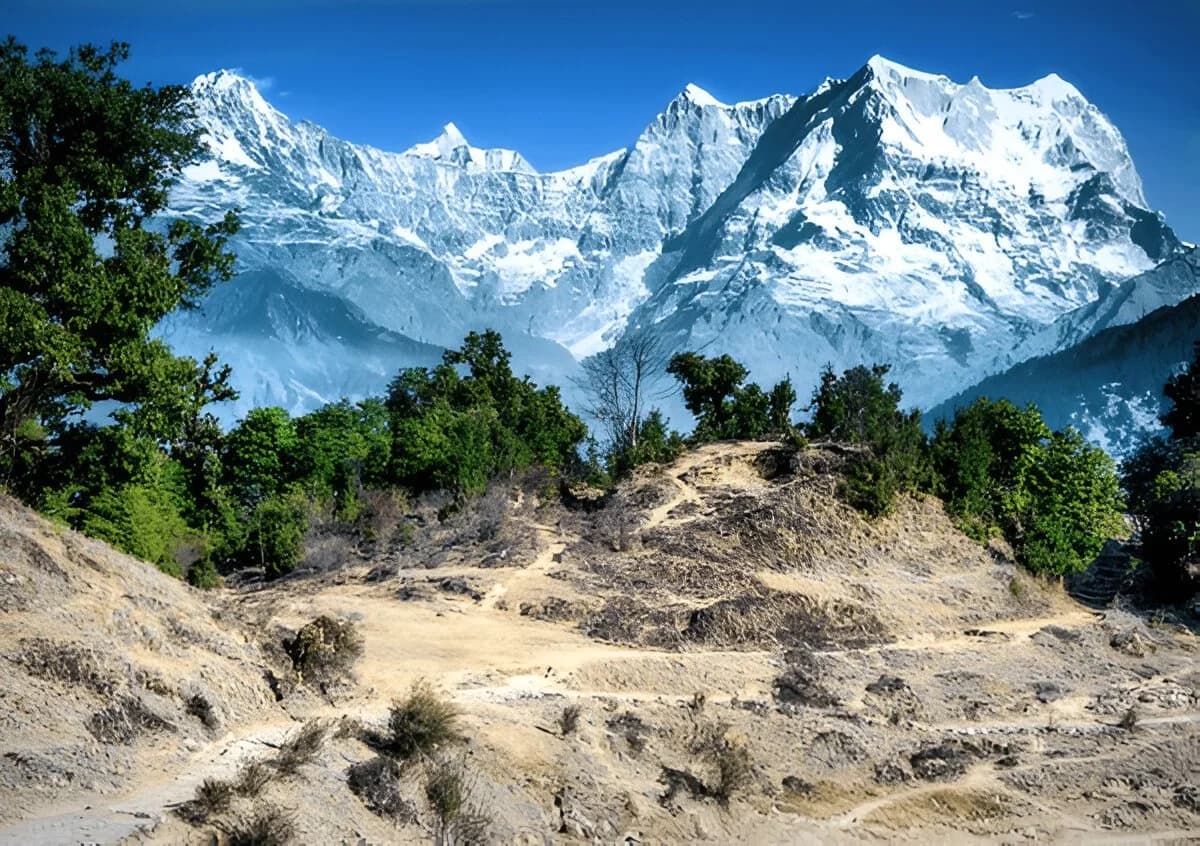
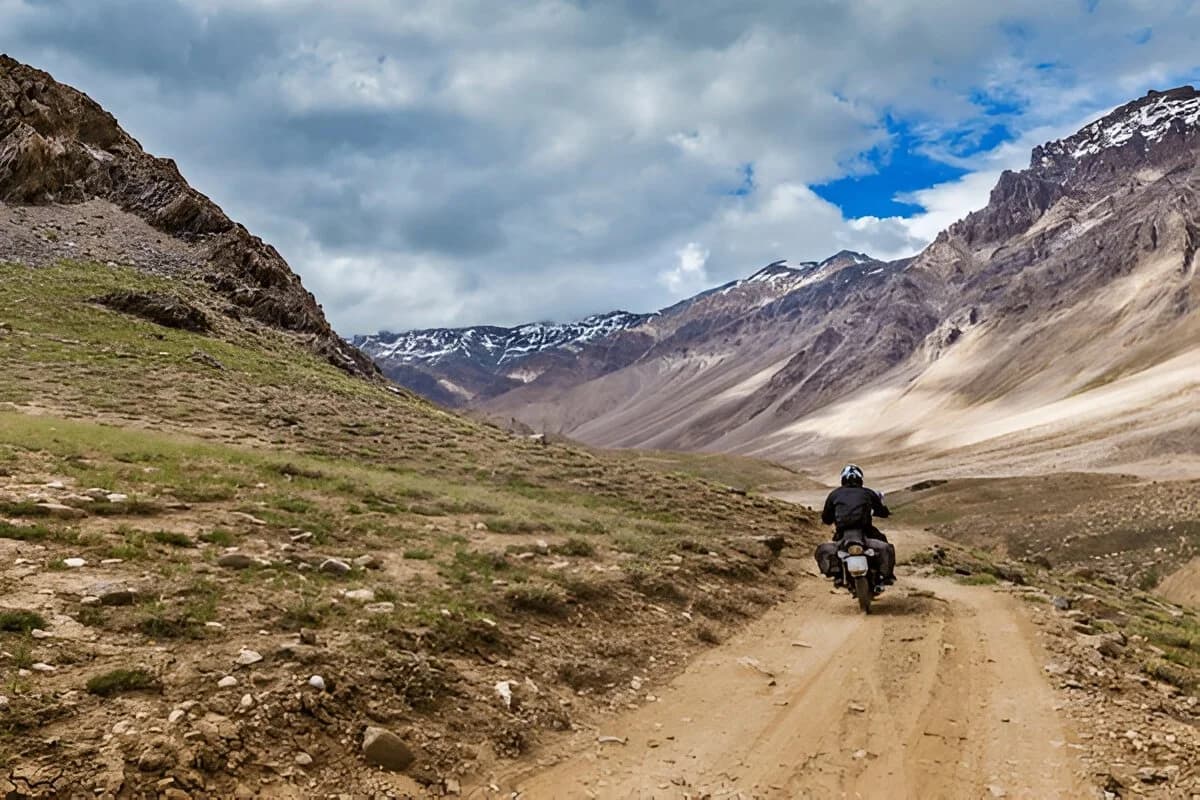
Overview of Chaukhamba: The Chaukhamba peaks, standing tall at an elevation of 7,138 meters, are among the most striking mountain massifs in the Garhwal Himalayas of Uttarakhand. These four magnificent peaks, whose name literally means “four pillars” in Hindi, are a sight that has captivated mountaineers and nature lovers for generations. The main peak, Chaukhamba I, along with its three siblings, forms a background to the sacred Kedarnath Temple, making it a significant landmark in both mountaineering and spiritual contexts. For those looking to explore the Garhwal region through Chopta Tour Packages, the Chaukhamba peaks offer an unforgettable experience. The mountains are best viewed from Tungnath Temple, the highest Shiva temple in the world, where their snow-covered summits pierce the sky like ancient guardians. The first successful climb of Chaukhamba I was achieved in 1952 by a Swiss team, and since then, these peaks have become a dream destination for serious mountaineers and high-altitude climbers. What are the Key Highlights of Chaukhamba: Spectacular Sunrise Views: Wake up early to catch the first rays of sun hitting the Chaukhamba peaks, turning them into golden pillars. Challenging Climbing Routes: For experienced mountaineers, Chaukhamba offers technical climbing opportunities through various routes, with the northwest face being the most popular. Rich Wildlife Sightings: Spot Himalayan monal, brown bear, and snow leopard tracks in the surrounding Kedarnath Wildlife Sanctuary. Sacred Connection: Visit the ancient Tungnath temple at the base, where the peaks serve as a divine backdrop. Meadow Experiences: Explore the beautiful bugyal (high-altitude meadow) near the base, blooming with rare Himalayan flowers during the summer months. Photography: Capture the changing moods of the peaks throughout the day – from misty mornings to golden evenings. Timings & Entry Fees of Chaukhamba: No entry fee is required to view the Chaukhamba peaks. However, for mountaineering expeditions, permits from the Indian Mountaineering Foundation (IMF) are mandatory. Costs vary between INR 15,000 to INR 50,000 depending on the route and season Travel Tips & Essential Information for Chaukhamba: Best Visiting Season: Plan your visit between May to June or September to October for clear views and stable weather conditions. Avoid monsoon months (July-August). Acclimatization is Key: Spend at least 2-3 days in nearby towns like Chopta or Ukhimath before attempting higher altitudes. Helps prevent altitude sickness. Essential Gear Needed: Pack warm clothes, good quality trekking shoes, and rain protection gear. Temperatures can drop significantly even during summer months. Local Guide Requirement: Hire local guides for treks and expeditions. They know the terrain well and can share interesting local stories. Medical Preparations: Carry basic medicines, especially for altitude sickness. The nearest medical facilities are in Gopeshwar, 40 km away. Physical Fitness: A good fitness level is required even for viewing treks. Practice cardio exercises before your trip. Also Read: Places to Visit in ChoptaMust Read: Things to do in Chopta
Read More

Sari Village
May 30, 20253 Minutes
Sari Village
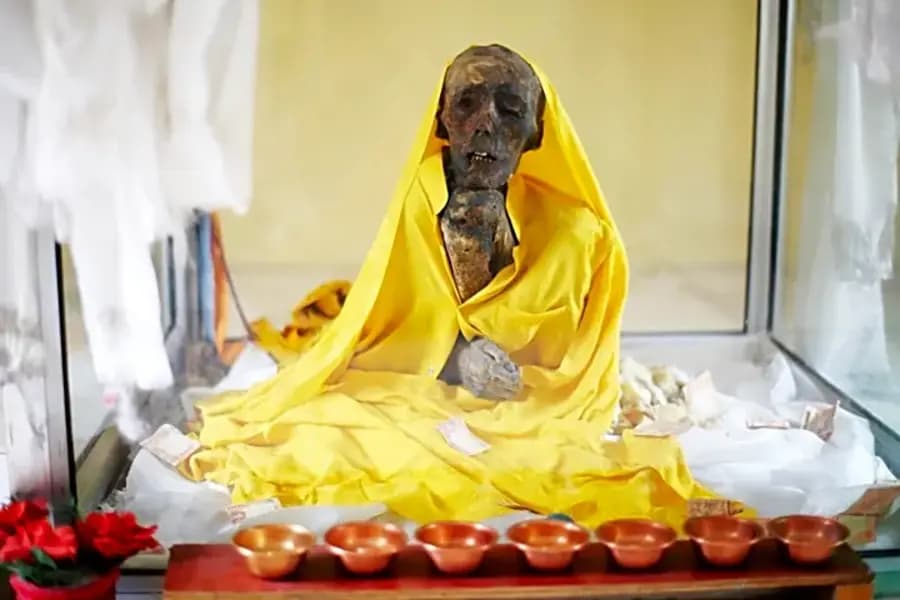
Overview of Sari Village: Sari Village is a hub where travelers stay when they come to Chopta. In the Garhwal Himalayas of Uttarakhand, it is a hamlet that serves as the starting point for the famous Deoriatal-Chandrashila trek. This village, sitting at an altitude of 6,601 feet, offers stunning views of snow-clad peaks and dense forests. Famous for its peaceful atmosphere and traditional Garhwali culture, Sari Village gives you a real taste of mountain life. It is also a gateway to some of the treks in Uttarakhand like Tungnath, Chandrashila, and Deorital. When you’re planning your next mountain getaway, consider our Chopta Tour Packages to explore Sari Village. The village is home to friendly locals who still maintain their age-old traditions and customs. The houses here are built in typical Garhwali architecture, with slate roofs and stone walls. During spring, the surrounding meadows burst into life with colorful flowers, while winter transforms the landscape into a snowy wonderland. What are the Key Highlights of Sari Village: Gateway to Deoriatal Trek: Start your adventure to the crystal-clear Deoriatal Lake from here. Perfect for both beginners and experienced trekkers, with stunning views of Chaukhamba peaks. Traditional Garhwali Houses: Walk through the village to see authentic mountain homes with their unique architecture. Great chance to click photos of wooden carved windows and doors. Local Farming Experience: Watch locals working in their step farms and apple orchards. You can even join them during harvest season to learn traditional farming methods. Mountain Views: Wake up to breathtaking views of Nanda Devi, Trishul, and Chaukhamba peaks right from the village. Best spot for sunrise photography. Homestay Culture: Stay with local families to enjoy home-cooked Garhwali food and learn about mountain life. Local Temple Visit: Check out the ancient village temple dedicated to the local deity. The temple architecture shows the amazing woodwork skills of local artisans. Timings & Entry Fees of Sari Village: No entry fee is required to visit Sari Village. Homestays cost between INR 800-1,500 per night including meals. Most shops and facilities operate from sunrise to sunset. For trek permits (if planning a Deoriatal trek), visit the entry point of the trek between 8 am to 5 pm. Travel Tips & Essential Information for Sari Village: Best Time to Visit: March to May and September to November are perfect. Avoid monsoon season (July-August) as trails become slippery. Accommodation Options: Book homestays in advance during peak season. Most homestays offer basic facilities with clean rooms and home-cooked meals. ATM Access: No ATMs in Sari Village. Withdraw cash from Ukhimath (15 km away) before reaching here. Network Connectivity: Only the BSNL network works properly. Other than that, the network is limited. Winter Preparation: Carry enough woolens if visiting during December-February. Roads might be blocked during heavy snowfall. Local Transport: Book jeeps from Ukhimath to Sari Village. Shared taxis are available but the timing isn’t fixed. Packing Essentials: Bring good walking shoes, a torch, a power bank, and basic medicines. Village shops have limited supplies. Also Read: Places to Visit in ChoptaMust Read: Things to do in Chopta
Read More

Chandrashila
May 30, 20253 Minutes
Chandrashila
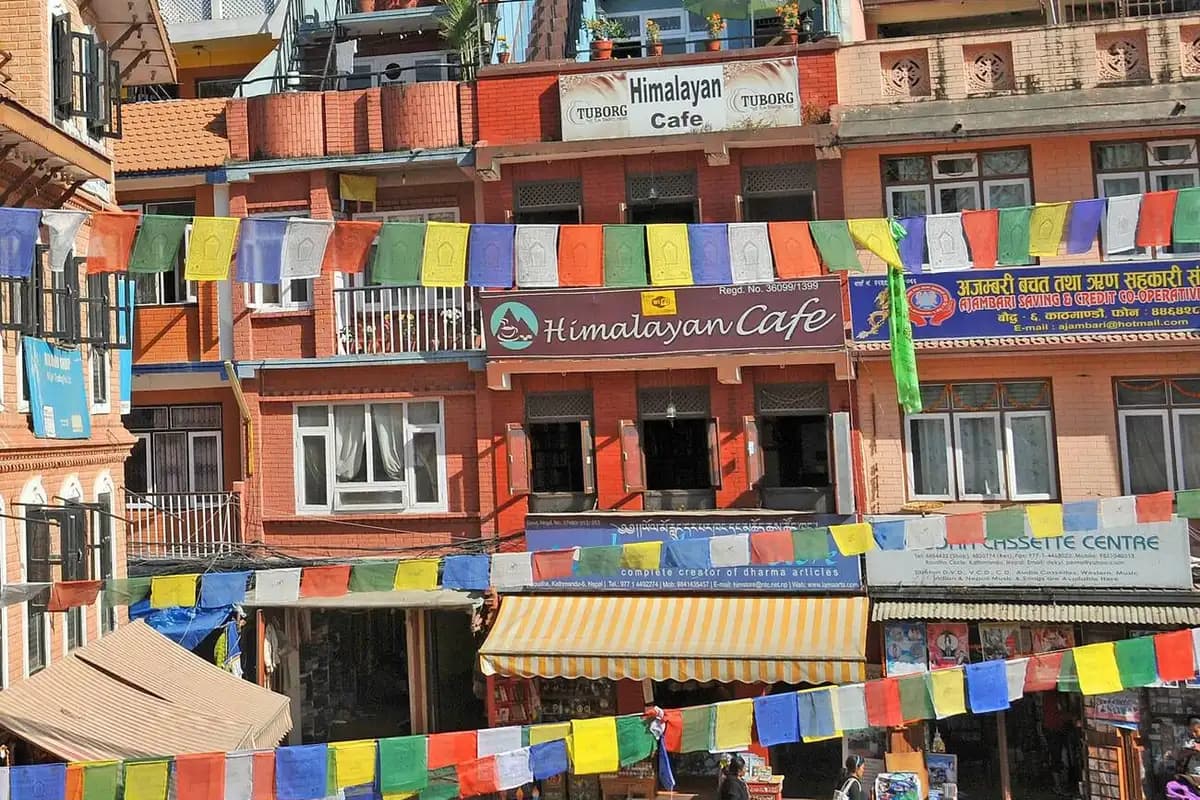
Overview of Chandrashila: Chandrashila, which means “Moon Rock” in Sanskrit, is a stunning summit in the Garhwal Himalayas of Uttarakhand. Located at an elevation of 13,123 feet, this peak offers one of the most beautiful sunrise views you’ll ever witness. It’s among the few high-altitude treks in India that you can do even in winter, making it a year-round destination for adventure lovers. Chandrashila is always included in all the Chopta tour packages. The trek starts from Chopta and takes you through dense forests, and finally to the Tungnath temple – the highest Shiva temple in the world. From here, a steep climb leads to Chandrashila Peak, where you get a 360-degree view of major Himalayan peaks including Nanda Devi, Trishul, Chaukhamba, and Kedar Peak. During winter, the entire trail turns into a snowy wonderland, attracting both beginners and experienced trekkers. What are the Key Highlights of Chandrashila: Tungnath Temple Marvel: Visit the highest Shiva temple in the world at 12,073 feet. This ancient temple, over 1000 years old, has incredible architecture and spiritual vibes. Perfect for both devotees and history buffs. Sunrise Magic: Watch the sun paint the sky in golden hues as it rises behind the mighty Himalayan peaks. The view from the summit during sunrise is pure magic – bring your cameras! Wildlife Encounters: Spot Himalayan Monal (the state bird of Uttarakhand), various mountain birds, and if lucky, even mountain foxes along the trail. Great for nature photographers. Meadow Walking: Trek through Bugyals (high-altitude meadows) covered with bright rhododendrons in spring and pristine snow in winter. These meadows are perfect for camping and stargazing. Mountain Views Galore: Get clear views of famous peaks like Nanda Devi, Trishul, and Chaukhamba. On clear days, you can spot over 10 major Himalayan peaks. Timings & Entry Fees of Chandrashila: 1. Temple timing: 6 am to 6 pm2. Trek timing: Best started early morning around 5 AM3. Temple entry: Free4. Forest entry fee: INR 150 per person Travel Tips & Essential Information for Chandrashila: Best Season to Visit: Visit April-June for spring views and September-November for clear skies. Winter trek (December-March) is only for experienced trekkers. Altitude Preparation: Spend a day in Chopta (9,600 feet) before attempting the trek. This helps your body adjust to high altitude and prevents mountain sickness. Essential Gear: Carry good trekking shoes, warm layers, rain protection, a walking stick, and enough water. In winter, add micro-spikes and extra warm clothing. Fitness Level Required: The trek is moderate but requires decent fitness. Practice walking and stair climbing for 2-3 weeks before the trek. Medical Kit Must-haves: Pack basic medicines, band-aids, altitude sickness pills, and personal medications. The nearest medical help is in Ukhimath (23 km away). Local Transport Tips: Shared taxis are available from Gopeshwar to Chopta. Book a private taxi for flexibility – costs around INR 2000-2500 for a round trip. Network Connectivity: Only BSNL and postpaid sims works in Chopta. Also Read: Places to Visit in ChoptaMust Read: Things to do in Chopta
Read More

Ukhimath
May 30, 20253 Minutes
Ukhimath
Overview of Ukhimath: Ukhimath is located at an altitude of 1,300 meters above sea level in Uttarakhand’s Rudraprayag district. It is often referred to as the winter home of Lord Shiva. During the harsh winter months, when Kedarnath Temple is closed due to heavy snow, the idol of Lord Shiva is moved to Ukhimath, where devotees continue to worship. Ukhimath is a perfect starting point for those exploring the region, especially with Chopta tour packages offering an unforgettable adventure through scenic landscapes. The town is renowned for its peaceful surroundings, with spectacular views of the Himalayas, lush valleys, and meandering rivers. Ukhimath is also a base for several trekking routes, such as those leading to the famous Chopta and Tungnath temples. This makes it an ideal destination for pilgrims and adventure enthusiasts alike. Unlike other crowded pilgrimage sites, Ukhimath offers tranquillity, making it perfect for introspection and meditation. What are the Key Highlights of Ukhimath: Winter Seat of Kedarnath: Ukhimath is home to Lord Shiva’s idol during the winter months, continuing the spiritual traditions of Kedarnath. Tungnath Temple Trek: A short trek from Ukhimath leads to Tungnath, the highest Shiva temple in the world. Stunning Scenic Beauty: Ukhimath is surrounded by lush forests, rivers, and snow-covered peaks, making it a visually stunning destination. Trekking and Adventure: The town offers trekking opportunities to Chopta, known for its natural beauty and adventure activities. Spiritual Significance: A stop on the Char Dham Yatra, Ukhimath is a sacred destination for pilgrims. Peaceful Atmosphere: Unlike more crowded pilgrimage towns, Ukhimath offers peace and solitude, ideal for reflection and prayer. Timings & Entry Fees of Ukhimath: Timings:The temples in Ukhimath are generally open from 6:00 AM to 8:00 PM. Early mornings and evenings, during the aartis, are the best times to experience the spiritual aura. Entry Fees:There is no entry fee for visiting Ukhimath or exploring the town. However, if you plan to trek to Tungnath or other nearby temples, you may need to pay for entry permits. Accommodation costs in Ukhimath vary based on the type of guesthouses or hotels you choose. Local temples may also request offerings for rituals or prayers. Travel Tips & Essential Information For Ukhimath: Altitude Adjustment: Ukhimath is at a moderate altitude, so acclimatization is important to avoid altitude sickness. Weather Precautions: Temperatures can drop suddenly, so be sure to carry warm clothes, even during the summer months. Accommodation: Ukhimath offers basic guesthouses, dharamshalas, and a few hotels for a comfortable stay. Food Availability: You’ll find basic vegetarian food in small eateries and guesthouses. Respect Local Traditions: Ukhimath is a religious town, so it’s important to follow local customs and maintain a respectful attitude. Carry Essentials: Always bring medications, a flashlight, and extra batteries for your trip. Book in Advance: Due to the popularity of the region, it’s a good idea to book accommodations in advance during peak pilgrimage seasons. Ukhimath is a hidden gem, offering a unique blend of spirituality and natural beauty. Whether you’re a pilgrim seeking blessings from Lord Shiva or an adventure enthusiast looking for trekking opportunities, Ukhimath has something to offer. Its peaceful environment provides an excellent setting for meditation, while the nearby trekking routes promise thrilling outdoor experiences.Also Read: Places to Visit in ChoptaMust Read: Things to do in Chopta
Read More

Madhyamaheshwar Mandir
May 30, 20253 Minutes
Madhyamaheshwar Mandir
Overview of Madhyamaheshwar Mandir: Madhyamaheshwar Mandir is one of the five temples that form the Panch Kedar, dedicated to Lord Shiva. It is located in the picturesque village of Ukhimath in Uttarakhand and stands as a symbol of devotion and faith for Hindus. The temple is named after the “middle” (Madhya) part of Lord Shiva’s body, which is believed to be enshrined here. The temple’s beauty is enhanced by its surrounding snow-capped peaks, lush forests, and serene environment. For those looking to explore the stunning landscapes of Madhyamaheshwar, Chopta tour packages offer an excellent opportunity to experience the beauty and spirituality of the region. The trek to Madhyamaheshwar Mandir is quite a challenge, with the route taking trekkers through remote villages and dense forests. It is a 16 km trek from Ransi village, which is the nearest motorable point. The temple is often visited by those embarking on the Char Dham Yatra or the Panch Kedar pilgrimage, making it a significant stop on their spiritual journey. What are the Key Highlights of Madhyamaheshwar Mandir: Part of Panch Kedar: Madhyamaheshwar Mandir is one of the five sacred Shiva temples in the region. High Altitude: Located at an elevation of 3,500 meters, it offers stunning views of the surrounding mountains. Sacred Connection with Lord Shiva: The temple is believed to house the middle part of Lord Shiva’s body, making it a place of great spiritual significance. Scenic Trek: The trek to the temple takes you through beautiful landscapes, remote villages, and lush forests. Peaceful Environment: The tranquil setting of the temple adds to the spiritual experience, making it a perfect place for prayer and meditation. Accessible for Pilgrims: Though the trek can be challenging, it remains a popular destination for devotees and adventure enthusiasts. Timings & Entry Fees of Madhyamaheshwar Mandir: Timings: The temple is open throughout the year for devotees. The best time to visit is between May to October, as the weather is pleasant for trekking. The temple remains closed during the winter months due to heavy snowfall. Entry Fees: There is no entry fee to visit the temple. However, there might be charges for trekking permits and other services like pony rides or local guides. Travel Tips & Essential Information For Madhyamaheshwar Mandir: Acclimatization: Due to the high altitude, it is important to acclimatize before embarking on the trek to avoid altitude sickness. Weather Precautions: Carry warm clothes as temperatures can drop suddenly, even in the summer months. Trekking Gear: Wear comfortable shoes and carry trekking gear, including water, snacks, and a flashlight. Respect Local Traditions: Follow the local customs and traditions, and maintain cleanliness around the temple area. Book Accommodation in Advance: There are guesthouses and dharamshalas near the temple, but it is advisable to book in advance, especially during peak pilgrimage seasons. Madhyamaheshwar Mandir offers a unique blend of spirituality, adventure, and natural beauty. Whether you’re a devotee seeking blessings from Lord Shiva or an adventure lover looking to explore the beauty of the Garhwal region, the temple is a must-visit. The trek itself is an enriching experience, and the peaceful atmosphere around the temple creates a perfect setting for reflection and devotion. Plan your visit and immerse yourself in the divine serenity of Madhyamaheshwar Mandir!Also Read: Places to Visit in ChoptaMust Read: Things to do in Chopta
Read More

Dugalbitta
May 30, 20253 Minutes
Dugalbitta
Overview of Dugalbitta Dugalbitta is located in the Garhwal region of Uttarakhand. It is a small village that is slowly gaining popularity among travellers seeking a peaceful retreat. Situated at an altitude of around 2,500 meters, Dugalbitta offers panoramic views of the majestic Himalayan peaks and lush green landscapes. It serves as a base for trekkers heading to nearby spiritual sites like Kedarnath, Madhyamaheshwar, and even Chopta. Additionally, Chopta tour packages can be a great way to explore this region, offering a perfect blend of adventure and serenity. The village is known for its serene environment, fresh air, and natural beauty, making it a great spot for relaxation, meditation, and nature walks. It is also a great place to explore local culture and traditions, with opportunities to interact with the friendly locals. What are the Key Highlights of Dugalbitta: Scenic Beauty: Dugalbitta is surrounded by stunning Himalayan peaks and offers breathtaking views of snow-capped mountains and lush forests. Trekking Hub: It is a key stop for trekkers on the way to Kedarnath, Madhyamaheshwar, and other nearby destinations. Peaceful Atmosphere: The village offers a serene, quiet environment, perfect for those seeking peace and solitude away from the hustle and bustle of city life. Wildlife and Flora: The region is rich in diverse flora and fauna, making it an excellent spot for nature lovers and wildlife enthusiasts. Gateway to Adventure: Dugalbitta is an ideal place to start your adventure in Uttarakhand, with many trekking routes that lead to famous temples and high-altitude lakes. Timings & Entry Fees of Dugalbitta: Timings: Dugalbitta is accessible throughout the year, though it is best visited between May to October when the weather is pleasant for trekking and outdoor activities. Entry Fees: There is no entry fee to visit Dugalbitta, but trekking permits may be required for some routes. Travel Tips & Essential Information For Dugalbitta: Acclimatization: Since Dugalbitta is located at a high altitude, it is essential to take time to acclimatize, especially if you’re planning to trek to higher elevations. Carry Warm Clothes: The weather can be chilly, particularly during the evenings and early mornings, so it is advisable to carry warm clothes. Stay Hydrated: Due to the altitude, it’s essential to stay hydrated and carry sufficient water during your treks. Respect Local Culture: Dugalbitta is a small village, so respecting local customs and traditions is essential when interacting with the locals. Book Accommodations in Advance: There are basic guesthouses and dharamshalas in the area, but it is a good idea to book your stay in advance, especially during peak seasons. Dugalbitta is a hidden gem that offers a unique combination of natural beauty, spiritual significance, and adventure. Whether you are visiting for a short stay or using it as a base for trekking, the village promises an experience filled with tranquillity and scenic charm. With its stunning views and peaceful atmosphere, Dugalbitta is an ideal destination for nature lovers and spiritual seekers alike.Also Read: Places to Visit in ChoptaMust Read: Things to do in Chopta
Read More

Bisurital Trek
May 30, 20253 Minutes
Bisurital Trek
Overview of Bisurital Trek: The Bisurital Trek is a relatively unknown gem in Uttarakhand, situated in the Garhwal region. The trek takes you through lush green meadows, dense forests, and high-altitude terrains, leading to the pristine Bisurital Lake. This picturesque lake, surrounded by snow-capped peaks and alpine meadows, is the highlight of the trek. For those looking to explore more trekking opportunities in the region, Chopta tour packages provide a great way to discover the beauty of Uttarakhand, with trekking routes that lead to other scenic spots like Tungnath and Chandrashila. The trek begins from a small village and gradually ascends through the verdant hills, offering trekkers the chance to experience diverse landscapes and a unique blend of natural beauty and tranquillity. The journey provides a challenging yet rewarding experience, making it suitable for both seasoned trekkers and those looking for a peaceful adventure away from the crowds. What are the Key Highlights of Bisurital Trek: Bisurital Lake: The crystal-clear waters of Bisurital, surrounded by majestic peaks, offer a breathtaking sight and a peaceful atmosphere. Scenic Beauty: The trek offers stunning views of the Garhwal Himalayas, alpine meadows, and dense forests, providing a photographer’s paradise. Peaceful Environment: The trek is relatively unknown, making it an ideal destination for those looking for solitude and a break from crowded trekking routes. Wildlife and Flora: The route passes through dense forests, home to various species of flora and fauna, making it a great spot for nature lovers. Challenging Yet Rewarding: The trek offers a good challenge with its steep ascents and varying terrain, making it perfect for adventure seekers. Timings & Entry Fees of Bisurital Trek: Timings: The trek can be done throughout the year, but the best time to visit is from April to June and September to November when the weather is most favourable for trekking. Entry Fees: There is no entry fee for the trek itself, but certain areas may require permits, especially for camping and trekking at high altitudes. Travel Tips & Essential Information For Bisurital Trek: Acclimatization: The Bisurital Trek reaches high altitudes, so it’s important to acclimatize properly to avoid altitude sickness. Carry Warm Clothes: Even in the summer, temperatures can drop significantly at higher elevations, so it’s essential to pack warm clothing. Stay Hydrated: Carry enough water as there are limited water sources along the trek. Trekking Gear: Make sure to bring proper trekking gear, including sturdy shoes, a warm sleeping bag, and a tent for camping. Respect Local Culture: Be mindful of local customs and traditions, especially when passing through villages and interacting with the locals. The Bisurital Trek is an offbeat journey that offers a perfect blend of natural beauty, adventure, and tranquillity. With its picturesque landscapes, serene lake, and peaceful environment, this trek is ideal for those seeking an adventurous yet peaceful escape in the Garhwal Himalayas. Whether you’re a seasoned trekker or someone looking to connect with nature, the Bisurital Trek is an experience you’ll cherish for a lifetime. Also Read: Places to Visit in ChoptaMust Read: Things to do in Chopta
Read More

Chandrashila Trek
May 30, 20253 Minutes
Chandrashila Trek
Overview of Chandrashila Trek The Chandrashila Trek is one of the most rewarding and accessible high-altitude treks in Uttarakhand. Located at an elevation of 4,000 meters (13,000 feet), it offers breathtaking 360-degree views of the Himalayan peaks, including Nanda Devi, Trishul, and Chaukhamba. This trek begins from Chopta, a picturesque hill station also known as the “Mini Switzerland of India.” For a hassle-free experience, Chopta tour packages provide well-organized itineraries, including guided treks, accommodations, and transport options. One of the key highlights of this trek is Tungnath Temple, the highest Shiva temple in the world and one of the Panch Kedar shrines. The trek route passes through dense oak and rhododendron forests, rich in Himalayan flora and fauna. The journey is suitable for both beginners and experienced trekkers, making it a must-visit destination for nature lovers, adventure seekers, and spiritual travellers. What are the Key Highlights of Chandrashila Trek Breathtaking Himalayan Views – Enjoy stunning views of Nanda Devi, Kedarnath, Trishul, and Chaukhamba from the summit. Tungnath Temple – Visit the highest Shiva temple in the world, located on the way to Chandrashila. Snow Trekking in Winter – The trek is open year-round, with snow-covered trails from December to February, making it a perfect winter adventure. Easy to Moderate Difficulty – Suitable for both beginners and experienced trekkers, with a well-marked trail and gradual ascent. Rich Wildlife & Scenic Forests – The route passes through dense oak and rhododendron forests, home to Himalayan monals, musk deer, and foxes. Camping & Stargazing in Chopta – Spend a night under the stars in Chopta, a serene destination with minimal pollution and clear night skies. Short & Rewarding Trek – The trek is just 4.5 km from Chopta, making it an ideal short-duration trek with maximum scenic rewards. Timings & Entry Fees of Chandrashila Trek Best Time to Visit: April – June (pleasant weather), September – November (clear views), and December – February (snow trekking). Entry Fees: No trekking permit is required. Tungnath Temple has no fixed entry fee, but donations are welcome. Travel Tips & Essential Information for Chandrashila Trek Wear Proper Trekking Gear – Carry sturdy shoes, warm clothing, and rain gear depending on the season. Stay Hydrated & Carry Snacks – There are limited food stalls on the trail, so bring water and energy bars. Acclimatize Before Trekking – Spend a day in Chopta to adjust to the altitude and avoid sickness. Respect the Environment – Avoid littering, and follow responsible trekking practices. Be Prepared for Weather Changes – The weather in the Himalayas can change rapidly; carry a light jacket even in summer. Travel Options: Nearest airport – Jolly Grant (Dehradun, 210 km), nearest railway station – Haridwar/Rishikesh, road access via Chopta.Also Read: Places to Visit in ChoptaMust Read: Things to do in Chopta
Read More

Login ModalPost Login FormTalk with trip expert