Blog hero image
Top Travel Stories

Explore our latest blogs and travel with us

Hotels in Zurich, Switzerland
May 30, 20258 Minutes
Hotels in Zurich, Switzerland
Zurich is Switzerland’s largest city which makes it an ideal destination for travelers. It has lakes, beautiful architecture, and is one of the best places to learn about Swiss culture. Now with all the popularity, and accessibility, hotels in Zurich, Switzerland are the best place to stay.Whether you’re planning a short city break or using Zurich as your base to discover other Places to visit in Switzerland like Lucerne, Interlaken, or the Swiss Alps, you’ll find plenty of excellent lodging options. Planning a trip to this beautiful country? Consider checking out the various Europe Tour Packages that include stays in Zurich, making your travel planning much easier and often more affordable than organizing everything separately.Top 10 Hotels in Zurich1. Olympia Hotel ZurichLocated in Zurich’s District 3, Olympia Hotel offers comfortable accommodations without breaking the bank. Just a 15-minute tram ride from the city center, this hotel has clean, well-maintained rooms with all the essentials you need. The friendly staff is always ready with tips about local attractions, and the breakfast spread, though simple, is quite satisfying.Location: Badenerstrasse 324, Albisrieden – Altstetten, ZürichPrice: INR 17000 per nightStar: 3 Star2. Green Marmot Capsule Hotel, ZurichOne of the most unique cheap hotels in Zurich, Green Marmot has Japanese-style capsule accommodations that are perfect for solo travelers on a budget. While the sleeping pods are compact, they’re surprisingly comfortable and provide privacy with their curtains. The shared lounge area is a great place to meet fellow travelers, and the central location means you’re just steps away from Zurich’s main attractions.Location: Rathaus-Hochschulen-Lindenhof-City, ZurichPrice: INR 7000 per nightStar: 3 StarAlso Check: Hotels in Interlaken, Switzerland3. MEININGER Hotel Zurich GreencityEco-conscious travelers will appreciate this modern, sustainability-focused hotel in the new Greencity district. The bright, cheerful rooms have comfortable beds and smart storage solutions. With its game zone and guest kitchen, it’s particularly popular among younger travelers and families looking for Luxury hotels in Zurich with a bit more space and amenities.Location: Wollishofen-Leimbach-Enge, ZürichPrice: INR 14000 per nightStar: 3 StarAlso Read: Hotels in Lucerne, Switzerland4. Ibis Budget Zurich AirportJust a 10-minute shuttle ride from the airport, this no-frills option is perfect for travelers with early flights or short layovers. The rooms are basic but spotlessly clean, and the simplified check-in process means you can arrive late without hassle. Despite being one of the hotels in Zurich Switzerland for budget tavelers, it offers free WiFi and a simple breakfast option to start your day.Location: Flughofstrasse 45, Kloten, ZurichPrice: INR 9000 per nightStar: 3 StarAlso Check: Best time to Visit in Switzerland5. ibis Styles Zurich City CenterWith its playful design and colorful accents, this hotel offers more personality than most budget options. Located near the main train station, it’s perfectly positioned which makes it among the best hotels in Zurich Switzerland, with Zurich as your base. The inclusive breakfast features Swiss cheeses and fresh breads, giving you a taste of local flavors before you head out for the day.Location: Schiffbaustrasse 11, Escher Wyss – Gewerbeschule, ZurichPrice: INR 18000 per nightStar: 3 StarMust Check: Cities in Switzerland6. Zleep Hotel Zurich KlotenThis Danish hotel chain brings Scandinavian simplicity to the hotels in Zurich Switzerland scene. Just 5 minutes from the airport, Zleep offers modern, minimalist rooms with surprisingly comfortable beds. The hotel’s efficient design makes the most of the space, and the breakfast room transforms into a cozy lounge in the evening where you can plan your next day’s adventures.Location: Bahnhofstrasse 7, Kloten, ZurichPrice: INR 10000 per nightStar:3 StarSuggested Read: Things to Do in Switzerland7. Holiday Inn Express Zurich AirportPerfect for business travelers or those who need reliable comfort without frills, this well-known chain hotel delivers exactly what you’d expect. The rooms are standardized but comfortable, with good soundproofing despite the airport proximity. The inclusive breakfast buffet gets you fueled up for exploring, and the shuttle service makes transportation stress-free.Location: Hofwisenstrasse 30 Rumlang, Kloten, ZürichPrice: INR 12000Star: 3 StarSuggested Read: Interesting Facts About Switzerland8. Zurich Youth HostelDon’t let the “youth” in the name fool you – this modern hostel welcomes travelers of all ages looking for cheap hotels in Zurich without sacrificing cleanliness or location. Situated near Lake Zurich, it has both dormitory-style rooms and private options for families or couples.Location: Mutschellenstrasse 114A, Wollishofen-Leimbach-Enge, ZürichPrice: INR 6000 – 9000 per nightStar: 3 Star9. Crowne Plaza ZurichCrowne Plaza delivers polished service and substantial amenities including a fitness center with pool. The spacious rooms feature great comfortable beddings and work areas, making it popular among the luxury hotels in Zurich category for business travelers. After a day of meetings or sightseeing, you can relax at the hotel’s restaurant with some Swiss specialties.Location: Badenerstrasse 420, Albisrieden – Altstetten, ZürichPrice: INR 16000 per nightStar: 4 Star10. Ibis Zurich City West HotelLocated in the trendy Zurich West neighborhood, this hotel puts you close to the city’s creative district filled with galleries, boutiques, and hip restaurants. The minimalist rooms are brighter and more stylish than typical budget hotels, and the bar area has a local vibe where both tourists and Zurich residents mingle. It’s one of the best hotels in Zurich Switzerland for experiencing the city’s contemporary culture.Location: Schiffbaustrasse 11, Escher Wyss – Gewerbeschule, ZurichPrice: INR 16000 per nightStar: 3 StarAlso Read: Switzerland in MayFrom budget-friendly capsule hotels to mid-range comfort and high-end luxury, the variety of hotels in Zurich Switzerland ensures that every traveler can find their perfect match. For more information about planning your perfect Swiss adventure, don’t forget to check out our Switzerland Travel Guide before you book.Must Read – Places To Visit in Switzerland

Read More

Lakshadweep Nightlife
May 30, 20255 Minutes
Lakshadweep Nightlife
Lakshadweep nightlife is refreshingly different. This tiny union territory, sprinkled across the Arabian Sea, also has some amazing and unique things to do. Unlike Goa or Mumbai, Lakshadweep won’t greet you with neon lights or crazy music and parties. Instead, the nightlife here is all about nature and natural wonders. Think star-studded skies, gentle waves, and experiences that connect you deeply with both nature and culture.While you won’t find fancy nightclubs here, what you will discover after dark might just become the highlight of your island adventure. Booking Lakshadweep tour packages that include these unique nighttime experiences is becoming popular day-by-day. Let’s explore what makes Lakshadweep at night so special, and why travelers who look for authentic experiences should add it to their bucket list. Unique Nighttime Experiences in Lakshadweep1. Enjoy a Beachside Barbecue & Folk PerformancesMany resorts in Lakshadweep organize beachside barbecue dinners that are simply unforgettable.What makes these dinners extra special is the cultural entertainment. Local artists perform traditional folk dances. The beats of indigenous drums with moonlit beach make you experience the Lakshadweep nightlife culture.2. Relax on the Beach Under the Starry SkySometimes, the simplest experiences turn out to be the most profound. Spending an evening on Lakshadweep’s beaches under a blanket of stars is definitely one of those experiences.With minimal light pollution, Lakshadweep at night offers some of the clearest views of the night sky you’ll ever see. It’s not uncommon to spot shooting stars or even identify constellations without any special equipment. Many visitors bring a simple mat, some snacks, and spend hours just gazing upward.3. Glowing Beach -Bangaram IslandIf there’s one Lakshadweep nightlife experience that feels almost otherworldly, it’s witnessing the phenomenon of bioluminescence. Agatti Island is famous for its Glowing Beach where tiny marine organisms called phytoplankton emit a blue light when disturbed.Walking along the shore at night, each footstep leaves behind a trail of glowing blue light. Wave your hands through the shallow water, and watch the ocean light up. This rare natural phenomenon depends on specific environmental conditions and is more visible during certain months like September and November.4. Visit Bangaram Island for a DrinkWhile most of Lakshadweep follows strict alcohol restrictions due to religious considerations, Bangaram Island stands as an exception. This makes it a unique spot in the Lakshadweep nightlife scene.After a day of snorkeling, diving, and all the explorations, visitors can relax with a cold beer or cocktail while watching the sunset. The island’s resorts often set up comfortable seating areas on the beach where guests can enjoy their drinks with a side of panoramic ocean views.It’s worth noting that alcohol consumption is limited to this island only, so plan your stay accordingly if this aspect of Lakshadweep nightlife appeals to you.Other Night Activities in LakshadweepBeyond the highlight experiences, there are several other wonderful things to do in Lakshadweep after sunset. Night fishing trips with locals can be both educational and rewarding – especially when your catch becomes tomorrow’s breakfast!Photography lovers find the islands to be a paradise after dark. Long-exposure shots of star trails over coconut trees or time-lapse videos of the changing tides make for stunning keepsakes. Some resorts also organize night kayaking expeditions in safe lagoons, allowing you to experience the islands from a different perspective.Tips/Travel Guide for Enjoying the Nights in LakshadweepTo make the most of your evenings in Lakshadweep, a bit of planning goes a long way. First, check the lunar calendar before booking your trip. A new moon period offers the darkest skies for stargazing, while full moon nights illuminate the beaches beautifully. The best time to visit Lakshadweep for bioluminescence is typically between November and February when the water conditions are optimal for these tiny glowing organisms.Don’t forget practical essentials like mosquito repellent, a good flashlight (though use it sparingly to preserve the natural darkness), and a light jacket for occasional sea breezes. is predominantly Muslim, so modest attire is appreciated even on beaches at night, especially when exploring beyond resort areas. The Lakshadweep nightlife may not offer clubbing till dawn, but it provides something increasingly rare in our modern world – genuine connection with nature and culture in their purest forms. It’s a reminder that sometimes, the best nightlife isn’t about where you can party – but where you can truly feel alive.From watching stars appear one by one in the darkening sky to seeing the ocean light up with every wave, these islands offer night experiences that stay with you long after your tan fades. For travelers wanting to experience these daytime wonders without the hassle of planning, consider – Lakshadweep Travel Guide.Must Read – Places To Visit in LakshadweepAlso Read – Things to Do in Lakshadweep

Read More

Lakshadweep in September
May 30, 20256 Minutes
Lakshadweep in September
If you’re looking for a peaceful island escape without the usual tourist rush, September is the best time to visit Lakshadweep. As the monsoon fades away, Lakshadweep in September comes alive with lush greenery, cool breezes, and a sense of untouched beauty. Unlike the peak season, when beaches are packed with travelers, September lets you experience Lakshadweep in its most natural and serene state.Picture yourself walking on soft white sands, the waves gently lapping at the shore, and the ocean stretching endlessly before you without noisy crowds disturbing the moment. Whether you’re into snorkeling, diving, or just relaxing by the beach, this is the perfect time to enjoy the islands at your own pace. Make the most of this hidden paradise with exclusive Lakshadweep Tour Packages, designed for a truly peaceful getaway. So why wait? Start planning your dream trip today and experience nature at its purest!Weather in Lakshadweep in SeptemberSeptember sits at the tail end of the monsoon season, so occasional showers are expected, but they are usually short-lived and add to the refreshing atmosphere. Lakshadweep weather in September​ hovers between 25°C to 30°C, making it pleasantly warm without being too hot. The rains leave behind lush greenery, making the islands look more stunning than ever. The sea can be slightly rough on certain days, but there are still plenty of opportunities to enjoy the scenic beauty and island activities.One of the biggest advantages of traveling in September is that the beaches are far less crowded. Since it’s not peak tourist season, you get to enjoy nature in its most untouched form. No fighting for space on the beach, no long waiting lines for activities, just pure relaxation.Things to Do in Lakshadweep in SeptemberNow, if you’re wondering whether anything is exciting to do during this time, the answer is a big YES! Despite the occasional rains, September still allows travelers to explore and enjoy the best of Lakshadweep.1. Exploring Agatti IslandOne of the most beautiful islands in Lakshadweep, Agatti is a must-visit. This island is known for its turquoise waters, soft sandy beaches, and stunning coral reefs. Whether you want to take a peaceful stroll along the shore, watch the sunset in complete silence, or simply sit back with a book while the ocean breeze plays with your hair, Agatti is a dream come true. The best part? You can enjoy all of this without the usual crowd that flocks in during the high season.2. A Taste of Local DelicaciesFood lovers, get ready for a treat! Lakshadweep in September isn’t just about beautiful beaches, it’s a paradise for seafood lovers. The local food is full of fresh seafood and coconut flavors, making every meal special. Enjoy spicy fish curries, crispy fried prawns, and coconut-infused dishes that you won’t find anywhere else. Plus, since September is a quieter time, you can relax and enjoy your food in peace, with only the sound of the waves around you.3. Kayaking and Canoeing in Calm WatersWhile some water sports might be restricted due to the sea conditions, kayaking and canoeing in the shallow lagoons are still possible on calm days. Paddling through the crystal-clear waters, surrounded by lush greenery, is an experience that words can’t do justice to. It’s a perfect activity for those who want a little adventure without going too extreme.4. A Visit to Bangaram IslandBangaram Island is a hidden gem in Lakshadweep, untouched by commercial tourism. With golden beaches, swaying palms, and crystal-clear waters, it’s the perfect place to relax and disconnect. A highlight is the glowing waves at night, a magical bioluminescence phenomenon found in a few places. As for the Lakshadweep weather in September, the monsoon retreats, leaving the islands fresh and peaceful. While there may be occasional showers, the calm atmosphere makes it a great time for a quiet escape.Is September a Good Time to Visit Lakshadweep?Yes, September is a fantastic time to visit. Since it’s the shoulder season, flight and hotel prices are much lower compared to peak months, making it a great choice for travelers looking to save money. If you’re wondering whether Lakshadweep in September is a good time to visit, the answer depends on what kind of experience you’re looking for. Plus, having long stretches of beautiful beaches all to yourself is an experience you won’t want to miss.The only thing to consider is that some ferry services and water activities might be affected by the weather. If you’re planning to travel between islands, it’s best to check the weather forecast before booking to avoid any last-minute surprises.Packing Tips for a September Trip to LakshadweepPacking for a September trip to Lakshadweep is quite simple. Since the Lakshadweep weather in September is warm with occasional rain showers, you should bring:Light, breathable clothing (cotton is your best friend)A raincoat or an umbrella (just in case)Flip-flops or waterproof sandals for beach walksA good waterproof bag to protect your gadgets from unexpected rainSunscreen and sunglasses because the sun can still be strong on clear daysSome cash, as ATMs are limited on the islandsAlso, don’t forget to carry your travel permit, as Lakshadweep requires special entry permission for visitors.Lakshadweep is the perfect escape for those who love nature, tranquility, and a bit of adventure. So, if you’re dreaming of soft white sands, stunning sunsets, and the soothing sounds of the ocean without the tourist chaos, Lakshadweep in September might just be your perfect vacation. Whether you’re a solo traveler, a couple looking for a romantic getaway, or someone who just needs a break from city life, this tropical paradise will leave you mesmerized.Must Read – Places To Visit in LakshadweepAlso Read – Things to Do in Lakshadweep

Read More

A Complete Guide to Chardham Yatra Registration
May 30, 20254 Minutes
A Complete Guide to Chardham Yatra Registration
In India, the Chardham Yatra is a top pilgrimage tour and holds a religious significance for Hindus across Indians. This spiritual journey comprises four holy char dham temples—Yamunotri, Gangotri, Kedarnath, and Badrinath Dham—located in the Himalayas of Uttarakhand. And for visiting these, you have to do the Chardham yatra registration. How to do it, where to do it, and what are the documents you need. This blog will tell you the exact information you need.First of all, for Chardham Yatra, registration is mandatory. Registration ensures your safety, helps authorities track pilgrim movement, and prevents the kind of overcrowding that once turned spirituality into a stress-fest. If you’re considering booking Chardham yatra packages, registration is your essential first step. A well-planned registration gives you more time for devotion and less time for frustration.Importance of Chardham Yatra Registration 2025The Chardham yatra registration 2025 has some changes. The Uttarakhand government has streamlined the process, so that it can become easy for everyone.Advance registration has many benefits—guaranteed entry permits, access to emergency services, and regulated crowd management. With proper chardham yatra registration, you’ll avoid those long queues.How & When to Apply for RegistrationRegistration for the Char Dham Yatra 2025 began on March 1, 2025, and can be done both online and offline, with 60% of registrations online and 40% offline.Here’s a more detailed breakdown:Registration Start Date: March 1, 2025.Registration Methods:Online: Through the official Uttarakhand government website (https://registrationandtouristcare.uk.gov.in/signin.php).Offline: At registration counters in Haridwar, Rishikesh, and Dehradun’s Vikas Nagar. Documents Required for Chardham RegistrationBefore you do the Chardham yatra online registration, these are the essential documents you need. Aadhar Card or valid government ID proofRecent passport-size photograph Active mobile number for OTP verificationBasic health declaration (especially important for seniors and those with pre-existing conditions)Age restrictions apply for certain routes, particularly the more challenging treks. The mountains don’t discriminate between believers and non-believers when it comes to altitude sickness.How to Register for Char Dham YatraThere are a few options to register for Chardham Yatra. The process is simple.Online Method:Visit the official Uttarakhand tourism portalCreate an account using your mobile numberFill in pilgrim details and upload documentsSelect your preferred dates and shrinesSubmit and download your e-passPrice: The Chardham online registration is completely free if you do it from the official website.Online Registration for Char Dham Yatra 2025The online registration for Char Dham Yatra 2025 system has been upgraded to handle increased pilgrim traffic. Visit the official site of Uttarakhand Tourism, and register yourself directly with no fees. This method generates an Char Dham Yatra e-pass that you must carry throughout your journey.Chardham Online Registration – Alternative MethodsChardham online registration can also be completed through Government-approved counters in major gateway cities like Rishikesh and Haridwar, or through SMS service (for basic registration), and Authorized tour operatorsOffline Registration Centers for Chardham YatraFor those who prefer the traditional approach or are traveling without advance planning, offline chardham yatra registration centers are available at:Haridwar Tourist OfficeRishikesh Registration CampDehradun Tourist Information CenterBase camps at each DhamThese centers are particularly helpful for elderly pilgrims who actually don’t know how to do it online.Things to Keep in Mind Before RegistrationBefore finalizing your registration, consider:Flexibility in travel dates (weather in the mountains changes faster)Group registration options for family travelCheck cancellation policyAs you prepare for this spiritual journey, research the Places to visit in Chardham beyond the main temples. The region, mountain beauty, and hidden spiritual spots that aren’t always mentioned in the standard itinerary.Also Read: Char dham yatra guideMust Read: Things to do in Chardham Yatra

Read More

Chardham Lake
May 30, 20253 Minutes
Chardham Lake
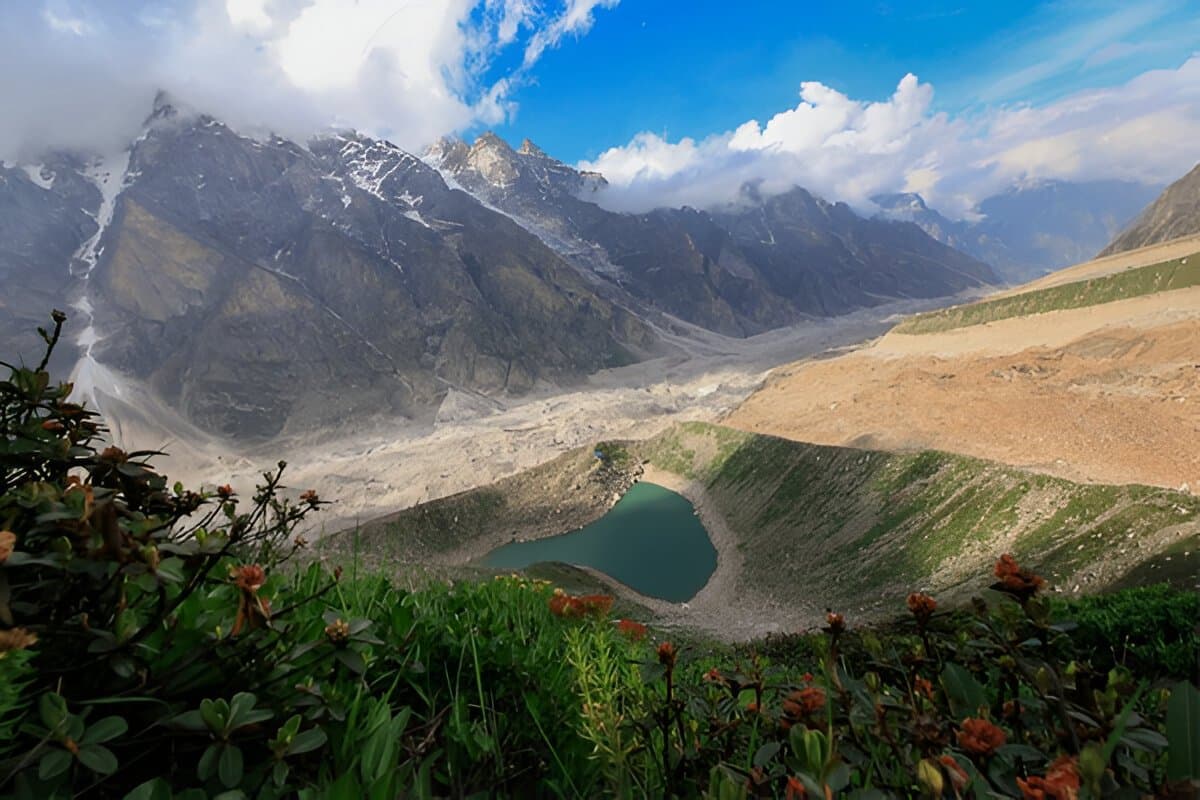
Overview of Chardham Lake: Chardham Lake or Satopanth Lake is a sacred body of water situated at the base of the 7,138-meter Chaukhamba massif in Uttarakhand. Located near the pilgrimage town of Badrinath, it lies just beyond Mana, the last village before the Indo-China border. This triangular lake, with its clear green waters, spans a perimeter of one kilometer and sits at an altitude of 4350 meters. Revered as a holy site, it is said that the three corners of the lake were once graced by the meditations of the divine trio—Brahma, Vishnu, and Mahesh (Shiva) are thought to continue their cosmic influence from this sacred spot, charting the course of the universe itself. It’s also gaining popularity among those exploring Chardham Yatra packages, since Badrinath is the starting point of the trek. What are the Key Highlights of Chardham Lake: Mythological Significance – It is believed that Lord Vishnu took a dip here, and the three corners of the lake are said to represent Brahma, Vishnu, and Mahesh. Trekking Route – The trek from Badrinath to Satopanth Lake is challenging but rewarding. You’ll walk through rocky paths, meadows, and glaciers. Chakratirth and Sahastradhara – These are scenic and spiritual spots you’ll cross during the trek. Great places to pause, click selfies, and pretend you’re starring in your own travel documentary. Breathtaking Views – The trek gives you panoramic views of peaks like Neelkanth, Chaukhamba, and Balakun. Trust us, your phone gallery will be full before you even reach the lake. Lakshmi Van – A forest area believed to be blessed by Goddess Lakshmi herself. The silence here is golden—literally and spiritually. No Mobile Network – Yes, this is a highlight. No WhatsApp pings, no work emails, just peace. Starry Nights – If you’re camping near the lake, wait till night. The sky turns into a giant sparkle show. Offbeat Experience – Unlike common touristy places, Satopanth offers you something rare—raw nature, and a story worth telling Travel Tips / Essential Information for Chardham Lake: Best Time to Visit – May to mid-July and mid-September to October. Avoid monsoon season. Altitude Caution – AMS (Acute Mountain Sickness) is real. Don’t try to be a hero—acclimatize properly and stay hydrated. Starting Point – Badrinath is the base for the trek. Reach there by road from Haridwar or Rishikesh. Trek Difficulty – Moderate to difficult. Not ideal if your definition of walking is from sofa to fridge. Some prior trekking experience is helpful. Trek Duration – Around 3-4 days, so plan accordingly. Guides and Porters – Highly recommended. The trails can be tricky, and unless you’re Bear Grylls, you’ll need help. Clothing & Gear – Carry warm clothes, good trekking shoes, rain gear, and essential medicines. The weather changes faster than your Wi-Fi signal. Food & Stay – There are no fancy dhabas or hotels on the way. Pack your own food and water. Camping is the only option, so bring tents and sleeping bags. Respect Nature – Don’t litter, and please don’t carve your name on rocks.Also Read: Places to Visit in Chardham YatraMust Read: Things to do in Chardham Yatra

Read More

Char Dham Temples
May 30, 20257 Minutes
Char Dham Temples
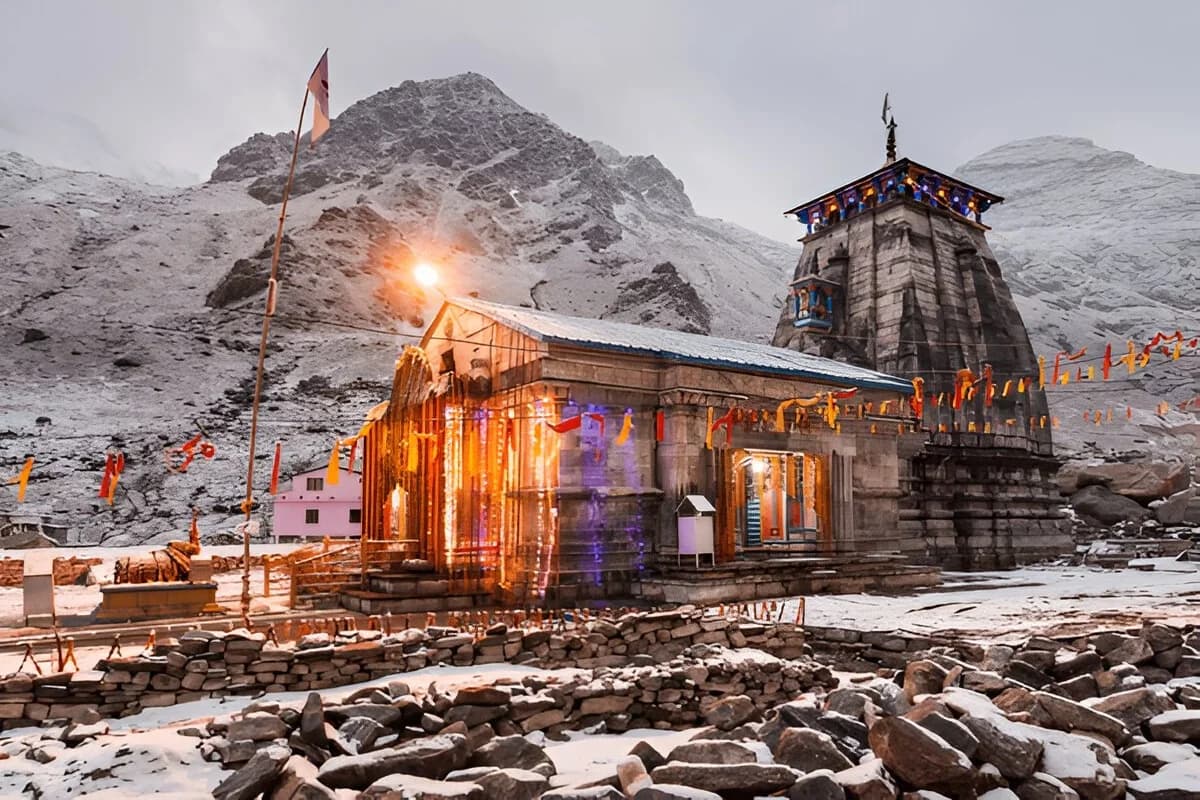
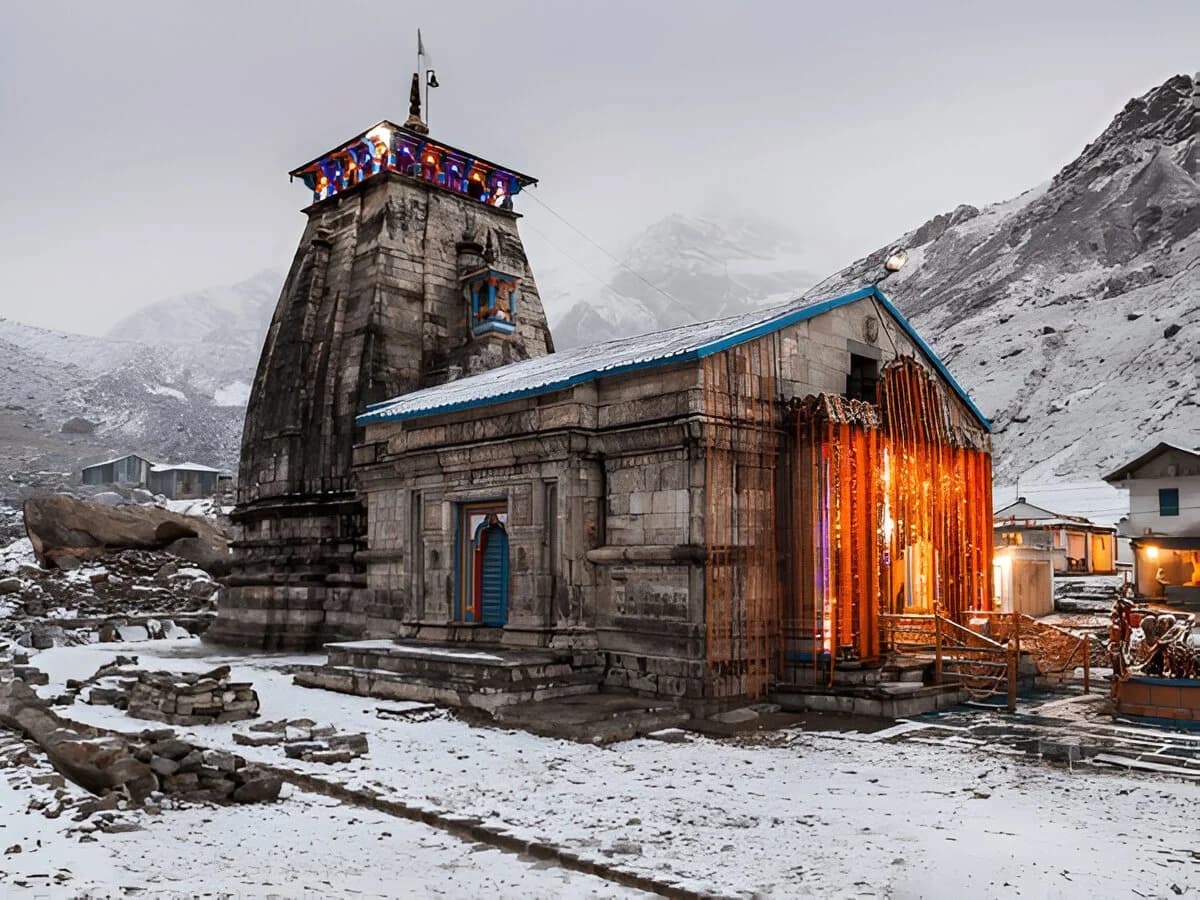
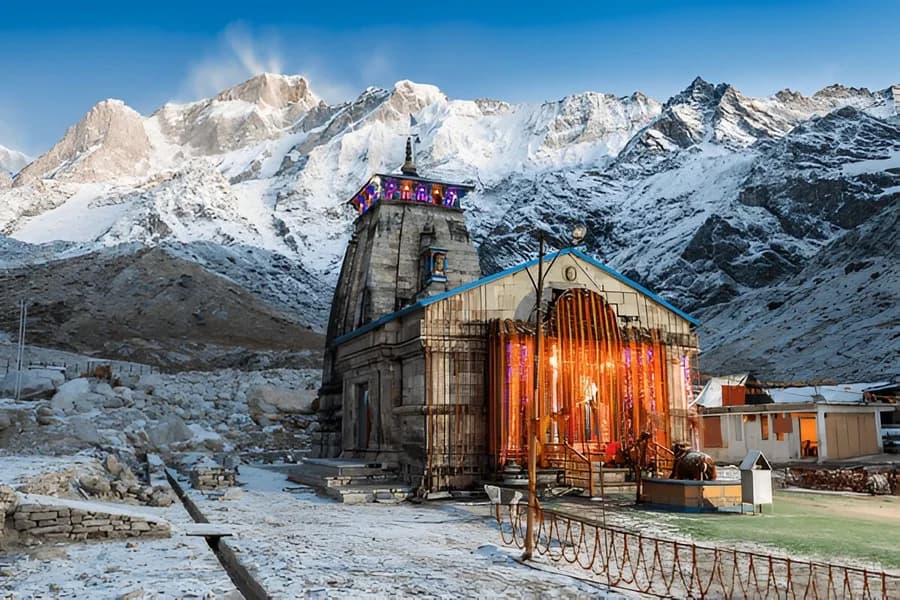
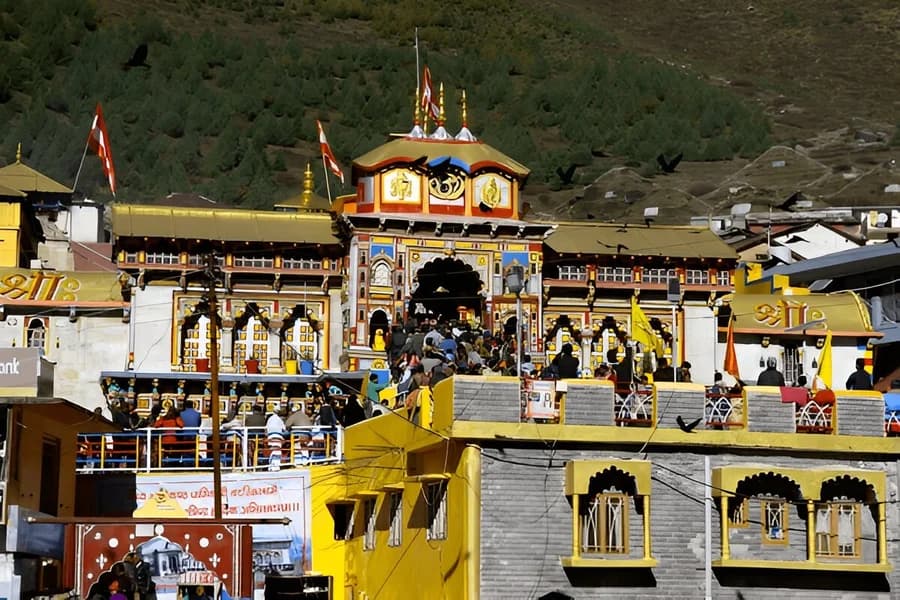
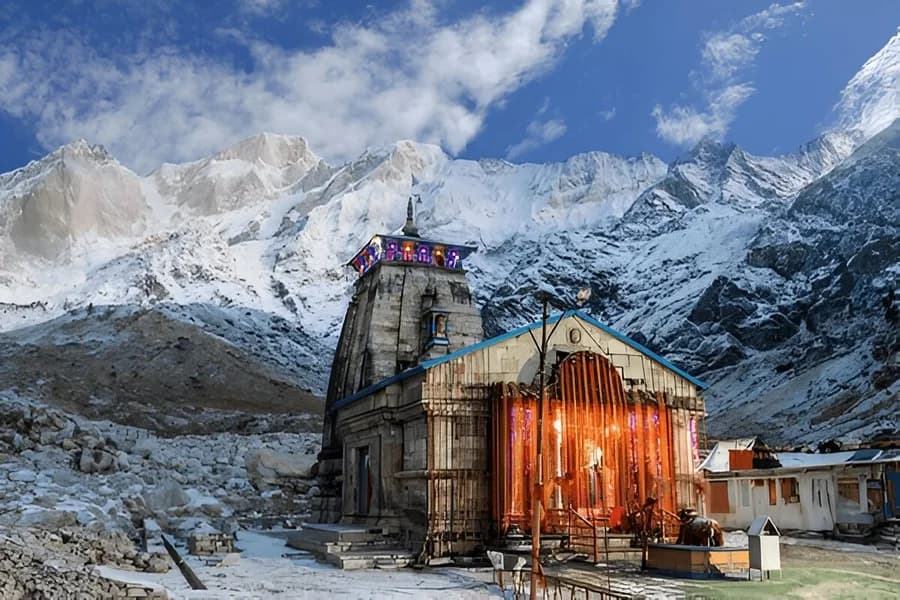
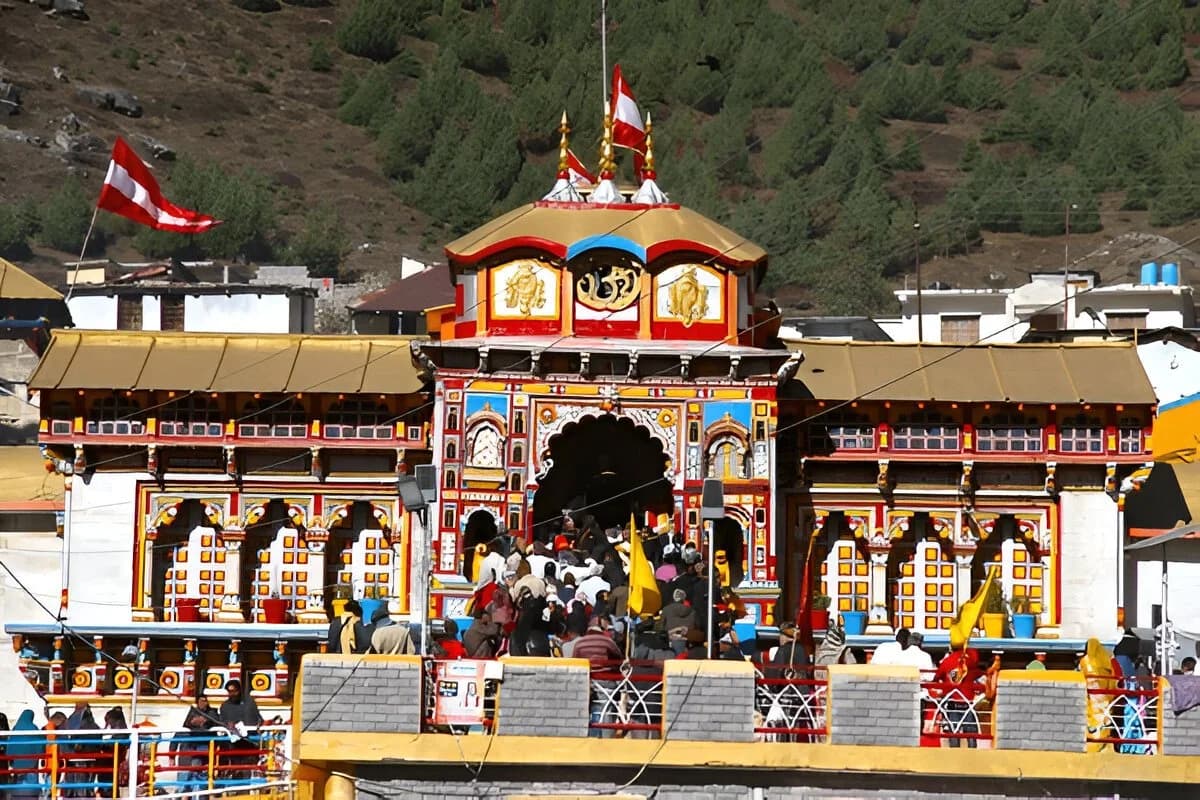
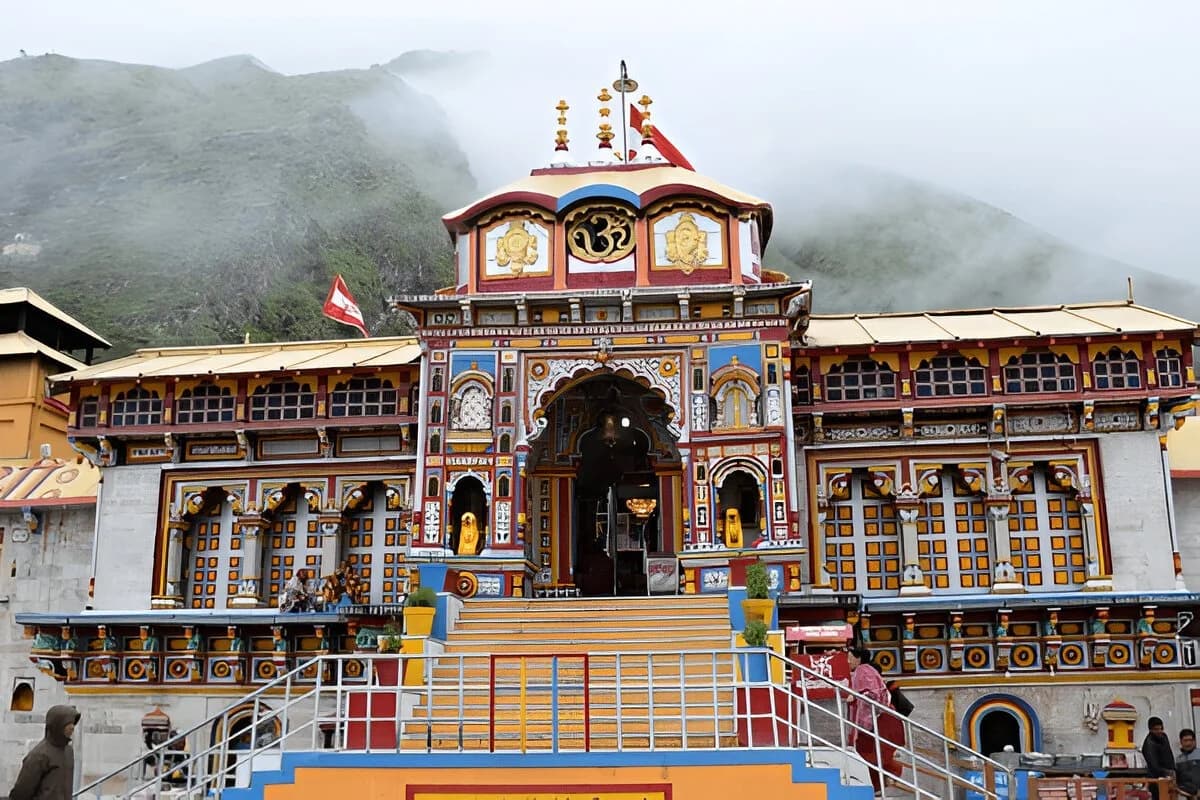
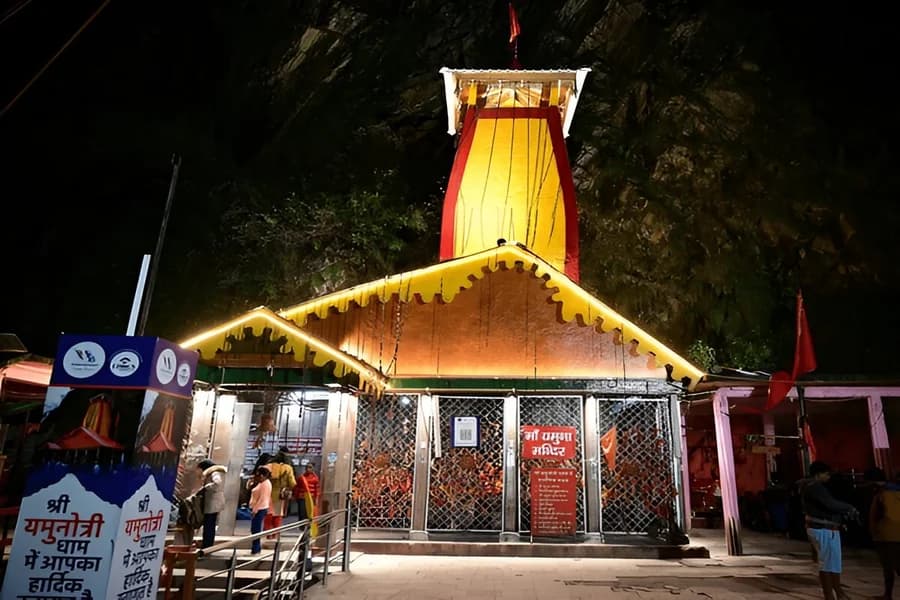
Char Dham Temple – A Journey of Devotion and DiscoveryIndia is known for its deep spiritual roots, and the Char Dham pilgrimage is one of the most sacred journeys for Hindus. It is located in the Himalayas, This yatra covers four holy temples: Yamunotri, Gangotri, Kedarnath, and Badrinath. Completing this pilgrimage is believed to wash away sins and bring salvation. Whether for faith or adventure, Chardham Yatra packages offer a truly unforgettable experience.But beyond its religious importance, this journey also takes you through some of India’s most stunning landscapes. If you’re planning to visit, this guide will help you understand the significance of each place, offer travel tips, and give you an idea of what to expect. The Spiritual Essence of Char Dham Temple PilgrimageThe Char Dham temple circuit is considered the holiest pilgrimage in Hinduism, and every year, thousands of devotees make their way to these sacred places. The four temples represent different deities and have unique religious significance:Yamunotri – The first stop of the Char Dham temple yatra, dedicated to Goddess Yamuna. It is believed that dipping in the Yamuna River cleanses all sins.Gangotri – The birthplace of the Ganga River and a temple dedicated to Goddess Ganga. This is where King Bhagirath is said to have meditated to bring the holy river to Earth.Kedarnath – One of the most revered Char Dham mandir sites, this temple is dedicated to Lord Shiva. It is also one of the 12 Jyotirlingas.Badrinath – The final destination of the Char Dham yatra, where Lord Vishnu is worshipped in his Badrinarayan form.Pilgrims believe that visiting all four temples grants them moksha (liberation). But let’s be real between the long treks, unpredictable weather, and crowds, it’s also a test of patience and endurance!Best Time to Visit Char Dham:The best time to visit Char Dham is between May and October. During winter, heavy snowfall forces the temples to close. The summer months offer pleasant weather, making the pilgrimage more comfortable. However, monsoon season (July to September) can be tricky due to landslides.If you want to avoid large crowds and long queues, try visiting in May or September. Trust us, standing in a long line at high altitudes is not the kind of spiritual test you want!A Closer Look at the Chardham Yatra Temples:Each Chardham yatra temple’s location has something unique to offer, both spiritually and visually.1. Yamunotri TempleYour spiritual journey begins at Yamunotri, where the sacred Yamuna River originates. The temple is perched at 3,293 meters above sea level, requiring a trek of around 6 km from Janki Chatti. While the journey may be tiring, the stunning views and the warmth of Surya Kund (a natural hot water spring) make it worth it.Pilgrims offer rice and potatoes wrapped in cloth, which gets cooked in the hot springs and is later taken as prasad (holy offering). Who knew your first stop on this sacred trip would involve a natural pressure cooker?2. Gangotri TempleThe next stop is Gangotri, located at an altitude of 3,100 meters. This temple is dedicated to Goddess Ganga, the lifeline of India. According to mythology, King Bhagirath’s penance brought the Ganga from the heavens to Earth.The sound of the river flowing alongside the temple creates a serene and meditative atmosphere. However, dipping your feet in the freezing water? That’s a different kind of spiritual awakening!3. Kedarnath TempleOne of the most significant and physically challenging parts of the Char Dham temple pilgrimage is Kedarnath. The temple, dedicated to Lord Shiva. Kedarnath Temple is located at 3,583 meters and requires a 16 km trek from Gaurikund. Some opt for ponies or palanquins, while others prefer to hike and truly test their endurance.Kedarnath’s beauty is unmatched. Snow-capped peaks, peaceful surroundings, and the divine energy of the temple make the strenuous trek worthwhile. After completing this journey, you’ll feel both spiritually blessed and physically exhausted!4. Badrinath TempleThe last stop of the Char Dham Mandir Yatra is Badrinath Dham, the abode of Lord Vishnu. The temple’s vibrant architecture, combined with the surrounding mountains, makes it a breathtaking sight.Pilgrims take a dip in Tapt Kund, a hot water spring believed to have medicinal properties. Mana Village, the last Indian village before Tibet, is also nearby, adding an extra adventure to your trip.Travel Tips for a Smooth Char Dham YatraPack smartly – Warm clothes, trekking shoes, and rain gear are essential.Stay Hydrated – High altitudes can cause dehydration, so drink plenty of water.Acclimatize Properly – Spend a day adjusting to the altitude before starting your trek.Start Early – The temples get crowded, so beginning your day early ensures a peaceful visit.Book Accommodations in Advance – Due to high demand, hotels and lodges fill up quickly.Also, be prepared for unexpected situations. Pilgrimage trips can be unpredictable—you might find yourself stuck behind a group of singing devotees, or you could witness a monkey snatching someone’s prasad!The Char Dham temple pilgrimage is more than just a religious journey. It’s a test of endurance, patience, and faith. Whether you are a devoted pilgrim or a traveler seeking a meaningful adventure, this journey has something to offer. The spiritual energy, breathtaking scenery, and shared devotion among fellow travelers create an experience like no other. And let’s not forget the incredible local food along the way because nothing tastes better than hot aloo parathas after a long trek!Exploring on the Char Dham temple yatra is an experience of a lifetime. From the sacred waters of Yamunotri and Gangotri to the majestic Kedarnath and peaceful Badrinath, this journey blends devotion, adventure, and self-discovery. So, get ready for a pilgrimage filled with spiritual enlightenment, awe-inspiring landscapes, and maybe even a few unexpected adventures along the way!Also Checkout – Things To Do in Char dhamMust Visit – Places To Visit in Char Dham

Read More

Char Dham Yatra in June
May 30, 20256 Minutes
Char Dham Yatra in June
The Char Dham Yatra is one of the most significant spiritual journeys for Hindus, covering four sacred shrines—Yamunotri, Gangotri, Kedarnath, and Badrinath—nestled in the Himalayas of Uttarakhand. Every year, thousands of devotees undertake this pilgrimage, seeking spiritual blessings and divine experiences. June is considered one of the best months to embark on this journey as the weather is favorable, the roads are open, and the temples are easily accessible.For those looking for a comfortable and well-organized pilgrimage, Char Dham Yatra packages in June offer an excellent opportunity to complete this sacred journey without the extreme cold of early summer or the heavy rains of the monsoon season.Why is June the Best Time for Char Dham Yatra?June is one of the most preferred months for Char Dham Yatra due to several reasons:1. Pleasant WeatherDuring June, the weather across the Char Dham shrines remains comfortable, with temperatures ranging between 10°C and 25°C. The days are warm, while the nights are cool, making travel easy and enjoyable.2. Open and Safe RoutesUnlike the monsoon season (July–September), when landslides and heavy rains pose travel challenges, Char Dham Yatra in June offers safer roads and smoother travel conditions. All the routes to Yamunotri, Gangotri, Kedarnath, and Badrinath are fully operational, making it an ideal time for pilgrimage.3. Clear and Scenic ViewsThe Himalayan landscape is at its best in June, with clear blue skies and breathtaking views of snow-capped peaks. Pilgrims can enjoy the divine aura of the temples without worrying about fog or rain blocking their vision.4. Ideal Trekking ConditionsFor those trekking to Kedarnath, June is an excellent time as the weather is stable and the trails are dry. The 16 km trek from Gaurikund is much easier in June compared to later months when rain makes the path slippery.5. Longer Daylight HoursWith longer days, pilgrims have best time to visit char dham, explore nearby attractions, and complete their darshan without any rush.Important Travel Tips for Char Dham Yatra in JuneEven though June is a favorable time for the yatra, pilgrims should prepare well to ensure a smooth and hassle-free experience.1. Pack WiselyCarry woolen clothes, as temperatures can drop at night, especially in Kedarnath and Gangotri.Wear comfortable trekking shoes with a strong grip for walking on uneven paths.Bring a raincoat or an umbrella to stay protected from sudden light showers.Keep a torch, power bank, and extra batteries for emergencies.2. Stay Hydrated and Eat LightDrink plenty of water to avoid dehydration at high altitudes.Consume light and warm meals to prevent altitude sickness.Avoid overeating, as digestion slows down in cold climates.3. Book Your Accommodations in AdvanceJune is peak season for the Char Dham Yatra, so hotels and guesthouses get booked quickly. Pre-booking accommodation ensures a comfortable stay.Also Checkout the best hotels in chardham.4. Check Road and Weather ConditionsAlthough roads remain open, unexpected weather changes can impact travel. Checking weather updates before the journey is crucial.5. Get a Health Check-upSince the Char Dham Yatra involves high-altitude travel, elderly pilgrims and those with health issues should consult a doctor before starting the trip. Carry prescribed medications and a basic first-aid kit.Best Places to Visit During Char Dham Yatra in JuneApart from visiting the four sacred shrines, travelers can explore several scenic and spiritual spots:1. Surya Kund (Near Yamunotri)A natural hot spring with medicinal properties, where devotees take a dip before entering the Yamunotri Temple.2. Gaumukh Glacier (Near Gangotri)The origin of the River Ganga, offering a breathtaking trekking experience.3. Vasuki Tal (Near Kedarnath)A high-altitude glacial lake surrounded by snow-covered peaks.4. Mana Village (Near Badrinath)India’s last village before the Tibet border, known for its mythological significance and natural beauty.Is Char Dham Yatra Crowded in June?Yes, June is one of the busiest months for the Char Dham Yatra, as it is the last month before the monsoon begins. Pilgrims from all over India visit the temples, leading to long queues for darshan, especially at Kedarnath and Badrinath. Those looking for a quieter experience may consider traveling in May or September instead.The Char Dham Yatra in June is a spiritually fulfilling journey with perfect weather and accessible routes. While the crowds may be high, the divine energy, breathtaking views, and well-maintained roads make it an excellent time for pilgrimage. If you’re planning to undertake this holy journey, booking Char Dham Yatra packages in advance can help ensure a smooth and hassle-free experience.Also Read: Places to Visit in Chardham YatraMust Read: Things to do in Chardham Yatra

Read More

Chardham Yatra in July
May 30, 20256 Minutes
Chardham Yatra in July
The Char Dham Yatra is one of the most revered pilgrimages in India. It draws thousands of devotees to the four sacred char dham temples—Badrinath, Kedarnath, Gangotri, and Yamunotri—nestled in the Himalayas of Uttarakhand. These sites hold immense religious significance, as they are believed to cleanse one’s soul and lead to salvation.The Char Dham Yatra is most popular from April to June, but some pilgrims prefer traveling in July despite the monsoon. This month brings lush greenery and fewer crowds, but it also comes with challenges like heavy rains, landslides, and unpredictable weather. If you’re planning a trip, choosing the right Char Dham Yatra packages can help ensure a safer and more comfortable journey.Understanding the advantages, difficulties, and necessary precautions is crucial for those considering a Char Dham Yatra in July. This blog provides detailed insights into the weather, travel conditions, road safety, and essential packing tips to help you prepare for a safe and fulfilling journey.Weather Conditions in JulyJuly marks the peak of the monsoon season in Uttarakhand, bringing frequent and heavy rainfall. While the mountains are at their most beautiful, the rains make the journey challenging.Key Weather Highlights in JulyTemperature Range: Between 10°C and 22°C, but it can drop lower at higher altitudes.Rainfall: Heavy rainfall is expected throughout the region, increasing the chances of landslides and roadblocks.Humidity: High due to continuous rains, making the atmosphere damp and cold.Scenic Beauty: The mountains are lush green, waterfalls are in full flow, and rivers run at their peak.Although the monsoon enhances the natural beauty of the Himalayas, the unpredictable weather and risky road conditions require careful planning.Why Consider Chardham Yatra in July?Many pilgrims prefer to undertake the Char Dham Yatra in July despite the challenging weather conditions. Here are some reasons why:1. Fewer CrowdsBy July, the number of tourists significantly decreases. Unlike the peak months of May and June, when there are long queues at temples, July offers a quieter and more peaceful darshan experience.2. Breathtaking Natural BeautyThe monsoon transforms the Himalayas, making the landscape incredibly lush and vibrant. The rivers, waterfalls, and valleys look stunning, creating a divine atmosphere for pilgrims.3. Easier Availability of AccommodationSince the monsoon is an off-season period, hotels, guesthouses, and dharamshalas are more easily available. The reduced number of visitors also means lower accommodation costs. Also Checkout the best hotels in chardham4. Spiritual Experience in SolitudeFor those seeking a deep spiritual connection, July offers the opportunity to experience the Char Dham Yatra with less noise, smaller crowds, and a serene atmosphere.Best Routes for Chardham Yatra in JulyThe traditional Char Dham Yatra route begins from Haridwar or Rishikesh and follows this order:Yamunotri – Temple of Goddess YamunaGangotri – Temple of Goddess GangaKedarnath – Temple of Lord ShivaBadrinath – Temple of Lord VishnuHow to Travel in July?By Road: Pilgrims usually travel by buses, taxis, or private vehicles from Haridwar, Rishikesh, or Dehradun. Due to monsoon conditions, road travel requires extra caution.By Helicopter: Helicopter services to Kedarnath and Badrinath are available but may face cancellations due to bad weather.By Train: The nearest railway station is Haridwar, from where buses and taxis operate toward the Char Dham sites.Safety and Travel Tips for Chardham Yatra in JulyTo ensure a safe and comfortable pilgrimage during the monsoon, follow these essential travel tips:Before TravelingCheck the Weather Forecast – Stay updated on weather conditions to avoid landslide-prone areas.Register for the Yatra – chardham registration is mandatory, and pilgrims must obtain an Chardham e-pass from the Uttarakhand tourism website.Keep Emergency Contacts – Have important phone numbers, including local police, disaster management authorities, and helpline services.During the JourneyStart Early in the Morning – Avoid traveling late in the day, as landslides and roadblocks are more common in the afternoon.Carry Waterproof Clothing – A raincoat, umbrella, and waterproof covers for luggage are essential.Wear Sturdy Trekking Shoes – Shoes with a firm grip are necessary for slippery trekking paths.Travel in Groups – Solo travelers should consider joining a group for safety and assistance in case of emergencies.Stay Hydrated and Eat Light – Drink enough water and consume light, easily digestible food to avoid altitude sickness.Keep Buffer Days in Your Itinerary – Since delays are likely, it is wise to add 1-2 extra days to your schedule.Essential Packing List for Monsoon TravelTo prepare for the Char Dham Yatra in July, pack the following essentials:Rainproof gear (raincoat, poncho, waterproof bags)Warm clothing (woolen sweaters, jackets, gloves, socks)Trekking shoes with good gripFirst aid kit (bandages, antiseptic, pain relievers, altitude sickness medicine)Flashlight and extra batteriesPortable power bank (for mobile charging in remote areas)Dry fruits and snacks (for long travel hours)Personal hygiene products (wet wipes, hand sanitizer, tissue paper)The Char Dham Yatra in July is a beautiful yet challenging experience. The monsoon brings lush greenery, breathtaking waterfalls, and fewer crowds, creating a peaceful and scenic pilgrimage. However, it also increases risks of landslides, roadblocks, and difficult trekking conditions.Pilgrims must be well-prepared with waterproof clothing, sturdy footwear, emergency contacts, and flexible travel plans. While the journey requires patience and caution, those who embrace the challenges of the monsoon season can experience a spiritually rewarding and visually stunning pilgrimage.If you are looking for a less crowded, more tranquil, and naturally enriched Char Dham experience, July might be the perfect time—as long as you travel with proper preparation and awareness.Also Read: Places to Visit in Chardham YatraMust Read: Things to do in Chardham Yatra

Read More

Chardham Yatra by Helicopter
May 30, 20256 Minutes
Chardham Yatra by Helicopter
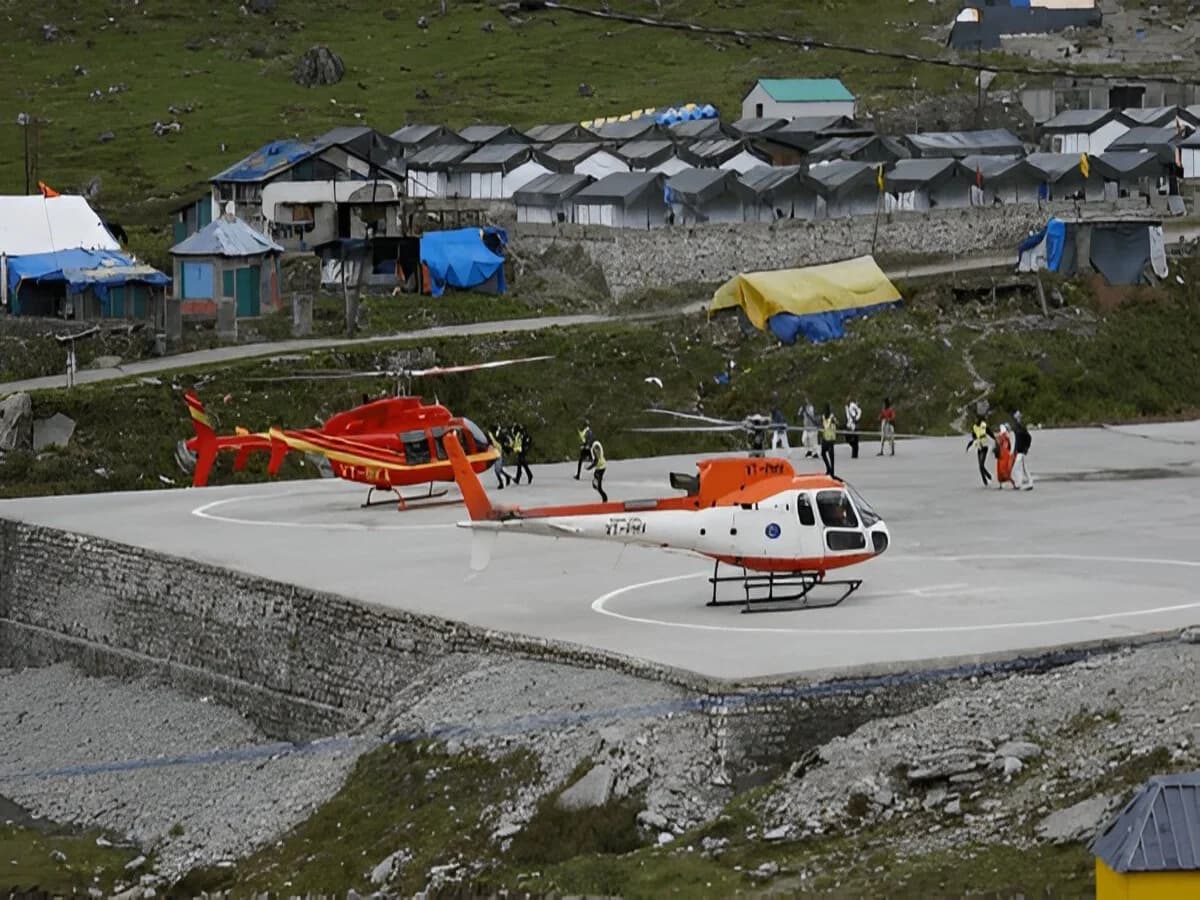
The Char Dham Yatra is one of India’s most revered pilgrimages, drawing thousands of devotees every year to the sacred shrines of Yamunotri, Gangotri, Kedarnath, and Badrinath. Traditionally, the journey involves long and arduous treks through the rugged terrains of Uttarakhand. While the spiritual essence of the pilgrimage remains unchanged, modern advancements have made it easier for devotees to complete the journey without physical strain.Chardham Yatra packages by helicopter are an excellent option for those seeking a comfortable and time-efficient way to undertake the yatra. These packages allow pilgrims to complete the sacred circuit within 4-5 days, offering a seamless travel experience while preserving the sanctity of the pilgrimage. With VIP darshan, aerial views of the Himalayas, and luxurious accommodations, it is a perfect blend of spirituality and comfort. With Viacation’s Chardham helicopter package, enjoy a hassle-free pilgrimage with VIP darshan and breathtaking aerial views.Advantages of Chardham Yatra by HelicopterThe Chardham Yatra by helicopter is ideal for those looking for an effortless and quick pilgrimage. Here are some compelling reasons why this mode of travel is gaining popularity:1. Saves TimeA traditional Chardham Helicopter tour takes about 10-12 days, involving long treks and road journeys. The helicopter service completes the journey in just 4-5 days, making it an ideal choice for those with time constraints.2. Comfortable and Hassle-FreeFor elderly pilgrims or individuals with health concerns, helicopter travel eliminates the need for strenuous treks. It offers a smooth, comfortable, and luxurious experience, ensuring that devotees can focus entirely on their spiritual journey.3. Spectacular Aerial ViewsFlying over the majestic Himalayan peaks, lush valleys, and serene rivers enhances the spiritual experience. The panoramic view of the Chardham temple sites from the sky is breathtaking and deeply fulfilling.4. VIP Darshan FacilitiesLong queues at temples can be exhausting, especially for senior citizens. Most chardham helicopter tour packages include VIP darshan, allowing pilgrims to have a smooth and peaceful visit to the temples.5. Safe and Well-OrganizedHelicopter services are operated by licensed aviation companies with experienced pilots. The itinerary is well-planned, ensuring safety and convenience for every traveler.Chardham Yatra by Helicopter – Itinerary OverviewA typical Chardham by helicopter follows a structured schedule, starting from Dehradun. Below is a day-wise breakdown of the journey:Day 1: Arrival in DehradunArrive at Dehradun, the starting point of the Chardham Yatra by helicopter from Dehradun.Attend a briefing session regarding the helicopter journey.Stay overnight in a luxury hotel.Day 2: Dehradun to YamunotriEarly morning departure from Sahastradhara Helipad in Dehradun.Arrive at Kharsali Helipad and proceed towards Yamunotri Temple via a short trek (or pony ride).Offer prayers at the temple and return to Kharsali for an overnight stay.Day 3: Yamunotri to GangotriFly from Kharsali to Harsil Helipad, the gateway to Gangotri Temple.Drive 25 km to the temple, perform puja, and explore the surroundings.Return to Harsil and stay overnight.Day 4: Gangotri to KedarnathFly from Harsil to Guptkashi/Phata Helipad, followed by a direct shuttle to Kedarnath.Offer prayers at the Kedarnath temple, one of the holiest Shiva shrines.Return to Guptkashi for a comfortable night’s stay.Day 5: Kedarnath to BadrinathFly from Sersi/Guptkashi to Badrinath, enjoying breathtaking views of the Himalayas.Upon arrival, transfer to the hotel for breakfast or lunch.Visit Badri Narayan Temple for a VIP darshan.Spend a relaxed evening exploring the scenic valley near the temple.Stay overnight in Badrinath.Day 6: Badrinath to DehradunBegin the day with a morning darshan at Badri Narayan Temple.Have breakfast at the hotel before departure.Fly back to Dehradun, carrying cherished memories of the Chardham Yatra by helicopter.Due to possible weather-related delays, it is recommended to book your return flight a day later.Chardham Helicopter Booking PriceThe Chardham yatra by helicopter cost vary depending on the season, services included, and the provider. On average, the price ranges between ₹1.5 lakh to ₹2.5 lakh per person.What’s Included in the Package?Helicopter flights for all four destinations.VIP darshan at each temple.Accommodation in luxury hotels.Local transportation and transfers.Assistance from experienced guides.Best Time for Chardham Yatra by HelicopterThe Chardham temples remain open from April/May to October/November, but the best time for a helicopter yatra is:1. Pre-Monsoon (May to June)Pleasant weather and clear skies make it an ideal time for helicopter travel.2. Post-Monsoon (September to October)The landscapes look vibrant after the rains, offering a serene experience.It is best to avoid monsoon months (July-August) as heavy rains can cause flight delays and landslides.Essential Travel Tips for Chardham Yatra by HelicopterBook in Advance – Helicopter slots are limited and fill up quickly. Secure your booking early.Carry Minimal Luggage – Weight restrictions apply on helicopter rides, so pack only the essentials.Dress Comfortably – Wear warm clothing, as the weather can be cold, especially in Kedarnath and Badrinath.Stay Hydrated – High altitudes can cause dehydration. Drink plenty of water.Follow the Guidelines – Listen to safety instructions and temple protocols for a smooth experience.The Chardham Yatra by helicopter is a perfect blend of spirituality and convenience, making the divine journey more accessible. Instead of navigating rough terrains and spending weeks on the road, devotees can now complete the Chardham pilgrimage in just a few days. With VIP darshan, breathtaking aerial views, and luxury stays, this yatra offers an unforgettable experience. Whether you are seeking divine blessings, peace of mind, or a spiritual retreat, the chardham helicopter service ensures that your journey is comfortable, safe, and deeply fulfilling. Plan your pilgrimage today and embrace the divinity of the Chardham temples without the hassle of traditional travel.Must Read: Places to visit in Char Dham YatraAlso Read: Things to do in Char Dham Yatra

Read More

Char Dham Yatra in September
May 30, 20255 Minutes
Char Dham Yatra in September
When the festive chaos of summer is over and the winter hasn’t started yet, September quietly becomes the perfect time for a spiritual getaway. Planning your Char Dham Yatra in September could be one of the smartest decisions you’ll make this year. Fewer crowds, better weather, and more time to explore the region.If you’ve been pushing this trip for too long, maybe it’s time to dust off your backpack and get going. By the way, if you don’t want the planning headache, you can check out our Chardham Yatra Packages to make life a little easier.Char Dham Weather in SeptemberSeptember is a game-changer. With monsoon wrapping up, everything looks freshly washed and green. Summer Char Dham trips come with sweaty foreheads, long queues, and a whole lot of patience testing. There’s a chill in the air—not too cold. And unlike summer, you’re not stuck behind crowds taking selfies at temple gates.If you’re someone who loves peace, nature, and less elbow-jostling while waiting for darshan, Char Dham Yatra in September is your month.Here’s the fun part. Char Dham weather in September is perfect—not too hot, not too cold.You can expect:Daytime temperatures between 10°C to 18°CNights can be slightly chillyOccasional light showers – Carry a rain coverTravel Tips for Char Dham Yatra in SeptemberTraveling in September is smooth, but a little prep goes a long way. Here are a few things you should keep in mind:Carry light woolens and a waterproof jacket—because weather in the mountains has mood swingsKeep some basic medicines (motion sickness, headache, cold)Start your journey early each day—sunsets don’t waitAnd yes, don’t depend too much on your phone network. Sometimes, even your phone needs a spiritual breakDon’t overexert on the first dayAcclimatize, drink water, and walk slowlyKeep basic first-aid handyListen to your body—if it says “Rest,” then rest!These little things can save you from big trouble.Stay Options: Comfortable Beds & Peaceful NightsYou’ll find all kinds of accommodation during your Char Dham Yatra in September—from cozy guesthouses to budget lodges and even dharamshalas.Price: ₹800 to ₹3000 per night (depending on location and comfort level)Where to Book: Online travel portals like Yatra, MakeMyTrip, or just walk-in as September’s crowd is less.No mad rush for bookings. You can actually take your time and pick a place that gives you a good view, and meet your expectations.How to Travel Around: From Buses to HelicoptersChar Dham Yatra in September has good road connectivity, and fewer vehicles on the road make it even better.Options include:Shared jeeps (great for budget and gossip with co-travelers)State buses (cheap and cheerful)Helicopter services (for the VIP feel—and less knee pain)Price:Buses: ₹500–₹1200Helicopter: ₹2500–₹7000 (per Dham sector)Where to Book: IRCTC, GMVN website, or local countersClothing & Essentials You Should Not ForgetLight woolen clothesThermal innerwear (trust us, mornings can bite)Waterproof shoesRaincoat or umbrellaA small torchPower bank (because selfie batteries die fast!)Spiritual Highlights: Darshan, Aartis & Peaceful VibesDon’t miss out on:Evening aartis (it’s goosebumps stuff)Walking along temple trailsConnecting with locals and hearing their storiesAlso, take time to explore some Places to Visit in Chardham like Bhairavnath Temple near Kedarnath or hot springs near Badrinath. While you’re around Kedarnath, make a short trek to Gaurikund—a place full of legends and hot water springs. And yes, if you’re wondering what else you can explore, there are plenty of Things to do in Chardham.Food Options: Simple, Hot, and Soul-SatisfyingMost accommodations serve basic satvik food, which is clean, healthy, and tasty.Price: ₹100–₹300 per mealWhere to Eat: Dhabas, temple kitchens, or your lodgeIs September a Good time for Chardham?Yes, Char Dham Yatra in September is peaceful, pleasant, and perfectly timed. No crowd chaos, no extreme weather, and just the right touch of divinity with fresh air and clear skies.So pack your bags, make a plan, and go find your peace in the hills. Just remember: good shoes and good company. Because even the divine journey feels better when your feet don’t hurt and you’re not stuck behind a busload of selfie lovers.Must Read: Things to do in Chardham Yatra

Read More

Char Dham Yatra e-pass
May 30, 20254 Minutes
Char Dham Yatra e-pass
Char Dham Yatra e pass is a digital permit that is an essential travel document for all pilgrims heading to these sacred sites. But what exactly is this e-pass? Simply put, it’s your digital ticket to visit Yamunotri, Gangotri, Kedarnath, and Badrinath – the four sacred sites that make up the Char Dham circuit. If you’re looking for a well-planned journey, check out our Chardham yatra packages that handle all the logistics, including e-pass registration. Let’s know more about how to register, its price, and how it can benefit you. Importance of the e-pass SystemThe Chardham e pass system serves several important purposes that benefit both pilgrims and the Himalayan ecosystem. First, it helps authorities manage the massive influx of devotees, preventing dangerous overcrowding at shrines with limited space. Remember 2019? The endless queues and chaos? Not anymore!Second, it creates a digital record of all visitors, which is crucial for emergency management and coordination during natural disasters or adverse weather conditions. Third, it helps protect the environment of the Himalayas by regulating tourist numbers. After all, we want to enjoy these divine Places to Visit in Chardham.Who Needs a Char Dham Yatra e-pass?The Chardham e pass is mandatory for all pilgrims, regardless of age, gender, or where you’re coming from. Whether you’re traveling solo, with family, or in a large group, each person needs their own individual pass.Though seniors above 70 and children below 10 are advised to consider the physical demands of the journey, especially when visiting Kedarnath, which requires a 20 km trek. Local Uttarakhand residents also need the pass. Even if you’re just visiting one shrine instead of all four, you still need the appropriate shrine-specific e-pass.How to Apply for Char Dham Yatra e-pass?Getting your Char Dham e pass is really simple. Visit the official Uttarakhand Tourism website or download the official Char Dham Yatra app.Create an account by providing your email address and mobile number.Fill in your personal detailsUpload required documents: a valid ID proof (Aadhar, passport, voter ID, driving license), and a recent passport-sized photograph.Select your preferred dates and shrines you plan to visit.Submit your application and receive your e-pass on your registered email/mobile number.There is also a WhatsApp number for Char Dham Registrations for 2025. Pilgrims can type “Yatra” and send to 8394833833. It will start the registration process. Travelers must apply at least 15-20 days before their planned journey, especially during peak season (May-June). Char Dham e-pass PriceThe basic Char Dham e pass is free of cost. If you’re booking through travel agents or tour operators, they might charge a service fee for handling the e-pass registration on your behalf.How To Book Char Dham Yatra e-pass?The only legitimate places to obtain your e-pass are:The official Uttarakhand Tourism websiteThe official Char Dham Yatra mobile applicationAuthorized government help centers in Rishikesh, Haridwar, and other entry points or base camps.e-pass Validity and RulesChar dham Yatra e pass has specific validity periods. Typically, the pass is valid for a specific date range that you select during registration.Each shrine has its own separate validation process. For example, if you register for Kedarnath on May 15, you should visit on that date or within the flexibility window (usually 1-2 days before or after). Remember to carry a printout or digital copy of your e-pass along with your ID proof for verification at multiple checkpoints along the route.Benefits of Having the e-passBesides being mandatory, the Chardham Yatra e pass comes with several practical benefits that make your spiritual journey smoother.It saves you from the disappointment of traveling all the way back at the entry point. Most accommodations now ask for valid e-passes during check-in, especially in towns close to the shrines.This is particularly useful when planning Things to do in Chadham beyond just temple visits.The digital system has cut down waiting times significantly – no more standing in long queues for entry permits on arrival.

Read More

Char Dham Yatra By Road
May 30, 20256 Minutes
Char Dham Yatra By Road
The Char Dham Yatra by Road is India’s most religious pilgrimage, which comprises four holy temples located in the Garhwal Himalayas of Uttarakhand. Yamunotri, Gangotri, Kedarnath, and Badrinath make up this spiritual circuit.In recent years, traveling the Char Dham yatra route has become increasingly popular by road due to the flexibility and independence it offers. Unlike fixed schedules of trains or flights, road journeys let you stop at mountain towns, enjoy amazing views, or rest whenever needed.Planning your route and mode of travel carefully is essential for a smooth journey. Many travelers now opt for customized Chardham Yatra Packages that include comfortable vehicles with experienced drivers familiar with the tricky mountain roads.Best Route for Chardham YatraPlanning the best route for Chardham yatra requires some thinking to make the most of your journey while minimizing backtracking. The best circular route for Chardham begins from Haridwar, heading first to Yamunotri via Barkot, then to Gangotri via Uttarkashi, followed by Kedarnath via Guptkashi, and finally to Badrinath before returning to Haridwar.The roads, though significantly improved in recent years, still demand careful driving, experienced drivers are recommended. The journey between all 4 dhams takes 6-8 hours depending on road conditions, weather, and traffic. During peak season (May-June and September-October), some stretches might be congested with pilgrim traffic.Safety comes first on Char Dham Yatra by Road—always maintain moderate speeds, avoid night driving, and check weather forecasts before setting out. The beautiful Places to Visit in Chardham route include not just the temples but also natural wonders like the Vishwanath Temple in Uttarkashi, Bhairav Temple near Yamunotri, and Valley of Flowers if you’re traveling in the flowering season.Price EstimateA road trip covering all 4 dhams costs about ₹20,000-30,000 per person, including fuel/transport, accommodation, and meals. Prices spike during peak season, so budget accordingly.Where to BookYou can book private taxis from Haridwar, Rishikesh, or Dehradun through local operators or online travel portals. For self-driving, navigation apps work well on most of the Char Dham yatra route, though keep offline maps handy as network connectivity is limited to some areas.Char Dham Yatra by Public Transport1. BusThe Chardham yatra by bus is an affordable alternative. Uttarakhand Transport Corporation (UTC) and Garhwal Mandal Vikas Nigam (GMVN) run regular bus services covering the circuit during the yatra season. These buses are reasonably comfortable and driven by locals who are experienced with mountain roads.2. Shared TaxiShared taxis are another popular option, especially from major hubs like Haridwar, Rishikesh, and Dehradun. They offer more flexibility than buses but cost less than private taxis. The frequency of these services is highest during peak pilgrimage months.3. Public transportPublic transport is perfect for budget travelers or those traveling solo. You’ll also get to mingle with locals and other pilgrims. While exploring the temples, don’t miss out on the various Things to do in Chardham like participating in the evening aarti, taking a dip in hot springs at Yamunotri, or simply enjoying the peaceful Himalayan atmosphere.Cost Estimate for Public TransportBus fares range from ₹3,000-5,000 for the entire circuit, making it significantly cheaper than private transport. Shared taxis typically cost ₹8,000-12,000 per person for the complete journey.Where to Book for Public TransportBook UTC buses from the main bus stands in Haridwar, Rishikesh, or Dehradun. Online platforms like Redbus, Zingbus also list some services. For shared taxis, inquire at local transport unions or tour operators in these cities.Char Dham Yatra by Personal VehicleTaking your own car or SUV for the Char Dham by car journey offers flexibility and comfort. This option is ideal for families or groups who prefer setting their own pace, stopping whenever they want, or extending stays at places that touch their hearts.The best duration for covering all 4 dhams comfortably by personal vehicle is 10-12 days. Plan overnight stops at Barkot, Uttarkashi, Guptkashi, and Joshimath to break the journey into manageable chunks. An SUV or vehicle with good ground clearance is highly recommended for the occasionally rough terrain.Remember to carry vehicle documents and permits (especially for out-of-state vehicles). Parking can be challenging near the temples, especially at Kedarnath and Yamunotri, where the final approach is on foot. From the parking at Gaurikund, you start the 16 km trek to Kedarnath.Price Estimate for Personal Vehicle:For a Char Dham yatra by car from Delhi or other major cities, budget approximately ₹25,000-40,000 for fuel, tolls, parking fees, and maintenance, depending on your vehicle’s fuel efficiency. Add accommodation and food costs separately.Where to Plan/BookSeveral apps can help plan your self-drive journey with route maps, fuel stations, and accommodation options. For those beginning their Chardham yatra from Haridwar by car, local mechanics recommend a thorough vehicle check-up before hitting the mountain roads.Whether you choose public transport, a package tour, or your own vehicle, the journey itself becomes an unforgettable part of the pilgrimage—as meaningful as reaching the sacred destinations themselves.Also Read: Char dham yatra guideMust Read: Things to do in Chardham Yatra

Read More

Best Time to Visit Char Dham
May 30, 20256 Minutes
Best Time to Visit Char Dham
The Char Dham Yatra is one of the most revered pilgrimages in India, attracting millions of devotees and travelers each year. Nestled in the Himalayan state of Uttarakhand, the four sacred shrines—Yamunotri, Gangotri, Kedarnath, and Badrinath—hold immense religious and spiritual significance.The journey to these shrines is about seeking divine blessings and experiencing the serene beauty of the Himalayas, glacial rivers, and tranquil surroundings. Every devotee dreams of completing this holy circuit at least once. To make this pilgrimage seamless and comfortable, Chardham Yatra packages offer well-planned itineraries, including transportation, accommodation, and guided tours, ensuring a spiritually enriching experience.Since the Char Dham temple remain open only for six months a year, selecting the right time to visit is crucial. You wouldn’t want your pilgrimage affected by harsh weather conditions or closed routes. So, when is the best time for Char Dham Yatra? Let’s explore the perfect months that offer pleasant weather, easy accessibility, and an enriching travel experience.Best Time for Char Dham YatraThe best month to visit Char Dham is between May to June and September to October. These months ensure a comfortable journey, as the roads are open, the weather is pleasant, and the scenic beauty of Uttarakhand is at its peak.1. May to June – Peak Season with Vibrant AtmosphereAs the snow melts and the doors of the Char Dham temples open in late April or early May, pilgrims from across India begin their spiritual journey.Comfortable weather: The temperature ranges between 10°C to 25°C, making travel and trekking easier.Spiritual ambiance: The yatra is in full swing, with devotional chants, a lively atmosphere, and thousands of devotees.Clear roads: Since monsoons haven’t started yet, landslides and roadblocks are minimal.However, as this is the busiest season, you might experience crowds at temples and higher accommodation prices. It is recommended to plan your trip during the best time to visit Char Dham and book your hotels and travel arrangements in advance.2. September to October – The Best Weather and Fewer CrowdsIf you’re looking for a more peaceful and scenic experience, visiting Char Dham after the monsoon season is the best choice.Cool and pleasant weather: The temperature varies between 5°C to 20°C, making it ideal for those who prefer colder climates.Breathtaking views: The post-monsoon greenery, snow-capped peaks, and clear blue skies make the journey visually stunning.Fewer pilgrims: Unlike peak season, the best time to visit Char Dham offers smaller crowds, allowing a more peaceful and personal spiritual experience.Since winter begins to set in by November, it’s best to complete your journey before mid-October to prevent severe cold.Weather Conditions Throughout the YearHere’s a quick look at how the weather varies across different seasons in Char Dham:Summer (May-June): Pleasant, easy for travel and trekking (10°C – 25°C).Monsoon (July-August): Heavy rains, landslides, and risky road conditions.Autumn (September-October): Ideal time with crisp air and stunning landscapes.Winter (November-April): Extreme cold, heavy snowfall, and temples remain closed.Things to Do in Char Dham YatraThe Char Dham Yatra isn’t just about temple visits; it’s an immersive spiritual and nature-driven experience. Here are some must-do activities that can enhance your pilgrimage:1. Take a Holy Dip in the Sacred RiversEach Char Dham site has a sacred river associated with it, and taking a dip is believed to cleanse the soul:Yamunotri – River YamunaGangotri – River GangaKedarnath – Mandakini RiverBadrinath – Alaknanda River2. Witness the Ganga Aarti at GangotriThe best time to visit Char Dham Yatra is when you can witness the Ganga Aarti at Gangotri Temple in all its glory. This ethereal experience, with thousands of devotees gathered, fills the air with devotional chants as the river glows under the light of oil lamps.3. Explore the Breathtaking Vasudhara Falls Near BadrinathA short trek from Badrinath leads to Vasudhara Falls, a hidden gem surrounded by snowy peaks and untouched natural beauty.4. Visit Bhairavnath Temple Near KedarnathJust above Kedarnath Temple, Bhairavnath Temple offers stunning panoramic views of the Kedarnath valley. It is said to be the protector of Kedarnath when the temple closes in winter.5. Trekking Adventures in the HimalayasIf you love trekking, the Char Dham route offers scenic trails, including:Yamunotri Trek (5 km from Janki Chatti) – A scenic uphill trek leading to Yamunotri Temple.Kedarnath Trek (16 km from Gaurikund) – One of the most famous and rewarding treks to Lord Shiva’s shrine.6. Visit Mana Village – India’s Last VillageJust 3 km from Badrinath, Mana Village is known as India’s last inhabited village near the Indo-Tibetan border. The peaceful ambiance and traditional houses make it a must-visit.7. Seek Blessings at Adi Shankaracharya SamadhiIt is located behind Kedarnath Temple, this sacred site is dedicated to Adi Shankaracharya, the great saint who revived Hinduism in India. The best time for Char Dham Yatra allows devotees to visit this revered place in a serene and spiritual atmosphere.Essential Travel Tips for Char Dham YatraBook in advance: Hotels and travel packages get filled quickly, especially in peak season.Carry warm clothes: Even in summer, temperatures can drop suddenly.Get registered: The Uttarakhand government requires Char Dham Yatra registration for safety reasons.Stay hydrated & eat light: The high altitude can cause discomfort, so drink plenty of water.Respect nature & temples: Keep the pilgrimage sites clean and avoid using plastic.The Char Dham Yatra is more than just a pilgrimage—it’s a soulful experience amidst the serene Himalayas. May to June and September to October are the best months to make the most of this spiritual journey, ensuring comfortable travel, breathtaking views, and divine blessings.Whether you want to experience the vibrant energy of peak season or the tranquility of post-monsoon landscapes, planning your visit at the right time will make your journey truly unforgettable. So, get ready to embark on a divine adventure, immerse yourself in spirituality, and witness the majestic beauty of the Char Dham!Also Read: Places to Visit in Chardham YatraMust Read: Things to do in Chardham Yatra

Read More

Char Dham Yatra in August
May 30, 20256 Minutes
Char Dham Yatra in August
The Char Dham Yatra is one of the most sacred pilgrimages in India, covering four important temples—Badrinath, Kedarnath, Gangotri, and Yamunotri—located in the state of Uttarakhand. Every year, thousands of devotees undertake this spiritual journey to seek divine blessings.While the peak season for Char Dham Yatra is between April and June, some pilgrims choose to visit in August during the monsoon season. This period offers a different experience, with lush greenery, misty landscapes, and fewer crowds. However, it also comes with certain challenges, including heavy rainfall, landslides, and unpredictable weather. Opting for well-planned Chardham Yatra packages can help ensure a safer and more comfortable journey despite the monsoon conditions.If you are planning a Char Dham Yatra in August, you must be well-prepared and aware of potential difficulties. This Char Dham Yatra guide provides detailed information on weather conditions, travel tips, road safety, and packing essentials to help you plan a smooth pilgrimage.Weather Conditions in AugustAugust falls in the monsoon season, which means frequent rainfall, humid conditions, and occasional roadblocks due to landslides. Here’s what you can expect in different Char Dham locations during this month:Temperature: Ranges between 10°C and 20°C, but can drop further in high-altitude areas.Rainfall: Moderate to heavy, with increased chances of road disruptions.Humidity: High due to continuous rains, making trekking routes slippery.Scenic Beauty: The mountains are covered in greenery, and waterfalls become more prominent, creating a picturesque landscape.While the rain enhances the natural beauty of the region, it also makes travel conditions unpredictable and challenging.Advantages of Visiting Char Dham Yatra in AugustAlthough the monsoon season presents some obstacles, there are several reasons why some travelers prefer August for their Char Dham pilgrimage:1. Less Crowded TemplesSince most devotees complete their pilgrimage before the monsoon, August sees fewer visitors, allowing for a more peaceful and uninterrupted darshan at all four temples.2. Breathtaking Natural BeautyThe entire region is covered in lush greenery, flowing rivers, and mist-covered mountains. The monsoon transforms the Himalayas into a vibrant and refreshing landscape, making the journey a scenic delight.3. Availability of AccommodationFinding hotels, guesthouses, and dharamshalas is much easier compared to peak season. Additionally, accommodation rates are often more affordable during this time.4. Ideal for Nature EnthusiastsFor those who appreciate mountain landscapes, waterfalls, and serene surroundings, August provides an opportunity to experience the Himalayas uniquely and peacefully.5. Health ConcernsThe damp climate increases the risk of cold, flu, infections, and altitude sickness. Pilgrims with respiratory or heart conditions should take extra precautions.6. Limited AccessibilitySome areas may become inaccessible due to flooded roads, damaged bridges, or traffic congestion caused by heavy rainfall. Helicopter services may also be suspended in case of bad weather.Route and Best Ways to TravelThe traditional Char Dham Yatra route starts from Haridwar or Rishikesh and covers the following four temples in this order:Yamunotri – Dedicated to Goddess Yamuna.Gangotri – Dedicated to Goddess Ganga.Kedarnath – Dedicated to Lord Shiva.Badrinath – Dedicated to Lord Vishnu.How to Reach Char Dham in August?By Road: Most pilgrims travel by bus, taxi, or private vehicle from Haridwar or Rishikesh. However, monsoon road conditions can cause delays.By Helicopter: Chardham yatra by Helicopter services to Kedarnath and Badrinath are available but depend on weather conditions.By Train: The nearest railway station is Haridwar, from where travelers can take buses or taxis to the Char Dham destinations.Safety and Travel Tips for Char Dham Yatra in AugustTo ensure a safe and comfortable pilgrimage during the monsoon, consider the following travel tips:Check Weather Forecasts Regularly – Stay updated on weather reports to avoid landslide-prone areas and unexpected route closures.Start Early in the Morning – Traveling during the early hours reduces the risk of getting caught in afternoon rains or roadblocks.Keep Emergency Contacts Handy – Have important phone numbers, including local police, disaster management authorities, and helpline services.Carry Waterproof Gear – Raincoats, umbrellas, and waterproof covers for backpacks are essential.Wear Proper Trekking Shoes – Non-slip, waterproof trekking shoes are recommended for safer movement on wet and muddy trails.Travel with a Group – Solo travelers should consider joining a group for safety and assistance during unexpected situations.Stay Hydrated and Eat Light – High-altitude sickness can affect some travelers, so drinking enough water and eating light meals is advisable.Keep Buffer Days in Your Itinerary – Due to possible delays, it is best to add 1-2 extra days to your schedule.Packing Essentials for Monsoon TravelHere’s a list of essential items to carry for Char Dham Yatra in August:Rainproof clothing and gear (raincoats, ponchos, waterproof bags)Warm clothes (jackets, woolen socks, gloves, and shawls)Trekking shoes with a firm gripFirst aid kit (band-aids, antiseptics, pain relievers, and altitude sickness medicine)Dry fruits and packed snacks (in case food availability is limited)Flashlight and power bank (power cuts are common in remote areas)Personal hygiene products (wet wipes, hand sanitizer, and tissue paper)The Char Dham Yatra in August offers a mix of spirituality, natural beauty, and adventure. The monsoon season enhances the landscape, making the journey scenic and peaceful. However, travelers must be prepared for challenges like heavy rainfall, landslides, and road disruptions.If you are comfortable with uncertain weather, flexible travel plans, and trekking in damp conditions, August can be a rewarding and serene time to complete the sacred pilgrimage. However, elderly pilgrims and those with health concerns should consider traveling during drier months for a smoother experience.Also Read: Places to Visit in Chardham YatraMust Read: Things to do in Chardham Yatra


Read More

Bhadrakali Temple in Kerala
May 30, 20254 Minutes
Bhadrakali Temple in Kerala
Overview of Bhadrakali Temple in Kerala Kerala, known for its rich cultural heritage and spiritual significance, is home to several temples dedicated to Goddess Bhadrakali, a fierce form of Goddess Durga. Bhadrakali Temple in Kerala holds immense religious importance, attracting devotees and tourists seeking blessings, peace, and divine energy. These temples are spread across the state, with some of the most famous ones located in Kodungallur, Kollam, and Alappuzha. Among them, Kodungallur Bhagavathy Temple, often referred to as Kodungallur Bhadrakali Temple, is one of the most revered shrines. It is believed to be one of the oldest temples in Kerala, dedicated to Goddess Bhadrakali, the goddess of power, protection, and victory. The temple is known for its unique rituals, including the Bharani Festival, where thousands of devotees gather to seek the goddess’s blessings. Add these divine temples to your Kerala tour packages for an enriching and spiritual journey. Bhadrakali temples in Kerala are not only places of worship but also hubs of cultural traditions, classical performances, and mythological storytelling. Whether you visit for spiritual reasons or to experience Kerala’s temple culture, these sacred sites leave a lasting impression of devotion and divine energy. What are the Key Highlights of Bhadrakali Temple in Kerala: Ancient Temples – Many Bhadrakali temples in Kerala are centuries old, with deep-rooted traditions. Kodungallur Bhagavathy Temple – One of the most famous Bhadrakali temples, known for its vibrant festivals and grand rituals. Bharani Festival – A significant annual celebration where devotees express devotion through folk songs and unique offerings. Fierce Yet Protective Deity – Goddess Bhadrakali is worshipped as a powerful guardian and destroyer of evil forces. Traditional Rituals – Temples follow age-old customs, including lamp-lighting ceremonies, animal-free sacrifices, and chanting of sacred hymns. Classical Performances – Temple festivals often feature Theyyam and Thira, ancient ritualistic dances dedicated to the goddess. Astrological and Tantric Significance – Many devotees seek spiritual remedies and protection from negative forces through temple rituals. Architectural Grandeur – Bhadrakali temples in Kerala are adorned with beautiful murals, wooden carvings, and traditional Kerala-style temple structures. Offerings and Prayers – Devotees offer red silk, turmeric, and tender coconuts as symbols of devotion. Welcomes All Devotees – People from different backgrounds visit these temples, making them spiritual landmarks of unity. Timings & Entry Fees of Bhadrakali Temple in Kerala: Timings: Most Bhadrakali temples in Kerala open early in the morning and remain open until late evening. General timings are 5:00 AM – 12:00 PM and 4:00 PM – 8:00 PM. Entry Fees: There is no entry fee for visiting the temples. However, special poojas and rituals may have separate charges. Travel Tips / Essential Information of Bhadrakali Temple in Kerala: Dress Modestly – Traditional attire is recommended for temple visits (men in mundu, women in sarees or salwar). Follow Ritual Practices – Observe temple customs such as removing footwear and maintaining silence. Best Time to Visit – Plan your visit during major festivals like Kodungallur Bharani or Navaratri for a grand experience. Avoid Non-Vegetarian Food – Many devotees follow a vegetarian diet before visiting Bhadrakali temples. Photography Restrictions – Some temples may not allow photography inside the sanctum. Seek permission before clicking pictures. Respect Local Traditions – Certain rituals may seem unusual but are deeply significant in Kerala’s temple culture. Temple Offerings – Common offerings include oil lamps, coconut, turmeric, and sandalwood paste. Visit Nearby Attractions – Explore other spiritual sites like Kodungallur Cheraman Juma Masjid and Thrissur Vadakkunnathan Temple. Plan Your Transport – Temples are well connected by roads, and local taxis and buses are available for easy travel. Experience the Energy – Whether or not you believe in divine power, the atmosphere in Bhadrakali temples is deeply spiritual and powerful. Visiting a Bhadrakali Temple in Kerala offers a unique blend of devotion, culture, and history. Whether you’re seeking divine blessings, exploring Kerala’s temple traditions, or witnessing grand temple festivals, these sacred sites provide an unforgettable experience. The grandeur of Kodungallur Bhagavathy Temple and other Bhadrakali temples reflects Kerala’s rich spiritual heritage. Also Checkout – Things To Do In KeralaMust Read – Places to Visit in Kerala

Read More

Paragliding in Kerala
May 30, 20253 Minutes
Paragliding in Kerala
Overview Paragliding in Kerala: Kerala, known for its stunning landscapes and diverse terrain, offers an exhilarating paragliding experience for adventure seekers. With its rolling hills, lush green valleys, and coastal winds, the state provides the perfect conditions for a thrilling flight. Among the best spots for paragliding in Kerala is Vagamon, a scenic hill station in the Western Ghats. It is known as the paragliding capital of South India, attracting enthusiasts from across the country. Vagamon’s high-altitude takeoff points and steady wind currents make it an ideal location for both beginners and experienced paragliders. As you soar above the hills, you’ll witness breathtaking views of tea plantations, waterfalls, and misty valleys stretching into the horizon. The thrill of flying combined with the serenity of nature makes paragliding in Kerala a truly unforgettable experience. If you’re planning an adventure-filled getaway, make sure to include paragliding in your Kerala tour packages for an unforgettable experience. Whether you’re an adventure enthusiast or someone looking for a once-in-a-lifetime experience, Kerala’s paragliding destinations offer the perfect blend of excitement and scenic beauty. With professional training and tandem flights available, even first-time flyers can enjoy this incredible sport. What are the Key Highlights of Paragliding in Kerala: Best Paragliding Destination – Vagamon is Kerala’s top paragliding hub, known for its high takeoff points and stable weather. Breathtaking Aerial Views – Fly over lush green valleys, tea gardens, and mist-covered mountains. Tandem Paragliding – Beginners can experience paragliding with trained pilots for a safe and thrilling adventure. Perfect Weather Conditions – The cool climate and consistent wind speeds make Kerala ideal for paragliding. Professional Training Available – Certified trainers and schools in Vagamon offer short courses for beginners. Paragliding Festivals – The annual International Paragliding Festival in Vagamon attracts pilots from across the world. Affordable Adventure Sport – Compared to other states, Kerala offers budget-friendly paragliding packages. Best Time to Visit – The ideal months for paragliding in Kerala are September to March when the skies are clear. Safe and Well-Organized Flights – Paragliding operators follow strict safety measures and use high-quality equipment. Adventure Meets Nature – Enjoy the thrill of flying while soaking in the beauty of Kerala’s untouched landscapes. Timings & Entry Fees of Paragliding in Kerala: Timings: Paragliding activities in Vagamon usually operate between 9:00 AM – 5:00 PM, depending on weather conditions. Entry Fee & Charges: Tandem Paragliding (with a pilot) – INR 3,500 – 4,500 per flight (10-15 minutes duration). Training Courses – INR 10,000 – 25,000, depending on course duration and certification level. Travel Tips / Essential Information of Paragliding in Kerala: Book in Advance – Paragliding slots fill up quickly, especially during peak tourist seasons. Choose a Certified Operator – Always book flights with certified trainers to ensure safety. Wear Comfortable Clothing – Light, breathable clothing and sports shoes are ideal for the flight. Check Weather Conditions – Avoid paragliding during monsoon months (June-August) due to strong winds. Follow Safety Instructions – Listen to your instructor and follow all guidelines before takeoff. Carry Minimal Belongings – Avoid carrying loose items like hats, scarves, or mobile phones during the flight. Capture Your Experience – Some operators offer GoPro video recording services during your flight. Stay Hydrated – Drink plenty of water before your flight to avoid dehydration at high altitudes. Combine Your Trip with Nearby Attractions – Visit Vagamon Pine Forest, Kurisumala, and Meenachil River after your adventure. Perfect for Couples & Families – Even if you don’t fly, watching paragliders take off in Vagamon is an exciting experience for spectators. Paragliding in Kerala is an adventure that lets you embrace the thrill of flying while enjoying stunning natural views. Vagamon, with its perfect wind conditions and scenic surroundings, is the ultimate destination for this sport. Whether you choose a tandem flight or a professional training session, the experience is guaranteed to be exhilarating. Also Checkout – Things To Do In KeralaMust Read – Places to Visit in Kerala

Read More

Kerala Tea Garden
May 30, 20253 Minutes
Kerala Tea Garden
Overview of Kerala Tea GardenKerala, known for its lush greenery and scenic landscapes, is home to some of the most beautiful tea gardens in India. Located mainly in Munnar, Wayanad, and Vagamon, these tea plantations offer breathtaking views of rolling hills covered in vibrant green tea bushes. The cool climate, mist-covered valleys, and refreshing aroma of freshly plucked tea leaves make it a paradise for nature lovers.The tea gardens of Munnar are among the most famous in Kerala, dating back to the British era. These vast estates not only produce high-quality tea but also provide an excellent opportunity for visitors to learn about the tea-making process. Many plantations have tea museums and guided tours, allowing tourists to witness tea plucking, processing, and tasting. If you’re exploring Kerala tour packages, make sure to include a visit to these lush green tea gardens for a refreshing and peaceful getaway.Visiting a Kerala tea garden is not just about sightseeing; it’s an experience that combines nature, history, and culture. Whether you’re sipping a cup of freshly brewed tea, taking a leisurely walk through the plantations, or capturing stunning photos, these gardens offer a serene and unforgettable escape into nature.What are the Key Highlights of kerala tea gardenScenic Beauty – Enjoy mesmerizing views of vast tea plantations spread across rolling hills.Famous Tea Gardens – Visit Munnar, Wayanad, and Vagamon, known for their expansive tea estates.Tea Museum & Factory Tours – Learn about the tea-making process at Munnar’s Tata Tea Museum.Tea Tasting Experience – Savor freshly brewed Kerala tea, known for its rich aroma and flavour.Photography Spots – Capture stunning landscapes of misty hills and lush green valleys.Trekking & Nature Walks – Explore the walking trails through tea estates for a peaceful experience.Best Time to Visit – The best months to visit Kerala’s tea gardens are October to March when the weather is cool.Wildlife & Birdwatching – Spot exotic birds and animals in plantations near protected forest areas.Eco-Tourism Destination – Tea gardens in Kerala follow sustainable and organic farming practices.Ideal for All Travelers – Perfect for nature lovers, photographers, couples, and families.Timings & Entry Fees of kerala tea gardenTimings: Most tea gardens are open for visitors between 9:00 AM – 4:00 PM.Entry Fee:Munnar Tea Museum – INR 75 per personPrivate Tea Estates Tour – INR 100-300 per person (varies by estate)Guided Plantation Walks – INR 500-1,000 per group (depends on location and duration)Travel Tips / Essential Information of Kerala Tea GardenWear Comfortable Shoes – Walking through tea gardens involves uneven paths, so wear sturdy footwear.Visit a Tea Factory – Many plantations offer factory tours where you can witness tea processing.Try Freshly Brewed Tea – Don’t miss the chance to taste different varieties of Kerala tea.Visit During Sunrise or Sunset – The soft golden light makes the tea gardens even more picturesque.Carry a Jacket or Sweater – The hill stations of Kerala, especially Munnar, can get chilly in the mornings and evenings.Shop for Organic Tea – Many estates sell freshly packed organic tea leaves, perfect for souvenirs.Book Plantation Stays – Some tea estates offer stay options for a complete nature retreat experience.Respect the Environment – Follow eco-friendly tourism practices, and avoid littering in tea gardens.Combine Your Visit with Nearby Attractions – Explore places like Eravikulam National Park, Attukal Waterfalls, and Top Station near Munnar.Check Plantation Availability – Some tea estates may require booking for guided tours.Kerala’s tea gardens are more than just plantations, they are a blend of history, nature, and tradition. Whether you want to enjoy a scenic walk, sip freshly brewed tea, or learn about tea processing, these estates offer an unforgettable experience.Also Read: Places to visit in KeralaMust Checkout: Things to do in Kerala

Read More

Aranmula Kerala
May 30, 20254 Minutes
Aranmula Kerala
Overview of Aranmula Kerala: Aranmula, a picturesque village in Kerala, is known for its rich cultural heritage, ancient temples, and vibrant festivals. Located on the banks of the sacred Pamba River, this serene destination is famous for the Aranmula Parthasarathy Temple, the grand Aranmula Vallamkali (Snake Boat Race), and the exquisite Aranmula Kannadi (metal mirrors). The Aranmula Parthasarathy Temple, dedicated to Lord Krishna in his role as Parthasarathy (the charioteer of Arjuna), is one of the 108 Divya Desams (sacred Vaishnavite shrines). This centuries-old temple is renowned for its intricate architecture, traditional rituals, and its association with the Onam festival. Add Aranmula to your Kerala tour packages to explore the beauty and heritage of God’s Own Country in its purest form. Another highlight of Aranmula is its Vallamkali (Boat Race), an iconic event held during Onam, where beautifully decorated snake boats compete in a thrilling race. This event attracts thousands of visitors and showcases Kerala’s cultural pride. Aranmula is also home to the unique Aranmula Kannadi, a handcrafted metal mirror made using an ancient secret technique. These mirrors, known for their crystal-clear reflections, are a symbol of Kerala’s rich craftsmanship. Whether for spirituality, culture, or tradition, Aranmula is a must-visit destination in Kerala. What are the Key Highlights of Aranmula Kerala: Aranmula Parthasarathy Temple – A revered shrine dedicated to Lord Krishna, known for its deep-rooted history and grand festivals. Aranmula Vallamkali (Boat Race) – One of the most famous snake boat races in Kerala, held during the Onam festival. Pamba River – A sacred river flowing through Aranmula, adding to its spiritual charm. Aranmula Kannadi – Exclusive metal mirrors made with a unique secret technique, a symbol of Kerala’s heritage. Onam Celebrations – The festival is celebrated grandly, attracting tourists from across the world. Traditional Kerala Architecture – The temple and heritage homes in Aranmula reflect the beauty of traditional Kerala architecture. Handicrafts and Souvenirs – The village is known for its artisans who craft the world-famous Aranmula metal mirrors. Eco-Tourism and Backwaters – The nearby scenic backwaters and lush green landscapes offer a peaceful retreat. Local Cuisine – Authentic Kerala dishes like Sadya (traditional vegetarian feast) are a must-try when visiting Aranmula. Cultural Hub – The village is an important centre for Kerala’s classical arts, including music and dance. Timings & Entry Fees of Aranmula Kerala: Temple Timings: The Aranmula Parthasarathy Temple is open from 4:00 AM – 11:00 AM and 5:00 PM – 8:00 PM. Entry Fee: No entry fee is required for the temple or for witnessing the boat race, but special seating arrangements may have separate charges. Best Time to Visit: August – September (during the Onam festival and Vallamkali). Travel Tips / Essential Information of Aranmula Kerala: Best Time to Visit – Plan your trip during Onam (August-September) to witness the grand boat race and temple festivities. How to Reach – Aranmula is well-connected by road. The nearest railway station is Chengannur (10 km away), and the closest airport is Trivandrum International Airport (117 km away). Respect Temple Etiquette – Follow the traditional dress code (men in mundu, women in sarees or salwar) and remove footwear before entering the temple. Boat Race Viewing Spots – Arrive early to secure a good spot to watch the Vallamkali race along the riverbanks. Buy Aranmula Kannadi – These unique handcrafted metal mirrors make for an authentic Kerala souvenir. Explore the Pamba River – Take a boat ride or simply enjoy the scenic beauty of the sacred river. Stay Options – Choose from homestays, guesthouses, or resorts near Aranmula for a comfortable stay. Local Food Experience – Try traditional Kerala meals, including banana leaf Sadya and authentic Pazhampori (banana fritters). Photography – While photography is allowed in the village and riverside, temple interiors may have restrictions. Combine with Nearby Attractions – Visit Pathanamthitta, Chengannur, and Alleppey for a more enriching Kerala experience. A visit to Aranmula, Kerala, offers a perfect mix of spirituality, culture, and tradition. Whether you’re experiencing the divine aura of the Aranmula Parthasarathy Temple, witnessing the exhilarating snake boat race, or bringing home the legendary Aranmula Kannadi, this village leaves an everlasting impression. Also Checkout – Things To Do In KeralaMust Read – Places to Visit in Kerala

Read More

Scuba Diving in Kerala
May 30, 20253 Minutes
Scuba Diving in Kerala
Overview of Scuba Diving in Kerala: Kerala, known for its serene backwaters and lush greenery, also offers an exciting underwater adventure—scuba diving. With its pristine coastline, clear waters, and rich marine biodiversity, Kerala is a fantastic destination for both beginners and experienced divers. Scuba diving here allows you to explore vibrant coral reefs, diverse marine species, and even fascinating underwater rock formations. It’s a must-try activity for anyone exploring Kerala tour packages. Popular scuba diving locations in Kerala include Kovalam, Varkala, and Kochi, each offering unique diving experiences. Kovalam is especially famous for its well-equipped dive centres and guided tours, making it an ideal spot for first-timers. Varkala, with its stunning cliffs and deep waters, provides an exhilarating dive for adventure seekers. Whether you’re looking for a thrilling experience or simply want to witness the beauty of marine life up close, scuba diving in Kerala promises an unforgettable adventure.  What are the Key Highlights of Scuba Diving in Kerala: Kovalam Beach – One of the best spots for scuba diving in Kerala, known for its calm waters and certified dive centres. Varkala Beach – Offers thrilling deep-sea diving experiences with incredible underwater views. Kochi – A unique diving destination where you can explore underwater rock formations and marine life. Rich Marine Biodiversity – Discover colourful corals, reef fish, sea turtles, and other exotic marine species. Perfect for Beginners and Experts – Certified instructors are available for first-timers, while experienced divers can enjoy deep-sea dives. Safe and Well-Organized – Most dive centres provide high-quality equipment and professional training sessions. Best Season – The ideal time for scuba diving in Kerala is between September and March when visibility is at its best. Great for Adventure Seekers – Whether solo or with friends, scuba diving is a must-try adventure in Kerala. Timings & Entry Fees of Scuba Diving in Kerala: Best Time to Dive: September to March, when the water is clear and conditions are ideal. Approximate Cost: Scuba diving packages in Kerala range from INR 3,500 to INR 6,000 per session, depending on the location and depth of the dive. Beginners can opt for guided discovery dives, while certified divers can explore deeper waters. Travel Tips / Essential Information of Scuba Diving in Kerala: Pre-Booking Recommended – Book your scuba diving session in advance, especially during peak tourist season. Choose Certified Dive Centers – Opt for PADI-certified or well-reviewed dive centres for a safe experience. Medical Check-Up – Those with respiratory or heart conditions should consult a doctor before attempting scuba diving. Wear Comfortable Swimwear – A well-fitted wetsuit and comfortable swimwear enhance the diving experience. Listen to Instructors – First-time divers should pay close attention to safety instructions before entering the water. Underwater Photography – Many diving centres offer underwater photography services to capture your dive memories. Respect Marine Life – Avoid touching corals or disturbing marine creatures to protect the underwater ecosystem. Try Snorkeling Too – If scuba diving feels too intense, snorkelling is a great alternative for exploring Kerala’s marine life. Scuba diving in Kerala is an adventure that shouldn’t be missed. From the crystal-clear waters of Kovalam to the deep-sea thrills of Varkala, this experience lets you witness the hidden beauty beneath the waves. Whether you’re seeking adventure or a peaceful underwater escape, Kerala’s scuba diving spots promise an unforgettable journey into the ocean’s depths. Also Checkout – Things To Do In KeralaMust Read – Places to Visit in Kerala

Read More

Karlad Lake Kerala
May 30, 20254 Minutes
Karlad Lake Kerala
Overview of Karlad Lake Kerala Karlad Lake is located in the scenic Wayanad district of Kerala. It is a beautiful freshwater lake surrounded by lush greenery. It is the second-largest freshwater lake in Wayanad and offers a peaceful escape from the busy city life. Unlike the more popular Pookode Lake, Karlad Lake is lesser-known, making it an ideal spot for those who prefer a quieter and more serene environment. This picturesque lake is not just about relaxation; it also offers adventure activities like boating, kayaking, and ziplining. The calm waters reflect the surrounding hills, creating a breathtaking view, especially during sunrise and sunset. The cool breeze, chirping birds, and misty landscape make Karlad Lake a nature lover’s paradise. Adding this destination to Kerala tour packages will make your trip more exciting and memorable, especially if you love scenic landscapes and outdoor fun. For adventure seekers, the lake provides various activities, including rock climbing and nature trails. Birdwatchers can also spot various native and migratory birds in the area. Whether you are a solo traveller, a couple, or visiting with family, Karlad Lake is a great place to relax and enjoy the natural beauty of Kerala’s Wayanad region. What are the Key Highlights of Karlad Lake Kerala: Less Crowded & Peaceful – Unlike other popular lakes, Karlad Lake is quiet and perfect for relaxation. Boating & Kayaking – Enjoy peaceful pedal boating or exciting kayaking while admiring the beautiful views. Adventure Activities – Try thrilling activities like ziplining, rock climbing, and nature walks. Breathtaking Views – The lake is surrounded by lush green hills, adding to its scenic beauty. Perfect for Birdwatching – The lake attracts many birds, making it a great spot for bird lovers. Ideal Picnic Spot – Visitors can enjoy a peaceful picnic with family and friends by the lakeside. Close to Banasura Sagar Dam – Located near Banasura Sagar Dam, one of the largest earth dams in India. Best Time to Visit – The best months to visit Karlad Lake are October to May when the weather is pleasant and suitable for outdoor activities. Photography Heaven – The reflections of trees and hills on the water create stunning photography opportunities. Camping Options – Nearby areas offer tent stays and camping for those who want to experience nature overnight. Timings & Entry Fees of Karlad Lake Kerala: Timings: Karlad Lake is open to visitors every day from 9:00 AM to 5:00 PM. Entry Fee: A small entry fee of INR 20 per person is charged. Activity Charges: Boating: INR 100-200 per person (depending on type). Kayaking: INR 200-300 per person. Ziplining: INR 250-500 per person (varies based on season and package). Travel Tips / Essential Information of Karlad Lake Kerala Visit in the Morning or Evening – Arriving early ensures a peaceful experience, while evenings offer stunning sunset views. Wear Comfortable Clothing – If you plan to try adventure activities, wear casual and comfortable clothes. Carry Essentials – Sunscreen, sunglasses, and a hat are recommended to protect yourself from the sun. Stay Hydrated – Carry a water bottle as there may be limited drinking water facilities nearby. Explore Nearby Attractions – Visit Banasura Sagar Dam, Meenmutty Waterfalls, and Pookode Lake for a complete Wayanad experience. Respect Nature – Avoid littering and follow eco-friendly practices to help maintain the lake’s natural beauty. Perfect for All Types of Travelers – Whether you are a solo traveller, couple, or family, Karlad Lake offers something for everyone. Try Local Food – There are small eateries nearby where you can taste delicious Kerala snacks and tea. Plan for a Half-Day Visit – Exploring Karlad Lake and nearby attractions can be done in about 3-4 hours. Best Season to Visit – October to May offers pleasant weather, while monsoon months (June-September) bring heavy rains, making activities limited. Karlad Lake is a perfect blend of peace and adventure, making it one of Wayanad’s hidden gems. Whether you want to enjoy a quiet moment by the lake, indulge in kayaking, or explore the nearby attractions, this place has something for everyone. If you are planning a trip to Kerala, make sure to add Karlad Lake to your itinerary for a refreshing and memorable experience in nature. Also Checkout: Things to do in KeralaMust Read: Places To Visit in Kerala

Read More

Snorkeling in Goa
May 30, 20253 Minutes
Snorkeling in Goa
Overview of Snorkeling in Goa: Goa, because of its coastal location, watersports experiences are amazing. Among all the fun things you can do, snorkeling in Goa has quietly made its way to the top of every travel bucket list. Because nothing beats swimming with colorful fish, floating over corals. All Goa tour packages now include snorkeling as a fun add-on—so you don’t have to plan everything separately. Snorkeling became popular in Goa over the years as more travelers started seeking adventure beyond sunbathing. The calm waters, clear visibility, and marine life make it the perfect spot for first-timers and seasoned snorkelers. Plus, you don’t need to be a pro swimmer—just a little curiosity and the will to look like a sea explorer in your snorkeling mask. Best Places for Snorkeling in Goa 1. Grande Island (Bat Island) It’s the most famous snorkeling spot in Goa. You’ll see colorful coral reefs, angelfish, parrotfish, and maybe even a dolphin. Timing: 8 am to 4 pm Depth: 3 to 10 meters Price: ₹1,500 to ₹2,500 (includes boat ride and equipment) 2. Monkey Island (Near Palolem) Quieter than Grande Island, this spot is perfect if you want fewer people and more marine life moments. Bonus: You’ll also see monkeys on the nearby trees—snorkeling with side entertainment. Timing: 9 am to 3 pm Depth: 2 to 6 meters Price: ₹1,200 to ₹2,000 3. Sinquerim Beach If you don’t want to go island-hopping, just head here. It’s beginner-friendly and close to many resorts. Timing: 10 am to 5 pm Depth: 1.5 to 5 meters Price: ₹1,000 to ₹1,800 4. Candolim Beach Great for families and people who just want a quick dip and fish-spotting experience. Timing: 9 am to 4 pm Depth: 2 to 4 meters Price: ₹1,000 to ₹1,700 Travel Tips / Essential Information for Snorkeling in Goa Don’t panic in water. You’re wearing a life jacket—you’ll float like a potato. Snorkeling gear is usually provided—mask, snorkel, fins, and life jacket. But if you’re finicky, carry your own mask. Don’t wear your best clothes—they’ll get wet, salty, and sandy. Old t-shirt and shorts work fine. Apply waterproof sunscreen. The sun doesn’t take a break just because you’re having fun. Eat light before snorkeling. Heavy breakfast + waves = not a great combo. Follow the instructor. They’ve done this 500 times—you’ve just watched it on Instagram reels, so listen to your instructors. Hydrate well. Saltwater and sunshine can make you feel like a dehydrated bhindi. Avoid touching marine life. They’re cute but delicate—plus, you don’t want to come home with a sea urchin kiss. Best time to snorkel in Goa: October to March. After that, the sea gets moody. Book early during peak season. Spots fill up faster than pani puri counters in the evening. Combo tours available. Many trips include snorkeling, dolphin spotting, and BBQ lunch, all in one price. Also Read – Things To Do in Goa​Must Read – Places to Visit in Goa

Read More

Login ModalPost Login FormTalk with trip expert