Blog hero image
Top Travel Stories

Explore our latest blogs and travel with us

Nubra Valley
May 30, 20253 Minutes
Nubra Valley
Overview of Nubra Valley: Nubra Valley, often referred to as the “Valley of Flowers,” is a stunning destination located about 150 kilometres north of Leh, Ladakh. Known for its unique landscape, Nubra is a blend of desert-like dunes, lush greenery, and snow-capped mountains. Whether you’re visiting through a Leh Ladakh tour package or on your own, Nubra Valley offers an unforgettable experience of Ladakh’s natural beauty and peaceful atmosphere. The valley is situated at an altitude of around 3,000 meters and is famous for its scenic beauty and rich cultural heritage. It is the meeting point of the Shyok and Nubra rivers, which add to the area’s charm. Historically, Nubra was an important stop on the Silk Route, making it a place of great cultural exchange. Today, it is home to beautiful monasteries like Diskit Monastery, the oldest and largest in the region. Nubra Valley is also famous for its double-humped Bactrian camels, which are a rare sight in India.  What are the Key Highlights of Nubra Valley: Diskit Monastery: The largest and oldest monastery in Nubra, offering panoramic views of the valley. Bactrian Camels: Ride these unique double-humped camels, which are a rare sight in India. Sand Dunes of Hunder: Enjoy the surreal desert landscape with its sandy dunes and snow-capped mountains in the background. Trekking Routes: Explore the many trekking routes, including the famous Nubra Valley Trek, which takes you through stunning landscapes and villages. Turtuk Village: A remote village with a unique Balti culture, where visitors can learn about local life and traditions. Yarab Tso Lake: A serene, clear lake surrounded by mountains, perfect for a peaceful getaway. Timings & Entry Fees of Nubra Valley: Timings: The best time to visit Nubra Valley is between May and September when the weather is ideal for sightseeing and outdoor activities. Entry Fee: There is no entry fee to visit Nubra Valley, but certain monasteries may charge a small fee for entry or photography. Travel Tips / Essential Information For Nubra Valley: Best Time to Visit: The ideal time to visit Nubra Valley is during the summer months, from May to September when the weather is pleasant for sightseeing and adventure activities. Altitude Consideration: Nubra Valley is located at a high altitude, so take time to acclimatize in Leh before heading to the valley. Carry Warm Clothing: Even in summer, temperatures can drop quickly in the evenings, so pack warm clothing. Stay Hydrated: The region is arid, so carry plenty of water to stay hydrated, especially if you plan to trek. Respect Local Culture: Nubra is home to many local communities, so be respectful of their customs and traditions. How to Reach: Nubra Valley is accessible from Leh via the Khardung La Pass, one of the highest motorable roads in the world. You can hire a taxi or take a shared jeep to reach the valley. Nubra Valley is a hidden gem in Ladakh, offering breathtaking landscapes, unique wildlife, and rich cultural experiences. Whether you’re an adventure seeker or someone looking for a peaceful retreat, this beautiful valley should be on your Ladakh trip itinerary.Also Read – Places To Visit in LadakhMust Checkout – Things To Do in Ladakh

Read More

Khardung La
May 30, 20253 Minutes
Khardung La
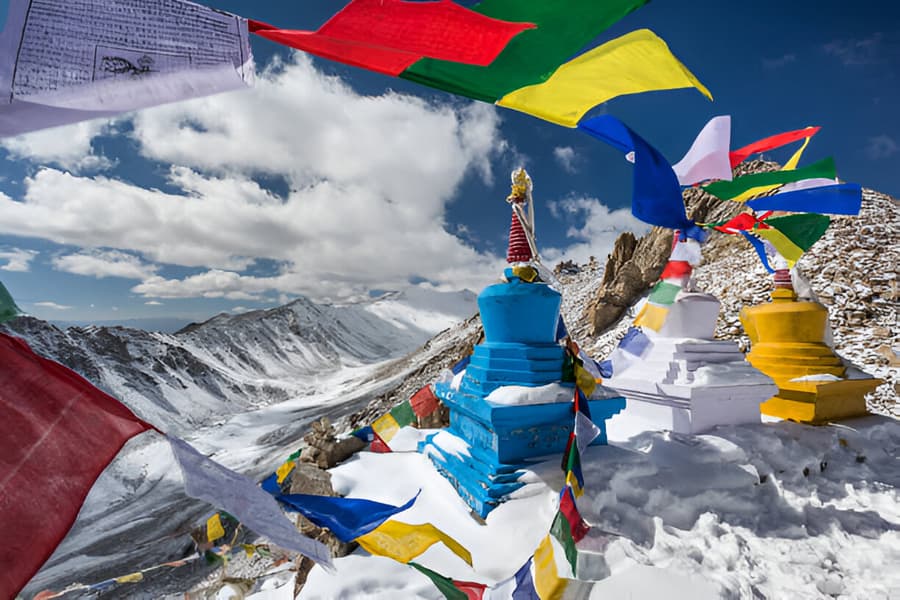
Overview of Khardung La: Khardung La is one of the world’s highest motorable mountain passes, located at 17,982-foot height in Ladakh. It comes between Leh and Nubra, once you reach the top, you’ll be surrounded by snow-clad peaks and amazing views that seem to stretch forever. The pass connects Leh to the Nubra and Shyok valleys and was historically part of an important trade route, where hundreds of horses and camels carried goods between India and Central Asia. Many travelers visiting Ladakh through Leh Ladakh tour packages make it a point to visit Khardung La, not just for its incredible views but also to experience the thrill of standing at such a high altitude. The pass has become a bucket list destination for adventurers, especially bikers who dream of conquering Ladakh. Despite the tough weather conditions and breathing difficulties due to the altitude, the sense of achievement you get at the top makes it all worthwhile. What are the Key Highlights of Khardung La: Army Cafe Experience: Stop at the world’s highest cafe run by the Indian Army. Sip on hot tea while enjoying Maggi with spectacular mountain views. Regular tea costs INR 30, Maggi around INR 100. Prayer Flag Point: Visit the colorful Buddhist prayer flags fluttering in the wind—perfect spot for photos with the “World’s Highest Motorable Pass” signboard. Snow Play Area: Enjoy snow all year round at designated areas near the pass. Build snowmen or have friendly snowball fights even in the summer months. Glacier Views: Views of the Karakoram range and nearby glaciers will make your photos better. On clear days, you can spot K2, the world’s second-highest peak. Historical Silk Route Markers: See remnants of the ancient Silk Route trading path, with information boards explaining its historical significance. Timings & Entry Fees Khardung La The pass is open from May to October. Indian tourists and foreign visitors must obtain Inner Line Permits (ILP) from the Leh DC office, costing around INR 800 per person. Generally, it expires in 6-7 days. Travel Tips/ Essential Information for Khardung La: Altitude Sickness Prevention: Spend at least 2-3 days in Leh before attempting Khardung La. Carry oxygen canisters and basic medicines. Heavy meals are not recommended. Clothing Essentials: Pack warm layers even in summer – temperature can drop below freezing. Carry sunglasses, caps, gloves, and a heavy jacket. Best Photo Spots: Early morning visits offer the clearest mountain views. The army cafe area and prayer flag point are perfect for photos. Vehicle Preparation: Ensure your vehicle has a full fuel tank and is in good condition. Carry extra fuel and a basic repair kit. Weather Check: Avoid visiting during heavy snow or rainfall. The best time is May to September when roads are clearer. Time Management: Plan to arrive before 2 pm as the weather usually deteriorates in the late afternoon. Don’t spend more than 20-30 minutes at the top. Network Connectivity: No mobile network at the pass. Some postpaid sim has a network at the pass, but there’s no network of prepaid sims.Also Read – Places To Visit in LadakhMust Checkout – Things To Do in Ladakh

Read More

Magnetic Hill
May 30, 20253 Minutes
Magnetic Hill
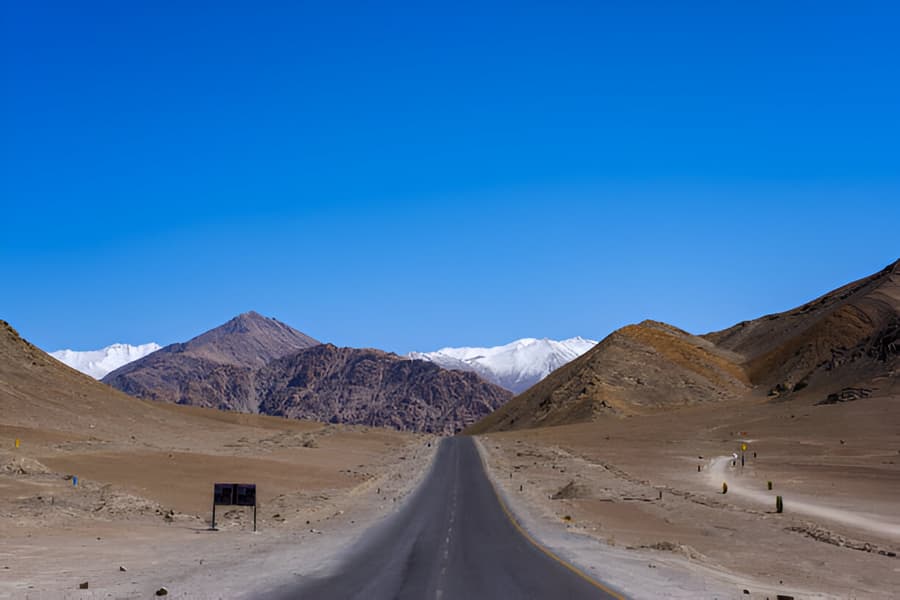
Overview of Magnetic Hill: Magnetic Hill is a place where cars run uphill on their own. That’s the magic of Magnetic Hill in Ladakh! Located about 30 km from Leh City, this mysterious spot has puzzled visitors for years. Cars parked in neutral gear start to move uphill, defying gravity. While locals say it’s because of magnetic forces pulling vehicles up, scientists explain it’s actually an optical illusion created by the unique layout of the surrounding mountains and road. Looking for the best Leh Ladakh tour packages? Make sure it includes Magnetic Hill in your itinerary. The spot has become a must-visit attraction, especially during summer months when tourists flock here to experience this strange phenomenon. The surrounding views of barren mountains and the Indus River make this place even more attractive. You’ll often spot travelers parking their cars to test this peculiar experience, taking videos, and enjoying the moment. What are the Key Highlights of Magnetic Hill: Gravity-Defying Experience: Watch in amazement as your vehicle rolls uphill without any engine power. Perfect spot for making fun videos and social media content. Stunning Military Hall of Fame: Visit the nearby Hall of Fame museum showcasing the Indian Army’s achievements and Ladakh’s military history. Entry fee: INR 25 per person. Indus Valley Views: Enjoy breathtaking views of the mighty Indus River flowing through the valley, with perfect photo spots against mountain backdrops. Confluence Point: See the meeting point of the Indus and Zanskar Rivers just a short drive away. Local guides explain interesting geographical features. Peaceful Buddhist Monasteries: Visit nearby Pathar Sahib Gurudwara and Magnetic Hill Monastery for spiritual peace and cultural insights. Timings & Entry Fees of Magnetic Hill: Open 24 hours No entry fee required Best visiting hours: 8 am to 5 pm for clear visibility Travel Tips/ Essential information For Magnetic Hill: Car Setup Tips: Stop your car at the marked white box, put it in neutral gear, and wait for the magic to happen. Place a water bottle on your car’s hood to see it roll upward. Best Time to Visit: Plan your visit between May to September when the weather is pleasant. Early morning visits offer clearer skies and better photo opportunities. Altitude Warning: Located at 14,000 feet, take proper precautions for altitude sickness. Carry water and some snacks, as there are limited facilities nearby. Photography Spots: The best photos can be taken from the main platform. Early morning light creates perfect conditions for capturing the surrounding landscapes. Local Transport: If not driving, hire a local taxi from Leh. Most drivers know the perfect spots to experience the magnetic effect. Nearby Attractions: Combine your visit with the Hall of Fame museum and Gurudwara Pathar Sahib, all within a 5-10 km radius. Facilities Available: Basic washrooms available. Carry cash as there are no ATMs nearby. Small cafes sell snacks and water.Also Read – Places To Visit in LadakhMust Checkout – Things To Do in Ladakh

Read More

Chang La Pass
May 30, 20253 Minutes
Chang La Pass
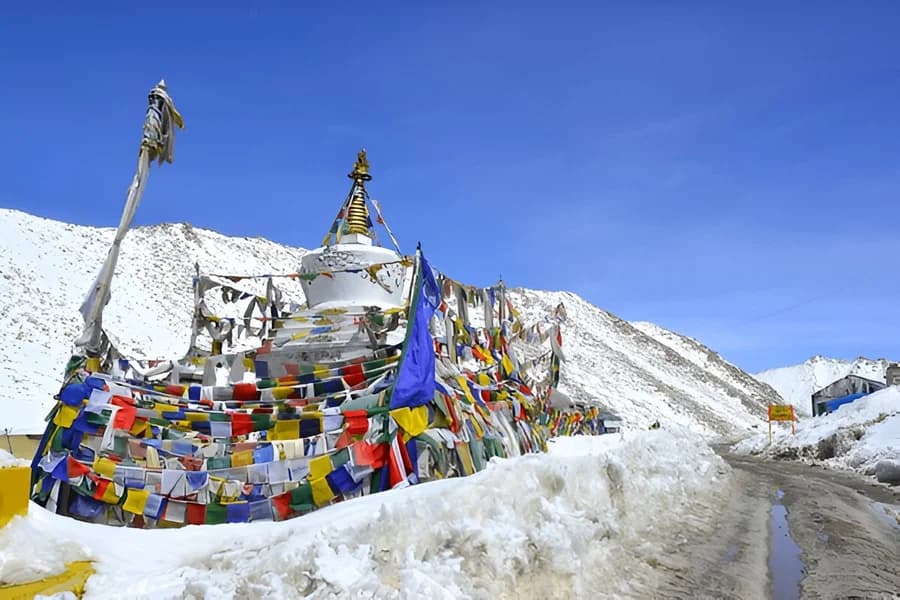
Overview of Chang La Pass: Chang La Pass is one of the world’s highest driveable mountain passes, located at a height of 17,586 feet in Ladakh. If you travel from Leh to Pangong Lake, this pass comes in between the route, offering views that will leave you speechless. The pass gets its name from the sage Changla Baba, and you’ll spot a small temple dedicated to him right at the top. Looking to explore this magnificent pass? All the best Leh Ladakh Tour Packages include Chang La as a must-visit spot and trust me, it’s worth every bit of the journey. The road up here is a testament to the incredible engineering of the Border Roads Organisation (BRO), who keep it open almost all year round. As you drive up, you’ll notice the air getting thinner and the temperature dropping, but the stunning views of snow-capped peaks and the vast mountainous landscape make you forget all that. What are the Key Highlights of Chang La Pass: Chang La Temple: Stop by this small but significant temple at the summit, where travelers seek blessings before continuing their journey. Hot tea is often served here to help with altitude sickness. Military Transit Camp: Visit this camp where soldiers show incredible hospitality and basic medical help to travelers feeling the altitude. Snow Walls: During winter months, drive through massive snow walls reaching heights of 40 feet – a spectacular sight that makes for amazing photos. Valley Views: Catch breathtaking views of the Changthang Valley and surrounding peaks. On clear days, you can see endless mountain ranges stretching to the horizon. Wildlife Spotting: Keep your eyes peeled for unique Himalayan wildlife like marmots, blue sheep, and if you’re lucky, snow leopard footprints in the snow. Timings & Entry Fees of Chang La Pass: The pass is open 24/7, but it’s best to cross between 9 am to 2 pm when weather conditions are most stable. There’s no entry fee, but carry your inner line permit. Sometimes the pass closes during heavy snowfall, so check road conditions before traveling. Travel Tips/ Essential Information of Chang La Pass: Altitude Acclimatization: Spend at least 2-3 days in Leh before attempting Chang La. The extreme altitude can cause serious mountain sickness if you rush. Oxygen Availability: Carry small oxygen cans, available in the Leh market for INR 300-500. The army camp also provides oxygen in emergencies. Vehicle Preparation: Only take vehicles in good condition. Carry extra fuel, basic tools, and spare tire. Local taxis are a safer option for INR 3000-4000 per day. Clothing Essentials: Pack warm layers even in summer. Temperature can drop below freezing suddenly. Carry gloves, a woolen cap, and a waterproof jacket. Stay Duration: Don’t spend more than 20-30 minutes at the pass top to avoid altitude sickness. Phone Connectivity: At the pass, there’s no network coverage. Only BSNL works occasionally. Best Season: Visit between May to September when the road conditions are best and snow walls are still visible.Also Read – Places To Visit in LadakhMust Checkout – Things To Do in Ladakh

Read More

Hemis Monastery
May 30, 20253 Minutes
Hemis Monastery
Overview of Hemis Monastery: Hemis Monastery is one of the oldest and most popular monasteries of Ladakh, and Ladakh’s rich Buddhist heritage, and sits in the rugged mountains of Ladakh. Located about 45 kilometers from Leh, this ancient monastery is the largest and most significant Buddhist monastery in the region. Founded in the 17th century by King Sengge Namgyal, the monastery belongs to the Drukpa Lineage of Tibetan Buddhism and serves as a vital spiritual and cultural center. When planning your Leh Ladakh Tour Packages, Hemis Monastery is a must-visit destination that offers travelers a deep dive into the spiritual world of Himalayan Buddhism. The monastery complex is famous for its incredible architecture, stunning wall paintings, and impressive collection of ancient artifacts that tell stories of centuries-old Buddhist traditions. Its remote location and serene surroundings make it a perfect spot for those seeking tranquility and cultural insight. What are the Key Highlights of Hemis Monastery: Hemis Monastery Museum: Explore an extraordinary collection of rare Buddhist artifacts, including intricate thangka paintings, ancient scriptures, and precious gems from Tibetan Buddhist history. Hemis Festival: Experience the world-famous annual festival held in June/July, featuring masked dancers in colorful traditional costumes performing sacred religious dances that tell Buddhist stories. Stunning Architecture: Marvel at the monastery’s incredible design, with multiple prayer halls, courtyards, and a spectacular golden statue of Guru Padmasambhava. Spiritual Experiences: Join morning or evening prayer sessions, listen to chanting monks, and feel the deep spiritual energy of this sacred space. Panoramic Mountain Views: Enjoy breathtaking views of the surrounding Himalayan landscape, with snow-capped peaks and pristine valleys creating a mesmerizing backdrop. Timings & Entry Fees Hemis Monastery: Monastery Timings: Open daily from 8 am – 1 pm & 2 pm – 6 pm Entry Fee: INR 100 per person (includes museum visit) Hemis Festival Entry: Free for festival performances Photography Inside Monastery: Additional INR 100 camera fee Best Time to Visit: June to September during the summer months Travel Tips / Essential Information for Hemis Monastery: Dress Code: Wear modest, respectful clothing that covers shoulders and knees. Altitude Preparation: Hemis is located at 3,600 meters, so acclimatize properly and carry altitude sickness medicines. Transportation: Limited public transport; it is best to hire a taxi or join a guided tour from Leh. Best Time to Visit: Summer months (June to September) offer the best weather and accessibility. Photography Tips: Ask permission before clicking photos, especially during religious ceremonies. What to Carry: Water bottle Warm layers Sunscreen Comfortable walking shoes Cash (limited ATM facilities) Booking Tips: Plan your visit during the Hemis Festival for a unique cultural experience. Local Interaction: Learn a few basic Buddhist greetings to connect with local monks, monks are always ready to let you learn about their traditions. Respect Local Customs: Maintain silence in prayer halls and follow monastery guidelines.Also Read – Places To Visit in LadakhMust Checkout – Things To Do in Ladakh

Read More

Kargil
May 30, 20254 Minutes
Kargil
Overview of Kargil: Kargil, nestled in the breathtaking landscapes of Ladakh, is an essential destination for any traveler looking to explore the rugged beauty and rich history of the region. Positioned between Srinagar and Leh, Kargil is one of the most significant towns in Ladakh and often a stopover in Leh Ladakh tour packages. What makes Kargil stand out is its historical significance. Known for being the site of the 1999 Kargil War, the town has a deep connection to India’s military history. The Kargil War Memorial, located in Drass (just outside Kargil), is a moving tribute to the soldiers who sacrificed their lives defending the country’s borders.The town itself is surrounded by picturesque landscapes, including the striking Suru Valley and the majestic Pensi La Pass, making it a prime destination for those seeking peace and solitude amidst the Himalayan ranges. Beyond its history, Kargil also offers incredible cultural diversity. The region is home to both Buddhist and Muslim communities, giving it a rich blend of traditions and customs that visitors can explore. Local markets are vibrant, and filled with handicrafts, clothing, and spices, while monasteries and mosques reflect the spiritual heritage of the area. For those interested in trekking, camping, and adventure activities, Kargil is a haven for outdoor enthusiasts. Whether you’re interested in its rich historical background, natural beauty, or cultural fusion, Kargil is undoubtedly one of the must-visit spots in Ladakh. What are the Key Highlights of Kargil: Kargil War Memorial: Located in the nearby Drass Valley, this memorial is dedicated to the brave soldiers who fought in the 1999 Kargil War. The monument includes a museum with photographs and artefacts, making it a significant historical site. Suru Valley: This lush valley, with its green meadows, crystal-clear rivers, and views of the majestic Nun-Kun peaks, is perfect for photography, nature walks, and relaxation. Rangdum Monastery: Situated in the remote Suru Valley, this Buddhist monastery offers panoramic views of the surrounding mountains and valleys, making it a peaceful escape for visitors. Pensi La Pass: This high-altitude pass offers stunning views of the Zanskar range and serves as the gateway to the Zanskar Valley, famous for its trekking routes and rugged beauty. Adventure Activities: Kargil offers a variety of activities for adventure lovers, including trekking, camping, and river rafting along the Indus and Suru Rivers. Local Cuisine: Kargil’s cuisine offers an exciting blend of Ladakhi and Kashmiri flavours. Don’t miss trying traditional dishes like skyuh, momos, and thukpa while exploring the local markets. Timings & Entry Fees of Kargil: Kargil War Memorial: Open daily from 8:00 AM to 7:00 PM. Entry is free of charge. Visitors are encouraged to pay respects to the soldiers and learn about the war’s history through various exhibits and displays. Rangdum Monastery: Open from sunrise to sunset, with no fixed entry fee. Donations are welcome to support the upkeep of the monastery. Visitors can explore the peaceful surroundings and enjoy the stunning views. Travel Tips / Essential Information for Kargil Best Time to Visit: The best time to visit Kargil is from June to September when the weather is more favourable, and most of the roads are accessible. Winters can be harsh, with heavy snow blocking roads and making it difficult to travel. Altitude: Kargil is situated at a high altitude, so it is essential to acclimatize before heading to higher elevations. Spend a day or two in Leh or Kargil to avoid altitude sickness. Travel Permits: For certain regions near the Pakistan border, Inner Line Permits (ILPs) are required. Be sure to carry valid permits when travelling. Clothing: The weather can be unpredictable. Even in summer, temperatures can drop significantly, so pack warm clothing, especially if you plan on venturing into higher altitudes. Health Precautions: Carry basic medical supplies, including medicines for altitude sickness, as well as any personal medications. Keep yourself hydrated, especially in the dry, arid climate. Transportation: The road conditions can be rugged, so it’s best to travel in sturdy vehicles like SUVs or 4x4s. Shared taxis and private cabs are available from Leh and Srinagar. Respect Local Culture: Kargil is home to people from both Muslim and Buddhist communities. Be respectful of local customs, especially when visiting monasteries, and mosques, or interacting with the locals.Also Checkout: Things to do in KashmirMust Read: Places to visit in Kashmir

Read More

Diskit Gompa
May 30, 20253 Minutes
Diskit Gompa
Overview of Diskit Gompa: Diskit Gompa is the oldest and largest Buddhist monastery in Nubra Valley and sits on a hill overlooking the vast desert landscape of Ladakh. Built in the 14th century, this monastery belongs to the Gelugpa (Yellow Hat) sect of Tibetan Buddhism and has been a spiritual beacon for locals and travelers alike. When you visit Diskit Gompa, you’ll be amazed by its colorful prayer flags fluttering in the wind and the huge 106-foot statue of Maitreya Buddha that welcomes visitors with open arms. Inside, the monastery houses ancient murals, Buddhist scriptures, and statues that tell stories from centuries ago. Many travelers exploring Leh Ladakh Tour Packages make sure to include this historic monastery in their itinerary, not just for its religious significance but also for the breathtaking views of the Nubra Valley and the Karakoram (K2) range it offers. What are the Key Highlights of Diskit Gompa: Giant Maitreya Buddha Statue: Marvel at the 106-foot tall statue of the Future Buddha, standing tall against the backdrop of snow-capped mountains. The statue was inaugurated by the Dalai Lama himself. Prayer Hall (Dukhang): Step into the main prayer hall adorned with colorful thangkas, ancient murals, and traditional Buddhist artifacts. Watch monks perform their daily rituals. Monastery Museum: Explore a small but fascinating collection of old weapons, musical instruments, and Buddhist relics that showcase the monastery’s rich history. Sunset Viewpoint: Climb to the monastery’s rooftop for spectacular sunset views over the Nubra Valley, with sand dunes and mountains creating a magical landscape. Morning Prayers: Join the monks during their morning prayer ceremony at 7 am, filled with the peaceful sounds of Buddhist chants and horns. Timings & Entry Fees For Diskit Gompa: Open daily from 7 am to 7 pm Morning prayers: 7 am – 8:30 am Entry fee: INR 30 per person Camera fee: INR 50 Special ceremonies during Dosmoche Festival (February) and Gustor Festival (July-August) Travel Tips/ Essential Tips For Diskit Gompa: Best Time to Visit: May to September when the weather is pleasant and roads are clear. Winter visits can be challenging due to heavy snowfall. Photography Rules: Get permission before taking photos inside the prayer halls. Some areas restrict photography to preserve ancient artworks. Dress Code: Wear modest clothing covering shoulders and knees. Remove shoes before entering prayer halls. Carry a light jacket as it can get windy. Local Etiquette: Walk clockwise around religious structures, maintain silence in prayer halls, and don’t touch religious artifacts without permission. Altitude Adjustment: The monastery is at 10,300 feet. Take it slow, stay hydrated, and acclimatize properly in Leh before visiting. How to Reach: Hire a taxi from Leh (120 km) or join a tour group. The journey takes about 4-5 hours via mountain roads. Stay Options: Basic guesthouses are available in Diskit Village, but most visitors base themselves in Leh.Also Read – Places To Visit in LadakhMust Checkout – Things To Do in Ladakh

Read More

Tso Moriri Lake
May 30, 20253 Minutes
Tso Moriri Lake
Overview of Tso Moriri Lake: Tso Moriri is one of the most beautiful high-altitude lakes you’ll find in Ladakh. Sitting pretty at 15,075 feet, this massive lake stretches over 28 kilometers in length. The first thing that’ll catch your eye when you visit there is the stunning blue water surrounded by mountains. It’s truly a sight that’ll leave you speechless! Looking to explore this hidden gem? Many Leh Ladakh tour packages include Tso Moriri as a must-visit spot and trust me, it’s worth every minute. The lake is home to some unique birds like black-necked cranes and bar-headed geese, making it a treat for bird lovers. The nearby Korzok village gives you a peek into the simple life of local Changpa nomads who’ve lived here for generations. And the best part is the lake changes colors throughout the day – from deep blue to light green. What are the Key Highlights of Tso Moriri Lake: Changthang Wildlife Sanctuary: Watch rare animals like kiang (Tibetan wild donkey) and marmots. The sanctuary is also home to Himalayan wolves and snow leopards if you’re lucky. Crystal Clear Waters: Experience the mirror-like surface of the lake that perfectly reflects the mountains. Early morning hours offer the best views when the water is completely still. Korzok Monastery: Visit this 300-year-old monastery perched on a hill overlooking the lake. The monks often welcome visitors to join their evening prayers. Nomadic Culture: Meet Changpa nomads who live in traditional tents, rearing pashmina goats. Share a cup of butter tea while listening to their stories. Timings & Entry Fees of Tso Moriri Lake: There’s no entry fee, but need Inner Line Permit required: INR 250INR 420 per person (includes wildlife sanctuary permit) Best visiting hours: 6 am to 6 pm Camping charges: INR 1000-1500 per night per tent Photography allowed with no extra charge Travel Tips/ Essential Information For Tso Moriri Lake: How to Reach: The road from Leh takes 7-8 hours. Start early morning to reach before sunset. Roads are bumpy, so prepare for a long journey. Altitude Preparation: Spend 2-3 days in Leh before visiting. The high altitude can cause breathing problems if you rush. Carry basic medicines and drink lots of water. Best Time to Visit: Plan your trip between May to September. The lake is frozen in winter, and most camps close down. June-July offers perfect weather. Accommodation: Book camps in advance during peak season. Basic homestays in Korzok village start from INR 1000 per night. Vehicle Prep: No petrol pumps near the lake. Fill up your tank in Leh. Carry extra fuel if driving. Phone Network: Zero mobile network at the lake. Some postpaid sims works but the network is patchy. Food Planning: Pack some snacks and water. A few small restaurants in Korzok village serve simple meals like Maggi, momos, and thukpa. What to Pack: Carry warm clothes even in summer. Temperatures drop quickly. Don’t forget sunscreen and sunglasses.Also Read – Places To Visit in LadakhMust Checkout – Things To Do in Ladakh

Read More

Hemis National Park
May 30, 20253 Minutes
Hemis National Park
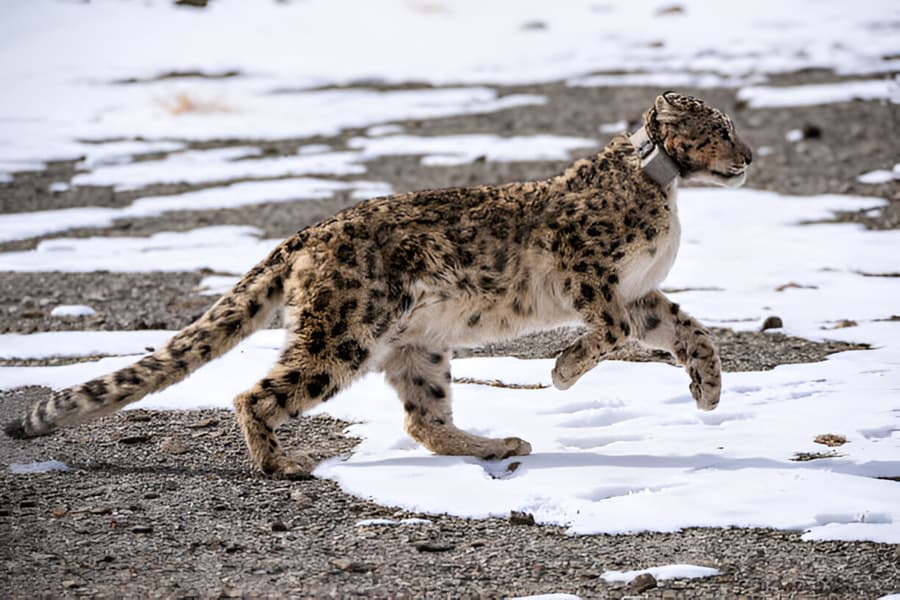
Overview of Hemis National Park: In Ladakh, Hemis National Park is a wildlife sanctuary that’s home to Ladakh’s snow leopard. Spread across 4,400 square kilometers of rugged terrain, this park sits in the eastern part of Ladakh and is the largest national park in South Asia. The landscape here gives you a proper Ladakho vibe- rocky cliffs, barren land, and endless stretches of meadows that change colors with the seasons. Looking to spot some rare wildlife? Many visitors planning their Leh Ladakh tour packages make Hemis National Park a must-visit stop. Besides the snow leopard, you’ll find Tibetan wolves, bharal (blue sheep), and Ladakhi land roaming freely. The park sits at an altitude between 3,300 and 6,000 meters, making it perfect for adventure lovers and wildlife lovers looking for a unique experience. What are the Key Highlights of Hemis National Park: Snow Leopard Trails: Join expert trackers between November and March for the best chance to spot these rare cats. Local guides help visitors track pugmarks and discover these incredible animals in their natural home. Cost for guided tours: INR 15,000 per day. Rumbak Village Stay: Experience mountain life with local families in traditional homestays. Enjoy hot butter tea, fresh Ladakhi food, and stories from the mountains. Homestay costs: INR 2,000 per night. Ancient Monasteries: Visit the famous Hemis and Gotsang monasteries nestled in the mountains. Watch monks go about their daily lives and enjoy peaceful mountain views. High-Altitude Lakes: Trek to pristine mountain lakes like Tso Moriri, where you might spot unique birds and wildlife against snow-capped peaks. Timings & Entry Fees of Hemis National Park: Open all year. Entry fees: Indians – INR 20, Foreigners – INR 100. Camera charges: Still camera – INR 50. For treks lasting multiple days, additional permits are required. Book these at least 2 days before your visit.If you plan to venture into restricted zones or areas near the Indo-China border, you will need an Inner Line Permit (ILP). Travel Tips/ Essential Information for Hemis National Park: Altitude Matters: Give yourself 2-3 days in Leh before heading to the park. This helps your body adjust to the high altitude. Drink lots of water and take it easy on day one. Weather Watch: Summer (June-October) is good for regular wildlife and hiking. Winter (November-March) is best for snow leopard spotting. But winters are harsh, with temperatures dropping to -20°C. Pack Smart: Bring warm clothes that you can layer. Don’t forget a good jacket, hiking shoes, and a warm sleeping bag if you’re trekking. Guide is a Must: Always hire a local guide. They know where animals usually hang out and can keep you safe on tricky trails. Book through registered agencies in Leh. Stay Planning: Book your homestay or camping spots early, especially in peak season. Options are limited and fill up fast. Medical Ready: Bring basic medicines – headache pills, band-aids, and any personal medication. The nearest medical help might be hours away. Paperwork Check: Keep multiple copies of your ID and permits. Save the emergency phone numbers of your guide. Internet Warning: Don’t count on having a phone signal or internet in most parts of the park. Download offline maps before you go.Also Read – Places To Visit in LadakhMust Checkout – Things To Do in Ladakh

Read More

Sangam
May 30, 20253 Minutes
Sangam
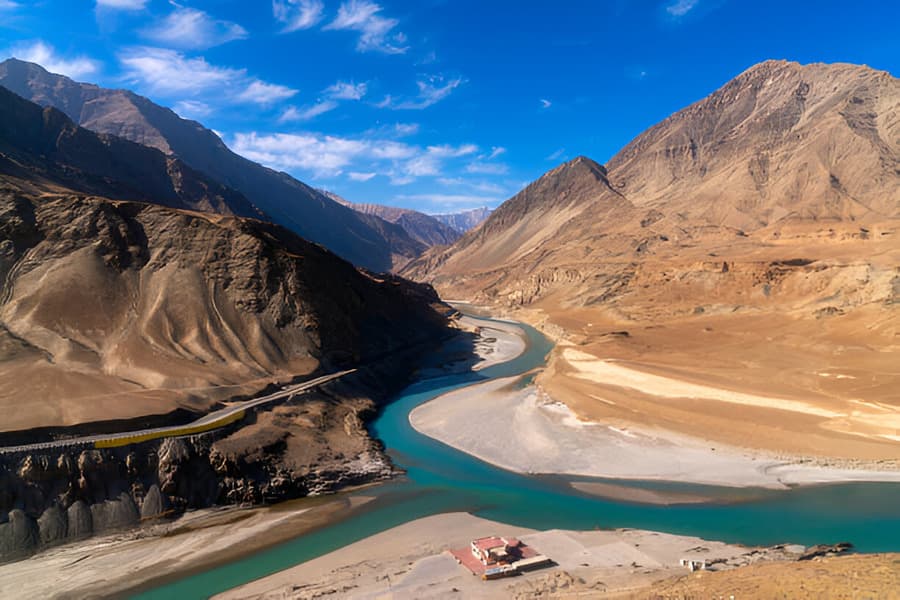
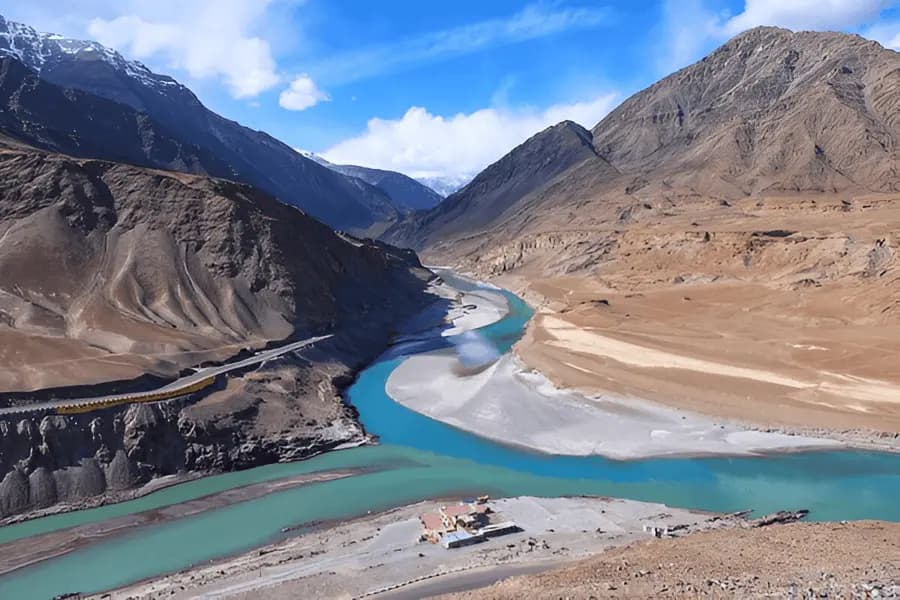
Overview of Sangam: Sangam Point in Ladakh is an amazing natural wonder where two rivers, the Indus and Zanskar, meet at a spectacular viewpoint. Located around 20 km from Leh, this unique confluence attracts travelers from across the globe who are mesmerized by the contrasting colors of the rivers. The Indus, with its blue-green waters, merges with the Zanskar River, creating a stunning visual spectacle against the rugged Himalayan landscape. When planning your Leh Ladakh Tour Packages, Sangam Point is an absolute must-visit destination. The point offers more than just a river confluence – it’s a testament to nature’s incredible beauty and the raw, untamed landscape of Ladakh. Photographers, nature lovers, and adventure lovers find this spot particularly captivating, as the surrounding mountains and the river merge to create a scene that seems almost surreal. What are the Key Highlights of Sangam: River Confluence: Witness the magical meeting of the Indus and Zanskar rivers, where two different water colors dramatically blend. Scenic Photography: Capture breathtaking landscape shots with contrasting river colors and majestic Himalayan mountains in the background. Adventure Opportunities: Enjoy river rafting experiences that let you navigate through the stunning river confluence. Geological Marvel: Observe the unique geological formation where two distinct rivers meet, showcasing nature’s incredible design. Cultural Significance: Learn about the local Ladakhi beliefs and stories associated with these sacred rivers. Surrounding Landscape: Explore the rugged terrain, rocky mountains, and pristine natural environment around Sangam Point. Best Time to Visit: Ideal during summer months (June to September) when rivers are most vibrant and the weather is pleasant. Photography Tips: Best light for photography during early morning and late afternoon for stunning river and mountain views. Timings & Entry Fees of Sangam: No specific entry fees for Sangam Point. Open daily from sunrise to sunset. Best visited between June and September. No formal timing restrictions. Recommended to check local travel guidelines and weather conditions before planning your visit. Travel Tips/ Essential Information For Sangam: Best Time to Visit: Plan your trip between June and September for optimal weather conditions. Transportation: Hire a taxi or join a guided tour from Leh for convenient access. Clothing: Pack warm layers, even in summer. Mountain weather can change quickly. Photography Gear: Carry extra camera batteries and protective gear for high-altitude conditions. Physical Preparation: Acclimatize to high altitude before exploring. Stay hydrated and move slowly. Local Interaction: Respect local Ladakhi culture and traditions during your visit. Safety Precautions: Check weather forecasts and road conditions before traveling. Roads are good but expect some off-roading as well. Essential Carry: Sunscreen, sunglasses, hat, water bottle, and some dry snacks. Connectivity: All mobile networks are weak. Only postpaid sims work. Carry a local SIM or be prepared for limited communication. Booking Tips: Include Sangam Point in your Leh Ladakh tour packages for a comprehensive experience.Also Read – Places To Visit in LadakhMust Checkout – Things To Do in Ladakh

Read More

Indus River
May 30, 20253 Minutes
Indus River
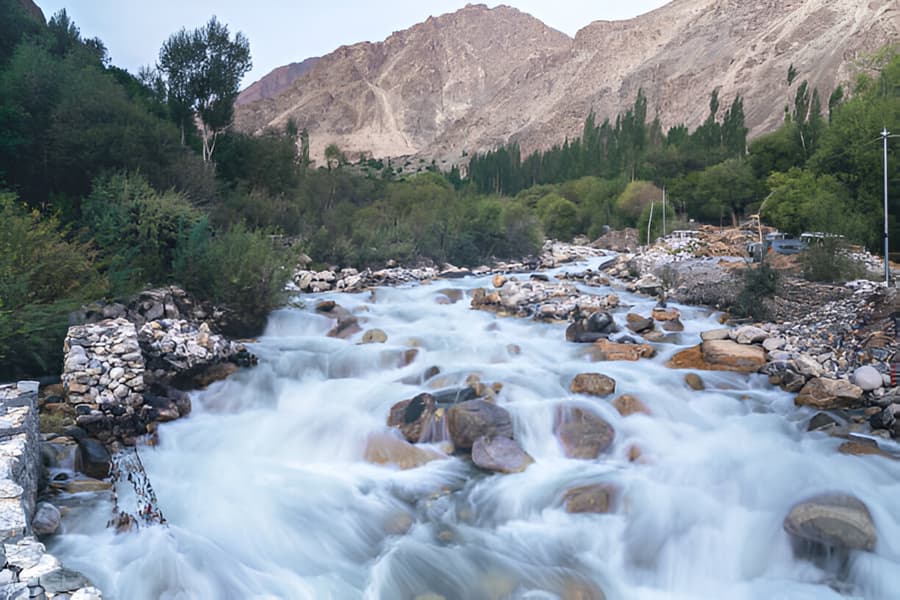
Overview of Indus River: The Indus River is one of Asia’s mightiest rivers and has been the lifeline of civilizations for thousands of years. Starting from the Tibetan Plateau near Lake Manasarovar, this massive river flows through the landscapes of Ladakh, creating deep gorges and valleys before entering Pakistan. What makes it super special is that it’s not just any river – it’s the reason why India got its name! The ancient Greeks called India ‘Indos’ after this very river. If you’re planning your Leh Ladakh Tour Packages, the Indus River will be your constant companion. You’ll keep spotting it throughout your road trip, and the region’s most beautiful spots, with its blue-green waters creating perfect photo opportunities. The river valley is home to some of Ladakh’s oldest monasteries and villages, where people have lived and farmed for generations, making it a living piece of history. What are the Key Highlights of Indus River: Sangam Point at Nimmu: A confluence where the green waters of the Indus meet the dark waters of the Zanskar River. Great spot for river rafting too. Magnetic Hill Drive: The confluence comes after Magnebctic Hill starting from Leh. Drive along the Indus River on this famous road where cars seem to roll uphill. Perfect for those Instagram-worthy shots. Monastery Views: Visit the Alchi and Likir monasteries located above the river. These 1000-year-old temples offer amazing views of the valley below. Saspol Caves: Ancient Buddhist caves with colorful paintings, sitting right above the river. Not many tourists know about these hidden gems. Wooden Bridges: Check out the traditional wooden bridges that locals have been using for centuries to cross the river. Each one tells a story! Timings & Entry Fees of Indus River: The river is accessible year-round and there’s no entry fee. However, rafting activities cost between INR 1500-2500 per person. Best visited during daylight hours (6 am to 6 pm) for safety and better views. Travel Tips/ Essential Information For Indus River: Best Season: Visit between June to September when the weather is perfect and the roads are clear. Winter months can be super cold and many areas become inaccessible. Altitude Matters: The river flows at a high altitude (above 3000m). Take it easy for the first few days to avoid altitude sickness. Drink lots of water! Photography Spots: Early morning light creates magical reflections on the river. The best spots are at Sangam Point and near Alchi Monastery. Local Permission: Some areas along the river need inner line permits. Get them arranged through your hotel or travel agent in Leh. River Activities: For rafting, book through authorized operators only. They provide proper safety gear and experienced guides. Accommodation: Stay in riverside camps or hotels in Nimmu or Alchi for the best river views. Prices range from INR 2000-5000 per night. Respect Local Culture: Many spots along the river are considered sacred. Follow local customs and ask before taking photos of people.Also Read – Places To Visit in LadakhMust Checkout – Things To Do in Ladakh

Read More

Sinharaja Forest Reserve
May 30, 20253 Minutes
Sinharaja Forest Reserve
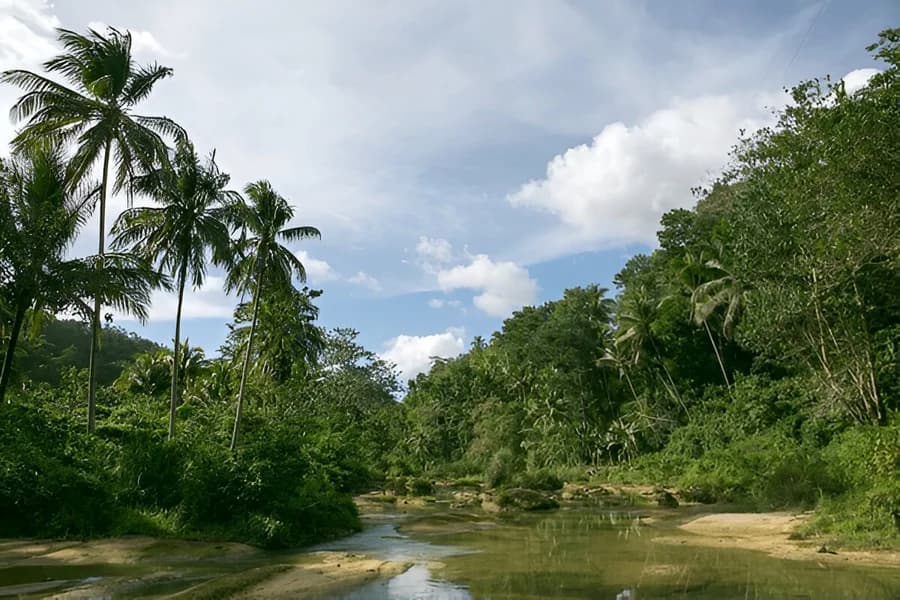
Overview of Sinharaja Forest Reserve: Sinharaja Forest Reserve is a beautiful tropical rainforest located in Sri Lanka. This UNESCO World Heritage Site is one of the most significant and pristine ecological treasures in the country. Spread across 11,187 hectares, this dense forest is home to an incredible diversity of plant and animal species, many of which are found nowhere else on the planet. If you’re looking for Sri Lanka tour packages, the Sinharaja Forest Reserve is a must-visit destination for nature lovers and wildlife enthusiasts. The forest is a living museum of biodiversity, hosting endemic species like the purple-faced langur monkey, Sri Lankan leopard, and numerous birds. Its lush green landscape, trees, and rich ecosystem make it a paradise for researchers, photographers, and travelers seeking an immersive natural experience. What are the Key Highlights of Sinharaja Forest Reserve: Unique Wildlife Encounters: Spot rare endemic species like purple-faced langurs, Sri Lankan leopards, and over 50% of Sri Lanka’s endemic butterfly species. Incredible Bird Watching: Home to 147 bird species, including 21 endemic species like the Sri Lanka blue magpie and red-faced malkoha. Extraordinary Biodiversity Hotspot: Walk through a dense rainforest where over 60% of trees are endemic. Experience a living ecosystem with plant species found nowhere else on the planet, offering a unique glimpse into nature’s incredible diversity. Hidden Waterfall Exploration: Trek to breathtaking waterfalls like Brahmana Ella, offering stunning photography opportunities and refreshing natural pools nestled deep within the forest. Guided Nature Trails: Trek through pristine forest paths with expert local guides who share fascinating insights about the ecosystem and wildlife. Research and Conservation: Witness ongoing scientific research and conservation efforts in one of the most important ecological sites in South Asia. Timings & Entry Fees of Sinharaja Forest Reserve: Open daily from 6:00 am to 6:00 pm. Entry fees are approximately INR 1500 per foreign visitor. Guided tours cost extra, around INR 2000-3000. Recommended to book in advance and check current rates before visiting. Travel Tips / Essential Information For Sinharaja Forest Reserve: Recommended Gear: Pack comfortable hiking shoes, lightweight breathable clothing, a waterproof jacket, and a sturdy backpack. Physical Fitness: Forest trails are challenging. Maintain good stamina and be prepared for moderate to difficult walking conditions. Guided Tours: Always hire authorized local guides familiar with forest routes and wildlife. They ensure safety and provide valuable ecological insights. Weather Preparation: Expect high humidity and sudden rainfall. Carry waterproof covers for electronics and quick-dry clothing. Health Precautions: Bring strong mosquito repellent, a personal first-aid kit, bottled drinking water, and any personal medications. Photography Tips: Carry extra camera batteries, a zoom lens for wildlife shots, and protective rain covers. Permits and Permissions: Obtain necessary entry permits from the forest department before entering the reserve. Best Visiting Season: December to April offers optimal weather conditions with less rainfall and better wildlife visibility. Transportation: The nearest towns are Ratnapura and Galle. Arrange reliable transportation and inform local contacts about your forest visit. Budget Tip: Consider hiring local guides who know routes and can help spot rare wildlife.Also Read – Places To Visit in Sri LankaMust Checkout – Things To Do in Sri Lanka

Read More

Gangaramaya Temple
May 30, 20253 Minutes
Gangaramaya Temple
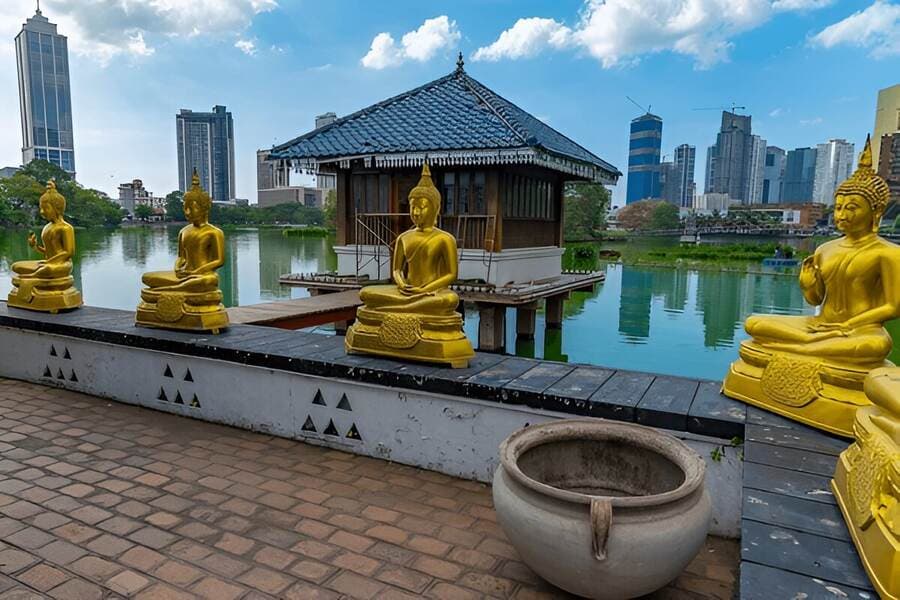
Overview of Gangaramaya Temple: Gangaramaya Temple is a unique Buddhist temple located in Colombo, Sri Lanka. Unlike traditional temples, it blends religious significance with cultural and architectural marvels. The temple stands as a testament to Sri Lankan Buddhist heritage, featuring an interesting mix of Thai, Japanese, Chinese, and Sri Lankan architectural styles. For travelers exploring Sri Lanka Tour Packages, this temple offers a fascinating glimpse into the country’s rich spiritual landscape. Founded in the late 19th century by Venerable Hikkaduwe Sri Sumangala Nayaka Thera, the temple has grown from a small hermitage to a significant religious and cultural landmark. It’s not just a place of worship but also a museum, library, and educational center, making it a must-visit destination for those interested in understanding Sri Lankan Buddhist culture and history. What are the Key Highlights of Gangaramaya Temple: Architectural Marvel: Witness a spectacular fusion of Asian architectural styles, creating a unique cultural landmark. Museum Collection: Discover an extraordinary museum featuring: Rare Buddha statues representing different historical periods Ancient coins revealing Sri Lankan trade history Traditional masks showcasing cultural performances Religious artifacts capturing Buddhist heritage Unique Elephant Connection: Meet Ganga, the temple’s beloved resident elephant, a charming local attraction that fascinates visitors. Religious Ceremonies: Experience authentic Buddhist practices: Daily spiritual chanting sessions Traditional meditation practices Sacred blessing ceremonies that offer deep cultural insights Art and Craft Showcase: Explore exceptional Sri Lankan artistic expressions: Intricate wood carvings telling historical stories Stunning paintings depicting Buddhist narratives Detailed sculptures representing local cultural traditions Cultural Performances: Enjoy vibrant traditional dance shows that bring local legends to life, offering a mesmerizing glimpse into Sri Lankan performing arts and storytelling traditions. Timings & Entry Fees of Gangaramaya Temple: Temple timings: 6:00 am to 8:00 pm daily Entry fee: Approximately INR 100 per person Photography fee: Around INR 200 Donations are welcome and support temple maintenance and community programs. Travel Tips/ Essential Information Ror Gangaramaya Temple: Dress Code and Etiquette: Wear modest clothing covering shoulders and knees Remove shoes before entering temple premises Respect local cultural dress expectations Dress conservatively to show cultural sensitivity Visit Planning and Timing: Select early morning or late afternoon for a peaceful experience Optimal photography lighting during these times Avoid crowded tourist hours Check local festival dates for unique temple experiences Plan a visit during cooler parts of the day Communication and Language: Carry a translation book or language app Practice simple local language phrases Show respect through language attempts. Engage politely with local community members Practical Travel Advice: Carry a water bottle in Colombo’s hot and humid climate Secure personal valuables in hidden money belts Use local tuk-tuks or buses for affordable transport Keep local currency for small expenses Carry some emergency cash Have photocopies of important documents Safety and Cultural Sensitivity: Maintain silence inside temple premises Always seek permission before photographing monks Observe and respect local religious customs Show reverence to spiritual practices Be mindful of local cultural importance Travel in groups when possible Keep emergency contact numbers handyAlso Read – Places To Visit in Sri LankaMust Checkout – Things To Do in Sri Lanka

Read More

Shanti Stupa
May 30, 20253 Minutes
Shanti Stupa
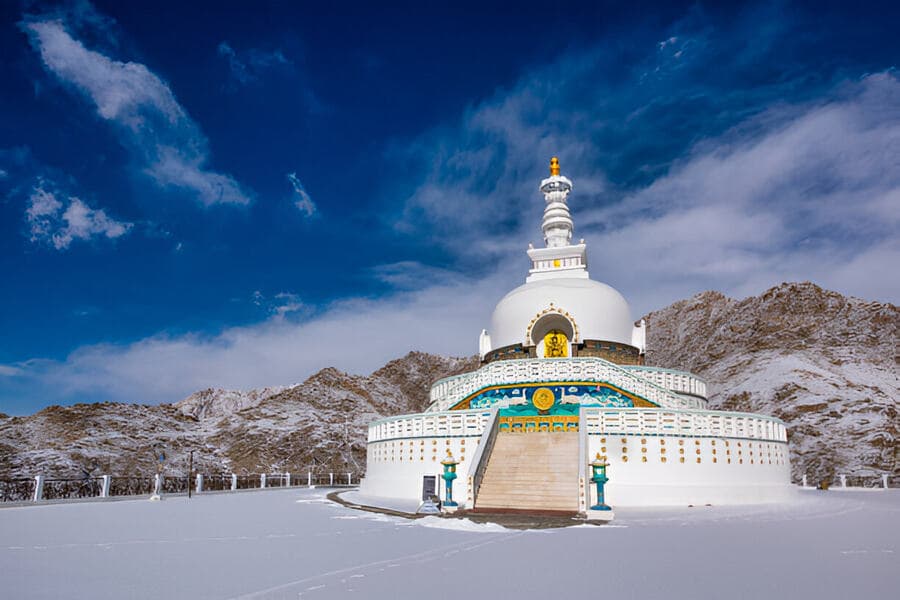
Overview of Shanti Stupa: Located at a height of 11,841 feet, the white Shanti Stupa in Leh is a sight that takes your breath away. Built in 1991 to mark 2500 years of Buddhism, this stunning two-level stupa attracts thousands of visitors who come here for its incredible views and peaceful vibes. It was built to promote world peace – a dream shared by both Japanese and Ladakhi Buddhists. The stupa has an interesting story – His Holiness the Dalai Lama himself blessed its foundation stone. The Japanese and locals worked together to build it, making it a symbol of friendship between the two cultures. From up here, you get the most amazing views of the Leh Palace and the Himalayas. Many travelers who book Leh Ladakh tour packages make sure to visit Shanti Stupa, especially during sunrise and sunset when the whole place glows in golden light. The stupa looks even more magical at night when it’s all lit up, standing like a peaceful guardian over Leh City. What are the Key Highlights of Shanti Stupa: Spectacular views: Stand at the viewing gallery and catch a 360-degree view of Leh town, Leh Palace, and the mighty Himalayas. Golden Hour Magic: Watch the sun paint the sky in orange and pink hues during sunrise and sunset, while the white stupa glows like gold. Buddhist Art Display: Check out the beautiful life-size Buddha statues and colorful wall paintings that tell stories from Buddha’s life. Meditation Sessions: Join the peaceful morning meditation sessions that’ll help you find your inner calm. Night Photography: Capture stunning shots of the illuminated Shanti Stupa against the star-filled Ladakhi sky. Shopping Delights: Browse through small shops near the stupa selling prayer flags, Buddhist artifacts, and local handicrafts. Cultural Experience: Chat with friendly monks who share interesting stories about Buddhist culture and the stupa’s history. Best Time to Visit: Ladakh is best visited between June to September when the weather is pleasant. Early mornings (5:30-7:00 am) are perfect for sunrise views and peaceful meditation. Evening visits (5:00-7:00 PM) offer spectacular sunset views. The stupa is open from 5:00 am to 9:00 pm daily. Entry fee: INR 50 per person. Travel Tips / Essential Information For Shanti Stupa: Location Access: Situated 5 km from Leh Market, easily reachable by taxi (INR 200-300) or local bus (INR 20). Climb Smart: 500 steps lead to the stupa – take it slow and carry water to handle the altitude. Photography Rules: The camera fee is INR 50. Tripods are allowed during non-peak hours. Dress Code: Wear modest clothing covering shoulders and knees as it’s a religious place. Altitude Tips: Take a day to acclimatize in Leh before visiting to avoid altitude sickness. Timings Matter: Visit early morning to avoid tourist crowds and harsh sun. Carry Essentials: Bring water, sunscreen, a hat, and comfortable walking shoes. Local Transport: Book local taxis from Leh Market or arrange through your hotel. Nearest Airport: Kushok Bakula Rimpochee Airport, Leh (5 km away). Prayer Timing: Morning prayers start at 6:00 am – arrive early to experience them.Also Read – Places To Visit in LadakhMust Checkout – Things To Do in Ladakh

Read More

Things to do in Ladakh
May 30, 202514 Minutes
Things to do in Ladakh
Leh Ladakh is a beautiful place in the northern part of India, known for its amazing views and peaceful surroundings. It is a popular destination for nature lovers and adventure seekers. If you’re planning a trip, you can choose from different Leh Ladakh tour packages. These packages include everything from sightseeing to adventure activities, making it easy to explore the beauty of this special place. Surrounded by the Himalayas and Karakoram mountains, Leh Ladakh offers stunning landscapes, including snow-capped peaks, vast deserts, and clear blue lakes like Pangong Lake and Tso Moriri.The region is also home to many ancient monasteries, such as Hemis and Thiksey Monasteries, which add to its spiritual charm. These monasteries give visitors a chance to experience the rich culture and peaceful atmosphere of the area. Leh Ladakh is a great place to escape from the busy world. You can enjoy activities like trekking, sightseeing, and simply relaxing by the lakes. Whether you want to explore the culture or enjoy nature, Leh Ladakh has something for everyone. Best Things to do in Ladakh 1. Chadar TrekThe Chadar Trek in Ladakh is a truly unique adventure. This trek takes you across the frozen Zanskar River in the winter. For those who love winter treks and want to experience nature in its rawest form, the Chadar Trek is one of the top things to do in Ladakh. The river freezes completely, forming a “chadar” or blanket of ice, which trekkers walk on, surrounded by snow-covered mountains. It’s a tough trek, requiring strong determination and stamina, but it rewards you with incredible views of the untouched wilderness. Along the way, you’ll see frozen waterfalls and remote villages, making the journey even more special. It’s a once-in-a-lifetime opportunity for adventure seekers.2. Motor BikingMotor biking in Ladakh is a thrilling way to explore this amazing region. The winding mountain roads and challenging terrains offer the perfect adventure for motorbike lovers. If you love the freedom of the open road and want to explore Ladakh’s hidden gems, motorbiking is one of the top things to do in Ladakh. Riding through high-altitude passes like Khardung La, one of the world’s highest motorable roads, is a challenge that many bikers dream of. The breathtaking landscapes – from vast deserts to snow-capped peaks – make the ride even more memorable. Whether you’re riding through remote villages or speeding along winding roads, motorbiking in Ladakh offers a unique way to see the beauty of this place. 3. CyclingCycling in Ladakh is an amazing way to explore the region’s stunning beauty at your own pace. The challenging mountain roads, surrounded by majestic snow-capped peaks, make it a true adventure. It’s one of the best things to do in Ladakh for those who love both adventure and nature. Cycling through Ladakh’s vast landscapes, you’ll pass by beautiful valleys, lakes, and remote villages. The cool air, peaceful environment, and the chance to connect with nature make it an unforgettable experience. Whether you’re cycling along the Indus River or through the rugged Leh roads, it’s a great way to challenge yourself while soaking in the views. Cycling in Ladakh is suitable for all skill levels, whether you are an experienced cyclist or someone looking for a new challenge. 4. Indus River RaftingIndus River Rafting in Ladakh is an exciting activity for adventure lovers. The Indus River offers a mix of calm and thrilling rapids, making it perfect for both beginners and more experienced rafters. If you’re looking for an exciting adventure and want to experience Ladakh’s beauty from the water, Indus River rafting is one of the top things to do in Ladakh. As you raft down the river, you’ll pass through stunning gorges and see breathtaking landscapes with snow-covered mountains, rocky shores, and lush green valleys. The calm stretches allow you to enjoy the peaceful environment, while the rapids add an adrenaline rush to the experience. Rafting in the Indus River is a great way to explore the natural beauty of Ladakh from a different perspective.5. Go on a Camel SafariA Camel Safari in Leh and Ladakh is a fun and unique experience. You get to ride on Bactrian camels, which are special because they have two humps. If you’re looking for something adventurous yet relaxing, a Camel Safari is one of the top things to do in Leh and Ladakh. These camels take you through the beautiful Nubra Valley, with its vast dunes and stunning mountain views. Riding a camel feels calm and peaceful, and it’s a great way to explore the remote areas of Ladakh. The safari gives you a chance to experience the desert-like landscape of Ladakh while enjoying the cool breeze and the beauty of the surroundings. 6. Go on a Yak SafariA Yak Safari in Leh and Ladakh is a unique way to experience the region. Yaks are strong and sturdy animals, perfect for the high-altitude terrains of Ladakh. If you want to experience Ladakh’s traditional way of travel, a Yak Safari is one of the most exciting things to do in Leh and Ladakh. On a Yak Safari, you can ride through scenic landscapes, including the beautiful valleys, lakes, and remote villages. The ride is smooth and gives you a chance to enjoy the quiet and peaceful surroundings. You will see stunning views of the Himalayas while riding a yak, making this a memorable adventure. 7. Shop at the Leh MarketShopping at the Leh Market is a must-do when you’re in the region. Whether you’re looking for gifts or just want to experience the local culture, shopping at the Leh Market is one of the top things to do in Leh and Ladakh. The market is full of colourful shops that sell unique Ladakhi handicrafts, woollen clothes, jewellery, and souvenirs. It’s a great place to pick up handmade items that reflect the culture and traditions of Ladakh. The market also has small stalls offering local food and spices. As you stroll through the streets, you can enjoy the local vibe and interact with the friendly shopkeepers. 8. SkiingSkiing in Leh and Ladakh is an exciting adventure, especially for those who love snow and winter sports. The region has some great spots for skiing, such as the ski resort in the beautiful town of Gulmarg. The slopes are perfect for beginners and experienced skiers alike, with stunning views of the snow-capped mountains. The fresh mountain air and the thrill of gliding down the slopes make it a memorable experience. If you’re visiting during the winter months, skiing in Leh and Ladakh is one of the top things to do in Leh and Ladakh. It’s a fun way to enjoy the snowy landscapes while trying something new. And this is a;9. Spotting A Snow Leopard In Hemis National ParkSpotting a snow leopard in Hemis National Park is one of the most thrilling experiences in Ladakh. If you’re a wildlife enthusiast or just love nature, spotting a snow leopard here is one of the top things to do in Ladakh. This park is famous for being home to these elusive big cats. The snow leopard is known for its ability to blend in with the snowy surroundings, making it hard to spot. However, with a little patience and a good guide, you might catch a glimpse of this rare and majestic animal. Hemis National Park offers stunning landscapes with mountains, valleys, and rivers, and searching for a snow leopard is an exciting adventure.10. Cherish The Hemis FestivalThe Hemis Festival is a vibrant and colourful celebration held annually in Ladakh. It’s one of the most important cultural events in the region, where locals come together to celebrate the life of Guru Padmasambhava. The festival features traditional dance performances, music, and prayers, with locals wearing bright and beautiful costumes. The Hemis Monastery, where the festival takes place, becomes the centre of attention, drawing both locals and tourists alike. If you visit Ladakh during the festival, you’ll get to experience Ladakhi culture in a lively and unique way. Attending the Hemis Festival is one of the top things to do in Ladakh for anyone wanting to connect with the region’s rich traditions.11. Trek To Drang Drung GlacierTrekking to the Drang Drung Glacier is a rewarding adventure for nature lovers. This glacier is one of the largest in Ladakh, and it offers stunning views of the surrounding mountains and valleys. For trekkers and adventure enthusiasts, trekking to Drang Drung Glacier is one of the top things to do in Ladakh. The trek itself is challenging, but the scenery along the way makes it worth every step. You’ll pass through remote villages, narrow mountain paths, and pristine landscapes. Reaching the glacier is a surreal experience, with its massive ice fields stretching out in front of you. 12. Visit The Majestic Zorawar FortVisiting Zorawar Fort is a journey into Ladakh’s rich history. The fort, located in the town of Leh, was built by General Zorawar Singh in the 19th century. Whether you’re interested in history, or architecture, or just love scenic views, visiting Zorawar Fort is one of the top things to do in Ladakh. It stands tall, offering panoramic views of the surrounding mountains and the town below. The fort’s architecture reflects the region’s history and culture, making it a must-visit for history buffs. The quiet and peaceful surroundings make it a great place for sightseeing and photography. 13. Spituk Monastery Trek, LadakhThe Spituk Monastery Trek is a peaceful and rewarding experience for travellers in Ladakh. If you’re looking for a mix of adventure and tranquillity, the Spituk Monastery Trek is one of the must-try things to do in Ladakh. This trek takes you to the beautiful Spituk Monastery, which is perched on a hill and offers stunning views of the Indus River and the surrounding mountains. The trek is not very difficult, making it suitable for beginners and those who enjoy light hiking. Along the way, you’ll pass through serene landscapes, local villages, and prayer flags fluttering in the wind. Once you reach the monastery, you can explore its ancient halls, admire beautiful Buddhist statues, and soak in the spiritual vibe. 14. Visiting The Chemrey Monastery, LadakhVisiting the Chemrey Monastery is a delightful way to experience Ladakh’s rich Buddhist heritage. If you’re seeking a quiet and cultural experience, visiting the Chemrey Monastery is one of the best things to do in Ladakh. This stunning monastery, built in the 17th century, is nestled on a hill surrounded by picturesque landscapes. The monastery is known for its peaceful ambience and impressive architecture. Inside, you’ll find ancient murals, statues, and scriptures that tell stories of Buddhist teachings and Ladakhi history. The monastery is also a great spot for photography, as it offers breathtaking views of the valley below. It’s a perfect place to connect with the region’s spiritual and historical essence.15. Hangout at Lala’s Art CafeLala’s Art Cafe is a unique and vibrant spot in Leh, Ladakh, where creativity and relaxation come together. Known for its cosy atmosphere, the cafe is a blend of art, culture, and delicious food. It’s a favourite among both locals and tourists, offering a peaceful retreat with a touch of artistic flair. The cafe’s walls are adorned with beautiful artwork, adding to the overall charm. The space often hosts art exhibitions, making it a great place for visitors to appreciate local culture and art. The menu is just as delightful, with a mix of traditional Ladakhi dishes, continental options, and great coffee. It’s the perfect place to unwind after a day of exploring Ladakh’s rugged landscapes.Also Read: Places To Visit in Ladakh

Read More

Places To Visit in Himachal Pradesh
May 30, 202513 Minutes
Places To Visit in Himachal Pradesh
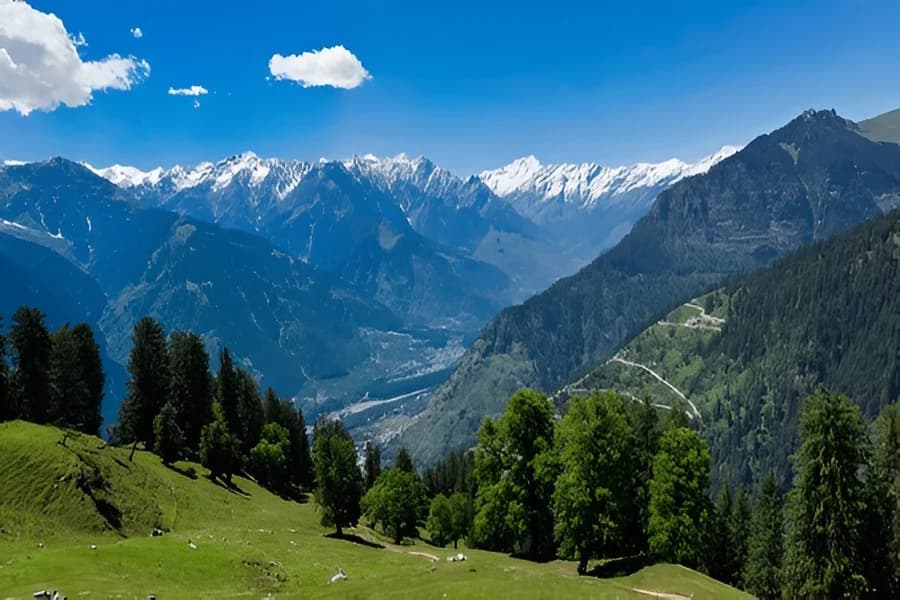
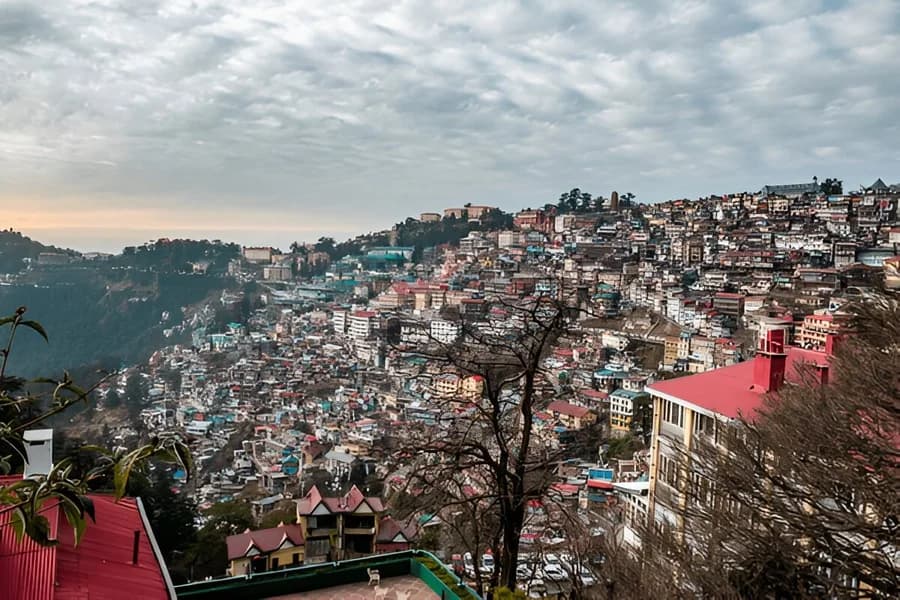
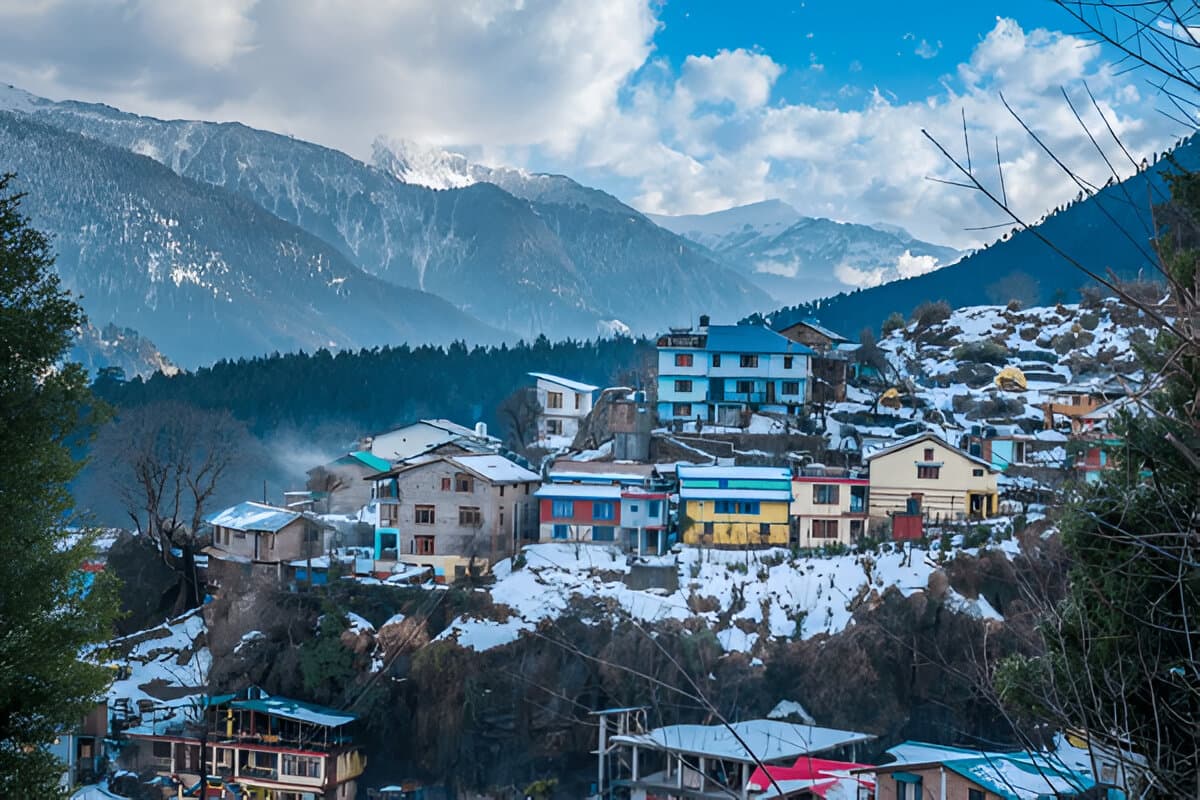
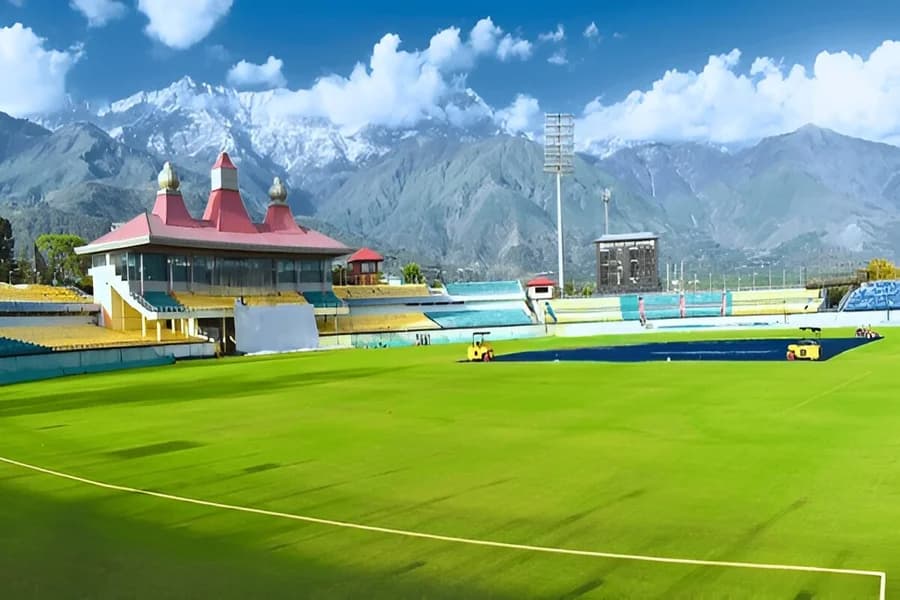
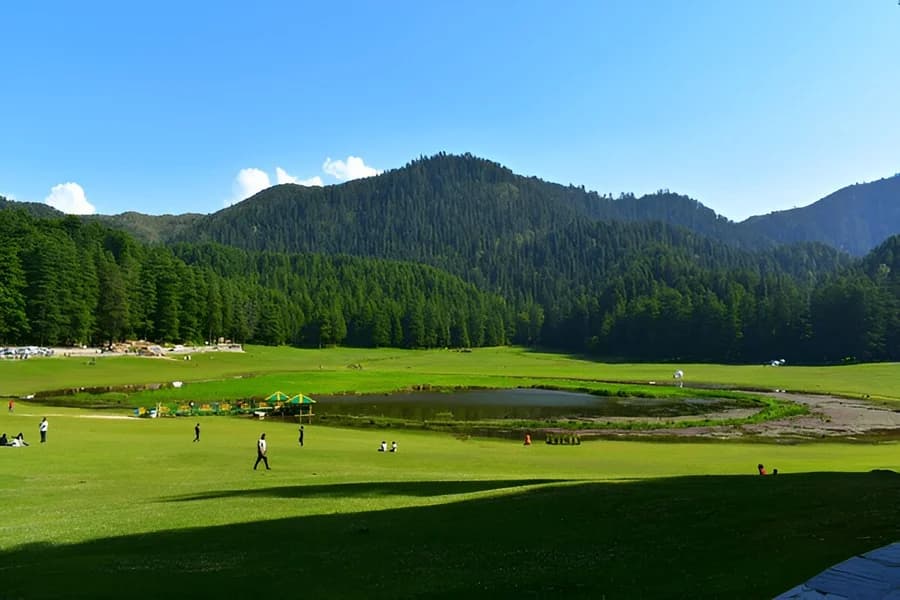
Himachal Pradesh is a beautiful state in northern India. It is famous for its mountains, valleys, and peaceful nature. Many people visit this place to enjoy the cool weather and the calm surroundings. The state is home to popular hill stations like Shimla, Manali, and Dharamshala, where visitors can relax and enjoy the views.With many Himachal Pradesh tour packages available, it’s easy to plan a trip to this peaceful and beautiful destination. Himachal Pradesh is also a great place for adventure. Activities like trekking, camping, paragliding, and skiing attract people who love the outdoors. The state has many rivers, forests, and apple orchards that add to its beauty. For those who love culture, Himachal Pradesh has old temples, colourful festivals, and unique local traditions. Whether you want to relax or explore, the state offers something for everyone.Best Places To Visit In Himachal Pradesh 1. Kullu-Manali:Kullu-Manali is one of the most famous tourist spots in Himachal Pradesh. It’s a perfect spot to explore when looking for places to visit in Himachal Pradesh. Known for its scenic valleys, snow-capped mountains, and adventure activities, it is a must-visit destination for nature lovers. Some popular attractions include Solang Valley, Rohtang Pass, and Hadimba Temple.– Location: Located approximately 40 km apart in Himachal Pradesh’s Kullu district.–Timing & Entry Fee: Open year-round; entry to attractions like Solang Valley is free. Rohtang Pass permits are required (timings: 6:00 AM–5:00 PM).– Highlight: Adventure activities like skiing, paragliding, and river rafting make it a favourite for thrill-seekers.2. Shimla:Shimla, often called the “Queen of Hills,” is one of the most famous hill stations in India. Whether you are looking for history, culture, or nature, Shimla stands out as one of the top 10 places to visit in Himachal Pradesh. It offers a blend of colonial charm and natural beauty, making it a favourite among tourists. Key attractions include The Ridge, Mall Road, Jakhoo Temple, and Kufri. Visitors can enjoy scenic walks, local shopping, and stunning views of snow-clad mountains.– Location: Shimla is located about 110 km from Chandigarh and is well-connected by road and rail.– Timing & Entry Fee: Shimla is open to visitors year-round, with no entry fee for most attractions. Specific activities like skiing in Kufri may have separate charges.– Highlight: A ride on the toy train along the Kalka-Shimla Railway, a UNESCO World Heritage Site, offers a magical experience through tunnels, forests, and mountains.3. Dharamshala:Dharamshala is a peaceful hill station known for its Tibetan influence and spectacular views of the Dhauladhar mountains. McLeod Ganj, the upper part of Dharamshala, is the cultural and spiritual hub, housing the Dalai Lama’s residence and Namgyal Monastery. Other attractions include Bhagsu Falls, Dal Lake, and Dharamshala Cricket Stadium. It is an ideal destination for a mix of spirituality, adventure, and breathtaking natural beauty.– Location: Dharamshala is located 18 km from Kangra and is easily accessible by road and air.– Timing & Entry Fee: Open year-round; no entry fee for most places. Temple donations and trekking permits may apply.– Highlight: Dharamshala’s Tibetan culture and its status as the home of the Dalai Lama make it a unique and spiritual destination.4. Kasauli:Kasauli is a small, serene hill station perfect for those seeking peace. Kasauli’s slow pace and beautiful surroundings make it a must-see among the top 10 places to visit in Himachal Pradesh. Surrounded by pine and cedar forests, this quaint town is known for its laid-back atmosphere and colonial-era architecture. Popular attractions include Christ Church, Monkey Point, Sunset Point, and the Gilbert Trail, which is ideal for nature walks.– Location: Kasauli is located about 60 km from Chandigarh, making it an easy weekend getaway.– Timing & Entry Fee: Kasauli is open all year, and there is no entry fee for most places. However, some activities like adventure parks may have charges.– Highlight: The Gilbert Trail and Sunset Point are perfect spots to enjoy the scenic beauty of Kasauli and spend some quiet moments in nature.5. Bir Billing:Bir Billing is a picturesque town known for its adventure activities and serene Buddhist culture. Bir Billing is a destination that combines adventure and tranquillity, making it a favourite among the top 10 places to visit in Himachal Pradesh. It is globally famous for being the paragliding capital of India and offers an adrenaline-packed experience with breathtaking views of the mountains. Apart from paragliding, visitors can explore monasteries, tea gardens, and scenic nature trails.– Location: Bir Billing is situated about 70 km from Kangra and is easily accessible by road.– Timing & Entry Fee: Bir Billing is open year-round, but the best time for paragliding is from October to June. Paragliding charges start from ₹2,500 per person.– Highlight: The town hosts the Paragliding World Cup and offers one of the best paragliding experiences in the world, attracting adventure enthusiasts from across the globe.6. Spiti:Spiti Valley, also known as the “Middle Land,” is a cold desert region offering breathtaking views, monasteries, and unique landscapes. Though not in Mandi, it is often compared to other serene places to visit in Mandi Himachal Pradesh for its natural charm. Key attractions include the Key Monastery, Chandratal Lake, and Tabo Monastery. Its rugged beauty and peaceful atmosphere make it a standout destination for adventure and solitude.– Location: Spiti is located about 200 km from Manali in Himachal Pradesh.– Timing & Entry Fee: Best time to visit is May to October; no entry fee for most places.– Highlight: The stunning Chandratal Lake and Key Monastery are must-visit spots for travellers seeking adventure and spirituality.7. Kasol:Kasol, often called the “Mini Israel of India,” is a charming village in the Parvati Valley. Known for its hippie vibe, serene Parvati River, and lush greenery, it’s a haven for backpackers and nature lovers. Popular attractions include the Manikaran Sahib Gurudwara, Chalal Trek, and nearby Tosh Village.– Location: Kasol is located about 76 km from Mandi.– Timing & Entry Fee: Open year-round; no entry fee for most attractions.– Highlight: The laid-back vibe, riverfront cafes, and scenic treks make it a paradise for travellers looking for peace and adventure.8. Khajjiar:Khajjiar, often called the “Mini Switzerland of India,” is a scenic destination with lush meadows, dense forests, and a serene lake. The Khajjiar Lake and Khajji Nag Temple are key attractions, while adventure seekers can enjoy zorbing and horse riding.– Location: Khajjiar is located about 24 km from Dalhousie in Chamba district.– Timing & Entry Fee: Open year-round; no entry fee to explore the area.– Highlight: The green meadows and serene lake surrounded by deodar forests offer a postcard-perfect experience.9. Kufri:Kufri is a quaint hill station near Shimla, known for its snow-covered landscapes in winter and lush greenery in summer. Kufri’s charm can be compared to the serene places to visit in Mandi Himachal Pradesh for its peaceful and picturesque vibe. It is famous for its adventure activities, such as skiing and tobogganing, and attractions like Kufri Fun World and Mahasu Peak.– Location: Kufri is located about 16 km from Shimla.– Timing & Entry Fee: Open year-round; entry fees may apply for adventure activities and Kufri Fun World.– Highlight: Skiing in the winter and panoramic views from Mahasu Peak make Kufri a favourite for nature and adventure enthusiasts.10. Dalhousie:Dalhousie, a beautiful hill station spread across five hills, is known for its colonial charm, stunning landscapes, and serene ambience. With pine-clad valleys, snow-capped mountains, and picturesque rivers, it offers an old-world vibe perfect for relaxation and exploration. Key attractions include Panchpula, St. John’s Church, and Satdhara Falls, making it a popular spot for travellers looking for tranquillity and natural beauty.– Location: Dalhousie is located in the Chamba district of Himachal Pradesh, about 80 km from Pathankot.– Timing & Entry Fee: Open year-round; no entry fee for most attractions.– Highlight: The breathtaking view of the Dhauladhar mountain range and the serene Khajjiar nearby make Dalhousie a must-visit destination.11. McLeodganj:McLeodganj, also known as “Little Lhasa,” is a spiritual and cultural hub in Himachal Pradesh. It’s home to the Dalai Lama and showcases a blend of Tibetan culture and natural beauty. Popular attractions include Namgyal Monastery, Bhagsu Falls, and the Tibetan Museum, making it one of the must-visit places to visit in Himachal Pradesh for both serenity and spirituality.– Location: McLeodganj is located near Dharamshala, around 10 km away.– Timing & Entry Fee: Open year-round; no entry fee for most attractions.– Highlight: A visit to Namgyal Monastery and a trek to Triund Hill offer a perfect mix of peace and adventure.12. Chitkul:Chitkul, the last inhabited village near the Indo-China border, is a hidden gem in Himachal Pradesh. The village is ideal for exploring apple orchards, wooden houses, and scenic meadows, making it one of the best places to visit in Himachal Pradesh for peace and nature lovers. Surrounded by majestic mountains and the Baspa River, it offers mesmerizing views and a serene atmosphere.– Location: Chitkul is located in the Kinnaur district, about 28 km from Sangla.– Timing & Entry Fee: Open from April to October; no entry fee.– Highlight: The enchanting Baspa River and panoramic mountain views make Chitkul a photographer’s paradise.13. Jibhi:Jibhi is a quaint village in the Tirthan Valley, known for its untouched beauty and peaceful vibes. Surrounded by lush green forests and flowing rivers, Jibhi is perfect for nature lovers. Popular attractions include the Jibhi Waterfall, Serolsar Lake, and Chaini Kothi. This serene hamlet is one of the top places to visit in Himachal Pradesh for those seeking tranquility.– Location: Jibhi is located in Banjar Valley, about 100 km from Mandi.– Timing & Entry Fee: Open year-round; no entry fee.– Highlight: A peaceful trek to Serolsar Lake and camping amidst nature offer a rejuvenating experience.14. Kasauli:Kasauli is a charming colonial hill station, known for its pine forests, quaint lanes, and stunning views. Its peaceful surroundings make it one of the best places to visit in Himachal Pradesh for a laid-back getaway. Visitors can explore Christ Church, Monkey Point, and Sunset Point for relaxing and rejuvenating experiences.– Location: Kasauli is located around 60 km from Chandigarh.– Timing & Entry Fee: Open year-round; no entry fee for most attractions.– Highlight: The Gilbert Trail and serene walks along pine-lined paths make Kasauli ideal for nature lovers.15. Tosh:Tosh is a picturesque village located in the Parvati Valley, known for its scenic views and vibrant culture. It’s a popular spot for backpackers and adventure seekers, making it one of the best places to visit in Himachal Pradesh for a mix of adventure and peace. Surrounded by snow-capped peaks and lush greenery, Tosh is perfect for trekking and exploring nature.– Location: Tosh is located about 20 km from Kasol in the Parvati Valley.– Timing & Entry Fee: Open year-round; no entry fee.– Highlight: The stunning trekking trails and breathtaking views of the Parvati Valley make Tosh a favorite among adventure enthusiasts.Also Checkout: Things To Do in Himachal Pradesh

Read More

Things to do in Himachal Pradesh
May 30, 202512 Minutes
Things to do in Himachal Pradesh
Himachal Pradesh is a land of natural beauty, with its snow-capped peaks, lush valleys, and serene villages. Whether you’re an adventure lover or someone seeking peace, this state offers a variety of experiences for all. From trekking in the mountains to exploring vibrant cultures, it’s a destination that captures the essence of both adventure and tranquillity.Himachal Pradesh is a beautiful northern Indian state surrounded by the majestic Himalayan mountains. It is famous for its scenic beauty, peaceful hill stations, and pleasant weather. Popular places like Shimla, Manali, Dharamshala, and Dalhousie attract visitors from all over the world. The state is perfect for anyone who loves nature, adventure, or simply relaxing in a calm and beautiful setting. Some of the best things to do in Himachal Pradesh include trekking in the mountains, paragliding over the valleys, and enjoying the peaceful atmosphere of monasteries and temples. You can explore charming villages, stroll through apple orchards, or sit by a quiet river. Many travelers choose Himachal Pradesh tour packages to make their trip easier and more enjoyable. These packages often include visits to the most popular destinations and activities. Whether looking for adventure, natural beauty, or a peaceful getaway, Himachal Pradesh has something special for everyone. It’s a place that leaves visitors with unforgettable memories.Best Things to do in Himachal Pradesh 1. Triund TrekTriund Trek is one of the most popular treks in Himachal Pradesh. It offers stunning views of the Dhauladhar range and Kangra Valley. Starting from McLeodganj or Dharamkot, this trek is perfect for beginners and experienced trekkers alike. It takes about 4-6 hours to reach the Triund Ridge, where you’ll be rewarded with panoramic mountain views and a peaceful atmosphere. The trail passes through lush forests filled with oak and rhododendron trees, making the journey as beautiful as the destination. Camping at the top is a magical experience, especially under the starry night sky. It’s an ideal way to connect with nature and unwind from city life. For adventure seekers, Triund Trek is one of the most memorable things to do in Himachal Pradesh, blending physical activity with breathtaking scenery. Don’t forget to carry essentials like water, snacks, and warm clothes to make the trek more comfortable.2. Camping at Magic Valley, MalanaMagic Valley in Malana is a hidden gem, perfect for those looking to experience the untouched beauty of Himachal Pradesh. It’s a lesser-known but incredibly rewarding experience, and truly one of the best things to do in Himachal Pradesh if you’re looking for solitude and adventure. Tucked away in the Parvati Valley, this place is known for its serene atmosphere, stunning landscapes, and cosy camping spots. The journey to Magic Valley involves a trek through lush green forests and breathtaking trails, making it an adventure worth taking. Camping here is a peaceful escape from the usual tourist spots. You can spend your time enjoying the views of snow-capped peaks, interacting with locals, or simply soaking in the natural beauty. Magic Valley is also known for its laid-back vibe, attracting travellers who want to relax and connect with nature. 3. Paragliding in Bir BillingBir Billing is a world-famous destination for paragliding, often referred to as the “Paragliding Capital of India.” Situated in the Kangra Valley, this spot offers thrilling flights with stunning views of the surrounding mountains and lush green landscapes. It’s an adventure you’ll never forget, as you soar high in the sky and experience the true beauty of Himachal Pradesh from above. Bir is the takeoff point, while Billing serves as the landing site, making it one of the highest paragliding spots in Asia. Professional instructors and well-maintained equipment ensure that even beginners can enjoy this adventure safely. Paragliding here is an unforgettable experience and undoubtedly one of the most exciting things to do in Himachal Pradesh. After your flight, you can also explore the charming villages and monasteries around Bir for a complete experience.4. River Rafting on River SutlejRiver rafting on the Sutlej River is an exhilarating adventure for thrill-seekers visiting Himachal Pradesh. This river, surrounded by picturesque valleys and rugged terrain, offers challenging rapids that make rafting here both fun and exciting. Starting points like Tattapani and Rampur are popular among tourists looking to enjoy this water sport. It stands out as one of the most thrilling things to do in Himachal Pradesh. The rafting stretches vary in difficulty, making it suitable for both beginners and experienced rafters. Along the way, you’ll experience the rush of navigating the river’s twists and turns while enjoying breathtaking views of the Himalayan landscapes. River rafting on the Sutlej is not just an adventure but also a great way to connect with nature. Be sure to wear safety gear and follow the instructor’s guidance to make the experience safe and enjoyable.5. Kareri Lake TrekThe Kareri Lake Trek is a hidden gem for adventure and nature lovers. Located near Dharamshala, this high-altitude lake sits at an elevation of around 2,950 meters and is known for its crystal-clear waters, fed by the melting snow of the Dhauladhar range. The trek to Kareri Lake begins at the Kareri village, passing through dense pine forests, scenic meadows, and rocky terrains. Along the way, you’ll encounter gushing streams, wooden bridges, and breathtaking views of the surrounding mountains. Among the things to do in Himachal Pradesh, this trek stands out for its serenity and scenic charm, offering a perfect blend of adventure and natural beauty. The trek is moderately challenging, making it ideal for beginners who want to experience trekking in Himachal Pradesh. Camping near the lake under a starry sky is a truly magical experience. The pristine beauty and peaceful atmosphere make this trek a must-visit for anyone exploring the region. Whether you’re trekking with friends or solo, Kareri Lake offers an unforgettable adventure. 6. Angling in River BeasFor those who enjoy peaceful outdoor activities, angling in the River Beas is a fantastic experience. The Beas River, flowing through the heart of Himachal Pradesh, is home to a variety of fish species, including the famous Mahseer. Angling here offers the perfect combination of relaxation and excitement, as you wait patiently for a catch surrounded by the river’s serene beauty. Popular spots for angling include Manali, Kullu, and Pandoh, where the river’s clean waters and picturesque surroundings provide a great backdrop. If you’re searching for relaxing yet unique things to do in Himachal Pradesh, angling in the River Beas is an experience you shouldn’t miss. This activity is ideal for both beginners and experienced anglers. You can either bring your equipment or rent it from local vendors, who often share tips for the best fishing spots. While fishing, you’ll also get a chance to enjoy the natural beauty of the valley, with its lush greenery and snow-capped peaks in the distance. 7. Go Heli-Skiing in Hanuman TibbaHeli-skiing at Hanuman Tibba is an adventure of a lifetime for thrill-seekers. Located near Manali, Hanuman Tibba is the highest peak in the Dhauladhar range and a prime destination for this extreme winter sport. Heli-skiing involves a helicopter ride to remote snow-covered slopes, where skiers can glide down untouched powder snow surrounded by breathtaking Himalayan landscapes. This activity is not for beginners, as it requires good skiing skills and physical fitness. Professional guides and instructors ensure safety, providing essential gear and instructions before you take the leap. The experience of skiing down pristine slopes, far away from crowded resorts, is both thrilling and serene. Among the most adventurous things to do in Himachal Pradesh, heli-skiing at Hanuman Tibba offers an unmatched combination of adrenaline and natural beauty. For skiing enthusiasts, it’s an absolute bucket-list activity that showcases the region’s snowy charm like no other.8. For A Nature Meet at Great Himalayan National ParkThe Great Himalayan National Park is a UNESCO World Heritage Site and a paradise for nature enthusiasts. Located in the Kullu region, this park spans over 1,171 square kilometres and is home to diverse flora and fauna. From towering deodar trees to rare species like the snow leopard and Himalayan monal, the park offers a chance to experience nature in its purest form. A visit to this park is one of the most rewarding things to do in Himachal Pradesh for anyone who loves the outdoors. Visitors can explore numerous trekking trails within the park, ranging from easy walks to challenging routes. These trails take you through dense forests, alpine meadows, and picturesque valleys. Birdwatching, wildlife spotting, and camping are some of the best ways to immerse yourself in the park’s natural beauty. Guided tours are available for those who want to learn more about the park’s unique biodiversity. Whether you’re an adventurer or simply seeking tranquillity, the Great Himalayan National Park promises an unforgettable experience amid the wonders of nature.9. Try Fishing in RohruRohru, a charming town located in the Shimla district of Himachal Pradesh, is a paradise for fishing enthusiasts. Situated along the banks of the Pabbar River, Rohru is famous for trout fishing, attracting both beginners and experienced anglers. The crystal-clear waters of the Pabbar River provide an ideal habitat for brown and rainbow trout, making it one of the best fishing spots in the region. Fishing here is a peaceful and enjoyable experience, surrounded by the serene beauty of snow-capped peaks, lush greenery, and a tranquil environment. Visitors can either bring their own fishing gear or rent equipment locally. Additionally, fishing permits are easily available from the nearby authorities to ensure a smooth and hassle-free experience. For those seeking a mix of relaxation and adventure, trying fishing in Rohru is one of the must-try things to do in Himachal Pradesh. While you wait for your catch, you can soak in the natural beauty of the area or even plan a picnic along the riverbanks. Whether you’re a fishing enthusiast or simply looking for a unique activity to enjoy, Rohru offers an unforgettable experience in the lap of nature.10. Seek Blessings at Kullu DussehraKullu Dussehra is one of the most iconic festivals in Himachal Pradesh, celebrated with great enthusiasm and devotion. Unlike the traditional Dussehra celebrations across India, Kullu Dussehra starts when the rest of the country concludes the festival. Held in October, this week-long event attracts devotees and travellers from all over the world. Seeking blessings at this festival and immersing yourself in its vibrant energy is truly one of the best things to do in Himachal Pradesh. The celebrations begin with a grand procession where the idol of Lord Raghunath is carried in a beautifully decorated chariot, accompanied by over 200 local deities from neighbouring villages. The sight of colourful costumes, traditional music, and dance performances creates an electrifying atmosphere. The Dhalpur Maidan, the main venue, transforms into a cultural hub where you can explore Himachali crafts, food, and folk art. Kullu Dussehra is not just a religious event but also a cultural celebration that showcases the rich heritage of Himachal Pradesh. Whether you’re a spiritual traveller or someone looking to experience local traditions, Kullu Dussehra promises an unforgettable cultural journey.Must Read: Places To Visit in Himachal Pradesh

Read More

Shimla
May 30, 20253 Minutes
Shimla
Overview of Shimla: Shimla, the capital of Himachal Pradesh, is a beautiful and one of the most popular Himalayan foothills. Located at an altitude of 2,205 meters, for all Indian travelers this beautiful destination has been a honeymoon paradise and offers a perfect escape from the heat and hustle of city life. The town has a rich colonial history, evident in its stunning Victorian architecture and heritage buildings that take you back to the British era. When planning your Himachal Pradesh Tour Packages, Shimla emerges as a must-visit destination. The town offers something for everyone – from adventure seekers to nature lovers and history buffs. Snow-clad mountains, lush green forests, and the crisp mountain air make Shimla a breathtaking retreat. Its pleasant climate, scenic beauty, and warm hospitality attract thousands of tourists every year, making it one of the most popular hill stations in India. What are the Key Highlights of Shimla: Famous PlacesThe Ridge: A spacious open space in the middle of Shimla with stunning mountain views. Mall Road: Perfect for shopping, eating, and experiencing local culture. Jakhu Temple: The highest point in Shimla with a massive Hanuman statue. Christ Church: Second oldest church in North India, beautiful colonial architecture. Viceregal Lodge: Historical building showcasing British colonial legacy. Attractive Activities Toy Train Ride: UNESCO World Heritage Kalka-Shimla Railway journey Skiing at Kufri: Winter sports paradise with snow-covered slopes Trekking in Great Himalayan National Park Horse riding at Ridge Shopping for local handicrafts and woolens Ice skating during winter months (December-February) Photography of stunning landscapes Enjoying local Himachali cuisine Paragliding in nearby Solang Valley Best Time To Visit Shimla Best months to visit Shimla are March to June for pleasant weather and September to November for autumn colors. Winter (December-February) is perfect for snow lovers and those wanting to experience snowfall and winter sports. Travel Tips / Essential Information for Shimla How to Reach: By Air: Nearest airport is Chandigarh (115 km), and regular flights from major cities By Train: Kalka-Shimla Toy Train, most scenic mountain railway route By Road: Well-connected by buses from Delhi, Chandigarh, and nearby states Timings & Entry Fees Carry warm clothes, even in summer Book accommodations in advance during peak season Comfortable walking shoes are must Carry basic medicines Respect local culture and environment Be prepared for occasional traffic and narrow mountain roads Check weather forecast before traveling Carry some cash, as ATMs might be limited Learn basic Hindi phrases Keep important documents handy Approximate Costs: Budget Hotel: INR 1,000-2,500 per night Mid-range Hotel: INR 2,500-5,000 per night Toy Train Ticket: INR 300-700 Local Food: INR 200-500 per meal Also Read – Places To Visit in Himachal PradeshMust Checkout – Things To Do in Himachal Pradesh
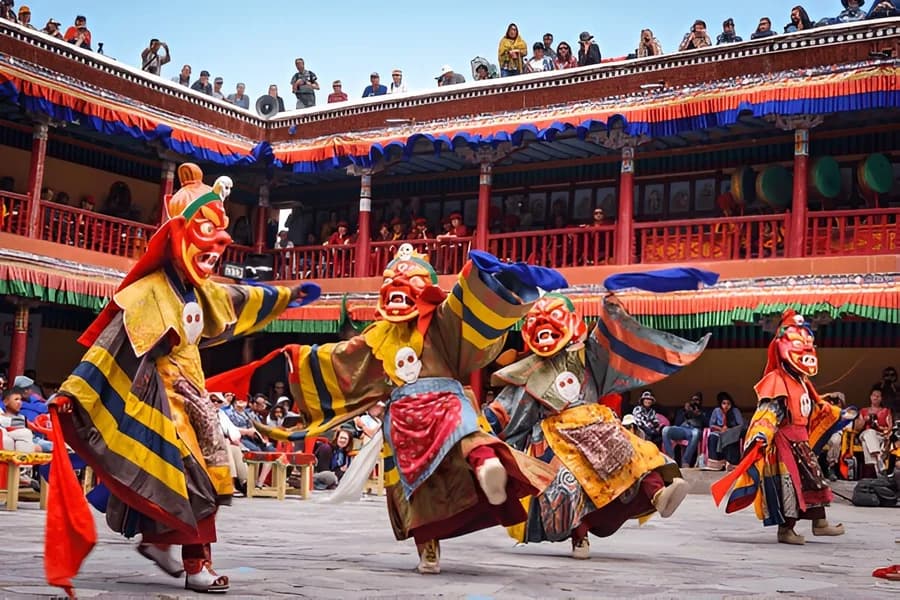
Read More

Manali
May 30, 20253 Minutes
Manali
Overview of Manali: Manali is by far the most desirable hill station located in the beautiful Kullu Valley of Himachal Pradesh. Surrounded by Himalayan mountains, lush green forests, and rivers. Situated at an altitude of 2,050 meters, Manali attracts thousands of travelers every year, in fact almost every weekend youngsters go to Manali. Many tourists explore Himachal Pradesh Tour Packages just to explore Manali. It has everything – from adventure lovers to nature lovers and cultural explorers. Its landscapes, pahadi culture, and numerous attractions make it a must-visit location in northern India. Whether you want to try adventure sports, explore local markets, or simply relax amongst stunning mountain views, Manali promises an unforgettable experience that will create memories to last a lifetime. What are the Key Highlights of Manali: Famous Places: Hadimba Temple: An ancient wooden temple with unique architecture, dedicated to the goddess Hadimba Solang Valley: A paradise for adventure lovers with skiing, paragliding, and breathtaking views Rohtang Pass: Scenic mountain pass offering stunning landscapes and snow activities Old Manali: Peaceful area with cozy cafes, local shops, and a hippie vibe Vashisht Hot Springs: Natural thermal springs known for healing properties Attractive Activities: River Rafting in Beas River: Thrilling experience for adventure seekers Trekking in surrounding Himalayan trails Skiing in Solang Valley (December-February) Mountain Biking through scenic routes Camping near riverside locations Shopping in local markets for handicrafts and woolens Photography of stunning mountain landscapes Trying local Himachali cuisine Visiting apple orchards during harvest season Best Time to Visit Manali: The best time to visit Manali is from March to June for pleasant weather and from October to February for snow experiences. Summer months are perfect for sightseeing, while winter months are best for snow activities. Travel Tips / Essential Information For Manali: How to Reach: By Air: Bhuntar Airport, 50 km from Manali By Train: The nearest railway station is Joginder Nagar, then take a taxi By Road: Regular buses from Delhi, Chandigarh, and nearby cities Essential Tips: Carry warm clothes, even during summer Book accommodation in advance during peak seasons Respect local culture and customs Carry valid ID proof Keep some cash handy, as ATMs might be limited Check weather conditions before traveling Hire local guides for trekking and adventure activities Carry necessary medications Use sunscreen and stay hydrated Be prepared for altitude sickness Carry good quality walking shoes Best to travel in groups or with family Learn basic local language phrases Be cautious while driving on mountain roads Carry a first-aid kit Inform someone about your travel plans Travel Costs: Budget hotels: INR 500-1500 per night Mid-range hotels: INR 2000-4000 per night Adventure activities: INR 1000-3000 per activity Also Read – Places To Visit in Himachal PradeshMust Checkout – Things To Do in Himachal Pradesh
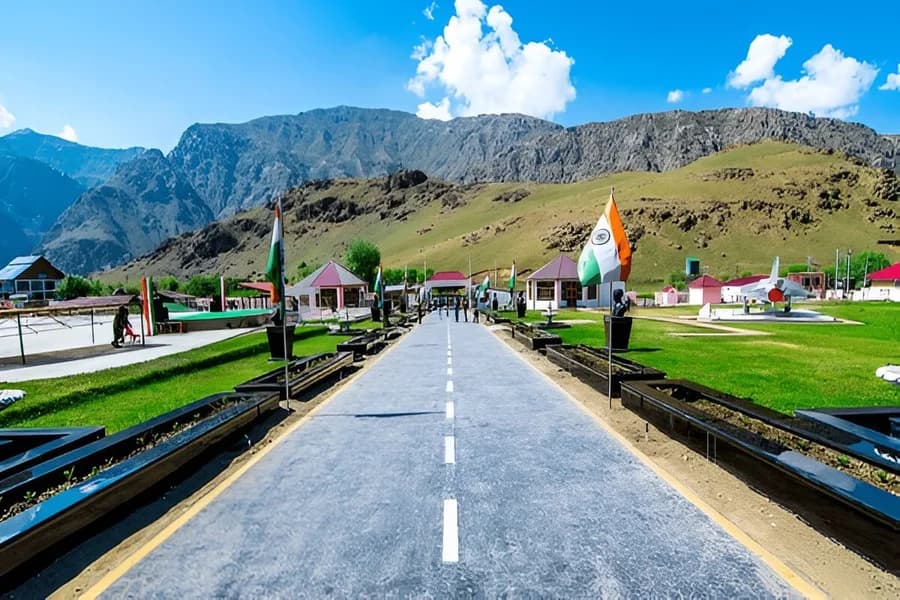
Read More

Dharamshala
May 30, 20251 Minute
Dharamshala
Overview of Dharamshala Located in the beautiful mountains of northern India, Dharamshala is a breathtaking destination that truly shows the core of Himachal. Located in the Kangra district of Himachal Pradesh, this picturesque hill station is a great combo of natural beauty, spiritual vibes, and cultural richness. The town is famously known as the residence of the Dalai Lama and has become a significant center for Tibetan culture and Buddhism. When planning your Himachal Pradesh Tour Packages, Dharamshala should definitely be on your list. The town is divided into two distinct areas – Lower Dharamshala, which is a bustling commercial center, and Upper Dharamshala (McLeod Ganj), which is more serene and attracts spiritual seekers and tourists. With its stunning landscapes, snow-capped Dhauladhar mountains, lush green forests, and monasteries. What are the Key Highlights of  Dharamshala: Tsuglagkhang Complex: Explore the main temple of the Dalai Lama, a spiritual haven that offers insights into Tibetan Buddhism and culture. Bhagsu Waterfall: A stunning natural wonder where you can enjoy a refreshing swim and capture breathtaking photographs. Namgyal Monastery: The personal monastery of the Dalai Lama, offers a peaceful and meditative environment. St. John’s Church: A beautiful colonial-era church with stunning Gothic architecture, located in a peaceful forest setting. Tibetan Institute of Performing Arts: Watch traditional Tibetan music and dance performances. Trek to Triund Hill: An adventurous 9 km trek offering panoramic views of the Dhauladhar ranges. Trekking cost: Around INR 1,500 per person. Tibetan Cooking Classes: Learn authentic Tibetan cuisine. Workshop cost: INR 1,200 per person. Meditation and Yoga Retreats: Join spiritual sessions in McLeod Ganj. Retreat prices start from INR 3,000 for a weekend. Shopping at Local Markets: Explore handicrafts, woolens, and Tibetan artifacts at McLeod Ganj market. Rock Climbing and Camping: Adventure activities in the surrounding mountains. Guided tours cost around INR 2,500 per person. Best Time to Visit Dharamshala: The best time to visit Dharamshala is from March to June and September to November. These months offer pleasant weather, clear skies, and comfortable temperatures perfect for sightseeing and outdoor activities. Travel Tips / Essential Information For Dharamshala: – How to Reach By Air: Nearest airport is Gaggal Airport (Kangra), 13 km from Dharamshala. Regular flights from Delhi and Mumbai. By Train: Nearest railway station is Pathankot, about 85 km away. Regular trains from major cities. By Road: Well-connected by buses from Punjab, Delhi, and Himachal Pradesh. State-run and private buses available. – Essential Travel Tips Clothing: Carry warm layers, especially during winter. Light woolens are recommended even in summer. Language: Hindi and English are widely spoken. Basic Tibetan phrases can be helpful. Local Transportation: Taxis and shared jeeps are easily available. Negotiate prices before boarding. Accommodation: Options range from budget hostels (INR 500-1,000) to luxury resorts (INR 5,000-15,000). Safety: Carry valid ID proof. Keep emergency contacts handy. Mobile Connectivity: Prepaid mobile connections work best. BSNL has good coverage in the mountains. Cash and ATMs: Carry sufficient cash. Limited ATM facilities in remote areas. Respect Local Culture: Dress modestly, especially near religious sites. Ask permission before photographing locals. Also Read – Places To Visit in Himachal PradeshMust Checkout – Things To Do in Himachal Pradesh
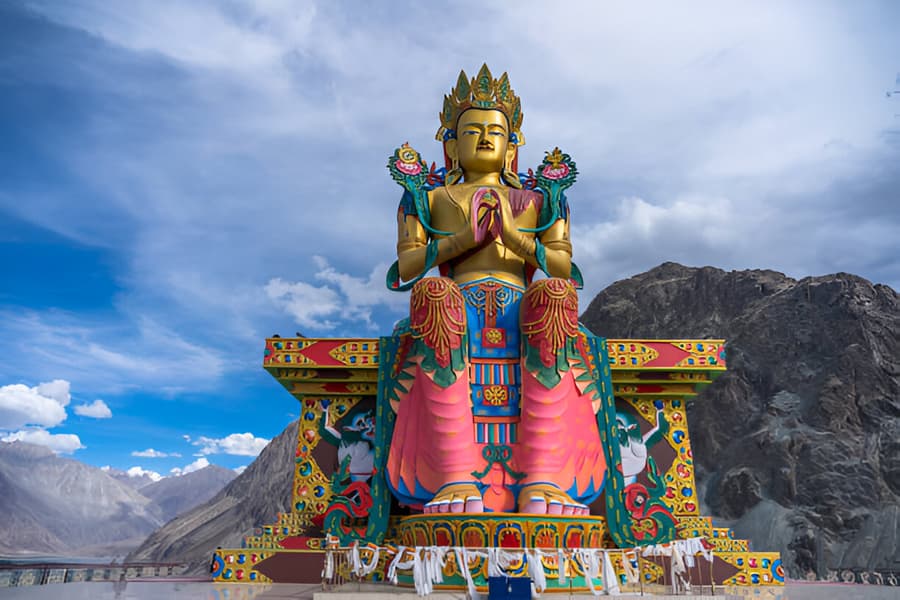
Read More

Dalhousie
May 30, 20253 Minutes
Dalhousie
Overview of Dalhousie: Nestled in the picturesque mountains of Himachal Pradesh, Dalhousie is a charming hill station that offers a perfect escape from the hustle and bustle of city life. Located at an altitude of around 2,039 meters, this beautiful destination is known for its colonial-era architecture, lush landscapes, and serene atmosphere. The town is named after Lord Dalhousie, a British governor-general who established it as a summer retreat in the 19th century. When planning your Himachal Pradesh Tour Packages, Dalhousie stands out as a must-visit destination. The town is surrounded by snow-capped mountains, dense pine, and deodar forests, and offers breathtaking views of the Dhauladhar mountain range. Travelers can explore its empty streets, enjoy the cool mountain air, and experience the unique blend of British colonial charm and local Himachali culture. From peaceful walks to adventure activities, Dalhousie promises something for every kind of traveler. What are the Key Highlights of Dalhousie: Khajjiar Lake: Enjoy horse riding and photography. Entry is free, and horse riding costs INR 300 per person. Dainkund Peak: Trek to the highest point in Dalhousie for breathtaking 360-degree mountain views. Perfect for nature lovers and adventure seekers. The trekking guide charges INR 1,500 per person. Panchpula Waterfall: Visit this scenic waterfall surrounded by dense forests. Enjoy a peaceful walk, picnic spots, and natural beauty. No entry fee. Recommended local guide charges INR 500. St. Francis Church: Admire the beautiful colonial-era architecture and peaceful ambiance. Known for its stunning stained glass windows and historical significance. No entry fee. Donations welcome. Kalatop Wildlife Sanctuary: Explore rich biodiversity with diverse flora and fauna. Spot local wildlife and enjoy nature trails. Entry fee: INR 250 per person. Photography charges: INR 100. Best Time To Visit Dalhousie: The best time to visit Dalhousie is from March to June for pleasant weather and from September to November for clear mountain views. Avoid monsoon months (July-August) due to potential landslides and heavy rainfall. Travel Tips / Essential Information For Dalhousie: Dalhousie Travel Essentials: Pack warm layers even in summer. Temperatures can drop quickly in mountain regions. Recommended clothing budget: INR 2,000-3,000. Transportation Tips: Local buses are cheap and efficient. Average bus fare: INR 20-50 per trip. Shared taxis are available for longer distances. Typical taxi fare: INR 300-500 between locations. Accommodation Advice: Budget hotels offer comfortable stays. Average cost: INR 1,000-2,500 per night. Book in advance during peak season. Online booking platforms offer good discounts. Safety Recommendations: Carry a basic medical kit. Essential medicines cost around INR 500. Keep emergency contact numbers. Local police helpline: 100. Tourist helpline: 1363. Food and Dining: Try local Himachali cuisine. Average meal cost: INR 200-400 per person. Carry some snacks for mountain trips. Bottled water costs INR 20-30.Also Read – Places To Visit in Himachal PradeshMust Checkout – Things To Do in Himachal Pradesh
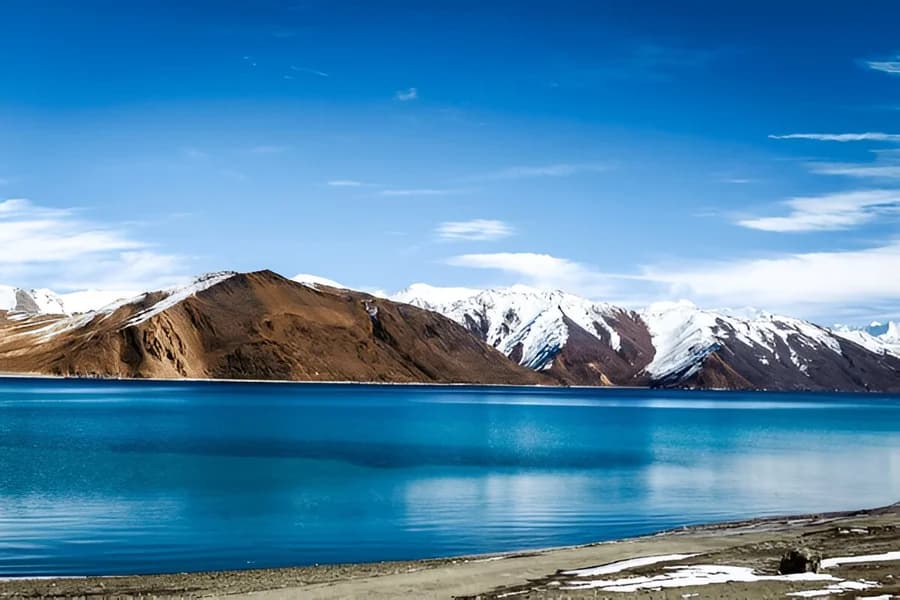
Read More

Login ModalPost Login FormTalk with trip expert