Blog hero image
Top Travel Stories

Explore our latest blogs and travel with us

Shalimar Garden
May 30, 20253 Minutes
Shalimar Garden
Overview of Shalimar Garden: Shalimar Garden in Srinagar is a Mughal grandeur and architectural brilliance. Built in 1642 by Emperor Shah Jahan, this Persian-style garden spans across 16 hectares of perfectly landscaped terrain. The garden’s name “Shalimar” comes from Sanskrit, meaning “abode of love,” and truly, every corner of this UNESCO World Heritage site screams why it has got this time. This is a marvel of 17th-century engineering that still functions today. A 410 fountains create mesmerizing water displays, fed by a network of channels. The story says that Shah Jahan was so impressed by the garden’s beauty that he hosted a grand 40-day celebration here upon its completion. Today, while exploring Kashmir tour packages, visitors often find this enchanting garden in their itinerary as it is one of the most popular attractions of Kashmir.  What are the Key Highlights of Shalimar Garden: Royal Water Features: Explore the 410 fountains spread across three terraces, creating spectacular water displays that once entertained Mughal emperors and their guests. Ancient Engineering Wonder: Explore the remarkable hydraulic system designed over 400 years ago, still functioning through underground water channels and marble cascades. Architectural Symmetry: The perfect balance of Persian-style architecture with its unique terraces, pavilions, and reflection pools that create mirror images. Moonlit Garden Experience: Visit during full moon nights when the fountains and water channels create magical reflections, just as they did during Mughal-era celebrations. Royal Fruit Garden: There are ancient fruit trees, including centuries-old mango, guava, and citrus varieties specially cultivated for the royal family. Marble Pavilions: Discover the exquisitely carved marble pavilions, each telling its own story through intricate Islamic calligraphy and floral patterns. Timings & Entry Fees, Location for Shalimar Garden: Timings: April to October: 9:00 AM – 7:00 PM and November to March: 10:00 AM – 5:00 PM Entry Fee: INR 10 for locals, INR 100 for foreigners (Cost may vary a little) Travel Tips/Essential Information for Shalimar Garden: For Photography: Early morning and late afternoon offer the best lighting for capturing the garden’s architectural beauty and water features. Cultural Etiquette: Dress modestly and respectfully, as this is both a historical site and a popular local gathering place. Guided Tours: Book a knowledgeable guide to uncover hidden stories and architectural details often missed by casual visitors. Evening Visits: Time your visit to catch the sunset when the garden experiences a changing light phenomenon which is great for evening photography. Time Management: Allow at least 2-3 hours to fully explore all three terraces and understand the garden’s unique features. Seasonal Considerations: Visit during spring to see the gardens in full bloom, or during winter for comfortable walking temperatures. Local Crafts: Check out the small craft shops near the entrance selling traditional Kashmiri handicrafts and souvenirs. Accessibility Tips: Wear comfortable walking shoes as the garden involves significant walking and some steps between terraces. Food & Refreshments: Carry water bottles and light snacks as food options inside are limited. Also Read: Places to Visit in KashmirMust Read: Things to do in Kashmir

Read More

Thalassery
May 30, 20253 Minutes
Thalassery
Overview of Thalassery: Thalassery, a beautiful coastal town in the northern part of Kerala, is rich in history, culture, and natural beauty. Known for its significant role in Kerala’s history, particularly during the colonial period, Thalassery is often referred to as the “Land of Spices.” Its scenic beauty, historical landmarks, and unique local flavours make it a must-visit destination for anyone planning a Kerala trip package. Thalassery boasts several beautiful beaches, historic forts, and vibrant streets filled with local life. It is also renowned for its distinctive Thalassery Biryani, a famous dish that draws food lovers from across the country. With its mix of cultural richness, delicious cuisine, and serene landscapes, Thalassery offers an experience that’s both relaxing and enriching. What are the Key Highlights of Thalassery: Some of the top attractions and activities to enjoy in Thalassery include: Thalassery Fort: A historical fort built by the British in the 18th century. The fort’s structure offers a glimpse into Kerala’s colonial past and stunning views of the surrounding areas. Muzhappilangad Beach: This long, clean beach is perfect for a leisurely walk or enjoying a peaceful day by the sea. It’s one of the few drive-in beaches in India, allowing visitors to drive along the shore. Kizhunna Beach: Known for its peaceful environment and natural beauty, this beach is ideal for unwinding and soaking in the serene surroundings. Sree Ramaswami Temple: An ancient temple known for its unique architecture and religious significance. Ezhimala: A hilltop location offering panoramic views of the Arabian Sea, Ezhimala is a perfect spot for nature lovers and photography enthusiasts. Thalassery Biryani: Don’t miss the chance to taste this aromatic rice dish with a rich blend of spices and tender meat, a favourite among locals and tourists alike. Best Time to Visit Thalassery: The best time to visit Thalassery is between October and March, when the weather is pleasant and ideal for sightseeing and beach activities. During this period, the temperatures are cooler, making it more comfortable for outdoor exploration. Travel Tips / Essential Information For Thalassery: Here are some tips to help you make the most of your visit to Thalassery: 1. How to Reach: By Air: The nearest airport is Kannur International Airport, about 22 km away from Thalassery. It has good connections to major cities in India. By Train: Thalassery has its railway station, well-connected to other parts of Kerala and India. Trains from Kannur and Calicut are frequently available. By Road: Thalassery is well-connected by road, and buses, taxis, and private vehicles are available for transport from nearby cities like Kannur, Kozhikode, and Calicut. 2. What to Pack: Comfortable, light clothing suitable for tropical weather, especially if you plan on spending time at the beach. Don’t forget sunscreen, sunglasses, and a hat for sun protection. A camera to capture the historic forts, scenic beaches, and other picturesque locations. 3. Local Food to Try: Thalassery Biryani: A must-try dish that stands out with its unique flavours and spices. Traditional Kerala seafood dishes such as fish curry and prawn fry are highly recommended. Try banana fritters and tapioca for local snacks. 4. Other Tips: Respect local customs, especially when visiting temples or religious sites. Stay hydrated and wear comfortable shoes for walking around the town and exploring its many attractions. Be mindful of the tide if visiting beaches, as some areas might have strong waves. Add Thalassery to your Kerala trip to explore the charm of this beautiful coastal town. Thalassery is a hidden gem in Kerala, offering a perfect combination of history, culture, and natural beauty. Whether you’re exploring its beaches, enjoying the local cuisine, or learning about its colonial past, it’s a destination that offers a unique and enriching experience. Also Read – Places To Visit in KeralaMust Checkout – Things To Do in Kerala

Read More

Swayambhunath Temple
May 30, 20253 Minutes
Swayambhunath Temple
Overview of Swayambhunath Temple: Swayambhunath Temple is located in Kathmandu Valley. The other name is this temple is Monkey Temple because of the large population of monkeys who stay here. These monkeys are considered sacred and are believed to be holy in Buddhist and Hindu traditions. It is also a UNESCO World Heritage Site known for its architecture. The temple’s golden spire was built in the 5th century which again attracts tourists. This place is the perfect blend of both Hindu and Buddhist traditions – something you won’t find easily anywhere else. There’s a legend that says that Kathmandu Valley was once a huge lake where a lotus flower grew. When the lotus mysteriously disappeared, the hill of Swayambhunath emerged, and the temple was built on this very spot. During your Nepal Tour Packages, you’ll notice hundreds of monkeys that live around the temple complex – they’re considered holy according to local stories. The 2015 earthquake damaged parts of the temple, but the main structure stood strong, showing just how incredibly well it was built centuries ago. What are the Key Highlights of Swayambhunath Temple: Iconic Buddha Eyes: The massive eyes of Buddha painted on all four sides of the main stupa watch over Kathmandu Valley. Sunrise: Climbing up 365 ancient steps early morning rewards you with a sunrise view over Kathmandu Valley – definitely worth setting that early alarm! Monkey Business: Watch the amusing antics of hundreds of holy monkeys as they play around the temple premises, making your visit entertaining and memorable. Prayer Wheel: Spin the hundreds of brass prayer wheels lined along the temple walls – locals believe each spin sends prayers to heaven. Butter Lamp Ritual: Join locals in lighting traditional butter lamps at sunset, and enjoy the mesmerizing golden glow around the temple. Local Life: Watch elderly locals playing cards in the temple courtyards while young monks study sacred texts – giving you a peek into daily life around the temple. Timings & Entry Fees of Swayambhunath Temple: Timings: Open 24×7 Entry Fee: SAARC Nationals: NPR 50 / Foreign Nationals: NPR 20 / Free for Nepalese and below 10 years Location: Swayambhunath is about 3 km west of Kathmandu’s city center Travel Tips / Essential Information for Swayambhunath Temple: Monkey Safety: Keep your bags closed and avoid carrying food in open bags – our little monkey friends can get quite curious! Time Management: Plan at least 2-3 hours to properly explore the complex without rushing. Dress Code Matters: Wear clothes that cover your knees and shoulders as a sign of respect – no shorts or sleeveless tops allowed inside. Climbing Strategy: Those 365 steps can be tough! Take it slow and carry water, especially if you’re going for sunrise. Photography Rules: Yes to general photos, but indoor shrine areas don’t allow photography – always ask before clicking. Best Time Planning: Visit early morning or late afternoon to avoid both crowds and the strong midday sun. Footwear Logic: Wear shoes that are easy to slip on and off as you’ll need to remove them at several shrine areas. Weather Watch: Carry an umbrella during monsoon (June-August) and warm clothes during winter mornings and evenings. Shopping Smart: Buy prayer flags and religious items from the shops near the temple – prices are better than in Thamel. Also Read: Places to Visit in NepalMust Read: Things to do in Nepal

Read More

Kasaragod
May 30, 20254 Minutes
Kasaragod
Overview of Kasaragod: Kasaragod, located at the northern tip of Kerala, is a serene town known for its rich history, beautiful landscapes, and vibrant culture. This lesser-known gem is a perfect getaway for those seeking a peaceful escape, away from the hustle and bustle of city life. Kasaragod is surrounded by hills, rivers, and beaches, making it a great place to explore natural beauty. If you are looking for a unique destination for your Kerala trip package, Kasaragod should be on your list. The town is famous for its ancient temples, forts, and diverse wildlife, offering visitors a chance to experience Kerala’s heritage and natural wonders. The stunning Bekal Fort, beautiful beaches, and tranquil surroundings make it a perfect spot for a relaxing yet enriching vacation. What are the Key Highlights of Kasaragod: Here are some must-visit places and activities to include in your Kasaragod itinerary: Bekal Fort: One of the largest and most well-preserved forts in Kerala, Bekal Fort offers a glimpse into the region’s history. The fort’s location on the coast provides breathtaking views of the Arabian Sea and is a popular spot for photography. Bekal Beach: A pristine beach near Bekal Fort, perfect for a peaceful retreat. The calm waves and clean surroundings make it ideal for relaxing and enjoying the natural beauty. Ananthapura Lake Temple: This ancient temple is surrounded by a serene lake and is known for its peaceful atmosphere. It’s the only lake temple in Kerala, adding to its uniqueness. Kappil Beach: A tranquil and less crowded beach perfect for beach lovers. With its golden sands and lush green surroundings, Kappil Beach offers a serene environment for a day of relaxation. Kasaragod Backwaters: Explore the beautiful backwaters of Kasaragod through boat rides, which will take you through lush greenery and quaint villages, offering a glimpse of rural Kerala life. Ranipuram: Known as the “Ooty of Kerala,” this hill station offers cool weather, green forests, and a chance to trek through the hills, making it a great spot for nature lovers. Best Time to Visit Kasaragod: The best time to visit Kasaragod is during the winter months, from November to February when the weather is cool and pleasant, ideal for sightseeing and outdoor activities. The temperature during this time ranges from 20°C to 30°C, offering a comfortable climate for exploring the region. Travel Tips & Essential Information for Kasaragod: Here are some helpful tips for your trip to Kasaragod: How to Reach: By Air: The nearest airport is Mangalore International Airport, located about 50 km from Kasaragod. The airport has good connections to major cities in India and abroad. By Train: Kasaragod has a well-connected railway station, which is easily accessible from other cities in Kerala and Karnataka. Trains from Kochi, Mangalore, and Bangalore are frequent. By Road: Kasaragod is well connected by road. You can reach the town by bus or hire a taxi from nearby cities like Mangalore or Kannur. What to Pack: Light and comfortable clothing suitable for the tropical climate. Sunscreen, sunglasses, and a hat for sun protection, especially if you’re planning to visit beaches or explore outdoors. A camera to capture the scenic views, historical forts, and beaches. Local Food to Try: Kasaragod Fish Curry: A unique blend of spices and fresh fish that gives you a taste of local flavours. Puttu and Kadala Curry: A traditional Kerala breakfast that’s a must-try. Banana Chips: A popular snack made from Kerala’s fresh bananas. Other Tips: Be respectful when visiting temples and other religious sites, as they are an integral part of the local culture. Carry a water bottle to stay hydrated, especially if you’re travelling in the warmer months. Use comfortable footwear for exploring beaches, forts, and nature trails. Kasaragod is an offbeat yet captivating destination that offers a unique blend of nature, history, and culture. Whether you’re visiting the historic Bekal Fort, relaxing on the beaches, or exploring the backwaters, Kasaragod provides a tranquil retreat into the heart of Kerala. Add Kasaragod to your Kerala tour for an unforgettable experience! Also Checkout: Things to do in KeralaMust Read: Places To Visit in Kerala

Read More

Boudhanath Stupa
May 30, 20253 Minutes
Boudhanath Stupa
Overview of Boudhanath Stupa: Boudhanath temple or Stupa is one of the largest and most significant Buddhist stupas in Nepal. This massive white dome-shaped structure has all-seeing eyes gazing in all four directions and has been watching over Kathmandu for centuries. Built in the 6th century, this UNESCO World Heritage site is the heart and soul of Tibetan Buddhism in Nepal. Mythologically, the stupa contains the remains of Kassapa Buddha, one of the ancient Buddhas. Every morning and evening, you’ll see hundreds of people walking clockwise around the stupa, spinning prayer wheels and chanting mantras. include this spiritual hotspot in your Nepal tour packages because it offers something really unique – a chance to see monks in red robes, smell the sweet incense, and feel the peaceful buzz of prayer flags. What are the Key Highlights of Boudhanath Stupa: Sacred Architecture: The massive white dome reaches a height of 36 meters, making it one of the largest spherical stupas in Nepal, with the iconic Buddha eyes visible from all directions. Morning Rituals: Join local devotees at sunrise as they perform kora (circumambulation), filling the air with butter lamp flames and sacred chants. Tibetan Culture Hub: Explore over 50 Tibetan monasteries (gompas) surrounding Boudhanath, each offering a peek into authentic Buddhist practices and art. Prayer Wheel Experience: Try your hand at spinning the huge collection of prayer wheels that line the stupa’s base, each filled with thousands of written mantras. Rooftop Cafes: Grab a seat at one of the many rooftop restaurants for a perfect view of the stupa while enjoying traditional Tibetan butter tea and momos. Monk Watching: Witness young monks in training, playing, and studying in the courtyards, offering a genuine glimpse into monastery life. Local Art: Visit the thankha painting schools where artists create intricate Buddhist artworks using traditional techniques passed down through generations. Timings & Entry Fees for Boudhanath Stupa: Open daily: 24×7 Entry fee: NPR 60 for SAARC nationals, INR 250 for foreigners Location: 6 km from central Kathmandu Best time to visit: Early morning or during sunset Timings & Entry Fees for Boudhanath Stupa: Dress Code Matters: Wear clothes that cover your knees and shoulders – it’s a religious site after all. Keep a light scarf handy for covering up when needed. Clock Direction Rules: Always walk clockwise around the stupa. It’s considered respectful and brings good luck according to local beliefs. Photography Guidelines: While photos are allowed outside, many indoor monastery areas are off-limits for photography. Always ask before clicking. Best Photo Spots: The rooftop cafes offer stunning aerial views. Early morning or golden hour provides the best lighting for pictures. Money Matters: Carry small bills for entry fees and donations. Many small shops don’t accept cards, so keep cash handy. Language Support: Learning basic Nepali greetings can go a long way. Most locals around Boudhanath understand basic English and Hindi. Time Management: Plan at least 2-3 hours for a proper visit. Morning hours are less crowded and more peaceful. Local Etiquette: Remove shoes before entering temples or monasteries. Avoid touching or pointing at religious objects with your feet. Weather Watch: Carry an umbrella during monsoon (June-August) and warm clothes during winter (December-February). Also Read: Places to Visit in NepalMust Read: Things to do in Nepal

Read More

Vaadhoo Island
May 30, 20253 Minutes
Vaadhoo Island
Overview of Vaadhoo Island: Vaadhoo Island is one of the most unique places in the Maldives. It offers visitors a mix of natural beauty and peace. It is best known for its “Sea of Stars,” a magical natural phenomenon where the water glows with tiny blue lights at night. This happens because of special plankton that emit light when the waves move. Walking along the glowing beach feels like stepping into a fairytale. Many Maldives holiday packages include Vaadhoo Island which makes it easy to visit for everyone. During the day, Vaadhoo Island is just as beautiful. The soft white sand, crystal-clear water, and gentle ocean breeze make it a perfect spot for relaxation. You can take a swim, enjoy the calm surroundings, or simply soak in the beauty of nature. Whether you are a couple on a romantic getaway, a family seeking peaceful moments, or a nature lover, Vaadhoo Island is sure to leave you amazed. What are the Key Highlights of Vaadhoo Island: Sea of Stars: The glowing water at night is a breathtaking sight you won’t find anywhere else. Quiet Beaches: Spend your day on soft sandy beaches with clear, turquoise water. Underwater World: Snorkeling here lets you explore colourful fish and vibrant coral reefs. Beautiful Sunsets: The island offers incredible views as the sun sets over the ocean. Photography Heaven: Capture amazing pictures of the glowing beach and the stunning landscape. Relaxation: The calm and peaceful vibe of the island makes it ideal for unwinding. Dolphin Watching: Go on a boat ride to spot playful dolphins in their natural habitat. Timings & Entry Fees of Vaadhoo Island: Timings: Vaadhoo Island is open throughout the day. The best time to see the “Sea of Stars” is after sunset. Entry Fees: Costs are typically included in Maldives tour packages. There are no specific entry fees.  Travel Tips/Essential Information For Vaadhoo Island: Best Time to Visit: Plan your visit between June and October to see the glowing water at its brightest. Even outside this period, Vaadhoo Island is a peaceful and beautiful place to visit. What to Pack: Bring light clothing, swimwear, sunscreen, a hat, flip-flops, a good camera for photos, and mosquito repellent for the evening. How to Reach: Vaadhoo Island is accessible by a short speedboat ride from Male or nearby islands.  Stay Options: While Vaadhoo itself has limited accommodations, luxury resorts on nearby islands provide easy access and great facilities. Dining Options: Resorts near Vaadhoo Island serve fresh seafood and delicious local dishes, giving you a taste of Maldivian cuisine. Activities to Enjoy: Spend your day relaxing on the beach, snorkelling, or taking a boat ride to explore the surrounding areas. At night, enjoy the magical “Sea of Stars” experience. Safety Tips: Always wear sunscreen during the day, stay hydrated, and follow guidelines during water activities like snorkelling. Vaadhoo Island is a must-visit for anyone planning a Maldives trip. Its glowing waters, serene beaches, and unforgettable natural beauty make it a destination like no other. Whether you’re visiting for romance, adventure, or relaxation, Vaadhoo Island will leave you with memories to cherish forever. Also Read: Places to Visit in MaldivesMust Read: Things to do in Maldives

Read More

Addu Atoll
May 30, 20253 Minutes
Addu Atoll
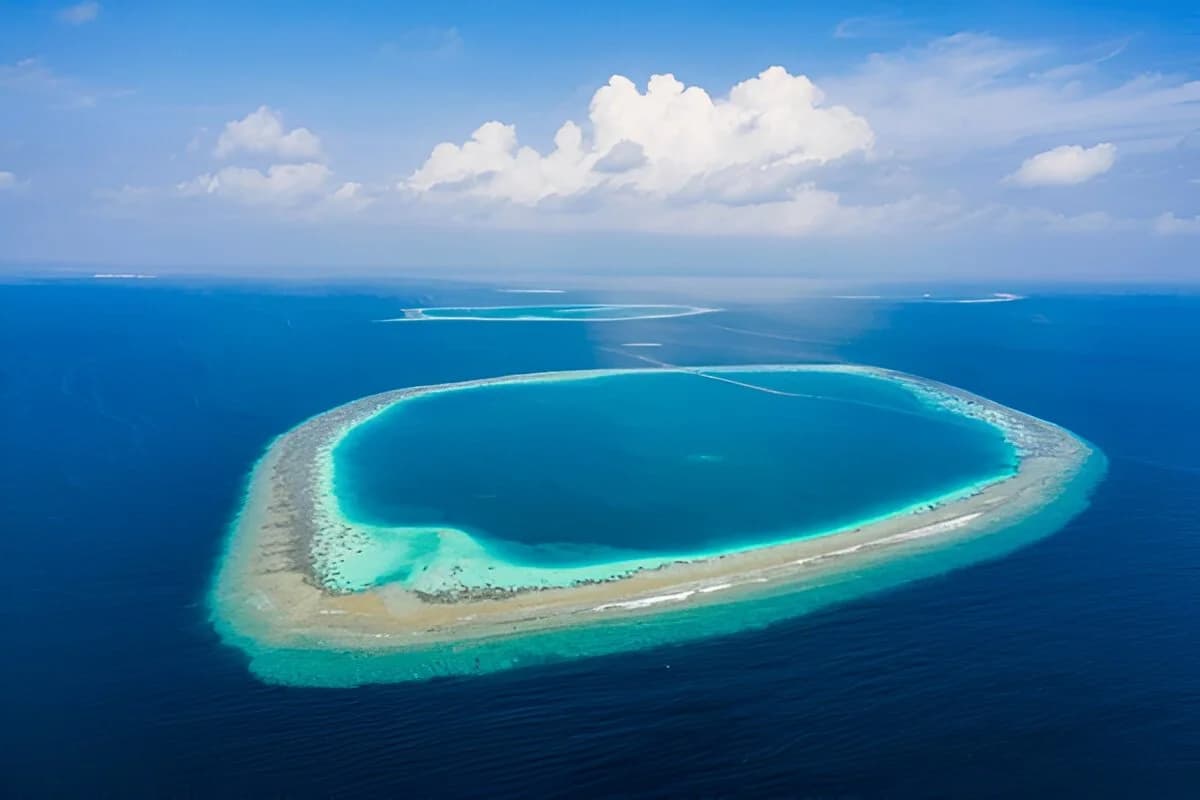
Overview of Addu Atoll: Addu Atoll is in the southernmost part of the Maldives. It is a peaceful and beautiful place with soft beaches, clear water, and green islands. The atoll has many small islands, each offering something special. Gan Island, the largest, is well-known for its history as a British airbase. Addu Atoll is often included in Maldives holiday packages, making it easy to visit and explore. Also, this place is perfect for people who want to relax and enjoy nature. The beaches are quiet, the lagoons are calm, and the water is full of colourful fish and coral. If you love diving or snorkelling, this place is a dream come true. For those who enjoy learning about culture, you can visit small villages to meet locals and see their way of life.  What are the Key Highlights of Addu Atoll: Beautiful Beaches: Addu Atoll has soft white sand and clear blue water. It’s a peaceful and unique destination for anyone planning a Maldives trip. The beaches are quiet, making them great for relaxing. Diving and Snorkeling: The coral reefs are full of colourful fish, making this one of the best places in the Maldives for underwater adventures. Gan Island: This is the largest island in the Maldives. It was once used by the British as a military base, and you can still see some of the old buildings. Friendly Villages: Visit local villages to meet the people, learn about their traditions, and enjoy fresh Maldivian food. Sunsets: The sunsets in Addu Atoll are amazing. The sky turns bright orange and pink, making it perfect for couples. Water Sports: Try fun activities like kayaking, paddleboarding, or taking a boat trip around the islands. Nature Tours: Explore mangroves and see unique plants and animals on eco-tours. Timings & Entry Fees of Addu Atoll: Timings: Addu Atoll is open all day for visitors. Activities like diving and tours can be arranged at any time. Entry Fees: There is no special entry fee for Addu Atoll. Costs for tours and activities depend on your travel package. Travel Tips/Essential Information For Addu Atoll: Best Time to Visit: The best time to visit Addu Atoll is from November to April when the weather is sunny and calm. What to Pack: Bring light clothes, sunscreen, a hat, swimwear, and a good camera to capture the beauty. How to Get There: You can fly to Gan International Airport, which is located in Addu Atoll. From there, boats are available to explore the other islands. Where to Stay: Addu Atoll has a mix of resorts and guesthouses. Some are on the beach, offering stunning views and easy access to activities. Health Tips: Use sunscreen during the day and drink plenty of water to stay hydrated. Mosquito repellent is helpful for the evenings. Activity Tips: Try snorkeling or diving to see the amazing coral reefs. Sunset boat rides are also a must for a relaxing experience. Addu Atoll is a perfect mix of beauty, history, and fun. Whether you want to relax on the beach, explore underwater life, or learn about Maldivian culture, this atoll has it all. Also Read: Places to Visit in MaldivesMust Read: Things to do in Maldives

Read More

Maafushi Island
May 30, 20253 Minutes
Maafushi Island
Overview of Maafushi Island: Maafushi Island is a beautiful and affordable place to visit in the Maldives. It is part of the South Male Atoll and is just a 30-minute speedboat ride from Male, so it’s easy to reach. The island is known for its clear blue water, soft white sand beaches, and amazing coral reefs. Maafushi is special because it combines natural beauty with a local feel. Unlike expensive resort islands, Maafushi has budget-friendly guesthouses and lets visitors experience the simple Maldivian lifestyle.  With so much to do and see, Maafushi is a must-visit in any Maldives holiday package for a wonderful and memorable trip. It’s perfect for families, couples, and solo travellers who want a fun yet affordable holiday. On Maafushi, you can relax on the beach, enjoy water sports, or go snorkelling to see the colourful marine life. The island also offers exciting activities like dolphin cruises and trips to nearby sandbanks. What are the Key Highlights of Maafushi Island: Stunning Beaches: Relax on the soft white sands while enjoying views of the turquoise lagoon. Snorkelling and Diving: Explore the underwater world filled with colourful corals, fish, turtles, and rays. Affordable Accommodation: Maafushi is famous for its budget-friendly guesthouses and boutique hotels. Water Sports: Try jet skiing, parasailing, banana boat rides, and paddleboarding. Local Culture: Experience Maldivian traditions, enjoy fresh seafood and visit local markets. Excursions: Take trips to nearby sandbanks, private islands, or dolphin-watching tours. Bikini Beach: A dedicated area where visitors can relax and swim freely in their swimwear. Timings & Entry Fees of Maafushi Island: Timings: Maafushi Island is accessible all year round, with ferries and speedboats running daily. Entry Fees: There are no entry fees. Costs for accommodation, food, and activities depend on individual preferences or tour packages. Travel Tips/Essential Information For Maafushi Island: Best Time to Visit: November to April is the best time to enjoy sunny weather and calm seas. How to Reach Maafushi: A 30-minute speedboat ride or a 1.5-hour public ferry from Male will get you to the island. What to Pack: Bring swimwear, sunscreen, sunglasses, and light clothing for comfort in the tropical climate. Dress Code: While swimwear is allowed on “Bikini Beach,” dress modestly in other public areas to respect local customs. Where to Stay: Maafushi offers cosy guesthouses and budget hotels with friendly service and comfortable amenities. Things to Do: Don’t miss sunset dolphin cruises, island hopping tours, and BBQ dinners on the beach. Dining: Try delicious local dishes like fish curry, coconut-based meals, and tropical fruit desserts. Maafushi Island is a perfect blend of relaxation, adventure, and local charm. Its affordability makes it stand out among Maldives destinations. From exciting water sports to peaceful sunsets, Maafushi promises an unforgettable experience for every traveller. Make sure to include it in your Maldives trip for a trip filled with fun and memories! Also Read: Places to Visit in MaldivesMust Read: Things to do in Maldives

Read More

Alimatha Island
May 30, 20253 Minutes
Alimatha Island
Overview of Alimatha Island: Alimatha Island, located in the Vaavu Atoll, is one of the most beautiful destinations in Maldives. It is surrounded by clear blue waters, soft white sandy beaches, and colourful coral reefs, making it a perfect place to relax and enjoy nature. Whether you want to relax on the beach or explore underwater, this island is a top choice for your Maldives holiday package. The island is popular with travellers for its peaceful atmosphere and exciting activities. It’s a great spot for snorkelling and diving, where you can see fish, sea turtles, and rays up close. Alimatha Island also features luxury resorts, including overwater villas, perfect for couples, families, and solo travellers. If you’re planning a Maldives trip, Alimatha Island should be on your list. It offers a peaceful environment, beautiful views, and unforgettable experiences.  What are the Key Highlights of Alimatha Island: Stunning Beaches: Enjoy walking along soft white sand beaches with breathtaking views. Snorkelling Adventures: Explore colourful coral reefs and swim with tropical marine life. Scuba Diving: Dive into crystal-clear waters to discover caves, shipwrecks, and vibrant sea creatures. Luxurious Stays: Stay in overwater villas or beachfront resorts for a perfect mix of comfort and beauty. Family Activities: Try kayaking, paddleboarding, and other water sports that kids and adults will love. Night Diving: Experience the magic of glowing plankton and the underwater world after sunset. Relaxation and Spa: Treat yourself to a calming massage or unwind under palm trees by the lagoon. Timings & Entry Fees of Alimatha Island: Timings: Open year-round; the best time to visit is from November to April when the weather is sunny and the seas are calm. Entry Fees: Fees are included in most Maldives tour packages or resort bookings, with extra charges for certain activities. Travel Tips/Essential Information  For Alimatha Island: Best Time to Visit: Plan your visit between November and April to enjoy the best weather for water activities. How to Reach: Alimatha Island is accessible by seaplane or speedboat from Male International Airport. Transfers are often included in holiday packages. What to Pack: Bring sunscreen, swimwear, light clothing, and an underwater camera. Many resorts also provide snorkelling equipment. Accommodation Options: The island offers luxury overwater villas and beachfront rooms for a dreamy stay. Book early, especially during peak seasons. Excursions to Try: Add dolphin cruises, sandbank picnics, and sunset fishing trips to your Maldives trip itinerary. Food and Drinks: Savor delicious Maldivian dishes and international cuisines served at the resorts. Responsible Tourism: Respect the island’s environment by avoiding littering and following eco-friendly practices. Alimatha Island is a jewel of the Maldives that offers the perfect mix of relaxation and adventure. Whether you’re relaxing on its beautiful beaches, exploring underwater wonders, or staying in a luxury villa, this destination is a highlight of any Maldives holiday package. If you’re planning a Maldives trip, make sure Alimatha Island is on your list—it’s an experience you’ll cherish forever!Also Read: Places to Visit in MaldivesMust Read: Things to do in Maldives

Read More

Emboodhu Finolhu Island
May 30, 20253 Minutes
Emboodhu Finolhu Island
Overview of Emboodhu Finolhu Island: Emboodhu Finolhu Island, located in the South Male Atoll, is a beautiful and peaceful place, known for its clear waters and calm atmosphere. This small paradise is called the “Three Island Resort” because it has three connected islands, each with its charm. The island is surrounded by colourful coral reefs, making it a popular spot for snorkelling and diving. Whether you want to relax on the beach, enjoy a spa treatment, or explore the underwater world, Emboodhu Finolhu Island has it all. It’s perfect for a memorable Maldives tour package experience. What makes Emboodhu Finolhu special is its mix of luxury and peace. It has overwater villas and beachside resorts, giving visitors privacy and stunning views of the blue waters. It’s a great choice for couples, honeymooners, and families who want a relaxing vacation.  What are the Key Highlights of Emboodhu Finolhu Island: Private Overwater Villas: Stay in luxurious overwater villas with breathtaking views of the ocean. Pristine Beaches: Enjoy soft, white sand beaches and clear, calm waters perfect for relaxation. Snorkeling & Diving: Explore vibrant coral reefs teeming with marine life. Water Sports: Try activities like kayaking, paddleboarding, and windsurfing. Spa and Wellness: Treat yourself to soothing spa treatments for the ultimate relaxation experience. Romantic Setting: A great destination for honeymooners and couples seeking a private, romantic retreat. Island Hopping: Explore nearby islands and enjoy the beauty of the Maldives. Timings & Entry Fees of Emboodhu Finolhu Island: Timings: Emboodhu Finolhu Island can be visited year-round. The best time is between November and April for sunny weather. Entry Fees: Entry is usually included in resort packages, with additional costs for specific activities such as diving or spa treatments. Travel Tips/Essential Information For Emboodhu Finolhu Island: Best Time to Visit: For the best experience, visit during the dry season, from November to April, when the weather is sunny and ideal for water activities. How to Reach: The island is easily accessible by speedboat or seaplane from Male International Airport. What to Pack: Bring light clothing, sunscreen, swimwear, and a camera to capture the stunning views. Many resorts provide snorkelling equipment, but you may want to bring your own if preferred. Accommodation Options: Emboodhu Finolhu offers luxurious overwater villas and beachfront resorts. Book in advance, especially during the peak season. Activities to Try: Enjoy snorkelling, diving, kayaking, and sunset cruises during your stay. Dining: Enjoy fresh seafood and international cuisine at the resort’s restaurants. Responsible Travel: Respect the island’s environment by avoiding littering and taking care of its natural beauty. Emboodhu Finolhu Island is a peaceful paradise that offers everything you need for a relaxing and memorable Maldives vacation. Whether you want to dive into its clear waters, unwind in luxurious accommodations, or simply enjoy the stunning views, Emboodhu Finolhu is a must-visit destination for anyone travelling to the Maldives.Also Read: Places to Visit in MaldivesMust Read: Things to do in Maldives

Read More

Artificial Beach
May 30, 20253 Minutes
Artificial Beach
Overview of Artificial Beach: Artificial Beach, located on the island of Hulhumale in the Maldives, is a man-made beach created to offer a beautiful and relaxing spot for visitors. Unlike the natural sandy beaches of the Maldives, this beach was developed to meet the growing demand for recreation space, making it a popular spot for both locals and tourists. The beach is surrounded by calm, clear waters and has a peaceful atmosphere, perfect for swimming, sunbathing, and relaxing. It’s a perfect stop during a Maldives tour package for anyone looking to unwind. The best part of Artificial Beach is its convenient location, just a short distance from the capital city, Male. It’s a great place to escape the hustle and bustle of the city while still being close to all the conveniences. Whether you want to enjoy a beach day or take part in water sports, Artificial Beach offers a mix of fun and relaxation.  What are the Key Highlights of Artificial Beach: Peaceful Atmosphere: A relaxing spot away from crowded areas, ideal for unwinding. Water Sports: Enjoy activities like jet-skiing, swimming, and kayaking. Great Location: Situated close to Male, making it easy to visit during your stay in the Maldives. Scenic Views: Enjoy views of the surrounding islands and clear waters. Public Access: Open to both locals and tourists, making it a popular destination for families and solo travellers. Ideal for Picnics: There are areas for picnics and gatherings with friends and family. Timings & Entry Fees of Artificial Beach: Timings: Artificial Beach is open to visitors throughout the day. The best time to visit is between 8 AM to 6 PM. Entry Fees: There is no entry fee for Artificial Beach, making it an affordable spot to relax. Travel Tips/Essential Information For Artificial Beach: Best Time to Visit: The dry season, from November to April, is the best time to visit for sunny weather and water activities. How to Reach: Artificial Beach is easily accessible by taxi or public transport from Male. It’s just a short drive from the capital. What to Pack: Bring swimwear, sunscreen, and a towel for a day at the beach. Water sports equipment is available for rent. Activities to Try: Take part in water activities, or simply relax and enjoy the beautiful views. Dining Options: While there are a few local eateries around, it’s advisable to bring snacks or picnic items if you plan to spend the day. Safety Tips: As with any beach, be mindful of the water conditions and avoid venturing too far into the sea if you’re not a strong swimmer. Artificial Beach is a fantastic spot for anyone who is on a Maldives trip. Its unique charm and easy accessibility make it a must-visit for travellers looking for a relaxing beach experience. Whether you’re on a family holiday or enjoying a solo trip, this beach offers a peaceful retreat in the heart of the Maldives. Also Read: Places to Visit in MaldivesMust Read: Things to do in Maldives

Read More

Maldives Glowing Beach
May 30, 20253 Minutes
Maldives Glowing Beach
Overview of Maldives Glowing Beach The Maldives is known for its stunning beaches, but the Maldives Glowing Beach stands out as a truly magical destination. Also called the “Bioluminescent Beach,” it is famous for its natural phenomenon where the sand and water glow at night. This beautiful effect is caused by microscopic organisms called plankton, which emit light when disturbed. When the waves hit the shore or when you walk along the beach, the glowing particles light up, creating a mesmerizing & sparkling effect. If you’re looking for a unique experience during your Maldives tour package, visiting the Maldives Glowing Beach at night is a must. This glowing beach is typically found in several spots across the Maldives, but the most famous location is near Vaadhoo Island in the Raa Atoll. The glowing blue light in the water makes it look like something straight out of a dream. It’s an unforgettable sight that adds a touch of magic to any Maldives holiday. What are the Key Highlights of Maldives Glowing Beach: Bioluminescent Waters: The glowing blue light created by plankton in the water is a magical sight at night. Unique Natural Phenomenon: This phenomenon is one of the most amazing natural wonders in the Maldives. Perfect for Night Walks: Enjoy peaceful walks along the beach under the glowing waves, a peaceful and surreal experience. Romantic Experience: Ideal for couples, honeymooners, and anyone looking to enjoy a unique moment under the stars. Ideal for Photography: Capture stunning photos of the glowing beach and the sparkling waters. Accessible Locations: While Vaadhoo Island is famous for this glow, other beaches across the Maldives also experience this phenomenon, making it easier to find. Timings & Entry Fees of Maldives Glowing Beach: Timings: The glowing beach is best experienced at night, particularly after sunset and before sunrise. The bioluminescence is most visible on clear nights. Entry Fees: There are no entry fees to visit the beach, as it is a natural phenomenon. However, it’s best to stay at a nearby resort or take a short boat ride from the main islands for the best access. Travel Tips/Essential Information For Maldives Glowing Beach: Best Time to Visit: The glowing effect is visible year-round but is most prominent during the dry season, from November to April. How to Reach: You can visit the glowing beaches near Vaadhoo Island, which is accessible by speedboat or seaplane from Male. Many Maldives holiday packages include visits to this island for a glowing beach experience. What to Pack: Comfortable shoes for walking, swimwear, and a camera to capture the glowing beauty of the beach. Activities to Try: While you’re on the beach, enjoy the natural beauty, take a peaceful walk, and watch the glowing waters. Safety Tips: The glowing effect is best seen in calm, clear water. Be careful when walking along the shore and avoid venturing too far into the sea at night. The Maldives Glowing Beach is one of the most unique and awe-inspiring experiences you can have in the Maldives. Whether you’re looking for a peaceful retreat or a romantic night under the stars, this glowing beach will make your Maldives vacation even more unforgettable. Also Read: Places to Visit in MaldivesMust Read: Things to do in Maldives

Read More

Kanuhura Island
May 30, 20252 Minutes
Kanuhura Island
Overview of Kanuhura Island: Kanuhura Island is located in the Laccadive Sea. It is one of the most stunning and luxurious islands in the Maldives. Known for its pristine beaches, crystal-clear waters, and lush greenery, this island offers a perfect blend of relaxation and adventure. The island is home to one of the most exclusive resorts in the Maldives, making it a favourite for honeymooners, couples, and families looking for a peaceful getaway. Whether you’re here to unwind or explore, Kanuhura Island promises a memorable stay, making it a perfect addition to any Maldives tour package. Kanuhura Island is surrounded by beautiful coral reefs, making it an excellent spot for snorkelling and diving. The island’s tranquil atmosphere and private villas provide the ultimate luxury experience, with guests enjoying panoramic views of the turquoise waters.  What are the Key Highlights of Kanuhura Island: Luxurious Resorts: Kanuhura Island offers world-class resorts with private villas, giving guests privacy and comfort. Crystal-Clear Waters: The island’s turquoise waters are ideal for swimming, snorkelling, and relaxing by the beach. Beautiful Coral Reefs: Explore vibrant coral reefs through snorkelling and diving adventures. Perfect for Honeymoons: Kanuhura Island is an ideal destination for romantic getaways, offering serene and private settings. Water Sports: Try exciting water sports like kayaking, paddleboarding, and windsurfing. Fine Dining: Enjoy gourmet meals at the island’s top-notch restaurants with breathtaking views. Timings & Entry Fees of Kanuhura Island: Timings: The island’s resorts and activities are available throughout the day. The best time to visit is during the dry season, from November to April. Entry Fees: Access to Kanuhura Island is typically restricted to guests of the resort. The resort package includes accommodation and various activities. Travel Tips/Essential Information For Kanuhura Island: Best Time to Visit: The best time to visit Kanuhura Island is from November to April when the weather is dry and sunny. How to Reach: Kanuhura Island is accessible by seaplane or speedboat from Male, the capital of the Maldives. What to Pack: Pack swimwear, light clothes, sunscreen, and comfortable shoes for beach walks and activities. Activities to Try: Enjoy snorkelling, diving, kayaking, or simply unwinding at the resort’s spa. Dining: Kanuhura offers a variety of dining options, so be sure to indulge in local Maldivian dishes and international cuisines. Safety Tips: The island is safe for tourists, but always stay cautious in the water and follow safety guidelines when doing water sports. Kanuhura Island is a luxurious and serene destination that combines nature’s beauty with ultimate comfort. Whether you’re visiting the best honeymoon packages for Maldives or simply looking to escape to paradise, Kanuhura Island offers an unforgettable experience that blends relaxation, adventure, and luxury.Also Read: Places to Visit in MaldivesMust Checkout: Things to do in Maldives

Read More

Ukulhas Island
May 30, 20253 Minutes
Ukulhas Island
Overview of Ukulhas Island: Ukulhas Island is a beautiful and peaceful destination located in the North Ari Atoll of the Maldives. It is known for its crystal-clear waters, white sandy beaches, and friendly local community, Ukulhas offers a perfect blend of natural beauty and Maldivian culture. Unlike the large resort islands, Ukulhas has a more laid-back atmosphere and is ideal for travellers looking to escape the crowds while still enjoying the island’s stunning beauty.  If you’re looking for a more affordable option in your Maldives tour package, Ukulhas Island is a must-visit, offering a unique and intimate Maldives experience. The island is a great spot for snorkelling, diving, and enjoying the vibrant marine life in the surrounding coral reefs. Ukulhas also offers a chance to experience the authentic Maldivian way of life, with local guesthouses, fresh seafood, and a relaxed pace. What are the Key Highlights of Ukulhas Island: Crystal-Clear Waters: Ukulhas is surrounded by clear turquoise waters, ideal for swimming and snorkelling. Snorkeling and Diving: The nearby coral reefs are home to a variety of marine life, making it a great spot for water activities. Local Culture: Experience the authentic Maldivian lifestyle with local guesthouses, seafood, and cultural events. Peaceful Atmosphere: Ukulhas offers a quiet and relaxing environment, perfect for a break from busy resort islands. Beaches and Lagoon: The soft, white sandy beaches and calm lagoon provide a perfect spot for sunbathing and leisurely walks. Affordable: Ukulhas offers budget-friendly accommodation options, making it an affordable destination for travellers. Timings & Entry Fees of Ukulhas Island: Timings: Ukulhas Island is accessible year-round, with the best time to visit is during the dry season, from November to April. Entry Fees: There are no entry fees for visiting Ukulhas Island. However, some activities and resorts may have charges. Travel Tips/Essential Information For Ukulhas Island: Best Time to Visit: The dry season from November to April is the best time to visit Ukulhas, as the weather is sunny and ideal for beach activities. How to Reach: Ukulhas is accessible by speedboat or seaplane from Male, the capital of the Maldives. What to Pack: Pack swimwear, light clothing, sunscreen, and comfortable shoes for exploring the island. Things to Do: Apart from snorkelling and diving, enjoy leisurely walks on the beach, visit the local shops, and try the fresh seafood. Safety Tips: Ukulhas is a safe destination for tourists, but always exercise caution when engaging in water sports and follow local guidelines. Ukulhas Island is a charming and peaceful destination that offers the perfect balance of natural beauty and local culture. Whether you’re on a Maldives holiday package or looking for a more laid-back experience, Ukulhas provides a memorable and authentic Maldives experience without the crowds. Also Read: Places to Visit in MaldivesMust Read: Things to do in Maldives

Read More

Maaya Thila
May 30, 20253 Minutes
Maaya Thila
Overview of Maaya Thila: Maaya Thila is one of the most popular diving spots in the Maldives, located in the North Ari Atoll. This small underwater island is famous for its clear waters, colourful coral reefs, and rich marine life. Divers from all over the world visit to see schools of fish, reef sharks, turtles, and sometimes even manta rays. One of the most exciting things about Maaya Thila is night diving. After sunset, the underwater world becomes magical, with more marine life coming alive. It’s a wonderful experience that both beginner and experienced divers can enjoy. This diving site is included in many Maldives holiday packages and is perfect for anyone who loves nature and adventure. Whether you want to snorkel or dive, Maaya Thila offers unforgettable moments. If you’re planning a Maldives trip then it’s a must-visit destination! What are the Key Highlights of Maaya Thila: Marine Diversity: Spot reef sharks, moray eels, turtles, and colourful fish during your dives. Coral Reefs: The coral reefs here are vibrant and well-preserved, making it a stunning underwater destination. Night Diving: Maaya Thila is famous for its thrilling night dives, where you can witness marine life in action after sunset. Clear Waters: The site offers excellent visibility, which is perfect for exploring its underwater beauty. Accessible for All: Whether you’re a beginner or a pro, Maaya Thila provides diving experiences suitable for all levels. Unique Experience: Witness rare marine creatures and enjoy the tranquillity of the underwater world. Timings & Entry Fees of Maaya Thila: Timings: The site is open year-round for diving, with the best conditions during the dry season (November to April). Night dives can also be arranged. Entry Fees: While there’s no specific entry fee for Maaya Thila, diving costs depend on your tour operator and equipment rental. Travel Tips/Essential Information For Maaya Thila: Best Time to Visit: Visit during the dry season from November to April for calm seas and clear visibility. How to Reach: Maaya Thila is accessible by boat from nearby resorts or islands in the North Ari Atoll. What to Pack: Bring swimwear, sunscreen, a diving license (if certified), and a waterproof camera to capture the underwater beauty. Dive Preparation: Beginners can take diving lessons before heading to Maaya Thila, while experienced divers should ensure their equipment is in good condition. Night Diving: Don’t miss the chance to experience a night dive, but always go with an experienced guide. Stay Safe: Follow the instructions of your dive guide and be cautious around marine life to ensure a safe and enjoyable experience. Maaya Thila is a must-visit for anyone planning a Maldives tour, offering a magical underwater world filled with life and colour. Whether exploring during the day or taking a thrilling night dive, Maaya Thila promises an unforgettable experience for divers and snorkelers alike.Also Read: Places to Visit in MaldivesMust Read: Things to do in Maldives

Read More

Janaki Temple, Nepal
May 30, 20253 Minutes
Janaki Temple, Nepal
Overview of Janaki Temple Located in Janakpur, Nepal, the Janaki Temple is a clear, artistic, and beautiful testament to love, devotion, and architectural mastery. This marble marvel, often called the “Naulakha Temple,” was built in 1911 by Queen Brisabhanu Kunwari of Tikamgarh. The temple is religiously important as it marks the exact spot where Lord Ram and Sita got married. Being a Hindu temple, its unique blend of Mughal and local architecture is something you won’t find in many other places! The temple took 50 years to build and cost 9 lakh rupees back then (that’s where the name ‘Naulakha’ comes from – it means 9 Lakhs). Many Nepal Tour Packages include this must-visit spot and trust me, you’ll be amazed by its morning aarti when thousands of devotees gather to seek blessings. What are the Key Highlights of Janaki Temple Morning Aarti Experience: Join hundreds of devotees at sunset for the soul-stirring aarti, complete with bells, drums, and holy chants. Stunning Architecture: Marvel at the 60 pillars and 48 windows, each telling its own story through detailed carvings that took master craftsmen decades to complete. Sacred Marriage Spot: Stand at the exact place where Lord Ram and Sita got married – a powerful spiritual experience that draws devotees from across the world. Festival Celebrations: Experience the grand Ram Navami celebrations when the temple comes alive with lights, music, and traditional performances. Sacred Parikrama: Take part in the traditional circumambulation around the temple, believed to fulfill wishes and bring good fortune. Evening Light Show: Watch the temple transform into a magical sight as thousands of lamps light up at dusk, creating a heavenly atmosphere. Timings & Entry Fees of Janaki Temple Open daily: 5:00 AM to 9:00 PM Entry: Free for all visitors Location: Janakpur, Nepal (about 225 km from Kathmandu) Travel Tips/Essential Information for Janaki Temple Best Visit Time: October to March offers pleasant weather perfect for temple visits and outdoor exploration. Dress Code: Wear modest clothing covering shoulders and knees; remove shoes before entering temple premises. Photography Rules: Cameras are allowed in outer areas; no photos inside the main sanctum; carry camera permits if using professional equipment. Local Transport: Auto-rickshaws and cycle rickshaws are readily available; fix prices before starting your journey. Language Help: Basic Hindi works well; you can learn a few general Nepali phrases just in case. Accommodation: Book hotels near the temple complex for easy access to morning and evening aarti. Currency Matters: Carry Nepali currency for local purchases; many shops don’t accept cards. Food Options: Try local prasad and street food, but stick to hygienic places; carry water bottles. Documentation: Keep your ID proof handy; useful for hotel check-ins and currency exchange. Health Precautions: Carry your basic medicines; the nearby area has basic first-aid facilities so better to be prepared.Also Read: Places to Visit in NepalMust Checkout: Things to do in Nepal

Read More

Mount Annapurna
May 30, 20251 Minute
Mount Annapurna
Overview of Mount Annapurna Mount Annapurna is one of the most stunning peaks in the Himalayas, with a height of 8,091 meters, making it the 10th highest mountain in the world. It was the first 8,000-meter peak ever climbed, back in 1950 by a French team led by Maurice Herzog. Their story is quite fascinating – they actually planned to climb Dhaulagiri but changed their minds when they saw Annapurna! The mountain gets its name from the Sanskrit words meaning “Goddess of the Harvests,” which really fits because the entire Annapurna region is full of beautiful farms and villages. These days, it’s become a favorite spot for trekkers from all over the world. Nepal tour packages often include this region because it offers something for everyone – from easy walks to tough climbs. What’s really cool is that, unlike other major peaks, you can see Mount Annapurna right from the city of Pokhara, making it one of the most accessible views of an 8,000-meter peak. What are the Key Highlights of Mount Annapurna: Stunning Base Camp Trek: The Annapurna Base Camp trek takes you through rhododendron forests, and traditional villages, and gives you up-close views of the massive Himalayan peaks. The best part? You don’t need to be a pro climber to do this! Hot Springs of Jhinu Danda: After a long day of trekking, soak in natural hot springs while looking at snow-capped mountains. It’s the perfect way to relax those tired muscles. Poon Hill Sunrise: Watch the sun paint the mountains in golden colors from Poon Hill viewpoint. Trust me, waking up at 4 AM becomes totally worth it when you see this view. Traditional Gurung Villages: Visit places like Ghandruk where you can stay with local families, eat home-cooked dal bhat, and learn about mountain life first-hand. Tilicho Lake Trek: Visit one of the highest lakes in the world at 4,919 meters. The blue waters against the mountain backdrop make for incredible photos. Apple Pie Trail: The entire trekking route is famous for its fresh apple pies made from local apples. Each tea house has its own special recipe! Sanctuary Views: The Annapurna Sanctuary gives you a 360-degree view of mountains, including the famous “fishtail mountain” Machapuchare. Timings & Entry Fees of Mount Annapurna: Best time to visit: October to November and March to May TIMS Card (required): INR 1400 for individual trekkers ACAP Entry Permit: INR 700 for Indians, INR 2000 for foreigners  Starting point: Typically from Pokhara, which is 200 km from Kathmandu (prices may vary depending upon season) Travel Tips / Essential Information For Mount Annapurna Altitude Preparation: Start slowly and give your body time to adjust. Drink plenty of water and listen to your guide about acclimatization days. Physical Fitness Needed: Train for at least 2 months before your trek. Focus on cardio and leg exercises. Even simple daily walks help a lot. Pack Smart, Pack Light: Bring layers instead of heavy jackets. Don’t forget your camera, power bank, and basic medicines. Local Tea Houses: Stay in these instead of carrying camping gear. They’re cheap, clean, and a great way to meet other trekkers. Money Matters: Carry enough cash. ATMs are rare on the trail, and most places don’t accept cards. Hire a Local Guide: They know the best routes, weather patterns, and emergency procedures. Plus, they share amazing local stories! Food and Water Tips: Stick to boiled water or use purification tablets. Try local food but keep it simple during the first few days. Weather Watch: Check forecasts before starting each day. Mountain weather can change quickly. Documentation: Keep multiple copies of your permits and passport. Take insurance that covers high-altitude trekking.Also Read: Places to Visit in NepalMust Read: Things to do in Nepal

Read More

Chitwan National Park
May 30, 20253 Minutes
Chitwan National Park
Overview of Chitwan National Park: Located in Nepal’s lowlands, Chitwan National Park is a stunning example of nature’s raw beauty. This UNESCO World Heritage site is home to some of the rarest animals on Earth, including the one-horned rhinoceros and the Bengal tiger. What makes this park special is its journey from a royal hunting ground in the 1800s to becoming Nepal’s first national park in 1973. Here’s something interesting – the park got its name from the words ‘Chitta’ meaning heart and ‘van’ meaning jungle. Local stories tell us how kings and their guests would hunt here, taking down 120 tigers and 38 rhinos in a single hunt! But times have changed, and now these amazing animals are protected. If you’re planning to explore Nepal, many Nepal Tour Packages include Chitwan as a must-visit spot. The park has helped bring back the one-horned rhino from near extinction to over 600 today – truly a success story worth celebrating! What are the Key Highlights of Chitwan National Park: Jungle Safari Adventures: Hop onto a jeep or elephant back to spot rhinos grazing just feet away from you. The thrill of seeing these giant animals in their natural home is simply amazing! Tiger Territory: While tigers are shy, catching a glimpse of these striped cats in the tall grasslands is possible. The park has about 93 tigers – one of the highest numbers in Nepal! Rare Birds: Watch over 544 species of birds. The critically endangered Bengal Florican and the massive Giant Hornbill make this place a bird watcher’s dream. Gharial Breeding Center: See the rare fish-eating crocodiles up close. The center helps protect these endangered creatures, and you can learn all about their life cycle. Tharu Cultural Experience: Meet the local Tharu people, known for their unique customs and traditional stick dance. Their colorful festivals and warm hospitality will win your heart. Walking Tours: Trek through the community forests with expert guides who know every bird call and animal track. They share amazing stories about close encounters with wildlife. Timings & Entry Fees of Chitwan National Park: Location: Chitwan District, Nepal (175 km from Kathmandu)Entry Fee:  Foreigners: INR 1200 SAARC Nationals: INR 600 Nepalese: INR 60 Timings: Open all year, best visited October to March Park entry hours: 6 am to 6 pm Other Charges: Shared Jeep Safari Timing: 12:30 pm to 5:30 pm Canoeing: 7:30 am – 9:30 am Private Jeep Safari Timings: 6:00 am – 6:00 pm Elephant Safari: Happens in the morning, mid-morning, and evening and is for 1.30 hours Elephant Breeding Centre Visit Timings: 6:00 am – 6:00 pm(Please note that prices and timings changes every season) Travel Tips/Essential Information For Chitwan National Park: Best Time to Visit: October to March offers perfect weather with clear skies and mild temperatures. Avoid monsoon season (June-September) when paths get muddy. Safety First: Always listen to your guide. Don’t wear bright colors that might disturb animals. Keep a safe distance from wildlife, especially rhinos and elephants. Clothing Essentials: Pack neutral-colored clothes, good walking shoes, hat, sunscreen, and insect repellent. Mornings and evenings can be cool, so bring a light jacket. Booking Guide: Book safaris and accommodations in advance, especially during peak season. Most good hotels get full quickly. Duration Guide: Plan at least 2-3 days to properly experience the park’s highlights and activities. Photography Tips: Bring a good zoom lens for wildlife shots. Early morning and late afternoon offer the best light for photos. Remember, no flash photography around animals. Health Precautions: Carry basic medicines, drink only bottled water, and use mosquito repellent. Medical facilities are basic, so bring any personal medications. Language Benefits: Learning a few basic Nepali phrases helps – locals really appreciate it! Most guides speak good English. Also Read: Places to Visit in NepalMust Read: Things to do in Nepal

Read More

Kathmandu Durbar Square
May 30, 20253 Minutes
Kathmandu Durbar Square
Overview of Kathmandu Durbar Square: Kathmandu Durbar Square, a UNESCO World Heritage site, is a museum that reflects Nepal’s rich cultural heritage. This stunning palace complex showcases the collection of medieval architecture, with its maze of courtyards, temples, and wood carvings that centuries ago stories. The square was once the seat of Nepal’s monarchy, where kings were crowned and major ceremonies took place. Local stories say that during the reign of the Malla kings, they would hold nighttime poetry competitions right here in the square! Today, it’s not just about old buildings – you’ll find local folks hanging out, pigeons filling all over the area, and street vendors selling everything from momos to traditional crafts. If you’re planning to explore Nepal through various Nepal Tour Packages, Kathmandu Durbar Square should definitely be your first stop to really feel the pulse of Nepal’s culture. What are the Key Highlights of Kathmandu Durbar Square: Living Goddess Experience: Catch a glimpse of the Kumari, Nepal’s living goddess, from her intricately carved window. If you’re lucky, you might spot her during one of her rare public appearances! Ancient Architecture Marvel: The Taleju Temple, standing tall at 35 meters, features unique multi-tiered roofs and some seriously impressive woodwork that’ll make your jaw drop. Royal History Up Close: Walk through the Hanuman Dhoka Palace, where you can actually see the room where Nepal’s kings were crowned – talk about being part of history! Local Life Vibes: The square comes alive with morning rituals, local markets, and street food scenes. It’s like stepping into a living, breathing slice of Nepali life. Picture-Perfect Spots: Especially during sunrise when the golden light hits those ancient temples just right. Cultural Shows Galore: Catch traditional dance performances and music shows that happen regularly in the evening – it’s the real deal, not touristy stuff. Timings & Entry Fees of Kathmandu Durbar Square: Open daily: 7 am to 7 am Entry fee: INR 600 for foreigners, INR 100 for SAARC nationals Location: Central Kathmandu, walking distance from Thamel tourist area Free entry for children under 10 years Travel Tips / Essential Information For Kathmandu Durbar Square: Photography Secrets: Morning visits (6-8 am) offer the best lighting for photos, plus you’ll catch locals doing their morning prayers – double win! Bargaining Know-How: Always start at half the quoted price when shopping in the Square’s shops. It’s expected and actually fun! Guide Worth It: Hire a local guide (around NPR 1500-2000) – they know all the hidden stories and secret spots tourists usually miss. Watch Your Step: The stone paths can get slippery when wet. Good walking shoes are your best friend here. Sacred Rules: Always walk clockwise around temples, and don’t take photos inside without permission. Food Safety First: Try the street food, but stick to cooked items and busy stalls where locals eat. Timing is Everything: Avoid the midday rush (11 AM – 3 PM) when it gets super crowded and hot. Cash Tips: Keep small change handy for shopping and offerings. Most small shops don’t take cards.Also Read: Places to Visit in NepalMust Read: Things to do in Nepal

Read More

Mt. Everest, Nepal
May 30, 20253 Minutes
Mt. Everest, Nepal
Overview of Mt. Everest: Everyone knows Mt. Everest – at 8,848.86 meters, it is Earth’s highest mountain peak, and thousands of adventure lovers come here each year. This giant in the Himalayas, known as “Sagarmatha” in Nepal and “Chomolungma” in Tibet, is a symbol of human courage and determination. Did you know that the youngest person to climb Mt. Everest was just 13 years old? And here’s something cool – there’s a full-service post office at the base camp where you can send postcards from the world’s highest mailing point! These post offices are typically not permanent and are established at base camps or high-altitude trekking routes for specific durations, often during peak climbing seasons.  For those bit by the travel bug, Nepal Tour Packages offer various ways to experience this beauty, from base camp treks to helicopter tours. Every year, during the climbing season (March to May), hundreds of climbers attempt to reach their summit, making it one of the world’s most visited mountaineering destinations. What are the Key Highlights of Mt. Everest: Stunning Base Camp Views: Wake up to breathtaking sunrise views of snow-clad peaks, with the mighty Everest towering above you. The base camp itself sits at 5,364 meters, offering spectacular photo opportunities. Sherpa Culture Experience: Meet the Sherpa people, known for their incredible mountain skills. Visit their villages, learn about their unique traditions, and hear fascinating climbing stories. Namche Bazaar Adventures: Explore this vibrant mountain town, often called the ‘Gateway to Everest’. Shop for authentic Nepali crafts, enjoy warm butter tea and meet fellow trekkers from around the world. Ice Fall Spectacle: With your bare eyes, see the famous Khumbu Icefall, a stunning glacier formation that looks like frozen waves.  Buddhist Monasteries: Visit ancient monasteries like Tengboche, where monks bless climbers. Wildlife Encounters: Spot unique Himalayan wildlife like snow leopards, musk deer, and colorful monals (Nepal’s national bird) during your trek. Helicopter Tours: You can also take a breathtaking helicopter ride for up-close views of Mt. Everest’s peak. Timings & Entry Fees of Mt. Everest: Permits required: Everest National Park entry fee – INR 2000 Best visiting months: March to May, September to November Regular flights from Kathmandu to Lukla are available Helicopter tours start from INR 85000 – 1,45,000 per person Travel Tips / Essential Information For Mt. Everest: Altitude Preparation: Take it slow and steady. Spend time acclimatizing at different heights. Drink plenty of water and carry altitude sickness medicine after consulting your doctor. Physical Fitness Matters: Start training at least 3 months before your trek. Focus on cardio exercises and long walks with a loaded backpack. Pack Smart: Bring layers of warm clothing, good quality trekking boots, a sleeping bag rated for -20°C, UV protection sunglasses, and a sturdy water bottle. Documentation Ready: Keep multiple copies of your permits, passport, and insurance papers. Get comprehensive travel insurance that covers high-altitude trekking. Budget Planning: Carry extra cash for emergencies. Most places don’t accept cards, and ATMs are rare on the trail. Stay Connected: Buy a local SIM card in Kathmandu. Network coverage is available until base camp, though sometimes patchy. Local Guide Essential: Always trek with an experienced local guide who knows the route and weather patterns. Food and Water Safety: Stick to cooked meals and bottled water. Carry some energy bars and chocolate for quick energy boosts.Also Read: Places to Visit in NepalMust Read: Things to do in Nepal

Read More

Sagarmatha National Park
May 30, 20253 Minutes
Sagarmatha National Park
Overview of Sagarmatha National Park: Located in the Himalayas of Nepal, Sagarmatha National Park is a UNESCO World Heritage Site near Mount Everest, the tallest peak in the world. Covering an area of over 1,100 square kilometers, this national park is heaven for adventure lovers and nature lovers. It has breathtaking landscapes of rugged terrain, glaciers, and valleys, offering an unreal experience for anyone who visits. For those exploring Nepal, including this incredible destination in Nepal tour packages is a must to experience. Beyond its outer beauty, the park is rich in biodiversity and has rare species like the snow leopard, red panda, and Himalayan monal. Established in 1976, the park also holds deep cultural significance as it is inhabited by the Sherpa community, known for its mountaineering expertise.  What are the Key Highlights of Sagarmatha National Park: The Everest Base Camp Trek: Experience the ultimate adventure by trekking through trails that lead to the Everest Base Camp. Breathtaking Viewpoints: Don’t miss Kala Patthar, a popular spot offering a panoramic view of Everest and its surrounding peaks. Unique Sherpa Culture: Admire the warm hospitality of the Sherpa community and explore ancient monasteries like Tengboche. Exotic Wildlife: Spot rare species like snow leopards, Himalayan tahrs, and colorful birds in their natural habitat. Glacial Wonders: Marvel at the Khumbu Glacier and its icefall, a striking natural formation. UNESCO World Heritage Status: Its designation ensures global recognition and conservation of its pristine beauty. Adventure and Serenity Combined: Whether you’re trekking, wildlife spotting, or enjoying the views, Sagarmatha National Park is a must-visit. Timings & Entry Fees of Sagarmatha National Park: Timings: Open 24 hours, but treks are best planned during daylight hours. Entry Fees: INR 2,000 for foreign nationals; INR 1,000 for SAARC nationals, and NPR 25 for Nepalese, additional permits may be required. Location: Solukhumbu District, Province No. 1, Nepal. Travel Tips / Essential Information For Sagarmatha National Park: Best Time to Visit: The ideal seasons are spring (March to May) and autumn (September to November), trekking conditions are good. Fitness Preparation: Trekking in Sagarmatha National Park demands good physical fitness; start preparing at least a month in advance. Altitude Awareness: Carry medication for altitude sickness and acclimatize gradually to avoid health issues. Cash Essentials: ATMs are rare in the region, so carry enough Nepalese Rupees for expenses Packing Essentials: Include thermal clothing, trekking shoes, a sturdy backpack, and sufficient snacks for long hikes. Permits and Guides: Obtain the Sagarmatha National Park entry permit and hire experienced guides for a safer experience. Limited Connectivity: Internet access is limited; carry a local SIM card for emergencies. Eco-Friendly Practices: Avoid littering and respect the local environment to preserve the park’s natural beauty. Health Precautions: Carry a basic first-aid kit and stay hydrated to combat the effects of high altitude.Also Read: Places to Visit in NepalMust Read: Things to do in Nepal

Read More

Login ModalPost Login FormTalk with trip expert