Blog hero image
Top Travel Stories

Explore our latest blogs and travel with us

Bir Billing
May 30, 20253 Minutes
Bir Billing
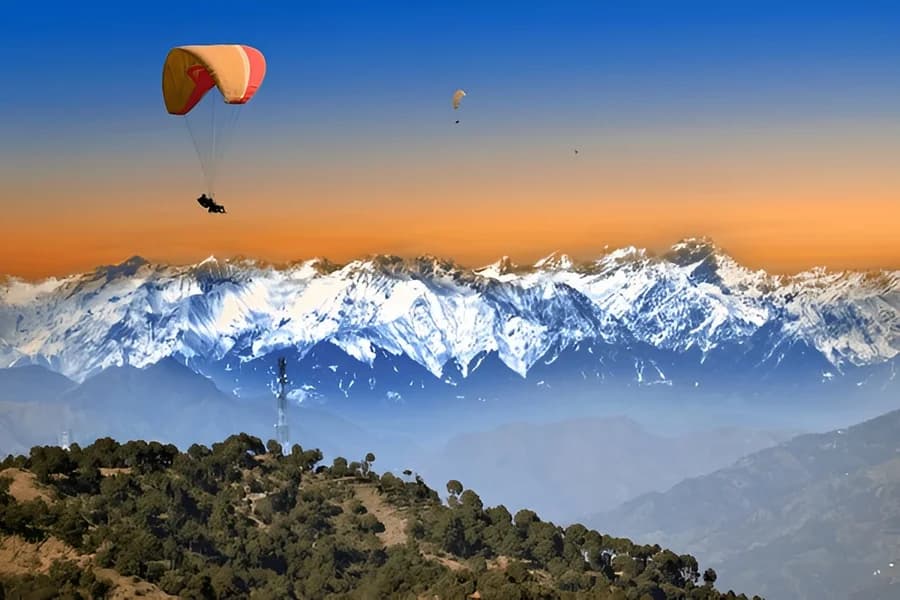
Overview of Bir Billing: Bir Billing is a hidden gem located in the beautiful Kangra Valley of Himachal Pradesh, known worldwide as the paragliding capital of India. This picturesque destination offers a perfect blend of natural beauty, adventure, and tranquility that attracts travelers from all corners of the country. Situated at an altitude of about 2,430 meters, the landscape is breathtaking with lush green mountains, dense forests, and stunning valleys that will take your breath away. When planning your Himachal Pradesh Tour Packages, Bir Billing should definitely be on your list. The area is not just about adventure sports but also offers a deep cultural experience. The region is home to a Tibetan community, with beautiful monasteries and a peaceful environment that helps you disconnect from the chaos of city life. Whether you’re an adventure junkie looking for an adrenaline rush or someone seeking peace and natural beauty, Bir Billing has something special for everyone. What are the Key Highlights of Bir Billing: Paragliding Experiences: World’s second-best paragliding site Smooth take-off from Billing Spectacular aerial views of the Himalayan landscape Cost around INR 2,500 per person Best season: September to November Monasteries to Explore: Chokling Monastery: Beautiful Tibetan architecture Pema Echo Choeling Monastery: Peaceful meditation center Free entry, donations welcome Trekking Trails: Rajgundha Trek: Beautiful forest trails Billing to Barot Valley Trek Moderate difficulty Cost of guided trek: INR 1,500-2,000 per person Local Attractions: Tibetan Colony: Explore local culture and handicrafts Tea Gardens: Scenic walks and tea tasting Deer Park Institute: Cultural and meditation center Local Handicraft Markets: Buy traditional Himachali items Adventure Activities: Mountain Biking Camping Nature Photography Bird Watching Best Time To Visit Bir Billing: The best time to visit Bir Billing is from March to June and September to November. These months offer pleasant weather, clear skies, and perfect conditions for paragliding and outdoor activities. Avoid monsoon season (July-August) due to potential landslides. Travel Tips / Essential Information For Bir Billing: How to Reach: By Air: Nearest airport is Gaggal (Kangra) – 35 km away By Train: The nearest railway station is Pathankot – 100 km away By Road: Well-connected by buses from major Himachal cities Accommodation Tips: Budget Homestays: INR 500-1,000 per night Mid-range Hotels: INR 1,500-3,000 per night Camping Options: INR 800-1,500 per night Essential Packing: Warm clothing (even in summer) Comfortable trekking shoes Raincoat/windcheater Sunscreen and sunglasses Personal medication Safety Tips: Carry valid ID proof Get travel insurance Check the weather before paragliding Respect local culture and environment Carry enough cash (limited ATMs) Food and Dining: Try local Himachali cuisine Tibetan food is widely available Carry water purification tablets Budget for meals: INR 200-500 per person Additional Tips: Book paragliding in advance Carry power banks Learn basic Hindi phrases Respect local customs Also Read – Places To Visit in Himachal PradeshMust Checkout – Things To Do in Himachal Pradesh

Read More

Places to Visit in North East India​
May 30, 202513 Minutes
Places to Visit in North East India​
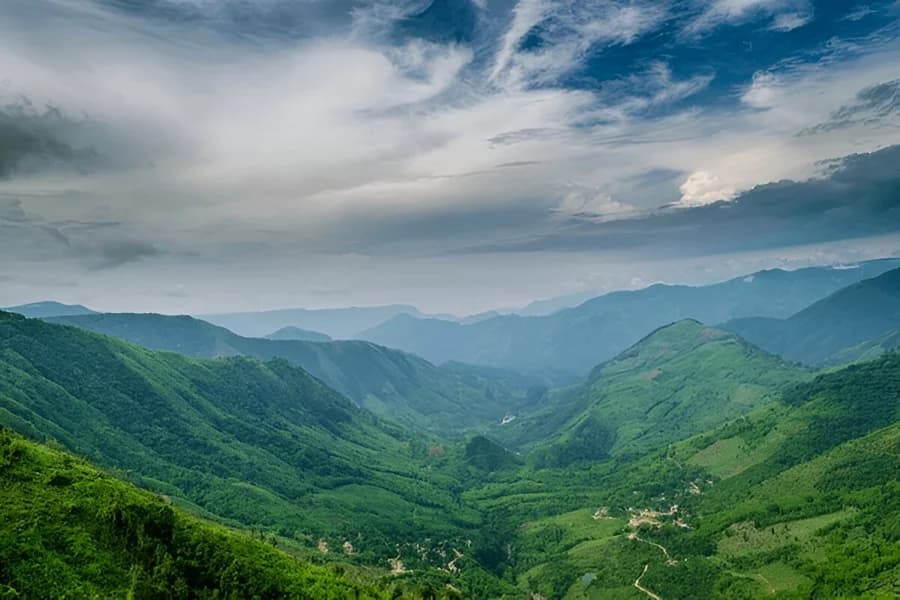
North East India is a breathtaking region filled with natural beauty, diverse cultures, and unique experiences. This part of the country is often called the “Seven Sisters,” representing its seven states: Assam, Meghalaya, Arunachal Pradesh, Nagaland, Manipur, Mizoram, and Tripura. Each state offers something special, from misty mountains to vibrant festivals and warm hospitality.The rolling hills, lush tea gardens, and pristine rivers will leave you mesmerised if you’re looking for peace and serenity. Adventure lovers can explore treks, caves, and thrilling activities in the region. You can explore this hidden gem hassle-free with North East Tour Packages and enjoy its unmatched beauty. The charm of North East India lies in its untouched beauty and rich cultural heritage. Places like Kaziranga National Park, Shillong, Tawang Monastery, and Loktak Lake are must-visit spots for travellers. The region also offers unique cuisines and traditions, making it a paradise for those seeking a blend of nature and culture. Whether you want to relax in nature’s lap or dive into thrilling adventures, North East India has it all. The region promises a refreshing escape from the busy city life, leaving you with unforgettable memories and a deep connection to nature.Best Places To Visit In North East India​1. Kaziranga National ParkKaziranga National Park, a UNESCO World Heritage Site, is one of the most renowned wildlife sanctuaries in India. Spread across the floodplains of the Brahmaputra River in Assam, this park is a sanctuary for the majestic one-horned rhinoceros. Apart from rhinos, Kaziranga is home to tigers, elephants, wild buffaloes, and a variety of bird species, making it a paradise for wildlife lovers. The scenic beauty of its tall grasslands, wetlands, and dense forests is captivating. For anyone planning a trip, this park stands out as one of the most iconic places to visit in North East India.Location: Situated in Assam, approximately 200 km from Guwahati.Timing & Entry Fee: Open from November to April, 7:30 AM–4:00 PM. Entry fees start at ₹100 for Indians and ₹650 for foreigners.Highlight: Spotting the one-horned rhinoceros in its natural habitat.2. Tawang MonasteryTawang Monastery, located in the serene mountains of Arunachal Pradesh, is the largest monastery in India and a symbol of spiritual and historical significance. Founded in the 17th century, it is an important centre of Mahayana Buddhism and offers a peaceful retreat for travellers. Surrounded by the snow-clad Himalayan ranges, the monastery also provides panoramic views of the Tawang River valley. The intricate architecture, vibrant wall paintings, and peaceful chants make it a fascinating place to explore. It is undoubtedly one of the most peaceful and cultural places to visit in North East India.Location: Perched at 10,000 ft in Tawang, Arunachal Pradesh.Timing & Entry Fee: Open daily, 7:00 AM–7:00 PM. Entry is free.Highlight: The 28-ft golden Buddha statue and panoramic views of the valleys.3. Ziro ValleyZiro Valley, a tranquil destination in Arunachal Pradesh, is a treasure trove of natural beauty and cultural richness. This picturesque valley is adorned with rolling green hills, terraced paddy fields, and thick pine forests. It is home to the Apatani tribe, known for their sustainable farming practices and unique cultural traditions. The valley’s calm atmosphere and untouched landscapes make it one of the most serene places to visit in North East India. Whether you’re looking for a peaceful getaway or a chance to immerse yourself in tribal culture, Ziro Valley offers a perfect escape.Location: Situated in the Lower Subansiri district of Arunachal Pradesh.Timing & Entry Fee: Accessible throughout the year. No entry fee required.Highlight: The Ziro Music Festival and interaction with the Apatani tribe.4. Nathu La PassNathu La Pass, a high-altitude mountain pass in Sikkim, offers travelers a thrilling experience of being surrounded by snow-clad peaks and breathtaking views of the Himalayan ranges. Once part of the historic Silk Route, this pass holds immense historical and geopolitical significance. It connects India to Tibet and provides a unique opportunity to witness the Indo-China border. The cold breeze, scenic landscapes, and the sheer adventure of visiting such a high-altitude destination make Nathu La Pass one of the most adventurous places to visit in North East India.Location: 54 km from Gangtok, Sikkim.Timing & Entry Fee: Open Wednesday–Sunday, 8:00 AM–3:30 PM. A special permit costing ₹200 is required.Highlight: Stunning views of the Himalayas and the experience of standing on an international border.5. Siang RiverSiang River, also known as the Brahmaputra’s main channel, flows through Arunachal Pradesh, offering incredible natural beauty and thrilling adventures. Surrounded by lush greenery and rugged mountains, this river is a paradise for nature lovers and adventure seekers alike. It is among the best places to visit in North East India, especially for activities like rafting and kayaking.Location: Flows through Arunachal Pradesh, mainly near Pasighat.Timing & Entry Fee: Open throughout the year; no entry fee is required.Highlight: White-water rafting and picturesque landscapes.6. Gorichen PeakGorichen Peak, the highest peak in Arunachal Pradesh, is a dream destination for trekkers and mountaineers. Standing tall at an altitude of 22,500 feet, it offers mesmerizing views of the snow-capped Himalayas. The peak is considered sacred by the local Monpa tribe and is among the best places to visit in North East India for those who love adventure and scenic beauty.Location: Situated between Tawang and West Kameng districts, Arunachal Pradesh.Timing & Entry Fee: Accessible during the summer and autumn months; no entry fee.Highlight: Trekking and panoramic views of the Eastern Himalayas.7. Nuranang FallsNuranang Falls, also called Jang Falls, is a stunning waterfall in Arunachal Pradesh that plunges from a height of 100 meters. Surrounded by dense forests and scenic hills, the waterfall creates a magical sight, especially during the monsoon season. It’s a hidden gem and one of the best places to visit in North East India for travelers seeking tranquillity and breathtaking natural beauty.Location: Near Jang town, 40 km from Tawang, Arunachal Pradesh.Timing & Entry Fee: Open daily, 9:00 AM–5:00 PM; no entry fee.Highlight: The spectacular view of the cascading water amidst lush greenery.8. CherrapunjiCherrapunji, located in Meghalaya, is famous for being one of the wettest places on Earth. Known for its living root bridges, waterfalls, and misty landscapes, this destination is a must-visit for nature enthusiasts. It is one of the best places to visit in North East India to experience the unique charm of rain-soaked hills and rich biodiversity.Location: Approximately 54 km from Shillong, Meghalaya.Timing & Entry Fee: Open year-round; no entry fee required.Highlight: The Living Root Bridges and Nohkalikai Falls.9. Sandakphu PeakSandakphu Peak, the highest point in West Bengal, offers breathtaking views of the world’s tallest peaks, including Mount Everest, Kanchenjunga, Lhotse, and Makalu. Known as the “Trekker’s Paradise,” it’s an ideal destination for adventure enthusiasts and nature lovers. With its surreal landscapes and panoramic vistas, Sandakphu Peak is undoubtedly one of the must-visit places to visit in North East.Location: Lies on the border of West Bengal and Nepal, approximately 58 km from Darjeeling.Timing & Entry Fee: Best visited from April to May and October to December; no entry fee required.Highlight: Spectacular views of the Kanchenjunga range, also known as the “Sleeping Buddha.”10. Dawki RiverDawki River in Meghalaya is famed for its crystal-clear waters, offering an almost magical experience where boats appear to float in the air. It is surrounded by lush green hills, making it a top attraction for nature lovers and photographers. Dawki River is one of the most picturesque places to visit in North East for a serene escape.Location: Near Dawki town, 82 km from Shillong, Meghalaya.Timing & Entry Fee: Open year-round; no entry fee required.Highlight: Boating in crystal-clear waters and views of the Indo-Bangladesh border.11. Umiam LakeUmiam Lake, also known as Barapani, is a stunning man-made reservoir located in the hills of Meghalaya. Surrounded by pine-covered mountains, it’s a perfect spot for picnics, water sports, and nature walks. This lake is one of the most serene places to visit in North East, offering a peaceful retreat amidst nature.Location: 15 km from Shillong, Meghalaya.Timing & Entry Fee: Open daily from 9:00 AM to 5:00 PM; entry fees start at ₹20 per person.Highlight: Boating, kayaking, and sunset views over the lake.12. Double Decker Living Root BridgeThe Double Decker Living Root Bridge in Meghalaya is a marvel of natural engineering. Built over centuries by the Khasi tribe, these bridges are formed by intertwining the roots of rubber trees to create a strong and sustainable pathway. Surrounded by lush forests and cascading streams, this unique bridge is one of the best places to visit in North East for nature enthusiasts and adventure seekers. The trek to this bridge is an experience in itself, offering stunning views along the way.Location: Nongriat village, near Cherrapunji, Meghalaya.Timing & Entry Fee: Open daily from 8:00 AM to 5:00 PM; the entry fee is ₹10 per person.Highlight: The iconic double-decker structure and the scenic trek through dense forests.13. Kamakhya TempleKamakhya Temple, located in Guwahati, Assam, is one of the most revered pilgrimage sites in India. Dedicated to Goddess Kamakhya, this temple is a major Shakti Peetha and holds immense religious significance. The temple’s unique architecture, spiritual ambience, and breathtaking views of the Brahmaputra River make it one of the best places to visit in North East for both devotees and history lovers.Location: Nilachal Hill, Guwahati, Assam.Timing & Entry Fee: Open daily from 5:30 AM to 10:00 PM; no entry fee required.Highlight: The annual Ambubachi Mela, draws thousands of devotees from across the country.14. Brahmaputra RiverThe Brahmaputra River, one of the largest rivers in the world, flows through Assam, offering breathtaking landscapes and unique cultural experiences. A cruise along the Brahmaputra is a serene way to explore the region’s natural beauty and vibrant traditions. It is also a lifeline for the people of Assam, making it one of the best places to visit in North East for those seeking tranquility and scenic beauty.Location: Flows through Assam and Arunachal Pradesh.Timing & Entry Fee: Open year-round; river cruises have varying charges starting at ₹500.Highlight: Scenic river cruises and sunset views over the vast waters.Must Read: Things to do In North East India

Read More

The Temple of the Sacred Tooth Relic, Sri Lanka
May 30, 20253 Minutes
The Temple of the Sacred Tooth Relic, Sri Lanka
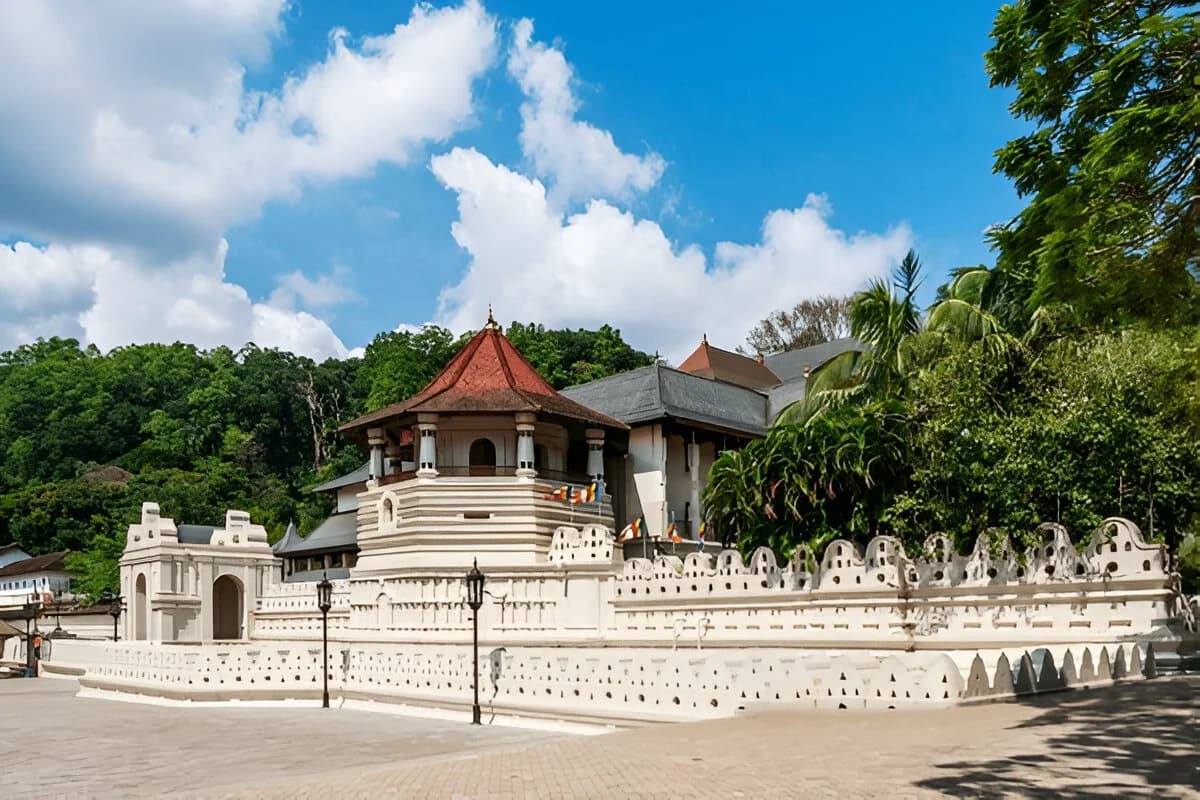
Overview of The Temple of the Sacred Tooth Relic, Sri Lanka: The Temple of the Sacred Tooth Relic, locally known as Sri Dalada Maligawa, is one of Sri Lanka’s most revered cultural and religious landmarks. Located in the picturesque city of Kandy, this iconic temple is believed to house a tooth relic of Lord Buddha, making it a significant pilgrimage site for Buddhists worldwide. This UNESCO World Heritage Site is a key highlight in Sri Lanka tour packages, attracting visitors with its spiritual aura and stunning architecture. The temple is set amidst the serene Kandy Lake and features intricate carvings, gilded decorations, and sacred chambers. It serves as a vibrant cultural hub, with daily rituals, annual festivals like the Esala Perahera, and centuries-old traditions. Visitors can explore the museum within the temple complex to learn more about its historical and religious significance. A visit to this sacred site offers a deep dive into Sri Lanka’s spiritual and cultural heritage. What are the Key Highlights of The Temple of the Sacred Tooth Relic, Sri Lanka: Sacred Tooth Relic: Witness the revered tooth relic of Lord Buddha, enshrined in a golden casket. Exquisite Architecture: Marvel at the temple’s intricate carvings, gilded interiors, and traditional Kandyan design. Daily Rituals: Experience vibrant Buddhist rituals conducted three times a day, accompanied by traditional drumming. Kandy Lake: Enjoy the scenic beauty of the temple’s location, overlooking the tranquil Kandy Lake. Cultural Museum: Explore the museum within the temple complex for insights into its history and relics. Esala Perahera Festival: Witness one of the grandest Buddhist processions held annually, featuring cultural performances and decorated elephants. Timings & Entry Fees of The Temple of the Sacred Tooth Relic: Timings: Open daily from 5:30 AM to 8:00 PM. Entry Fees: Approximately 1,500 LKR for international tourists. Travel Tips / Essential Information for The Temple of the Sacred Tooth Relic, Sri Lanka: Dress Code: Wear modest attire covering shoulders and knees, as the temple is a sacred site. Best Time to Visit: Morning hours are ideal for a peaceful experience, while evenings showcase the temple illuminated. Footwear: Shoes must be removed before entering the temple premises, so consider carrying socks for comfort. Guided Tours: Opt for a local guide to gain deeper insights into the temple’s history and significance. Photography: Photography is allowed outside the temple but restricted inside the sacred chambers. Nearby Attractions: Pair your visit with other Kandy attractions like the Royal Botanical Gardens and Bahirawakanda Buddha Statue. Festival Season: Plan your trip during the Esala Perahera (July or August) for a vibrant cultural experience. Accessibility: The temple is easily accessible from central Kandy by tuk-tuk, taxi, or local bus services. The Temple of the Sacred Tooth Relic is not just a religious site but also a symbol of Sri Lanka’s rich history and culture. Also Read: Places to Visit in SrilankaMust Read: Things to do in Srilanka

Read More

Udawalawe National Park
May 30, 20253 Minutes
Udawalawe National Park
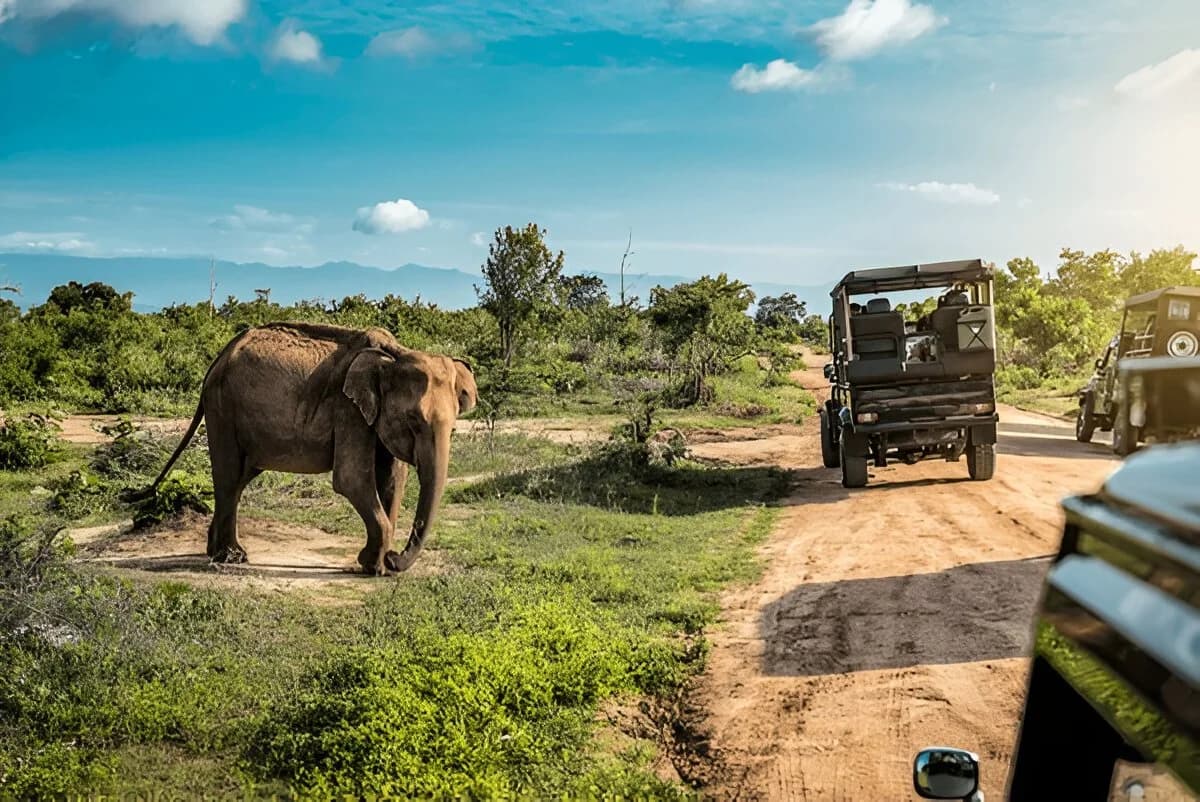
Overview of Udawalawe National Park: Udawalawe National Park, located in the southern region of Sri Lanka, is renowned for its wildlife diversity and picturesque landscapes. Spanning over 30,000 hectares, the park is a sanctuary for a large population of wild elephants, making it one of the best places in Sri Lanka for elephant sightings. As part of Sri Lanka tour packages, Udawalawe offers an unforgettable opportunity to see elephants, leopards, water buffalo, crocodiles, and more, in their natural habitat. The park’s terrain consists of open grasslands, wetlands, and the Udawalawe Reservoir, which enhances its natural beauty. The landscape provides perfect conditions for wildlife safaris, especially during the dry season when animals tend to gather around the water sources. Whether you’re exploring the park by jeep or simply soaking in the surrounding nature, Udawalawe National Park is a must-visit destination for nature lovers and adventure enthusiasts. What are the Key Highlights of Udawalawe National Park: Elephant Sightings: Udawalawe is home to one of Sri Lanka’s largest elephant populations. The chance to see these majestic creatures in the wild is a highlight of any visit. Jeep Safaris: Embark on an exciting jeep safari to explore the park and get closer to the wildlife. Rich Biodiversity: The park houses not only elephants but also leopards, water buffalo, and crocodiles, with over 200 bird species spotted here. Udawalawe Reservoir: The reservoir offers stunning views and attracts wildlife, especially in the dry season when animals congregate around the water. Bird Watching: The park is a paradise for birdwatchers, offering sightings of endemic species like the Sri Lanka junglefowl. Photography: Whether you’re capturing the animals or the scenic landscapes, Udawalawe provides ample opportunities for photography. Timings & Entry Fees of Udawalawe National Park: Timings: Open daily from 6:00 AM to 6:00 PM. Entry Fees: Entry for international visitors is approximately 3,000 LKR, with additional costs for jeep hire and guides. Travel Tips / Essential Information for Udawalawe National Park: Best Time to Visit: The dry season (May to September) is the best time for wildlife sightings, especially elephants. Appropriate Clothing: Wear comfortable, neutral-coloured clothing to blend in with the environment during your safari. Bring Binoculars: Binoculars are recommended for bird watching and observing animals from a distance. Safari Bookings: It’s recommended to book safaris in advance, especially during peak seasons, to ensure a spot. Camera: Bring a camera, but be mindful of the park’s rules, especially regarding flash photography. Stay Hydrated: Carry water and sunscreen, as the weather can be quite hot, particularly in the afternoons. Guided Tours: Hiring a local guide will enhance your experience, as they can spot animals and share insights about the park’s biodiversity. Nearby Attractions: Consider visiting the Elephant Transit Home to learn more about elephant conservation and rehabilitation efforts. Udawalawe National Park offers a rewarding wildlife experience and is a must for anyone travelling to Sri Lanka. Also Read: Places to Visit in SrilankaMust Read: Things to do in Srilanka

Read More

Galle Dutch Fort
May 30, 20253 Minutes
Galle Dutch Fort
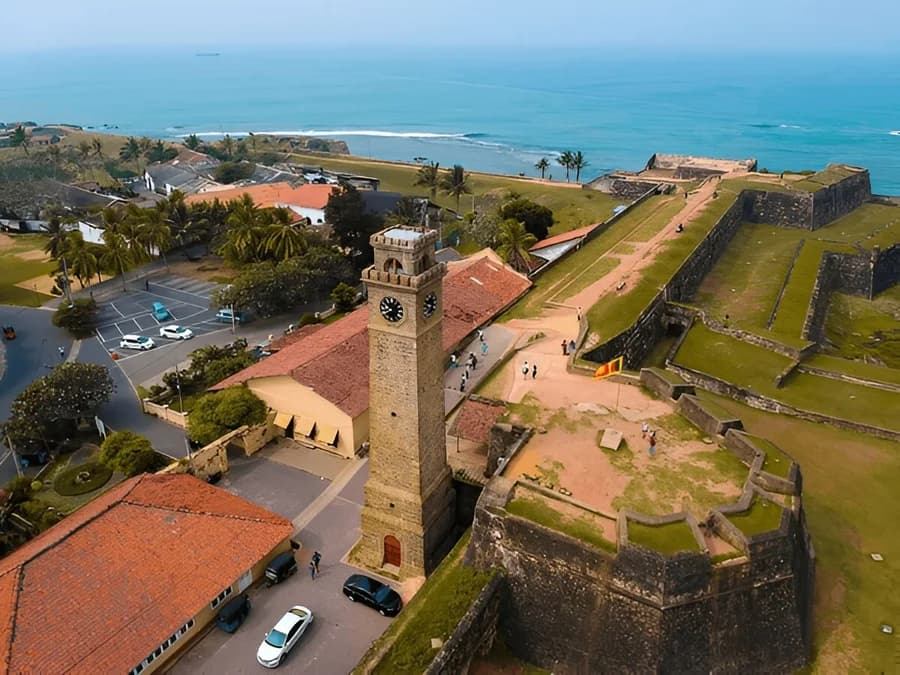
Overview of Galle Dutch Fort: Galle Dutch Fort is a magical place that takes you back in time. Located on the southern coast of Sri Lanka, this UNESCO World Heritage Site is a stunning reminder of colonial history. The fort was originally built by Portuguese colonizers in the 16th century and later fortified by the Dutch in the 17th century, so the architectural styles are also beautiful. When planning your Sri Lanka tour packages, Galle Dutch Fort is a must-visit destination. The fort is like a living museum, with its well-preserved walls, charming streets, and historic buildings that tell stories of different eras. The fort’s white-washed buildings, ancient ramparts, and beautiful lighthouse create a picturesque atmosphere that attracts travelers from around the globe. What are the Key Highlights of Galle Dutch Fort? Lighthouse: Climb the iconic Galle Lighthouse for breathtaking views of the Indian Ocean. Perfect for stunning sunset photographs and maritime history lovers. Dutch Reformed Church: Visit this 1754 church with beautiful architectural details, original tombstones, and a peaceful atmosphere that reflects the region’s colonial past. Maritime Archaeological Museum: Explore fascinating exhibits of shipwrecks, marine artifacts, and underwater archaeological findings that reveal Sri Lanka’s rich maritime history. Rampart Walks: Take a leisurely walk along the fort’s massive stone walls. These 36-hectare fortifications offer incredible views and a chance to imagine life during colonial times. Local Handicraft Shops: Browse unique boutiques selling traditional Ceylon tea, handmade jewelry, vintage postcards, and local artwork. Great spot for unique souvenirs. Vintage Car Collection: Check out the classic car museum inside the fort, showcasing beautifully preserved vintage vehicles from different eras Timings & Entry Fees of Galle Dutch Fort: Fort Area: Open daily from 6 am to 6 pm Fort Museum: Open 9 am to 5 pm (Closed on Mondays) Entry Fee: No Entry Fee to fort Lighthouse Entry: Around INR 500 per person Travel Tips for Galle Dutch Fort: Best Time to Visit: December to April offers sunny, dry weather perfect for exploring. Dress Comfortably: Wear light, comfortable clothes, and walking shoes. The fort involves lots of walking on uneven surfaces. Photography Tips: Carry a good camera. Early morning and late afternoon offer the best light for photographs. Sun Protection: Bring sunscreen, a hat, and sunglasses. The fort has minimal shade during midday. Local Guides: Consider hiring a local guide for rich historical insights. They typically charge around INR 1000-1500 for a comprehensive tour. Safety: The area is safe, but keep personal belongings close and be aware of your surroundings. Transportation: Easily accessible by train or bus from Colombo. Taxis and tuk-tuks are also readily available. Budget: Allocate around INR 2000-3000 per person for a day’s exploration, including entry fees, guide, and local meals. Respect Local Culture: Dress modestly and be respectful of historical sites and local customs. Also Checkout: Things to do in Sri LankaMust Read: Places To Visit in Sri Lanka

Read More

International Buddhist Museum
May 30, 20253 Minutes
International Buddhist Museum
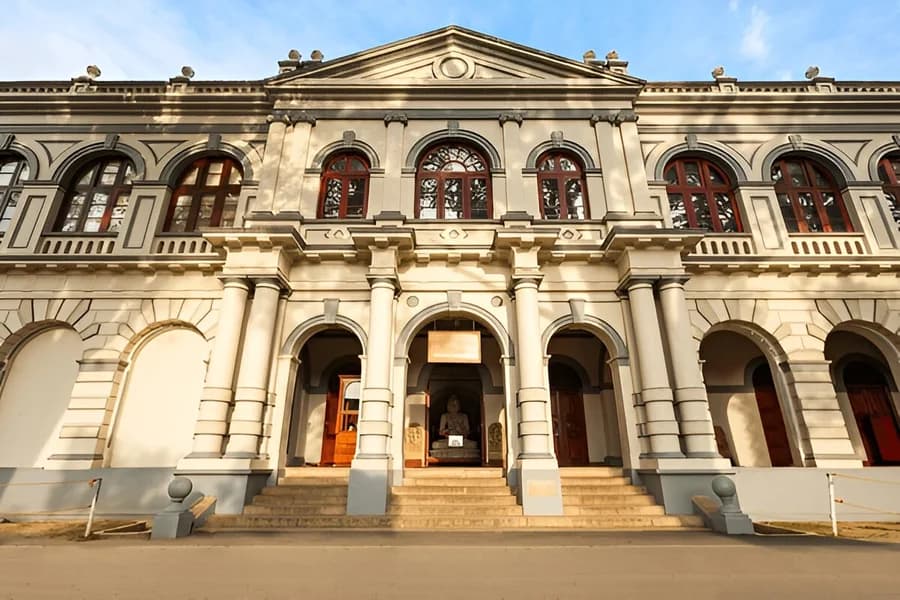
Overview of International Buddhist Museum: The International Buddhist Museum is a fascinating destination that tells visitors about Buddhist history and culture. Located in Sri Lanka, this museum shows how the rich spiritual heritage of Buddhism has spread in the region. It showcases an incredible collection of artifacts, sculptures, and historical exhibits that trace the journey of Buddhist teachings across different countries and centuries. This museum is a must-visit spot for travelers exploring Sri Lanka tour packages. The museum’s layout takes visitors through various galleries, each representing Buddhist traditions from countries like India, China, Japan, and Thailand. Visitors can explore intricate statues, ancient manuscripts, and interactive displays that bring Buddhist philosophy to life. What are the Key Highlights of International Buddhist Museum? Bronze Buddha Statues: See incredible bronze statues from different Asian countries, each showing unique artistic styles and cultural interpretations. Ancient Manuscript Gallery: Explore rare Buddhist texts and manuscripts, some dating back hundreds of years, showcasing the evolution of Buddhist writings. Interactive Cultural Exhibits: Experience multimedia presentations that explain Buddhist practices, meditation techniques, and philosophical teachings in an engaging way. Traditional Artwork Collection: Admire beautiful paintings, wood carvings, and textile art representing Buddhist stories and symbolism from various regions. Meditation Corner: Take a peaceful moment in a dedicated space designed for quiet reflection and understanding Buddhist meditation practices. Architectural Marvel: The museum itself is a work of art, with design elements that reflect Buddhist architectural principles and aesthetic sensibilities. Silk Road Buddhist Exhibit: Learn about how Buddhist teachings spread across different regions through the historic Silk Road trade routes. Cultural Exchange Zone: Discover how Buddhism influenced and was influenced by different cultures throughout history. Timings & Entry Fees of International Buddhist Museum: Museum Timings: Typically open from 9 am to 5 pm daily Entry Fees: Approximately INR 300 for adults Guided Tour: Additional INR 500 for a comprehensive tour (Note: Timings and fees might vary, so it’s best to check current information before visiting) Travel Tips for International Buddhist Museum: 1. Photography Guidelines: Always ask permission before taking photographs Some sections might have photography restrictions Flash photography is usually not allowed 2. Dress Code: Wear modest, respectful clothing Cover shoulders and knees Remove shoes before entering certain exhibition areas 3. Practical Tips: Carry water and stay hydrated Wear comfortable walking shoes Bring a light jacket for air-conditioned areas Consider hiring a local guide for deeper insights 4. Best Time to Visit: Mornings are less crowded Weekdays offer a more peaceful experience Avoid national holidays for a more relaxed visit 5. What to Bring: Small notebook for taking notes, if you really love history Portable charger Translation app or dictionary Comfortable backpack Some cash for souvenirs 6. Language Support: Audio guides available in multiple languages Information boards usually in English and the local language Staff might know basic English for assistance 7. Budget Planning: Allocate 2-3 hours for a comprehensive visit Include a budget for guide and potential souvenirs Check for student or group discounts Also Read: Places to Visit in SrilankaMust Checkout: Things to do in Srilanka

Read More

Sri Lanka Cricket Museum
May 30, 20253 Minutes
Sri Lanka Cricket Museum
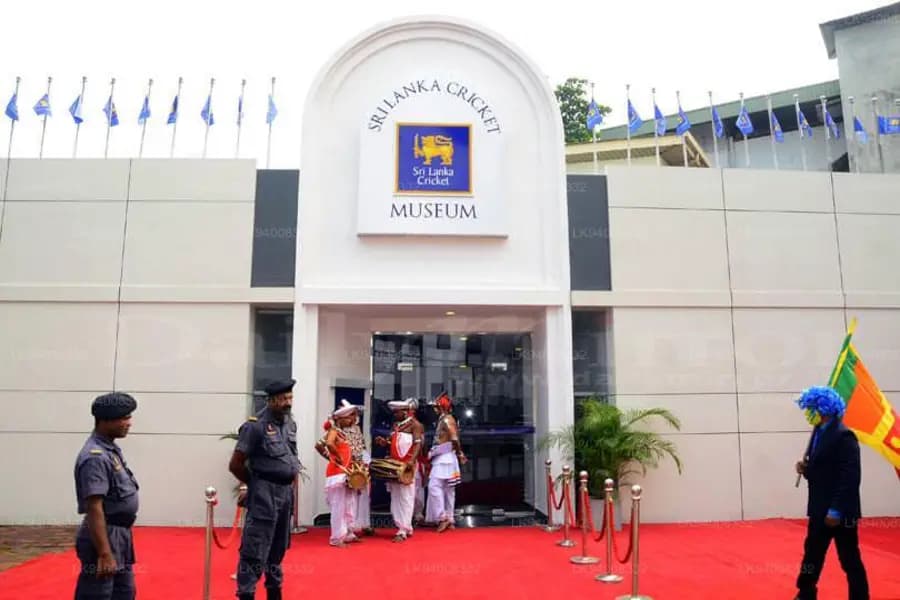
Located in the heart of Colombo, the Sri Lanka Cricket Museum is a treasure trove for cricket lovers and sports enthusiasts. The museum, dedicated to Sri Lanka’s rich cricketing history, offers a fascinating glimpse into the evolution of the sport in the country. From the early days of cricket to the modern era, the museum houses an impressive collection of memorabilia, including jerseys, bats, and trophies from some of Sri Lanka’s greatest cricketers. As part of a Sri Lanka tour package, the museum provides visitors with a unique opportunity to explore the stories behind Sri Lanka’s cricketing triumphs, such as their 1996 World Cup victory. Highlights include personal items from cricket legends like Kumar Sangakkara, Mahela Jayawardene, and Muttiah Muralitharan. Whether you’re a die-hard cricket fan or simply interested in learning about the country’s sports culture, the Sri Lanka Cricket Museum is a fascinating stop on any Sri Lanka itinerary. What are the Key Highlights of Sri Lanka Cricket Museum: Cricket Memorabilia: View iconic cricketing memorabilia, such as signed bats, jerseys, and match tickets from legendary players. 1996 World Cup: The museum showcases artefacts from Sri Lanka’s historic 1996 Cricket World Cup win, including trophies and match details. Player Exhibits: Discover personal items and photos of famous Sri Lankan cricketers like Kumar Sangakkara, Mahela Jayawardene, and Muttiah Muralitharan. Interactive Displays: Learn about the history of Sri Lankan cricket through multimedia displays, including videos and interviews. Cricketing Milestones: The museum highlights key moments in Sri Lanka’s cricketing history, such as winning the ICC Champions Trophy and notable Test match victories. Bats and Balls: View original bats, balls, and gear used in historic cricket matches. Timings & Entry Fees of Sri Lanka Cricket Museum: Timings: The museum is open daily from 9:00 AM to 5:00 PM, except on public holidays. Entry Fees: Entry fees are generally 500 LKR for locals and 1,500 LKR for international visitors. Travel Tips / Essential Information for Sri Lanka Cricket Museum: Best Time to Visit: The museum is best visited during weekdays, especially in the morning when it’s less crowded. Guided Tours: If you’re keen on learning more about Sri Lanka’s cricket history, consider hiring a guide to provide insights into the exhibits. Photography: Photography is allowed, but avoid using flash, especially near valuable memorabilia. Nearby Attractions: After visiting the museum, explore other attractions in Colombo, such as Galle Face Green, the National Museum, and the Colombo Fort. Accessibility: The museum is wheelchair accessible and offers a comfortable environment for all visitors. Plan Ahead: If you’re visiting during peak tourist seasons, it’s a good idea to check the opening hours in advance to avoid any disruptions. The Sri Lanka Cricket Museum offers an enriching experience for sports enthusiasts and anyone interested in Sri Lanka’s cricketing legacy. Also Read: Places to Visit in Sri LankaMust Read: Things to do in Sri Lanka

Read More

Mahiyanganaya Sorabora Lake
May 30, 20253 Minutes
Mahiyanganaya Sorabora Lake
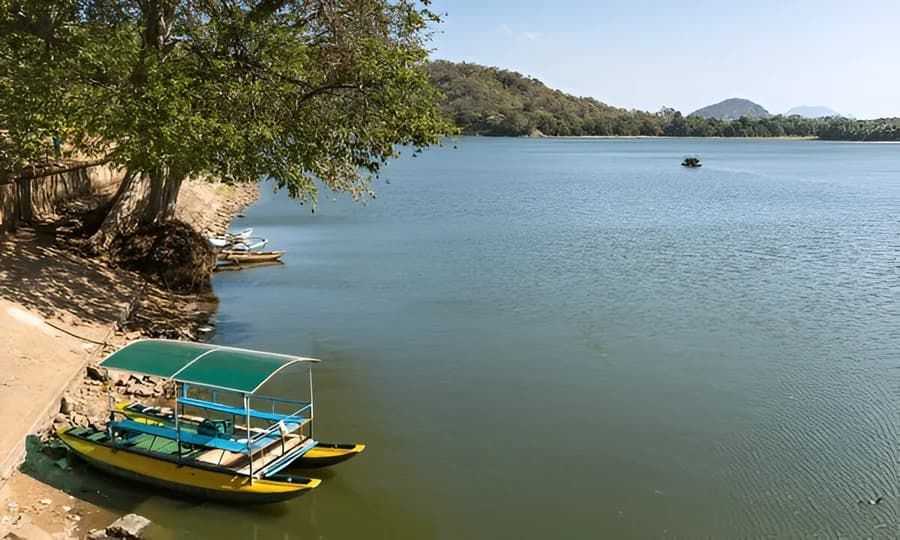
Overview of Sorabora Lake: Mahiyanganaya Sorabora Lake is a hidden gem nestled in the beautiful landscape of Sri Lanka’s Uva Province. This stunning reservoir is a testament to ancient Sri Lankan engineering and natural beauty. The lake sits surrounded by lush green hills, creating a picturesque landscape that captures the imagination of every visitor. For travelers looking into Sri Lanka tour packages, Sorabora Lake is a combo mix of nature and history. The lake was created by ancient hydraulic engineers, showcasing the remarkable water management skills of Sri Lankan civilizations. Visitors can explore the serene waters, enjoy the surrounding greenery, and experience the peaceful atmosphere that makes this location so special. The area around the lake is rich with biodiversity and offers breathtaking views that will leave you mesmerized. What are the Key Highlights of Sorabora Lake? 1. Historical Engineering Marvel: Ancient water management system constructed centuries ago Demonstrates incredible engineering skills of Sri Lankan ancestors One of the oldest artificial lakes in the region 2. Scenic Landscape: Surrounded by beautiful green hills Perfect spot for nature photography Stunning panoramic views of the entire landscape 3. Wildlife Watching: Home to diverse bird species Chances of spotting local wildlife around the lake Great location for nature lovers and bird watchers 4. Boating Experiences: Peaceful boat rides available Explore the lake’s calm waters Enjoy stunning views from a different perspective 5. Local Cultural Significance: Important water source for nearby agricultural communities Part of local traditional irrigation systems Represents historical water management techniques 6. Photography Opportunities: Sunrise and sunset views are breathtaking Capture beautiful reflections on water Perfect backdrop for memorable pictures 7. Trekking and Nature Walks: Surrounding areas offer excellent hiking trails Explore local flora and fauna Experience the natural beauty of the region Timings & Entry Fees of Sorabora Lake: Visiting Hours: Generally open from sunrise to sunset Entry Fees: Approximately INR 50-100 per person Boating Charges: Around INR 200-300 per person (Note: Prices and timings might vary, so confirm before visiting) Travel Tips for Sorabora Lake: 1. What to Wear: Comfortable walking shoes Light, breathable clothing Sun protection (hat, sunscreen) Carry an extra set of clothes 2. What to Bring: Water bottle Snacks Camera Binoculars for bird-watching Lightweight backpack 3. Transportation Tips: Best reached by private vehicle or local taxi Limited public transport options Consider hiring a local guide Check road conditions before traveling 4. Safety Precautions: Stick to designated paths Carry a basic first-aid kit Stay hydrated Inform someone about your travel plans Respect the local environment and wildlife 5. Photography Guidelines: Ask permission before clicking locals Carry extra camera batteries Protect the camera from moisture Best lighting during early morning and evening 6. Budget Planning: Carry cash Limited ATM facilities nearby Budget for local transportation Include guide charges if needed 7. Local Interaction: Learn basic local greetings Respect local customs Interact with local communities Try local cuisine 8. Health Considerations: Carry mosquito repellent Basic medical kit Check local health advisories Stay hydrated and protected from the sun Also Read: Places to Visit in Sri LankaMust Read: Things to do in Sri Lanka

Read More

Things to do in North East
May 30, 202517 Minutes
Things to do in North East
The Northeast of India is a land of natural beauty, vibrant cultures, and unique traditions. Nestled amidst lush green valleys and majestic mountains, this region is a paradise for travellers seeking peace and adventure. With its pristine landscapes, serene rivers, and untouched charm, the Northeast offers a refreshing escape from busy city life. States like Assam, Meghalaya, Arunachal Pradesh, Sikkim, and Nagaland boast breathtaking views, diverse wildlife, and rich heritage, making them must-visit destinations. Visitors can explore stunning waterfalls in Meghalaya, picturesque tea gardens in Assam, and ancient monasteries in Sikkim.Trekking in Arunachal Pradesh or exploring the living root bridges in Meghalaya is an unforgettable experience for adventure lovers. North East Tour Packages make it easy to discover the best of this enchanting region. These packages are thoughtfully designed to cover famous spots like Kaziranga National Park, the blue hills of Mizoram, and the tranquil Loktak Lake in Manipur. The North East is also a cultural hub, where festivals, music, and local cuisines showcase the region’s diversity. Whether you’re looking for a peaceful retreat or a thrilling adventure, the North East has something special for everyone, leaving you with memories to cherish forever.Best Things to do in North East1. Visit Kaziranga National ParkKaziranga National Park is located in Assam. It is one of the most iconic destinations in India’s North East. Among the top things to do in North East, visiting Kaziranga National Park is a must for anyone seeking to experience the untouched wilderness and charm of this region. This UNESCO World Heritage Site is renowned for its population of the rare one-horned rhinoceros, making it a major attraction for wildlife enthusiasts and nature lovers. Spread across lush grasslands and wetlands, the park is also home to tigers, elephants, swamp deer, and countless bird species, creating a paradise for those who enjoy biodiversity. Visitors can explore the park through guided jeep safaris or opt for an elephant safari to get a closer look at the wildlife. The serene surroundings and picturesque landscapes make it a perfect escape from city life. The park is also ideal for photography, offering plenty of opportunities to capture the beauty of nature and its inhabitants. 2. River RaftingRiver rafting in the North East is an adventure that combines the thrill of fast-flowing rapids with the beauty of nature. The region is blessed with mighty rivers like the Teesta in Sikkim and the Siang in Arunachal Pradesh, which are perfect for rafting enthusiasts. Whether you’re a beginner looking for gentle rapids or an experienced rafter seeking a challenge, these rivers offer options for everyone. It is surrounded by stunning mountain views, green valleys, and unspoiled nature, rafting here is a unique experience. It allows visitors to immerse themselves in the raw beauty of the region while enjoying an adrenaline rush. This activity is one of the most popular things to do in North East for adventure seekers. River rafting not only provides excitement but also creates unforgettable memories as you conquer the rapids in the heart of nature.3. Biking ExpeditionA biking expedition in the North East is an experience like no other. The region’s winding mountain roads, breathtaking landscapes, and charming villages make it a haven for bikers. Popular biking routes include the high-altitude roads in Sikkim, the scenic routes in Arunachal Pradesh, and the misty trails of Meghalaya. Riding through these areas offers a chance to witness the beauty of green valleys, serene lakes, and snow-capped mountains. Along the way, bikers can explore hidden gems like quaint villages, monasteries, and waterfalls, experiencing the region’s rich culture and warm hospitality. For adventure lovers, this is one of the most exciting things to do in North East, combining the thrill of riding with the joy of exploration. A biking expedition not only tests your endurance but also fills your journey with moments of awe and discovery, leaving you with memories that last a lifetime.4. TrekkingTrekking is one of the best ways to experience the untouched beauty of the North East. The region offers several trekking trails that take you through diverse landscapes, from lush forests and flower-filled valleys to rocky terrains and snowy peaks. Popular trekking spots include the Dzukou Valley in Nagaland, known for its breathtaking views and unique flora, Sandakphu in Sikkim, offering panoramic views of Mount Everest and Kanchenjunga, and the Tawang trails in Arunachal Pradesh, which lead to ancient monasteries and stunning vistas. Trekking in the North East is more than just an adventure; it’s a journey of discovery. You’ll encounter vibrant local cultures, learn about the traditions of hill tribes, and enjoy the peaceful ambience of nature. Among the top things to do in North East, trekking stands out for its ability to connect you with both the natural and cultural richness of the region. Whether you’re a seasoned trekker or a beginner, the North East promises a memorable trekking experience.5. Eco-TourismEcotourism in the North East is a perfect way to enjoy nature while promoting sustainable and responsible travel. This region is a treasure trove of lush greenery, pristine forests, unique wildlife, and tranquil landscapes that attract travellers who seek peaceful escapes. Some popular eco-tourism destinations include Mawlynnong in Meghalaya, famously known as the cleanest village in Asia, and Loktak Lake in Manipur, which is famous for its floating islands called phumdis. Visitors can engage in eco-friendly activities like trekking through dense forests, birdwatching in serene surroundings, and taking nature walks that offer a glimpse of the local biodiversity. Additionally, eco-resorts and homestays here allow travellers to experience the beauty of nature without harming the environment. These stays also provide opportunities to interact with local communities and learn about their sustainable practices. Eco-tourism is not just about exploring nature but also about preserving it for future generations. For those who want to experience the unspoiled beauty of the region while contributing to its conservation, eco-tourism is one of the most fulfilling experiences the North East offers.6. Attend the Hornbill FestivalThe Hornbill Festival, celebrated every December in Nagaland, is one of the grandest cultural festivals in India. Known as the “Festival of Festivals,” it brings together all the tribes of Nagaland to showcase their vibrant traditions, music, dance, and craftsmanship. Held at Kisama Heritage Village near Kohima, the festival is a colourful extravaganza where visitors can witness tribal dances, folk music, and martial arts performances. It also features craft exhibitions, cultural competitions, and stalls offering delicious local food and drinks. For art and history enthusiasts, the festival provides a chance to see traditional Naga art forms and artefacts up close. Beyond entertainment, the Hornbill Festival also encourages cultural exchange, as visitors from all over the world participate in the festivities. Being a part of this celebration allows you to connect with the unique heritage of Nagaland and its warm, welcoming people. Attending the Hornbill Festival is truly one of the Best Things to do in North East, offering a rare and immersive glimpse into the tribal culture of this enchanting region.7. Waterfall VisitsThe North East is a paradise for waterfall lovers, with some of the most spectacular and awe-inspiring cascades in the country. Meghalaya, often referred to as the “Land of Waterfalls,” is home to iconic waterfalls like Nohkalikai Falls, which is the tallest plunge waterfall in India, and Seven Sisters Falls, a stunning multi-tiered cascade. Among the Best Things to do in North East, exploring its magnificent waterfalls is a must for travellers seeking a blend of adventure, relaxation, and natural beauty. Another gem is Krang Suri Falls, where turquoise-blue waters create a magical sight. Arunachal Pradesh offers breathtaking waterfalls like the Jang Waterfall (also called Nuranang Falls), surrounded by lush greenery and peaceful vibes. Visiting these waterfalls is a rejuvenating experience, as the sound of cascading water, the cool mist, and the surrounding greenery create a tranquil environment. Many waterfalls also have nearby trekking trails, giving adventure enthusiasts a chance to explore the natural beauty up close. These natural wonders are perfect for photography, picnics, or simply soaking in the serenity. 8. Visit the Largest River Island in the WorldMajuli, the largest river island in the world, is located on the Brahmaputra River in Assam and is a must-visit destination for travellers exploring the North East. Visiting Majuli is undoubtedly one of the Best Things to do in North East, offering a perfect mix of scenic beauty and cultural richness. This picturesque island is not only famous for its natural beauty but also for its rich cultural heritage. Majuli is dotted with traditional Assamese villages, lush green landscapes, and vibrant satras (monasteries), which are centres of art, music, and dance. Visiting Majuli offers a chance to experience the simple and peaceful lifestyle of the locals, who are known for their warmth and hospitality. The island is also a hub for handloom weaving, pottery, and mask-making, allowing visitors to witness the traditional crafts of Assam. Whether you want to explore the serene countryside, take a boat ride on the Brahmaputra, or immerse yourself in the unique cultural traditions, Majuli has something for everyone.9. Adventure FishingAdventure fishing in the North East is an experience that combines the thrill of the outdoors with the peacefulness of nature. The region is blessed with numerous rivers, lakes, and streams teeming with fish, making it a paradise for anglers. One of the best destinations for fishing enthusiasts is the Jia Bhoroli River in Assam, known for its abundance of mahseer, a prized freshwater fish. Arunachal Pradesh is another hotspot, offering fishing opportunities in rivers like Siang and Dibang. Here, you can enjoy not just the sport but also the serene surroundings of lush green valleys and pristine water bodies. Many spots in Meghalaya and Nagaland also cater to adventure fishing, allowing visitors to connect with nature while pursuing this exciting activity. Adventure fishing is an ideal way to unwind and enjoy the tranquil beauty of the region while testing your skills as an angler. For those who love outdoor activities, it’s one of the must-try Things to do in North East India, uniquely blending relaxation and adventure.10. Walk over the Living Root BridgeWalking over the living root bridges of Meghalaya is a surreal and unforgettable experience. These unique bridges, created by intertwining the aerial roots of rubber trees, are masterpieces of natural engineering. Found mostly in the dense forests of Cherrapunji and Mawlynnong, these bridges are sturdy enough to support multiple people and last for centuries. The most famous is the Double-Decker Living Root Bridge in Nongriat, which offers a truly magical setting surrounded by lush greenery and waterfalls. Trekking to these bridges is an adventure in itself, as the trails pass through scenic forests, small villages, and crystal-clear streams. These bridges are not just practical pathways for locals but also a testament to the harmonious relationship between humans and nature. Walking over a living root bridge is among the most unique Things to do in North East India, allowing travelers to marvel at nature’s creativity while soaking in the serene atmosphere of Meghalaya’s breathtaking landscapes.11. ParaglidingParagliding in the North East offers an exhilarating way to witness the stunning landscapes of this beautiful region. Places like Gangtok in Sikkim and Shillong in Meghalaya are well-known for providing paragliding experiences that cater to both beginners and seasoned adventurers. Soaring through the skies, you’ll be treated to panoramic views of snow-capped mountains, green valleys, and quaint villages below. The thrill of flying, coupled with the mesmerising scenery, makes paragliding an unforgettable adventure. Certified instructors ensure safety while guiding you through this adrenaline-pumping activity. Apart from the thrill, paragliding gives you a new perspective on the region’s natural beauty, making it more than just a sport. It’s an opportunity to feel the wind against your face and the freedom of flying like a bird. Paragliding is one of the top Things to do in North East India, offering a perfect mix of adventure and breathtaking vistas for those who seek a unique experience.12. Visit the Floating LakeLoktak Lake in Manipur, the largest freshwater lake in Northeast India, is famously known for its floating phumdis (circular masses of vegetation). This unique natural phenomenon makes it one of the most extraordinary places to visit in the region. The lake is also home to the Keibul Lamjao National Park, the world’s only floating national park, which is home to the endangered Sangai deer. Visitors can take boat rides to explore the phumdis up close while soaking in the serene beauty of the lake. The calm waters and picturesque surroundings make Loktak Lake a perfect spot for relaxation, photography, and birdwatching. For those interested in local culture, the lake provides an insight into the traditional fishing methods of the nearby villages. Visiting the floating lake is undoubtedly one of the Things to do in North East India, offering a rare chance to experience the harmony between nature and local life in this enchanting region.13. Visit Mawsynram in MeghalayaMawsynram, located in the Khasi Hills of Meghalaya, is famous for being the wettest place on Earth. For those looking to explore the wonders of Meghalaya, visiting Mawsynram is one of the things to do in North East, offering a one-of-a-kind natural experience. The village receives the highest rainfall in the world, making it a unique destination for travelers. The lush green landscape, misty surroundings, and vibrant flora create a magical atmosphere, especially during the monsoon season. The natural beauty of Mawsynram is complemented by the friendly local culture, making it a must-visit place for nature lovers and adventure seekers. Visitors can enjoy scenic views, explore caves, and trek through its rainy forests. The experience of walking through the constant mist and rain while witnessing nature in its most pristine form is unforgettable. 14. Monastery VisitsThe North East is home to several beautiful monasteries that reflect the rich spiritual and cultural heritage of the region. For those interested in the spiritual side of the North East, visiting these monasteries is one of the Things to do in North East, providing a deeper understanding of the region’s spiritual roots and tranquillity. Monasteries like Tawang Monastery in Arunachal Pradesh, one of the largest in India, and Rumtek Monastery in Sikkim, offer serene surroundings and a chance for peaceful reflection. These monasteries are not just places of worship, but also architectural marvels, with intricate carvings and stunning views. Visitors can take a peaceful walk around the monasteries, learn about the history and traditions of the Buddhist monks, and enjoy the calm atmosphere. 15. Sample Local CuisinesExploring the local cuisines of the North East is a delightful journey for your taste buds. With a mix of bold flavours, fresh ingredients, and traditional cooking techniques, sampling local cuisines is one of the Things to do in North East that will surely make your trip even more memorable. Each state in the region offers unique and flavorful dishes that reflect its cultural diversity. In Assam, you can savour the famous Assam Laksa or try some fish curry, while in Nagaland, a local dish like smoked pork with bamboo shoots is a must-try. Sikkim’s thukpa and momos are a favourite snack, and in Meghalaya, you can enjoy the traditional rice beer and spicy pork curry. Sampling these authentic dishes is a fantastic way to dive into the local culture. Must Read: Places to Visit in North East India


Read More

Kandy View Point
May 30, 20253 Minutes
Kandy View Point
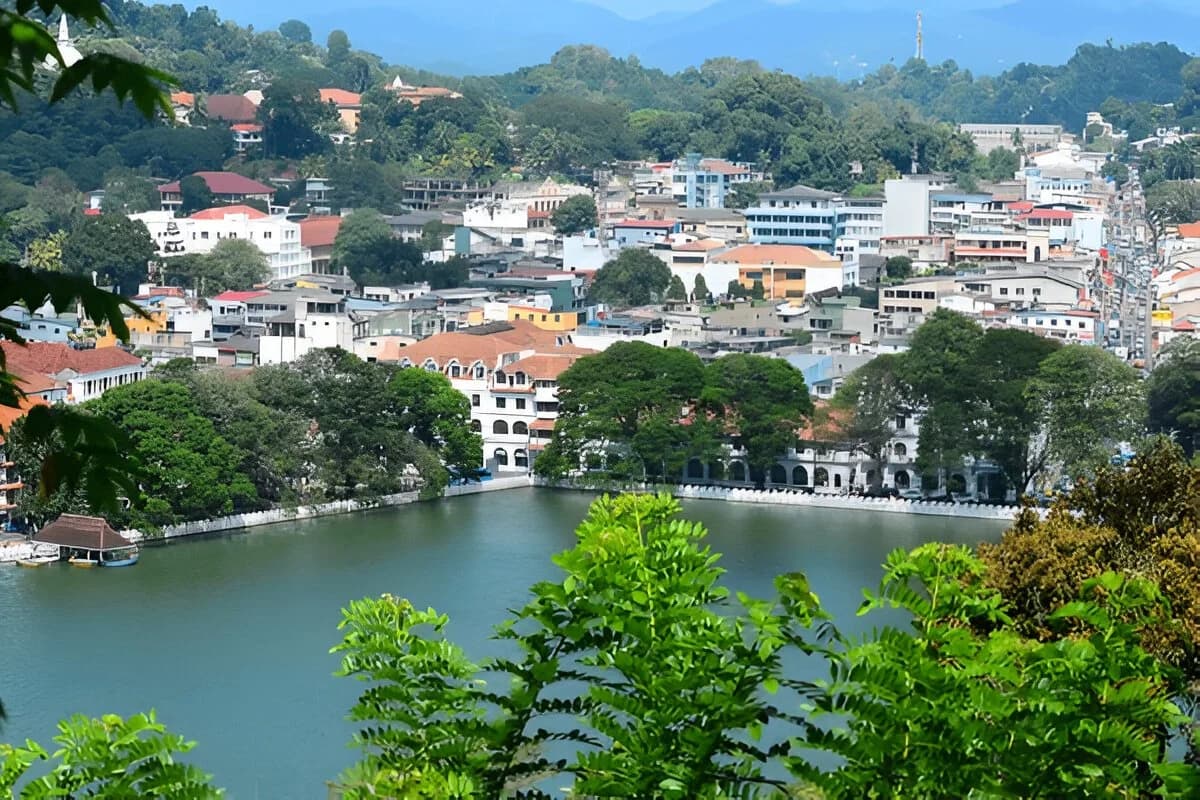
Overview of Kendy View Point: Kandy View Point, perched on a hilltop overlooking the city of Kandy, is one of the most popular spots for travellers seeking stunning panoramic views of this historic city. Situated just a short walk from the famous Temple of the Sacred Tooth Relic, the viewpoint offers a bird’s-eye view of Kandy’s lush greenery, the serene Kandy Lake, and the surrounding misty mountains. The beauty of the city unfolds from here, showcasing its vibrant streets, ancient buildings, and stunning natural surroundings. Part of any Sri Lanka tour package, Kandy View Point is a great place for photography, relaxing, or simply soaking in the beauty of the area. Whether you’re visiting during the day when the city is bustling or at sunset when the sky is painted in warm hues, the viewpoint offers an unforgettable experience. It’s an ideal stop for those exploring the cultural heart of Sri Lanka, offering a chance to pause and admire the stunning scenery before continuing your adventure. What are the key Highlights of Kendy View Point: Panoramic Views: The main highlight is the breathtaking 360-degree view of Kandy, its lake, and surrounding mountains. Kandy Lake: The view of the tranquil Kandy Lake from above is especially scenic, offering a peaceful escape from the busy city below. Temple of the Sacred Tooth Relic: The viewpoint also gives a great view of this significant religious site, one of the most revered temples in Sri Lanka. Lush Greenery: Enjoy the lush, tropical landscapes and dense forests that surround the city, contributing to the natural beauty of Kandy. Photography Opportunities: Kandy View Point is perfect for taking photos, whether it’s the vibrant cityscape or the stunning sunset view. Nearby Attractions: The viewpoint is just a short distance from several other famous attractions in Kandy, such as the Royal Botanical Gardens and the Kandy Perahera site. Timings & Entry Fees for Kendy View Point: Timings: The viewpoint is open daily from 7:00 AM to 7:00 PM. Entry Fees: Entry is free for all visitors. Travel Tips / Essential Information for Key View Point: Best Time to Visit: The best time to visit Kandy View Point is in the early morning or late afternoon for cooler weather and a better view of the city in a softer light. The sunset view is especially beautiful. Wear Comfortable Shoes: There’s a short walk uphill to the viewpoint, so make sure to wear comfortable shoes. Stay Hydrated: Kandy can be quite warm, so it’s a good idea to carry water with you while visiting. Plan for Crowds: Kandy is a popular tourist destination, so visiting early in the day or during the off-season will help avoid crowds. Photography Etiquette: Be respectful of other visitors who may also want to take photos, especially at sunset when the viewpoint gets more crowded. Nearby Attractions: Combine your visit to Kandy View Point with other nearby attractions like the Temple of the Sacred Tooth Relic and Royal Botanical Gardens for a full day of exploration. Kandy View Point is a must-see attraction for anyone travelling through Sri Lanka. Also Read: Places to Visit in Sri LankaMust Read: Things to do in Sri Lanka

Read More

Unawatuna
May 30, 20253 Minutes
Unawatuna
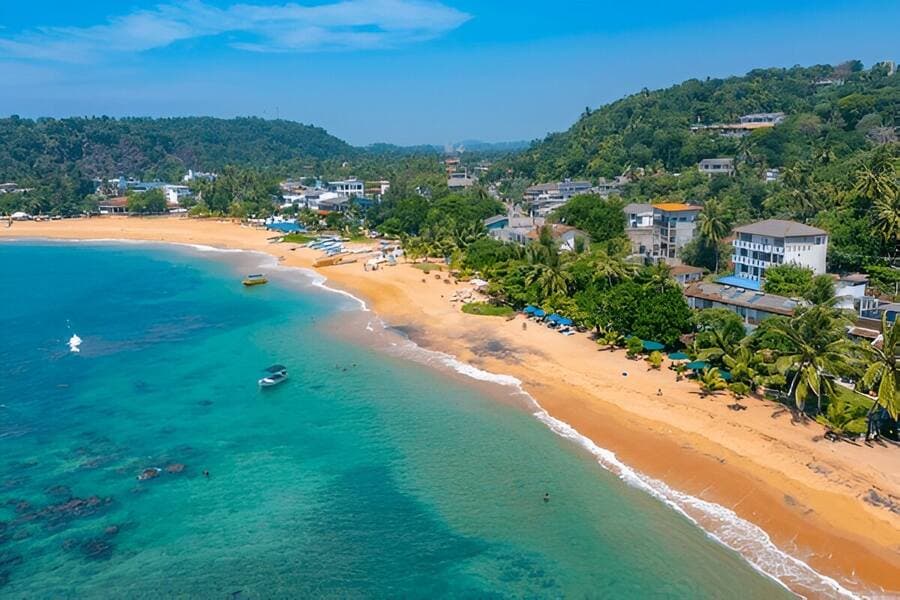
Overview of Unawatuna: Unawatuna, a charming coastal town in southern Sri Lanka, is much more than its famous beaches. Located just a short drive from Galle, this lively town is known for its cultural heritage, lush surroundings, and serene ambience. No wonder it’s a key highlight in many Sri Lanka tour packages for those looking to experience the country’s unique blend of culture and nature. Unawatuna blends history and natural beauty, making it a favourite destination for travellers looking to explore the hidden gems of Sri Lanka. The town is steeped in Buddhist history, evident in its ancient temples and sacred sites. Visitors can explore the iconic Japanese Peace Pagoda, enjoy scenic walks, and immerse themselves in the vibrant local culture. With its friendly locals, colourful markets, and relaxing vibe, Unawatuna offers a refreshing escape from the hustle and bustle of daily life. What are the key Highlights of Unawatuna: Japanese Peace Pagoda: Perched on a hilltop, this stunning white structure offers panoramic views of the ocean and surrounding greenery. It’s a peaceful spot for meditation or simply enjoying the scenery. Yatagala Raja Maha Viharaya: This ancient rock temple, believed to be over 2,000 years old, is surrounded by lush vegetation, making it a serene and spiritual place to visit. Local Markets: Unawatuna’s markets are a treasure trove of handcrafted souvenirs, traditional spices, and local snacks. Exploring them is a must for shopaholics and culture enthusiasts. Stilt Fishing: Witness the unique and traditional fishing technique where locals balance on poles to catch fish, offering a glimpse into Sri Lanka’s heritage. Turtle Watching: Nearby conservation centres provide a chance to see sea turtles and learn about efforts to protect these magnificent creatures. Charming Streets: The town’s streets are lined with cosy cafes, boutique shops, and restaurants offering both local and international cuisines. Timings & Entry Fees of Unawatuna: Timings: Attractions such as temples and the Peace Pagoda are generally open from 6:00 AM to 6:00 PM, but some places may have flexible hours. Entry Fees: Most attractions in Unawatuna are free, though donations are appreciated at temples and conservation sites. Travel Tips / Essential Information For Unawatuna Best Time to Visit: The ideal time to visit Unawatuna is between October and April when the weather is pleasant and perfect for sightseeing. Cultural Etiquette: When visiting religious sites, wear modest clothing that covers your shoulders and knees, and remove your shoes before entering. Getting Around: Tuk-tuks are the most convenient and affordable way to explore Unawatuna and its nearby attractions. Local Food: Don’t miss out on fresh seafood and authentic Sri Lankan dishes like hoppers and curries at local eateries. Currency: Carry small denominations of Sri Lankan Rupees, as not all shops accept card payments. Safety: Unawatuna is a safe town, but it’s always wise to keep your valuables secure and avoid isolated areas after dark. Combine Attractions: While visiting Unawatuna, plan trips to nearby spots like Galle Fort, Jungle Beach, and Rumassala Hill for a well-rounded experience. Unawatuna is more than just a scenic destination, it’s a place where culture, nature, and history come together to create an unforgettable experience.Also Read: Places to Visit in Sri LankaMust Read: Things to do in Sri Lanka

Read More

Bentota Beach
May 30, 20253 Minutes
Bentota Beach
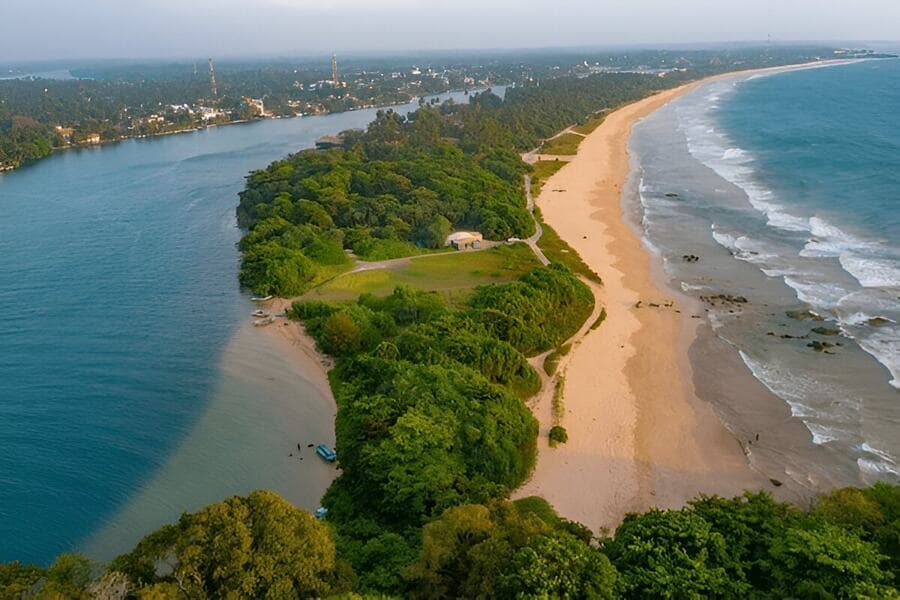
Overview of Bentota Beach: Bentota Beach, located on Sri Lanka’s southwestern coast, is one of the most popular destinations for travellers seeking relaxation and adventure by the sea. This stunning stretch of golden sand is surrounded by lush palm trees and the calm waters of the Indian Ocean, offering a tranquil getaway for all kinds of visitors. Whether you’re looking for a serene retreat or thrilling water sports, Bentota Beach has something for everyone. Famous for its natural beauty and peaceful ambience, this beach is a highlight of many Sri Lanka tour packages. From sunbathing and swimming to exploring nearby attractions, Bentota Beach promises a memorable experience. The area is also home to luxury resorts, Ayurveda wellness centres, and vibrant local markets, making it a perfect mix of leisure and culture. It’s an ideal destination for families, couples, and solo travellers alike. What are the key Highlights of Bentota Beach: Water Sports: Bentota Beach is a hub for activities like jet skiing, windsurfing, banana boat rides, and snorkelling, perfect for adventure lovers. Bentota River Safari: Explore the lush mangroves and spot wildlife like crocodiles, exotic birds, and water monitors. Kosgoda Turtle Hatchery: Visit this nearby conservation project to learn about sea turtles and see baby turtles being released into the ocean. Ayurveda Spa Treatments: Relax and rejuvenate with traditional Ayurveda therapies offered at local wellness centres. Fishing and Boating: Experience the calm Bentota Lagoon with fishing and boat rides, offering a peaceful connection to nature. Romantic Sunsets: End your day with breathtaking sunsets over the Indian Ocean, making it a perfect spot for couples. Timings & Entry Fees of Bentota Beach: Timings: Bentota Beach is accessible 24/7, making it an ideal spot for early-morning walks or late-night strolls. Entry Fees: The beach is free to visit. Activities like water sports or safaris may have separate charges depending on the service provider. Travel Tips / Essential Information For Bentota Beach: Best Time to Visit: The best months to visit Bentota Beach are from November to April when the weather is sunny and perfect for outdoor activities. Water Safety: Always check with lifeguards about swimming conditions, especially during monsoon seasons. Local Cuisine: Don’t miss trying fresh seafood, including crab curry, grilled fish, and prawns at beachfront restaurants. Getting Around: Tuk-tuks are a convenient way to explore the area. You can also rent bicycles for a scenic ride along the coastline. Nearby Attractions: Combine your trip with a visit to Brief Garden, a beautifully landscaped estate, or the historic Galapatha Raja Maha Vihara Temple. Shopping: Check out local markets for souvenirs like handmade crafts, batik clothing, and traditional spices. Wildlife Awareness: When visiting places like the turtle hatchery, choose responsible tours that focus on conservation. Bentota Beach offers the perfect mix of relaxation, adventure, and cultural exploration. Whether you want to lounge under the palm trees or dive into thrilling activities, this tropical paradise has something for everyone. It’s no wonder Bentota Beach remains a top choice for travelers visiting Sri Lanka!Also Read: Places to Visit in Sri LankaMust Read: Things to do in Sri Lanka

Read More

Ruwanwelisaya
May 30, 20253 Minutes
Ruwanwelisaya
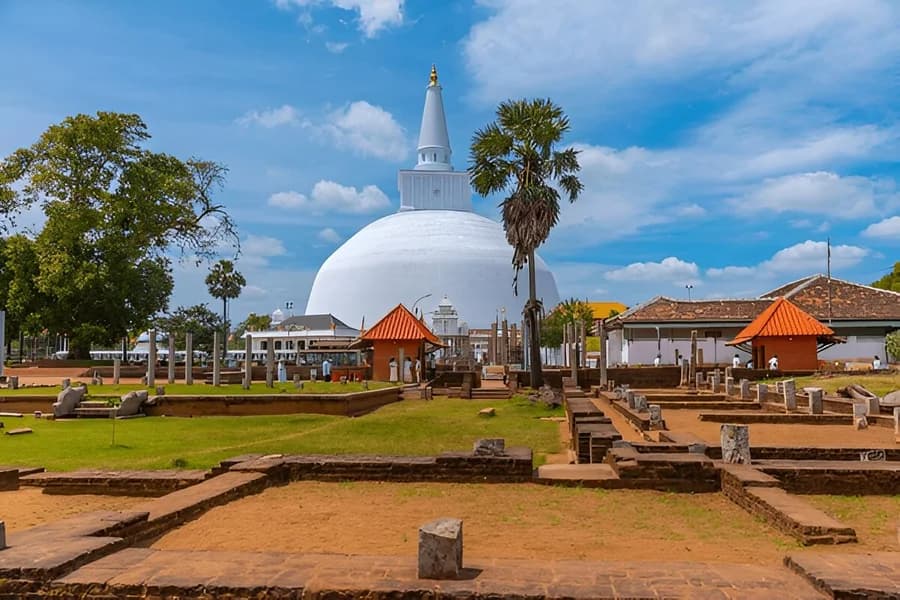
Overview of Ruwanwelisaya: Ruwanwelisaya, also known as the Great Stupa, is one of the most iconic and sacred Buddhist monuments in Sri Lanka. Located in the ancient city of Anuradhapura, this majestic stupa stands as a symbol of the island’s deep spiritual heritage and rich history. Built by King Dutugemunu in 140 BCE, Ruwanwelisaya is an architectural marvel, known for its massive white dome and intricate design that reflects the artistic brilliance of ancient Sri Lanka. This revered site is a key attraction in many Sri Lanka tour packages, drawing pilgrims and travellers from all over the world. It is surrounded by well-manicured gardens and adorned with intricate carvings and statues that add to its beauty. Visiting Ruwanwelisaya offers a glimpse into Sri Lanka’s Buddhist culture and provides a serene and spiritual experience for all who come to admire this timeless masterpiece. What are the key Highlights of Ruwanwelisaya: Architectural Marvel: The stupa stands at a height of 103 meters with a diameter of 290 meters, making it one of the largest and most impressive stupas in the world. Historical Significance: Ruwanwelisaya was built to enshrine relics of the Buddha and is deeply venerated by Buddhists. Statues and Carvings: The surrounding compound is decorated with beautiful elephant carvings, intricate guard stones, and Buddha statues. Peaceful Ambiance: The stupa’s serene environment, with lush greenery and chanting pilgrims, offers a peaceful escape for visitors. Sacred Pilgrimage Site: Ruwanwelisaya holds immense religious importance, attracting thousands of devotees during Buddhist festivals. Night Illumination: The stupa is beautifully lit at night, creating a mesmerizing and spiritual atmosphere. Timings & Entry Fees of Ruwanwelisaya: Timings: Open daily from 6:00 AM to 9:00 PM. Entry Fees: Entrance to Ruwanwelisaya is free, but donations are welcome. Travel Tips / Essential Information For Ruwanwelisaya: Best Time to Visit: Visit early in the morning or late in the evening to enjoy the cooler weather and avoid crowds. Dress Modestly: Wear clothing that covers your shoulders and knees, as Ruwanwelisaya is a sacred site. Shoes must be removed before entering the stupa area. Photography: Photography is allowed, but be respectful and avoid taking pictures of people in prayer. Explore Anuradhapura: Combine your visit with other nearby attractions like Jetavanaramaya, Thuparamaya, and the ancient Bodhi Tree (Sri Maha Bodhi). Guided Tours: Hiring a guide can help you understand the historical and spiritual significance of the stupa and surrounding monuments. Carry Essentials: Bring water, sunscreen, and a hat, especially if visiting during the midday heat. Festivals: If possible, visit during a Buddhist festival to witness traditional rituals and ceremonies at the stupa. Ruwanwelisaya is not just a historical monument but a living testament to Sri Lanka’s spiritual legacy. Its grandeur, historical importance, and peaceful setting make it a must-visit destination for anyone exploring the wonders of Sri Lanka.Also Read: Places to Visit in SrilankaMust Read: Things to do in Srilanka

Read More

Dehiwala Zoo
May 30, 20253 Minutes
Dehiwala Zoo
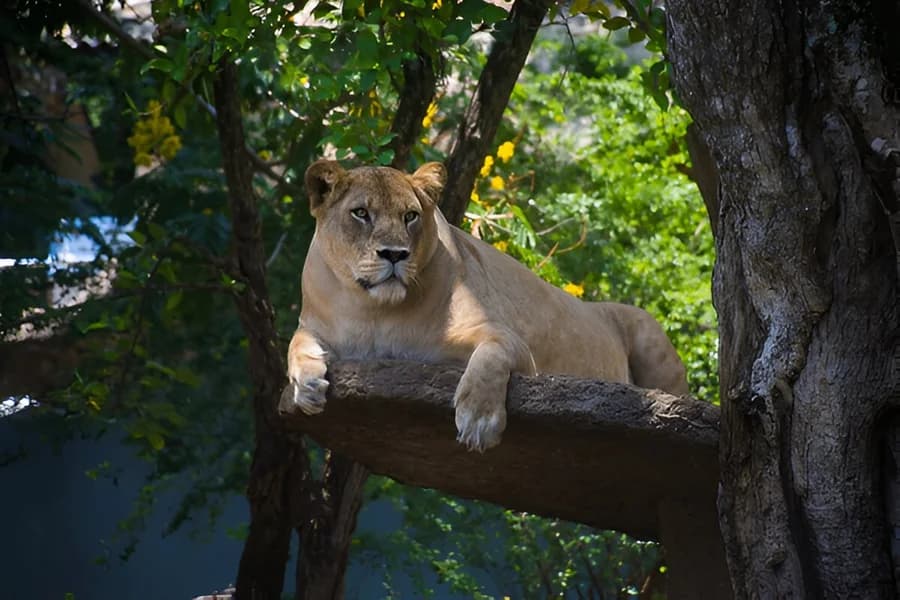
Overview of Dehiwala Zoo: Dehiwala Zoo, officially known as the National Zoological Gardens of Sri Lanka, is one of the oldest and most popular zoos in Asia. Located in Dehiwala, near Colombo, this sprawling 24-acre zoo is a major highlight of Sri Lanka tour packages, offering an enriching experience for families, wildlife enthusiasts, and nature lovers.The zoo is home to over 3,000 animals worldwide, including elephants, lions, tigers, and exotic birds. Its beautifully landscaped gardens and carefully designed animal enclosures provide a pleasant environment for visitors to observe and learn about wildlife. The Dehiwala Zoo also focuses on conservation and education, with regular programs to raise awareness about animal welfare and protect endangered species. Visiting this iconic zoo is a wonderful way to explore Sri Lanka’s commitment to wildlife and its diverse animal species. What are the key Highlights of Dehiwala Zoo: Diverse Wildlife: The zoo houses animals from across the globe, including majestic elephants, fierce big cats, colourful birds, and unique reptiles. Marine Aquarium: A dedicated section for aquatic life where visitors can explore vibrant fish, turtles, and other marine species. Elephant Show: A captivating show featuring trained elephants showcasing their skills and intelligence, popular among children and families. Reptile House: A special area with snakes, crocodiles, and other reptiles that will fascinate wildlife enthusiasts. Beautiful Gardens: The zoo’s lush, landscaped gardens are perfect for leisurely walks, making it a great spot for relaxation and picnics. Birds Paradise: The aviary features a stunning variety of exotic and native bird species, from parrots to flamingos, providing a treat for bird watchers. Timings & Entry Fees Dehiwala Zoo: Timings: Open daily from 8:30 AM to 6:00 PM. Entry Fees: For international visitors, tickets cost approximately LKR 2,000 for adults and LKR 1,000 for children. Local visitors enjoy discounted rates. Travel Tips / Essential Information For Dehiwala Zoo: Best Time to Visit: Plan your visit during the morning hours to enjoy cooler temperatures and see the animals at their most active. Tickets: Purchase your tickets online or at the gate. Weekdays are less crowded compared to weekends and public holidays. What to Bring: Carry water bottles, sunscreen, hats, and comfortable shoes, as exploring the zoo involves a lot of walking. Respect Wildlife: Do not feed or disturb the animals. Follow the zoo’s rules to ensure a safe and respectful experience. Food Options: Cafeterias and snack stalls are available inside the zoo, offering light refreshments for visitors. Accessibility: The zoo is wheelchair accessible and offers facilities for differently-abled visitors. Combine with Other Attractions: Dehiwala Zoo is close to Colombo, making it easy to combine with visits to nearby attractions like Galle Face Green or Mount Lavinia Beach.Also Read: Places to Visit in Sri LankaMust Read: Things to do in Sri Lanka

Read More

Bambarakanda Falls
May 30, 20253 Minutes
Bambarakanda Falls
Overview of Bambarakanda Falls: Bambarakanda Falls, the tallest waterfall in Sri Lanka, is a breathtaking natural attraction nestled amidst the lush greenery of the Badulla District. Standing at an impressive height of 263 meters (863 feet), this waterfall cascades gracefully from a sheer rock face, creating a mesmerizing sight for visitors. Surrounded by pine forests and misty hills, Bambarakanda Falls is a must-visit destination for nature lovers, hikers, and photography enthusiasts. This serene spot is often included in Sri Lanka tour packages, offering a tranquil escape from bustling cities. Whether you’re seeking a peaceful picnic, a refreshing swim in the natural pool at the base, or an adventurous hike through the surrounding trails, Bambarakanda Falls has something for everyone. The area also serves as a gateway to some of Sri Lanka’s most scenic trekking routes, making it a perfect addition to your travel itinerary. What are the key Highlights of Bambarakanda Falls: Tallest Waterfall in Sri Lanka: Standing at 263 meters, Bambarakanda Falls is a natural wonder and a popular tourist attraction. Stunning Scenery: Surrounded by pine forests and misty mountains, the area offers picturesque views perfect for photography. Trekking and Hiking: The falls are a starting point for popular trails, including the Devil’s Staircase trek and Horton Plains hikes. Natural Pool: Visitors can enjoy a refreshing dip in the cool, clear pool at the base of the falls. Peaceful Ambiance: The serene and untouched surroundings make it an ideal spot for relaxation and picnics. Accessibility: A short, scenic walk from the nearest road leads to the falls, making it easy for visitors to access. Timings & Entry Fees of Bambarakanda Falls: Timings: Open year-round; best viewed during the rainy season (March to May and October to November). Entry Fees: Approximately LKR 200 for locals and LKR 500 for foreign visitors. Travel Tips / Essential Information For Bambarakanda Falls: Best Time to Visit: Visit during the rainy season for the most dramatic flow. However, the dry season offers easier access to the trails and surrounding areas. Getting There: Bambarakanda Falls is located about 6 kilometres from Kalupahana on the A4 highway. It’s easily reachable by car, tuk-tuk, or public transport. What to Pack: Wear sturdy shoes for hiking, and carry water bottles, snacks, sunscreen, and insect repellent for a comfortable visit. Safety: Avoid venturing too close to the edge or slippery rocks around the falls, especially during the rainy season. Nearby Attractions: Combine your visit with a trek to Horton Plains National Park or the Devil’s Staircase for a full day of adventure. Local Food: Try traditional Sri Lankan snacks or meals from small eateries near Kalupahana. Overnight Stay: For an extended visit, consider staying in nearby towns like Bandarawela or Haputale.Also Read: Places to Visit in Sri LankaMust Read: Things to do in Sri Lanka

Read More

Pinnawala Elephant Orphanage
May 30, 20253 Minutes
Pinnawala Elephant Orphanage
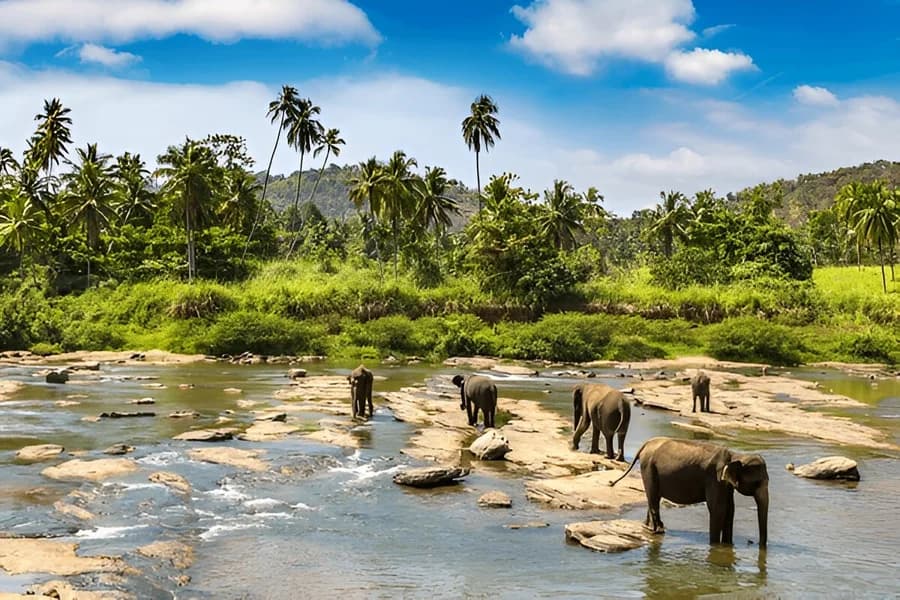
Overview of Pinnawala Elephant Orphanage: Pinnawala Elephant Orphanage is one of Sri Lanka’s most unique and heartwarming attractions. Located in the village of Pinnawala, about 90 kilometers from Colombo, it was established in 1975. The orphanage serves as a sanctuary for orphaned, injured, and abandoned elephants, offering visitors an up-close experience with these majestic creatures. This incredible facility is a popular stop in Sri Lanka tour packages, attracting tourists of all ages. Visitors can witness the daily routines of the elephants, including bottle-feeding baby elephants and their playful bath time in the nearby river. Pinnawala is also deeply involved in conservation efforts, working to protect Sri Lanka’s wild elephant population while educating visitors about these gentle giants. Whether you’re an animal lover, a family with kids, or a solo traveller, a visit to Pinnawala Elephant Orphanage is a memorable experience filled with joy and learning. What are the key Highlights of Pinnawala Elephant Orphanage: Elephant Bathing Ritual: Watch the elephants splash and play in the nearby Ma Oya River—a truly magical sight. Bottle Feeding Baby Elephants: Visitors can help feed the baby elephants during scheduled feeding times, which is especially enjoyable for children. Close Interaction: Get up close with the elephants, observe their behaviour, and even touch them under the guidance of the staff. Educational Experience: Learn about elephant conservation, their natural habits, and the orphanage’s efforts to protect them. Scenic Environment: The lush, tranquil surroundings make Pinnawala a beautiful place to relax and connect with nature. Photography Opportunities: Capture unforgettable moments of elephants in their natural routines, whether feeding, bathing, or simply strolling around. Timings & Entry Fees Pinnawala Elephant Orphanage: Timings: Open daily from 8:30 AM to 5:30 PM. Bathing times are typically at 10:00 AM and 2:00 PM. Entry Fees: Approximately LKR 3,000 for foreign adults and LKR 1,500 for foreign children. Local rates are much lower. Travel Tips / Essential Information For Pinnawala Elephant Orphanage: Best Time to Visit: Arrive during feeding or bathing times for the most engaging experience. Morning visits are ideal for avoiding crowds. Getting There: Pinnawala is easily accessible by car, tuk-tuk, or public transport from Colombo or Kandy. What to Bring: Carry water, sunscreen, and a hat to stay comfortable. Don’t forget your camera for amazing photos! Respect the Animals: Avoid touching or feeding the elephants without the permission of the staff to ensure the animals’ safety and well-being. Nearby Attractions: Combine your visit with a trip to Kandy or other nearby destinations like the Royal Botanical Gardens in Peradeniya. Family-Friendly Activity: The orphanage is a perfect spot for families with children, offering a fun yet educational experience. Accessibility: The facility is wheelchair accessible, making it convenient for all types of visitors.Also Read: Places to Visit in Sri LankaMust Read: Things to do in Sri Lanka

Read More

Mirissa
May 30, 20253 Minutes
Mirissa
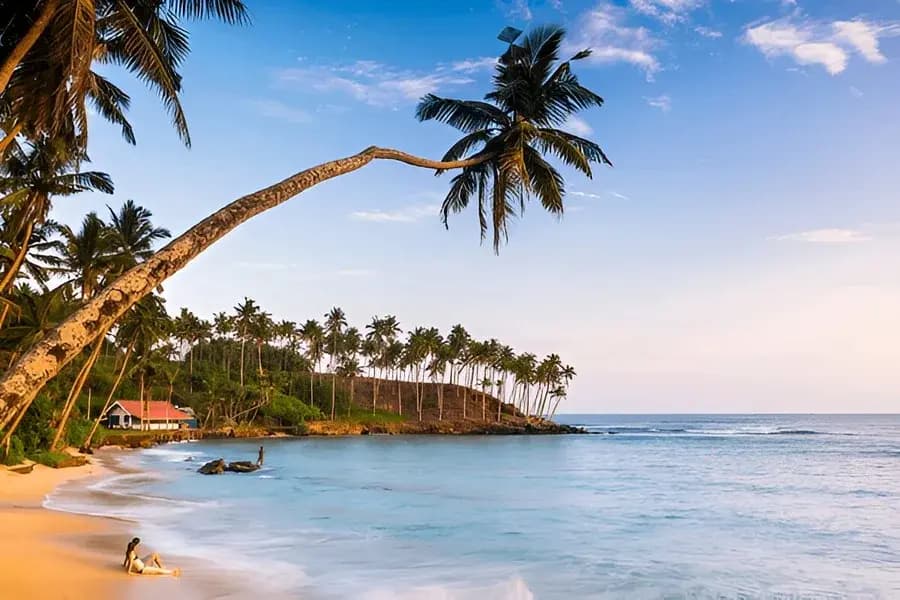
Overview of Mirissa: Mirissa, a charming coastal town on Sri Lanka’s southern shore, is renowned for its golden beaches, turquoise waters, and vibrant marine life. This tropical paradise is a must-visit destination for travellers seeking relaxation and adventure, often highlighted in Sri Lanka tour packages. Mirissa is best known for its whale and dolphin-watching excursions, offering visitors the chance to witness majestic blue whales, sperm whales, and playful dolphins in their natural habitat. Beyond the ocean, the town boasts palm-fringed beaches perfect for sunbathing, snorkelling, and swimming. For food lovers, Mirissa offers a variety of seafood delights served in beachfront cafes and restaurants. Whether you’re looking to unwind by the beach, explore marine life, or soak in the breathtaking sunset views, Mirissa is a destination that promises unforgettable memories. What are the key Highlights of Mirissa: Whale Watching: Mirissa is one of the best places in the world to spot blue whales and dolphins. Boat tours operate between November and April. Beautiful Beaches: Relax on the pristine beaches, surrounded by palm trees and calm waters, ideal for sunbathing or swimming. Coconut Tree Hill: A picturesque hilltop lined with coconut palms offering stunning panoramic views of the ocean. Snorkelling and Surfing: Dive into the clear waters to explore coral reefs or catch some waves at surf-friendly spots. Fresh Seafood: Savor delicious seafood dishes in beachfront restaurants, including freshly caught lobsters, crabs, and prawns. Nightlife: Enjoy the lively nightlife with beach parties, music, and drinks under the starry sky. Timings & Entry Fees of Mirissa: Timings: Mirissa Beach is open to visitors at all times. Whale-watching tours typically start early in the morning, around 6:00 a.m. Entry Fees: There is no entry fee for the beach. Whale-watching tours cost approximately USD 40–50 per person. Travel Tips / Essential Information for Mirissa: Best Time to Visit: Visit between November and April for the best whale-watching experience and calm seas. Getting There: Mirissa is about 150 km from Colombo and is easily accessible via train, bus, or taxi. The journey takes around 2.5–3 hours. What to Pack: Bring sunscreen, swimwear, comfortable beachwear, sunglasses, and a hat. A camera is a must for capturing scenic views and marine life. Whale Watching Tips: Book your tours with licensed operators for a safe and ethical experience. Carry motion sickness tablets if needed. Local Culture: Respect the local customs and avoid littering to keep the beaches clean. Nearby Attractions: Visit Galle Fort, Weligama for surfing, or the nearby turtle hatcheries for a full-day excursion. Stay Options: Mirissa offers accommodations ranging from budget-friendly guesthouses to luxurious beach resorts. Book in advance during the peak season.Also Read: Places to Visit in Sri LankaMust Checkout: Things to do in Sri Lanka

Read More

Batticaloa Beach
May 30, 20253 Minutes
Batticaloa Beach
Overview of Batticaloa Beach: Batticaloa Beach, located on the eastern coast of Sri Lanka, is a serene and picturesque destination perfect for travellers seeking tranquillity and natural beauty. Known for its golden sandy shores, crystal-clear waters, and laid-back atmosphere, Batticaloa Beach is a peaceful retreat away from the bustling tourist hotspots. As part of Sri Lanka tour packages, Batticaloa Beach offers an opportunity to relax, swim, and take leisurely walks along the shoreline. The area is also famous for its unique lagoon, where you can witness the enchanting “singing fish” phenomenon—a rare occurrence where fish produce musical sounds during certain months of the year. Batticaloa Beach is a fantastic destination for families, couples, and solo travellers who wish to immerse themselves in nature and experience the unspoiled charm of Sri Lanka’s east coast. What are the key Highlights of Batticaloa Beach: Pristine Beaches: Enjoy miles of untouched sandy shores, perfect for sunbathing, beach walks, or relaxing by the sea. Batticaloa Lagoon: Explore the serene lagoon, famous for its unique ecosystem and the rare “singing fish.” Water Activities: Go swimming, kayaking, or fishing in the calm waters of the beach and lagoon. Dutch Fort: Visit the historic Batticaloa Fort, a remnant of Sri Lanka’s colonial past located near the beach. Local Cuisine: Taste the region’s fresh seafood, including crab curry, prawn dishes, and traditional Sri Lankan specialities. Scenic Sunrises: Witness breathtaking sunrises over the Indian Ocean, a perfect way to start your day. Timings & Entry Fees of Batticaloa Beach: Timings: Open all day, but early mornings and evenings are the best times to visit. Entry Fees: Free access to the beach. Activities like lagoon boat rides may have additional charges. Travel Tips / Essential Information For Batticaloa Beach: Best Time to Visit: The ideal time is between May and September, when the weather is pleasant, and the waters are calm. Getting There: Batticaloa is approximately 315 km from Colombo. You can reach it by train, bus, or car. The train journey offers scenic views of the countryside. What to Pack: Carry sunscreen, swimwear, comfortable clothing, a hat, and mosquito repellent. Respect Nature: Keep the beach clean and avoid disturbing the marine life. Local Culture: Interact with the friendly locals and learn about the rich Tamil culture and traditions of the region. Accommodation Options: Batticaloa offers a range of options from budget guesthouses to luxury beach resorts. Book in advance during peak seasons. Nearby Attractions: Explore Kallady Beach, Batticaloa Lighthouse, and the ancient Hindu temples in the area for a more enriching experience.Also Read: Places to Visit in Sri LankaMust Read: Things to do in Sri Lanka

Read More

World’s End Nuwara Eliya
May 30, 20253 Minutes
World’s End Nuwara Eliya
Overview of World’s End Nuwara Eliya: World’s End, located in Horton Plains National Park near Nuwara Eliya, is one of Sri Lanka’s most breathtaking natural wonders. This dramatic cliff offers a stunning drop of nearly 880 meters, providing panoramic views of the surrounding hills, tea plantations, and, on clear days, even the distant southern coastline. A popular highlight in Sri Lanka tour packages, the trek to World’s End is a favourite among nature lovers and adventure enthusiasts. The journey to this iconic destination involves a scenic 9.5-kilometre loop trail that takes you through lush grasslands, misty forests, and tranquil streams. The area is also home to unique wildlife, including sambar deer and various bird species. The best time to visit is early morning, before the mist rolls in, ensuring you enjoy the spectacular views. Whether you’re a trekker, photographer, or simply a nature enthusiast, World’s End promises an unforgettable experience. What are the key Highlights of World’s End Nuwara Eliya: The Sheer Cliff: The dramatic drop of 880 meters offers breathtaking views of the landscape below. Baker’s Falls: A scenic waterfall located along the trail to World’s End, surrounded by lush greenery. Hiking Trail: A 9.5-kilometer circular trail that takes you through beautiful grasslands, forests, and streams. Wildlife Spotting: Observe animals like sambar deer, wild boars, and a variety of bird species in their natural habitat. Early Morning Views: Visit between 6:00 AM and 9:00 AM for the clearest views before the mist obscures the scenery. Photography Opportunities: The panoramic vistas and vibrant flora make this a paradise for photographers. Timings & Entry Fees of World’s End Nuwara Eliya: Timings: Horton Plains National Park is open daily from 6:00 AM to 6:00 PM. Entry Fees: Approximately USD 15–25 per person, including a vehicle charge. Travel Tips / Essential Information For World’s End Nuwara Eliya: Best Time to Visit: The ideal time is between January and April, as the weather is dry and visibility is better. Getting There: Horton Plains National Park is located about 32 km from Nuwara Eliya. You can hire a taxi or take a guided tour. Start Early: Begin your hike around 6:00 AM to avoid the mist and crowds. What to Pack: Wear comfortable hiking shoes and carry water, snacks, sunscreen, and a hat. A jacket is also recommended as it can get chilly. Follow the Rules: Stay on designated trails to protect the environment and avoid getting lost. Stay Hydrated: Although the trek is moderately easy, carrying sufficient water is essential. Nearby Attractions: Include stops at Baker’s Falls and Chimney Pool during your visit to the park. Travel Advisory: Avoid visiting during heavy rains, as the trails can become slippery and visibility poor. World’s End in Nuwara Eliya is a destination that truly lives up to its name, offering awe-inspiring views and a chance to connect with nature. Also Read: Places To Visit in Sri LankaMust Checkout: Things To Do in Sri Lanka

Read More

Yala National Park
May 30, 20253 Minutes
Yala National Park
Overview of Yala National Park: Yala National Park, located in the southeastern region of Sri Lanka, is the country’s second-largest and most popular wildlife reserve. Covering an area of over 979 square kilometres, this iconic park is a top highlight in Sri Lanka tour packages, offering visitors an up-close experience with Sri Lanka’s incredible biodiversity. Renowned for its dense leopard population, Yala is one of the best places in the world to spot this elusive big cat. The park is also home to elephants, sloth bears, crocodiles, and a variety of exotic bird species. Yala’s diverse habitats, including forests, grasslands, and wetlands, provide the perfect environment for wildlife enthusiasts, photographers, and nature lovers. A jeep safari through Yala is the best way to explore its rich landscapes and observe animals in their natural habitat, creating memories that last a lifetime. What are the key Highlights of Yala National Park: Leopard Safari: Yala has one of the highest leopard densities in the world, making it a prime spot for sightings. Elephants and Sloth Bears: Spot herds of elephants and the rare sloth bear roaming the park. Birdwatching Paradise: Over 200 bird species, including peacocks, hornbills, and migratory birds, call Yala home. Diverse Landscapes: Experience the park’s stunning mix of beaches, forests, grasslands, and lagoons. Jeep Safaris: Guided safaris offer a safe and exciting way to explore Yala’s wilderness. Scenic Views: Visit Patanangala Beach inside the park for breathtaking coastal views and serene surroundings. Timings & Entry Fees of Yala National Park: Timings: Open daily from 6:00 AM to 6:00 PM. Morning and evening safaris are the best times to spot wildlife. Entry Fees: Approximately USD 20–30 per person, depending on the season, with an additional charge for jeep safaris. Travel Tips / Essential Information of Yala National Park: Best Time to Visit: The dry season, from February to June, is the best time to visit as animals gather near waterholes. Book a Safari: Opt for an early morning or late afternoon jeep safari for the best wildlife sightings. What to Pack: Carry sunscreen, a hat, comfortable clothing, binoculars, and a camera. Don’t forget insect repellent. Respect Nature: Do not litter or disturb the animals. Follow the park’s guidelines for a safe and eco-friendly visit. Stay Hydrated: Bring enough water and light snacks for the safari ride. Local Guides: Hire an experienced guide or driver to enhance your safari experience with expert knowledge of the area. Nearby Attractions: Combine your Yala visit with nearby destinations like Kataragama Temple or Bundala National Park. Wildlife Patience: Be patient and quiet during safaris—spotting wildlife requires time and silence. Yala National Park is a must-visit for anyone exploring Sri Lanka, offering an incredible blend of adventure, nature, and wildlife.Also Read: Places To Visit in Sri LankaMust Checkout: Things To Do in Sri Lanka

Read More

Galle Face Green
May 30, 20253 Minutes
Galle Face Green
Overview of Galle Face Green: Galle Face Green, a vibrant seaside urban park in Colombo, is a favourite spot for locals and tourists alike. Stretching over half a kilometre along the coast, this iconic landmark is perfect for an evening stroll, a family picnic, or simply enjoying the cool ocean breeze. Located in the heart of Sri Lanka’s capital, it is a popular inclusion in Sri Lanka tour packages, offering a unique blend of relaxation, local culture, and stunning coastal views. Originally established by the Dutch in the 19th century for recreational purposes, Galle Face Green has evolved into a lively gathering place. The area is dotted with food vendors offering local delicacies, making it a great spot to sample Sri Lankan street food. Whether you want to fly a kite, watch the sunset, or immerse yourself in Colombo’s vibrant atmosphere, Galle Face Green is the perfect escape from the hustle and bustle of the city. What are the key Highlights of Galle Face Green: Breathtaking Sunsets: Enjoy a magical sunset over the Indian Ocean from this iconic spot. Street Food Delights: Try popular Sri Lankan snacks like isso wade (prawn fritters) and kottu roti. Family-Friendly Activities: Ideal for picnics, kite flying, and spending quality time with loved ones. Historic Surroundings: Located near landmarks like the Galle Face Hotel and Beira Lake. Lively Atmosphere: Experience the local vibe as families, vendors, and performers gather here daily. Oceanfront Relaxation: Sit back and enjoy the calming sounds of the waves crashing along the shore. Timings & Entry Fees of Galle Face Green: Timings: Open 24/7, but the best time to visit is in the evening. Entry Fees: Free of charge. Travel Tips / Essential Information For Galle Face Green: Best Time to Visit: Late afternoon or evening is ideal to enjoy the sunset and cooler weather. Local Snacks: Don’t miss trying the fresh seafood and traditional Sri Lankan street food sold by vendors. Comfortable Attire: Wear light, breathable clothing and comfortable footwear for walking along the promenade. Safety Tips: Keep an eye on your belongings, especially during busy evenings. Photography: Bring a camera or smartphone to capture the picturesque views and vibrant atmosphere. Nearby Attractions: Visit nearby landmarks like the Colombo Lotus Tower and Independence Square. Accessibility: Easily accessible by taxi, tuk-tuk, or public transport from anywhere in Colombo. Perfect for All Ages: Whether you’re travelling solo, with family, or with friends, Galle Face Green offers something for everyone. Also Checkout: Things to do in Sri LankaMust Read: Places To Visit in Sri Lanka

Read More

Login ModalPost Login FormTalk with trip expert