Blog hero image
Top Travel Stories

Explore our latest blogs and travel with us

Tawang Monastery
May 30, 20253 Minutes
Tawang Monastery
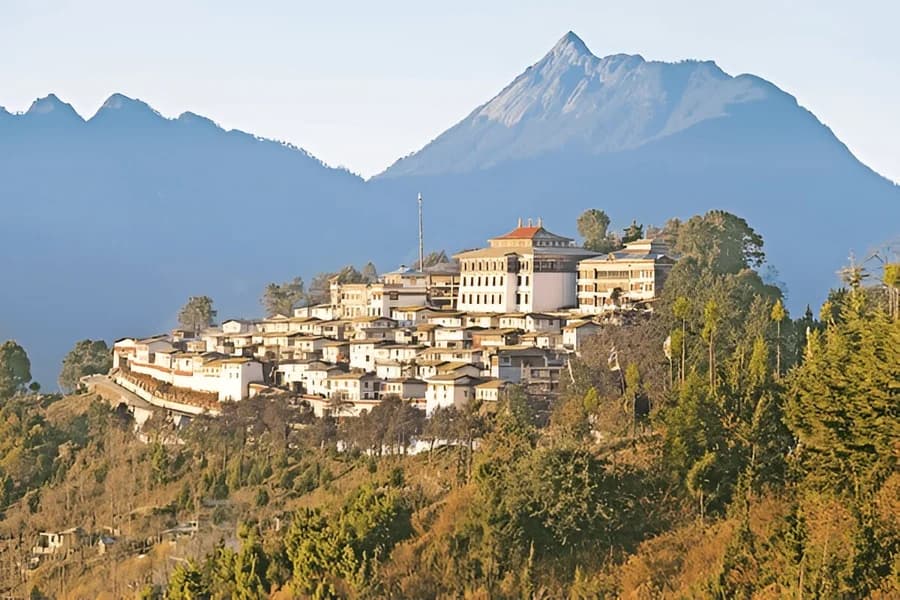
Overview of Tawang Monastery Tawang Monastery, located in the serene hills of Arunachal Pradesh, is a beacon of spirituality and culture. Perched at an altitude of 10,000 feet, this grand monastery is the largest in India and the second-largest in the world. A vital part of North East tour packages, it attracts visitors from across the globe who are mesmerized by its rich history, stunning architecture, and tranquil vibes. The monastery, also known as Galden Namgyal Lhatse, translates to “celestial paradise on a clear night.” It was established in the 17th century by Merak Lama Lodre Gyatso and is an important centre for Mahayana Buddhism. Surrounded by breathtaking landscapes and snow-capped mountains, the monastery offers not just spiritual solace but also a visual treat for travellers. What are the Key Highlights of Tawang Monastery Architectural Grandeur: The monastery is an architectural marvel with its three-story structure, large assembly hall, and intricate murals that depict Buddhist teachings and traditions. The Giant Buddha Statue: Inside the monastery, a stunning 8-meter-tall statue of Lord Buddha sits majestically, blessing the visitors with its serene aura. Sacred Scriptures: The monastery houses ancient Buddhist scriptures, manuscripts, and a collection of rare Thangka paintings. Panoramic Views: The location offers breathtaking views of the Tawang Valley, making it a photographer’s paradise. Losar Festival: The monastery comes alive during the Losar Festival (Tibetan New Year) with vibrant celebrations, dances, and rituals. Peaceful Ambiance: The monastery’s tranquil environment makes it an ideal place for meditation and self-reflection. Best Time to Visit Tawang Monastery The best time to visit Tawang Monastery is from March to June and September to November. During these months, the weather is pleasant, and the stunning surroundings enhance your experience. Winter (December to February) is also a magical time to visit, as the snow-covered mountains add to the monastery’s charm, but the cold can be quite intense. Timings and Entry Fees of Tawang Monastery Timings: Tawang Monastery is open daily from 7:00 AM to 7:00 PM. Entry Fees: There is no entry fee to visit the monastery, making it an accessible destination for all travellers. Note: Donations are welcome and go towards the maintenance of the monastery and supporting the monks. Travel Tips / Essential Information for Visiting Tawang Monastery Carry Warm Clothes: Tawang has a cold climate throughout the year, so pack woollen clothes, especially in winter. Acclimatize to the Altitude: Tawang is at a high altitude, so take it easy on your first day to avoid altitude sickness. Start Early: The monastery is best experienced in the morning when the surroundings are peaceful, and the sunlight adds to the scenic beauty. Respect the Culture: Dress modestly and maintain silence while exploring the monastery. Photography inside the main prayer hall may be restricted, so ask for permission. Explore Nearby Attractions: Combine your visit with other nearby attractions like the Tawang War Memorial and the serene Madhuri Lake. Book Accommodation in Advance: Tawang is a popular destination, so it’s wise to book your stay early, especially during peak seasons. Road Travel: The journey to Tawang involves winding mountain roads. Make sure you hire experienced drivers or travel with a reliable tour operator. Tawang Monastery is not just a destination; it’s an experience that connects you to spirituality, culture, and the raw beauty of nature. Whether you’re a history buff, a peace seeker, or an adventure lover, this iconic monastery is a must-visit. Also Read – Places To Visit in North EastMust Checkout – Things To Do in North East

Read More

Khonoma Green Village
May 30, 20253 Minutes
Khonoma Green Village
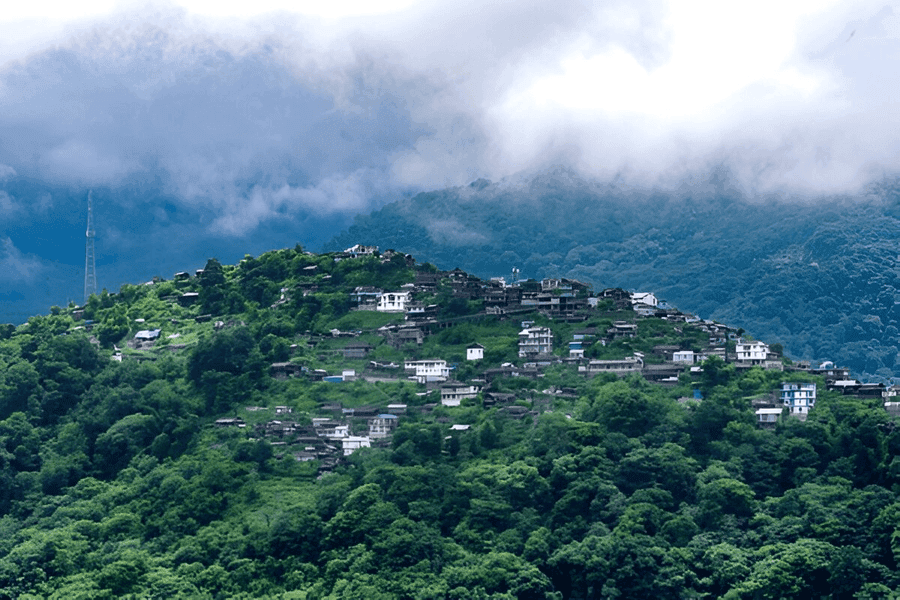
Overview of Khonoma Green Village: Khonoma, a village in Nagaland’s lush landscapes, stands as India’s first green village. It is Asia’s first green village. This remarkable place, about 20 kilometers from Kohima, shows how a community can live in perfect harmony with nature. The Angami Naga tribe calls this village home, and they’ve done something amazing – they’ve completely stopped hunting and logging, turning their home into a conservation success story. If you’re planning your North East Tour Packages, Khonoma deserves a spot on your list. The village is famous for terraced fields that look like green steps climbing up the hills. What makes it special is how the locals farm without using any chemicals – everything’s organic here. Walking through the village, you’ll see traditional homes made of wood and bamboo, colorful flowers everywhere, and friendly faces ready to share stories about their unique way of life. What are the Key Highlights of Khonoma Green Village: Ancient Stone Fortifications: Explore impressive stone gates and walls that tell stories of the village’s brave past. These structures have stood strong for centuries, making you feel like you’ve stepped back in time. Terraced Rice Fields: Watch farmers work in their unique hillside rice fields, shaped like giant green steps. June-July brings the brightest green views when rice plants are young and fresh. Traditional Handicraft Center: Meet local artisans creating beautiful bamboo baskets and traditional jewelry. Perfect place to pick up unique souvenirs and learn about local crafts. Bird Paradise: Spot colorful birds in the protected forest area. Early mornings are best for seeing rare species like Blyth’s Tragopan. Living Culture Experience: Stay in traditional Angami homes to experience their daily life, from cooking local dishes to learning about their customs. Timings & Entry Fees of Khonoma Green Village: The village is free to visit and welcomes visitors throughout the year. Entry fee: INR 50 per person. Homestays start from INR 1,500 per night with meals included. Photography is free but always ask before taking pictures of people or homes. Travel Tips/ Essential Tips For Khonoma Green Village: Perfect Time to Visit: Plan your trip between October and March. The weather’s nice and clear, perfect for exploring. Skip the rainy months from June to September when paths get slippery. The Guide is a Must: Get a local guide (INR 500-1000 daily) to discover hidden spots and understand village stories better. They know all the secret photo spots and the best places to eat. Respect the Culture: Wear clothes that cover your knees and shoulders. Always ask before entering homes or taking photos. Remember to remove shoes before entering houses. Smart Packing Tips: Bring good walking shoes – you’ll need them! Pack a light jacket for cool evenings and basic medicines. Don’t forget your camera and power bank. Stay Hydrated: Carry a water bottle – the village has natural springs where you can refill. Walking uphill can make you thirsty!Also Read – Places To Visit in North EastMust Checkout – Things To Do in North East

Read More

Ujjayanta Palace
May 30, 20253 Minutes
Ujjayanta Palace
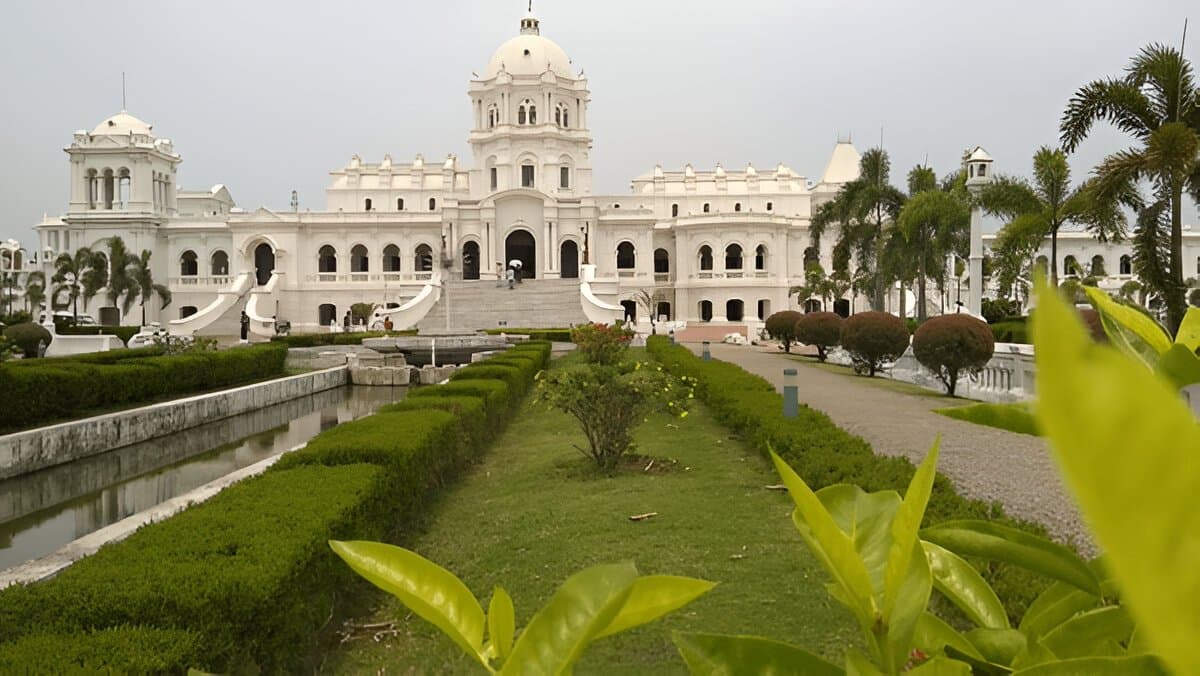
Overview of Ujjayanta Palace Ujjayanta Palace, standing proudly in the heart of Agartala, Tripura, is a stunning example of Indo-Saracenic architecture that showcases the region’s royal heritage. Built-in 1901 by Maharaja Radha Kishore Manikya, this magnificent palace spreads across 800 acres of majestic land filled with serene gardens and peaceful lakes. Today, as home to the Tripura State Museum, it houses an impressive collection of artifacts and royal memorabilia that tell fascinating stories of the past. Check out our North East Tour Packages to experience the palace’s grounds which feature musical fountains that come alive in the evenings, artificial lakes that reflect the grand building, and Mughal-style gardens that provide a peaceful escape. The white facade of the palace, with its distinctive domes and towers, stands as a testament to the architectural brilliance of its time. What are the Key Highlights of Ujjayanta Palace: Royal Architecture Experience: Marvel at the unique blend of Bengali, Muslim, and European architectural styles. The white palace with its domes and grand columns is great for perfect photography opportunities, especially during sunrise and sunset. Musical Fountain Magic: Experience the captivating evening fountain shows where colorful water dances to music. The show has become one of Agartala’s most loved evening attractions. Cultural Treasure House: Explore three floors of fascinating museum exhibits that bring Northeast India’s heritage to life. From tribal artifacts to royal treasures, each item tells a unique story of Tripura’s past. Manikya Dynasty Collection: Explore the private world of Tripura’s royal family through their personal belongings, rare photographs, and elegant furniture pieces. History comes alive through these well-preserved items. Timings & Entry Fees of Ujjayanta Palace: Open Tuesday to Sunday, 10:00 am to 6:00 pm (Closed on Mondays) Entry fee: INR 10 for Indians, INR 100 for foreigners Camera fee: INR 50 Museum entry: INR 20 per person Special guided tours available on weekends Travel Tips / Essential Information For Ujjayanta Palace: Weather-Perfect Timing: Visit between October and March for pleasant weather. Early mornings and late afternoons offer the best experience and perfect lighting for photos. Easy Transportation Access: Auto-rickshaws and taxis are readily available from the city center, charging fixed rates of INR 50-100. Book return trips in advance during peak tourist season. Photography Guidelines: Morning hours offer stunning shots of the palace facade. Evening fountain shows create magical video opportunities. Remember to pay the camera fee at the entrance. Local Guide Benefits: Hire official guides (INR 200-300) for fascinating stories about the palace. They know hidden spots and historical details that guidebooks miss. Food and Refreshments: Try local Tripuri snacks at nearby shops. The palace area has several affordable restaurants serving both local and Indian cuisine. Visitor Comfort Tips: Wear comfortable walking shoes as the palace complex is vast. Carry water bottles and umbrellas depending on the weather. Light cotton clothes are recommended during the summer months.Also Read – Places To Visit in North EastMust Checkout – Things To Do in North East

Read More

Shri Govindji Temple
May 30, 20253 Minutes
Shri Govindji Temple
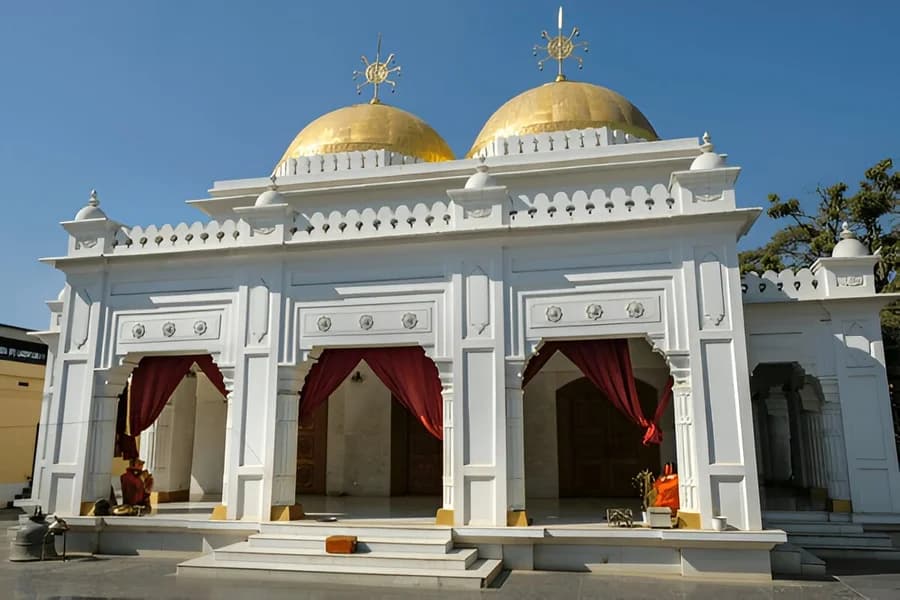
Overview of Shri Govindji Temple:Shri Govindji Temple, located in Imphal, Manipur, is one of the most revered Hindu temples in Northeast India. Dedicated to Lord Krishna, the temple holds immense spiritual and cultural significance. The temple’s peacefulness, along with its grand architecture, makes it a must-visit for devotees and travelers alike. The golden domes, carved pillars, and the idol of Lord Krishna exudes a divine aura that leaves visitors spellbound.Beyond its religious importance, Shri Govindji Temple is a major highlight of North East Tour packages. It attracts visitors with its daily aartis and bhajans that create a soulful experience. The temple premises also host vibrant festivals like Janmashtami and Holi, where devotees gather in large numbers to celebrate. What are the Key Highlights of Shri Govindji Temple:Mesmerizing Architecture: The temple’s golden domes and intricate carvings showcase traditional Manipuri craftsmanship at its finest.Divine Idol of Krishna: The beautifully adorned idol of Lord Govindji radiates peaceful and spiritual energy, and mesmerizes every visitor.Soulful Aartis: The morning and evening aartis fill the temple with divine chants and rhythmic bell sounds, creating an unforgettable experience.Festive Celebrations: The temple becomes a hub during Janmashtami and Holi, with colorful processions, devotional songs, and cultural performances.Lush Gardens: The well-maintained temple gardens provide a peaceful space for visitors to sit and reflect by being surrounded by nature.Local Devotion: Experience the deep-rooted faith of the local Manipuri community as they offer prayers and perform rituals with great devotion.Timings & Entry Fees of Shri Govindji Temple:Shri Govindji Temple is open daily from 5:00 am to 12:00 pm and 4:00 pm to 8:00 pm. Entry to the temple is free for all visitors. During major festivals, special darshan timings may apply due to increased footfall.Travel Tips / Essential Information For Shri Govindji Temple:Best Time to Visit: Early mornings and evenings offer the most peaceful experience, with fewer crowds and soothing aarti sessions.Footwear Policy: Shoes must be removed before entering the temple, so consider wearing easy-to-remove footwear.Dress Modestly: Wearing traditional or conservative clothing is recommended to show respect for the temple’s religious customs.Photography Rules: While the temple’s exterior can be photographed, inside photography is usually restricted. Always check with temple authorities before clicking pictures.Festival Rush: If visiting during Janmashtami or Holi, arrive early to secure a good spot as the temple gets extremely crowded.Local Markets: Explore the nearby Ima Keithel (Women’s Market) for unique handicrafts and local delicacies after your temple visit.Public Transport: Auto-rickshaws and taxis are the best modes of transport to reach the temple conveniently from any part of Imphal.Also Read – Places To Visit in North EastMust Checkout – Things To Do in North East

Read More

Kalimpong
May 30, 20253 Minutes
Kalimpong
Overview of Kalimpong: Kalimpong is a beautiful hill station nestled in the eastern Himalayas of West Bengal. Known for its mild climate, scenic landscapes, and rich cultural heritage, this town is perfect for a peaceful retreat. It sits at an altitude of 1,250 meters, offering breathtaking views of the Kanchenjunga range. One of Kalimpong’s main attractions is its Buddhist monasteries, such as Zang Dhok Palri Phodang, which houses rare Tibetan scriptures. The town is also famous for its flower nurseries, producing some of India’s best orchids and cacti. Colonial-era buildings, like Dr. Graham’s Home, add a touch of history to the place. If you want to explore this serene town, North East tour packages can make your trip easy and memorable. Kalimpong is also known for its local markets, where you can shop for traditional handicrafts, woollen clothes, and delicious Tibetan food. Whether you’re an adventure seeker, a nature lover, or enjoy a quiet getaway, Kalimpong has something for everyone. What are the Key Highlights of Kalimpong: Scenic Views: Offers stunning panoramas of Kanchenjunga and surrounding valleys. Monasteries: Home to several Buddhist monasteries, including Zang Dhok Palri Phodang. Flora and Fauna: Famous for flower nurseries with a variety of orchids and cacti. Colonial Architecture: Visit historic buildings like Dr. Graham’s Home. Local Markets: Explore shops selling Tibetan handicrafts, woollens, and local delicacies. Adventure Activities: Enjoy trekking, river rafting, and nature walks. Serene Environment: A perfect getaway for those looking for peace and relaxation. Timings & Entry Fees of Kalimpong: Timings: Kalimpong is open to visitors throughout the year. Specific attractions may have their timings. Entry Fees: Most places, like monasteries and viewpoints, are free to visit. Some attractions may charge a small entry fee. Travel Tips / Essential Information For Kalimpong: Best Time to Visit: The ideal time is March to May and September to December when the weather is pleasant. How to Reach: The nearest airport is Bagdogra Airport (about 75 km away), and the closest railway station is New Jalpaiguri (NJP). From there, you can take a taxi or a shared cab. Weather & Clothing: Winters (December-February) can be cold, so pack warm clothes. Summers are mild, and light woollens are enough. Local Transport: Taxis are the main mode of transport. Walking is also a great way to explore. Food & Drinks: Try local dishes like momos, thukpa, and traditional Tibetan bread at local eateries. Respect Local Culture: While visiting monasteries, maintain silence and dress modestly. Accommodation: Kalimpong offers various options, from budget guesthouses to luxury hotels. Kalimpong is a hidden paradise in the northeast, offering a mix of nature, history, and culture. Also Read – Places To Visit in North EastMust Checkout – Things To Do in North East

Read More

Cherrapunji
May 30, 20253 Minutes
Cherrapunji
Overview of Cherrapunji: Cherrapunji, also known as Sohra, is a breathtaking destination in Meghalaya. It is famous for its heavy rainfall and lush green landscapes. Located at an altitude of 1,484 meters, this town offers spectacular views of deep valleys, rolling hills, and cascading waterfalls. One of Cherrapunji’s biggest attractions is its living root bridges, formed by intertwining tree roots over decades. Another highlight is Nohkalikai Falls, India’s tallest plunge waterfall. Other attractions include Mawsmai Caves, Seven Sisters Falls, and Dainthlen Falls. If you’re planning a trip, North East tour packages can help you explore the best of Cherrapunji. Despite the frequent rains, Cherrapunji has a unique charm that attracts adventure seekers, photographers, and those looking to escape into nature. Whether you want to go trekking, explore hidden caves, or simply soak in the breathtaking scenery, Cherrapunji promises an unforgettable experience. What are the Key Highlights of Cherrapunji: Nohkalikai Falls: India’s tallest plunge waterfall with a stunning turquoise pool. Living Root Bridges: Unique natural bridges made from tree roots, a must-visit attraction. Mawsmai Caves: Limestone caves with fascinating stalactites and stalagmites. Seven Sisters Falls: A beautiful multi-tiered waterfall, best seen during the monsoon. Dainthlen Falls: A scenic waterfall surrounded by lush greenery. Laitlum Canyon: Offers breathtaking views of the surrounding valleys and hills. Weather: Cherrapunji receives rainfall almost all year round, making it a lush and green paradise. Timings & Entry Fees Cherrapunji: Timings: Cherrapunji can be visited throughout the year. Specific attractions may have their own timings. Entry Fees: Most waterfalls and caves have a nominal entry fee (₹10 – ₹50 per person). Travel Tips / Essential Information For Cherrapunji: Best Time to Visit: The best time is October to May, when the rain is lighter, and the views are clearer. The monsoon season (June to September) offers the most dramatic landscapes but comes with heavy rain. How to Reach: The nearest airport is Shillong Airport (about 80 km away), and the closest railway station is in Guwahati (about 150 km away). From there, you can hire a taxi. Weather & Clothing: Cherrapunji is cool and rainy, so pack raincoats, umbrellas, and waterproof shoes. Winters can be chilly, so carry warm clothes. Local Transport: Taxis are available for sightseeing, but walking is a great way to explore short distances. Food & Drinks: Try local Khasi cuisine, including Jadoh (rice and meat dish), Tungrymbai (fermented soybean), and Dohneiiong (pork curry). Respect Nature: Avoid littering and follow eco-tourism guidelines to preserve Cherrapunji’s natural beauty. Accommodation: Cherrapunji has homestays, budget lodges, and eco-resorts for different types of travelers. Cherrapunji is a natural wonder, offering everything from adventure to relaxation. If you’re looking to explore this rain-kissed paradise, North East tour packages will help you make the most of your journey.Also Read – Places To Visit in North EastMust Checkout – Things To Do in North East

Read More

Kullu
May 30, 20253 Minutes
Kullu
Overview of Kullu: Kullu, a beautiful town that comes just before Manali, is often called the “Valley of Gods.” With the mighty Beas River flowing through its heart and snow-capped peaks standing guard, this place feels like paradise on Earth. The valley comes alive with apple orchards, dense pine forests, and colorful meadows filled with wildflowers.Here are the best Himachal Pradesh tour packages. Kullu should be at the top of your list. The town perfectly is majority famous for adventure sports. From river rafting adventures to peaceful temple visits, Kullu offers something for everyone, making it a favorite among both families and adventure lovers. What are the Key Highlights of Kullu: Manikaran Hot Springs Magic: 42 km from Kullu, take a dip in these natural hot springs which are famous for their healing properties. Watch in wonder as locals cook rice in the boiling spring water. Perfect for those Instagram-worthy moments. Great Himalayan National Park Adventure: Explore this UNESCO World Heritage site filled with rare wildlife and stunning treks. Spot snow leopards and brown bears if you’re lucky. Best for nature lovers and photographers. Bijli Mahadev Temple Experience: Hike up to this ancient temple known for its unique lighting ritual. The 360-degree valley views from the top will leave you speechless. Rafting Thrill on Beas: Experience world-class white water rafting through gorgeous valley landscapes. Perfect for both beginners and experienced rafters. Kullu Dussehra Festival: Join the biggest cultural celebration where hundreds of local deities gather. Think colorful processions, folk music, and amazing local food. Best Time to Visit Kullu: The best time to visit Kullu is from March to June and September to November. Spring and summer offer pleasant weather for sightseeing and adventure sports, while autumn brings clear skies and vibrant landscapes. Avoid monsoons due to heavy rainfall, and winters are ideal for snow lovers and skiing enthusiasts. Travel Tips for Kullu: Best Time to Visit: Plan your trip between March to June or September to November. Avoid monsoon months (July-August) as landslides are common. Stay Smart: Book hotels in advance during the Dussehra festival (October-November). Local guesthouses offer better deals than fancy hotels. Transportation Tips: Take local HRTC buses for budget travel. Shared taxis are available from major spots. Rent a bike for more freedom to explore. Pack Right: Carry warm clothes even in summer as evenings get chilly. Don’t forget good walking shoes and rain protection. Local Food Must-tries: Don’t miss Siddu (local bread), trout fish, and apple products. Local dhabas serve better food than fancy restaurants. Shopping: Buy Kullu shawls directly from local weavers. Always bargain, but respectfully. Sunday market offers the best deals on local products. Safety First: Carry basic medicines, as medical shops are limited in remote areas. Keep emergency numbers handy, especially during treks. Also Read – Places To Visit in Himachal PradeshMust Checkout – Things To Do in Himachal Pradesh

Read More

Khasi Hills
May 30, 20254 Minutes
Khasi Hills
Overview of Khasi Hills The Khasi Hills are a part of the stunning Meghalaya region in Northeast India, offering some of the most breathtaking views and experiences you can imagine. The hills are lush with greenery, and the weather is perfect for those who enjoy cool and misty climates. Located between Shillong and Cherrapunji, Khasi Hills is home to a variety of famous tourist attractions, including the world-renowned Living Root Bridges and beautiful waterfalls like Nohkalikai Falls. If you’re planning a trip, North East tour packages can guide you through the wonders of Khasi Hills. Apart from the natural beauty, Khasi Hills is rich in culture and history. The Khasi tribe, with its deep-rooted traditions, lives in this region and plays an essential role in its appeal. Whether you’re trekking through the hills, exploring caves, or relaxing by the waterfalls, this place offers something for everyone. The serene environment and stunning landscapes make Khasi Hills a must-visit destination for anyone looking to experience the charm of Northeast India. What are the Key Highlights of Khasi Hills: Living Root Bridges – One of the most unique natural wonders, these bridges are created by the Khasi tribe using tree roots. The bridges are durable and can last for centuries, making them an important part of the local heritage. Nohkalikai Falls – A towering 340-meter waterfall, known for its breathtaking beauty, it’s one of the tallest in India. The falls are especially stunning during the monsoon season when the water flows with incredible force. Mawsmai Caves – A fascinating set of limestone caves located near Cherrapunji. These caves are filled with stalactites and stalagmite formations, making them a unique place to explore. Laitlum Canyon – A stunning viewpoint that offers panoramic views of the entire region. Ideal for trekking, this place lets you capture the essence of Meghalaya’s natural beauty. Mawphlang Sacred Forest – An ancient forest that is culturally important to the Khasi people. The forest is filled with centuries-old trees, and the local community believes it to be sacred. Cherrapunji & Mawsynram – Known as some of the wettest places on Earth, Cherrapunji and Mawsynram are famous for their monsoon rains and beautiful landscapes. Umiam Lake – A tranquil lake surrounded by rolling hills, perfect for boating, photography, and simply enjoying nature. Timings & Entry Fees of Khasi Hills: Timings: Most attractions in the Khasi Hills are open from 8:00 AM to 5:00 PM, although some may have different hours based on the season or weather conditions. Entry Fees: Entry fees for various attractions vary: for example, the Nohkalikai Falls costs around ₹50 per person, and visiting the Living Root Bridges might require a small local fee. Travel Tips & Essential Information For Khasi Hills: Best Time to Visit: The best time to visit the Khasi Hills is from October to April when the weather is mild and pleasant. The monsoon season (June to September) can be rainy, which might make travel difficult, but it’s also when the region’s waterfalls are at their most dramatic. How to Reach: Shillong is the closest city to the Khasi Hills, and you can reach it by road from Guwahati, the nearest major city. From Shillong, taxis or local buses are available to get to various spots in the Khasi Hills. What to Pack: Make sure to carry comfortable shoes for trekking and exploring, a light jacket or sweater, and rain gear, especially during the monsoon season. Stay Options: Shillong has many hotels ranging from budget to luxury, but you can also experience local hospitality by staying in homestays in nearby villages like Cherrapunji. Local Food: Try the local Khasi dishes like Jadoh (rice and meat), Tungrymbai (fermented soybeans), and Dohneiiong (pork cooked with black sesame seeds). Respect the Culture: The Khasi people have strong cultural values, and visitors are encouraged to respect the customs and traditions of the community. Adventure Activities: The Khasi Hills offer plenty of opportunities for outdoor activities such as trekking, caving, and boating. The Living Root Bridges are especially popular for adventurous visitors who enjoy exploring natural wonders. The Khasi Hills are a perfect mix of adventure, natural beauty, and culture. Whether you’re trekking through forests, exploring caves, or just soaking in the scenic views, this place has something unique for everyone. If you’re looking for a peaceful yet adventurous getaway in Northeast India, the Khasi Hills should be on your list.Also Read – Places To Visit in North EastMust Checkout – Things To Do in North East

Read More

Kufri
May 30, 20253 Minutes
Kufri
Overview of Kufri: Just 16 kilometers from Shimla, Kufri sits at 2,720 meters above sea level. This tiny hill station becomes a white wonderland in winter and a green paradise in summer. The name ‘Kufri’ comes from ‘kufr,’ meaning lake in the local language, though ironically, you won’t find any lakes here today! What you will find is a place that makes you feel like you’re walking in the clouds. When planning your Himachal Pradesh Tour Packages, Kufri should be your top pick for that perfect mountain escape. The place comes alive with tourists trying their hand at skiing in winter, families enjoying horse rides through green trails, and nature lovers spotting birds in the thick forests. The fresh mountain air, mixed with the smell of pine trees, makes you forget all about city life. What are the Key Highlights of Kufri: Winter Wonderland Experience: Try skiing on gentle slopes perfect for beginners. Instructors are always around to help, and equipment is readily available for rent. Best spot for your first snow adventure. Mahasu Peak Thrill: Trek or take a horse ride to this highest point in Kufri. Get amazing views of the Himalayas and snap photos that’ll make your social media followers jealous. Himalayan Nature Park Adventure: Visit this mini-zoo and spot rare animals like snow leopards and Himalayan bears. Perfect for wildlife photography and learning about mountain animals. Fun Zone Excitement: Enjoy yak rides, get dressed in traditional Himachali clothes for photos, and try local street food. Great spot for family memories. Horse Riding Trails: Take horse rides through. Even first-timers can enjoy this, with helpful guides leading the way. Best Time to Visit Kufri: Kufri is best visited from November to March for snowfall and winter sports like skiing and snowboarding. Summer, from April to June, offers pleasant weather and lush greenery, perfect for sightseeing and outdoor activities. Monsoon months are best avoided due to slippery roads and unpredictable weather. Travel Tips for Kufri: Weather Watch: Pack warm clothes year-round. Winters (November-February) are freezing with snow. Summers (March-June) are pleasant but carry light woolens. Stay Smart: Book hotels in advance during the snow season. Many budget hotels don’t show up online – call directly for better rates. Transportation Tips: Take shared taxis from Shimla for the best deals. Local buses are cheap but time-consuming. Hire a private taxi if traveling with family. Money Matters: Carry cash as ATMs are limited. Most small shops don’t accept cards. Bargain for horse rides and souvenirs. Food Guide: Try local Maggi points for amazing views with cheap food. Small roadside shops serve better parathas than fancy restaurants. Activity Planning: Book skiing sessions early in the morning for better snow. Horse rides are cheaper after 4 pm. Health Tips: Carry basic medicines for altitude sickness. Drink plenty of water even if you don’t feel thirsty. Also Read – Places To Visit in Himachal PradeshMust Checkout – Things To Do in Himachal Pradesh

Read More

Ziro Valley
May 30, 20254 Minutes
Ziro Valley
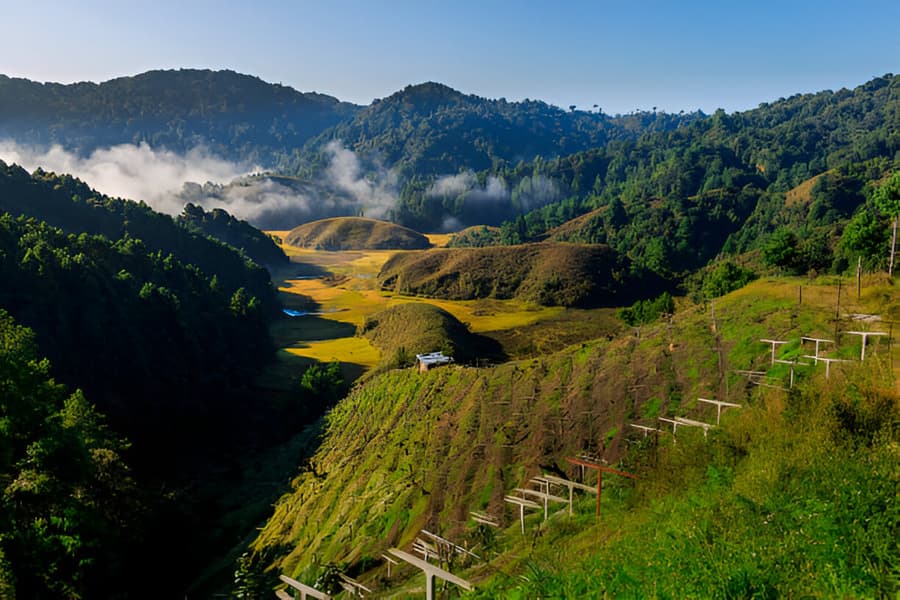
Overview of Ziro Valley: Nestled in the northeastern corner of Arunachal Pradesh, Ziro Valley is one of the most picturesque and peaceful places in India. Known for its breathtaking landscapes, the valley is dotted with rice fields, pine forests, and rolling hills that create a perfect setting for nature lovers. The valley is home to the Apatani tribe, a unique community known for its distinctive culture and practices. Ziro is also famous for its pleasant climate and scenic beauty, making it a great escape from the hustle and bustle of city life. For an unforgettable experience, check out North East tour packages that take you to this wonderful place. If you’re looking for an offbeat destination that offers peace, beauty, and a glimpse into local culture, Ziro Valley should be at the top of your list. The region also hosts the Ziro Festival of Music, which attracts music lovers from all over the country. Whether you’re into hiking, culture, or simply enjoying nature, Ziro Valley offers something for everyone. What are the Key Highlights of Ziro Valley: Rice Fields – The terraced rice fields in Ziro Valley are a sight to behold. The lush greenery and pristine environment create a stunning visual that makes for great photographs. Apatani Tribal Villages – Ziro is home to the Apatani tribe, known for their unique cultural practices, including facial tattoos and nose plugs. Visiting their villages gives you an insight into their rich heritage and way of life. Ziro Festival of Music – Held annually, the Ziro Festival of Music is a major attraction, bringing together music lovers and artists from across India. It’s one of the most popular music festivals in the Northeast. Hong Village – A beautiful village in Ziro known for its traditional houses, rich culture, and warm hospitality. It’s a great place to experience local traditions. Pine Forests – Ziro Valley is surrounded by vast pine forests, which are perfect for short treks and walks, offering peaceful surroundings and cool air. Kile Pakho Viewpoint – A hilltop viewpoint offering panoramic views of the valley, rice fields, and the surrounding hills. It’s a perfect spot for nature lovers and photographers. Timings & Entry Fees of Ziro Valley: Ziro Valley is open throughout the year, but the best time to visit is from March to October when the weather is pleasant. There is no specific entry fee for the valley itself, but certain tourist spots like the villages or the Ziro Festival may have a small entry charge. Travel Tips & Essential Information Ziro Valley: Best Time to Visit: The ideal time to visit Ziro Valley is from March to October when the weather is pleasant. The months from November to February can get cold, especially in the evenings. How to Reach: Ziro is well-connected by road from Itanagar, the capital of Arunachal Pradesh. The nearest airport is in Tezpur, Assam, and the nearest railway station is Naharlagun, which is about 100 km away. From there, you can hire a taxi or take a bus to reach Ziro. Where to Stay: There are several options for staying in Ziro, ranging from guesthouses to homestays, giving visitors a chance to experience local hospitality. What to Pack: Make sure to carry comfortable shoes for trekking, warm clothes (especially in the winter), and a rain jacket if you’re visiting during the monsoon. Respect the Local Culture: The Apatani people have strong cultural traditions. Be respectful of their customs, and always ask permission before taking photos of locals. Local Food: Don’t miss out on trying the local cuisine, such as thukpa (noodle soup), apong (rice beer), and meat dishes prepared with local herbs and spices. Connectivity: Ziro is relatively remote, and internet connectivity may be limited in some areas, so it’s a good idea to disconnect and enjoy the peaceful surroundings. Adventure Activities: If you enjoy trekking, Ziro Valley offers some beautiful trails, including hikes to nearby hills and viewpoints. The region is also great for birdwatching and photography, with its rich flora and fauna. Ziro Valley offers a perfect blend of natural beauty, culture, and adventure. It’s a wonderful destination for anyone looking to experience the tranquillity of Northeast India and immerse themselves in the traditions of the Apatani tribe. Whether you’re trekking through its stunning landscapes or attending the Ziro Festival, there’s always something unique waiting for you here.Also Checkout: Things To Do in North EastMust Read: Places To Visit in North East

Read More

Nuranang Falls
May 30, 20254 Minutes
Nuranang Falls
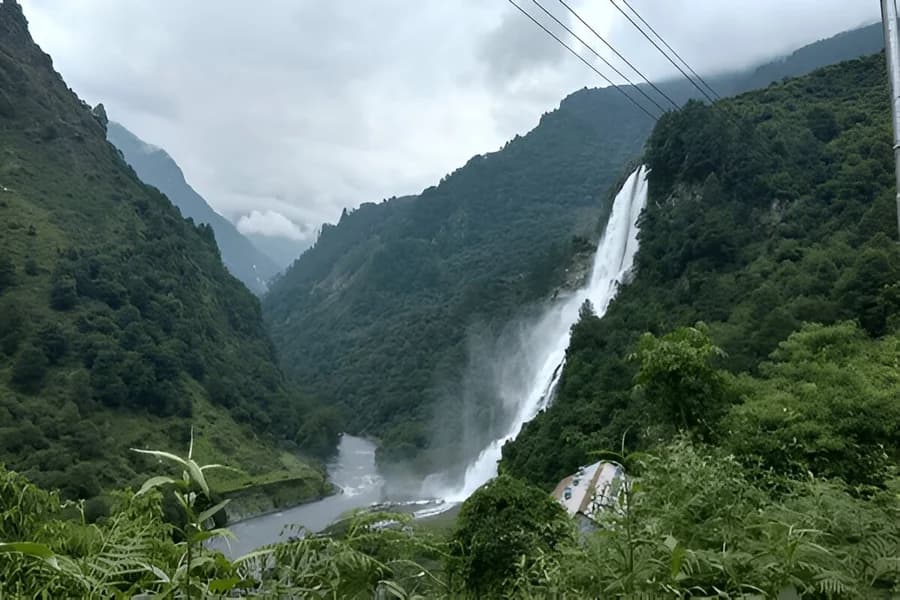
Overview of Nuranang Falls: Nuranang Falls, also known as Jang Falls, is one of the most beautiful waterfalls in Arunachal Pradesh, situated about 40 km from Tawang. This stunning waterfall cascades from a height of 100 meters, creating a mesmerizing view. The falls are surrounded by lush green forests, making it a perfect spot for nature lovers and photographers alike. The water plunges with great force, creating a thunderous sound that echoes through the valley, making it a truly awe-inspiring sight. So, you can explore North East tour packages to experience this hidden gem on your next trip to the Northeast. Located in the picturesque Jang village, the falls are easily accessible by road, and the journey itself is a treat, as it takes you through beautiful landscapes, including dense forests and mountain views. The best time to visit Nuranang Falls is during the monsoon season, when the waterfall is in its full glory, with water roaring down the cliffs. Whether you’re a nature enthusiast or someone looking for peace, Nuranang Falls is an ideal destination to experience the beauty of Northeast India. What are the Key Highlights of Nuranang Falls: Scenic Beauty – The falls are surrounded by lush green forests and offer stunning views of the mountain landscape, making it an ideal spot for photography and nature walks. Thunderous Waterfall – Nuranang Falls is known for its powerful flow of water that cascades down from a height of 100 meters, creating a dramatic and awe-inspiring sight. Peaceful Environment – The area around the falls is peaceful and serene, providing an escape from the hustle and bustle of city life. It’s a perfect spot to relax and connect with nature. Accessibility – The falls are easily accessible by road, and the journey to the location is scenic, taking you through beautiful forests and valleys, and enhancing the overall experience. Ideal for Trekking – The region around the falls is perfect for trekking and nature walks, with several trails offering stunning views of the surrounding landscape. Timings & Entry Fees of Nuranang Falls: Timings: Nuranang Falls is open throughout the year, and the best time to visit is during the monsoon season when the waterfall is at its most powerful. Entry Fees: There is no entry fee for visiting the falls. However, you may need to pay a small fee for photography in certain areas. Travel Tips & Essential Information For Nuranang Falls: Best Time to Visit: The best time to visit Nuranang Falls is from May to October, especially during the monsoon season when the falls are at their peak. How to Reach: The nearest town to Nuranang Falls is Tawang, about 40 km away. You can take a taxi or hire a local driver to reach the falls. The route to the falls is well-maintained, but it may be a bit slippery during the monsoon, so take caution while driving. What to Pack: Carry comfortable trekking shoes, a raincoat, and a camera to capture the scenic views. If visiting during the monsoon, it’s a good idea to bring waterproof clothing. Stay Nearby: While Tawang offers several accommodation options, you can also find basic guesthouses and homestays near the falls for a more rustic experience. Connectivity: Internet connectivity can be limited in the region, so it’s best to disconnect and enjoy the natural surroundings without distractions. Photography: The falls and the surrounding area are perfect for photography. However, always be cautious near the water and follow safety guidelines. Respect Nature: The region around the falls is pristine, so make sure to leave no litter behind and respect the local environment. Nuranang Falls is a true hidden gem in the heart of Arunachal Pradesh. Its natural beauty and peaceful environment make it a perfect destination for anyone looking to experience the serene beauty of Northeast India. Whether you are visiting for a relaxing getaway or an adventure-filled trek, Nuranang Falls is a place you will not forget.Also Read– Places To Visit in North EastMust Checkout– Things To do in North East

Read More

Sandakphu Peak
May 30, 20253 Minutes
Sandakphu Peak
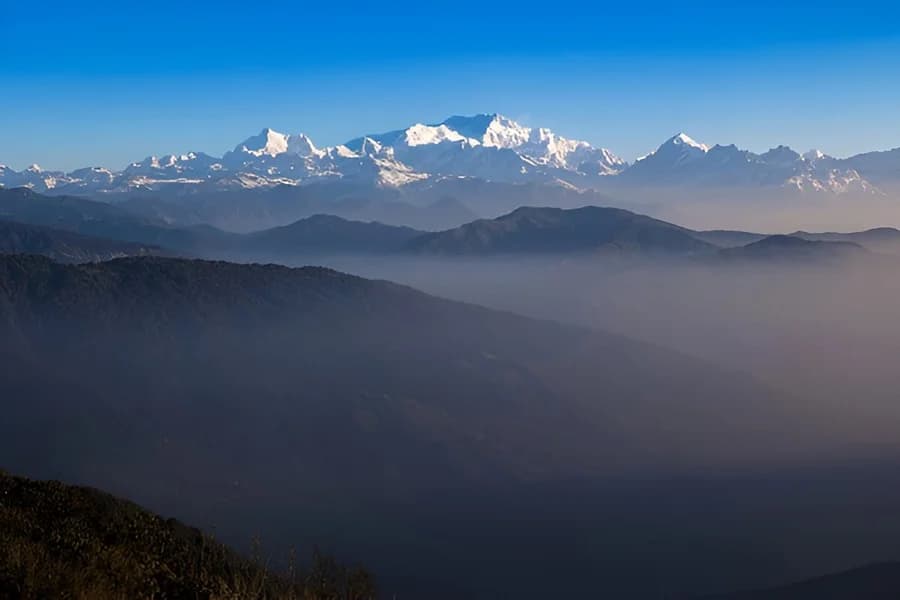
Overview of Sandakphu Peak: Sandakphu, standing at 3,636 meters (11,941 feet), is the highest peak in West Bengal and a favourite spot for trekkers. It lies in Singalila National Park, right on the Indo-Nepal border. The best part? You get to see four of the world’s five highest mountains—Mount Everest, Kanchenjunga, Lhotse, and Makalu—all in one place! If you’re planning a trip, North East tour packages can help you explore this stunning peak. The trek to Sandakphu is an adventure through dense forests, rhododendron-filled valleys, and remote mountain villages. It takes around 4-5 days and offers some of the most stunning landscapes in the Himalayas. One of the highlights is the Sleeping Buddha formation, where the Kanchenjunga range looks like a reclining Buddha. For those who prefer an easier route, a Land Rover ride from Manebhanjan provides an alternative way to reach the top. Whether you’re trekking or driving, Sandakphu’s beauty and peaceful surroundings make it a must-visit for every mountain lover. What are the Key Highlights of Sandakphu Peak: Tallest Peak in West Bengal – Standing at 3,636 meters, it offers the best Himalayan views in the region. Breathtaking Mountain Views – See Mount Everest, Kanchenjunga, Lhotse, and Makalu from a single viewpoint. The Sleeping Buddha Formation – The Kanchenjunga range appears like a reclining Buddha, a unique sight. Popular Trekking Destination – A 4-5 day trek through forests, meadows, and high-altitude villages. Rare Flora and Fauna – Home to rhododendrons, orchids, red pandas, and Himalayan black bears. Land Rover Ride Option – If trekking isn’t your choice, take a vintage 4×4 Land Rover ride from Manebhanjan. Singalila National Park – Experience the beauty of this protected Himalayan ecosystem. Unforgettable Sunrises and Sunsets – The golden hues of the Himalayan peaks at dawn and dusk are mesmerizing. Timings & Entry Fees of Sandakphu Peak: Timings: Sandakphu is open throughout the year, but the best seasons are March-May (for flowers) and October-December (for clear views). Entry Fees: There is no entry fee, but visitors need a Singalila National Park permit, which costs INR 100 per person (Indians) and INR 200 (foreigners). Travel Tips & Essential Information of Sandakphu Peak: Best Time to Visit: March-May (spring blooms) and October-December (clear mountain views). How to Reach: Start from Manebhanjan, accessible from Darjeeling (26 km) and Siliguri (90 km). Trek Duration: 4-5 days (round trip), covering 32 km with homestay stops. Permit Requirement: Get a Singalila National Park permit at Manebhanjan before trekking. Accommodation: Simple homestays and trekkers’ huts are available along the route. What to Pack: Warm clothes, trekking shoes, rain gear, flashlight, and first-aid kit. Mobile Connectivity: Weak network—inform family before starting the trek. Fitness Level: The trek requires moderate fitness, so prepare with regular walks and cardio. Sandakphu is an unforgettable journey into the heart of the Himalayas, perfect for those who love adventure and stunning landscapesAlso Read – Places To Visit in North EastMust Checkout – Things To Do in North East

Read More

Chitkul
May 30, 20253 Minutes
Chitkul
Overview of Chitkul: In the Kinnaur district of Himachal Pradesh, Chitkul is a village known as the last inhabited village near the Indo-Tibetan border. Sitting at an altitude of 3,450 meters, this hamlet offers a mesmerizing mix of natural beauty, serene vibes, and traditional Himachali culture. Its wooden houses, apple orchards, and the Baspa River make it a dream destination for nature lovers and photography enthusiasts. Chitkul’s history is as fascinating as its scenery. The village lies on the ancient trade route to Tibet, once bustling with traders carrying salt and wool. Even today, you can spot the age-old fort in Kamru, believed to have protected the valley for centuries. Interestingly, Chitkul is also known for its high-quality potatoes, exported globally. With its charm and unique location, Chitkul has become a highlight in many Himachal Pradesh tour packages, attracting travelers seeking untouched natural beauty. What are the Key Highlights of Chitkul: Breathtaking Baspa Valley Views: The village offers spectacular views of the Baspa River meandering through lush green meadows and snow-capped peaks. Chitkul Mata Temple: This centuries-old temple dedicated to the local deity is a significant cultural and spiritual landmark. Wooden Houses and Architecture: The charming wooden homes with slate roofs reflect traditional Himachali craftsmanship. Hiking Trails: Scenic trails like the one leading to Ranikanda Meadows are perfect for trekking and exploring untouched wilderness. Unique Potatoes: Chitkul’s potatoes, known for their rich flavor, are a culinary specialty exported to various parts of the world. Gateway to Tibet: The last point accessible to civilians on the Indo-Tibetan border offers a unique geographical experience. Starry Skies: With minimal light pollution, Chitkul is also one of the best destinations for stargazing enthusiasts. Best Time to Visit Chitkul: Chitkul is beautiful all year-round but is best visited between March and October. Located about 28 km from Sangla, Chitkul can be reached via a road trip. Travel Tips for Chitkul: Pack Warm Clothing: Even in summer, the temperatures in Chitkul can drop significantly, especially at night. Limited Connectivity: Mobile networks are not so good, so be prepared to disconnect and enjoy nature. Cash Over Cards: ATMs are rare, so carry sufficient cash for your trip. Seasonal Roads: The roads to Chitkul may close during heavy snowfall in winter. Check local updates before planning your trip. Stay Options: While limited, homestays and small guesthouses offer a cozy and authentic Himachali experience. Permits: No special permits are required to visit Chitkul, but always carry your ID for security checks near the border. Food Choices: The village offers simple but hearty meals, often featuring local ingredients like fresh vegetables and trout. Eco-Friendly Practices: Help maintain Chitkul’s pristine environment by avoiding littering and respecting local customs. Travel Light: Narrow roads and limited vehicle parking make it easier to travel with minimal luggage. Expect off-roading, and try to reach before sunset otherwise it gets difficult to drive or ride. Also Read – Places To Visit in Himachal PradeshMust Checkout – Things To Do in Himachal Pradesh

Read More

Jibhi
May 30, 20253 Minutes
Jibhi
Overview of Jibhi: Jibhi is a peaceful village in Himachal Pradesh’s Tirthan Valley, and it is famous for its calm atmosphere. Surrounded by lush green forests, rivers, and charming wooden houses, Jibhi is way more peaceful if you compare it with Manali or Kasol. Often called the “Mini Switzerland of India,” this small village is perfect for relaxing, exploring, or enjoying the simple joys of nature. To make your trip easier, you can check out Himachal Pradesh tour packages for great deals. What makes Jibhi special is its mix of nature and history. The famous Chaini Kothi, a tall ancient tower made of wood and stone, is a must-visit spot. It’s said to be hundreds of years old and offers a glimpse into the past. Jibhi is also popular for treks, eco-friendly stays, and tasty local food. What are the Key Highlights of Jibhi: Chaini Kothi’s Tower: A centuries-old wooden tower with a unique design, offering amazing views of the valley. Jibhi Waterfall: A beautiful waterfall hidden in the forest, perfect for a peaceful outing or a quick dip in the freshwater. Tirthan River Fishing: Try trout fishing in the clean and clear waters of this Himalayan river. Trek to Serolsar Lake: A fun and easy trek that leads to a crystal-clear lake surrounded by green forests. Himalayan Birdwatching: Spot rare birds in their natural home, making it a great place for bird lovers. Local Homestays: Stay in cozy wooden houses, meet friendly locals, and enjoy homemade Himachali food. Eco-Tourism Activities: Participate in eco-friendly tours that promote nature conservation while letting you enjoy the best of Jibhi. Camping Adventures: Spend a night under the stars at campsites with bonfires and incredible views. Best Time to Visit Jibhi: Jibhi is best to visit between March to June and September to November. Perfect for exploring lush forests, waterfalls, and treks. Winter (December–February) transforms Jibhi into a snowy paradise for snow lovers. Jibhi, Tirthan Valley is easily reachable by road from Delhi or Chandigarh. Travel Tips for Jibhi: Best Time to Visit: Visit during spring (March to June) or autumn (September to November) for pleasant weather. Pack Smart: Carry warm clothes, even in summer, as the evenings can get chilly. Carry Cash: ATMs are available in the main market only, so bring enough cash for local expenses. Respect Nature: Avoid littering and use eco-friendly products to help preserve the beauty of Jibhi. Local Transport: Public transport options are limited, so hire a taxi or drive your own vehicle for convenience. Stay Options: Choose homestays for an authentic experience, as they offer great hospitality and homemade food. Trekking Gear: Wear comfortable trekking shoes, and pack essentials like water, sunscreen, and a raincoat for treks. Food Choices: Don’t miss trying local Himachali dishes like siddu and trout fish, which are popular in the region. Photography Spots: Bring your camera to capture Jibhi’s scenic beauty, especially around the waterfall and Chaini Kothi. Safety First: The roads can be narrow and steep, so drive carefully and avoid traveling at night. Also Read – Places To Visit in Himachal PradeshMust Checkout – Things To Do in Himachal Pradesh

Read More

Gorichen Peak
May 30, 20254 Minutes
Gorichen Peak
Overview of Gorichen Peak: Gorichen Peak, standing tall at 6,488 meters (21,286 feet), is the highest mountain in Arunachal Pradesh and one of the most stunning peaks in the Eastern Himalayas. Located in the Tawang district, this mountain is a part of the Himalayan range and is considered sacred by the Monpa tribe, who believe it serves as a protector of the region. The peak is not only a religious symbol but also a major attraction for adventure seekers and nature lovers. For those planning to explore the Northeast, North East tour packages often include Gorichen Peak as a part of their itinerary. So, if you’re an adventure enthusiast or a nature lover, this majestic mountain should be on your travel bucket list! Reaching Gorichen Peak is an experience in itself. The rugged landscapes, deep valleys, and untouched natural beauty make the journey to this peak truly rewarding. Even for those who do not trek, simply witnessing the peak from a distance, especially at sunrise or sunset, is a breathtaking sight. The best time to visit Gorichen is between April and October, when the skies are clear, and the weather is favourable for exploration. What are the Key Highlights of Gorichen Peak: Tallest Peak in Arunachal Pradesh – At 6,488 meters, it is the highest mountain in the state, making it a favourite among climbers and nature lovers. Sacred to the Monpa Tribe – Locals consider Gorichen Peak a guardian deity that protects them from evil forces. Adventure Trekking – A thrilling yet challenging trek, suitable for experienced mountaineers and adventure seekers. Breathtaking Views – Offers panoramic views of the Eastern Himalayan range, making it an ideal destination for photographers. Diverse Flora and Fauna – The trekking route is home to unique Himalayan plants, rare orchids, and wildlife such as Himalayan black bears and red pandas. Best Visiting Season – The best time to visit is April to October, as winter months bring heavy snowfall, making the trek difficult. Proximity to Tawang – Located about 164 km from Tawang, one of Arunachal Pradesh’s most famous tourist destinations. Photographer’s Paradise – The snow-covered peaks, lush green valleys, and clear blue skies make it one of the most photogenic spots in the Northeast. Timings & Entry Fees of Gorichen Peak: Timings: The best time for trekking is during daylight hours. Hiring a guide is highly recommended due to the challenging terrain. Entry Fees: There are no specific entry fees for visiting Gorichen Peak, as it is a natural landmark. However, if you plan to trek or climb, you may need a special permit from local authorities in Arunachal Pradesh. Travel Tips / Essential Information For Gorichen Peak: Permit Requirement – Tourists need an Inner Line Permit (ILP) to enter Arunachal Pradesh, which can be obtained online or from designated offices. Trekking Difficulty – The trek is moderate to difficult, requiring good physical fitness and prior trekking experience. Weather Conditions – The temperature can drop below freezing at higher altitudes, even in summer, so carrying warm clothes is essential. Best Time to Visit – April to October offers the best trekking conditions, with clear skies and pleasant temperatures. Guided Tours – Hiring a local guide is advisable for navigation, safety, and a better understanding of the region’s culture and history. Altitude Sickness – Due to the high altitude, acclimatization is necessary to avoid dizziness or breathing difficulties. Nearest Town – The closest major town is Tawang, located about 164 km away, where you can find accommodation and food options. Essentials to Carry – Trekking boots, layered clothing, energy bars, first-aid kits, and essential medicines are necessary for a comfortable journey. No ATMs or Network – Mobile connectivity is weak, and ATMs are limited, so it’s best to carry enough cash and offline maps for navigation. Gorichen Peak is more than just a trekking destination—it’s an experience of untouched natural beauty, adventure, and spirituality. The views of the snow-capped mountains, lush green meadows, and deep valleys make it one of the most spectacular places in Northeast India. Whether you want to challenge yourself with a trek, immerse in the local Monpa culture, or simply admire the Himalayan grandeur, Gorichen Peak offers something for every traveller.Also Read – Places To Visit in North EastMust Checkout – Things To Do in North East

Read More

Sikkim
May 30, 20253 Minutes
Sikkim
Overview of Sikkim: In the Eastern Himalayas, Sikkim is India’s one of the smallest states but brims with unmatched beauty, cultural richness, and warm hospitality. Known for its snow-clad mountains, lush valleys, and monasteries, this paradise attracts travelers from all walks of life. Gangtok, the capital, is the main highlight that offers a serene yet lively atmosphere. An interesting fact about Sikkim is that it became India’s 22nd state in 1975, transitioning from being a Himalayan kingdom. If you’re planning to explore this gem, consider checking out our North East Tour packages to make your journey seamless and enriching. This state is also home to Kanchenjunga, the third-highest mountain in the world, considered sacred by locals. Another fascinating element is that Sikkim is India’s first fully organic state, setting an example for sustainable living. What are the Key Highlights of Sikkim: Mesmerizing Mountain Views: Witness the majestic Kanchenjunga peak, especially during sunrise, from spots like Pelling and Tashi Viewpoint. Spiritual Monasteries: Visit Rumtek and Pemayangtse monasteries, where the serene chants and intricate murals transport you to a world of peace. Lakes: Tsomgo Lake and Gurudongmar Lake offer surreal landscapes surrounded by snow-clad mountains. Flower Heaven: The Yumthang Valley, also called the “Valley of Flowers,” blooms with rhododendrons and other rare flora in spring. Adventure Hub: Sikkim is a hotspot for trekking, paragliding, and river rafting, attracting thrill-seekers from across the country. Breathtaking Roads: Drive along the winding routes of Nathula Pass, which was once part of the ancient Silk Route. Best Time to Visit Sikkim: Sikkim has a unique thing to offer in every season. Spring (March–May) brings blooming rhododendrons, while summer (June–August) offers lush greenery. Autumn (September–November) provides clear mountain views, and winter (December–February) transforms Sikkim into a snow world, perfect for snowfall lovers. For Nathula Pass, permits are required and can be arranged through local tour operators. Travel Tips for Sikkim: Carry Permits: Many attractions, like Nathula Pass and Gurudongmar Lake, require special permits. Ensure to arrange them in advance. Pack for the Weather: Sikkim’s weather can be unpredictable. Carry warm clothes, sturdy shoes, and rain gear regardless of the season. Cash is King: While major towns like Gangtok have ATMs, remote areas often lack such facilities. Keep sufficient cash for your journey. Altitude Readiness: Some areas, like Gurudongmar Lake, are at high altitudes. Acclimatize properly and carry basic medicines to avoid altitude sickness. Local Cuisine: Don’t miss momos, thukpa, and fermented drinks like chaang for an authentic culinary experience. Eco-Friendly Travel: Sikkim emphasizes sustainability. Avoid littering and use reusable bottles and bags during your visit. Connectivity: Internet services can be patchy in remote areas. Inform family and friends beforehand about limited communication. Book Early: Sikkim sees high tourist footfall during peak seasons. Book accommodations and permits early to avoid last-minute hassles. Respect Local Customs: While visiting monasteries, dress modestly and avoid disturbing ongoing prayers or rituals. Also Read – Places To Visit in North EastMust Checkout – Things To Do in North East

Read More

Melbourne
May 30, 20253 Minutes
Melbourne
Overview of Melbourne Melbourne, located in southeastern Australia, is a city known for its lively atmosphere and mix of modern and historic charm. It’s a hub for culture, art, and dining, making it a top spot for tourists. The city is home to many art galleries, theatres, and music venues. Melbourne’s weather can be unpredictable, often experiencing all four seasons in one day, which adds to its charm. With Australia tour packages, you can experience all of Melbourne’s best attractions and hidden gems. From strolling along the Yarra River to visiting the beautiful Royal Botanic Gardens, there’s so much to see. The city is also famous for its café culture and diverse food scene, which makes it a paradise for food lovers. If you’re seeking adventure, Melbourne is the starting point to visit attractions like the Great Ocean Road and Phillip Island. What are the Key Highlights of Melbourne Federation Square – A must-visit iconic landmark offering galleries, restaurants, and events. Royal Botanic Gardens – A peaceful escape with beautifully manicured gardens and serene lakes. National Gallery of Victoria – One of Australia’s most important art museums, showcasing a mix of international and local art. Flinders Street Station – Melbourne’s historic train station, a symbol of the city. Queen Victoria Market – An open-air market offering fresh food, local goods, and souvenirs. Great Ocean Road – A scenic drive featuring rugged coastlines, stunning beaches, and landmarks like the Twelve Apostles. Phillip Island – It is famous for its penguin parade, where you can watch little penguins waddle back to their burrows at sunset. Activities Explore the vibrant laneways, filled with street art, shops, and cafés. Take a tram ride around the city to get a feel for Melbourne’s unique neighbourhoods. Attend a live sports event, such as an Australian Rules Football match or the Melbourne Cup. Best Time to Visit Melbourne The best time to visit Melbourne is during the spring (September to November) and autumn (March to May) months. The weather is mild, with fewer chances of extreme heat or rain. However, if you love festivals and events, Melbourne’s summer months (December to February) are also a great option. Travel Tips / Essential Information Melbourne How to Reach Melbourne:Melbourne is easily accessible via air, with the Melbourne Airport (Tullamarine) serving as the main international and domestic hub. It connects well to major cities around the world and has multiple daily flights. Trains, buses, and taxis are also available from the airport to the city centre. Transportation in Melbourne:Melbourne has an excellent public transport system consisting of trams, buses, and trains, making it easy to get around. You can use a Myki card to pay for public transport. Walking is also a great way to explore the city, especially in the central areas. Currency:The currency used in Melbourne is the Australian Dollar (AUD). Credit cards are widely accepted, but it’s advisable to carry some cash for small purchases. Safety:Melbourne is generally considered safe, but it’s always a good idea to stay aware of your surroundings, especially in busy tourist areas. Keep an eye on your belongings to avoid pickpocketing. Also Read – Places To Visit in AustraliaMust Read – Things To Do in Australia

Read More

Sydney
May 30, 20253 Minutes
Sydney
Sydney, the capital of New South Wales, is one of Australia’s most iconic cities and a top destination for travellers. If you’re planning to explore this fantastic destination, Australia tour packages can give you the best experience of Sydney’s charm and excitement. Located on the east coast, it offers a perfect blend of natural beauty, cultural experiences, and vibrant city life. The city is renowned for its stunning harbour, with the Sydney Opera House and Sydney Harbour Bridge standing out as must-see landmarks. Known for its sunny climate, beautiful beaches like Bondi and Manly, and thriving arts scene, Sydney offers a unique mix of relaxation and adventure. Whether you’re interested in soaking up the sun, exploring history, or enjoying world-class food and shopping, Sydney has something for everyone. Thanks to its blend of modern architecture and nature, Sydney is considered one of the most beautiful cities in the world. What are the Key Highlights of Sydney Sydney Opera House: The iconic sail-like design of this world-famous landmark makes it one of the most recognized structures globally. Attend a performance or simply admire it from the water. Sydney Harbour Bridge: Known as the “Coathanger,” this bridge offers panoramic views of the harbour and city. For an unforgettable experience, try the BridgeClimb to the top. Bondi Beach: A popular beach for locals and tourists, Bondi is ideal for surfing, sunbathing, or walking along the Bondi to Coogee coastal walk. Royal Botanic Garden: Located near the Opera House, this lush garden provides a peaceful escape with beautiful views of the harbour and excellent picnic spots. Darling Harbour: A lively area with shopping, dining, and attractions like the SEA LIFE Sydney Aquarium and the Australian National Maritime Museum. The Rocks: Explore this historic area of Sydney with cobblestone streets, markets, and fascinating museums that tell the story of Sydney’s past. Taronga Zoo: Located on the harbour, this zoo provides stunning views of the city and is home to a wide variety of animals from around the world. Best Time to Visit Sydney: Sydney enjoys a temperate climate, making it a year-round destination. However, the best time to visit is from September to November (spring) or from March to May (autumn), as the weather is mild and pleasant. December to February is summer, with warmer temperatures and more tourists. Travel Tips / Essential Information For Sydney: How to Reach: Sydney is well connected by air with the Sydney Kingsford Smith International Airport, which has direct flights from major cities worldwide. From the airport, you can take a train or taxi to reach the city centre. Getting Around: Sydney has an efficient public transport system, including trains, buses, and ferries. You can use an Opal card to travel around the city easily. Accommodation: Sydney offers a wide range of accommodation options, from luxury hotels near the Opera House to budget-friendly hostels. It’s best to book in advance, especially during peak tourist seasons. Currency: The official currency is the Australian Dollar (AUD). Credit cards are widely accepted, but it’s good to have some cash on hand, particularly for smaller shops. Language: English is the official language. Locals are friendly, and communication is easy for English-speaking travellers. Safety: Sydney is a safe city, but like any major urban area, it’s important to stay aware of your surroundings, especially in crowded places. Exploring Sydney with Australia tour packages will ensure you get to see the best of this beautiful city, combining its iconic landmarks, relaxing beaches, and rich culture. Whether you’re travelling solo, as a couple, or with family, Sydney offers an unforgettable experience.Also Read – Places To Visit in AustraliaMust Read – Things To Do in Australia

Read More

Loktak Lake
May 30, 20253 Minutes
Loktak Lake
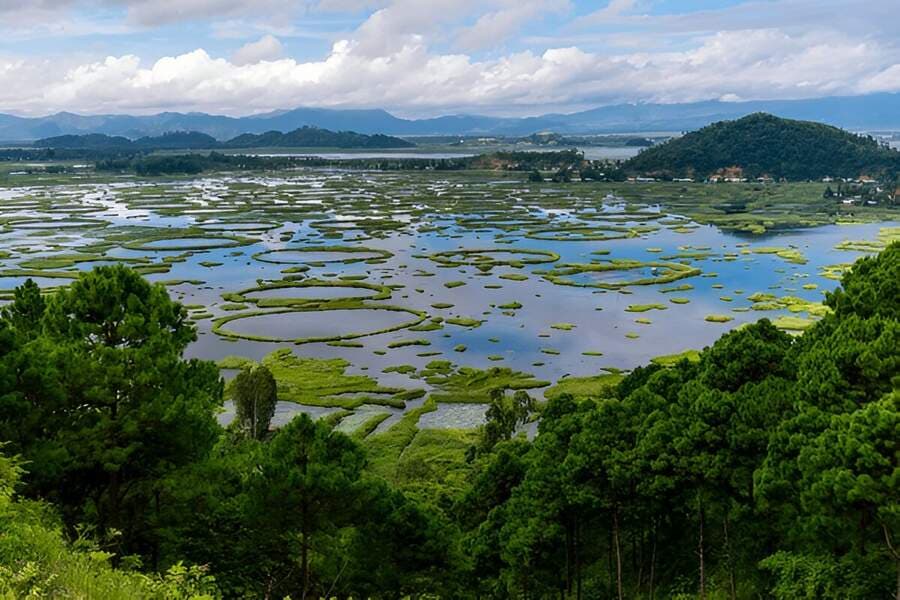
Overview of Loktak Lake: Loktak Lake is one of the most unique places I’ve ever visited. Located in Manipur, it’s known for its floating islands called “phumdis,” which are made up of vegetation and soil. These islands float on the surface of the lake, making it look almost magical. North East tour packages can help you plan a visit, and trust me, it’ll be worth it. The lake itself is huge, surrounded by beautiful green hills and forests, giving it a very peaceful vibe. It’s a perfect place to relax and enjoy nature. But it’s not just about the beauty, Loktak Lake is really important to the local people. They rely on it for fishing and water, and it’s home to some rare wildlife, including the Sangai deer. If you’re travelling in Northeast India, you shouldn’t miss Loktak Lake. It’s one of those places that makes you feel like you’ve discovered something special. What are the Key Highlights of Loktak Lake? Floating Islands: These islands, called phumdis, are made from vegetation and float on the water. Scenic Beauty: The lake is surrounded by green hills, which makes it a great spot for a peaceful getaway. Wildlife: The lake is home to the Sangai deer and other animals and birds. Fishing Villages: The people living around the lake depend on it for fishing. Boating: You can take a boat ride on the lake to see the floating islands and enjoy the view. Timings & Entry Fees of Loktak Lake: 1. Timings: Loktak Lake is open from 8:00 AM to 5:00 PM every day.2. Entry Fees: ₹20 per person, and ₹50 for vehicles. There may be extra charges for boating. Travel Tips for Loktak Lake: Best Time to Visit: The best time to visit is from October to March when the weather is cooler and nicer for exploring. Avoid going during the monsoon season because the lake may overflow. Getting There: Loktak Lake is about 48 km from Imphal, the capital of Manipur. You can take a taxi or bus to reach the lake. What to Pack: Wear comfortable shoes for walking, and bring sunscreen and a camera. The sun can be strong, so a hat would also help. Boat Rides: You can take a boat ride on the lake. It’s a great way to see the floating islands up close. Make sure to go with a licensed operator for safety. Stay Nearby: Imphal has lots of places to stay, from budget hotels to more comfortable options. You can also try a homestay if you want a more local experience. Respect the Local Culture: Loktak Lake is very important to the local people, so be respectful of their traditions. Follow any rules given by local authorities to help protect the environment and the community. Loktak Lake is one of those hidden gems that you’ll never forget. If you love nature or just want a peaceful place to relax, it’s worth visiting. You won’t regret it! Also Checkout – Places To Visit in North EastMust Read – Things To do in North East

Read More

Perth
May 30, 20253 Minutes
Perth
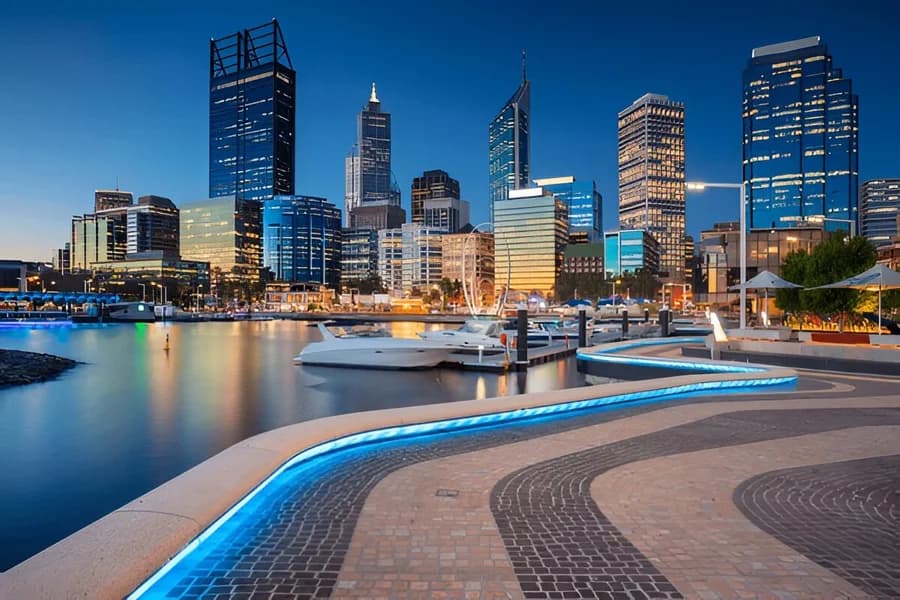
Overview of Perth : Perth, the capital of Western Australia, is a beautiful city known for its relaxed vibe and lively atmosphere. If you’re planning to visit, Australia tour packages can give you the best opportunities to experience the unique charm and attractions of Perth. Known for its warm, sunny climate and picturesque beaches, Perth offers a perfect mix of urban excitement and natural beauty. The city is set along the banks of the Swan River and boasts several stunning parks, including Kings Park, one of the world’s largest inner-city parks. Perth is also home to a growing cultural scene, with world-class museums, art galleries, and theatres. Visitors can also enjoy a range of outdoor activities, from beach days at Cottesloe Beach to exploring nearby islands like Rottnest Island. Whether you want to relax by the water, explore nature reserves, or indulge in great food and shopping, Perth has something for everyone. What are the Key Highlights of Perth : Cottesloe Beach: One of Perth’s most popular beaches, Cottesloe offers crystal-clear waters, golden sands, and plenty of activities like swimming, surfing, and picnicking. Kings Park and Botanic Garden: Offering incredible views of the city skyline, the park is home to a variety of native Australian plants and provides a peaceful escape in the heart of the city. Elizabeth Quay: A stunning waterfront area featuring restaurants, art installations, and the Swan River. Take a walk along the promenade or catch a ferry for a scenic view of the city. Fremantle: A charming port city with historic buildings, vibrant markets, and delicious seafood. Fremantle is also home to the famous Fremantle Prison, a UNESCO World Heritage site. Rottnest Island: Just a short ferry ride from Perth, this island is known for its crystal-clear waters, sandy beaches, and adorable quokkas (small marsupials). It’s an excellent spot for snorkelling, cycling, and wildlife viewing. Perth Zoo: A family-friendly spot where you can see a variety of animals, including endangered species, and learn about conservation efforts. Swan Valley: Famous for its wineries, breweries, and fresh produce, Swan Valley is perfect for food lovers looking to taste local wines and artisanal treats. Best Time to Visit Perth: Perth enjoys a Mediterranean climate with hot, dry summers and mild winters. The best time to visit is from October to April when the weather is warm and ideal for outdoor activities. Summer (December to February) is particularly great for beachgoers, while autumn and spring offer pleasant temperatures for exploring the city’s parks and nearby nature reserves. Travel Tips / Essential Information For Perth: How to Reach: Perth has a major international airport, Perth Airport, which connects to various global destinations. You can take a direct flight to Perth or connect via other Australian cities. Once in the city, public transport, including trains, buses, and ferries, is easily accessible. Getting Around: Perth’s public transport system is efficient, with free buses in the central area. You can use a SmartRider card for trains and buses, or opt for bike rentals to explore the city at your own pace. Accommodation: Perth offers a variety of accommodations, from luxury hotels to budget-friendly options. The city centre is an excellent place to stay, offering easy access to major attractions, dining, and shopping areas. Currency and Language: The official currency is the Australian Dollar (AUD). English is the main language spoken, and you’ll find that locals are friendly and welcoming. Safety: Perth is a safe city, but as with any travel destination, it’s important to stay alert in crowded areas. The city has low crime rates and is considered one of the safest places to visit in Australia. Also Read – Places To Visit in AustraliaMust Read – Things To Do in Australia

Read More

Brahmaputra River
May 30, 20253 Minutes
Brahmaputra River
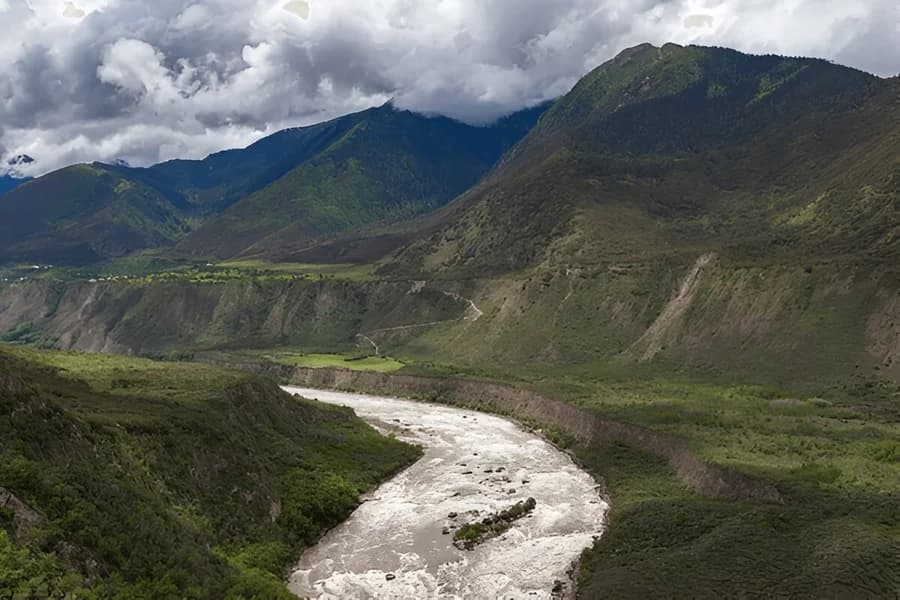
Overview of the Brahmaputra River: The Brahmaputra River, often called the “lifeline of Northeast India,” is one of the largest and most powerful rivers in the world. Originating from Tibet, it flows through Assam and other northeastern states before merging with the Bay of Bengal. The river is not just a geographical feature but an integral part of the culture and history of the region. For those travelling to the Northeast, North East tour packages offer the perfect opportunity to experience the Brahmaputra’s majestic beauty and its significance in the lives of local communities. The Brahmaputra is known for its vast width, rapid currents, and the stunning landscapes it passes through. It is surrounded by lush greenery, tea gardens, and ancient temples, making it a scenic spot for travellers. The river holds deep spiritual significance in Hinduism and is considered sacred by the people of Assam. It also supports diverse wildlife, including the endangered river dolphin. Whether you’re interested in a river cruise, exploring nearby wildlife sanctuaries, or simply soaking in the beautiful views, the Brahmaputra River is a must-see destination. What are the Key Highlights of the Brahmaputra River: Majestic River: One of the largest rivers in India, known for its powerful flow and vast width. Cultural Significance: The river holds a sacred place in Hinduism and plays a crucial role in local rituals and festivals. Cruise Experience: Enjoy scenic river cruises, offering an unforgettable view of the surrounding landscape. Wildlife: The river is home to various species, including the rare river dolphin. Beautiful Views: The Brahmaputra River is surrounded by lush greenery, tea plantations, and hills, making it a stunning spot for nature lovers. Timings & Entry Fees of Brahmaputra River: Timings: The river is accessible all year round, but the best time to visit is during the winter months, from October to March when the weather is pleasant. Entry Fees: There are no entry fees for visiting the river itself. However, if you’re taking a cruise or visiting specific attractions nearby, there may be charges. Travel Tips / Essential Information of Brahmaputra River: Best Time to Visit: The best time to explore the Brahmaputra River is between October and March when the weather is cool and perfect for sightseeing and outdoor activities. Getting There: You can reach the river by road or by taking a boat cruise from Guwahati, Assam, which is a popular starting point for Brahmaputra tours. What to Pack: Comfortable clothing, a hat or sunscreen, a camera, and binoculars for wildlife spotting. Nearby Attractions: Visit the famous Kaziranga National Park, and Umananda Temple, and enjoy the local tea gardens around the river. Respect Local Customs: While on river cruises or visiting temples, maintain respect for local customs and traditions. The Brahmaputra River is more than just a waterway—it’s a symbol of life, culture, and nature in Northeast India. Whether you want to take a serene boat ride, enjoy the local wildlife, or simply appreciate the beauty of the river, it promises an unforgettable experience. Also Read – Places To Visit in North EastMust Read – Things To Do in North East
Read More

Login ModalPost Login FormTalk with trip expert