Blog hero image
Top Travel Stories

Explore our latest blogs and travel with us

Lucerne
May 30, 20253 Minutes
Lucerne
Overview of Lucerne: Located in the central part of Switzerland, Lucerne is another beautiful gem that is more of a secret destination. Lucerne, the city is surrounded by the stunning Lake Lucerne, with snow-clad mountains. The old town, with its colourful and ancient buildings, is as old as the 13th century. The wooden Chapel Bridge, built in 1333, is the main attraction of Lucerne and is famous as Europe’s oldest covered bridge. While walking through the cobblestone streets, you’ll see medieval buildings and stand next to modern cafes and shops. The city got its name from an ancient church, whose lights were used by travellers as a signal, and it got its name – “place of lights.” Today, Lucerne is a must-visit spot in many Switzerland Tour Packages, attracting visitors with its mix of history, culture, and nature. From boat rides on the crystal-clear lake to exploring ancient streets, Lucerne offers countless memories waiting to be made. What are the Key Highlights of Lucerne: Iconic Chapel Bridge: Walk on Europe’s oldest wooden bridge, decorated with beautiful paintings telling Lucerne’s history – a perfect spot for those Instagram-worthy photos. Lake Lucerne Cruise: Sail on the crystal-clear waters surrounded by mountains, offering breathtaking views that will make your friends back home jealous. Mount Pilatus Adventure: Take the world’s steepest cogwheel train up to 2,132 meters for views that will leave you speechless. Old Town Beauty: Explore thin lanes filled with painted buildings, cafes, and hidden squares that feel like a movie set. Lion Monument: Visit the famous “dying lion” carved into the rock – a memorial so moving that Mark Twain called it the saddest stone in the world. Swiss Museum of Transport: Explore Switzerland’s biggest museum with cool trains, planes, and cars – perfect for both kids and adults. Shopping: Browse through watch shops, chocolate stores, and Swiss boutiques for perfect takeaway gifts. Best Time to Visit Lucerne: Lucerne is best visited between June and September when the weather is perfect for outdoor activities. The temperature stays between 20-25°C, ideal for lake cruises and mountain trips. But if you love snow and winter sports, December to March is magical with Christmas markets and ski opportunities. Travel Tips and Essential Information For Lucerne: Getting There: Take a direct flight to Zurich Airport, then a 1-hour train ride to Lucerne. Train tickets cost around INR 2,000. Time-Saving Hack: Buy attraction tickets online to avoid long queues, especially in peak season. Smart Money Moves: Get a Swiss Travel Pass (starting INR 15,000) for unlimited travel on trains, buses, and boats. Stay Smart: Book hotels near the train station or old town for easy access. Mid-range hotels cost INR 15,000-20,000 per night. Language Tips: English works well, but learning “Grüezi” (hello) and “Danke” (thanks) helps break the ice. Must-Pack Items: Comfortable walking shoes, power adapter, and camera for those picture-perfect moments. Budget Planning: Keep aside INR 8,000-10,000 per day for meals and activities. Weather: Pack layers as mountain weather can change quickly, even in summer.Also Read: Places to Visit in SwitzerlandMust Read: Things to do in Switzerland

Read More

Geneva
May 30, 20253 Minutes
Geneva
Overview of Geneva: Geneva, located pretty between the Alps and the Jura mountains, is Switzerland’s second-largest city and a global hub of modern vibrancy. The city wraps around the famous Lake Geneva, where the famous Jet d’Eau fountain shoots water 140 meters into the sky – that’s as tall as a 40-story building! Beyond its amazing pictorial views, Geneva has a really interesting story. This is where the Red Cross was born in 1863, and today, it hosts the UN’s European headquarters. You might be surprised to know that the World Wide Web was invented right here at CERN in 1989! The city is also known as the “Capital of Peace” because so many world-changing treaties were signed here. If you’re planning to explore Switzerland, you’ll find our Switzerland Tour Packages perfect as they include Geneva in their itinerary. The city is a fantastic base to start your Swiss trip.  What are the Key Highlights of Geneva: Jet d’Eau Magic: This massive water fountain shoots up from Lake Geneva, creating perfect photo opportunities, especially when it catches the sunset light. Old Towns: Explore cobblestone streets lined with cafes, boutiques, and historical buildings that tell tales from the 12th century. CERN Universe: The World’s largest particle physics laboratory where scientists unlock the mysteries of our universe – and yes, you can actually visit! Chocolate Heaven: Join chocolate-making workshops at local chocolatiers and learn why Swiss chocolate is world-famous. Watch Valley Experience: Visit luxury watch boutiques and even try to learn basic watchmaking in specialized workshops. Lake Activities: Take boat cruises, try paddleboarding, or simply relax on the beach with Mont Blanc views. United Nations Tour: Walk through the halls where global decisions are made and snap photos in the famous Assembly Hall. Best Time to Visit Geneva: Visit Geneva between June and August for perfect weather and outdoor activities. If you’re on a budget, March to May or September to October are great – fewer tourists, lower prices, and the weather is also good. Winter (December-February) is magical because of Christmas markets and nearby skiing, but pack warm clothes! Travel Tips/Essential Information for Geneva: Airport Convenience: Geneva Airport is just 4 km from the city center. Free 80-minute public transport tickets are available at the airport. Free Transport Card: Hotels provide free public transport cards for your entire stay – a huge money saver! Tour of Geneva: Connected by efficient trams, buses, and water taxis. Walking and cycling are popular too. Currency Matters: The Swiss Franc (CHF) is primary, but Euros are accepted in many places. Current rate: 1 CHF = INR 93. Budget Planning: Budget hotels: INR 8,000-12,000/night Mid-range meals: INR 1,500-2,500 Public transport day pass: INR 800 Language Help: French is common, but English is widely understood in tourist areas. Smart Savings: Purchase a Geneva Pass for free entry to 40+ attractions. Peak Season Alert: Book accommodations 2-3 months ahead for summer visits. Cell Coverage: Local SIM cards are available at airport.Also Read: Places to Visit in SwitzerlandMust Checkout: Things to do in Switzerland

Read More

Zermatt
May 30, 20253 Minutes
Zermatt
Overview of Zermatt: Located in and surrounded by the Swiss Alps, Zermatt is a small, pretty, and car-free village that sits at the foot of the iconic Matterhorn mountain. This dreamy destination started as a simple farming village but now it is a world-famous resort town after the first ascent of the Matterhorn in 1865. Sadly, this historic climb ended in tragedy when four of the seven climbers lost their lives during descent, making the mountain even more legendary. Today, Zermatt welcomes visitors with its magical blend of traditional Swiss chalets, modern hotels, and breathtaking mountain views. The town’s dedication to staying car-free since 1961 just makes it more unique – only electric vehicles and horse-drawn carriages run on the streets. When you’re looking at Switzerland Tour Packages, Zermatt stands out as a must-visit destination. The village is alive in both summer and winter and offers experiences like skiing, hiking, mountain biking, and wellness experiences.  What are the Key Highlights of Zermatt: Mighty Matterhorn Views: Wake up to stunning views of the pyramid-shaped Matterhorn mountain – perfect for those Instagram-worthy shots from numerous viewpoints around town. Gornergrat Railway Journey: Ride Europe’s highest open-air railway for breathtaking panoramic views of 29 peaks above 4,000 meters. Glacier Experience: Visit Europe’s highest cable car station at 3,883 meters, featuring a glacier palace with ice sculptures. World-Class Skiing: Access to 360 kilometers of slopes across three ski areas, suitable for both beginners and pros. Luxury Shopping: Browse through high-end Swiss watches, designer clothing, and authentic Swiss chocolates on Bahnhofstrasse. Mountain Biking Adventures: Explore over 100 kilometers of marked trails with varying difficulty levels. Authentic Swiss Dining: Taste traditional Swiss fondue and raclette at cozy mountain restaurants. Zermatlantis Museum: Discover the village’s fascinating history and mountain culture through interactive exhibits. Best Time to Visit Zermatt: The best time to visit Zermatt is between June to September for hiking and mountain biking, or December to April for skiing. July-August brings perfect weather for outdoor activities, while December-February offers magical snow experiences. For fewer crowds and better deals, consider visiting during shoulder seasons (May or October-November). Travel Tips / Essential Information for Zermatt: How to Reach: Take a train to Zermatt from major Swiss cities. The nearest airport is Zurich (4 hours by train) or Geneva (4.5 hours by train). From Delhi, flights to Zurich cost around INR 45,000-70,000. Accommodation Planning: Book hotels 3-4 months in advance, especially during peak seasons. Room rates range from INR 15,000 to INR 50,000 per night. Language Helps: English is widely spoken, but learning basic German phrases helps. Local Transport: Electric buses and taxis are available within Zermatt. Walking is the best way to explore the village. Money Issue: Carry Swiss Francs or credit cards. Most places accept cards, but some mountain huts prefer cash. Altitude Awareness: Take time to acclimatize as Zermatt sits at 1,620 meters. Drink plenty of water. Packing Essentials: Bring layers, sunscreen, and good walking shoes. Winter visitors need proper snow gear.Also Read: Places to Visit in SwitzerlandMust Checkout: Things to do in Switzerland

Read More

Montreux
May 30, 20253 Minutes
Montreux
Overview of Montreux: Montreux is a Swiss town located beside Lake Geneva and surrounded by the high Alps. This peaceful paradise became famous when rock band Queen recorded several albums here in the 1970s. The town’s magical location and surroundings even inspired their hit song “Lake Geneva”. Every July, music lovers from around the world flock here for the Montreux Jazz Festival, one of the world’s biggest music festivals that has hosted legends like Miles Davis and Nina Simone. The beautiful Chillon Castle, sitting right on the lake’s edge, tells stories from the 13th century and inspired Lord Byron’s famous poem “The Prisoner of Chillon”. Beyond its cultural beauty, Montreux’s mild climate has made it a favorite spot for many Switzerland Tour Packages. The palm trees and flower-lined promenades along Lake Geneva create a Mediterranean feel that’s really rare to find in Switzerland. What are the Key Highlights of Montreux: Chillon Castle Experience: Walk through Switzerland’s most visited castle with 1000 years of history, dungeons, and impressive lake views that inspired famous writers and artists. Lake Geneva Cruise: Take a boat ride on crystal-clear waters while enjoying breathtaking views of snow-capped Alps and vineyards. Freddie Mercury Trail: Follow the footsteps of Queen’s legendary singer who lived here, including his iconic statue on the lakefront. Queen: The Studio Experience: Visit Mountain Studios where Queen recorded their last albums, now turned into an interactive museum. Rochers-de-Naye Mountain: Take a cogwheel train up to 2,042 meters for panoramic views and sample Swiss chocolate at the chocolate workshop. Lavaux Vineyards: Walk through UNESCO-listed terraced vineyards dating back to the 11th century, offering wine-tasting experiences. Montreux Jazz Festival: Experience world-class performances during July in a private environment by the lake. Best Time to Visit Montreux: Best time to visit Montreux is between June and September for perfect weather and outdoor activities. July is ideal for music lovers during the Jazz Festival. December brings the magical Christmas Market. Spring (April-May) offers mild weather and fewer tourists, perfect for exploring the castle and vineyards. Travel Tips / Essential Information For Montreux: Reaching Convenience: Fly to Geneva International Airport. From there, take a direct train to Montreux (1 hour, INR 2,500). Stay Options: Hotels near Lake Geneva offer the best views, ranging from INR 15,000 to INR 40,000 per night. Food Budget: Restaurants cost around INR 2,000-4,000 per meal. Try local cafes for better deals. Public Transport: Get a Swiss Travel Pass (INR 25,000 for 8 days) for unlimited train and bus travel. Local Movement: Most attractions are walkable along the lakeside promenade. Language Support: English is widely spoken, though basic French phrases help. Transaction Ease: Cards are accepted everywhere but keep some Swiss Francs handy. What to Pack: Comfortable walking shoes, and warm clothes even in summer for mountain visits. Safety First: One of Switzerland’s safest towns, but keep valuables secure in crowded festival areas.Also Read: Places to Visit in SwitzerlandMust Checkout: Things to do in Switzerland

Read More

Bern
May 30, 20253 Minutes
Bern
Overview of Bern: Bern, the capital city, is one of the major attractions of Switzerland. With its medieval old town, beautiful rose gardens, and of course beautiful views of the Alps, Bern offers a perfect mix of history and natural beauty. The city got its name from the first animal (bear) that was hunted here by its founder Duke Berthold V of Zahringen in the 12th century. Even today, you can spot bears at the famous Bear Park along the River Aare! Walking through Bern’s UNESCO World Heritage-listed old town, you’ll find yourself surrounded by 6 kilometers of covered shopping arcades, colorful fountains, and historic clock towers. The most famous is the Zytglogge, a 13th-century tower with moving puppets. You know the best part is that Bern is compact and easy to explore on foot. Many Switzerland Tour Packages include Bern as a must-visit destination, and for good reason – the city’s relaxed vibe, clean streets, and friendly locals make it a delightful stop for any traveler. What are the Key Highlights of Bern: Historic Old Town Magic: Walk through Europe’s longest-covered shopping promenade with medieval buildings, fountains, and flags that transport you back in time. Einstein’s Home-turned-Museum: Visit the apartment where Albert Einstein developed his Theory of Relativity, now transformed into a fascinating museum. Bear Park Experience: Watch Bern’s symbol – the bears – play and swim in their natural-style habitat along the beautiful River Aare. Rose Garden: Relax in a park with over 200 rose varieties and get the most Instagram-worthy views of the entire city. Zytglogge Show: Witness the medieval astronomical clock’s puppet show that’s been entertaining people since the 16th century. River Aare Swimming: Join locals in summer for a unique city experience – floating down the crystal-clear River Aare. Parliament Building Tours: Take free guided tours of Switzerland’s parliament building and climb up to its green dome for city views. Best Time to Visit Bern: Visit Bern between June and September when temperatures are comparably pleasant (20-25°C). Summer is perfect for outdoor activities and river swimming. If you love fewer crowds and lower prices, April-May or September-October are great. Winter (November-February) is cold but fully happening. Travel Tips / Essential Information Bern: Airport Access: Fly to Bern Airport or Zurich Airport (better connected). Regular trains run from Zurich to Bern in 1 hour. Local Transport: Get a Bern Ticket free with your hotel stay – unlimited public transport access within the city. Budget Planning: Carry sufficient cash – average daily budget ₹12,000-15,000 per person for mid-range travel. Language Support: Most locals speak English, but learning basic German phrases helps. City Navigation: Download the BernCity app for offline maps and tourist information. Card Benefits: Buy the Bern Card (₹2,500 for 24 hours) for free museum entry and public transport. Accommodation Tips: Book hotels near the Old Town for easy access to major attractions. Food Savings: Try the daily lunch menus (Tagesmenu) at restaurants for better value. Time Management: Most shops close by 6:30 PM and remain closed on Sundays.Also Read: Places to Visit in SwitzerlandMust Read: Things to do in Switzerland

Read More

Grindelwald
May 30, 20253 Minutes
Grindelwald
Overview of Grindelwald: Located in Switzerland’s Bernese Alps, Grindelwald is a without any doubt picture-perfect village. With its wooden chalets, greenery, and beautiful background of the infamous Eiger North Face, this mountain paradise has been attracting visitors for over 200 years. Fun fact – before becoming a tourist hotspot, Grindelwald was actually a mining village in the 18th century, where locals extracted silver and crystals from the mountains! What makes Grindelwald truly special is its perfect blend of adventure and relaxation. The village sits at the foot of three mighty mountains – Eiger, Mönch, and Jungfrau, and has endless opportunities for outdoor activities. Many Switzerland Tour Packages include Grindelwald as a must-visit destination, and for good reason! The village gained worldwide fame after featuring in the famous Bollywood movie – DDLJ, making it a favorite among Indian travelers who come here to experience the magic of the Swiss Alps firsthand. What are the Key Highlights of Grindelwald: Beautiful Views: The Eiger Express takes you to Europe’s highest railway station, Jungfraujoch, offering breathtaking views of snow-capped peaks and glaciers at 3,454 meters. First Cliff Walk: Walk on a suspended walkway attached to the mountain face, with glass floors giving you thrilling views of the valley below. Bachalpsee Lake Trek: An easy 3-hour hike leads you to a mirror-like mountain lake where the Eiger reflects perfectly – a photographer’s dream! Snow Sports: Experience skiing, snowboarding, and sledding on perfectly groomed slopes suitable for both beginners and experts. Mountain Biking Adventures: Rent an e-bike and explore over 160 km of marked trails through beautiful Alpine landscapes. Traditional Swiss Experience: Visit local cheese factories, try fondue in cozy restaurants, and stay in authentic Swiss chalets for the complete Alpine experience. Best Time to Visit Grindelwald: It is best to visit Grindelwald between June to September for hiking and outdoor activities with pleasant temperatures around 20°C. For snow sports, December to March is perfect with reliable snowfall. October-November offers lower prices and fewer tourists, but some attractions might be closed for maintenance. Travel Tips/Essential Information For Grindelwald: Getting There: Take a train from Zurich Airport to Interlaken (2.5 hours), then change to the scenic train to Grindelwald (30 minutes). Direct buses also run from major Swiss cities. Accommodation Options: Book hotels at least 3 months in advance. Budget: ₹8,000-12,000/night, Luxury: ₹20,000+/night. Save Money: Buy a Swiss Travel Pass for unlimited train travel. Book accommodation in nearby Interlaken for better rates. Essential Gear: Comfortable walking shoes, warm layers, and rain protection are must-haves year-round. Language: English is widely spoken, making communication easy for Indian travelers. Currency: Swiss Franc (CHF). 1 CHF = approximately ₹93. Cards are accepted everywhere. Dining Tips: Restaurant meals cost ₹1,500-2,500 per person. Save money by shopping at local supermarkets. Mobile Connectivity: Buy a local SIM card or use international roaming for better coverage in mountain areas.Also Read: Places to Visit in SwitzerlandMust Checkout: Things to do in Switzerland

Read More

St. Moritz
May 30, 20253 Minutes
St. Moritz
Overview of St. Moritz: St. Moritz is a shining gem that has been attracting the world’s elite for over 150 years. This luxury mountain resort town is located at an elevation of 1,800 meters in the Engadin Valley, surrounded by lakes and mountains. What many don’t know is that St. Moritz actually pioneered winter tourism back in 1864 when hotelier Johannes Badrutt made a bold bet with his British summer guests – he promised them sunny winter days and refunded their stay if they didn’t enjoy it. The guests stayed from Christmas until Easter, and winter tourism was born! The town has since hosted two Winter Olympics (1928 and 1948) and continues to be a playground for celebrities, royalty, and adventure lovers. Beyond its glamorous reputation, St. Moritz also offers world-class skiing to natural springs that have been used since the Bronze Age. Today, it’s one of the most sought-after destinations in Switzerland Tour Packages, combining luxury shopping and outdoor adventures in a setting that gets 300 days of sunshine yearly, making it truly special. What are the Key Highlights of St. Moritz: Lake St. Moritz Magic: Watch horse racing on the frozen lake in winter, or enjoy paddleboarding and sailing in summer – this lake transforms with seasons to offer unique experiences. Glacier Express Journey: Hop aboard this iconic red train for what’s called the slowest express ride through the Alps, with beautiful mountain views. Olympic Bob Run: Feel your heart race as you experience the world’s oldest and only natural ice bob run, reaching speeds of up to 130 km/h. Segantini Museum: Discover the largest collection of works by Giovanni Segantini, housed in a stunning dome-shaped building with panoramic mountain views. Luxury Shopping: Walk down Via Serlas, nicknamed the mini Fifth Avenue, packed with high-end boutiques like Gucci, Cartier, and Louis Vuitton. Muottas Muragl: Take a funicular ride for the best sunset views over the Engadin Valley and enjoy dinner at the mountain restaurant. Best Time to Visit St. Moritz: Visit from December to March for perfect skiing conditions and winter sports. For summer activities and hiking, July to September offers pleasant weather with temperatures around 20°C. The shoulder seasons (October-November and April-May) are quieter but some attractions might be closed. Travel Tips / Essential Information for St. Moritz: How to Reach: Fly to Zurich International Airport and take a scenic 3.5-hour train ride to St. Moritz. Direct trains run regularly from Zurich Main Station (INR 15,000-20,000 round trip). Accommodation Costs: Hotels range from INR 15,000 to INR 100,000 per night, with luxury options going higher. Local Transport: Free bus service with your hotel guest card. Cable cars and funiculars need separate tickets (INR 1,000-2,000 per ride). Keep Cash: Keep cash handy – while cards are accepted widely, some mountain restaurants prefer cash. Language Tips: English is widely spoken, but learning basic German phrases helps. Weather: Pack layers even in summer – mountain weather can change quickly. Safety First: Get travel insurance that covers winter sports if planning adventure activities.Also Read: Places to Visit in SwitzerlandMust Read: Things to do in Switzerland

Read More

Kolukkumalai Tea Estate
May 30, 20253 Minutes
Kolukkumalai Tea Estate
Overview of Kolukkumalai Tea Estate: Situated at 8,000 feet above sea level, Kolukkumalai Tea Estate is one of the world’s highest tea plantations. Located on the Tamil Nadu-Kerala border, this beautiful estate dates back to the British era and was established in the 1900s. The uniqueness of Kolukkumalai Tea Estate lies not just in its altitude but in its traditional tea-making process. The estate still uses old-world machinery and techniques from the 1940s to process its tea. The remarkable combination of mountains, tea gardens, and of course stunning sunrise views makes it really irresistible. On clear mornings, you can witness a magical sight where clouds float below your feet! Many Kerala Tour Packages include this hidden gem in their itinerary. The estate’s orthodox tea-making process has earned it worldwide recognition, with tea experts claiming that the high altitude and traditional methods give Kolukkumalai tea its distinct flavor and aroma that can’t be replicated anywhere else. What are the Key Highlights of Kolukkumalai Tea Estate? World’s Highest Tea Factory: Experience tea processing at 8,000 feet, where century-old machines still create some of the finest orthodox tea in the world. Legendary Sunrise Views: Watch the sun peek through cotton-like clouds, painting the sky in stunning shades of orange and pink – a photographer’s paradise! Traditional Tea Processing: Watch the complete journey of tea leaves from plucking to packaging, using vintage machinery that’s still going strong after 100 years. Jeep Safari Adventure: Enjoy a thrilling ride through bumpy mountain roads, crossing streams, and navigating hairpin bends to reach the estate. Cloud Walking Experience: Stand above the clouds during early mornings, creating an otherworldly feeling of walking in heaven. Picture-Perfect Landscapes: Endless rows of tea bushes, misty mountains, and rolling hills create perfect photo opportunities at every turn. Timings & Entry Fees of Kolukkumalai Tea Estate: Estate Timings: 6:00 am to 4:00 pm (all days) Factory Visit: 10:00 am to 3:00 pm Entry Fee: INR 100 per person Factory Tour: INR 75 per person Jeep Ride (optional): INR 2,500-3,000 per vehicle (maximum 6 persons) Travel Tips / Essential Information For Kolukkumalai Tea Estate: Early Bird Advantage: Start your journey before sunrise to catch the spectacular morning views and avoid afternoon fog. Dress Smart: Pack a light jacket or sweater as temperatures can drop unexpectedly, even on sunny days. Comfortable Footwear: Wear sturdy shoes with good grip – the terrain can be slippery, especially during monsoons. Local Transport: Book your jeep ride in advance during peak season as limited vehicles are available. Photography Tips: Morning hours (6 am – 9 am) offer the best lighting for photos; carry your camera fully charged. Weather: Check weather conditions before visiting – misty days are common but rain can spoil the experience. Food Planning: Carry some snacks and water as food options are limited at the estate. Stay Options: Book accommodation in Munnar town as there are limited facilities for staying near the estate.Also Read – Places To Visit in KeralaMust Checkout – Things To Do in Kerala

Read More

Jatayu Earth Centre
May 30, 20253 Minutes
Jatayu Earth Centre
Overview of Jatayu Earth Center: Located at the Jatayupara hills in Kerala, the Jatayu Earth Center is basically a tribute to the mythological bird god Jatayu from the Ramayana. This huge sculpture, crafted by filmmaker and sculptor Rajiv Anchal, took over 10 years to complete and opened to the public in 2018. Jatayu Earth Centre features the world’s largest bird sculpture, measuring 200 feet long, 150 feet wide, and 70 feet tall. What makes it even more special is that it’s not just a sculpture – it’s actually a building you can enter! The place gets its name from the vulture king Jatayu, who fought against Ravana to save Goddess Sita. According to legend, this is the exact spot where the injured Jatayu fell, and Lord Rama later blessed him. Today, this amazing spot has become one of Kerala’s most popular tourist attractions. You’ll find it included in many Kerala Tour Packages, and it’s easy to see why – with its cable car rides, adventure activities, and stunning views of the surrounding hills, it is a must-visit. What are the Key Highlights of Jatayu Earth Center: World’s Largest Bird Sculpture: The massive concrete sculpture of Jatayu is an engineering marvel that you can actually explore from the inside. Adventure Zone Thrills: Try your hand at 20+ adventure activities including rock climbing, rappelling, and paintball for an adrenaline rush. Cable Car Experience: Enjoy a scenic 6-minute cable car ride that offers stunning views of the Kollam landscape. Virtual Reality Museum: Experience the world of Ramayana through VR technology and storytelling. 360° View Point: The bird’s eye view from the sculpture’s top gives you panoramic views of mountains, valleys, and the Arabian Sea. 7D Theatre Magic: Experience the story of Jatayu through an immersive 7D show that brings the legend to life. Helicopter Rides: Take an optional helicopter ride for a truly unforgettable aerial view of the entire complex. Restaurant with a View: Enjoy traditional Kerala meals while overlooking the magnificent landscape. Timings & Entry Fees For Jatayu Earth Center: Open daily: 9:30 am to 5:30 pm Entry Fee: Adults – INR 400 Children (5-12 years) – INR 280 Cable Car: INR 500 per person Adventure Zone: Starting from INR 2,000 Helicopter Ride: INR 3,500 per person (min. 3 people) Virtual Reality Experience: INR 300 (Note: Prices may vary depending upon season) Travel Tips / Essential Information For Jatayu Earth Center: Best Visit Time: Plan your visit between October to February, the weather is mild and pleasant. Early Bird Advantage: Reach before 10 am to avoid crowds and enjoy better views. Time Management: Keep aside at least 4-5 hours to properly explore the attraction. Comfortable Footwear: Wear good comfortable shoes as there’s lots of walking and climbing involved. Advance Booking: Book your adventure activities online to avoid disappointment during peak season. Camera Rules: Cameras are allowed but drone photography needs special permission. Local Transport: Book a taxi from Kollam or Thiruvananthapuram as public transport is limited. Food Options: Carry water bottles, though there’s a restaurant and small cafes inside. Family-Friendly: The area is accessible for elderly visitors and children, with proper assistance available. Also Checkout: Things to do in KeralaMust Read: Places To Visit in Kerala

Read More

Wayanad Wildlife Sanctuary
May 30, 20253 Minutes
Wayanad Wildlife Sanctuary
Overview of Wayanad Wildlife Sanctuary: In the lush Western Ghats of Kerala, Wayanad Wildlife Sanctuary is a green paradise spread across 344 square kilometers. This sanctuary was established in 1973 and is home to some of India’s most magnificent wildlife. What makes it special is that it’s connected to two other protected areas – Nagarhole and Bandipur of Karnataka, and Mudumalai of Tamil Nadu, creating a massive safe heaven for animals to roam freely. The sanctuary has an interesting story – it was once the hunting ground of British officials during colonial times. Today, it’s completely transformed into a conservation success story. Many Kerala tour packages feature this gem prominently, and for good reason. The sanctuary is home to rare species like Indian bison, tigers, and elephants. The most fascinating part is that the sanctuary includes the ancestral lands of local tribes who still live here and helps in conservation efforts. Their deep knowledge of the forest has been crucial in protecting this wildlife wonder. What are the Key Highlights of Wayanad Wildlife Sanctuary: Elephant Encounters: Watch huge herds of wild elephants at the Tholpetty range, especially during early mornings and evenings. Tiger Territory: One of Kerala’s best spots for tiger sightings, with around 75 tigers calling this sanctuary home. Bird Watching: Spot over 200 bird species including the Great Indian Hornbill and Malabar Grey Hornbill. Ancient Tribal Trails: Experience centuries-old forest paths used by local tribes, offering unique insights into forest life. Bamboo Forest Adventures: Trek through dense bamboo forests, a rare sight in Kerala’s sanctuaries. Night Safari Experience: Join guided night safaris to spot nocturnal animals and experience the forest’s mysterious side. Wildlife Photography: There are multiple watch towers that offer perfect spots for capturing wildlife in their natural habitat. Timings & Entry Fees of Wayanad Wildlife Sanctuary Sanctuary Timings: 7:00 am to 5:00 pm Entry Fee: – Indians: INR 150 per person – Children (5-12 years): INR 75 – Foreigners: INR 1000 per person Safari Charges: INR 1200 per vehicle (max 6 persons) Camera Fee: INR 50 (still) / INR 200 (video) Travel Tips / Essential Information of Wayanad Wildlife Sanctuary Best Visit Time: October to May is the time to visit with perfect weather conditions and maximum wildlife sightings. Booking Essential: Reserve your safari at least 2 days in advance, especially during peak season. Local Guides: Hire local guides for better wildlife spotting and fascinating forest stories. Early Bird Advantage: Morning safaris (7 am – 9 pm) offer the best wildlife viewing opportunities. Proper Attire: Wear earth-toned clothes and comfortable walking shoes. Avoid bright colors that might disturb animals. Safety First: Always follow guide instructions and never get down from vehicles during safari. Carry Essentials: Pack water bottles, snacks, binoculars, and basic first aid. Don’t forget mosquito repellent. Photography Tips: Bring a good zoom lens (minimum 300mm) for wildlife photography. Respect Wildlife: Maintain silence during safari and avoid flash photography.Also Checkout: Things to do in KeralaMust Read: Places To Visit in Kerala

Read More

Alleppey Houseboat Stay
May 30, 20253 Minutes
Alleppey Houseboat Stay
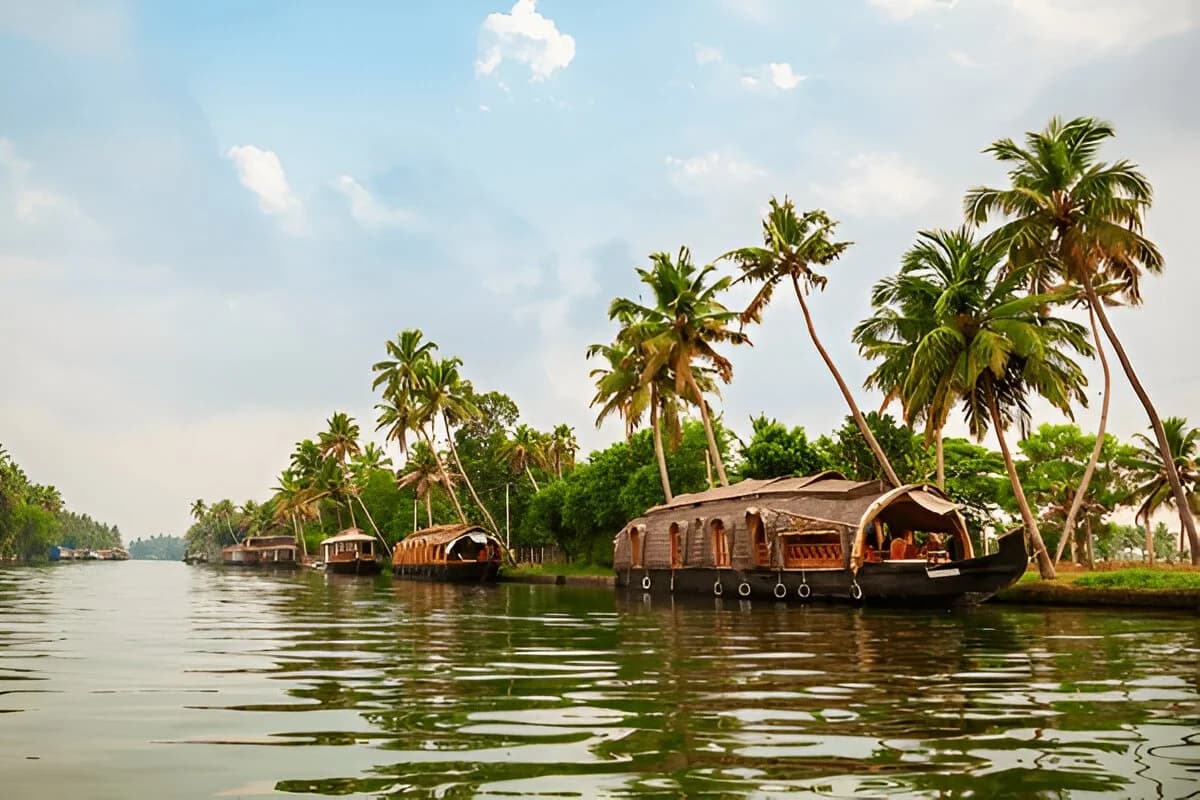
Overview of Alleppey Houseboat Stay: Staying in Alleppey Houseboats is a must-visit magical experience on traditional wooden boats called ‘Kettuvallams’. These boats were originally used to transport rice and spices back 100 years. Legend says that the first houseboat conversion happened when a British tourist convinced a local boat owner to modify his vessel for overnight stays, unknowingly starting a tourism revolution in the region. Today, Alleppey Houseboat Stay has become the perfect way to experience Kerala’s backwater life. Picture yourself gliding through narrow canals, watching local life unfold along the shores – fishermen casting their nets, children waving from their homes, and women washing clothes by the waterside. Our Kerala Tour Packages feature these floating homes as their star attraction and for good reason. The houseboats, ranging from simple to luxury versions, come equipped with bedrooms, bathrooms, and a crew including a chef who whips up delicious local meals right on board. What are the Key Highlights of Alleppey Houseboat Stay: Local Food Experience: Savor fresh Kerala meals cooked right on the boat, featuring karimeen (pearl spot fish), prawns, and traditional curries with rice. Sunset Views: Watch the sky turn orange while relaxing on the deck, with coconut trees creating perfect silhouettes against the setting sun. Village Life Glimpses: Float beside small villages, seeing authentic rural life, local markets, and century-old churches and temples. Luxury Amenities: Enjoy air-conditioned rooms, clean attached bathrooms, and comfortable beds, making it feel like a floating hotel. Bird Watching: Spot kingfishers, cormorants, and even eagles during your journey through the backwaters. 24/7 Dedicated Crew: Experience warm hospitality with a captain, cook, and helper attending to your needs throughout the stay. Peaceful Nights: Fall asleep to the gentle sounds of water and wake up to chirping birds in complete tranquility. Timings & Entry Fees of Alleppey Houseboat Stay: Check-in: 12:00 pm Check-out: 9:00 am Rates: Basic Houseboat (1 bedroom): INR 8,000 – 12,000 per nightPremium Houseboat (2 bedrooms): INR 15,000 – 20,000 per nightLuxury Houseboat (3 bedrooms): INR 25,000 – 35,000 per night (Rates include meals and crew service)(Note: Prices may vary depending upon season) Travel Tips/ Essential Information For Alleppey Houseboat Stay: Booking Timing: Book from November to February for perfect weather and clear skies. Avoid monsoon season (June-August) when heavy rains can spoil the experience. Mosquito Protection: Carry good quality mosquito repellent as evenings can get buggy on the water. Camera Must-haves: Pack your camera with extra batteries – you’ll want to capture every moment of village life and stunning sunsets. Food Preferences: Inform the crew about your food choices in advance, especially if you’re vegetarian or have allergies. Motion Sickness: If you get seasick easily, choose larger houseboats as they’re more stable on water. Clothing Choices: Pack light cotton clothes, sunglasses, and a hat for the daytime heat. Power Backup: Carry a power bank as electricity might be limited during night hours. Cash Ready: Keep cash handy as many boats don’t accept cards for extra purchases.Also Read – Places To Visit in KeralaMust Checkout – Things To Do in Kerala

Read More

Pettimudi Hill Top
May 30, 20253 Minutes
Pettimudi Hill Top
Overview of Pettimudi Hill Top: Located in the misty hills of Kerala’s Idukki district, Pettimudi Hill Top is a stunning viewpoint that offers amazing views of tea plantations and dense forests. This hidden gem, sitting at an elevation of about 1,800 meters, has gained popularity among nature lovers and photographers in recent years. Pettimudi Hill Top’s specialty is its untouched beauty and the magical early morning fog. The journey to Pettimudi Hill Top is as rewarding as the destination. The winding roads through tea gardens and spice plantations give you a taste of Kerala’s natural beauty. Many Kerala Tour Packages now include this spot because of its growing charm. The hilltop was once a British tea plantation area, and you can still see some old structures that tell tales of the colonial era. During the monsoon season, the entire landscape transforms into a lush green paradise, making it one of the most picturesque locations in the region. What are the Key Highlights of Pettimudi Hill Top: Panoramic Views: Get a 360-degree view of endless tea gardens, misty mountains, and deep valleys. Tea Estate Experience: Walk through actual working tea plantations and watch tea pickers at work, giving you a real taste of local life. Photography Paradise: Capture the magical interplay of light and mist during early mornings, especially between 6 am to 8 am. Adventure Trails: Take the exciting 2-kilometer trek through tea plantations to reach the viewpoint, great for both beginners and experienced trekkers. Wildlife Spotting: Look out for wild elephants, sambars, and various bird species in their natural habitat during early mornings or late evenings. Local Tea Tasting: Sample fresh mountain tea at nearby tea shops, straight from the surrounding estates. Camping Options: Experience night camping under the stars with prior permission from local authorities. Timings & Entry Fees Pettimudi Hill Top: Timings: Open all days from 6:00 am to 6:00 pm Entry Fee: INR 20 per person Camera Fee: INR 50 for still camera Camping Fee: INR 1,000 per tent (needs advance booking) Guide Fee: INR 500 (recommended for trekking) (Note: Prices change every year, confirm before visiting) Travel Tips/ Essential Information For Pettimudi Hill Top: Best Visiting Time: October to February offers the clearest views and pleasant weather for outdoor activities. Early Bird Advantage: Reach by 6 am to catch the stunning sunrise and avoid afternoon crowds. Proper Footwear: Wear sturdy shoes with good grip as the paths can be slippery, especially during monsoon. Warm Clothing: Carry a light jacket or sweater as mornings and evenings can be chilly. Local Permission: Get necessary permits from the local forest office for camping or special activities. Safety First: Stick to marked trails and avoid venturing alone, especially during dawn and dusk. Carry Essentials: Pack water, snacks, a first-aid kit, and fully charged mobile phones as facilities are limited. Local Transport: Book a jeep or taxi from Munnar town as public transport is limited. Weather: Monitor weather conditions before visiting, especially during monsoon season.Also Read – Places To Visit in KeralaMust Checkout – Things To Do in Kerala

Read More

Alleppey Snake Boat Race
May 30, 20253 Minutes
Alleppey Snake Boat Race
Overview of Alleppey Snake Boat Race: The Alleppey Snake Boat Race, also known as the Nehru Trophy Boat Race, is Kerala’s most popular water sport that turns the backwaters into a carnival of colors and cheerful locals. During that massive 100-foot-long wooden boats, shaped like snakes, cut through the waters with 100+ rowers moving in perfect sync! In 1952, when Prime Minister Nehru visited Alleppey, he was so impressed by the spectacular race that he donated a trophy – and that’s how this event got its famous name. These traditional snake boats called Chundan Vallams in Malayalam, have been around for over 400 years. They were actually warboats used by the kings of Alleppey and nearby kingdoms! Today, this race has become a huge attraction for tourists worldwide. No Kerala tour package should be complete without experiencing this grand event. The air fills with traditional boat songs, drums beating, and thousands of spectators cheering from the banks as teams compete for glory in what’s often called the ‘Olympics of Kerala’s backwaters’. What are the Key Highlights of Alleppey Snake Boat Race: Massive Snake Boats: Watch these 100-140-foot wooden giants, each powered by 100-150 rowers, race through the waters. One boat, one heart, one rhythm! Powerful Vanchipattu: Feel your heart race with the traditional boat songs and drumbeats that keep rowers in sync. The energy is simply electric! Team Spirit Display: Admire how over 100 rowers move in perfect coordination, following the rhythmic commands of their leaders. Cultural Showcase: Enjoy the water processions, folk performances, and delicious Kerala snacks that make this event a complete festival. Practice Sessions: Watch teams practice in the early mornings – it’s less crowded and equally spectacular. Victory Celebrations: Experience the pure joy when winning teams lift the trophy, spray water, and celebrate with traditional victory dances. Local Connection: Chat with former rowers who share stories of past races and traditions. Timings & Entry Fees of Alleppey Snake Boat Race: The race typically happens on the second Saturday of August during the Onam festival. Normal Tickets: INR 100-200 Premium Seats: INR 500-2000 VIP Pavilion: INR 3000-5000 Book early as tickets sell out fast! Photography passes are available separately. (Note: Prices may vary depending on seasons) Travel Tips/ Essential Information For Alleppey Snake Boat Race: Early Booking Essential: Book your tickets and accommodation at least 2-3 months in advance. This is peak tourist season! Location Strategy: Grab seats in the finishing point area – that’s where all the action peaks. Weather Ready: Pack an umbrella, cap, and sunscreen. August means both sun and rain in Kerala. Camera Gear: Bring a good zoom lens – you’ll want those close-up shots of the racing action. Timing Is Key: Reach by 8 AM to get good spots, even if the main race starts later. Local Transport: Book auto-rickshaws or taxis in advance. Rates go up on race day. Food Smart: Carry water and light snacks. Local vendors will be there, but lines can be long. Language Help: Learn basic Malayalam phrases – locals love it when tourists try speaking their language. Stay Duration: Plan a 2-3 day stay to explore Alleppey’s backwaters too.Also Read – Places To Visit in KeralaMust Checkout – Things To Do in Kerala

Read More

Wayanad Coffee Plantation
May 30, 20253 Minutes
Wayanad Coffee Plantation
Overview of Wayanad Coffee Plantation: Wayanad Coffee Plantation is wildly famous for coffee and is a flourishing example of India’s rich coffee heritage. These estates date back to the British colonial era, and make the landscape of endless rows of coffee plants. The story of coffee here began in the 1800s when the British first recognized the region’s perfect climate and soil conditions for coffee cultivation. Today, these plantations produce some of India’s finest Arabica and Robusta coffee beans. Beyond just coffee, these plantations speak of how the famous Veerappan once used these dense coffee estates as his hideout during the 1990s. The plantations also played a crucial role during World War II when they supplied coffee to British troops. Modern-day visitors visit Wayanad Coffee Plantation to witness how traditional farming methods work. The experience has become a must-visit spot for tourists exploring Kerala tour packages, offering a unique glimpse into the journey of coffee from seed to cup. What are the Key Highlights of Wayanad Coffee Plantation: Coffee Processing Journey: Watch the entire coffee-making process live – from picking the cherries to sun-drying and roasting the beans, ending with a steaming cup of plantation-fresh coffee. Unique Stay Experience: Live in heritage bungalows surrounded by coffee plants, wake up to misty mornings and the calls of exotic birds. Hands-on Coffee Making: Join the expert workers in picking coffee cherries during harvest season, and learn traditional roasting techniques from local masters. Wildlife Spotting: Keep your eyes peeled for wild elephants, peacocks, and rare bird species that frequently visit the plantations. Spice Garden Tours: Beyond coffee, explore patches growing cardamom, pepper, and vanilla – all growing naturally alongside coffee plants. Factory Visits: See huge coffee processing units in action, with experts explaining each step from sorting to packaging. Timings & Entry Fees of Wayanad Coffee Plantation: Entry Fees: INR 100 per person Guided Tour: INR 250 per person Factory Visit: INR 150 per person Timings: 9:00 AM to 5:00 PM (Monday to Sunday) Special harvest season visits (November to January): Book in advance (Note: Prices may vary depending on seasons) Travel Tips/ Essential Information For Wayanad Coffee Plantation: Best Visit Time: Plan your trip between October to March when the weather is pleasant and you can witness the harvesting season. Stay Options: Book plantation homestays at least 2 months in advance as they fill up quickly during peak season. Clothing Guide: Pack light cotton clothes, but carry a light jacket for early mornings and evenings. Don’t forget sturdy walking shoes. Photography Rules: Most plantations allow photography, but check before clicking inside processing units. Medical Preparation: Carry basic medicines as the nearest medical facilities might be far away. Language Connect: Local guides speak basic English and Hindi, but knowing a few Malayalam words helps. Mobile Network: The Network can be patchy in some areas – inform the family about your plantation stay details beforehand. Transportation Tips: Book a local taxi for the day as plantations are spread across different areas.Also Read – Places To Visit in KeralaMust Checkout – Things To Do in Kerala

Read More

Mullakkal Rajarajeswari Temple
May 30, 20253 Minutes
Mullakkal Rajarajeswari Temple
Overview of Mullakkal Rajarajeswari Temple: The Mullakkal Rajarajeswari Temple, located in Alappuzha, Kerala, is a stunning example of traditional Kerala temple architecture. This ancient temple, dedicated to Goddess Rajarajeswari, stands out with its unique two-storied structure and detailed wooden carvings of Hindu mythology. What makes this temple unique is the presence of the goddess in three forms – morning as Goddess Parvathi, noon as Goddess Lakshmi, and evening as Goddess Saraswathi. The temple has been a spiritual hub for locals and tourists for centuries. During the annual 10-day festival in March-April, the temple comes alive with traditional music, colorful processions, and elephant parades. Very few Kerala Tour Packages include this temple in their itinerary, especially during festival times, this temple is a must-visit. An interesting fact about the Mullakkal Rajarajeswari Temple is that it once served as a safe for people during the great flood of 1924, earning it the nickname “Temple of Refuge” among locals. What are the Key Highlights of Mullakkal Rajarajeswari Temple: Divine Architecture: The temple’s unique two-storied structure features intricate wooden carvings and traditional Kerala-style copper roofing that’s simply breathtaking. Three Forms of Worship: Experience the rare opportunity to see the goddess in three different forms throughout the day, each representing different aspects of divine power. Ancient Stone Lamp: A 600-year-old stone lamp that stands 16 feet tall, is believed to have magical healing properties. Festivals: Witness the spectacular annual festival with traditional percussion ensembles, elephant processions, and cultural performances. Sacred Tank: Take a peaceful walk around the temple’s ancient pond, surrounded by age-old trees and stone steps. Prasada Speciality: Don’t miss the special temple prasadam – a sweet rice offering made with a secret recipe passed down through generations. Peaceful Atmosphere: The temple’s serene courtyard and meditation spots offer perfect spaces for quiet reflection. Timings & Entry Fees of Mullakkal Rajarajeswari Temple: Temple Timings: Morning: 5:00 am to 12:00 pm Evening: 4:30 pm to 8:30 pm Entry Fees: Free entry Special Puja Fees: Starting from INR 101 to INR 1,001 Camera Fees: INR 50 for mobile phones, INR 100 for cameras (Note: Prices may vary depending on seasons) Travel Tips / Essential Information For Mullakkal Rajarajeswari Temple: Dress Code Essentials: Men should wear dhotis or full-length trousers. Women must wear sarees, salwar kameez, or long skirts. Modern Western wear isn’t allowed inside. Best Time to Visit: Early morning for a peaceful visit and cooler temperatures. Festival season (March-April) for cultural experiences. Prayer Material Guide: Bring fresh flowers and coconuts from outside shops. Temple shops also sell prayer items at reasonable prices. Local Transport Tips: Auto-rickshaws and taxis are easily available. Best to fix prices before starting your journey. Special Puja Booking: Book special pujas at least one day in advance at the temple office. Photography Rules: Indoor photography is strictly prohibited. Outdoor photos are allowed with proper permission. Footwear Storage: A free footwear storage facility is available near the temple entrance. Language Help: Temple staff understand basic English, but having a Malayalam-speaking companion can be helpful.Also Read – Places To Visit in KeralaMust Checkout – Things To Do in Kerala

Read More

Elephant View Point
May 30, 20253 Minutes
Elephant View Point
Overview of Elephant View Point: Located in the hills of Anakulam, Kerala, the Elephant View Point is a rare opportunity to witness wild elephants. This stunning viewpoint has become a favorite spot for both wildlife enthusiasts and casual tourists who hope to catch a glimpse of these huge creatures. The viewing area sits above a natural water body where elephants frequently gather, especially during early mornings and late evenings. You can spot entire herds of elephants, including calves splashing in the water. Local stories tell of a particularly friendly tusker named Raja who used to visit this spot regularly in the 1990s, becoming somewhat of a legend among the villagers. The area is also rich in biodiversity, with various bird species and other wildlife making regular appearances. Many Kerala tour packages include this hidden gem in their itinerary, making it a must-visit destination for nature lovers exploring the region. What are the Key Highlights of Elephant View Point: Natural Elephant Sightings: Spot herds of wild elephants gathering at the water body, often accompanied by adorable baby elephants playing and bathing. Perfect Photography Spot: The elevated viewing area offers clear, unobstructed views of elephants and the surrounding forest landscape, perfect for wildlife photography. Safe Viewing Experience: A well-designed viewing platform ensures visitors can observe elephants from a safe distance without disturbing their natural behavior. Wildlife Diversity: Besides elephants, spot various birds, deer, and occasionally even gaur (Indian bison) in their natural habitat. Peaceful Atmosphere: The serene environment, with minimal tourist crowds, allows for a genuine wildlife-watching experience away from city noise. Clean Facilities: Well-maintained viewing area with basic amenities like seating arrangements and clean restrooms. Timings & Entry Fees of Elephant View Point: Timings: 6:00 am to 6:00 pm daily Entry Fees: Adults: INR 50 per person Children (5-12 years): INR 25 per person Camera Fee: INR 50 Parking Fee: INR 30 for cars, INR 10 for two-wheelers Best visiting hours: 6:00 am – 9:00 am and 3:30 pm – 6:00 pm (Note: Prices may vary depending on seasons) Travel Tips / Essential Information For Elephant View Point: Early Bird Advantage: Visit during the early morning or late evening hours for the highest chances of elephant sightings. Weather-Ready Preparation: Carry umbrellas or rain gear during monsoon season (June-September) as sudden showers are common. Proper Footwear Required: Wear comfortable walking shoes as the approach to the viewpoint involves a short walk. Keep It Quiet: Maintain silence at the viewpoint to avoid disturbing the wildlife and ensure better sighting chances. Camera Guidelines: Bring a good zoom lens for photography, but avoid using flash as it disturbs the animals. Binoculars Help: Carry binoculars for a better wildlife viewing experience. Local Guide Benefits: Consider hiring a local guide who knows the best spots and timings for elephant sightings. Snack Smart: Pack light snacks and water, as there are limited food options available nearby.Also Read – Places To Visit in KeralaMust Checkout – Things To Do in Kerala

Read More

Pangong Tso
May 30, 20253 Minutes
Pangong Tso
Overview of Pangong Tso: Pangong Tso, the stunning high-altitude salt lake stretching between India and China, has become one of Ladakh’s most famous attractions. The lake became actually famous after being featured in the movie “3 Idiots,” making it a must-visit spot for travelers. A really unique phenomenon that makes this lake unique is how its waters change colors throughout the day – from bright blue to deep green and sometimes even reddish! You know that during the 1962 Indo-China war, Pangong Tso was one of the main disputed areas, and today, it’s a symbol of peace and natural beauty. The lake sits at a breathtaking height of 14,270 feet, making it one of the world’s highest saltwater lakes. In winter, the entire lake freezes, creating a spectacular sight that few get to witness. Every visitor includes this magical spot in their Leh Ladakh Tour Packages, staying overnight to witness both sunrise and sunset – two completely different but equally mesmerizing shows put on by nature. Interestingly, despite being a saltwater lake, it completely freezes during winter, unlike most other saltwater bodies. The lake’s basin was formed millions of years ago due to geological movements, making it a natural wonder worth exploring. What are the Key Highlights of Pangong Tso: Mesmerizing Color Changes: Watch how the lake changes its colors throughout the day, creating a natural light show that photographers dream of capturing. Movie Location Magic: Visit the famous “3 Idiots” shooting spot, complete with the iconic yellow scooter and the distinctive red cafe where parts of the movie were filmed. Sunrise Spectacle: Experience the unforgettable sight of the first rays of sun hitting the lake, painting the mountains in golden hues and creating mirror-like reflections. Wildlife Spotting: Keep your eyes peeled for unique Himalayan birds like black-necked cranes and bar-headed geese that make this their summer home. Camping Under Stars: Spend a night in lakeside camps for an unmatched experience of stargazing in one of the clearest skies in India. Local Culture Connect: Visit the nearby Spangmik village to experience authentic Ladakhi culture and try local butter tea. Timings & Entry Fees of Pangong Tso: Inner Line Permit Required: INR 420 per person (Indian Nationals) Vehicle Entry Fee: INR 300 Best visiting hours: 7 AM to 5 PM Photography charges: No extra fee (Note: Permits can be obtained from the DC office in Leh or through registered travel agencies) Travel Tips / Essential Information For Pangong Tso: Altitude Preparation: Spend at least 2 days in Leh before visiting Pangong to avoid altitude sickness. Carry necessary medications and stay hydrated. Timing Matters: Plan your visit between May to September for the best weather conditions and clear views of the lake. Permit Planning: Arrange your Inner Line Permit at least 2 days before your planned visit to avoid last-minute hassles. Power Backup: Carry power banks as electricity can be unreliable. Keep your devices fully charged. Clothing Essentials: Pack warm clothes even in summer as temperatures can drop suddenly. Carry sunscreen and sunglasses. Photography Tips: Early morning and sunset offer the best lighting for photos. Carry extra camera batteries. Local Etiquette: Respect the sensitive ecosystem. Don’t litter and follow local guidelines about lake proximity. Network Coverage: Limited mobile network available. Only postpaid sim works.Also Read – Places To Visit in LadakhMust Checkout – Things To Do in Ladakh

Read More

Thiksey Monastery
May 30, 20253 Minutes
Thiksey Monastery
Overview of Thiksey Monastery: Thiksey Monastery is one of the most stunning attractions in Ladakh, perched on a hilltop with incredible views of the Indus Valley. This beautiful monastery is a treasure trove of history and culture, and its architecture reflects the rich Tibetan Buddhist heritage of the region. The monastery is a 12-story structure, home to many prayer halls, stupas, and ancient wall paintings. Each corner tells a story of Ladakh’s spiritual traditions. Whether you’re travelling solo, with family, or exploring through one of the Ladakh tour packages, Thiksey Monastery offers a perfect blend of history, spirituality, and natural beauty. One of the highlights of Thiksey Monastery is the impressive Maitreya Buddha statue, which stands 15 meters tall. Its intricate design and calm expression are truly captivating. Early in the morning, the monastery comes alive with the chants of the monks, creating a serene and peaceful atmosphere. Visiting Thiksey is not just about sightseeing; it’s about experiencing the spiritual heart of Ladakh. What are the Key Highlights of Thiksey Monastery: Maitreya Buddha Statue: The highlight of the monastery, this 15-meter-tall statue is awe-inspiring. It represents Buddha’s future incarnation and radiates a sense of peace. Breathtaking Views: The monastery’s location on a hill offers panoramic views of the Indus Valley, making it a photographer’s dream. Tibetan Architecture: Thiksey’s design is an architectural masterpiece, with its colourful prayer halls, murals, and ornate decorations. Morning Rituals: The early morning prayers and chanting by the monks are a magical experience, perfect for finding inner peace. Museum Collection: Explore the monastery’s museum, which showcases Thangka paintings, ancient manuscripts, and other fascinating artefacts. Festivals: If you visit during the Thiksey Gustor Festival, you’ll get to see vibrant celebrations with traditional dances and rituals that showcase the rich culture of Ladakh. Timings & Entry Fees of Thiksey Monastery: Timings: Thiksey Monastery is open daily from 7:00 AM to 7:00 PM, so you’ll have plenty of time to explore. Entry Fee: Visitors are charged a small fee of ₹30 per person, but it’s worth every penny for the experience. Travel Tips / Essential Information For Thiksey Monastery: Best Time to Visit: Plan your visit between May and September, when the weather is pleasant, and roads are easily accessible. Arrive Early: To enjoy the peaceful morning prayers and avoid crowds, visit the monastery early in the day. Dress Modestly: Respect the monastery’s spiritual importance by wearing modest and appropriate clothing. Stay Prepared: Carry essentials like water, sunscreen, sunglasses, and a hat to protect yourself from the strong sun at high altitudes. Altitude Adjustment: If you’re not used to high altitudes, give yourself a day or two in Leh to acclimatize before visiting. Follow Photography Rules: While photography is allowed in most areas, avoid taking pictures during prayers or in restricted zones. Always ask for permission when in doubt. How to Reach: Thiksey Monastery is located about 19 km from Leh. You can easily reach it by hiring a taxi or private car, or even joining an organized tour. Thiksey Monastery isn’t just a place to visit, it’s an experience that stays with you. From its grand architecture to the peaceful vibes, this monastery reflects the beauty and culture of Ladakh. For anyone planning a Ladakh trip, this monastery should be high on your list.Also Read – Places To Visit in LadakhMust Checkout – Things To Do in Ladakh

Read More

Leh Palace
May 30, 20253 Minutes
Leh Palace
Overview of Leh Palace: Leh Palace is a famous landmark in Ladakh, offering a glimpse into the region’s royal history. It was once the royal family’s home, built by King Sengge Namgyal in the 17th century. The palace follows Tibetan architectural styles, similar to the Potala Palace in Lhasa, Tibet. Whether you are visiting through Leh Ladakh tour packages or travelling on your own, Leh Palace is a must-visit to understand Ladakh’s rich past. The palace is built with stone walls, wooden windows, and beautiful murals that tell the story of Ladakh’s royal family. Though it’s now in ruins, it still has a lot of charm. You can enjoy panoramic views of Leh town and the snow-covered mountains from the top. Visiting Leh Palace is not only about seeing the architecture but also about exploring the history of Ladakh and its royal family. What are the Key Highlights of Leh Palace: Historical Significance: The palace is a significant piece of Ladakhi history, built in the 17th century by King Sengge Namgyal. Stunning Views: From the top, you get a breathtaking view of Leh town, the Indus River, and the surrounding snow-capped peaks. Tibetan Architecture: The palace is a beautiful example of Tibetan-style architecture, with its large windows and detailed murals. Palace Museum: Inside the palace, you can find artefacts, paintings, and old royal belongings that give you a sense of life in Ladakh centuries ago. Peaceful Ambiance: The quiet surroundings make the palace a peaceful place to reflect on the history and beauty of the region. Cultural Connection: The palace connects visitors with the royal traditions and culture of Ladakh, offering a deeper understanding of the region’s past. Timings & Entry Fees of Leh Palace: Timings: Leh Palace is open every day from 7:00 AM to 5:00 PM, allowing you ample time to explore. Entry Fee: The entry fee is ₹50 for adults, with a small additional charge for photography (prices may vary). Travel Tips / Essential Information For Leh Palace: Best Time to Visit: The best time to visit Leh Palace is during the summer months, from May to September when the weather is pleasant and the roads are clear. Wear Comfortable Shoes: The palace is located on a hill, so be sure to wear comfortable shoes for the walk uphill. Carry Water: As you explore the palace, make sure to carry water, especially if you visit during the warmer months. Be Mindful of the Altitude: Leh is situated at a high altitude, so take it easy for the first day or two to adjust to the thinner air before exploring. Respect the Place: While photography is allowed, be respectful of the historical significance of the palace, especially in areas with delicate artefacts. How to Reach: Leh Palace is located in the centre of Leh town, and it’s easily reachable by foot from the main market. You can also hire a taxi to reach the palace if you prefer. Leh Palace is not just a historic monument; it’s a symbol of Ladakh’s rich cultural heritage. With its stunning views, historical importance, and peaceful atmosphere, it offers a unique experience for anyone exploring the beauty of Ladakh. For anyone on a Ladakh trip, this place is a must-visit to understand the region’s rich heritage.Also Read – Places To Visit in LadakhMust Checkout – Things To Do in Ladakh

Read More

Gurudwara Shri Pathar Sahib
May 30, 20253 Minutes
Gurudwara Shri Pathar Sahib
Overview of Gurudwara Shri Pathar Sahib Gurudwara Shri Pathar Sahib is a sacred Sikh pilgrimage site located in the stunning landscape of Ladakh. Situated about 25 kilometres from Leh, it holds deep spiritual significance and is surrounded by breathtaking natural beauty. The Gurudwara was built in memory of Guru Nanak Dev Ji, the founder of Sikhism, who is said to have visited this region during his travels. For those travelling through Leh Ladakh tour packages or on their own, visiting Gurudwara Shri Pathar Sahib is an enriching experience.According to local legend, a large rock that once caused trouble to the people here was softened by the touch of the Guru’s hand. This rock, known as the “Pathar Sahib” or “stone,” now stands at the Gurudwara as a symbol of peace and divine power. The Gurudwara’s simple yet striking architecture, along with its peaceful surroundings, creates a serene atmosphere, making it a perfect place for reflection and prayer. For those travelling through Ladakh tour packages or on their own, visiting Gurudwara Shri Pathar Sahib is an enriching experience. It offers spiritual solace and a glimpse into the history of Sikhism in Ladakh. What are the Key Highlights of Gurudwara Shri Pathar Sahib: Spiritual Significance: The Gurudwara is a tribute to Guru Nanak Dev Ji, offering spiritual blessings and peace. The Sacred Rock: The famous rock, believed to have been softened by Guru Nanak, is a major highlight and a symbol of divine grace. Peaceful Atmosphere: The Gurudwara is surrounded by mountains and clear skies, providing a calm, serene environment perfect for meditation and reflection. Divine Blessings: Devotees believe the Gurudwara brings blessings and peace to those who visit. Community and Langar: The Gurudwara also serves free meals (Langar) to visitors, reflecting the Sikh tradition of selfless service. Beautiful Scenery: The Gurudwara is set against a backdrop of stunning mountains, offering some of the best natural views in Ladakh. Timings & Entry Fees of Gurudwara Shri Pathar Sahib: Timings: Gurudwara Shri Pathar Sahib is open daily from 6:00 AM to 7:00 PM, allowing visitors ample time for prayers and reflection. Entry Fee: There is no entry fee to visit the Gurudwara. Visitors are welcome to offer donations if they wish. Travel Tips / Essential Information For Gurudwara Shri Pathar Sahib: Best Time to Visit: The best time to visit the Gurudwara is between May and September, when the weather is pleasant and the roads are clear. Wear Modest Clothing: As a place of worship, visitors should dress modestly, covering their heads with a scarf or cloth when entering the Gurudwara. Respect the Silence: The Gurudwara is a peaceful and quiet place, so it’s important to maintain silence and respect the surroundings. Carry Snacks and Water: Although Langar is available at the Gurudwara, it’s a good idea to carry some water and light snacks, especially if you plan to explore the surrounding area. Altitude Consideration: Leh is at a high altitude, so take your time to adjust before traveling to higher locations. How to Reach: Gurudwara Shri Pathar Sahib is about a 30-minute drive from Leh, and it’s easily accessible by taxi or private vehicle. Gurudwara Shri Pathar Sahib offers more than just spiritual significance. It’s a place of peace, divine blessings, and community, surrounded by Ladakh’s natural beauty. Whether you’re on a Ladakh trip or a dedicated pilgrimage, this Gurudwara provides a deeply spiritual experience that connects you to the heart of Sikhism and the serene landscapes of Ladakh.Also Read – Places To Visit in LadakhMust Checkout – Things To Do in Ladakh

Read More

Zanskar Valley
May 30, 20253 Minutes
Zanskar Valley
Overview of Zanskar Valley: Zanskar Valley is one of the most beautiful and remote areas in Ladakh, offering a unique experience. Located about 105 kilometres from Leh, the valley is known for its stunning views, including tall mountains, deep valleys, and flowing rivers. Zanskar is also called the “Land of White Silver” because its snow-covered peaks shine brightly in winter. This valley is not only a natural beauty but also rich in culture, with ancient monasteries, quiet villages, and unique Buddhist traditions. It’s a popular spot for adventure lovers and trekkers, who can explore challenging trails through peaceful villages and monasteries. Whether you’re travelling through Leh Ladakh tour packages or independently, Zanskar Valley offers an unforgettable journey into the heart of nature and culture. The beauty and tranquillity of this valley make it a perfect destination for those seeking peace, adventure, and a deeper connection with the land. What are the Key Highlights of Zanskar Valley: Stunning Scenery: Zanskar Valley offers breathtaking views of snow-capped peaks, deep valleys, and winding rivers. Trekking Paradise: Popular trekking routes, like the Chadar Trek, take you through the valley’s pristine wilderness and remote villages. Zanskar River: The river is a central feature, with its stunning blue waters that offer picturesque views. Ancient Monasteries: Explore the valley’s beautiful monasteries, such as Zangla and Phugtal, that provide insight into Buddhist culture. Remote Villages: Experience the charm of Zanskar’s isolated villages, where time seems to slow down and life is simple. Rich Culture: The valley is home to a unique blend of Buddhist traditions and local customs, providing a chance to learn and connect with the local community. Timings & Entry Fees of Zanskar Valley: Timings: Zanskar Valley is best visited during the summer months (May to September) when the weather is most favourable for trekking and exploring. Entry Fee: There is no specific entry fee to visit the valley, but certain monasteries may have a small fee for entry or photography. Travel Tips / Essential Information For Zanskar Valley: Best Time to Visit: The best time to visit Zanskar Valley is between June and September when the weather is pleasant, and the trekking routes are accessible. Prepare for High Altitude: Zanskar Valley is located at a high altitude, so take time to acclimatize in Leh before heading to the valley. Trekking Gear: If you plan to trek, ensure you have proper trekking gear, including shoes, backpacks, and warm clothing. Carry Essentials: Zanskar is quite remote, so carry necessary supplies such as food, water, and medicines. Respect Local Culture: Zanskar Valley is home to many local communities, so be respectful of their customs and traditions. How to Reach: Zanskar Valley is accessible from Leh via road, though the journey can be long and rough. You can hire a jeep or take a shared vehicle to reach the valley. Whether you’re an adventure seeker or someone looking for peace and serenity, this remote valley is an ideal destination that should not be missed on your Ladakh trip. Zanskar Valley is a hidden gem in Ladakh, offering unmatched natural beauty and cultural richness. Also Checkout: Things To Do in LadakhMust Read: Places To Visit in Ladakh

Read More

Login ModalPost Login FormTalk with trip expert