Blog hero image
Top Travel Stories

Explore our latest blogs and travel with us

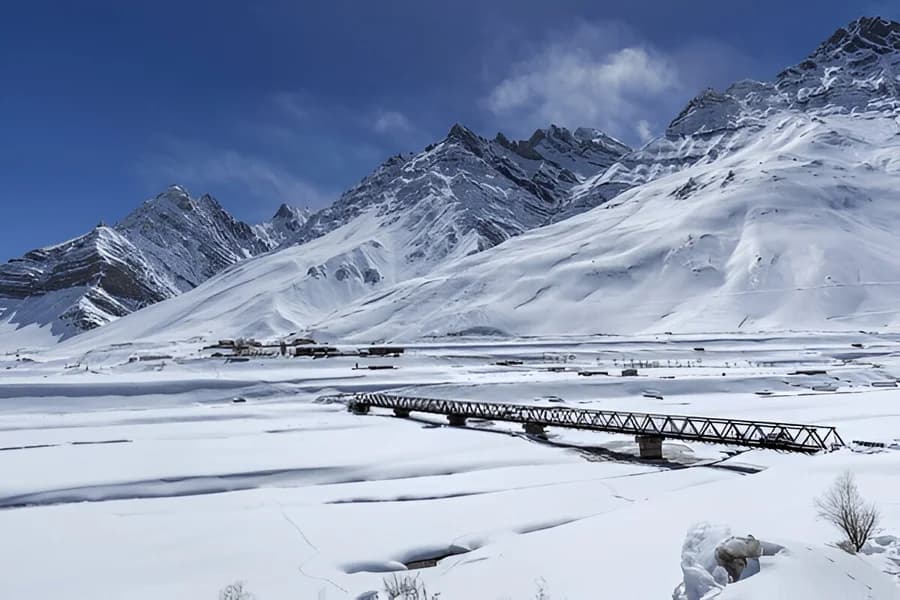
Best Time to Visit Spiti Valley
May 30, 20256 Minutes
Best Time to Visit Spiti Valley
Traveling to Spiti Valley is a once-in-a-lifetime. Located between Tibet and India, Spiti Valley is a cold desert mountain valley, and being in the Tibetan region of India, it has ancient monasteries, and some of the most popular attractions in India. Most travelers make this mistake, they tend to travel in the wrong season, because of which, their experience suffers. Timing your visit is super important in Spiti Valley because of its extreme weather conditions. The best time to visit Spiti Valley varies and depends on what you want to experience. This is why travelers opt for Spiti Valley Packages that are specially designed for different seasons to make their experience designed for them.Overview of Spiti Valley’s ClimateBecause Spiti is at a height between 12,500 to 15,000 feet above sea level, Spiti experiences some truly extreme weather. Summers are pleasant but still cool, while winters are bone-chilling with temperatures dropping to -20°C! The valley remains cut off from the outside world for nearly six months during winter due to heavy snowfall.Each season offers a completely different experience, which is why knowing the best time to visit Spiti Valley can make or break your trip. Let’s break down what each season has to offer.1. Summer (March to June)Summer is definitely the Spiti Valley best time to visit for most travelers, especially first-timers. The temperature stays between 15°C to 20°C during the day, making it perfect for sightseeing and outdoor activities.Highlights:All roads are open, including both Shimla-Kaza and Manali-Kaza routesPerfect weather for visiting Key Monastery, Chandratal Lake, and Dhankar MonasteryStar-gazing opportunities with crystal-clear night skiesLocal festivals in full swing with colorful ceremoniesDuring summer, you’ll see the patches of green against the barren mountains. The roads are in better condition, though that’s not saying much – prepare for bumpy rides! Many homestays and guesthouses open up during this time.Even in summer, carry warm clothes as evenings can get chilly, and sudden weather changes are common in the mountains.2. Monsoon (July to September)Monsoon brings its own set of challenges to Spiti. However, this is not the best time to visit Spiti Valley. The region doesn’t receive heavy rainfall like other Himalayan areas (it’s a rain shadow region), and the surrounding areas face landslides and road blockages.Real Problems Travelers Face:Getting stuck for days due to landslides on the Shimla-Kaza routeLimited accommodation options as many places close during risky periodsMedical emergencies with limited access to hospitals (the nearest good hospital is in Shimla)Despite these challenges, some adventure lovers still visit during monsoon because the landscape turns unusually green. If you do decide to travel during monsoon, keep extra buffer days in your itinerary and check weather updates daily.3. Autumn (September to October)September to early October is arguably the best time to visit Spiti for photographers. The skies clear up after the monsoon, and the crowds thin out considerably.The temperatures start dropping (5°C to 15°C) but remain manageable with proper layers. The monasteries appear even more magical with clear blue skies.One local tip: This is a great time to try the fresh apples from Spiti’s orchards – they’re smaller than regular apples but pack an incredible punch of flavor!4. Winter (November to February)Winter is definitely the best time for Spiti Valley visits if you love snow and are prepared for extreme conditions. The mercury drops well below freezing, often reaching -30°C at night.What To Expect:Most hotels and restaurants shut down; only a few homestays remain openLimited electricity and water (often frozen pipes)Frozen Spiti River that you can actually walk onThe famous winter Spiti Snow Leopard TrekOnly the most hardcore travelers venture into Spiti during winter. The Manali route completely closes, and the Shimla route remains partially open depending on snowfall. You’ll need serious winter gear, including thermal layers, down jackets, snow boots, and more.The Spiti Valley best time to visit during winter is specifically late January to February when locals celebrate the Spiti Winter Festival. During this time, the community comes together for cultural performances, traditional sports on ice, and authentic food festivals.The best time to visit Spiti Valley ultimately depends on your comfort level, what you want to experience, and your adventure appetite. For most travelers, June to early September offers the perfect balance of accessibility and reasonable weather.If you’re flexible with dates, consider these quick recommendations:First-time visitors: June to early July Photographers: Late September to early OctoberAdventure seekers: February (for snow leopard treks)Budget travelers: Early June or late September (shoulder season with lower prices)The Spiti Valley best time to visit is also influenced by your starting point. If you’re planning the complete circuit (Manali-Kaza-Manali or Shimla-Kaza-Shimla), then June to mid-September is your only window as the Kunzum Pass on the Manali side remains snow-covered the rest of the year.Also Read: Places to Visit in Spiti ValleyMust Read: Things to do in Spiti Valley

Read More

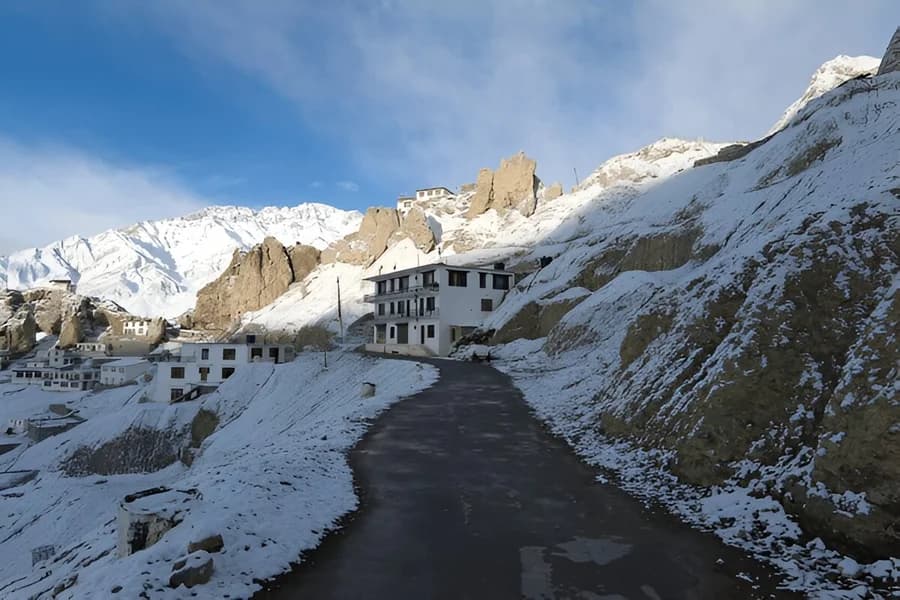
Spiti in April
May 30, 20256 Minutes
Spiti in April
Spiti Valley is a high-altitude cold desert almost at the centre of Himachal Pradesh. Famous for its extreme weather conditions that make parts of it inaccessible during winter months, Spiti in April marks the beginning of a more welcoming travel season.The fourth month of the year brings a magical transformation to Spiti. With snow still crowning the mountain peaks but roads gradually opening up, April offers the perfect blend of winter charm and spring accessibility. Spiti in April treats visitors to moderate daytime temperatures, breathtaking landscapes, and fewer tourists compared to peak summer months. April is also the right time to explore various Spiti Tour packages available for travelers who want to experience this unique destination without the logistical headaches of winter travel.Spiti Weather in AprilGoodbye to the bone-chilling cold of winter as April begins its gradual warming. The temperature during this month typically ranges from a chilly 5°C at night to a more pleasant 15°C during daytime. You’ll still need to bundle up after sunset, but the days offer comfortable conditions for exploration.You get to experience the valley’s snowy beauty without enduring the extreme cold that keeps most travelers away during winter. Higher regions like Kunzum Pass might still be snow-covered, but many key areas become accessible as roadblocks diminish. The weather in Spiti Valley in April also brings fantastic visibility, making it a photographer’s delight. Special Activities in Spiti in April1. Key Monastery: Snow WonderlandThe ancient Key Monastery, situated atop a hill at 4,166 meters, looks particularly enchanting with snow-clad mountains in the background. Morning prayers here feel more spiritual with fewer visitors interrupting the monk’s chants.2. Tabo MonasteryTabo Monastery, often called the ‘Ajanta of the Himalayas,’ and the precariously positioned Dhankar Monastery also offer peaceful visits during this time. Some of the best Places to visit in Spiti during April include these monasteries as well as remote hamlets like Kibber, Langza, and Komic, where traditional Spitian life continues largely unchanged for centuries.3. Visit Dhankar LakeDepending on snow levels, short treks around Dhankar Lake become possible by late April. The blue waters against the rugged mountains. April is also great to try out a few exciting Things to do in Spiti like stargazing under crystal-clear night skies, sampling warming local buckwheat dishes, or attempting snow hiking in areas where winter still maintains its grip.4. Rugged WildlifeAll the wildlife lovers visiting Spiti Valley in April, you can spot Himalayan ibex or blue sheep grazing in Pin Valley National Park, or on mountainsides as animals emerge from their winter routines. Bird watchers can look out for lammergeiers (bearded vultures) and golden eagles overhead.Travel Tips for Visiting Spiti in AprilPacking essentials: Layer up with thermals, fleece jackets, windproof outer layers, good quality hiking boots, warm socks, gloves, and caps. Don’t forget sunglasses and high-SPF sunscreen – the high-altitude sun is strong.Medical kit: Carry medications for altitude sickness, cold, fever, and any personal prescriptions. Oxygen cans can be helpful for those sensitive to high altitudes.Electronics: Pack power banks and extra batteries as electricity can be unreliable. Camera equipment needs protection from dust and cold.Road access: The Shimla-Kaza route opens earlier than the Manali route (which usually remains snow-blocked until May). Plan your itinerary accordingly and keep buffer days for unexpected roadblocks.Accommodation: Homestays and guesthouses start opening by mid-April, but early bookings are strongly advised. Call ahead to confirm as some places in higher villages might still be closed.Carry Cash: Carry sufficient cash as ATMs are limited to Kaza and often unreliable.Environmental responsibility: Carry back all non-biodegradable waste as waste management facilities are limited in these remote areas.For more information on routes, stays, and local culture, refer to this detailed Spiti Travel Guide which contains updated information specifically for early-season travelers visiting Spiti Valley in April.Spiti in April is a rare opportunity to experience this Himalayan desert in its transitional beauty – when winter’s grip loosens but before summer’s tourist rush begins. The valley rewards early visitors with a perfect mix of snow-capped mountains, gradually blooming landscapes, and authentic cultural experiences without the crowds.If you’re someone who appreciates witnessing a place awakening after its winter slumber, Spiti Valley in April will not disappoint. The slight logistical challenges are more than compensated by the pristine experiences and stunning photographs you’ll bring back.So pack those layers, charge those cameras, and prepare for an adventure that strikes the perfect balance between accessibility and authenticity.

Read More

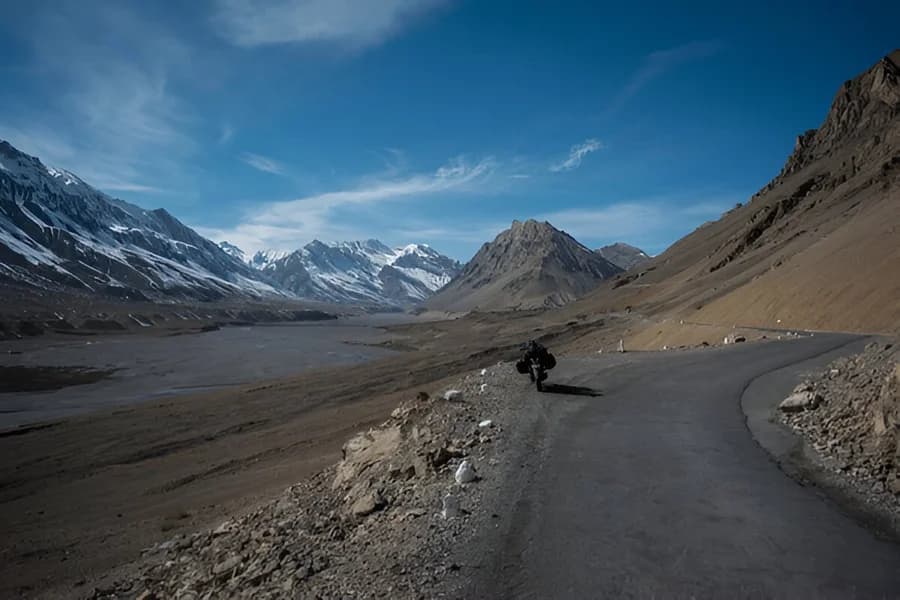
Spiti Valley Circuit
May 30, 20256 Minutes
Spiti Valley Circuit
Spiti Valley stands as a desert mountain valley that attracts travelers with its ancient monasteries, and cold desert vibes. Often described as a world within a world, this high-altitude wonderland is an experience in itself. Spiti Route is as challenging as it is rewarding. The barren mountains, clear blue skies, and sparse green patches create a scene so surreal that it feels like another planet altogether.Our Spiti Tour packages are becoming increasingly popular among travelers looking for adventure. Unlike mainstream tourist destinations, Spiti promises an authentic experience where you can reconnect with nature while disconnecting from the digital world.Understanding the Spiti RouteWhen planning your journey to this Himalayan desert, understanding the Spiti Valley route options is crucial. There are two main entry points for the trip:1. Shimla RouteThe Shimla to Spiti path(via Kinnaur) is open almost year-round and offers a gradual ascent, helping your body acclimatize to the increasing altitude. The journey takes you through lush forests that gradually transform into barren mountains.2. Manali RouteThe Manali to Spiti path(via Rohtang and Kunzum Pass) is only open during summer months (usually June to October) and offers a more direct but challenging path. This Spiti route is perfect for those who love road rush.Choose based on your comfort level with altitude, available time, and whether you prefer your adventures to escalate gradually or hit you all at once.Exploring the RouteThe complete Spiti Valley circuit is for adventure lovers. Starting from Shimla, the journey takes you through Kinnaur, Nako, the ancient monastery of Tabo, Kaza, the Chandratal Lake, and finally to the tourist hotspot of Manali.Each bend in the road reveals new landscapes that seem to compete with the previous one for your attention. One moment you’re driving alongside the Sutlej River, and the next you’re in the mountains that change colors with the moving sun. Completing the circuit gives you bragging rights that few tourists can claim.Must-Visit Places in SpitiThese are some of the most visited places of the Spiti circuit trip:KazaKaza is the main town of this Spiti circuit, as it has the most attractions that you’ll visit during your trip. There are monasteries, remote villages, world’s highest restaurant, and many more things. At least 2 days are required to visit all the famous places of Kaza, and at night, it also gets covered with stars all over your head, so it also the place for stargazing.MonasteriesKey Monastery is the most popular monastery of Kaza which is located at the top of the hill. Kungri, Dhankar, and Kibber are other popular ones. Tabo village houses a monastery that’s over 1000 years old and is often called the “Ajanta of the Himalayas” which is a must visit. Even today, Tabo holds the distinction of being the largest monastic complex in SpitiTourist PlacesOverlooking the village, Langza is famous for its huge Buddha statue. Hikkim is situated 16 km from Kaza, requiring an hour-long uphill drive. This remote village is popular for housing the world’s highest permanently operated post office, at an altitude of 14,567 feet. Komic in Himachal Pradesh is said to be home to the world’s highest motorable village. These are the must-visit places of the Spiti valley circuit.ChandratalChandratal Lake, with its crescent shape and crystal-clear waters, serves as the perfect finale before heading to Manali. Each of these places tells a story of resilience, spirituality, and coexistence with harsh nature – much like the traveler who braves this journey.Best Time to Visit SpitiTiming your journey is crucial for the Spiti experience you desire. The best time to visit Spiti is during summer months (May to September) when mountain passes are open, temperatures are bearable, and you can explore without layering up.Winter travel (October to April) transforms Spiti into a snow desert with temperatures plummeting to -30°C. Only the bravest or perhaps the slightly craziest attempt this season. If you decide to join this elite winter adventurer club, prepare for frozen water pipes, limited accommodation options, and the constant companion of bone-chilling cold. Planning Your Spiti Valley Route: Essential TipsNavigating the Spiti Valley route requires preparation beyond just fueling your excitement. Inner Line Permits: These are necessary for certain areas, especially if you’re a foreign national. Fuel Issue: Fuel stations are rare, Kaza has a petro pump, so fill up whenever possible.Altitude Guide: Acclimatization isn’t just travel jargon but a necessity to avoid altitude sickness. The whole circuit climbs from around 2000m to over 4500m, so give your body time to adjust. Packing: Your Spiti circuit trip packing list should include medications, sunscreen (the sun is especially fierce at high altitudes), warm clothes (regardless of season), and a good camera with extra batteries. The Spiti route journey is more than just ticking off tourist attractions, it’s about living and admiring a simpler way of life. For first-time travelers, start with shorter trips before attempting the complete circuit. Respect local customs, especially around monasteries, and practice responsible tourism. The Spiti route challenges you physically and rewards you spiritually. It strips away urban comforts and replaces them with spectacular vistas and starry nights that city dwellers can only dream of. When you return, you’ll have stories that don’t need filters or exaggeration – Spiti’s reality is enough.So, pack your bags, charge your cameras, and prepare your lungs for the thin mountain air. Also Read: Places to Visit in Spiti ValleyMust Read: Things to do in Spiti Valley

Read More

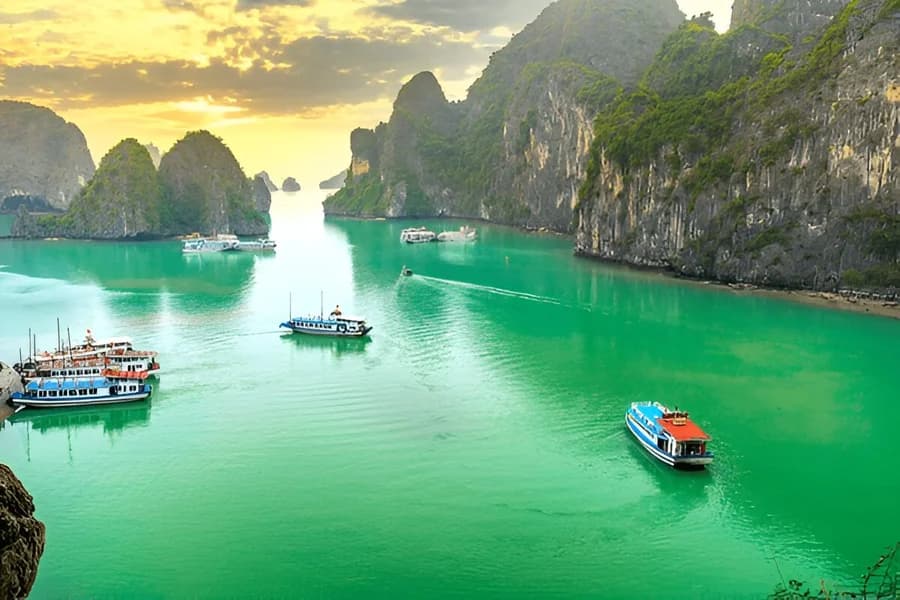
Vietnam Itinerary 5 Days
May 30, 20258 Minutes
Vietnam Itinerary 5 Days
Vietnam is a beautiful blend of history, culture, and stunning landscapes. Even in just five days, you can experience its lively cities, peaceful countryside, and breathtaking coastlines. Whether you love history, food, or scenic views, this Vietnam tour package ensures a memorable trip that feels relaxed and enjoyable.From the bustling streets of Hanoi and Ho Chi Minh City to the peaceful waters of Ha Long Bay and the charming, lantern-lit alleys of Hoi An, every moment in Vietnam is special. This Vietnam itinerary 5 days is designed to let you explore the country’s rich heritage, delicious cuisine, and incredible scenery without feeling rushed.Stay tuned as we break down the perfect itinerary to make the most of your trip!Day 1: Arriving in Hanoi – A City of Chaos and CultureYour journey begins in Hanoi, the capital of Vietnam. This city is a beautiful mix of old and new, where ancient temples stand beside bustling modern streets. The first thing you’ll notice? The traffic! Thousands of motorbikes weave through the roads in what looks like complete chaos, but somehow, it all works.On your Vietnam itinerary 5 days, start your day at Hoan Kiem Lake, a peaceful spot in the city. Walk around the lake and visit Ngoc Son Temple on a small island. Then, explore the Old Quarter, a lively area with shops, cafés, and street food. Don’t miss trying Pho, a delicious Vietnamese noodle soup.In the afternoon, visit the Temple of Literature, Vietnam’s first university, known for its beautiful courtyards and traditional Vietnamese architecture. Later, stop by the Train Street, where a train passes through a narrow alley lined with cafés, which is an unforgettable sight!As evening falls, experience Hanoi’s Night Market, where you can shop for souvenirs, try local snacks, and watch street performances. If you enjoy nightlife, grab a drink at Ta Hien Street, often called “Beer Street,” where locals and tourists gather to enjoy Hanoi’s vibrant energy.Day 2: Exploring the Stunning Ha Long BayOn the second day, leave the city behind and head to one of Vietnam’s most famous natural wonders—Ha Long Bay. The best way to experience this breathtaking place is by taking a cruise. The sight of towering limestone islands emerging from emerald waters feels like something out of a fantasy movie.On your Vietnam itinerary 5 days, take a day cruise through the bay, stopping at Sung Sot Cave, known for its stunning rock formations. For adventure, try kayaking in the calm waters. You’ll also see floating fishing villages, where locals live in stilt houses and boats.Lunch is usually included on the cruise, and seafood lovers are in for a treat. Freshly caught fish, shrimp, and crab are served with delicious Vietnamese spices. As the day comes to an end, relax on the deck and watch the sunset paint the sky in shades of orange and pink—a picture-perfect moment.Day 3: Discovering the Charm of Hoi AnAfter a short flight from Hanoi to Da Nang, take a taxi to Hoi An, one of Vietnam’s most beautiful towns. Unlike the fast-paced cities, Hoi An has a peaceful, almost magical feel, with colorful lanterns decorating the streets and ancient houses adding to its charm.The best way to explore Hoi An is on foot. In your Vietnam itinerary 5 days, stroll through the Ancient Town, where old wooden houses and historic sites reflect its trading past. Don’t miss the Japanese Covered Bridge, a beautiful 16th-century landmark with intricate carvings.If you love shopping, Hoi An is famous for its tailor shops, where you can get custom-made outfits within a day. Whether it’s a suit, dress, or traditional Vietnamese áo dài, the skilled tailors here can create something just for you.For a more relaxed experience, head to An Bang Beach, a quiet spot just a short drive away. Here, you can enjoy fresh seafood while listening to the gentle sound of the waves. As night falls, take a lantern boat ride on the river—a magical experience as thousands of colorful lanterns reflect on the water, creating a truly enchanting sight.Day 4: Experiencing the Energy of Ho Chi Minh CityAfter leaving behind the peaceful charm of Hoi An, it’s time to fly to Ho Chi Minh City, also known as Saigon. This city is Vietnam’s economic hub, buzzing with life 24/7. Its unique character is a mix of French colonial architecture, modern skyscrapers, and historical landmarks.Start your day with a visit to the Cu Chi Tunnels, an underground network used during the Vietnam War. If you’re planning a Vietnam itinerary 5 days, this historical site is a must-visit. If you’re feeling adventurous, you can even crawl through some of the narrow tunnels to experience what life was like for the soldiers..Back in the city, explore Ben Thanh Market, a great place to pick up souvenirs and sample local delicacies. For those interested in history, the War Remnants Museum offers a deep and emotional insight into Vietnam’s past.As the sun sets, head to the Saigon Skydeck for a panoramic view of the city. If you’re looking for an exciting night out, Bui Vien Street is the place to be. With neon lights, lively bars, and music filling the streets, it’s a great spot to experience the nightlife of Ho Chi Minh City.Day 5: A Relaxing End with a Mekong Delta TourAfter several days of exploring cities, it’s time for a change of pace. A trip to the Mekong Delta offers a glimpse into the peaceful countryside of Vietnam. A boat ride along the Mekong River takes you through floating markets, fruit orchards, and small villages where life moves slowly.Visiting a coconut candy factory is a fun experience. It is always a delight to watch how the sweet treats are made before tasting some fresh ones. Another highlight is a traditional sampan boat ride, where you glide through narrow canals surrounded by lush greenery.By evening, return to Ho Chi Minh City and prepare for your journey home, carrying memories of a country full of surprises, warmth, and unforgettable experiences.Vietnam Itinerary 5 Days from India – Essential Travel TipsFor those traveling from India, here are a few things to keep in mind:Visa: Most Indian travelers need an eVisa, which can be applied for online before the trip.Currency: The Vietnamese Dong (VND) is used across the country, and while some places accept USD, it’s best to carry local currency.Weather: The best time to visit is between March to April and September to November, when the weather is pleasant.Flights: Direct and connecting flights are available from major Indian cities like Delhi, Mumbai, and Bangalore to Hanoi or Ho Chi Minh City.If you’re looking for a hassle-free travel experience, you can go for a customized Vietnam travel itinerary 5 days package. Your perfect Vietnam adventure starts here!A Vietnam itinerary 5 days might seem short, but with careful planning, you can experience the country’s rich history, stunning landscapes, and vibrant culture without feeling rushed. Whether it’s the peaceful charm of Hoi An, the bustling streets of Ho Chi Minh City, or the breathtaking beauty of Ha Long Bay, Vietnam has something to offer every traveler.Also Read: Places to Visit in VietnamMust Read: Things to do in Vietnam


Read More

South Australia
May 30, 20257 Minutes
South Australia
South Australia is overshadowed by the most popular places like Sydney and Melbourne. But trust us, this place is something of its kind, and its lesser-known attractions make it even more peaceful for nature lovers. Like northern Australia, it has beaches, vineyards, rugged mountains, and wildlife, but way more convenient and peaceful.Visiting the Southern part of Australia on Australia tour packages can add an adventure packed with natural wonders, mouth-watering food, and unforgettable experiences. For backpackers, luxury travelers, or a family on vacation, the best way to explore South Australia is by road—rent a car and hit the scenic routes. Public transport is available but limited outside Adelaide. let’s explore what you can explore here.Top 10 Places to Visit in South Australia1. Adelaide Hills:Just 30 minutes from Adelaide main city, Adelaide Hills is a must-visit for nature lovers and wine enthusiasts as it is some of Australia’s best wine country and is home to Australia’s official best restaurant, hotel, wine, gin, and beach.Hahndorf Hills Winery is one of the places for wine tasting in the region. If you love wildlife, don’t miss Cleland Wildlife Park. Enjoy a traditional German feast in Hahndorf, especially the bratwurst and pretzels.2. Eyre Peninsula:If you love beaches and seafood, Eyre Peninsula is a place you must visit. It is among the top 10 places to visit in south australia ​to try fresh oysters and thrilling adventure activities. Even for swimming it is the best place as the waves are surprisingly calm. If you prefer a laid-back experience, you can just relax by the ocean.3. Fleurieu Peninsula:Fleurieu Peninsula is the place for all beach lovers. Whether you want to go whale watching in Victor Harbor, explore McLaren Vale’s famous wineries, or just relax by the ocean, you just can’t miss this when in Southern Australia. The coastal views are simply breathtaking, and the seafood is fresh and flavorful. Try surfing at Middleton Beach.4. Barossa Valley:One of the best places to visit in South Australia for wine lovers. Simply, if you love wine, you cannot miss Barossa Valley. This valley is famous for its world-class wineries. Sip on some of the best Shiraz wines, and enjoy the stunning views from Mengler’s Hill Lookout. You can also take a hot air balloon ride over the vineyards. The famous Barossa cheese and a wine-paired meal at a vineyard restaurant is a must-try.Check out our Australia Travel Guide for expert tips and insights.5. Clare Valley:Also a wine region, but way more scenic. Clare Valley in South Australia is a perfect relaxing getaway. It’s majorly popular for its cycling trails, you can just hire a bike and explore its famous Riesling trails. Believe us, this is one of the best things to do in south Australia​. The region’s history is reflected in its beautiful stone buildings and heritage towns. Must try: Enjoy the impressive view from the Quarry Hill Lookout.6. Riverland:South Australia is beautiful year-round, but the Best Time to Visit Australia can really help in choosing the right time. For a unique South Australia experience, head to Riverland. One of the top 10 places to visit in South Australia, this region is all about river and river views, houseboat experiences, and the view of one of the world’s longest rivers from Headings Lookout. Cruise along the Murray River, try water sports or just relax in a houseboat.7. Kangaroo Island:Do you know why Australia is called the land of Kangaroos? Because of the Kangaroo Island. A trip to South Australia is incomplete without visiting Kangaroo Island. This island is a wildlife heaven, home to kangaroos, koalas, sea lions, and rock formations. Explore the beaches, visit Flinders Chase National Park, and enjoy fresh seafood. Must try: Ligurian honey ice cream, made from the world’s only purebred Ligurian bees found on the island.8. Limestone Coast:Limestone Coast is famous for its Blue Lake, mysterious caves, and beautiful beaches. This coast is also famous because of the beauty of South Australia’s only UNESCO World Heritage Site at Naracoorte Caves. The region is also home to beautiful coastal towns like Robe and Beachport.Must Try: Take a drive down 17 kilometers of pure white sand on the aptly named Long Beach. It is among the must-visit places to visit in South Australia.9. Yorke Peninsula:For sun, sand, and surf, head to Yorke Peninsula. This region is perfect for a laid-back beach holiday, which is why it is one of the top 10 places to visit in South Australia among families. Families will love its safe swimming beaches, while adventure seekers can try their hand at surfing or snorkeling. Must try: Freshly caught blue swimmer crabs, a local favorite.10. Flinders Ranges:If rugged landscapes and ancient history fascinate you, Flinders Ranges is a must-visit tourist place in Southern Australia. Home to Wilpena Pound, this mountain range is perfect for hiking, scenic drives, and even some walking. You can enjoy the red rugged views of the mountains while camping under the stars.Also Read – Places To Visit in AustraliaMust Read – Things To Do in Australia

Read More

Top Hill Stations in North East India for Peaceful Holidays
May 30, 20257 Minutes
Top Hill Stations in North East India for Peaceful Holidays
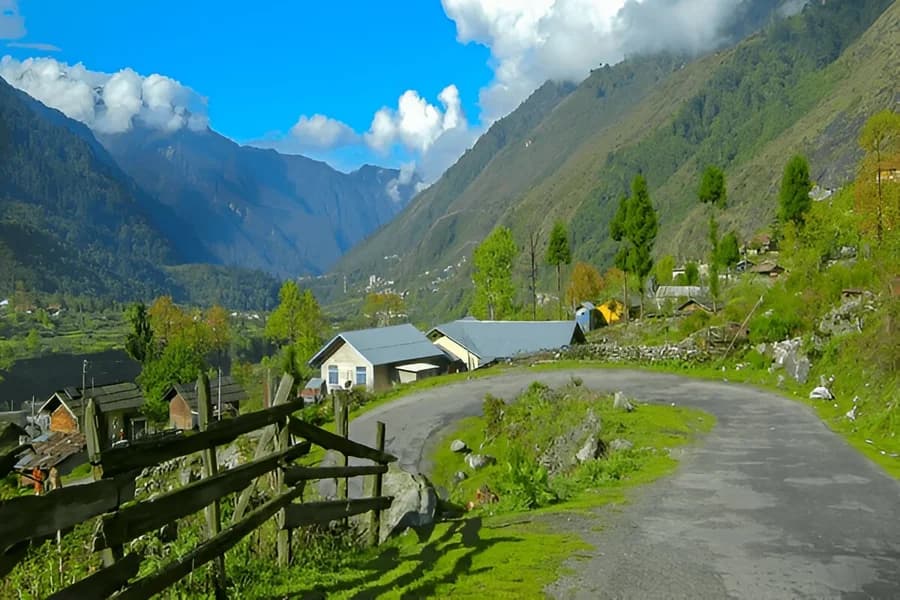
Northeast India is a land of untouched beauty, serene landscapes, and charming hill stations. Whether you are looking for adventure, peace, or cultural experiences, the region’s hill stations offer everything. Unlike the crowded hill towns of northern India, North East tour packages offer a peaceful retreat with stunning views, rich culture, and a relaxed vibe.From the lively streets of Gangtok to the peaceful monasteries of Tawang, from the stunning waterfalls of Shillong to the green valleys of Ziro, every hill station in North East has something unique to offer. If you are planning a getaway, this guide will help you discover things to do, must-visit attractions, and travel tips in North East India.5 Amazing Hill Station in North East India1. Gangtok – The Vibrant Capital of SikkimIt is nestled in the Eastern Himalayas, Gangtok is one of the most popular hill stations in North East India. Sitting at an altitude of 5,410 feet, it offers stunning views of the mighty Kanchenjunga, the third-highest mountain in the world. Gangtok is known for its perfect blend of tradition and modernity, where Buddhist monasteries exist alongside bustling markets and lively cafes.Things to Do in Gangtok:Tsomgo Lake: A high-altitude glacial lake, famous for its turquoise-blue waters and surrounding snow-capped mountains. In winter, the lake freezes, creating a magical landscape.Rumtek Monastery: One of India’s most significant Buddhist monasteries, offering spiritual vibes and breathtaking views.MG Road: A pedestrian-friendly street lined with shops, restaurants, and cafes, perfect for a relaxed evening.Nathula Pass: Nathula Pass is a mountain pass on the India-China border, offering breathtaking views and a glimpse into history.2. Shillong – The Scotland of the EastShillong, the capital of Meghalaya, is often called “Scotland of the East” due to its rolling hills, colonial-style architecture, and cool climate. It is a hub for music, culture, and nature lovers, making it one of the most exciting hill stations in North East India.Top Attractions in Shillong:Umiam Lake: Umiam Lake is a man-made lake surrounded by lush green hills, ideal for boating and picnics.Elephant Falls: A three-tiered waterfall that cascades through dense greenery, creating a mesmerizing view.Laitlum Canyons: One of the most scenic viewpoints in Meghalaya, offering panoramic views of deep valleys and misty hills.Shillong Peak: The highest point in Shillong, providing breathtaking views of the city and beyond.3. Tawang – A Hidden Gem in Arunachal PradeshTawang is located in Arunachal Pradesh, is a peaceful and scenic hill station at an altitude of 10,000 feet. It is famous for the Tawang Monastery, the largest Buddhist monastery in India, and its breathtaking landscapes.Things to Do in Tawang:Tawang Monastery: Tawang Monastery is a 400-year-old monastery that is an important spiritual and cultural center in the region.Sela Pass: A high-altitude mountain pass covered in snow, offering stunning views and a thrilling drive.Bum La Pass: Located near the India-China border, this pass is known for its historical significance and breathtaking beauty.Madhuri Lake: A serene lake surrounded by snow-capped mountains, named after actress Madhuri Dixit, who filmed a song here.4. Pelling – The Land of WaterfallsPelling is a beautiful hill station in North East India that offers stunning views of Kanchenjunga. It is known for its monasteries, waterfalls, and adventure activities, making it an ideal destination for all kinds of travelers.Top Attractions in Pelling:Pemayangtse Monastery: One of the oldest monasteries in Sikkim, rich in history and Tibetan architecture.Khecheopalri Lake: A sacred lake believed to fulfill wishes, surrounded by dense forests.Rimbi Waterfalls: A beautiful waterfall perfect for a picnic and photography.Singshore Bridge: The highest suspension bridge in Sikkim, offering thrilling views.5. Aizawl – The Peaceful Capital of MizoramAizawl, the capital of Mizoram, is one of the most underrated yet beautiful hill station in North East. It offers a mix of tribal culture, stunning landscapes, and a slow-paced lifestyle. It offers a mix of tribal culture, stunning landscapes, and a slow-paced lifestyle.Things to Do in Aizawl:Reiek Peak: A scenic viewpoint offering panoramic views of Mizoram’s hills.Solomon’s Temple: A beautiful church with white marble architecture, attracting visitors with its peaceful atmosphere.Mizoram State Museum: A great place to learn about Mizo culture, traditions, and history.Best Time to Visit North EastThe best time to visit North East is from October to May, as the weather is pleasant, and the landscapes are at their best. The winter months (December to February) offer snowfall in high-altitude places like Tawang and Gangtok, while the summer months (March to May) provide a refreshing escape from the heat.Places to Visit in North East IndiaApart from the hill stations in north east india, there are many other Places To Visit in North East India that offer diverse experiences:Kaziranga National Park – Home to the one-horned rhinoceros.Majuli – The world’s largest river island in Assam.Cherrapunji – Famous for its waterfalls and living root bridges.Dzukou Valley – A paradise for trekkers with flower-filled landscapes.Things to Buy in North East IndiaShopping is one of the things to do in North East for a unique experience, offering a wide range of traditional products. Some of the best things to buy in North East India include:Handwoven shawls and textiles from Nagaland and Mizoram.Bamboo and cane handicrafts, including baskets and furniture.Tea from Assam, known for its rich aroma.Tribal jewelry made from beads, brass, and silver.Local spices like Bhut Jolokia (one of the spiciest chilies in the world).These souvenirs reflect the rich heritage and craftsmanship of the region, making them perfect keepsakes from your trip.The hill station in North East India offer a perfect escape for nature lovers, adventure seekers, and culture enthusiasts. Whether you want to explore Buddhist monasteries, trek through lush valleys, or simply relax in the lap of nature, North East India has something for everyone. So, if you are looking for an unforgettable travel experience, pack your bags and head to the beautiful hill stations of North East India!

Read More

Munduk, Bali
May 30, 20253 Minutes
Munduk, Bali
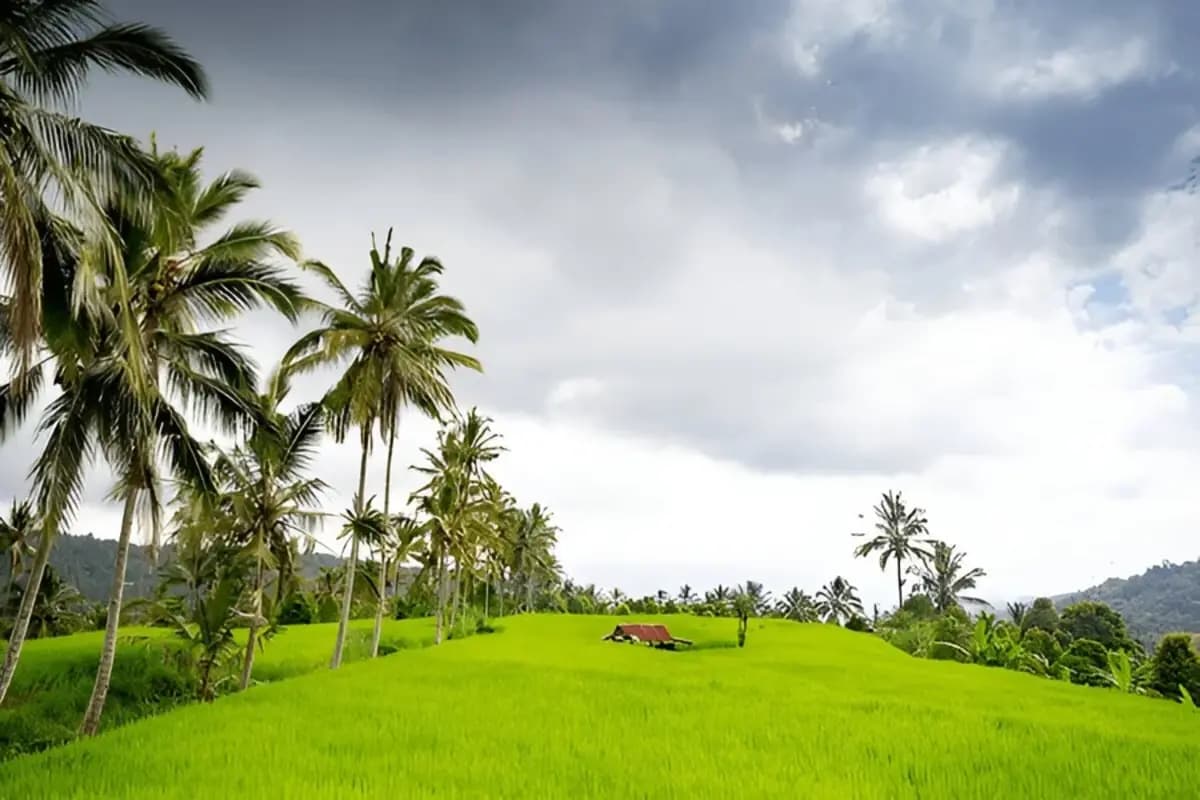
Overview of Munduk Bali is known for its beaches, temples, and vibrant nightlife, but if you want to experience a quieter and more natural side of the island, Munduk is the perfect place to visit. Located in Bali’s central highlands, this small village offers misty mountains, lush green landscapes, and refreshing waterfalls. Bali tour packages offer a perfect escape far from the crowds of Ubud and Seminyak, making them ideal for nature lovers and peace seekers. The cool climate of Munduk makes it a refreshing escape from Bali’s tropical heat. It is surrounded by coffee plantations, rice terraces, and dense forests, offering stunning views in every direction. Whether you enjoy hiking, relaxing in nature, or exploring waterfalls, Munduk has something for everyone. If you are looking for a hidden gem in Bali, Munduk should be on your travel list. What are the Key Highlights of Munduk: Beautiful Waterfalls – Munduk is home to some of Bali’s most scenic waterfalls. The most popular ones include: Munduk Waterfall – An easy-to-reach waterfall with breathtaking natural surroundings. Melanting Waterfall – A peaceful and less crowded spot, perfect for those who love adventure. Gitgit Waterfall – Known for its twin cascades and scenic beauty. Twin Lakes Viewpoint – One of the best viewpoints in Bali, where you can see Lake Buyan and Lake Tamblingan from above. The misty mornings make the view even more magical. Lush Rice Terraces – The rice fields in Munduk are less touristy than Ubud, offering a more peaceful and authentic experience. Coffee & Spice Plantations – Munduk has a rich history of coffee and spice farming. You can visit local plantations, learn about the coffee-making process, and enjoy fresh Balinese coffee. Trekking & Nature Walks – The cool climate and dense forests make Munduk a great place for trekking. There are many jungle trails leading to waterfalls, rice fields, and hidden viewpoints. Best Time to Visit Munduk Munduk has a cool and pleasant climate throughout the year, but the best time to visit depends on what you want to experience. April to October (Dry Season) – This is the best time for outdoor activities, trekking, and sightseeing. The weather is clear, and the views are stunning. November to March (Rainy Season) – The waterfalls are at their fullest, creating a spectacular sight. However, the trails can be muddy, so be prepared if you plan to hike. Travel Tips / Essential Information for Munduk: Wear comfortable shoes – Many places in Munduk require walking or short hikes. Good shoes will make your experience more enjoyable. Bring a light jacket – The mornings and evenings in Munduk can be cool due to the high altitude. Start your day early – The best time to see the Twin Lakes Viewpoint and other scenic spots is in the early morning when there is less fog. Try the local coffee – The coffee in Munduk is some of the best in Bali, so don’t miss the chance to visit a plantation and taste fresh coffee. Respect nature – Munduk is still a peaceful and untouched part of Bali. Avoid littering and help keep the area clean. How to Reach Munduk By Car or Scooter – The easiest way to reach Munduk is by renting a scooter or hiring a private car. It takes about 2.5 to 3 hours from Ubud, Seminyak, or Canggu. By Guided Tour – Many travel agencies offer day trips to Munduk, including visits to waterfalls, lakes, and plantations. This is a great option if you don’t want to drive. Also Read: Places to Visit in BaliMust Read: Things to do in Bali

Read More

Tabanan, Bali
May 30, 20253 Minutes
Tabanan, Bali
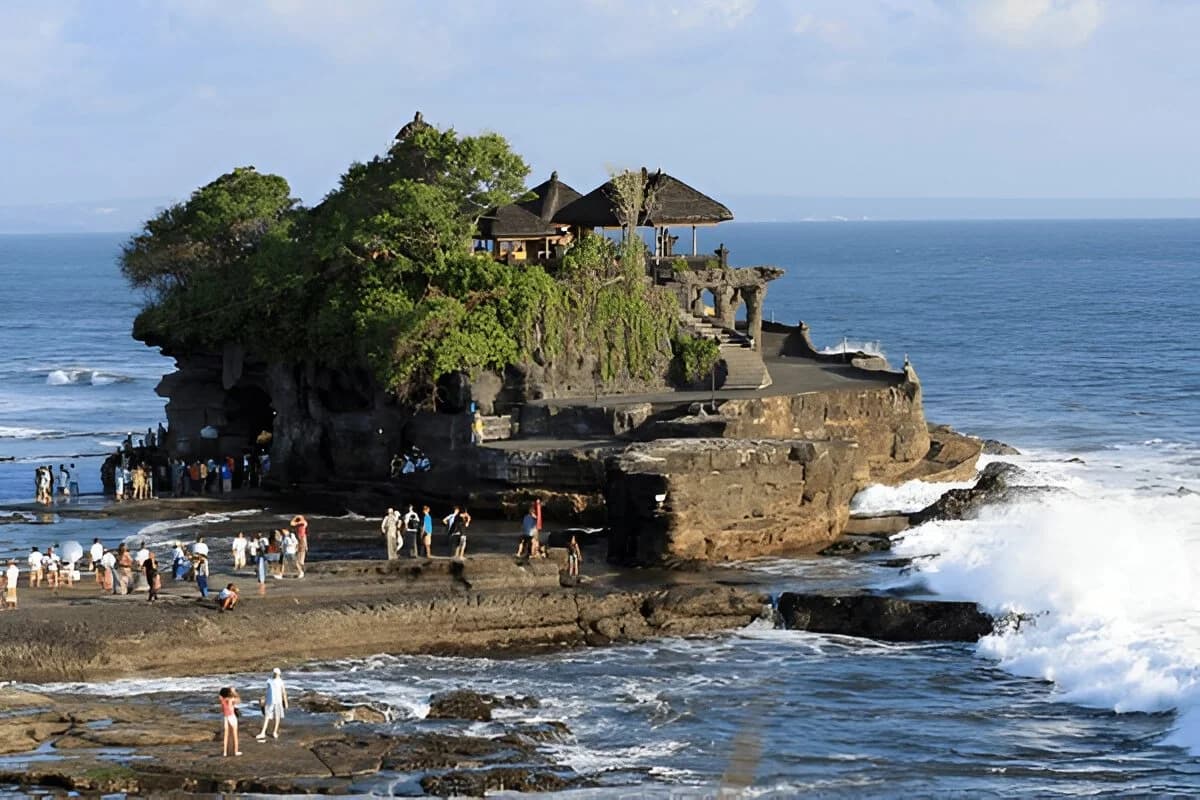
Overview of Tabanan: If you are looking for a quiet and authentic side of Bali, away from the busy tourist spots, Tabanan is the perfect destination. It is known for its lush rice terraces, scenic mountains, hidden waterfalls, and cultural heritage, Tabanan offers a peaceful retreat where you can experience the true beauty of Bali. Whether you seek temples, lush hikes, or peaceful retreats, Tabanan is a must-visit in Bali tour packages for nature and culture lovers. It is located on the western side of the island. Tabanan is home to stunning landscapes, traditional villages, and famous temples. Unlike the crowded beaches of Kuta or the busy streets of Ubud, Tabanan feels calm and untouched, making it ideal for travelers who love nature and culture. What are the Key Highlights of Tabanan: Jatiluwih Rice Terraces – One of Bali’s most beautiful rice terraces, listed as a UNESCO World Heritage Site. The endless green landscapes and traditional farming techniques make it a must-visit. Tanah Lot Temple – One of Bali’s most famous temples, built on a rock formation in the sea. It is best visited at sunset when the temple is surrounded by golden light. Bali Butterfly Park – It is wonderful place for nature lovers, where you can see hundreds of colorful butterflies in a lush tropical garden. Yeh Panes Hot Springs – A hidden gem where you can soak in natural hot springs surrounded by greenery. It’s a great place to relax and unwind. Leke Leke Waterfall – A hidden waterfall located in the jungle, perfect for those who enjoy nature and photography. Mount Batukaru – One of Bali’s lesser-known mountains, offering scenic hikes and breathtaking views of the island. Traditional Villages – Tabanan is home to many local villages, where you can experience Balinese culture, watch traditional dances, and learn about local crafts. Best Time to Visit Tabanan April to October (Dry Season) – This is the best time for outdoor activities, trekking, and sightseeing. The weather is pleasant, and the views are clear. November to March (Rainy Season) – The landscapes are lush and green, and the waterfalls are at their fullest. However, some hiking trails may be muddy. Travel Tips / Essential Information for Tabanan Wear comfortable shoes – Many attractions require walking or hiking, so comfortable footwear is a must. Bring a raincoat or umbrella – Tabanan’s climate can be unpredictable, especially in the mountains. Visit temples early – If you want to see Tanah Lot Temple without large crowds, it’s best to go in the morning. Try local food – Tabanan is known for its delicious Balinese cuisine. Don’t miss out on trying traditional dishes like Babi Guling (suckling pig) and Nasi Campur (mixed rice). Respect the culture – When visiting temples, wear appropriate clothing (sarong and a covered top) and follow local customs. How to Reach Tabanan By Car or Scooter – Tabanan is about 1.5 to 2 hours from Ubud, Seminyak, and Canggu. Renting a scooter or hiring a private driver is the best way to explore the area. By Tour – Many guided tours include visits to Jatiluwih Rice Terraces, Tanah Lot Temple, and local villages. This is a great option if you prefer a hassle-free trip. Tabanan is one of Bali’s most underrated destinations, offering a perfect mix of natural beauty, cultural experiences, and peaceful landscapes. Whether you want to explore stunning rice terraces, visit sacred temples, soak in hot springs, or hike through lush jungles, this region has something for every traveler. If you want to see a more authentic and tranquil side of Bali, away from the busy tourist areas, Tabanan is the perfect place to visit! Also Read: Places to Visit in BaliMust Read: Things to do in Bali

Read More

Ponnani Beach, Kerala
May 30, 20253 Minutes
Ponnani Beach, Kerala
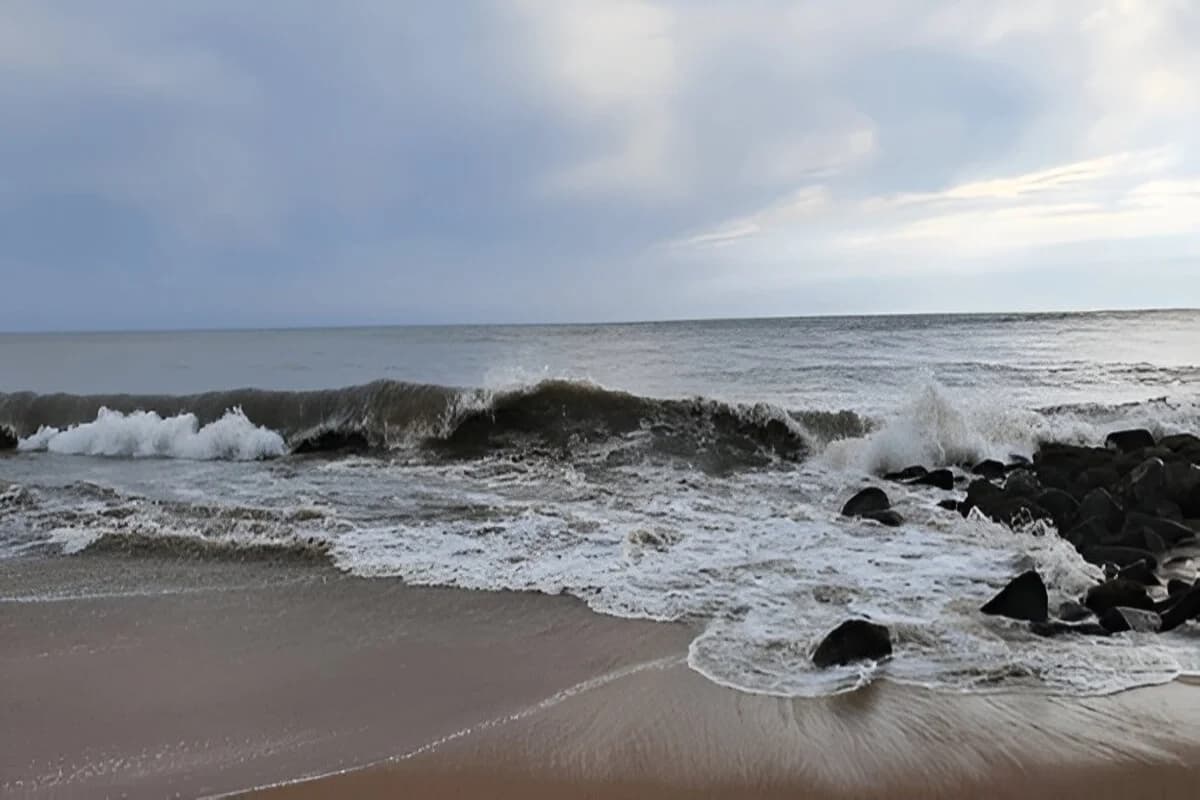
Overview of Ponnani Beach: If you’re looking for a quiet beach with natural beauty, Ponnani Beach in Kerala is a perfect choice. It is located in Malappuram district, This beach is less crowded compared to other popular beaches in the state. Kerala tour packages let you enjoy golden sands, swaying coconut trees, and breathtaking sunsets over the Arabian Sea. Ponnani is also an important town with a rich history, influenced by trade and culture from centuries ago. The beach is not just about scenic beauty – it’s also a place where you can experience local life, fishing activities, and simple coastal charm. Whether you want to take a peaceful walk, click some beautiful pictures, or just relax, Ponnani Beach offers a refreshing escape from busy city life. What are the Key Highlights of Ponnani Beach 1. Peaceful and Less Crowded One of the biggest reasons to visit Ponnani Beach is its peaceful atmosphere. Unlike Kerala’s more famous beaches, this one remains relatively unexplored, making it perfect for those who love solitude and scenic beauty. 2. Stunning Sunset Views Sunsets at Ponnani Beach are truly mesmerizing. As the sun dips into the Arabian Sea, the sky transforms into shades of orange, pink, and purple. It’s a breathtaking sight and one of the best times to visit the beach for photography or relaxation. 3. Fishermen and Local Life Ponnani is an important fishing hub, and you can witness local fishermen at work, bringing in their daily catch or repairing their nets. The simplicity of this coastal life adds to the charm of the place, giving visitors a glimpse into the traditions and livelihoods of the local people. 4. Birdwatching and Natural Beauty Ponnani Beach is close to the Bharathapuzha River, which attracts a variety of migratory birds. If you are a bird lover, visiting this area during the migration season can be a delightful experience. The combination of the sea, river, and lush greenery creates a perfect setting for nature lovers. 5. Rich Cultural and Historical Significance Ponnani has a strong historical and cultural heritage. It was once a thriving trade center, influenced by Arab traders and later by the Portuguese and British. The town is home to ancient mosques, including the historic Ponnani Juma Masjid, which is worth exploring. Best Time to Visit The ideal time to visit Ponnani Beach is from October to March. The weather during these months is pleasant, with a cool breeze making the beach experience more enjoyable. Summers (April to June) can be hot and humid, while the monsoon season (July to September) brings heavy rainfall, which might not be the best time for a beach visit. Travel Tips & Essential Information for Ponnani Beach Carry Essentials – Sunscreen, sunglasses, and a hat are a must to protect yourself from the sun.Visit in the Evening – Sunset time is the best to enjoy the beach’s beauty.Explore Nearby Places – Visit Ponnani town, the Ponnani Juma Masjid, and Bharathapuzha River.Try Local Food – Enjoy fresh seafood and Kerala-style snacks from nearby eateries.Respect Local Culture – Dress modestly and be mindful of local traditions. Ponnani Beach is a hidden gem in Kerala that offers peace, natural beauty, and a glimpse into the simple coastal life. Whether you’re a nature lover, a photography enthusiast, or just someone looking for a quiet escape, this beach has something special to offer. With its stunning sunsets, calm ambiance, and cultural charm, Ponnani Beach is truly a place worth visiting. Also Checkout – Things To Do In KeralaMust Read – Places to Visit in Kerala

Read More

Mandi, Himachal Pradesh
May 30, 20253 Minutes
Mandi, Himachal Pradesh
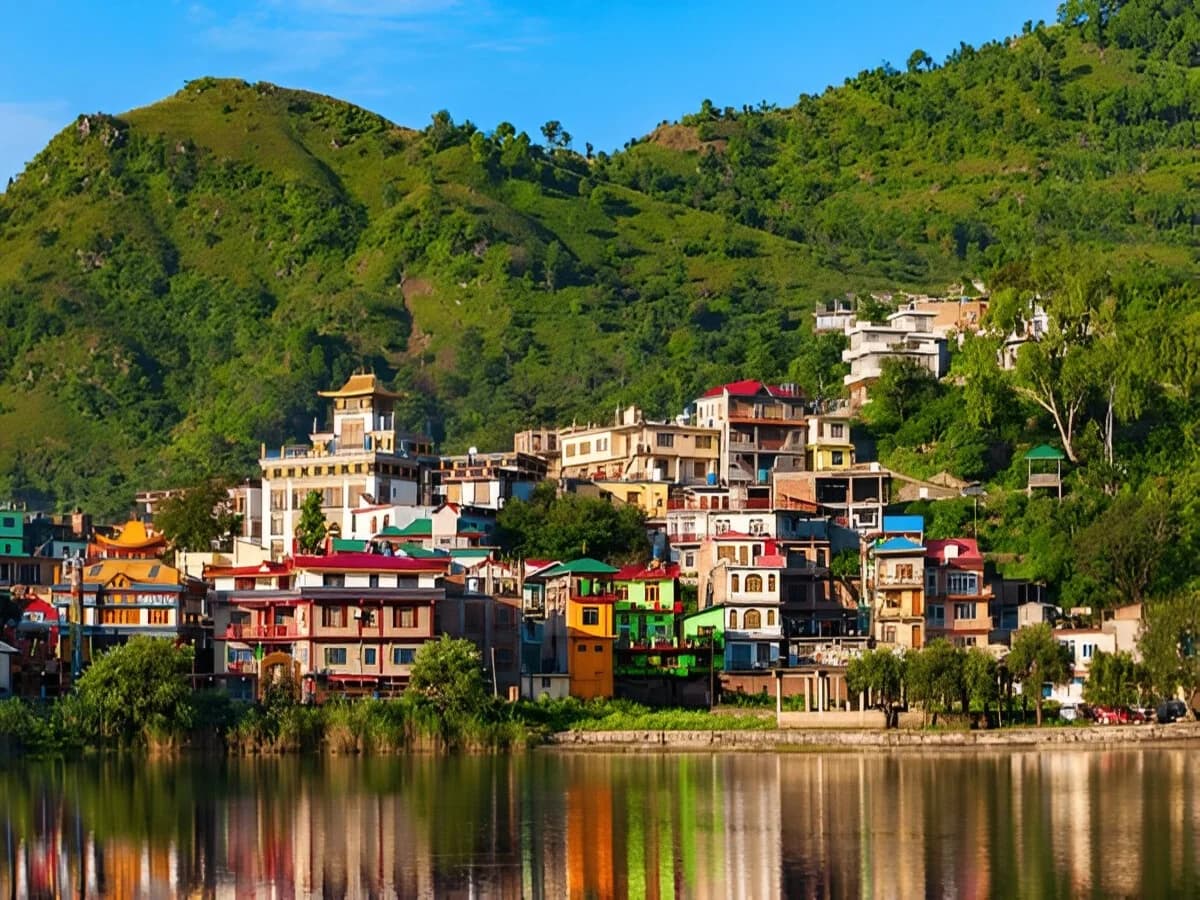
Overview of Mandi: Mandi, known as the “Varanasi of the Hills,” is a charming town in Himachal Pradesh that offers a perfect mix of nature, history, and spirituality. Often included in Himachal tour packages, this hidden gem is nestled along the Beas River, surrounded by lush green hills, ancient temples, and peaceful landscapes, making it an ideal escape for travelers seeking both adventure and culture. Unlike the busy hill stations, Mandi has a calm and untouched beauty that lets you truly connect with nature. Whether you’re exploring centuries-old temples, trekking through scenic trails, or simply enjoying the riverside views, this town has something special for every traveler. If you’re looking for a destination that’s refreshing, peaceful, and full of hidden treasures, Mandi deserves a place on your travel list. What are the Key Highlights of Mandi: Prashar Lake – A stunning blue-water lake surrounded by mountains. The floating island in the middle of the lake makes it even more special. The trek to Prashar Lake is a must for adventure lovers. Bhutnath Temple – One of the oldest temples in Mandi, dedicated to Lord Shiva. It is the heart of the famous Maha Shivratri festival. Barot Valley – A peaceful valley known for fishing, trekking, and camping. If you love being close to nature, this is a great place to visit. Rewalsar Lake – A sacred lake surrounded by Buddhist monasteries and Hindu temples. It’s a perfect spot to experience the spiritual side of Mandi. Shikari Devi Temple – A beautiful hilltop temple with breathtaking views. The trek to the temple is rewarding, offering stunning landscapes along the way. Sunken Garden: A relaxing spot in the heart of Mandi town, where you can take a walk, enjoy local food, and experience the town’s slow-paced life. Best Time to Visit Mandi March to June (Summer) – Pleasant weather, perfect for sightseeing and trekking. July to September (Monsoon) – The town looks lush and green, but some treks may be difficult due to rain. October to February (Winter) – Cold weather with occasional snowfall in nearby areas, making it a great time for nature lovers. Travel Tips/Essential Information for Mandi: Carry warm clothes – Even in summer, evenings can be cool. Start treks early – If you plan to visit Prashar Lake or Shikari Devi, start your trek in the morning for the best experience. Try local food – Don’t miss Siddu (a local stuffed bread) and Chana Madra (a Himachali dish). Respect temple customs – Many temples have strict dress codes; it’s best to carry a shawl or scarf. Use local transport – Public buses and shared taxis are the best ways to explore Mandi and nearby places. How to Reach Mandi By Road – Mandi is well-connected by road. It is about 110 km from Manali, 70 km from Kullu, and 200 km from Chandigarh. Buses and taxis are available from all major cities. By Train – The nearest railway station is Joginder Nagar, about 55 km away. From there, you can take a taxi or bus. By Air – The nearest airport is Bhuntar Airport (Kullu), about 60 km from Mandi. Taxis and buses are available from the airport. Mandi is a place where you can experience nature, adventure, and spirituality all in one trip. Whether you’re trekking to Prashar Lake, visiting ancient temples, or just enjoying the peaceful riverside, Mandi offers a unique and refreshing travel experience.If you’re looking for a calm and beautiful destination in Himachal Pradesh, away from the crowds, Mandi is the perfect place to visit! Also Read – Places To Visit in Himachal PradeshMust Checkout – Things To Do in Himachal Pradesh

Read More

Nurpur, Himachal Pradesh
May 30, 20254 Minutes
Nurpur, Himachal Pradesh
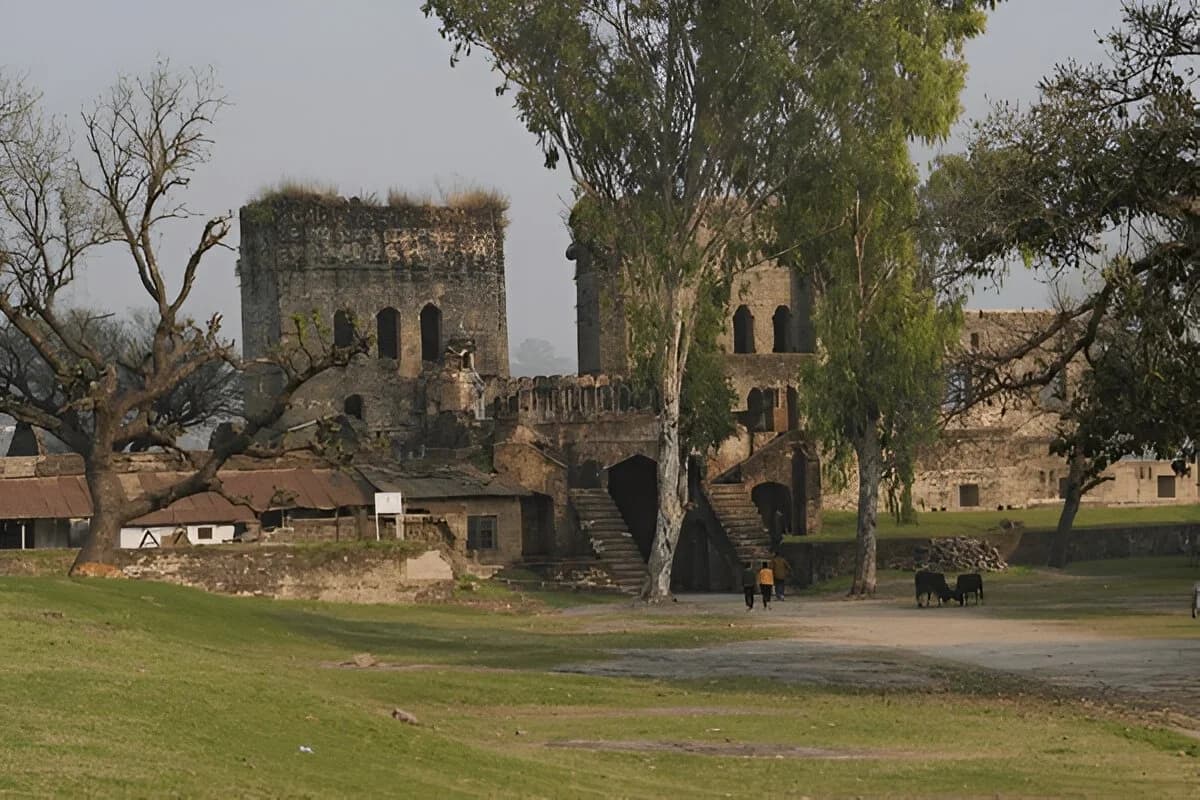
If you love offbeat travel destinations that offer a mix of history, nature, and culture, then Nurpur in Himachal Pradesh is a place worth visiting. It is located in the Kangra district. Nurpur is a small town that remains untouched by heavy tourism, making it a perfect getaway for those seeking peace and natural beauty. Unlike busy hill stations, Nurpur is peaceful and slow-paced, with old forts, beautiful temples, and amazing views of the Dhauladhar mountains. You can explore this hidden place with Himachal tour packages, which offer a mix of history and nature. Nurpur was once a royal kingdom ruled by the Pathania dynasty, and its historic fort still stands as a reminder of its glorious past. The town is also known for its spiritual significance, with temples that attract devotees and travelers alike. Beyond history, green landscapes, peaceful rivers, and fresh mountain air make Nurpur a wonderful place to explore. Whether you’re looking for a short trip or a peaceful escape, Nurpur has plenty to offer. What are the Key Highlights of Nurpur, Himachal Pradesh: Nurpur Fort – This 10th-century fort was once the royal seat of the Pathania rulers. Though partially in ruins, it offers breathtaking views of the valley and is perfect for history lovers. Brij Raj Swami Temple – It is located inside the fort, this temple is one of the few places where Lord Krishna and Meera Bai are worshipped together. It is believed that the idol was brought here from Rajasthan centuries ago. Jhandi Temple – A small but beautiful temple located on a hilltop, offering stunning panoramic views of the valley. Nagni Mata Temple – Dedicated to the snake goddess, this temple is famous among locals and is surrounded by lush greenery. Dhauladhar Mountain Views – Nurpur offers some of the best views of the Dhauladhar mountain range, making it a great destination for nature lovers. Ranjit Sagar Dam – Just a short drive from Nurpur, this dam is a beautiful picnic spot, perfect for relaxing by the water and enjoying the scenic surroundings. Best Time to Visit Nurpur March to June (Summer) – The weather is pleasant and ideal for sightseeing. The lush green surroundings make it a great time for photography and nature walks. July to September (Monsoon) – The town looks fresh and green, but heavy rains may make travel a bit difficult. If you love monsoon landscapes, this is a good time to visit. October to February (Winter) – Winters in Nurpur are cold, and the misty atmosphere adds a magical touch to the hills. If you love quiet, cozy winter trips, this is a great time to visit. Things to Do in Nurpur Explore Nurpur Fort – Walk through the ancient ruins and enjoy the breathtaking valley views. Visit Brij Raj Swami Temple – experience the peaceful atmosphere and unique spiritual significance of this historic temple. Enjoy a Day Trip to Ranjit Sagar Dam – Relax by the water, take pictures, and enjoy a picnic with family or friends. Hike to Jhandi Temple – A short trek to the temple rewards you with amazing views of the valley. Capture Beautiful Sunsets – The hills around Nurpur offer incredible sunset views, perfect for photography lovers. Explore Local Markets – Visit small local shops to buy handmade Himachali crafts and woolen clothes. Travel Tips for Nurpur Wear comfortable shoes – Some attractions, like the fort and temples, require walking or climbing. Carry warm clothes in winter – The temperatures drop significantly, especially in the evenings. Respect local customs – Many temples have traditional customs, so dress modestly when visiting religious sites. Try Local Food – Himachali cuisine is delicious! Try Siddu, Chana Madra, and fresh mountain tea from small roadside stalls. Hire a local taxi – Public transport is limited, so hiring a cab is the best way to explore nearby attractions. How to Reach Nurpur By Road – Nurpur is well-connected by road and is about 50 km from Pathankot, 30 km from Dharamshala, and 60 km from Kangra. You can easily find buses or taxis from these locations. By Train – The nearest railway station is Pathankot, about 50 km away. From there, you can take a local bus or hire a taxi. By Air – The nearest airport is Kangra Airport (Gaggal), about 60 km from Nurpur. Taxis are available from the airport. Nurpur may not be as famous as other places in Himachal Pradesh, but that’s exactly what makes it special. The town has a rich history, beautiful landscapes, and a peaceful atmosphere that allows travelers to truly unwind. Whether you want to explore ancient forts, visit temples, enjoy nature, or simply relax in a quiet environment, Nurpur has something for everyone. For travelers who love hidden gems and peaceful escapes, Nurpur is a destination worth adding to your travel list. It’s a place where you can slow down, connect with history, and experience the untouched beauty of Himachal Pradesh. So, if you’re looking for a unique and memorable trip, Nurpur is waiting for you! Also Read – Places To Visit in Himachal PradeshMust Checkout – Things To Do in Himachal Pradesh

Read More

Una, Himachal
May 30, 20253 Minutes
Una, Himachal
Overview of Una: Located in the foothills of Himachal Pradesh, Una might not be the first place that pops into your head when you think of the Himachal. But don’t let that fool you—this small district is the “Gateway to Himachal Pradesh” as it is the first district that comes when you enter Himachal via Delhi. It has religious sites, adventure spots, and scenic landscapes, not as high as Manali or Shimla. Una is where travelers get their first taste of Himachal’s beauty before heading deeper into the hills. Now, if you think all of Himachal is about snow-capped mountains and chilly weather, Una is here to prove you wrong!  It’s a budget-friendly destination, perfect for those looking for affordable Himachal Pradesh tour packages without compromising on the experience. Unlike high-altitude mountains, Una has a warm climate, making it an all-year destination. It’s a unique blend of Punjab’s energy and Himachal’s beauty. What are the Key Highlights of Una: Chintpurni Temple: One of the most visited Shakti Peeths, the Chintpurni Temple is a major attraction for devotees. Dera Baba Bharbhag Singh: This Sikh pilgrimage site is famous for its annual fair, where people come to pray. It’s believed that this place cures ailments, especially caused by “evil spirits.” Pong Dam: If you’re a nature lover, Pong Dam is where you should head. This massive dam is a birdwatcher’s paradise, especially in winter when migratory birds from as far as Siberia stop here. You can also enjoy boating and picnics here. Thanak Purbal Fort: Not many people know about Thanak Purbal Fort, but this place offers spectacular views of the region. Rafting in the Swan River: Yes, you read that right—You can enjoy rafting in the Swan River, which is called the “lifeline of Una.” Bangana Lathian Piplu Trek: If you like hiking, go for Bangana Lathian Piplu Trek to enjoy the views of the Shivalik hills. The trek isn’t too tough, so even beginners can enjoy it. Travel Tips & Essential Information Best Time to Visit: Unlike other parts of Himachal that get freezing cold in winter, Una stays relatively warm, making it an all-season destination. However, if you want the best experience, visit between October and March when the weather is really good. How to Reach: By Road: Well-connected by buses and private taxis from Chandigarh, Delhi, and other major cities. By Train: The Una Himachal Railway Station is directly connected to Delhi and other parts of North India. By Air: The nearest airport is in Kangra (Gaggal Airport), about 85 km away. Food to Try: Una’s cuisine is a mix of Punjabi and Himachali flavors. Some must-try dishes include Chana Madra, Kadhi Chawal, and Siddu. Local Culture & Festivals: Una hosts various fairs and festivals, including the grand Chintpurni Mela—a 10-day festival that falls in March and April. If you visit during festival time, expect lively music, and traditional Himachali dance performances. Also Read – Places To Visit in Himachal PradeshMust Checkout – Things To Do in Himachal Pradesh

Read More

Andaman Itinerary for 6 Days
May 30, 20257 Minutes
Andaman Itinerary for 6 Days
Going to the Andaman Islands is what many dream of. Yes, many people plan to go to these islands. But here’s the thing: landing in Andaman without a proper plan is like going to a buffet and not knowing what to eat first! A well-planned Andaman itinerary for 6 days ensures that you experience the best of beaches, water activities, historical sites, and island hopping—all without feeling rushed. Whether you’re a beach lover, adventure junkie, or just someone looking to relax, this itinerary covers it all.To make your trip hassle-free, many Andaman Tour Packages offer well-curated plans, so all you need to do is pack your bags and get ready for an unforgettable experience! You might be wondering—why not a shorter or longer trip? Well, the Andaman itinerary for 6 days hits the sweet spot! It’s just enough time to explore the best beaches, indulge in adventure sports, and soak in the island vibes without exhausting yourself.A shorter trip might make you miss out on gems like Neil Island or Ross Island, while a longer stay might stretch your budget unnecessarily. Whether you’re a budget traveller or a luxury seeker, this 6-day plan works perfectly. With this best itinerary for Andaman, you’ll have enough time to explore, relax, and click pictures. So, let’s break it down day by day and make sure you don’t miss a thing!Day-Wise Breakdown of the Best Itinerary for AndamanDay 1: Arrival in Port Blair & SightseeingYou’ll land in Port Blair, the capital city, and kick-start your adventure. Start your trip by visiting:Cellular Jail – A place that holds India’s deep history of independence.Corbyn’s Cove Beach – A serene beach where you can relax after your flight.Light & Sound Show at Cellular Jail – A must-watch spectacle that brings history to life.As the sun sets, enjoy a relaxed evening exploring local markets or trying seafood at a beachside cafe. This sets the stage for the best itinerary for Andaman.Day 2: Visit to Havelock IslandHop on a ferry to Havelock Island, one of the most famous spots in Andaman. Once you reach:Visit Radhanagar Beach – Often ranked among the best beaches in Asia!Enjoy a laid-back day soaking in the sun or swimming in the crystal-clear waters.As the day goes on, enjoy a beachside dinner and let the calm waves set the mood. This is where your Andaman itinerary for 6 days truly begins to shine.Oh, and don’t forget to check out the things to visit in Andaman while you’re here.Day 3: Scuba Diving & Exploring HavelockToday is all about adventure!A thrilling experience where you can witness vibrant coral reefs through scuba diving and explore the colourful underwater world up close.Snorkeling is an ideal option for travellers who feel that scuba diving may be too intense, as it allows you to stay on the water’s surface while enjoying clear views of vibrant coral reefs and marine life with minimal effort. Kayaking, on the other hand, is perfect for those who prefer a calm above-water experience, offering a relaxing way to paddle through scenic coastlines, mangroves, and tranquil waters while soaking in natural beauty at a comfortable pace.A peaceful escape to end your adventurous day, Kala Pathar Beach offers a calm atmosphere, stunning shoreline views, and a perfect setting to relax and unwind amidst nature.Day 4: Visit to Neil IslandNext up, a short ferry ride takes you to Neil Island, known for its peaceful vibe. Explore:Laxmanpur Beach – Famous for its natural rock formations.Bharatpur Beach – Ideal for swimming and water sports.Enjoy a laid-back evening at a beach shack, and enjoy the quiet beauty of Neil.This leisure-filled day fits seamlessly into the best itinerary for Andaman.Day 5: Return to Port Blair & Ross IslandTime to head back to Port Blair, but the fun isn’t over yet!Visit Rose Island, once the British administrative headquarters, now a scenic spot with ruins and wild deer.Explore local markets for shopping—seashell jewelry, handicrafts, and spices.This day allows for a mix of exploration and relaxation, making your Andaman trip feel complete.Day 6: Departure from AndamanThe last day! Depending on your flight schedule:Take a morning stroll on the beach or visit a local café.Grab some last-minute souvenirs before heading to the airport.Travel Tips for a Perfect TripTo make your Andaman itinerary for 6 days smooth, keep these tips in mind:The Best time to visit in andaman is from October to May (great weather, clear skies).Ferry bookings: Always book ferries in advance, especially for Havelock and Neil Island.Pack wisely: Light clothes, sunscreen, and comfortable footwear are a must.Mobile network: Connectivity is limited, so inform family and download maps offline.Food & Water: Try local seafood, but stick to bottled water to avoid any health issues.Also, check out an Andaman Travel Guide for more detailed tips on transport and accommodation. Trust me, a little planning goes a long way in ensuring a stress-free vacation!And there you have it—the ultimate Andaman itinerary for 6 days that ensures you make the most of your trip! Whether it’s the stunning beaches, thrilling water activities, or historical sites, this itinerary covers it all without making you feel rushed.A well-planned trip ensures you enjoy every moment without last-minute hiccups. So, start planning, book your tickets, and get ready for a vacation you’ll never forget.Also Read: Places to Visit in AndamanMust Read: Things to Do in Andaman

Read More

Spiti in December
May 30, 20256 Minutes
Spiti in December
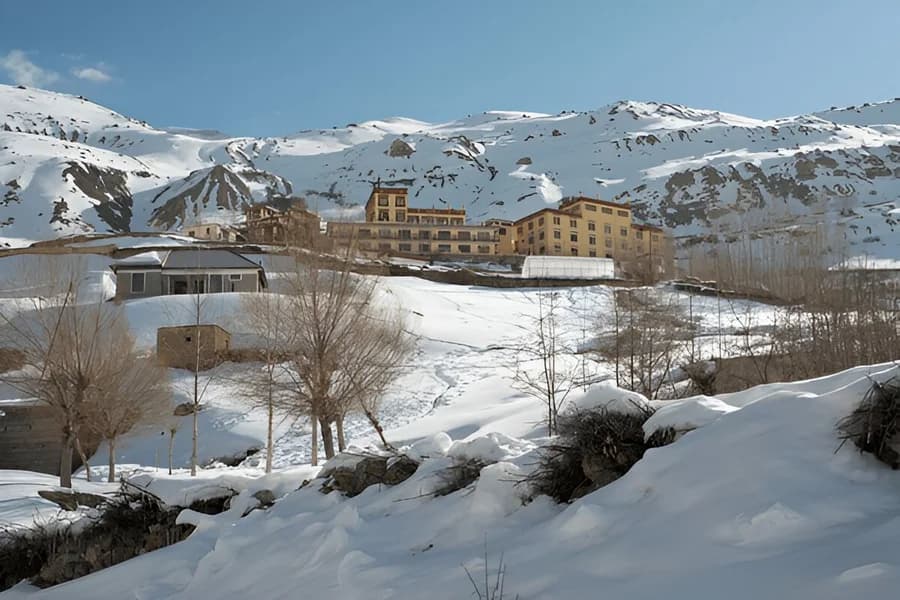
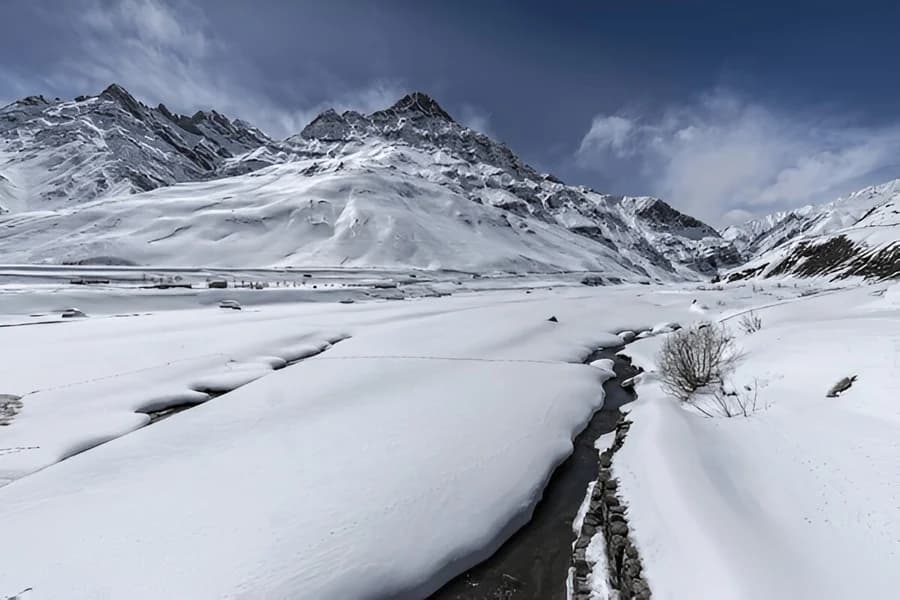
Spiti in Himachal Pradesh is a rugged cold desert, with high-altitude villages, and views you will remember for a lifetime. And visiting Spiti in December is a whole different game. The temperatures crash, the roads get buried under thick layers of snow, and life slows down.Each season in Spiti is a unique experience—summer is perfect for road trips, and monsoon is definitely not recommended. But if you crave adventure and want to witness Spiti’s raw, untouched beauty, winter is your season.However, don’t expect a smooth ride! Spiti in December is for those who love extreme adventures. Freezing temperatures, unpredictable road conditions, and limited facilities make it one of the most challenging yet rewarding trips. So, if you’re planning a trip, it’s best to book Spiti Tour Packages that include essentials like transport and accommodation to make your journey easier.Spiti Weather in DecemberExtreme cold defines Spiti in December. It’s not just chilly—it’s bone-freezing! Be prepared for temperatures dropping between -20°C to -30°C, especially at night. Days are slightly better, but still cold enough to make you appreciate every bit of warmth.Snowfall: Heavy snowfall blocks most roads, including the route from Manali. The only way in is through Shimla, which remains open but can be unpredictable.Frozen Everything: Water sources, roads, and even fuel can freeze, making travel complicated.Impact on Locals: Life in Spiti gets tough in winter. Limited transport means fewer supplies and even simple things like running water become a luxury.If you’re ready to face these conditions, Spiti Valley in December will reward you with one of the most beautiful snow-covered views you’ll ever see. Special Activities in Spiti in DecemberA winter trip to Spiti isn’t just about braving the cold—it’s about experiencing its magic. Here are some of the best things to do in Spiti during December:Snow Trekking & Winter Hiking: Trek through the frozen valley, enjoy unreal landscapes, and test your endurance on icy trails.Photography Paradise: Spiti’s snow-clad monasteries, frozen rivers, and mountain backdrops make it a dream destination for photographers during this time.Wildlife Spotting: If you’re lucky, you might spot the elusive snow leopard, along with Himalayan blue sheep and red foxes.Common Problems in Spiti in WinterTraveling to Spiti in December is an adventure, but it comes with its own set of challenges. Here’s what you need to prepare for:Road Closures: The Manali route is shut, and the Shimla route can be tricky. Be ready for delays and detours.Limited Electricity: Power cuts are frequent, and charging devices can be a struggle.No Mobile Network: Most areas have no mobile connectivity, so inform your family before heading out.Basic Accommodations: Many hotels shut down in winter, and the available ones offer minimal facilities.Water Issues: Running water is scarce as pipes freeze. Be prepared for dry toilets and bucket baths.Food Scarcity: Supplies are limited, and options are basic. Carrying snacks and dry food is highly recommended.Extreme Isolation: Very few travelers visit in winter, so medical help and other facilities are minimal.Travel Tips for Visiting Spiti Valley in DecemberA winter trip to Spiti requires smart planning. Follow these tips to make your journey smoother:Check Weather Forecasts: Sudden snowstorms can block roads. Always check before leaving.Dress for the Cold: Pack thermals, heavy jackets, gloves, snow boots, and plenty of woolens.Carry Extra Power Banks: Cold weather drains battery life quickly, so keep backups.Stock Up on Food: Since food options are limited, carry protein bars, instant noodles, and dry fruits.Book Accommodation in Advance: Most hotels shut down, so securing a place to stay is crucial.Keep Cash Handy: ATMs in Kaza often don’t work due to power issues.Refer to a Spiti Travel Guide to get updated travel advice before heading out.Important Precautions to TakeAcclimatization is Key: Spiti is at a high altitude, and acclimatizing before reaching it is essential.Stay Hydrated & Eat Well: Drinking enough water and eating regularly helps maintain body heat.Plan Stopovers at Lower Altitudes: Don’t rush to Spiti—gradually ascend to avoid altitude sickness.Medical Check-Up: Get a health check before traveling, especially if you have respiratory issues.Monitor Weather Conditions: Avoid traveling during extreme snowstorms or blizzards.While Best time to visit Spiti is generally during the summer months, winter offers a whole new level of adventure if planned well.Spiti in December is a surreal, once-in-a-lifetime experience. Yes, it’s cold. Yes, it’s challenging. But the reward? Unmatched beauty, untouched snow-covered landscapes, and an adventure you’ll never forget.If you’re someone who thrives on extreme travel, Spiti might be just waiting for you. Just be ready to admire the cold, the isolation, and the thrill of a truly offbeat adventure. Also Read: Places to Visit in Spiti ValleyMust Read: Things to do in Spiti Valley

Read More

Night Spiti Valley
May 30, 20255 Minutes
Night Spiti Valley
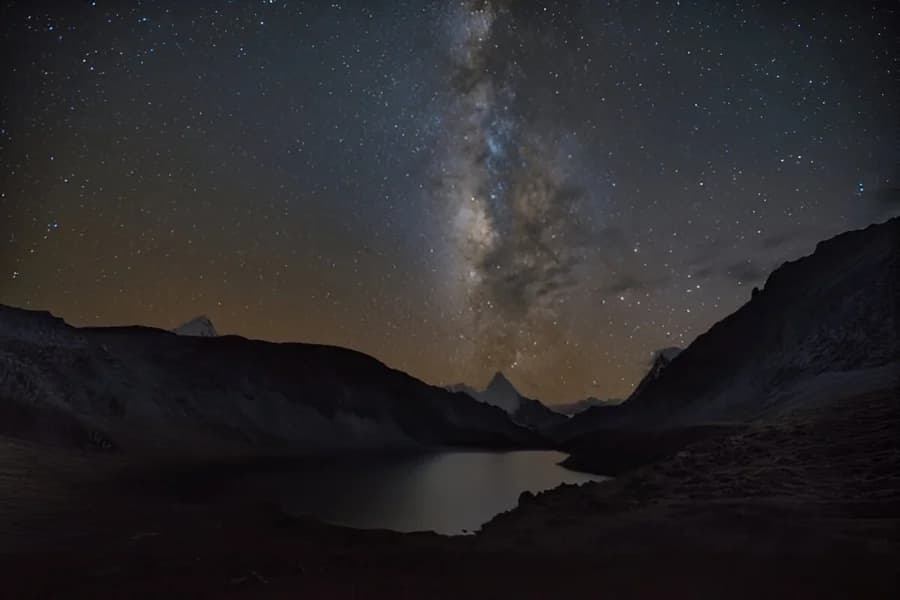
Spiti Valley is a cold desert, just like Ladakh, but wait, you cannot compare it with Ladakh. There’s a major difference in the heights of both the regions, the experience you get also differs. Located in the remote corners of Himachal Pradesh, the experience of Night Spiti Valley is what excites most travelers. The valley’s barren landscapes take on a mystical quality under moonlight, offering travelers an experience unlike any other destination ever could. Whether you’re planning to visit during summer or winter, various Spiti Valley Packages are available for experiencing this moonlit. The Magic of Spiti After DarkAs the sun dips behind the mountains, Spiti Valley undergoes a stunning transformation. The dusty browns and greys of the daytime shift to deep blues and silvers under the moonlight. What makes Night Spiti Valley truly special is the silence. Gone are the daytime sounds of vehicles and village activity. Instead, you’re wrapped in a blanket of stillness broken only by the occasional howl or the whisper of wind through the mountains.Spiti Valley at NightTiming your visit right is crucial for experiencing Spiti Valley in night. The best time to visit Spiti is between May to July. This is when the skies are clear to get the best experience of night Spiti.During June and July, you’ll experience shorter nights but milder temperatures, making it comfortable to stargaze without freezing. Nighttime temperatures hover around 10-15°C, so a good jacket is all you need.For serious stargazers and photographers, September and early October offer the perfect balance. The tourist crowds thin out, the skies remain clear, and the Spiti Valley night view for astrophotography begins. During these months, you’ll witness stars so bright and numerous that city dwellers often find themselves speechless.Winter nights (November-February) offer a completely different experience. The temperatures drop to -20°C or lower, but if you can brave the cold, you’ll witness starlight reflecting off snow-covered landscapes – a sight few travelers ever see.Nighttime Adventures in SpitiWhen darkness falls, Spiti offers unique experiences that daytime travelers miss completely. 1. Stargazing at Kibber & ChandratalAt 4,270 meters above sea level, Kibber Village offers some of the clearest night skies to experience Night Spiti Valley. Free from light pollution, the stars here appear so close you’ll feel you can touch them.The “Moon Lake” lives up to its name after dark. On clear nights, the lake’s still surface perfectly mirrors the star-filled sky, creating the illusion of floating in space. Photographers, bring your tripod! Camping besides Chandratal Lake requires a special permit only if you’re a professional traveler or photographer. But for normal visitors, camps are pinned down the lake. But there’s no difference in the stargazing experience.Local tip: Visit during a new moon phase for the darkest skies and brightest stars.2. Camping Under the StarsSeveral campsites near Kaza and Losar offer night camping experiences. Most camps charge between ₹1,500-2,500 per night including meals.Camping in Kaza or Chadratal is a must-have experience when it comes to the Spiti Valley night view.Essential Tips for Night ExplorersTo make the most of your Night Spiti Valley adventure, keep these practical tips in mind:What to Pack:Thermal layers (even in summer, nights get cold)Headlamp with red light option (preserves night vision)Power bank (charging options are limited)Extra camera batteries (cold drains them quickly)Safety First:The mountain terrain can be treacherous in darkness. Never venture far from your accommodation alone at night. Altitude sickness is a real concern, so spend at least 2-3 days acclimatizing before planning night excursions. The best time for Spiti Valley night view and exploration is when there’s some moonlight – complete darkness can make navigation difficult even with flashlights.Highlights You Can’t-MissThe shadow of Pin Valley National Park mountains under a full moon.The eerie silence of Dhankar monastery grounds after visitors leave.A rare chance to spot Himalayan foxes and ibex during their nighttime activities.Watching the first golden rays hit Spiti’s peaks during early dawn (around 5 AM in summer).There’s something about Night Spiti Valley that changes travelers forever. Perhaps it’s the humbling experience of standing beneath countless stars, or maybe it’s the profound silence that allows for deep reflection.When planning your trip, remember that the valley’s beauty comes with real challenges – limited accommodation, basic facilities, and sometimes harsh weather. But those who embrace these challenges return with stories that last a lifetime.Also Read: Places to Visit in Spiti ValleyMust Read: Things to do in Spiti Valley

Read More

Spiti in May
May 30, 20256 Minutes
Spiti in May
Spiti Valley’s barren landscapes are a land of extremes. And because of its high altitude of 9,680–13,450 ft, visiting Spiti isn’t just about packing your bags and hitting the road. The timing of your visit plays a really important role in shaping your experience.Different seasons bring different challenges and beauty to Spiti. Spiti in December is an ice-cold wonderland, while summer brings accessibility and adventure. But if you want the best of both worlds—then Spiti in May is your golden ticket. The temperatures are just right, the roads have opened up, and the valley begins to bloom. Check out Spiti Tour Packages this May for the best deals and experiences. Let’s dive into why May is the perfect time to visit!Weather & Road Conditions in Spiti in MayTemperature Ranges: Expect pleasant daytime temperatures between 15°C to 20°C, while nights can still be chilly, dipping to around 2°C to 10°C. It’s warm enough to explore, but cold enough to remind you that you’re in a high-altitude desert.Road Conditions: The roads to Spiti via Shimla are open, but the Manali route (via Rohtang Pass and Kunzum Pass) opens up in late May. So, if you’re planning a full circuit, the end of May is ideal.Weather Impact on Travel: While Spiti in Winter is all about extreme cold and roadblocks, May offers smooth access to monasteries, villages, and lakes. Special Activities in Spiti Valley in MayTrekking Adventures: As the snow melts, Spiti in May marks the beginning of the trekking season! Trails to Dhankar Lake, Pin Valley, and Chandratal Lake started becoming accessible.Exploring Monasteries: As all the monasteries are open to visit, you must explore the famous Key Monastery, Tabo Monastery, and Dhankar Monastery to soak in centuries-old Buddhist culture and history.High-Altitude Lakes: Chandratal Lake begins to melt, revealing its surreal blue waters, so all camping, photography, and stargazing lovers start to flock.Wildlife and Photography: Spot Himalayan blue sheep, red foxes, and if you’re extremely lucky, the elusive snow leopard. Photographers will love the golden sunsets over the valley.Common Problems During This TimeAltitude Sickness: The valley sits above 12,000 feet, and the thin air can be challenging. Take it slow, stay hydrated, and avoid alcohol for the first few days.Road Conditions: With melting snow, landslides and roadblocks sometimes become common. Know the Best Time to Visit Spiti, and always check road conditions before you go.Limited ATM and Mobile Connectivity: Only Kaza has functional ATMs, and they may run out of cash. Mobile networks are patchy, with only BSNL and Jio working in some areas.Accommodation Issues: While May is not as packed as peak season, homestays and hotels start filling up. Booking in advance is a smart move.Travel Tips for Visiting Spiti Valley in MayAcclimatization Matters: Break your journey in Reckong Peo or Kalpa before heading to Kaza. It helps your body adjust to the altitude. Consider checking the Spiti Travel Guide for the best guidance.Layer Up: Even though the days are warm, nights are freezing. Dress in layers—thermal wear, fleece jackets, and windproof coats are your best friends.Carry Cash: Carry enough cash as ATM failures are common. And there’s only one ATM Kaza Market. A small stash of ₹5,000 – ₹10,000 should be enough.Food & Hydration: in high altitudes, our appetite becomes weak, resulting in you tend to eat less. But Drink plenty of water and eat warm, energy-rich food to keep altitude sickness at bay.Health Check: Visit a doctor before your trip for a general health check-up. If you have respiratory issues, carry prescribed medicines, and oxygen can.Monitor Weather Updates: the weather of Spiti in May can even sometimes create problems. Keep an eye on road and weather conditions before heading out.Important Precautions to TakeCarry Essential Medications: Include medicines for altitude sickness, headaches, nausea, and stomach issues.Emergency Contacts: Save numbers of local rescue teams and keep a physical map—Google Maps won’t always help here because of the low network.Fuel Up: The only petrol pump is in Kaza, so keep your tank full and carry extra fuel if needed.Avoid Overexertion: The air is thin, so don’t rush your activities. Trekking too fast can lead to severe altitude sickness.Respect Local Culture: Spiti is a land of monasteries and traditions. Dress accordingly and follow local guidelines.Visiting Spiti in May is like unlocking a secret adventure before the crowds arrive. The valley is alive and the roads open up, and nature is at its best. Whether its about trekking, exploring monasteries, or simply enjoying the landscapes, Spiti in May won’t disappoint! Pack wisely, plan ahead, and get ready for a breathtaking journey through one of India’s most stunning destinations. Also Read: Places to Visit in Spiti ValleyMust Read: Things to do in Spiti Valley

Read More

Spiti Valley Monastery
May 30, 20257 Minutes
Spiti Valley Monastery
Spiti Valley, being located in the Tibetan region of Himachal Pradesh, it is a dreamland for travelers who love monasteries. It is that one thing that makes Spiti truly special, It’s ancient Spiti Monastery culture. These monasteries are nothing less than living museums of Tibetan Buddhism, that has preserved centuries-old traditions, art, and spirituality.While booking a trip to Spiti, consider checking out our Spiti Valley Packages to explore these monasteries without any hassle. Each Spiti Valley Monastery has its own story, unique architecture, and a story that can make even the most restless traveler sit and reflect. The Monasteries in Spiti play an important role in preserving Buddhist teachings, culture, and traditions. They serve as centers for meditation, learning, and religious festivals. Many monasteries in Spiti date back over a thousand years. Let’s explore these gems.Top 10 Monasteries in Spiti1. Key Monastery (Timings: 6 am – 6 pm)The grandmaster of all monasteries, Spiti Monastery at Key is the largest and oldest in the region. Over 1,000 years old, it serves as a major learning center for monks. It is that iconic monastery of Spiti that you must have seen in photos. The monastery houses ancient murals, rare scriptures, and amazing valley views.2. Tangyud Gompa (Timings: 6 am – 5 pm)Located at 4,520 meters, this monastery is one of the highest monasteries in India. Unlike other monasteries, it looks more like a fortress – maybe because it has been there for a longer time. Also known as Sakya Tangyud Monastery, it is situated on the outer area of the Kibber Wildlife Sanctuary. Inside, you’ll find sacred manuscripts and some really old Thangka paintings. 3. Tabo Monastery (Timings: 6 am – 7 pm)Often called the “Ajanta of the Himalayas,” Tabo Monastery is over a thousand years old and a UNESCO World Heritage Site. Its paintings and murals are really well-preserved. It’s also an important center for Buddhist teachings. Looking for more places to visit in Spiti? Tabo is always there as a must-visit inclusion.4. Kungri Gompa (Timings: 6 am – 6 pm)Kingri is the second oldest monastery in Spiti, built around the 13th century. The only Nyingma sect monastery (oldest of the four major schools of Tibetan Buddhism) in Spiti, Kungri is famous for its silk Thangkas and annual Cham dance festival. If you ever wanted to see monks in colorful masks dancing to traditional music, this is the place.5. Kardang Monastery (Timings: 6 am – 5 pm)Kardang village was once the capital of Lahaul, and it has the biggest monastery in Lahaul which is located on the banks of Bhaga river. Kardang is famous for its rare Buddhist texts and an impressive prayer wheel. The scenic landscape around this Spiti monastery makes it an ideal spot for some peaceful reflection (or just a great selfie).6. Lhalung Monastery (Timings: 7 am – 6 pm)Located at 3658 meters altitude, Lhalung Monastery is one of the earliest monasteries found in Spiti. Also known as the “Golden Temple,” Lhalung is believed to be one of Spiti’s first monasteries. The golden artifacts inside and its ancient murals make it a must-visit. It’s located in a peaceful village, you’ll definitely be willing to stay a little longer.7. Tayul Monastery (Timings: 6 am – 6 pm)Tayul Monastery is believed to be the ancient monastery located in Bhaga valley of Lahaul and Spiti. This Spiti monastery houses a 12-foot statue of Guru Padmasambhava and 108 prayer wheels. This biggest statue and spinning wheels are the main attraction of the Tayul monastery. Spinning these wheels is said to bring good luck. 8. Gemur Monastery (Timings: 7 am – 5 pm)Famous for its unique sculptures and masked dance festivals, Gemur is a hidden gem. Surrounded by lush greenery, it’s a peaceful retreat away from the tourist crowd. Visiting these spiritual sanctuaries is one of the top things to do in Spiti and an experience that will leave you feeling refreshed and enlightened. Travelers come here to experience the peace and enjoy the annual festival ‘Devil Dance-drama’ which takes place in July every year.9. Dhankar Monastery (Timings: 6 am – 5 pm)Located at 3,800 meters in Spiti Valley, Dhankar Monastery is a famous 16th-century site known for its Buddhist heritage, stunning murals, and artifacts. It’s on a hilltop location so the views you get are totally insane, while sacred statues like Dhayan Buddha and Vajradhara enhance its spiritual allure. It once also served as Spiti’s capital and has ancient meditation caves and a small museum.10. Shashur Monastery (Timings: 6 am – 4 pm)Famous for its blue-hued Buddhist paintings and 15-foot-tall prayer flags, Shashur Monastery, situated 600 meters above the valley, is named after the stunning blue pine trees surrounding it. Built between the 16th and 17th centuries, this Gelukpa Buddhist monastery showcases remarkable architecture, with intricate murals, scriptures, and Thangka paintings.Best Time to Visit Spiti MonasteryThe best time to visit Spiti Valley Monastery is between May and September. During these months, the weather, roads, and all facilities are in favor. Winter travel can be a challenge, as heavy snowfall often blocks roads.Travel Tips Respect the Silence: Monasteries are places of worship. Keep your voice low and avoid disturbing monks.Dress Modestly: Cover your shoulders and knees while visiting monasteries. It’s a sign of respect.Photography Rules: Some monasteries allow photography, but always ask before clicking pictures, especially inside prayer halls.Altitude Precaution: Spiti is high-altitude terrain, so acclimatize properly and stay hydrated.Check Monastery Timings: Some monasteries close early in the evening, so plan your visit accordingly.For a smooth monastery tour, refer to a Spiti Travel Guide for detailed travel routes and tips.Also Read: Places to Visit in Spiti ValleyMust Read: Things to do in Spiti Valley

Read More

Spiti Valley in November
May 30, 20255 Minutes
Spiti Valley in November
While most travelers come to Spiti in Summer, Spiti in November is a completely different experience. However, visiting during this Spiti in Winters is not for the faint-hearted. The temperatures drop significantly, and sometimes even traveling requires careful planning. This is where our Spiti Valley Packages come in handy, ensuring a smooth journey amidst the unpredictable weather. Let’s explore the weather, activities, challenges, and essential travel tips to make your trip truly unforgettable.Spiti Valley in November is no joke when it comes to cold! Because during this time winter takes over Spiti. if you’re lucky, you might witness the first snowfall of the season. Temperatures can range from -5°C during the day to a bone-chilling -20°C at night. The skies remain clear, but occasional snowfall can make things tricky.Special Activities in Spiti Valley in NovemberVisiting Spiti Valley in November isn’t just about admiring the snow—it’s about embracing winter in all its glory! Here are some must-do activities:1. Winter TreksIf you’re up for some adventure, Spiti has some amazing treks in November:Chandratal Trek – The lake is the end of Hampta Pass Trek, though it is tough, you can also visit the lake directly by road.Pin Valley Trek – This trek takes you through snow-covered trails with a chance to see rare Himalayan wildlife.Short Hikes – There are numerous small treks around Kaza and Tabo that offer stunning views of Spiti’s rugged beauty.2. Monastery Visits & Cultural ImmersionSpiti’s Buddhist monasteries look even more magical under a layer of snow. Key Monastery, Tabo Monastery, and Dhankar Monastery are must-visits. November is also a great time to interact with monks and learn about their simple yet profound way of life.3. Photography & StargazingIf there’s one thing better than Spiti’s landscapes, it’s Spiti’s night sky. With zero pollution and clear skies, astrophotography lovers will have the time of their lives capturing the Milky Way and constellations.4. Wildlife SpottingSpiti in November is also the best time to see snow leopard! Other animals like Himalayan ibex and blue sheep also roam the valleys, so this time is a great time for wildlife enthusiasts.Consider reading out our Spiti Travel Guide to know the best time to visit, and all the things to do.Essential Travel Tips for Spiti in November1. Pack SmartlyHeavy woolens, thermals, and windproof jacketsSnow boots and waterproof glovesSunglasses (because snow glare is real!)2. Road Conditions & AccessibilityThe Shimla-Kaza route remains open but can be slow due to icy roads.The Manali route is usually closed beyond Rohtang Pass.Always check road updates before starting your journey.3. Health PrecautionsAltitude sickness can hit hard, so carry Diamox if needed.Stay hydrated and take it slow to acclimatize.Carry basic medicines for fever, cold, and stomach issues.4. Accommodation & FoodMost guesthouses shut down, but cozy homestays are available.Expect basic yet warm food ( Maggi, thukpa, paratha, and chai!).5. Internet & NetworkConnectivity is limited, so inform the family in advance.BSNL and Jio work in some areas but expect long digital detox sessions.These tips will make your Spiti in November trip more enjoyable and hassle-free.Challenges of Visiting Spiti in NovemberWhile Spiti in November is a magical experience, it’s not without challenges. Here’s what to be prepared for:1. Extreme ColdDaytime is chilly, but nights can be brutally cold (-20°C!).Staying warm and hydrated is crucial to avoid frostbite and altitude sickness.2. Limited Accommodation & FoodMany hotels shut down, so book homestays in advance.Food options are limited—carry snacks like dry fruits and energy bars.3. Unpredictable Weather & RoadblocksSnowfall can cause sudden road closures.Always have a buffer of 1-2 days in your itinerary for delays.4. Connectivity IssuesNo internet or mobile signals in many areas.Download maps and offline guides beforehand.5. Transport LimitationsPublic transport is scarce, so hire a 4×4 or travel with an experienced driver.Only attempt if you have experience driving in snow.Despite these challenges, if you plan well and keep an adventurous spirit, Spiti in November can be the most rewarding trip of your life.If you’re still wondering about the best time to go to Spiti, check out Best Time to Visit Spiti. Let Spiti in November surprise you with its magic.Also Read: Places to Visit in Spiti ValleyMust Read: Things to do in Spiti Valley

Read More

Spiti Valley Bike Trip
May 30, 20257 Minutes
Spiti Valley Bike Trip
This is where adventure begins. There’s definitely some relation between Spiti and bike trips. Apart from Ladakh, if there’s any bike trip second famous in India, then it’s the Spiti bike trip. A bike trip to Spiti is a wild adventure you’ll talk about for years to come.Spiti’s Landscapes, especially Kaza’s, resemble to Ladakh, which is why it’s really famous. The rugged terrain, oxygen-thin air, and landscapes make this trip a bucket-list adventure for riders. Whether you’re a seasoned biker or someone looking to push your limits, Spiti Road Trip is a once in a lifetime experience that you should not miss. For those who prefer not to manage all the logistics themselves, there are Spiti tour packages that take care of permits, stays, and routes, leaving you free to focus on the ride.Experience of Spiti Valley Bike TripWhat makes Spiti Valley stand out from your regular weekend rides? For instance, you’re basically riding on the roof of the world. Spiti Valley is located at heights from where you can see even clouds. The roads test both rider and bikes, with stretches that make you question – in the best possible way.Unlike your usual touristy spots, Spiti remains largely untouched, which gives you a glimpse into a world where time seems to have paused. Best Time to Visit Spiti for a Bike TripTiming is everything when planning a ride to Spiti. The best time to visit Spiti is between June and September when the roads are mostly clear of snow and the passes are open. July and August offer the warmest temperatures, but also bring occasional rainfall that can cause landslides. May and early June have their charm with fewer tourists, Winter Spiti is also among the most famous, when the whole region gets covered in snow, but temperatures start dropping drastically. December to March is a strict no-go. Remember, even during summer, night temperatures can drop below freezing, so pack layers.Route and Itinerary for a Spiti Bike TripYour Spiti Valley bike tour can start from either Manali or Shimla, each offering a different flavor of adventure. The Manali route is shorter but more challenging, throwing the Rohtang Pass at you right at the beginning. The Shimla route is longer but gives your body more time to adjust to the altitude.This is the best itinerary for Spiti from Manali – 9 Days:Day 1: Manali to JibhiDay 2: Jibhi to ChitkulDay 3: Chitkul to KaplaDay 4: Kapla to KazaDay 5: Kaza Exploration – Visit Komic and HikkimDay 6: Kaza Exploration – Visit Lanza and Chicham BridgeDay 7: Kaza to Chandratal – The best offroading experienceDay 8: Chandratal to ManaliThe infamous water crossings near Chhota Dara can turn even experienced riders into nervous wrecks. Consider it your initiation into the bike trip to Spiti Valley. The good news is that every difficult patch rewards you with views that make you forget the struggle—until the next time.Must-Visit Places on a Spiti Valley Bike TripNo Spiti bike trip is complete without checking these spots off your list:1. ChandratalAmong all the Places to visit in Spiti Valley, Chandratal Lake (Moon Lake) is what Spiti tour is known for. This lake is a gem you can’t miss. It is the most photographed place of the whole Spiti. Camping nearby under the star-studded sky is an experience that city life can never offer.2. Key MonasteryThe Key Monastery Spiti stands on a hill, overlooking the valley. Home to about 300 monks, this 1000-year-old monastery offers not just spiritual vibes but also some killer sunset views of the whole Spiti Valley Bike Tour Packages. Plus, the monks brew a cup of butter tea that’s perfect after a long ride!3. Tabo MonasteryTabo, Spiti houses one of the oldest continuously operating Buddhist enclaves in India. Walking through its ancient mud walls feels like traveling back in time. The 1000-year-old paintings inside will make you wonder how artists created such masterpieces without modern tools.4. HikkimHikkim village has the world’s highest post office – Hikkim post office. You can send postcards that reaches your home long after you do. And Komic village, claiming to be one of the highest motorable villages, and at the top, there’s also the world’s highest restaurant in Komic. Essential Tips for a Spiti Bike TripBike: Your bike should be in top condition on this journey. Service it thoroughly before the trip and carry basic spares—puncture kits, clutch wires, and engine oil. Petrol problem: Fuel stations are as rare as network signals, so plan your refills carefully. And if possible, try to carry extra petrol for an emergency.Altitude Sickness: Altitude sickness isn’t just something that happens to sick people. It can hit anyone, turning your dream ride into a nightmare. Take it slow, stay hydrated, and give your body time to adjust.Packing: Pack like you’re preparing for all 4 seasons in one day because, in Spiti, that’s exactly what happens. Spend money buying good quality riding gears.Conquering Spiti Valley bike trip’s difficult terrains or checking off destinations. It’s about discovering parts of yourself you didn’t know existed.So, gear up that engine, pack those saddlebags, and set off on a journey that will fill your camera roll and your heart. The mountains are calling, and your bike knows the way.Also Read: Places to Visit in Spiti ValleyMust Read: Things to do in Spiti Valley

Read More

Andaman and Nicobar Islands in August
May 30, 20256 Minutes
Andaman and Nicobar Islands in August
The Andaman and Nicobar Islands are one of the most stunning destinations in India, known for their turquoise waters, white sandy beaches, and lush green landscapes. But when the Andaman and Nicobar Islands in August arrive, the islands take on a whole new look. With monsoon rains adding a fresh charm, it’s a completely different experience compared to the peak tourist months. If you’re planning a trip, Andaman tour packages can make your journey smooth and hassle-free, ensuring you enjoy the best of what the islands have to offer.Many travelers wonder whether visiting in August is a good idea. The answer depends on what kind of traveler you are. If you love quiet beaches, discounted hotel rates, and don’t mind a little rain, August can be a great time. However, if you’re someone who wants clear skies and uninterrupted ferry rides, this might not be the ideal season.Weather in Andaman and Nicobar Islands in AugustAugust is part of the monsoon season in Andaman Nicobar in August, meaning you can expect frequent rains and cloudy skies. The temperature usually ranges between 24°C to 30°C, making it quite pleasant. However, the humidity is high, and the sea can be rough at times, leading to possible delays in ferry services.While heavy rainfall might limit some water activities, it’s also what makes the islands look even more beautiful. The greenery is at its peak, and the cool breeze adds to the charm of the place.Things to Do in Andaman in AugustEven though the monsoon season can limit some activities, there are still plenty of things to enjoy in Andaman during August.1. Enjoy the Lush GreeneryThe monsoon rain transforms Andaman Nicobar in August into a tropical paradise, making it one of the best times to see its natural beauty. The forests, hills, and gardens look vibrant, offering perfect views for nature lovers.2. Visit Cellular Jail and MuseumsIf it’s raining outside, indoor attractions like Cellular Jail, Samudrika Marine Museum, and Anthropological Museum are great options. The Cellular Jail Light and Sound Show is also a must-watch experience.3. Experience Scuba Diving and SnorkelingSome water activities like scuba diving and snorkeling are still available at certain places, depending on the weather. If the sea is calm, you can explore the underwater world and witness beautiful marine life.4. Relax at Radhanagar BeachRadhanagar Beach, one of Asia’s best beaches, looks even more stunning during Andaman in August. While swimming might not be advisable due to strong waves, walking along the shore and enjoying the peaceful surroundings is a wonderful experience.5. Try Local Andaman FoodRainy days call for good food, and Andaman food is a treat for your taste buds. From fresh seafood to South Indian and Bengali dishes, there’s plenty to enjoy.6. Photography and SightseeingIf you love photography, August is a great time to capture Andaman’s beauty in its raw, monsoon form. From misty hills to dramatic rainclouds over the sea, the landscapes look breathtaking.Best Time to Visit AndamanThe best time to visit Andaman is usually from October to April, when the weather is pleasant, and all tourist activities are open. However, August is still a good time for travelers who prefer a quieter and more budget-friendly experience.What to Pack for Andaman in August?Since August brings rain, it’s important to pack accordingly:Light Cotton Clothes – The weather is humid, so breathable fabrics are best.Rain Gear – Carry an umbrella or raincoat to stay dry.Waterproof Bag – Protect your electronics and valuables from sudden rain.Mosquito Repellent – The rainy season brings more mosquitoes, so keep a good repellent handy.Slip-Resistant Footwear – Roads and beaches can be slippery, so avoid wearing heels or smooth-soled shoes.Should You Visit Andaman in August?If you’re looking for peaceful beaches, budget-friendly stays, and don’t mind occasional rain, Andaman Nicobar in August is a great time to visit. It’s a chance to see the islands in a way most tourists don’t. However, if you’re looking for uninterrupted ferry rides, guaranteed sunny days, and all adventure sports, it might be better to visit during the dry season.Visiting Andaman and Nicobar Islands in August is a unique experience. The monsoon season brings out the island’s natural beauty, making it a great time for those who enjoy peace, nature, and budget travel. While the rain might bring some challenges, it also adds to the charm of the place. So, if you don’t mind a few showers and want to experience Andaman differently, August might just be the perfect month for your trip!Also Read: Places to Visit in AndamanMust Read: Things to Do in Andaman

Read More

Andaman and Nicobar in June
May 30, 20257 Minutes
Andaman and Nicobar in June
The Andaman and Nicobar Islands are a dream destination for many, known for their breathtaking beaches, crystal-clear waters, and lush green forests. But visiting the Andaman and Nicobar in June is a completely different experience. With the arrival of monsoon showers, the islands take on a fresh and vibrant look, offering a peaceful retreat away from the usual tourist crowds. If you’re looking for a unique getaway, exploring Andaman tour packages in June can be a great way to enjoy the scenic beauty and tranquillity of the islands.If you are someone who enjoys quiet beaches, budget-friendly stays, and the raw beauty of nature, June can be a great time to visit. However, it’s important to understand the weather conditions, the activities available, and the overall experience before planning your trip.Weather in Andaman and Nicobar in JuneJune marks the beginning of the monsoon season in Andaman. The temperature ranges between 24°C to 30°C, creating a pleasant yet humid atmosphere. Frequent rainfall can be expected, often accompanied by strong winds and rough seas. Due to the monsoon, ferry services may experience delays, and some water sports may be limited for safety reasons.However, the rain is what makes the islands even more beautiful. The forests become greener, the waterfalls flow with more energy, and the entire landscape feels refreshed. If you don’t mind occasional showers and love the idea of enjoying the islands without large tourist crowds, June could be an ideal month for your trip.Things to Do in Andaman in JuneWhile some activities may be limited due to the monsoon, there are still plenty of experiences that make a trip to the Andaman in June special.1. Explore the Lush GreeneryThe rain enhances the natural beauty of the Andaman and Nicobar Islands in June, which makes the forests and gardens look even more stunning. Trekking through the thick green landscapes and exploring nature trails in places like Mount Harriet National Park or Chidiya Tapu is a great way to enjoy the monsoon season.2. Visit Historical and Cultural AttractionsIndoor activities are perfect for rainy days. Visiting the historic Cellular Jail offers a deep dive into India’s freedom struggle. The Light and Sound Show held in the evening brings history to life with powerful storytelling. Museums such as the Samudrika Marine Museum and the Anthropological Museum provide insight into the culture, marine life, and tribal heritage of the islands.3. Enjoy Beach Walks and PhotographyWhile swimming in the sea might not be the best idea during the monsoon due to rough waves, beaches like Radhanagar Beach and Corbyn’s Cove Beach offer stunning views. The cloudy sky, misty landscapes, and occasional rain showers make for breathtaking photographs. If you are a photography enthusiast, June provides the perfect opportunity to capture the monsoon magic of the Andaman Islands.4. Scuba Diving and SnorkellingWater sports depend on the weather conditions, but some diving centres may still offer scuba diving and snorkelling if the sea is calm. The underwater world of Andaman and Nicobar in June is full of vibrant marine life and coral reefs, making it an unforgettable experience. However, it is always advisable to check with local tour operators before planning any water activities.5. Try Delicious Local FoodRainy days are perfect for indulging in the local flavours of Andaman. The islands offer a mix of seafood, South Indian, and Bengali cuisine. Dishes like grilled fish, coconut-based curries, and tropical fruit platters are a must-try. Many cafes and restaurants in Port Blair and Havelock Island provide cosy seating where you can enjoy a delicious meal while watching the rain outside.Is June a Good Time to Visit Andaman?Yes, it is, but it also depends on what kind of traveller you are. If you are looking for a peaceful vacation, discounted stays, and don’t mind a little rain, June can be a great time to visit. The lush greenery and monsoon atmosphere make for a beautiful and calming experience.However, if your main goal is adventure sports, island hopping, and uninterrupted ferry rides, this may not be the best season for you. The monsoon can cause delays in boat schedules, and some tourist spots may be temporarily closed due to safety concerns.Best Places to Visit in Andaman in JuneEven with the monsoon, several places in Andaman and Nicobar Islands in June remain accessible and worth exploring:Port Blair – The capital city is home to museums, the Cellular Jail, and local markets. It is a great place to learn about the history and culture of the islands.Havelock Island – It is famous for Radhanagar Beach. Havelock offers stunning views and a peaceful atmosphere, even if water sports are limited.Neil Island – A quieter and more scenic island, perfect for relaxing, taking long walks on the beach, and enjoying nature.Baratang Island – It is known for its limestone caves and mud volcanoes. Baratang is a must-visit for nature lovers. However, accessibility may depend on weather conditions.What to Pack for Andaman in June?Since June is a rainy month in Andaman, packing the right essentials is important to ensure a comfortable trip.Light cotton clothes – The humidity can be high, so breathable fabrics are best.Rain gear – Carry a waterproof jacket or umbrella to stay dry during unexpected showers.Waterproof bag – Protect your electronics and valuables from rain.Slip-resistant footwear – The roads and beaches can be slippery, so wear shoes with a good grip.Mosquito repellent – The rainy season increases mosquito activity, so keep a repellent handy.Tips for Travelling to Andaman and Nicobar in JuneAlways check the weather forecast before planning outdoor activities.Book accommodations that provide flexibility in case you need to change plans due to rain.Consult local tour operators regarding ferry schedules and water sports availability.Remember some indoor activities as backup plans in case of heavy rain.Visiting Andaman and Nicobar Islands in June is an experience like no other. The monsoon brings out the raw beauty of the islands, making it an ideal time for those who love nature, peace, and budget-friendly travel. While some activities may be restricted due to rough seas, the stunning scenery, refreshing atmosphere, and fewer tourists make up for it.If you don’t mind a little rain and want to explore Andaman in its lush, offbeat charm, June might just be the perfect time for your trip.Also Read: Places to Visit in AndamanMust Read: Things to Do in Andaman

Read More

Login ModalPost Login FormTalk with trip expert