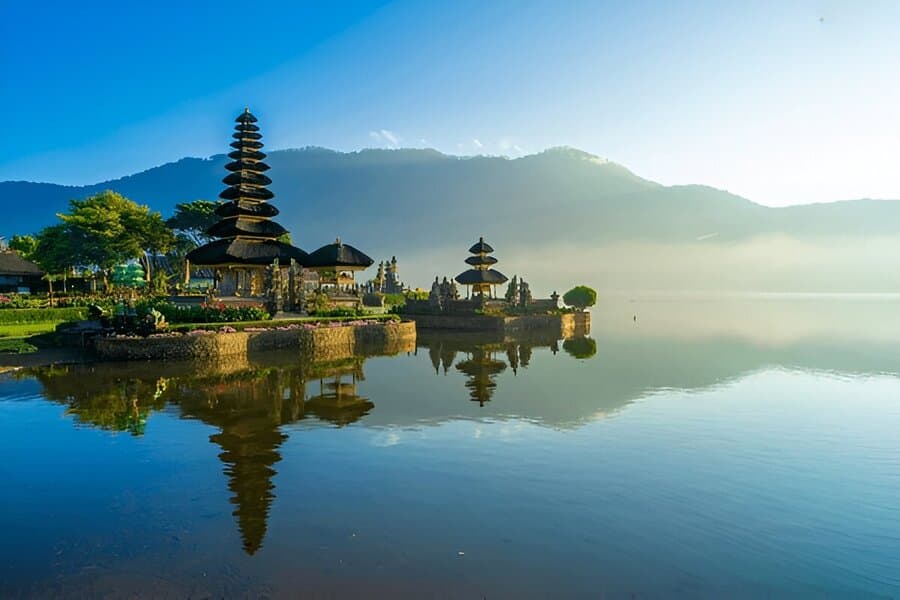
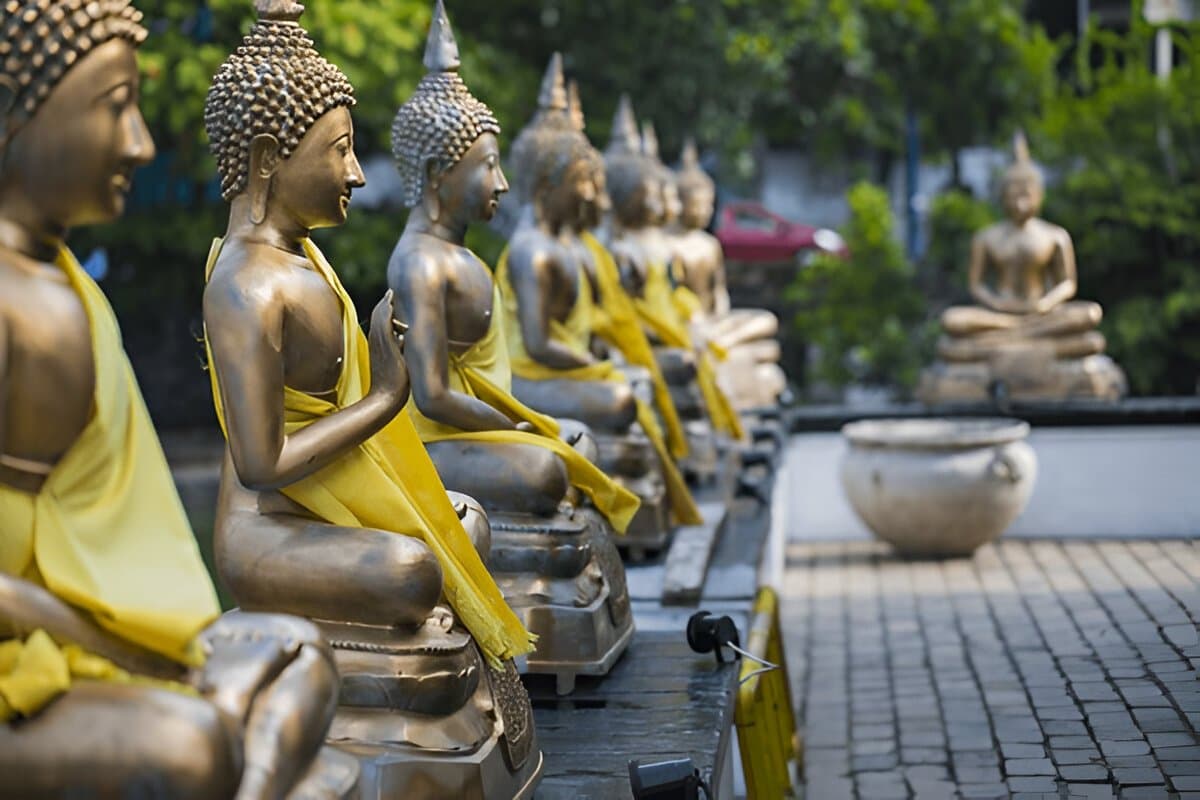
Blog hero image
Top Travel Stories

Explore our latest blogs and travel with us

Places to Visit in South India
June 21, 202517 Minutes
Places to Visit in South India
Visiting South India is a truly unique experience. From ancient temples to lush green hills, calm backwaters to beautiful beaches, this part of the country is something else. The culture here is deep-rooted and full of colours. When you explore the places to visit in South India, you don’t just see places—you feel them.Every state in South India—be it Tamil Nadu, Kerala, Karnataka, Andhra Pradesh, or Telangana—has its own beauty. The food is amazing, the art and music are soul-touching, and the festivals are celebrated with great energy. Whether you want a quiet holiday or an adventure trip, this region fits all kinds of travel plans. From the coffee plantations of Coorg to the backwaters of Alleppey, spiritual vibe, wildlife, and whatnot, the options are endless. We at Viacation offer specially designed South India tour packages that cover all the must-visit places. Let’s explore the top places to visit in South India to make your trip easy, comfortable, and full of great memories.Top Places To Visit In South IndiaKarnataka is a beautiful state in South India filled with hills, beaches, forests, and heritage cities. Whether you love nature, adventure, or history, this place has something for everyone. Some of the best places to visit in South India are right here in Karnataka, let’s explore these gems:1. Coorg:Coorg is a peaceful hill station famous for its coffee plantations and misty mountains. It’s great for people who love calm and nature. You can visit Abbey Falls, Raja’s Seat, and the Namdroling Monastery here. Trekking at Tadiandamol and river rafting in the Barapole River are also popular. The cool climate and lush green views make Coorg one of the most relaxing places in Karnataka.2. Bangalore:Bangalore, also called the “Silicon Valley of India,” is famous for its year-round great weather and tech parks. But it’s not just about IT. The city also has lovely parks like Cubbon Park and Lalbagh Botanical Garden. Bangalore is a great combination of modern life and greenery, making it one of the top 10 places to visit in South India.You can explore Bangalore Palace and shop at Commercial Street. For foodies, there are hundreds of cafes and restaurants. 3. Chikmagalur:Chikmagalur is another lovely hill station filled with coffee estates and forests. It’s perfect for weekend trips and quick getaways. You can visit Mullayanagiri, the highest peak in Karnataka, for amazing views. Other spots include Baba Budangiri and Hebbe Falls. If you enjoy peaceful walks, fresh air, and tasty coffee, Chikmagalur is a must-visit in South India.4. Sakleshpur:Sakleshpur is a quiet hill town surrounded by green hills and spice plantations. It’s one of those hidden gems when talking about places to visit in South India. It’s not very crowded, so it’s perfect if you want to escape the noise. Attractions include the Manjarabad Fort, Bisle Ghat, and beautiful trekking routes. You can also enjoy the Hemavathi River. 5. Dandeli:Dandeli is a great spot for adventure lovers. Located in the Western Ghats, this place is full of thick forests and wildlife. It’s famous for white water rafting on the Kali River. You can also go for jungle safaris, bird watching, and ziplining. Visit the Dandeli Wildlife Sanctuary and Syntheri Rocks. It’s the best pick for a mix of nature and thrill.6. Mysore:Mysore is among the top 10 best places to visit in South India​, a great place for culture lovers as it’s full of royal beauty and history. The grand Mysore Palace is a major attraction with beautiful architecture. During Dussehra, the whole city lights up and looks magical. Other places to visit are Chamundi Hills, Brindavan Gardens, and the Mysore Zoo. It’s also famous for sandalwood and Mysore Pak. 7. Mangalore:Mangalore is a coastal city famous for its beaches and temples. It’s a mix of traditions and modern vibes. Popular beaches here are Panambur Beach and Tannirbhavi Beach. You can also visit Kudroli Temple, St. Aloysius Chapel, and local fish markets. Don’t forget to try the Mangalorean cuisine, especially the seafood. Mangalore is a great place for a short holiday by the sea.Also Read: Places to Visit in KarnatakaPlaces to Visit in Kerala:Kerala, also called “God’s Own Country”, is one of the most beautiful. Known for its greenery, backwaters, and peaceful beaches, Kerala is perfect for a relaxed holiday with nature, culture, and great food.1. Munnar:Munnar is a hill station in Kerala, famous for its tea gardens, cool weather, and misty mountains. It’s a great place to relax and enjoy the greenery all around. It’s one of the best places to visit in South India for a peaceful vacation. Top places to visit in Munnar include the Tea Museum, Eravikulam National Park, and Mattupetty Dam. The scenic views of Anamudi Peak and Echo Point make this town ideal for nature lovers and honeymooners. 2. Wayanad:Wayanad is a quiet and green district in Kerala with forests, waterfalls, and wildlife. It is a great escape from city life. Edakkal Caves with ancient carvings, Soochipara Waterfalls, and Banasura Sagar Dam are some if its popular attractions. Wayanad Wildlife Sanctuary is home to elephants and other animals. You can also enjoy trekking and camping in Wayanad. If you love nature and want peace, Wayanad is a must-visit in South India for a refreshing break.3. Cochin:Cochin, also known as Kochi, is a mix of modern city life and old-world beauty. It’s one of the top 10 places to visit in South India for a cultural experience. It’s a historic port city that has Portuguese, Dutch, and British influence. Fort Kochi is famous for its Chinese fishing nets, colonial buildings, and churches. Mattancherry Palace and the Jew Town area are also popular, and Marine Drive and Lulu International Shopping Mall show the city’s modern side. 4. Kovalam:Kovalam is a beach town near Thiruvananthapuram, loved for its beautiful coastline. The most famous spot is the Lighthouse Beach, perfect for sunbathing and beach walks. You can also visit Hawah Beach and Samudra Beach. Water sports like surfing and parasailing are available. Ayurveda massages and seaside cafes make the place even more relaxing. Kovalam is ideal for a beach holiday, especially if you want an escape from the crowd.5. Alleppey:Alleppey is known as the “Venice of the East” because of its lovely backwaters and houseboat stays. The best way to enjoy this place is by staying overnight on a houseboat and cruising through the calm waters. Popular spots include Alappuzha Beach, Vembanad Lake, and the famous Snake Boat Races. Alleppey is a unique destination, and if you’re searching for peaceful water views, it’s one of the best places to visit in South India.6. Thekkady:Thekkady is home to the famous Periyar Wildlife Sanctuary, where you can go on a boat ride and see elephants, deer, and sometimes even tigers. The area is full of spice plantations, so you can take a spice tour too. Visit the Periyar Lake, do bamboo rafting, or go for a jungle trek. The cool weather and green surroundings make Thekkady a calm and adventurous spot, perfect for nature lovers and families.7. Trivandrum:Trivandrum, officially known as Thiruvananthapuram, is the capital of Kerala. It’s a mix of tradition and modern life. The famous Padmanabhaswamy Temple is the main attraction here. You can also visit the Napier Museum, Kanakakunnu Palace, and Shankumugham Beach. The city is also close to Varkala and Kovalam. Trivandrum is a good stop if you want to explore both religious and cultural places to visit in South India without travelling too far.Also Read: Places to Visit in KeralaPlaces to Visit in Tamil NaduTamil Nadu is one of the most culturally rich and beautiful states in South India. From peaceful hill stations to calm beaches, and from ancient temples to colonial towns, it has a lot to explore.1. Ooty:Ooty is a popular hill station in Tamil Nadu, often called the “Queen of Hills.” Surrounded by tea gardens and misty hills, Ooty is perfect for a relaxing vacation. The main attractions include Ooty Lake, Botanical Gardens, Rose Garden, and the Nilgiri Mountain Railway. Don’t miss the toy train ride for stunning views. It’s a great escape from the heat and noise of city life.2. Coimbatore:Undoubtedly, one of the top 10 places to visit in South India. Coimbatore is a busy city known for its industries and temples. It’s also close to many natural attractions. You can visit the famous Marudamalai Temple, Perur Pateeswarar Temple, and enjoy peaceful evenings at the Singanallur Lake. Don’t miss the Isha Yoga Centre and the giant Adiyogi statue. Coimbatore is a good base for visiting nearby hill stations and waterfalls.3. Pondicherry:Pondicherry is a coastal town with a French touch. It’s known for its clean beaches, colourful streets, and peaceful vibe. Some famous places to visit are Promenade Beach, Auroville, Rock Beach, and the French Quarter. Pondicherry offers a mix of Indian and French culture, making it a unique spot in Tamil Nadu. It’s a calm and charming place to relax and explore.4. Kodaikanal:Kodaikanal is a quiet hill station known for its lakes, forests, and cool weather. Located in the Western Ghats, it’s a perfect spot for nature lovers. Places to see include Kodaikanal Lake, Coaker’s Walk, Bryant Park, and Pillar Rocks. The fresh air, peaceful atmosphere, and scenic beauty make it a favourite holiday spot in Tamil Nadu.5. Chennai:Chennai is the capital city of Tamil Nadu, and it’s one of the top places to visit in South India. It has beautiful beaches like Marina Beach, historical places like Fort St. George, and cultural spots like Kapaleeshwarar Temple and Santhome Church. You can also visit the Government Museum and enjoy local South Indian food.6. Masinagudi:Masinagudi is a small and peaceful place near the Mudumalai Wildlife Sanctuary. It’s great for those who love nature and wildlife. You can enjoy jungle safaris, bird watching, and peaceful forest stays. The area is full of greenery and animals like deer, elephants, and even tigers. It’s perfect for a quiet and adventurous holiday away from the city.7. Coonoor:Coonoor is another lovely hill station in the Nilgiris, close to Ooty but quieter. It’s surrounded by tea gardens and offers great views of the hills. Sim’s Park, Dolphin’s Nose, and the Heritage Train ride are its main attractions. Coonoor is ideal for long walks, fresh air, and scenic beauty. It’s also a great place to taste fresh tea and homemade chocolates.Places to Visit in Andhra Pradesh:Andhra Pradesh is a mix of beautiful beaches, peaceful hills, spiritual sites, and historic places. Whether you want nature, temples, or city life, Andhra Pradesh will make you experience all of it at once. 1. Hyderabad:Hyderabad, though officially in Telangana now, still holds cultural roots in Andhra Pradesh. The city is famous for its iconic Charminar and the grand Golconda Fort. Don’t miss Ramoji Film City and Hussain Sagar Lake. Street food lovers must try Hyderabadi biryani. The mix of old markets like the Laad Bazaar and modern malls makes it exciting for every traveler.2. Horsley Hills:Horsley Hills is a peaceful hill station perfect for a short escape. Surrounded by thick forests, it offers cool weather and calm views. You can visit the View Point, Environmental Park, and the famous Mallamma Temple. It’s a great place for nature walks and relaxing in the fresh air. 3. Visakhapatnam:Visakhapatnam, also called Vizag, is a beautiful coastal city. It’s one of the top 10 best places to visit in South India for beach and hill lovers. It has lovely beaches like RK Beach and Rushikonda. You can visit Kailasagiri Hill Park for great views and the Submarine Museum for something unique. Araku Valley and Borra Caves nearby are perfect for a day trip. 4. Tirupati:Tirupati is one of the most famous spiritual places in India. The main attraction is the Tirumala Venkateswara Temple, where lakhs of devotees come every year. Besides the temple, visit the ISKCON Temple and Sri Vari Museum. The town is completely immersed in a strong spiritual feel, and pilgrims from across the country visit Tirupati regularly.5. Chittoor:Chittoor is known for its natural beauty and temples. The Kaundinya Wildlife Sanctuary is perfect for those who love nature and animals. You can also visit the famous Kanipakam Vinayaka Temple and Nagalapuram Falls. It’s close to Tirupati, so many visitors cover both places together. Chittoor is less crowded, which makes it good for quiet getaways.Also Checkout: Things To Do in South India

Read More

Darlinghurst, Sydney
June 21, 20253 Minutes
Darlinghurst, Sydney
Darlinghurst is one of Sydney’s most lively and creative neighbourhoods, full of colour, culture and charm. Just a short walk from the city centre, it offers a mix of trendy cafes, small art galleries, fun bars and unique shops. It’s a place where history meets modern city life, with something interesting on every street.If you’re planning to explore New South Wales as part of your Australia tour packages, Darlinghurst is a great spot to include. It’s ideal for anyone who enjoys city life with a touch of local culture.From daytime coffee walks to nightlife that goes late, Darlinghurst suits all types of travellers. Whether you’re a solo explorer, travelling with friends or on a couple’s trip, this area makes you feel welcome.The streets are always full of life, the people are friendly, and there’s always something to see or do nearby. What are the Key Highlights of Darlinghurst, Sydney? Oxford Street: One of the most famous streets in Sydney, Oxford Street, runs through Darlinghurst and is known for its energetic vibe. You’ll find cafes, pubs, bookshops and fashion stores all lined up. It’s also the heart of Sydney’s LGBTQ+ community and hosts the famous Mardi Gras parade every year. Art & Culture: Darlinghurst is home to many small galleries and creative spaces. Check out the National Art School, set inside a historic old jail. There are also cool street murals around the neighbourhood, perfect for a casual photo walk. Local Eateries: Food lovers will enjoy Darlinghurst’s mix of cuisine. You’ll find everything from cosy brunch spots to trendy Asian fusion restaurants. There’s always a good coffee or dessert place around the corner. Green Spaces: For a moment of peace, Green Park is a lovely spot to relax. It’s not huge, but it offers fresh air, shade and a view of local life going by. Best Time to Visit Darlinghurst, Sydney You can visit Darlinghurst any time of the year, as it enjoys mild weather all year round. However, the best time is during spring (September to November) and autumn (March to May) when the temperatures are pleasant and the streets are buzzing with activity.Summer (December to February) is also popular, especially for events like the Sydney Mardi Gras in February, but it can get crowded and hot during the day.Winter (June to August) is quieter, but still a great time for enjoying cafes, art galleries and evening walks without the crowds. Travel Tips / Essential Information for Darlinghurst, Sydney 1. How to Reach: Darlinghurst is located very close to Sydney’s city centre. If you’re staying in Sydney as part of your Australia tour packages, getting here is simple. You can take a train to Museum Station or Kings Cross Station, both of which are within walking distance. Bus routes also run regularly along Oxford Street. If you’re already in central Sydney, you can easily walk to Darlinghurst in about 15–20 minutes. Taxis and rideshare options like Uber are also widely available. 2. Where to Stay: There are several small hotels and boutique stays in the area, plus some stylish Airbnb apartments. For travellers looking for budget stays or a quiet guesthouse vibe, Darlinghurst offers good options.3. What to Pack: Wear comfortable shoes, as Darlinghurst has hilly streets and lots of walking. A reusable water bottle, a light jacket (especially in the evenings), and a small backpack will come in handy.4. Extra Tips: Many local spots are cashless, so carry a card. Try the weekend markets or food tours for a fun local experience. If you’re here in February, don’t miss the Mardi Gras parade. Also Read: Places to Visit in AustraliaMust Read: Things to do in Australia

Read More

Jervis Bay, Australia
June 21, 20253 Minutes
Jervis Bay, Australia
Jervis Bay is one of Australia’s most peaceful and naturally beautiful beach destinations. Located around 200 km south of Sydney, it’s famous for its white sandy beaches, crystal-clear waters, and friendly marine life. Whether you’re planning a short weekend escape or including it in one of your Australia tour packages, this spot feels like a hidden paradise.Unlike busy tourist beaches, Jarvis Bay offers space to relax, breathe, and enjoy nature at its finest. You can go for a morning swim, take a walk through nearby bush trails, or simply sit by the sea and listen to the waves. It’s perfect for families, couples and solo travellers. It’s a great choice for anyone who loves slow travel and natural beauty. From dolphin spotting to snorkelling, there’s always something simple yet special to enjoy. Once you step onto the soft white sand, you’ll understand why people fall in love with this calm and charming bay. What are the Key Highlights of Jervis Bay, Australia? Hyams Beach: One of the main highlights of Jervis Bay is Hyams Beach, often called the beach with the whitest sand in the world. It’s great for swimming, sunbathing, and taking peaceful walks. Dolphin & Whale Watching: Jervis Bay is known for its playful bottlenose dolphins, which can be seen almost year-round. If you visit between May and November, you might also spot humpback whales on their migration. Booderee National Park: This beautiful park has walking trails, native plants, and quiet beaches. It’s also rich in Aboriginal culture. You can take a stroll, swim in calm waters, or enjoy birdwatching in the peaceful surroundings. Water Activities: If you like the water, you’ll love paddleboarding, kayaking, and snorkelling here. The bay is usually calm, so even beginners can enjoy exploring without worry. Relaxed Towns: Towns like Huskisson and Vincentia offer cute cafes, beach shops, and friendly locals. Everything feels laid-back and welcoming. Best Time to Visit Jervis Bay, Australia Jervis Bay is beautiful all year round, but the best time to visit depends on what you’d like to do.If you’re planning a beach trip with swimming and sunbathing, go between December and February. This is summer in Australia, so expect warm temperatures and lively beach vibes. However, it’s also the busiest time, especially during school holidays.If you want to avoid crowds and still enjoy good weather, the shoulder seasons—March to May and September to November—are perfect. You’ll get pleasant weather without too many tourists around.For whale watchers, plan your trip between May and November, which is when humpback whales pass through the bay. Dolphin watching is great any time of the year. Travel Tips/ Essential Information for Jervis Bay, Australia 1. Getting There: The easiest way to reach Jervis Bay is by car from Sydney. It takes around 2.5 to 3 hours by road. The drive is scenic and smooth, making it a lovely road trip. If you don’t have a car, you can take a train or bus to Nowra, then a local bus or taxi to the bay.2. Where to Stay: There are plenty of places to stay, from cosy beach cabins to holiday parks and boutique hotels. Huskisson and Vincentia are the best areas for staying close to beaches, restaurants, and tour operators.3. What to Pack: Bring light clothes, swimwear, a hat, sunscreen, and sandals. If you’re planning hikes, pack a pair of walking shoes and insect repellent. A light jacket is also good for cooler evenings.4. Extra Tips: Book dolphin or whale tours in advance during peak season. Carry cash for small shops or local markets. Respect nature—keep beaches clean and avoid disturbing wildlife. Also Read – Places To Visit in AustraliaMust Checkout – Things To Do in Australia

Read More

Sighnaghi, Georgia
June 21, 20253 Minutes
Sighnaghi, Georgia
Located in the Kakheti region, Sighnaghi is one of the most beautiful and romantic places in Georgia. It’s often called the “City of Love” — not just for its cosy atmosphere, but because couples can get married here any day of the year. For travellers booking Georgia tour packages, Sighnaghi offers a perfect escape from the busy city life of Tbilisi.This small town is built on a hill and surrounded by a wall with watchtowers, offering stunning views of the Alazani Valley and the snow-covered Caucasus Mountains. With its cobblestone streets, colourful houses, and balconies filled with flowers, Sighnaghi feels like a peaceful European village mixed with Georgian charm. What are the Key Highlights of Highlights of Sighnaghi, Georgia? City Walls and Watchtowers: Sighnaghi is surrounded by one of the longest defensive walls in Georgia. You can walk along parts of the wall and even climb a watchtower for an amazing view. Sighnaghi Museum: A small but interesting museum where you can learn about the local history, art, and the famous Georgian painter Niko Pirosmani, who was born nearby. St. George and St. Stephen Churches: These old churches are quiet and peaceful, giving you a glimpse into the town’s religious past. Marriage House: Sighnaghi is the only place in Georgia where you can legally get married 24/7! Many couples come here to tie the knot in a romantic setting. Wine Tasting: Kakheti is Georgia’s wine region, and Sighnaghi is a great place to try traditional Georgian wines. Many small wineries and family-run wine cellars offer tastings and homemade food. Panoramic Views: Whether you’re walking along the wall or sitting at a café, you’ll get stunning views of the valley and mountains all around. Best Time to Visit Sighnaghi, Georgia Sighnaghi is beautiful all year, but the best time to visit is from April to October. Spring (April – June): Everything is green and fresh, perfect for long walks and outdoor views. Autumn (September – October): This is wine harvest season, making it a wonderful time to enjoy local wine and food festivals. Winter is quieter and colder, but the town looks magical under snow. Summer can be warm but still very enjoyable, thanks to the cool mountain air. Travel Tips & Essential Information for Sighnaghi, Georgia 1. How to Reach: Sighnaghi is about 110 km from Tbilisi and can be reached in 2–2.5 hours by road. The easiest way is to take a private taxi or rental car. There are also marshrutkas (minibuses) that leave from the Isani or Samgori stations in Tbilisi. They are cheaper but may take a bit longer. 2. Stay Overnight If You Can: Though it’s a popular day trip, staying a night lets you enjoy the town in the quiet evening when the tourists leave. 3. Wear Comfortable Shoes: The streets are cobbled and hilly, so it’s best to wear flat shoes for walking. 4. Try Local Food: Kakheti is known for its delicious dishes. Try khinkali, churchkhela, and freshly baked bread from a tone oven. 5. Bring a Camera: Every corner of Sighnaghi is picture-perfect, especially during sunrise or sunset. 6. No Entry Fees: Walking around the town, the wall, and most sights are free. Also Read: Places to Visit in GeorgiaMust Read: Things to do in Georgia

Read More

Top 7 Dubai Islands Every Tourist Must Visit
June 20, 20257 Minutes
Top 7 Dubai Islands Every Tourist Must Visit
Dubai is famous for many things — tall skyscrapers, luxurious shopping malls, and nightlife. But what many people don’t immediately think about are the amazing Dubai islands scattered off its coast. These man-made and natural islands offer a calm retreat from the busy city life. Whether you want to relax on sandy beaches, enjoy water sports, or explore unique attractions, the islands in Dubai are an absolute must-see.If you’re planning your trip, this blog is your go-to guide for the top Dubai islands that you should add to your itinerary. These islands give you a mix of fun, adventure, and relaxation all wrapped in one. Plus, if you are booking through Dubai tour packages, many include visits to these stunning islands, making it easier to explore without the hassle.Top Dubai Islands to Explore and EnjoyHere’s a list of the most popular Dubai Islands, along with what you can do there:1. Palm JumeirahPalm Jumeirah is the most iconic and well-known among the Dubai islands. Shaped like a giant palm tree, this artificial island is home to luxury hotels, upscale restaurants, and private beach clubs. One of the top attractions here is the Atlantis, The Palm hotel, which houses the Aquaventure Waterpark and The Lost Chambers Aquarium.Things to do:Visit Aquaventure Waterpark for thrilling slides and a lazy river ride.Explore The Lost Chambers Aquarium with over 65,000 marine animals.Dine at fine restaurants overlooking the Arabian Gulf.Take a boat tour around the Palm for stunning views of Dubai’s skyline.If you’re wondering about the best time to visit Dubai, the cooler months from November to March are perfect for enjoying outdoor activities like those on Palm Jumeirah.2. The World IslandsTrue to its name, The World Islands is a group of small man-made islands shaped like a map of the world. This ambitious project has private islands for resorts and luxury homes. Though still developing, some islands are open for tourists and offer unique beach experiences. This is one of the most interesting islands in Dubai because of its unique concept and design. It’s definitely worth checking out if you want something different from the usual city sights.Things to do:Rent a yacht or take a boat tour to see the islands from the water.Enjoy water sports like jet skiing or paddleboarding.Visit exclusive beach clubs on some of the private islands.3. Bluewaters IslandBluewaters Island is a lively spot known for its entertainment and dining options. It’s home to Ain Dubai, the world’s largest observation wheel, which gives panoramic views of the city and the sea.Things to do:Ride Ain Dubai for breathtaking views, especially at sunset.Explore Caesars Palace hotel and its beach club.Shop and dine at the retail and restaurant area.Walk along the waterfront promenade and enjoy street performances.Bluewaters is perfect for families and groups looking for a mix of fun and relaxation. It’s easily accessible, consider our Dubai travel guide.4. Al Marjan IslandLocated in Ras Al Khaimah, just a short drive from Dubai, Al Marjan Island is another beautiful destination known for its calm beaches and resorts. It’s a quieter alternative compared to the islands closer to Dubai city. Though not technically within Dubai city, many visitors to Dubai include Al Marjan Island in their itinerary since it offers a peaceful escape and a different vibe from the typical urban islands.Things to do:Relax on the pristine beaches away from city crowds.Try water activities like kayaking and fishing.Stay at luxury resorts offering private beach access.Explore nearby natural attractions like the Ras Al Khaimah desert.5. Deira IslandsThe Deira Islands are a group of man-made islands under development but already attracting attention due to their planned shopping, entertainment, and hotel options. When fully completed, they will add a new dimension to the Dubai islands experience. Keeping an eye on the development of Deira Islands is a good idea. It’s part of the newer expansion of the city’s coastal attractions.Things to do (future and current):Visit Dubai Creek Harbour for stunning waterfront views.Enjoy shopping and dining once the retail areas open.Experience new hotels and resorts with beach access.6. Sir Bu Nair IslandSir Bu Nair Island is a natural island located off the coast of Dubai, famous for its wildlife and marine life. It’s a protected area and a great spot for nature lovers and divers. If you want a break from the urban buzz and want to experience the natural side of Dubai, Sir Bu Nair is a hidden gem.Things to do:Scuba diving and snorkeling to explore coral reefs.Bird watching — the island is home to many migratory birds.Enjoy peaceful nature walks.7. Jebel Ali IslandsJebel Ali Islands are a cluster of islands near the Jebel Ali port area. These islands offer luxury resorts and water sports facilities, and are popular among those looking to escape the busy city. The Jebel Ali Islands are a great choice if you want a mix of adventure and luxury away from the crowded tourist spots.Things to do:Stay in private beach resorts.Engage in jet skiing, fishing, and sailing.Visit nearby attractions like the Jebel Ali Golf Resort.Also, if you’re wondering about the Dubai best places, these islands should definitely be on your list, along with iconic landmarks. And the diversity of the islands in Dubai means there’s something for everyone.Also Read: Places to Visit in DubaiMust Read: Things to do in Dubai

Read More

Chronicle of Georgia
June 20, 20253 Minutes
Chronicle of Georgia
Overview of Chronicle of Georgia The Chronicle of Georgia is one of those places that truly surprises visitors. It’s not located in the busy centre of Tbilisi, and you won’t find big crowds like in the old town—but once you arrive, you’ll be glad you came.This huge stone monument stands on a hill near the Tbilisi Sea and offers peaceful views and powerful history. It was started in 1985 by well-known Georgian artist Zurab Tsereteli, and although it was never fully finished, it still feels complete in its way. The tall, dark pillars tell stories from Georgia’s past—about kings, queens, and important religious moments, including the life of Jesus Christ. It’s quiet, artistic, and meaningful, all at once. If you’re booking Georgia tour packages, make sure to include a stop here. It’s a perfect place for travellers who want to see something beautiful, peaceful, and a little different from the usual spots. What are the Key Highlights of the Chronicle of Georgia: Massive Pillars: The first thing you’ll notice is the size. The monument has 16 huge pillars, some of which are as tall as a 10-story building. They are covered in carvings and artwork that tell stories from Georgia’s past. Religious Scenes: The lower parts of the monument show scenes from the life of Jesus Christ, making it a special place for people who follow Christianity. Peaceful Atmosphere: Unlike other tourist spots, this place is quiet. You can really enjoy the space, take your time, and feel calm. Beautiful Views: Since it’s on a hill, you get amazing views and enjoy the view. Best Time to Visit Chronicle of Georgia: You can visit the Chronicle of Georgia all year round, but the best time is during spring (March to May) or autumn (September to November). During these seasons, the weather is nice, not too hot or too cold. Mornings and evenings are perfect if you want soft sunlight and peaceful surroundings. Summers can be very hot, especially in the afternoon, and winters may feel cold and windy on the hill. Travel Tips For Chronicle of Georgia: How to Get There:The Chronicle of Georgia is about 10–12 km from Tbilisi city centre.– The easiest way is to take a taxi or use apps like Bolt or Yandex. It usually takes 20–30 minutes from the city.– If you’re on a budget, you can take a bus toward the Tbilisi Sea area and then walk up to the monument, but the walk might be steep and signs are limited. Wear Comfortable Shoes: The area is wide and slightly hilly. Good shoes will help you walk around easily. Bring Water: There are no shops or stalls nearby, so carry a bottle with you. Great for Photos: If you love taking photos, visit during the golden hour (early morning or before sunset) for the best light. Free Entry: Yes, it’s completely free to visit. Be Respectful: It’s a calm and sacred place, so keep your voice low and enjoy the quiet. Also Checkout – Things To Do in GeorgiaMust Read – Places To Visit in Georgia

Read More

Things to do in Varanasi
June 20, 202513 Minutes
Things to do in Varanasi
Waking up to the sound of temple bells and watching the sun rise over the Ganges is a unique experience in Varanasi. This city, one of the world’s oldest, is full of vibrant life, rich tradition, and a deep history. The streets are bustling with people, colours, and the aromas of delicious food, making every visit exciting and memorable.Situated along the sacred Ganga River, Varanasi offers many things to do in Varanasi that visitors love. You can take a peaceful boat ride early in the morning, visit famous places like the Kashi Vishwanath Temple, explore lively local markets, and taste tasty street food such as chaat and lassi. The evening Ganga Aarti, a ritual of lights and prayers, is an unforgettable sight.For those wanting to see all the important spots without any hassle, there are various Uttar Pradesh tour packages available. These packages help you explore the city easily and enjoy your time without worrying about the details. Varanasi is a place where history, culture, and everyday life come together, leaving a lasting impression on every traveller.15 Things to do in Varanasi :1. Visiting the Kashi Vishwanath Temple:Wandering through the spiritual core of Varanasi, Kashi Vishwanath Temple is more than just an ancient place of worship—it’s the heartbeat of the city’s sacred identity. Dedicated to Lord Shiva, this revered temple holds a deep spiritual pull for millions of devotees who come seeking peace and blessings. The golden spire of the temple catches the sunlight in a way that feels like a quiet miracle, while the scent of incense and the sound of chants fill the air with unmatched energy. If you’re curating your list of things to do in Varanasi, visiting this divine shrine should top it. It’s not just about faith—it’s about experiencing centuries of devotion wrapped in vibrant rituals.2. Witnessing the Ganga Aarti at Dashashwamedh Ghat:The moment the sun dips below the horizon, Dashashwamedh Ghat transforms into a mystical stage where light, sound, and devotion blend beautifully. Among the best things to do in Varanasi, this unforgettable ceremony leaves a lasting mark on your soul. The Ganga Aarti held here every evening is not just a performance—it’s a spiritual expression that captivates your heart. Priests in saffron robes swing large brass lamps in perfect rhythm to chants and conch shells. The fragrance of camphor and flowers fills the air as people from around the world sit silently, soaking in the energy. 3. Strolling on the Assi Ghat:Away from the bustle of the more crowded ghats, Assi Ghat is where Varanasi breathes slowly. Locals start their day here with yoga, prayers, and a quiet moment by the Ganga. As you walk along the steps, sipping chai and watching boats drift by, you begin to understand the relaxed rhythm of life here. Assi Ghat is also a cultural hub where music, art, and poetry often make an appearance. The vibe is youthful yet rooted in tradition, making it a perfect spot to simply be and soak in the essence of the city.Also Read: Things to do in Varanasi4. Exploring Manikarnika Ghat:Known for its constant connection to the cycle of life and death, Manikarnika Ghat is one of the oldest and most sacred cremation grounds in India. For those creating a meaningful bucket list, this ranks among the top things to do in Varanasi, not for its beauty, but for its honesty. It’s a place where silence speaks volumes. This ghat holds immense spiritual significance, especially in Hindu beliefs. It may be intense, but visiting here is both humbling and eye-opening. You begin to understand how life and death coexist in the open here, without fear. 5. Explore Durga Temples:The vibrant red-colored Durga Temple, often known as the Monkey Temple due to its lively residents, stands as a symbol of strength and protection. Dedicated to Goddess Durga, the temple attracts many pilgrims, especially women praying for the well-being of their families. Intricately carved and alive with devotional energy, this temple offers a glimpse into the feminine divine. It’s surrounded by a small water tank called Durga Kund, adding a serene touch to your visit. It’s a hidden gem for those looking to explore spiritual corners beyond the main temples of the city.Also Read: History of Uttar Pradesh6. Outing at Sarnath:Just a short drive away from Varanasi lies Sarnath, a place deeply significant in Buddhist history. If you’re wondering about things to do in Varanasi, a half-day trip to Sarnath adds a thoughtful layer to your journey. This is where Lord Buddha gave his first sermon after attaining enlightenment. Surrounded by ancient stupas, peaceful gardens, and the famous Dhamek Stupa, Sarnath offers a break from the chaotic energy of the city. You’ll find museums filled with sculptures, calm monasteries, and prayer flags fluttering in the wind. It’s an ideal stop for history buffs, peace seekers, and anyone curious about Buddhism. 7. Beholding the Miracle at Panchganga Ghat:Panchganga Ghat is said to be the confluence of five sacred rivers, and whether you believe in the legend or not, the atmosphere here is undeniably special. If you’re looking for the best things to do in Varanasi, discovering the quieter ghats like Panchganga brings depth to your experience. It’s a lesser-known spot, so it’s often more peaceful than the main ghats. Locals come here for their daily rituals, and the temples nearby add to the spiritual ambience. The serenity of the surroundings, with steps leading into the water and birds flying overhead, gives you time to reflect. Also Check: Historical Places to Visit in Uttar Pradesh8. A Peek into the History at Tulsi Manas Temple:Unlike the ancient look of other temples, Tulsi Manas Temple is relatively modern but incredibly significant. Built where poet Tulsidas is said to have written the Ramcharitmanas, the temple walls are engraved with verses from the Ramayana. Learning about the roots of Hindu epics while being inside such a beautiful place is one of the top things to do in Varanasi if you appreciate culture and literature. This makes it feel more like a living storybook than a typical temple. It’s clean, peaceful, and invites you to pause and read, even if you’re not a scholar. 9. Explore Ramnagar Fort:It is a must on your list of things to do in Varanasi. Located on the eastern bank of the Ganges, this 18th-century sandstone fort offers a glimpse into the royal past of Varanasi’s Maharajas. Inside, you’ll find a quirky museum showcasing vintage cars, medieval costumes, swords, and old manuscripts. The fort’s architecture, carved balconies, and river-facing courtyards make it a beautiful spot for history lovers and photographers. Don’t miss the Darbar Hall and clock tower. Visiting this lesser-explored site adds depth to your Varanasi experience beyond the ghats and temples, making your journey even more memorable.Must Check: Five Star Hotels in Uttar Pradesh10. Morning Boat Ride on the Ganges River:The city wakes up with the river. Taking a boat ride at dawn is an experience like no other. As your boat glides across the calm waters, the ghats come alive with morning rituals, prayers, and chants. Easily one of the top 10 things to do in Varanasi, this ride is both calming and unforgettable. The golden light bathes everything in warmth, making for a picture-perfect and soul-touching scene. Locals and travellers alike cherish this peaceful moment. The quiet, the chill in the air, the reflection of temples on the water—it all feels magical. 11. Take a Holy Bath in the Ganges:Taking a dip in the holy Ganga is more than a ritual—it’s a personal moment of connection, cleansing, and faith. It’s why so many visitors, locals, and pilgrims consider it among the best things to do in Varanasi, especially during early mornings. People believe that the sacred waters purify the soul and wash away sins. While you might not be used to the idea, standing in that water surrounded by devotion is a unique experience. It’s not about religion alone—it’s about being part of something larger than yourself. Also Check: Monuments in Uttar Pradesh12. Stroll Along the Ghats:Walking along the ghats of Varanasi is like moving through a living painting. Every few steps, the scene changes—from barbers giving haircuts to sadhus meditating, from flower sellers calling out to young boys diving into the river. It’s chaotic, beautiful, and deeply alive. The best way to see the heart of the city is on foot. No need for a strict plan—just follow the flow of the river and let it show you its stories. It’s not about the destination but the journey through vibrant life and tradition.13. Shopping in Varanasi’s Local Market:Step into the colourful chaos of Varanasi’s bazaars and you’ll find everything from silk sarees to wooden toys. Vishwanath Gali and Thatheri Bazaar are bustling with energy and packed with shops selling handcrafted goods. You can bargain for bangles, grab a few souvenirs, or just enjoy the energy of it all. The smell of street food, the sound of shopkeepers, and the crowds make it an experience in itself. For travellers looking to explore the top things to do in Varanasi, indulging in some local shopping is an adventure you’ll love.Also Read: Places to visit in Uttar Pradesh14. Savour Local Street Food:Forget fancy restaurants—Varanasi’s street food scene is where the real flavour lives. Try tangy tamatar chaat, crispy kachoris, creamy malaiyo, and the all-time favourite, hot jalebis. The food here is not just delicious; it’s part of the culture. Eating at a busy street corner, surrounded by locals, is an experience you can’t replicate. You’ll remember the taste of that one perfect bite long after you’ve returned home. Without a doubt, enjoying the food trail here is among the best things to do in Varanasi for every food lover.15. Have Lassi at Blue Lassi Café:Tucked inside the old city lanes, Blue Lassi Café is a tiny shop that has become a legend. With walls covered in travel photos and friendly vibes, this place serves over 80 varieties of hand-churned lassi. For a unique and delicious break, this is easily one of the top 10 things to do in Varanasi. Try the banana, rose, or saffron version—they’re thick, sweet, and served in traditional clay cups. As you sip your lassi, you’ll meet fellow travellers, share stories, and feel the charm of old Varanasi. Must Read: Places to Visit in Varanasi
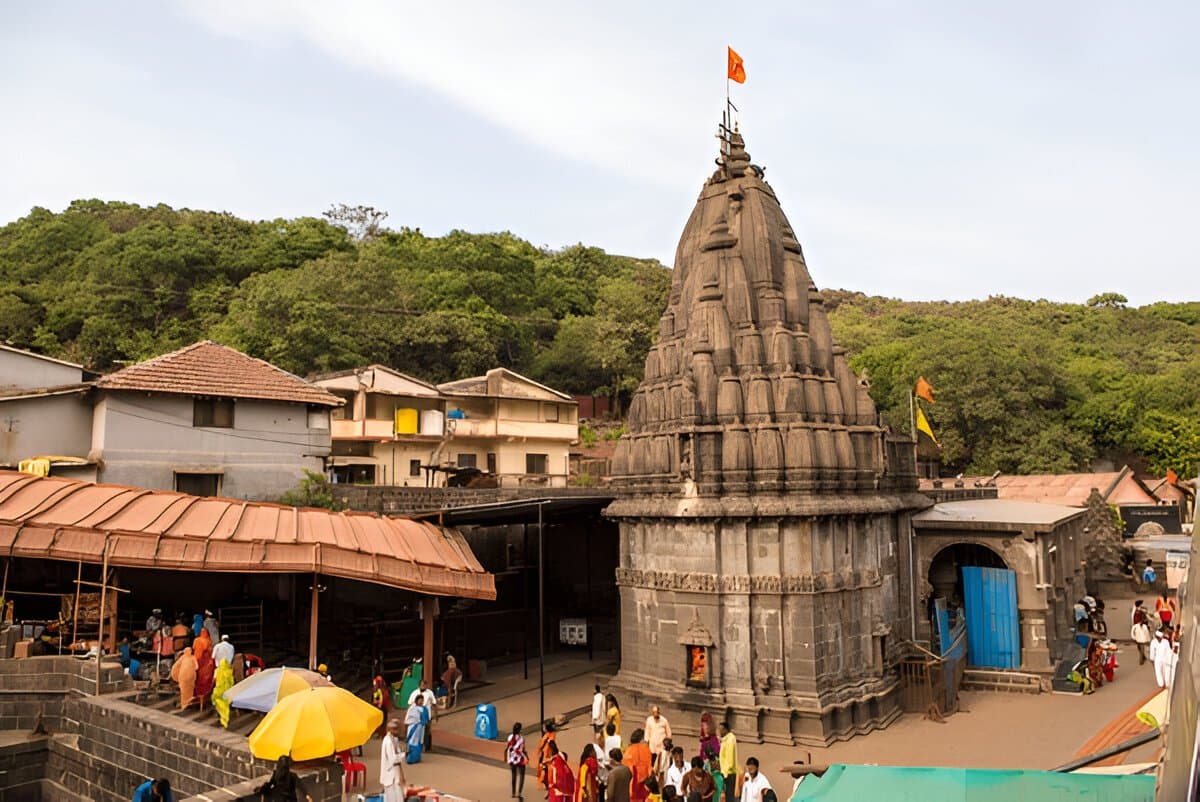
Read More

Hotels in Kashmir
June 20, 20256 Minutes
Hotels in Kashmir
Kashmir is a place where every turn offers a postcard-perfect view. Known for its breathtaking landscapes, serene lakes, and snow-covered mountains, it has remained a favourite destination for travellers looking for peace, romance, or a refreshing break. Whether you are exploring the valleys of Gulmarg, the green meadows of Pahalgam, or the charm of Srinagar, your accommodation plays a crucial role in defining your experience. When selecting among various Kashmir tour packages, it is important to ensure your stay is comfortable, scenic, and close to nature.Finding the right place to stay in this beautiful region can enhance your travel experience significantly. From luxury resorts with panoramic mountain views to charming houseboats that float quietly on the lake, hotels in Kashmir cater to every kind of traveller. Below are seven thoughtfully chosen options that are known for their service, views, and overall comfort.1. The Khyber Himalayan Resort and Spa – GulmargLocated in Gulmarg, this resort is renowned for its unparalleled views of the Affarwat Peaks and its serene setting amidst pine forests. The Khyber Himalayan Resort and Spa offers a luxury experience with spacious rooms, traditional wooden interiors, and warm hospitality. The property also features a heated indoor pool, a relaxing spa, and several dining options offering a variety of local and international cuisine. It is a popular choice among those looking for elegance and serenity.Location: GulmargApproximate Price: ₹20,000 to ₹25,000 per night2. Taj Dal View, SrinagarOverlooking the famous Dal Lake, Vivanta Dal View by Taj is one of the finest hotels in Kashmir. The hotel offers beautifully designed rooms with modern amenities and wide glass windows that provide stunning views of the surrounding mountains and water bodies. The property is ideal for travellers who want to enjoy luxury in a scenic environment. It is especially recommended for couples and honeymooners.Location: SrinagarApproximate Price: ₹15,000 to ₹20,000 per night3. WelcomHotel Pine N Peak – PahalgamWelcomHotel Pine N Peak is perched on a hill in Pahalgam and offers panoramic views of the Lidder River and surrounding mountains. This hotel is among the best hotels in Kashmir for travellers who want a peaceful and private environment. The interiors reflect local aesthetics, and the rooms are both cosy and elegant. Guests can enjoy walks around the beautifully landscaped gardens or explore the nearby valleys and rivers.Location: PahalgamApproximate Price: ₹12,000 to ₹15,000 per night4. Houseboat New Jacquline Heritage – SrinagarStaying on a houseboat is a unique experience and a significant part of local culture. The New Jacquline Heritage Houseboat on Nigeen Lake is one of the most popular hotels in Kashmir for travellers seeking a traditional stay. The interiors are hand-carved with local woodwork, and each room offers a peaceful lake view. Guests can enjoy Kashmiri meals on board and relax in a quiet atmosphere away from the city’s noise.Location: Nigeen Lake, SrinagarApproximate Price: ₹4,000 to ₹7,000 per night5. The Lalit Grand Palace – SrinagarThe Lalit Grand Palace was once the royal residence of the Maharaja of Jammu and Kashmir. Surrounded by Chinar trees and beautiful gardens, this hotel combines historical elegance with modern comfort. With views of Dal Lake and the Zabarwan Range, it is one of the best hotels in Kashmir for guests looking for a luxurious and culturally rich stay. The heritage architecture and royal interiors make it a memorable place to stay.Location: Gupkar Road, SrinagarApproximate Price: ₹18,000 to ₹22,000 per night6. Hotel Heevan – PahalgamHotel Heevan is located in a peaceful area close to the Lidder River. Among the mid-range hotels in Kashmir, it stands out for its riverside setting and well-maintained facilities. This property offers warm hospitality, clean and well-furnished rooms, and a welcoming atmosphere. It is a good option for families and solo travellers who want value for money without compromising on the beauty of the surroundings.Location: PahalgamApproximate Price: ₹6,000 to ₹9,000 per night7. RK Sarovar Portico – SrinagarRK Sarovar Portico is centrally located in Srinagar and is suitable for both leisure and business travellers. For those looking for comfort and convenience in one of the more accessible hotels in Kashmir, this is a practical and reliable choice. The hotel offers modern rooms, efficient service, and a convenient location that allows easy access to tourist attractions. Its rooftop restaurant provides pleasant views of the mountains.Location: SrinagarApproximate Price: ₹5,000 to ₹7,000 per nightAlso Checkout: Things to do in KashmirMust Read: Places to visit in Kashmir

Read More

Manali in June
June 20, 20255 Minutes
Manali in June
If you love crisp mountain air, wildflower-filled valleys, and fewer crowds, then Manali in June is a breathtaking experience. The town of Manali awakens in June, as the snow begins to melt, rivers swell with melted snow, and the pine forests glow brilliantly green in the warm sunshine. Manali in June is not exactly peak season—it’s the shoulder season, which means you can enjoy natural wonders without the rush. Temperatures range from 10 °C in the morning to around 25 °C during the day, making it perfect for daytime treks and relaxed evenings by the riverside.Planning a trip? Many travellers find that Manali tour packages offer excellent value in June, with lower prices on hotels, guides, and adventures. Whether you’re wandering through the old Manali bazaar, exploring apple orchards, or heading up Rohtang Pass, Manali in June delivers a warm welcome and stunning Himalayan beauty.Weather in Manali in JuneThe weather is one of the main reasons people travel to Manali in June. Here’s what to expect:Temperature: Days are pleasantly mild (15–25 °C), while nights stay cool (8–12 °C). A light jacket is helpful.Rain: June sees some scattered afternoon showers and occasional light thundershowers, but most of the day remains clear.Snow Glow: Higher elevations, such as Rohtang Pass or Solang Valley, may still have snow patches, creating beautiful contrasts with blooming greenery.River Flow: Melted snow swells rivers like the Beas, making valleys more vibrant and ideal for white-water rafting.This balance of sunshine, cool weather, and occasional rain makes Manali in June ideal for outdoor adventure and peaceful relaxation alike.Best Places to Visit in Manali in JuneFrom quaint apple orchards to magnificent mountain trails, Manali in June reveals some of its best secrets. Don’t miss these top spots:1. Old ManaliWander along narrow lanes lined with boutique cafés, craft shops, and guesthouses. The vibe is laid-back, artistic, and unhurried—perfect for a morning coffee or a casual walk.2. Solang ValleyFor adventure lovers, Manali in June is a thrill: try ziplining, paragliding, horse riding, or just savour the stunning valley views framed by peaks still dusted with snow.3. Rohtang PassThough visitor numbers are limited, smaller crowds in June mean cleaner trekking routes and dramatic views from passes and glaciers. If you’re planning a Rohtang trip, book ahead.4. Naggar Castle & Art GalleryA short drive from Manali, this heritage home-turned-gallery overlooks the Beas Valley. Manali in June brings fresh flowers and clear skies—ideal for exploring architecture and art.5. Jogini WaterfallA lovely trail through pine forests leads to this stunning waterfall. The path is shaded, the air is fresh, and the views of snow-capped peaks above make the trek feel like a Himalayan fairytale in Manali in June.Best Things to Do in Manali in JuneThe range of activities during Manali in June is impressive—from snowy treks to cultural immersion. Here are some highlights:1. Trek to Bhrigu Lake or Chandrakhani PassEarly summer trails are in great condition, and wildflowers are in full bloom. The hike to Bhrigu Lake is serene, while Chandrakhani Pass offers panoramic views of the Pir Panjal range, making Manali in June perfect for trekking.2. River Rafting on the BeasWith meltwater flowing fast, rafting options increase in June. The river ride is exciting but manageable, giving you an adrenaline rush surrounded by forested mountains.3. Paragliding and ZorbingSolang and Gulaba villages offer paragliding and zorbing experiences—easy to book and safe. Manali in June transforms these valleys into aerial playgrounds with clear skies and mild winds.4. Explore Hidimba TempleThe iconic wooden temple sits within cedar woods that come alive with blossoms in June. The peaceful forest setting is perfect for photos and quiet reflection in Manali in June.5. Apple Orchards & Village WalksTake a slow walk through apple orchards and riverside lanes. The hills smell of blossoms, and you’ll often find local farmers selling fresh produce. June showcases orchard life in full swing.6. Spa, Yoga & WellnessWarm mountain days followed by yoga or a spa session in a riverside pavilion—Manali in June is an ideal retreat for body and mind.

Read More

Places to Visit in Varanasi
June 20, 202519 Minutes
Places to Visit in Varanasi
Varanasi, also known as Banaras or Kashi, is one of the oldest living cities in the world. Situated on the banks of the River Ganges, this city is India’s spiritual capital. From spiritual seekers and pilgrims to photographers and history lovers, Varanasi attracts all kinds of travelers. Whether you are spiritual or just a curious traveler, the famous places to visit in Varanasi offer an experience unlike any other. The temples, the ghats, and the Ganga aarti make this city truly magical. If you’re planning a trip to explore the cultural heart of India, Varanasi is a highlight of many Uttar Pradesh Tour Packages, offering timeless traditions and soul-stirring experiences.People come here to find peace, some to wash away sins, and others simply to feel the vibe of this divine land. From sunrise boat rides on the Ganga River to walking through narrow lanes filled with local food, music, and centuries-old history, Varanasi has a unique charm. All the best places to visit in Varanasi include its iconic temples and sacred ghats, where life and death flow side by side. Travelers exploring Uttar Pradesh Tour Packages often consider Varanasi a must-visit destination for its spiritual depth and cultural richness. If you’re looking to explore Varanasi comfortably, don’t forget to check out our Viacation’s Varanasi tour packages, thoughtfully designed for Indian travelers like you.Top Places To Visit In Varanasi1. Kashi Vishwanath Temple:Kashi Vishwanath is one of the top places to visit in Varanasi. And this is also one of the most important and sacred temples in India, dedicated to Lord Shiva. Devotees believe a visit here washes away all sins. It’s spiritually powerful and attracts lakhs of pilgrims every year.– Location: Located near the Dashashwamedh Ghat.– Timing & Entry Fee: Open daily from 2:30 am to 11:00 pm. Entry is free, but there are charges for special darshan and pujas.– Highlight: The Golden Dome and Jyotirlinga are the main highlights of this temple.2. Dasaswamedh Ghat:This ghat is one of the oldest and most vibrant spots in the city. It’s famous for the Ganga Aarti, performed every evening with lamps, chants, and music. It’s a powerful experience to feel and see.– Location: Near Godowlia, just a short walk from Kashi Vishwanath Temple.– Timing & Entry Fee: Open 24/7. No entry fee. The Ganga Aarti usually starts around 6:45 pm.– Highlight: Watching the aarti in the evening, and boating in the morning3. Assi Ghat:Assi Ghat is a peaceful place where locals and tourists both gather. It is among the top 5 places to visit in Varanasi, famous for its early morning Ganga Aarti and cultural programs. Yoga sessions by the river also happen here every morning.– Location: At the southern end of Varanasi, where the Assi River meets the Ganges.– Timing & Entry Fee: Open all day. Free entry. Yoga and morning aarti begin at sunrise.– Highlight: Morning Ganga Aarti, early morning boat rides, Banaras Hindu University is also nearby.4. Manikarnika Ghat:This is the main cremation ghat and is deeply spiritual. It’s believed that those who are cremated here achieve moksha (freedom from rebirth). It may sound intense, but many visit to understand the cycle of life and death.– Location: North of Dashashwamedh Ghat, near Kashi Vishwanath Temple.– Timing & Entry Fee: Open 24/7. No entry fee. Visitors are advised to be respectful and not take photos.– Highlight: One of the most famous places to visit in Varanasi, it offers a different perspective on life, faith, and the final journey.5. Shivala Ghat:Less crowded and more local, Shivala Ghat is ideal for those who want to see daily life by the Ganges without the tourist rush. It has an old-world charm with heritage buildings around.– Location: Located between Assi Ghat and Dashashwamedh Ghat.– Timing & Entry Fee: Open all day. No entry fee.– Highlight: Its quiet atmosphere and historical backdrop make it one of the peaceful places to visit in Varanasi.6. Monkey Temple (Durga Temple):The Monkey Temple, also called Durga Temple, is a famous Hindu temple dedicated to Goddess Durga. It’s called the Monkey Temple because you’ll find lots of monkeys around. Built in the 18th century, it has red-colored stone walls and traditional architecture.– Location: Located in Durga Kund, about 2 km from Banaras Hindu University.– Timing & Entry Fee: Open from 4 am to 9 pm. Entry is free.– Highlight: The main attraction is the idol of Goddess Durga that is believed to have appeared on its own (not man-made).7. Tulsi Manas Temple:This temple is dedicated to Lord Rama and is where the famous poet Tulsidas wrote the Ramcharitmanas. The walls of the temple are beautifully inscribed with verses from the Ramayana, making it one of the best places to visit in Varanasi for spiritual seekers.– Location: Close to the Durga Temple, near the Sankat Mochan area.– Timing & Entry Fee: Open from 5:00 am to 9 pm. No entry fee.– Highlight: It’s a white marble structure with scripture carvings, which makes it unique.8. Ramnagar Fort & Museum:Built in the 18th century by King Balwant Singh, this fort lies on the eastern bank of the Ganges. It houses a museum with royal collections like old weapons, vintage cars, and royal costumes. – Location: Located across the Ganga River from Tulsi Ghat.– Timing & Entry Fee: Open from 10 am to 5 pm. The entry fee is ₹20 for Indians and ₹150 for foreigners.– Highlight: The fort is also the site for Ramlila celebrations during Dussehra.9. Alamgir Mosque:Alamgir Mosque, also known as Beni Madhav Ka Darera, is a combination of Islamic and Hindu architecture. Built by Emperor Aurangzeb, it stands at a scenic point along the river Ganga.– Location: Situated at Panchganga Ghat in Varanasi.– Timing & Entry Fee: Open daily from sunrise to sunset. Entry is free.– Highlight: Great for art and architecture lovers, the mosque features impressive domes and minarets, offering a stunning view of the river and city.10. Godowlia Market:If you want to do some shopping and want to take mementos home, this is among the 10 best places to visit in Varanasi. This is one of the busiest and oldest markets in Varanasi. From Banarasi sarees and handicrafts to street food and jewelry, everything is available here. – Location: Located near Vishwanath Temple and Dashashwamedh Ghat.– Timing & Entry Fee: Open from 9 am to 9 pm. No entry fee.– Highlight: Buy original Banarasi silk sarees and local handicrafts at reasonable prices.11. Man Mandir Observatory:Built in the 17th century by Maharaja Jai Singh, this place has ancient astronomical instruments used for measuring time and the movement of planets. It’s also known as the Jantar Mantar of Varanasi.– Location: Situated on Manmandir Ghat, near Dashashwamedh Ghat.–Timing & Entry Fee: Open from 9 am to 5 pm. The entry fee is ₹25 for Indians and ₹100 for foreigners.– Highlight: It gives a unique view of ancient science and is among the best places to visit in Varanasi.12. The Banaras Silk Emporium:Varanasi’s silk wear is one of the most popular in India. And if you are in Varanasi, visiting a silk emporium is a must. Banaras Silk Emporium is one of the finest shops to explore handwoven silk sarees, scarves, and fabrics of India.– Location: Located at Sigra Road, Varanasi.– Timing & Entry Fee: Open from 10 am to 8 pm. No entry fee.– Highlight: You can see the live weaving of Banarasi sarees, which makes it one of the places to visit in Varanasi for shoppers.13. Manmandir Ghat:Manmandir Ghat is a peaceful ghat built by Raja Man Singh in the 16th century. It has beautiful sandstone architecture and offers a calm space away from the busy ghats. So if you love peaceful places, this place should be on your list.– Location: Close to Dashashwamedh Ghat, along the Ganga River.– Timing & Entry Fee: Open 24 hours. No entry fee.– Highlight: It offers a great spot for early morning Ganga views and is one of the top 5 places to visit in Varanasi.Also Read: Things to do in Varanasi14. Tulsi Ghat:Named after the poet Tulsidas, Tulsi Ghat is less crowded and ideal for those seeking a peaceful atmosphere. It’s believed that Tulsidas composed parts of the Ramcharitmanas here.– Location: Located near Assi Ghat, towards the southern end of the ghats.–Timing & Entry Fee: Open all day. No entry fee.– Highlight: The ghat hosts classical music concerts and spiritual plays, attracting devotees and art lovers alike.15. Darbhanga Ghat:Darbhanga Ghat stands out for its grand appearance and magnificent structure. It was built by the royal family of Darbhanga and is one of the most photogenic ghats in the city.– Location: Located between Dashashwamedh and Rana Mahal Ghats.– Timing & Entry Fee: Open 24 hours. No entry fee.– Highlight: The grand sandstone palace, best for photography lovers.Also Read: History of Uttar Pradesh16. Harishchandra Ghat:Harishchandra Ghat is one of the oldest ghats in Varanasi and holds deep religious significance. It is believed that this is where King Harishchandra once worked at the cremation ground, proving his commitment to truth and charity.– Location: Located on the western bank of the Ganga River, near Dashashwamedh Ghat.–Timing & Entry Fee: Open 24 hours. No entry fee.– Highlight: People visit to witness the continuous cremation rituals, which represent the cycle of life and death. It is India’s best place for those seeking spiritual understanding.17. Lalita Ghat:Lalita Ghat is known for its calm ambiance and the famous Nepali temple located nearby. It was built by the King of Nepal and stands out because of its pagoda-style architecture.– Location: Close to Manikarnika Ghat, right on the banks of the Ganga.– Timing & Entry Fee: Open all day. No entry fee.– Highlight: This peaceful ghat is perfect for photography, quiet reflection, and boat rides. Also Check: Historical Places to Visit in Uttar Pradesh18. Banaras Hindu University (BHU):BHU is not just an educational institute but also a cultural landmark. Founded in 1916, it’s one of the largest residential universities in Asia. And many travelers visit this university to explore its libraries and inner structure.– Location: Situated in the southern part of Varanasi, in the Lanka area.– Timing & Entry Fee:Open from 10 am to 5 pm. No entry fee for visitors.– Highlight: Don’t miss the Bharat Kala Bhavan museum inside the campus. It houses rare art, sculptures, and artifacts. Among the 10 best places to visit in Varanasi, BHU holds a special place for knowledge seekers.19. Sarnath:Sarnath is a place located 10 kilometres north-east of Varanasi near the confluence of the Ganges and the Varuna rivers in Uttar Pradesh. Sarnath is where Lord Buddha gave his first sermon after attaining enlightenment. It is a major pilgrimage site for Buddhists. – Location: About 10 km from Varanasi city center.– Timing & Entry Fee: Different attractions in Sarnath have different timings and entry fees.– Highlight: It’s one of the top places to visit in Varanasi if you’re interested in peaceful spiritual sites. Visit the Dhamek Stupa and Sarnath Museum to learn about ancient Buddhist history. Must Check: Five-Star Hotels in Uttar Pradesh20. Batuk Bhairav Mandir:This temple is dedicated to Batuk Bhairav, a fierce form of Lord Shiva. Devotees believe that the oil offered here has healing powers. It is also believed that the deity protects Varanasi and grants blessings for good health and protection from evil. – Location: Located in Kamachha, not too far from the Varanasi railway station.– Timing & Entry Fee: opens at 5:00 am and closes at 1:30 pm, then reopens at 4:30 pm and closes at 9:30 pm. No entry fee.– Highlight: The continuous burning ‘Akhand Deepak’ (eternal flame) is the main attraction. It’s counted among the best places to visit in Varanasi for spiritual healing and blessings.21. Bharat Mata Mandir:This temple is unique because it is not dedicated to any deity but to Mother India. Built in 1936 by freedom fighter Babu Shiv Prasad Gupta, the temple features a large marble relief map of undivided India, symbolizing national unity.– Location: Inside the Mahatma Gandhi Kashi Vidyapith campus, near Lahurabir.– Timing & Entry Fee: Open from 5 am to 9 pm. No entry fee.– Highlight: A great spot to learn about India’s geography and patriotism. It is one of those places to visit in Varanasi that adds an educational flavor to your trip.Also Check: Monuments in Uttar Pradesh22. Nepali Temple:Also known as the Kathwala Temple, it resembles the famous Pashupatinath Temple in Kathmandu. Built by the King of Nepal, it is a replica of the Pashupatinath Temple in Kathmandu. The temple is made entirely of wood and features beautiful carvings, showcasing traditional Nepali architecture.– Location: Located near Lalita Ghat, on the banks of the Ganga.– Timing & Entry Fee: Open all day. No entry fee.– Highlight: Its unique architecture and calm surroundings make it a standout among the 10 best places to visit in Varanasi for cultural enthusiasts.23. Sankat Mochan Hanuman Temple:This temple is one of the most visited temples in Varanasi and is dedicated to Lord Hanuman. It is believed that visiting this temple removes all kinds of troubles (sankat). The temple is believed to be built at the exact spot where Tulsidas, the great poet-saint, had a vision of Hanuman– Location: Located in the Durga Kund area, close to BHU.– Timing & Entry Fee: Open from 5 am to 10 pm. No entry fee.–Highlight: Every Tuesday, the temple sees large crowds of devotees, and it’s a must-visit for religious followers.Must Read: Places to Visit in Varanasi24. Namo Ghat:A new and modern ghat built recently, Namo Ghat is clean, beautifully designed, and ideal for a relaxing evening. It’s also becoming quite popular among tourists. Designed with modern aesthetics, it offers a clean, peaceful space for locals and tourists to relax by the Ganga.– Location: Near Rajghat, a bit away from the older ghats.–Timing & Entry Fee: Open 24 hours. No entry fee.–Highlight: It’s perfect for family outings, walking, and clicking Instagram-worthy pictures. If you’re looking for newer places to visit in Varanasi, this is a great pick.25. Kaal Bhairav Temple:It’s among the places to visit in Varanasi that truly reflect its mystical side. This temple is dedicated to Kaal Bhairav, a fierce form of Lord Shiva who is considered the guardian of the city. Kaal Bhairav Temple is one of the most powerful and ancient temples in Varanasi. Dedicated to Kaal Bhairav, a fierce form of Lord Shiva, the temple holds great spiritual and cultural importance.– Location: Located near Vishwanath Gali, close to the Kashi Vishwanath Temple.–Timing & Entry Fee: opens at 5:00 am and closes at 1:30 pm, then reopens at 3:00 pm and closes at 9:00 pm. No entry fee.– Highlight: People offer liquor to the deity, which is quite unusual in Hindu temples. Also Checkout: Things To Do in Varanasi

Read More

Mtskheta
June 20, 20253 Minutes
Mtskheta
Overview of Mtskheta: If you love visiting places that feel like they’ve paused in time, Mtskheta is the perfect spot for you. Just 20 km from Tbilisi, this ancient town is one of the oldest cities in Georgia and has been standing strong for over 3,000 years. Once the capital of the Kingdom of Iberia (not to be confused with Spain’s Iberian Peninsula), Mtskheta is where Christianity was first declared the state religion in Georgia during the 4th century. The entire town is a UNESCO World Heritage Site, which means it’s officially protected for its cultural and historical value. Every corner of Mtskheta tells a story—from grand churches built in the 11th century to cobbled lanes that whisper the secrets of old kingdoms. The famous Svetitskhoveli Cathedral is said to house Christ’s robe, making it a holy place for Christian pilgrims. Mtskheta is not just famous for its churches and ruins. It’s a peaceful riverside town where the Aragvi and Mtkvari rivers meet. The beautiful surroundings, calm vibes, and scenic views make it a favorite day trip from Tbilisi for tourists. Speaking of which, don’t forget to check out our Georgia tour packages if you’re planning a trip to Georgia. What are the Key Highlights of Mtskheta: Svetitskhoveli Cathedral: A masterpiece of Georgian religious architecture, this cathedral is nearly 1,000 years old and is still used for church services today. It’s believed that the robe of Jesus Christ is buried here, making it a site of deep religious importance. Jvari Monastery: Located high on a hill overlooking the confluence of two rivers, this 6th-century monastery offers a peaceful vibe and unbeatable views of Mtskheta. A must-visit for both spiritual seekers and photographers. Samtavro Monastery: This is where Saint Nino, who brought Christianity to Georgia, lived and preached. You’ll also find the tombs of ancient kings here, adding even more layers of history to your visit. Beautiful Old Town: The small streets of Mtskheta are lined with cafes, shops, and local vendors selling Georgian sweets like churchkhela. It’s perfect for slow walking and relaxed browsing. Unbeatable Views: From Jvari Monastery, you get a panoramic view of Mtskheta town and the two rivers merging. Sunsets here are especially breathtaking and peaceful. Cultural Vibes: Mtskheta is often the center of local festivals and religious celebrations. If you’re lucky to visit during a Georgian holiday, you’ll experience authentic food, music, and traditions. Easy Day Trip: Being so close to Tbilisi, Mtskheta can be visited in half a day. You don’t need to stay overnight unless you really want to soak in the peaceful atmosphere. Travel Tips & Essential Information For Mtskheta: How to Reach: From Tbilisi, Mtskheta is just 30 minutes by car. You can take a taxi, rent a car, or join a guided tour. Marshrutkas (shared minivans) also go frequently from Didube Station. Best Time to Visit: Spring (April to June) and Autumn (September to October) are the best times. The weather is pleasant and the views are clear. Summers can be hot, and winters are chilly but quiet. Currency & Prices: Georgia uses the Lari (GEL). Prices are quite affordable compared to European cities. Food Tip: Try khinkali (dumplings) and khachapuri (cheese bread) at any local restaurant—they’re delicious and filling. Also Checkout – Things To Do in GeorgiaMust Read – Places To Visit in Georgia

Read More

Charminar
June 19, 20253 Minutes
Charminar
Overview of Charminar: Charminar, located in the heart of Hyderabad, Telangana, is one of the most iconic landmarks in India. Built in 1591 by Sultan Muhammad Quli Qutb Shah, this monument is not just an architectural masterpiece but also a symbol of the city’s rich history and culture. The name “Charminar” means “Four Minarets,” and that’s exactly what you’ll find — a grand square structure with four elegant towers rising from each corner.If you’re planning to explore heritage spots as part of South India tour packages, Charminar is a must-visit. Surrounded by bustling old markets, narrow historic lanes, and Mughal-era architecture, this monument offers a deep dive into Hyderabad’s royal past. Whether you’re on a family trip, a cultural tour, or simply curious about historical sites, Charminar captures the essence of the city. The surrounding area is full of life, from local food stalls to bangles and pearl shops, giving visitors a lively, authentic experience. What are the Key Highlights of Charminar: Unique Architecture: Charminar is made of limestone and granite with intricate carvings, arches, and domes, combining Indo-Islamic and Persian styles. Four Beautiful Minarets: Each of the four minarets stands about 56 meters tall and has a spiral staircase leading to the top. Stunning View from the Top: Visitors can climb up the narrow stairs inside and enjoy a panoramic view of the bustling Old City. Bustling Local Markets: Laad Bazaar, right next to Charminar, is famous for bangles, pearls, perfumes, and traditional Hyderabadi items. Night Lighting: Charminar is beautifully lit in the evenings, making it a great time to visit for photographs and a cooler climate. Nearby Heritage Sites: Mecca Masjid, one of India’s oldest mosques, is located just a few steps away. Street Food & Irani Chai: The area is perfect for tasting authentic Hyderabadi biryani, kebabs, and Irani chai. Cultural Feel: The monument is surrounded by local life — shops, traditional clothing, and religious sites, giving a real feel of the city. Photography Friendly: Whether it’s sunrise, daytime, or evening, Charminar makes a perfect backdrop for history lovers and travel photographers. Symbol of Hyderabad: It’s not just a tourist attraction — it represents the soul of the city. Timings & Entry Fees of Charminar: Timings: Charminar is open every day from 9:30 AM to 5:30 PM. Entry Fee: Indian visitors: ₹25 | Foreign tourists: ₹300 | Children below 15 years: Free Travel Tips & Essential Information of Charminar: Best Time to Visit: October to February is ideal, with pleasant weather for walking and exploring nearby markets. How to Reach: Charminar is easily accessible by auto, taxi, and local buses. It’s around 5 km from Hyderabad Railway Station and 20 km from the airport. Footwear Tip: You’ll need to remove footwear if visiting nearby religious places like Mecca Masjid, so wear easy slip-on shoes. What to Carry: Carry water, sunscreen, a camera, and light cash (many local vendors prefer cash over digital payments). Avoid Peak Hours: Weekends and afternoons can be very crowded. Try visiting early morning or just before sunset. Stay Options: Many hotels are available in the nearby areas like Abids, Banjara Hills, and Lakdikapul, suiting different budgets. Local Etiquette: Dress modestly as the area is culturally sensitive. Be respectful of local customs and religious sites. Shopping Tip: Bargaining is common in Laad Bazaar — feel free to negotiate politely. Security Check: There’s usually a security check at the entry. Avoid carrying large bags or sharp objects. Nearby Attractions: Combine your visit with Chowmahalla Palace, Salar Jung Museum, and Mecca Masjid for a complete heritage walk.

Read More

Golconda Fort
June 19, 20254 Minutes
Golconda Fort
Overview of Golconda Fort: Golconda Fort, located about 11 kilometres from Hyderabad city in Telangana, is one of the most famous historical places in South India. It was built in the 16th century and served as the capital of the Golconda Sultanate, a strong kingdom known for its wealth and power. The fort was an important centre for trading diamonds, including some of the world’s most famous diamonds like the Koh-i-Noor.Many travellers include the Golconda Fort in their South India tour packages because of its rich history and impressive architecture. The fort is very large, with walls stretching over 10 kilometres. It is built on rocky hills, which gave it a strong defence against enemies. Inside the fort, you will find old palaces, mosques, gardens, and watchtowers. One special feature of the Golconda Fort is its amazing sound system. If someone claps at the main entrance, the sound travels to the top of the fort, which was used to send messages and warnings during ancient times.Today, the Golconda Fort is a popular place for tourists who want to see the history, architecture, and natural beauty. It is also a great place to learn about India’s royal past and enjoy panoramic views of the surrounding city and hills. What are the Key Highlights of Golconda Fort: Strong and Massive Walls: The fort has thick, high stone walls that protected the kingdom for many years. Walking along these walls gives you a feeling of stepping back in time. Unique Acoustic System: The special design allows sound to travel long distances. This helped the guards communicate quickly when danger was near. Beautiful Palaces and Ruins: Inside the fort, you can explore the remains of royal palaces, halls, and audience rooms that show the lifestyle of the rulers. Famous Gates: The fort has several impressive gates, including Fateh Darwaza (Victory Gate) and Banjara Darwaza, which are grand entrances with strong wooden doors and iron spikes. Gardens and Mosques: The fort has well-maintained gardens and mosques built in traditional Islamic style, adding to its charm. Sound and Light Show: Every evening, there is a sound and light show that tells the story of the fort’s history, battles, and rulers through colourful lights and narration. It is a must-see event. Great Views from the Top: Climbing the fort’s hills gives visitors beautiful views of Hyderabad city, nearby hills, and the landscape around. It’s a great spot for photography. Diamond Trade History: Golconda was once famous for its diamond mines and trade, making it an important economic centre in the past. Local Food and Souvenirs Nearby: Around the fort entrance, you will find small shops and stalls selling local snacks and souvenirs like handicrafts and jewellery. Timings & Entry Fees of Golconda Fort: Golconda Fort is open every day from 9:00 AM to 5:30 PM. The entry fee is ₹25 for Indian visitors and ₹300 for foreign tourists. The sound and light show usually starts around 6:30 PM, and there is a separate ticket for it, costing ₹75 for Indians and ₹200 for foreigners. It is better to check the latest timings before visiting. Travel Tips & Essential Information of Golconda Fort: Best Time to Visit: The months from October to March are best because the weather is cooler and pleasant for exploring. How to Reach: The fort is 11 km from Hyderabad city centre. You can take a taxi, an auto-rickshaw, or even a local bus. Many tourists prefer taxis for comfort. Wear Comfortable Shoes: There is a lot of walking and some climbing on uneven paths, so wear comfortable shoes or sandals. Carry Water and Snacks: There are a few shops inside, so bring water and light snacks to stay refreshed. Visit Early Morning: Visiting early helps you avoid the afternoon heat and crowds. Don’t Miss the Sound and Light Show: The evening show is very popular and gives a complete story of the fort’s history. Photography: You can take photos everywhere, so bring your camera or phone to capture the amazing views and architecture. Hire a Guide or Join a Tour: To learn more about the history and hidden stories, consider hiring a local guide or joining a tour group. Respect the Heritage: The fort is a protected monument, so avoid littering and don’t touch or damage the ruins. Stay Nearby: If you want to explore more, there are many hotels and guesthouses in Hyderabad close to the fort. Combine with Hyderabad Sightseeing: Golconda Fort is near other popular places like Charminar and Hussain Sagar Lake, so plan a full day of sightseeing. Must Read: Places to Visit in South IndiaAlso Checkout: Things to do in South India​

Read More

Ramoji Film City
June 19, 20253 Minutes
Ramoji Film City
Overview of Ramoji Film City: Ramoji Film City is one of the most popular tourist attractions in South India and is located about 30 kilometres from Hyderabad city. Spread over 1,666 acres, it is recognised by the Guinness World Records as the largest film studio complex in the world. Established in 1996 by Ramoji Rao, it serves as a film-making hub and a huge entertainment destination.Many travellers include Ramoji Film City in their South India tour packages because it offers much more than just film sets. Visitors can explore sprawling gardens, live shows, amusement rides, and themed attractions, making it perfect for family trips and cultural tours. The film city is like a mini-world with replicas of famous monuments, streetscapes, and outdoor studios where movies and TV shows are made. What are the Key Highlights of Ramoji Film City: Guided Studio Tours: Explore real film sets and backlots where popular Indian movies have been shot. The guided tours provide interesting behind-the-scenes stories. Live Entertainment Shows: Enjoy various shows, including stunt performances, dance, and music that showcase Indian culture and cinema. Themed Gardens and Attractions: Wander through beautiful gardens and themed areas like the Japanese Garden, Rose Garden, and Bird Park. Adventure Rides: Try exciting rides such as the roller coaster, water rides, and the Mirror Maze for thrill seekers. Replica Monuments: See mini versions of famous landmarks from India and around the world, all built inside the film city. Food Courts and Restaurants: Multiple dining options serve local and international cuisine for visitors. Shopping: Shops inside the film city offer souvenirs, handicrafts, and movie memorabilia. Special Events and Festivals: The film city hosts seasonal festivals and special events that add extra fun during visits. Timings & Entry Fees of Ramoji Film City: Ramoji Film City is open every day from 9:00 AM to 5:30 PM. Entry fees vary depending on the package chosen: General ticket: Around ₹1,100 for adults and ₹880 for children (may vary). Combo packages and guided tours are available at additional costs. Travel Tips & Essential Information of Ramoji Film City: Best Time to Visit: October to March offers pleasant weather, perfect for exploring the outdoor attractions. How to Reach: Located 30 km from Hyderabad city, you can reach Ramoji Film City by taxi, private car, or tour buses arranged by travel agencies. Wear Comfortable Clothes: Since there is a lot to see and do, wear comfortable clothing and walking shoes. Plan a Full Day: With so much to explore, allocate a full day to enjoy the studios, shows, rides, and gardens. Book Tickets in Advance: To avoid queues, especially during peak tourist seasons, it’s better to book tickets online beforehand. Carry Water and Sun Protection: Bring water, hats, and sunscreen as most activities are outdoors. Family Friendly: The film city is ideal for family trips with activities suitable for all ages. Combine with Hyderabad Sightseeing: Pair your visit with other Hyderabad attractions like Charminar and Golconda Fort for a complete South India tour experience. Must Read: Places to Visit in South IndiaAlso Checkout: Things To Do in South India

Read More

Ayodhya
June 19, 20253 Minutes
Ayodhya
Overview of Ayodhya: Ayodhya, a small city in Uttar Pradesh, is one of the most sacred places in India. It is known as the birthplace of Lord Ram, and that’s why it holds a very special place in the hearts of millions of Hindus. The city is mentioned in many ancient texts, including the Ramayana, where it is described as a grand and holy kingdom. According to history, Ayodhya was once a major center for learning and culture, attracting scholars and saints from across the world. But Ayodhya is not just about temples and stories from the past. In recent years, it has become a major tourist destination, especially after the construction of the Ram Mandir began. Pilgrims from all over the country now visit to witness this once-in-a-lifetime event. It is not just a city anymore – it’s an experience of India’s spiritual and cultural beauty. And if you’re planning a complete spiritual journey, don’t forget to check out our Varanasi tour packages. They are designed to give you a smooth and soulful experience across two of the most important spiritual destinations in India. What are the Key Highlights of Ayodhya? Ram Janmabhoomi Mandir: The biggest attraction in Ayodhya. This is believed to be the exact spot where Lord Ram was born. The temple is beautifully built, with intricate carvings and a peaceful vibe. Hanuman Garhi: A famous temple located on a hill. You need to climb a few steps, but once you reach the top, the view is amazing, and the temple atmosphere is full of energy. Kanak Bhawan: A lovely temple gifted to Goddess Sita by her mother-in-law, Kaushalya. The idols of Ram and Sita here are dressed in gold ornaments and are truly beautiful to see. Saryu River Aarti: Just like Varanasi, Ayodhya has its own river aarti at the Saryu ghat. The lights, chants, and devotion create a magical atmosphere every evening. Treta Ke Thakur: A temple said to be built where Lord Ram performed the Ashwamedha Yagna. It holds deep historical importance and is a peaceful place for devotees. Guptar Ghat: A lesser-known but peaceful ghat where, according to belief, Lord Ram took Jal Samadhi. It’s a quiet spot, perfect for reflection and calm. Travel Tips / Essential Information for Ayodhya: How to Reach: Ayodhya is well-connected by road and rail. The nearest airport is in Ayodhya itself (Maharishi Valmiki International Airport), which now has flights from major Indian cities. You can also travel via Lucknow or Varanasi if you are planning a longer spiritual tour. Best Time to Visit: The best months are October to March. The weather is pleasant, and festivals like Diwali and Ram Navami are celebrated with great joy in Ayodhya. What to Wear: Simple, modest clothes are best, as you’ll be visiting many religious places. Comfortable footwear is also important as you’ll be walking a lot. Local Transport: Auto-rickshaws, e-rickshaws, and local taxis are easily available. The city is not very large, so most places are just a short ride away. Respect the Culture: Ayodhya is a religious city. Avoid loud behavior, and follow temple rules. Photography is not allowed in some places, so always check before clicking pictures. Must Read: Things to Do in VaranasiMust Visit: Places to Visit in Varanasi

Read More

Varanasi
June 19, 20253 Minutes
Varanasi
Overview of Varanasi: Varanasi, also known as Kashi or Banaras, is one of the oldest and most sacred cities in the world. Located on the banks of the River Ganges in Uttar Pradesh, this city holds deep spiritual meaning for Hindus. It is believed that taking a dip in the Ganges here washes away sins and brings peace to the soul. With countless temples, lively ghats, ancient rituals, and rich culture, Varanasi offers an experience like no other. Many travellers choose Varanasi tour packages to explore its spiritual charm and cultural depth. Whether it’s witnessing the Ganga Aarti, walking through narrow lanes filled with history, or discovering timeless temples, Varanasi leaves a lasting impression. Highlights of Varanasi: 1. Dashashwamedh Ghat: One of the most important ghats in Varanasi, Dashashwamedh, is known for the grand evening Ganga Aarti. The sound of bells, chants, and the view of the priests offering fire to the river is a powerful experience.2. Kashi Vishwanath Temple: This is one of the twelve Jyotirlingas and a sacred temple for Lord Shiva devotees. Despite the crowds, the energy and devotion here are unmatched.3. Sarnath: Located just outside Varanasi, Sarnath is where Lord Buddha gave his first sermon. It is a peaceful place with old stupas, a museum, and calm gardens.4. Boat Ride on the Ganges: Early morning boat rides offer a stunning view of the sunrise and the ghats coming to life. It’s one of the best ways to experience the city’s spiritual routine.5. Manikarnika Ghat: This is one of the main cremation ghats where Hindus believe the cycle of rebirth ends. It may be intense, but it’s an important part of Varanasi’s identity.6. Banaras Hindu University (BHU): One of India’s largest universities, BHU is home to a peaceful campus, the Bharat Kala Bhavan museum, and the New Vishwanath Temple.7. Temples of Varanasi: Other temples like Durga Temple, Tulsi Manas Temple, and Kal Bhairav Temple are also popular. Each has its own story and significance.8. Ganga Aarti: The Ganga Aarti ceremony is a must-see. Held every evening, it’s a spiritual performance involving music, fire lamps, and chanting. Travel Tips / Essential Information for Varanasi: Best Time to Visit: October to March is the best time due to pleasant weather. Avoid summer months as they are very hot, and monsoons may disrupt travel. How to Reach Varanasi By Air: Lal Bahadur Shastri Airport connects with major cities. By Train: Varanasi Junction is a key railway station with many trains from across India. By Road: Buses and taxis are available from nearby cities. Getting Around: Walking is ideal for exploring the old parts of the city. Auto-rickshaws and cabs can be used for longer distances. What to Wear: Dress modestly, especially when visiting temples. Comfortable shoes are a must for walking on the uneven streets and ghats. Respecting Local Customs Always remove your shoes before entering temples. Avoid taking photos during religious ceremonies without permission. Maintain silence or speak softly at cremation ghats like Manikarnika. Food & Water: Stick to bottled water. Eat at clean restaurants or trusted stalls. Local dishes like kachori, lassi, and Banarasi paan are worth trying. Hiring a Guide: A local guide can help you understand the stories, rituals, and history of each place. It enhances the experience greatly. Money Tips: Carry some cash for small vendors. Most places accept UPI and cards, but cash is still useful at local shops. Shopping in Varanasi: Buy Banarasi silk sarees, brass items, wooden toys, and religious souvenirs. Also Read: Places to Visit in VaranasiMust Read: Things to do in Varanasi

Read More

Salar Jung Museum
June 19, 20253 Minutes
Salar Jung Museum
Overview of Salar Jung Museum: The Salar Jung Museum is located on the banks of the Musi River in Hyderabad, Telangana. It is one of the three National Museums of India and among the most visited museums in the country. The museum is named after Mir Yousuf Ali Khan, also known as Salar Jung III, who collected a vast treasure of art and antiques from across the globe.Many travellers include the Salar Jung Museum in their South India tour packages because it offers a deep dive into world history, culture, and craftsmanship. The museum houses over 40,000 artefacts and 50,000 books across different galleries. From Persian carpets and Chinese porcelain to European statues and Indian weapons, the variety is stunning.What makes the museum special is that it holds items from countries like Egypt, Japan, Italy, France, and India, all under one roof. For history lovers, students, and tourists alike, it’s an enriching experience and a quiet escape into the past. What are the Key Highlights of Salar Jung Museum: Veiled Rebecca: A world-famous marble statue carved by Italian sculptor Giovanni Benzoni. The delicate veil carved from stone makes it one of the top attractions in the museum. Jade Room: Features a royal collection of jade artefacts, swords, and daggers once used by Mughal emperors and nobles. European Art Gallery: Showcases paintings, furniture, and sculptures from France, Italy, and other European countries. Indian Miniature Paintings: A wide collection of miniature paintings from different Indian schools, including Mughal, Rajasthani, and Deccan. Clock Room: One of the most loved galleries, where a 19th-century mechanical clock draws large crowds with its hourly chime and moving figure. Arms & Armour Gallery: Features weapons, shields, and armour used by Indian kings, warriors, and nobles. Rare Manuscripts & Books: The museum has ancient manuscripts in Arabic, Persian, Sanskrit, and other languages. Child-Friendly Sections: Some galleries are specially arranged to spark the curiosity of younger visitors with interesting objects and displays. Timings & Entry Fees of Salar Jung Museum: Open Days: Wednesday to Monday (Closed on Fridays and public holidays) Timings: 10:00 AM to 5:00 PM Entry Fee: ₹20 for Indian adults, ₹500 for foreign tourists. Children under 18 years are usually admitted free or at a reduced price. Travel Tips / Essential Information of Salar Jung Museum: Best Time to Visit: October to March is ideal, especially in the morning, to avoid crowds and enjoy a peaceful experience. How to Reach: The museum is easily accessible by bus, auto-rickshaw, or taxi from any part of Hyderabad. It is close to Charminar and other old city attractions. Plan 2–3 Hours: The museum is large, so reserve a couple of hours to explore the main galleries at a relaxed pace. Guided Tours Available: Consider hiring a guide or using an audio guide to better understand the exhibits. No Food Inside: Eat beforehand, as food and drink are not allowed inside the museum premises. Photography Rules: Flash photography is restricted in some areas. Always check signage or ask staff. Respect the Displays: Avoid touching the exhibits and follow museum rules to help preserve the artefacts. Combine with Nearby Sights: After the museum, you can visit Charminar, Mecca Masjid, or Laad Bazaar for a full Old City experience. Also Read – Places To Visit in South India Must Checkout – Things To Do in South India

Read More

Ganga Aarti
June 19, 20253 Minutes
Ganga Aarti
Overview of Ganga Arati: Ganga Aarti is one of the most important spiritual ceremonies performed every evening at the ghats (riverbanks) of the Ganges River. Among all locations, Dashashwamedh Ghat in Varanasi is the most famous place to witness this beautiful ritual. It is a part of many Varanasi tour packages, offering travellers a unique chance to connect with India’s deep spiritual traditions. This daily ritual is performed to worship Ma Ganga, the sacred river believed to wash away sins and give salvation. Priests dressed in traditional clothes chant mantras and hold large brass lamps (called diyas) while offering prayers with flowers, incense, and fire to the river. The sound of bells, the chanting of prayers, and the sight of hundreds of lamps being floated on the river make it a magical moment. Tourists from around the world come to witness this peaceful and beautiful ceremony. Whether you are spiritual or simply curious, attending the Ganga Aarti is a memory you’ll never forget. What are the Key Highlights of Ganga Arati: 1. Sacred Atmosphere: As the sun sets, the ghat transforms into a divine space filled with prayers, bells, and lights. The sound of conch shells and chanting adds to the sacred feel of the moment.2. Fire Lamp Ceremony: Priests perform the Aarti using large fire lamps, moving them in rhythmic patterns. It looks beautiful against the evening sky and reflects off the river.3. Floral Offerings and Diyas: People float small leaf boats (called diyas) with candles and flowers into the river, making the water glow with flickering lights.4. Spiritual Music: Live chanting and devotional songs create a peaceful mood. Many visitors sit quietly, meditating or simply enjoying the spiritual energy.5. Photography Moments: The aarti is a perfect time for photography—lamps, river reflections, and the crowd create a scene worth capturing.6. Boat View Option: You can also watch the ceremony from a boat on the river, offering a different and peaceful perspective. Timings & Entry Fees for Ganga Arati: Timing: The Ganga Aarti in Varanasi usually starts around 6:30 PM in summer and 5:30 PM in winter. It lasts for about 45 minutes to 1 hour. Entry Fee: Attending the Aarti is free for all. However, VIP or reserved seating near the ghat may cost around ₹150 to ₹500 depending on location and time of year. Travel Tips / Essential Information Gnaga Arati: Arrive Early: Arrive at least 45 minutes early to get a good viewing spot, especially during peak seasons or festivals. Stay Alert in Crowds: Keep your belongings safe, as the area can get very crowded. Respect the Rituals: Avoid making noise or disturbing others during the ceremony. Silence adds to the experience. Carry a Shawl or Jacket: It can get chilly by the river in the evening, especially during winter months. Book a Boat Ride in Advance: If you want to view the Aarti from a boat, it’s better to book ahead through a local guide or hotel. No Flash Photography: If you take photos, avoid using flash. It can disturb the ceremony and the people around. Also Checkout: Things To Do in ChardhamMust Read: Places To Visit in Char Dham

Read More

Warangal Fort
June 19, 20253 Minutes
Warangal Fort
Overview of Warangal Fort: Warangal Fort is located in the city of Warangal, around 140 kilometres from Hyderabad in Telangana. This ancient fort was built in the 13th century by the Kakatiya dynasty and remains one of the most remarkable examples of South Indian architecture. The fort was once the centre of power for the Kakatiya rulers and has stood the test of time, showcasing their love for art, strength, and devotion.Because of its historical importance and impressive ruins, many travellers include Warangal Fort in their South India tour packages. The fort covers a large area and is known for its unique construction. Although much of it now lies in ruins, what remains still tells powerful stories of a glorious past.Visitors are often amazed by the grand stone gateways called Kakatiya Kala Thoranams, large pillars and carved structures spread across the site. Surrounded by walls and moats, the fort was built to defend against invasions and was once a symbol of royal strength. What are the Key Highlights of Warangal Fort: Kakatiya Kala Thoranam (Ornamental Archways): These four massive stone gateways are the most famous part of the fort. Made from a single piece of granite each, they are beautifully carved and now serve as a symbol of the Telangana state. Ruins of Temples: You’ll find broken sculptures and remains of Shiva temples with delicate carvings. The architecture reflects both strength and artistic elegance. Massive Stone Walls and Moats: The fort is surrounded by three layers of strong stone walls and a wide moat, showing its military design. Ganapathi Temple: Located within the fort area, this small yet sacred temple dedicated to Lord Ganesha is frequently visited by devotees and tourists. Carved Pillars and Stones: Many parts of the fort have free-standing carved pillars, giving a glimpse into the fine craftsmanship of the Kakatiya dynasty. Peaceful Surroundings: The fort is surrounded by trees and open spaces, making it a relaxing spot to explore slowly and take in the scenic beauty. Historical Significance: This fort witnessed many wars and invasions, especially by the Delhi Sultanate, and is a silent witness to centuries of South Indian history. Timings & Entry Fees of Warangal Fort: Timings: 9:00 AM to 5:00 PM (Open all days of the week) Entry Fee: ₹15 for Indian visitors and ₹200 for foreign tourists Photography Charges: There may be a small additional charge for carrying a camera Travel Tips / Essential Information of Warangal Fort: Best Time to Visit: October to February is ideal, as the weather is cooler and more comfortable for walking around. How to Reach: Warangal is well connected by train and road from Hyderabad and other major cities. You can hire a taxi or take a bus to reach the fort from Warangal railway station or the city centre. Wear Comfortable Footwear: The fort area is large and involves a lot of walking on uneven paths and steps. Carry Water and Snacks: Though there may be small stalls nearby, it’s smart to carry your water bottle and light snacks. Photography: Don’t forget your camera! The site offers stunning views and beautiful architecture that are perfect for photos. Hire a Local Guide: To truly understand the history and stories of the fort, consider hiring a local guide. Combine with Other Attractions: Nearby sites like Bhadrakali Temple and Ramappa Temple are also worth visiting for a complete day of sightseeing in Warangal. Also Read: Places to Visit in South IndiaMust Checkout: Things To Do in South India

Read More

Thousand Pillar Temple
June 19, 20253 Minutes
Thousand Pillar Temple
Overview of Thousand Pillar Temple: The Thousand Pillar Temple, also known as Rudreshwara Temple, is located in Hanamkonda, near Warangal in Telangana. Built in the 12th century by the Kakatiya dynasty, this temple is one of the finest examples of early Kakatiya architecture. It is dedicated to three deities—Lord Shiva, Lord Vishnu, and Lord Surya—making it a rare and unique example of religious unity in design.Because of its rich cultural and architectural significance, this site is often included in many South India tour packages. The temple is famous not just for its spiritual importance but also for its impressive craftsmanship. Every pillar, wall, and sculpture in the temple is decorated with beautiful carvings, telling stories from mythology and showcasing the skills of ancient artisans. Even though it’s called the “Thousand Pillar Temple,” the number of pillars is symbolic rather than exact. The name reflects the detailed and intricate work seen throughout the structure. The temple also includes a large Nandi statue carved from a single black stone, which continues to attract visitors from around the world. What are the Key Highlights of Thousand Pillar Temple: Intricately Carved Pillars: The temple’s biggest attraction is its beautifully crafted pillars. Each one is different and features detailed carvings of gods, animals, and floral patterns. Trikuta Architecture: The temple houses three shrines, each dedicated to a different deity—Shiva, Vishnu, and Surya. This unique three-shrine design is a rare architectural style. Monolithic Nandi Statue: A large, polished black granite statue of Nandi (the sacred bull of Lord Shiva) sits just outside the temple, carved from a single stone. Polished Stone Work: The walls and floor are made of finely finished black stone, giving the temple an elegant and smooth appearance. Beautiful Garden: The temple is surrounded by a small, well-maintained garden, offering a peaceful and quiet space to sit and relax. Peaceful Atmosphere: Whether you’re interested in history or spirituality, the calm and sacred feel of the temple makes it an ideal spot for reflection. Historical Significance: Built during the reign of King Rudra Deva, this temple marks the beginning of the golden era of Kakatiya art and culture. Timings & Entry Fees of Thousand Pillar Temple: Timings: Open every day from 6:00 AM to 8:00 PM Entry Fee: No entry fee for visitors Photography: Free photography is allowed outside; photography inside the sanctum may be restricted Travel Tips / Essential Information of Thousand Pillar Temple: Best Time to Visit: October to March is the best time when the weather is pleasant and suitable for sightseeing. How to Reach: The temple is just 6 km from Warangal city centre and around 140 km from Hyderabad. You can easily reach it by car, taxi, or local bus. Respect Temple Customs: Wear modest clothing, remove your shoes before entering the temple, and maintain silence inside. Bring a Camera: The detailed carvings and architecture are perfect for photography, especially during sunrise or sunset. Hire a Guide: A local guide can help you understand the stories and history behind the sculptures and design. Combine with Warangal Fort: Plan a full day trip by visiting Warangal Fort, Bhadrakali Temple, and the Thousand Pillar Temple together. Shops Nearby: You will find small stalls around selling snacks, souvenirs, and local handicrafts. Also Read: Places to Visit in South IndiaMust Read: Things to do in South India

Read More

Sri Bhadrakali Ammavari Devastanam
June 19, 20253 Minutes
Sri Bhadrakali Ammavari Devastanam
Overview of Sri Bhadrakali Ammavari Devastanam: The Bhadrakali Temple is an ancient Hindu temple located on a hilltop between Hanamkonda and Warangal in Telangana. It is dedicated to Goddess Bhadrakali, an incarnation of Goddess Durga. The temple was built in the 7th century by the Chalukya kings and is believed to be one of the oldest temples in India devoted to the fierce yet protective form of the goddess.This temple is often included in South India tour packages because of its spiritual significance and its peaceful surroundings. The idol of Goddess Bhadrakali here is unique—she has eight arms and is seated in a sitting posture with a serene face. The temple is set near a beautiful lake, adding to the calm and relaxing atmosphere.Thousands of devotees and tourists visit this temple every year to offer prayers, enjoy the scenic view, and experience the blend of history and devotion. Whether you are spiritual or just want to explore the rich culture of Telangana, this temple is a perfect spot to visit. What are the Key Highlights of Sri Bhadrakali Ammavari Devastanam: Ancient Idol of Bhadrakali: The main deity is a large stone idol with eight hands holding different weapons, showing strength, protection, and blessings. Serene Bhadrakali Lake: Right beside the temple is a large lake, perfect for peaceful walks and quiet moments. The sunset view from here is especially beautiful. Rich Historical Background: Built in the 7th century by King Pulakeshin II of the Chalukya dynasty, the temple carries deep historical and religious value. Festivals and Special Pujas: Major celebrations like Navratri and Bonalu are celebrated here with great energy, music, and lights, attracting many visitors. Peaceful Hilltop Location: Since the temple is on a small hill, you get lovely views of the surrounding areas and the city of Warangal. Calm and Positive Atmosphere: The temple is ideal for those looking to spend some quiet time in prayer or meditation. Well-Maintained Premises: The temple is clean and nicely maintained with good arrangements for visitors, including parking and sitting areas. Timings & Entry Fees of Sri Bhadrakali Ammavari Devastanam: Timings: Open daily from 5:30 AM to 1:00 PM and from 3:00 PM to 8:30 PM Entry Fee: No entry fee for visitors Special Darshan/Puja Charges: Available on request with minimal fees Travel Tips & Essential Information of Sri Bhadrakali Ammavari Devastanam: Best Time to Visit: October to March offers pleasant weather for temple visits and outdoor sightseeing. How to Reach: The temple is just 5 km from Warangal city. You can easily reach it by auto-rickshaw, taxi, or local bus from anywhere in Warangal or Hanamkonda. Footwear & Dress Code: Footwear must be removed before entering the temple. Modest and traditional attire is recommended. Nearby Attractions: You can plan your visit along with other nearby spots like Warangal Fort and Thousand Pillar Temple for a full day trip. Take a Water Bottle: It’s good to carry your water, especially if visiting during the day. Peaceful Environment: Please maintain silence and avoid littering to keep the sacred atmosphere intact. Local Shops: Small shops near the temple sell offerings, souvenirs, and local snacks. Also Visit: Places to Visit in South IndiaMust Visit: Things to do in South India

Read More

Login ModalPost Login FormTalk with trip expert