Blog hero image
Top Travel Stories

Explore our latest blogs and travel with us

CHIJMES Singapore
July 2, 20253 Minutes
CHIJMES Singapore
Overview of CHIJMES Singapore:CHIJMES (pronounced “chimes”) is a beautifully restored heritage building in the heart of Singapore. It was once a Catholic convent and school, and the stunning chapel still stands today, now repurposed as a centrepiece surrounded by cafes, restaurants, and open courtyards. The white Gothic-style architecture and stained-glass windows give it a quiet elegance, while the lively dining and evening lights bring it to life after dark.You don’t need a full agenda to enjoy CHIJMES. It’s the kind of place you can simply walk into, sit with a coffee, admire the building, and take in the calm atmosphere. Many Singapore tour packages include a stop here because of its mix of culture and modern city charm.Whether you visit for lunch, a romantic dinner, or just a peaceful stroll, CHIJMES is a perfect spot to slow down and enjoy a different side of Singapore.What are the Key Highlights of CHIJMES Singapore:Historic Architecture: The building dates back to the 1800s and was once a Catholic convent. The chapel remains a major visual highlight.The CHIJMES Hall: A beautifully restored former chapel, now used for weddings, concerts, and private events. It’s especially beautiful at night when lit up.Courtyard Dining: CHIJMES is known for its open-air restaurants and casual bars. Whether you’re in the mood for Japanese, Italian, or local food, you’ll find a good spot here.Peaceful Atmosphere: Even though it’s in the middle of the city, CHIJMES feels quiet and calm, especially during the day.Night-time Vibes: In the evening, the whole place lights up and turns into a relaxing social spot, popular with locals and tourists alike.Photography: The mix of Gothic design and modern life makes it a great place for photos, both during the day and at night.Best Time to Visit CHIJMES Singapore:CHIJMES is open all day, but the best time to visit is in the late afternoon or evening. That’s when the lights come on, the outdoor dining spots start to fill up, and the atmosphere feels warm and inviting. If you prefer quiet walks or want to take good photos of the architecture, visit earlier in the day before the crowds arrive.CHIJMES is enjoyable year-round since it’s mostly an indoor-outdoor space, and Singapore has a consistent warm climate. During festivals or weekends, it can get busy, so weekdays are better if you want a calm and quiet experience.Travel Tips for CHIJMES Singapore:How to Get There: CHIJMES is located on Victoria Street, right in the city centre. The closest MRT station is City Hall, just a short walk away.What to Wear: It’s a casual place, so wear something comfortable. If you’re planning to dine in the evening, smart casual is a good choice.Dining Options: From brunch cafés to fine dining and relaxed bars, CHIJMES has a wide range of food choices. It’s a great place to try both international and local dishes.Explore Nearby: After CHIJMES, you can also walk to nearby attractions like Raffles Hotel, the National Museum, and the Bugis shopping area.Take Your Time: CHIJMES is not a place to rush. It’s best enjoyed slowly, whether you’re admiring the building or sipping a drink in the courtyard.

Read More

Kallang, Singapore
July 2, 20253 Minutes
Kallang, Singapore
Overview of Kallang, Singapore: Kallang is a well-known district in Singapore, especially popular among sports fans and locals who enjoy an active lifestyle. It’s home to the Singapore Sports Hub, which includes the National Stadium, Indoor Stadium, and Kallang Wave Mall. This area often hosts concerts, matches, and community events, giving it a lively and energetic vibe. The Kallang River runs through the area, offering peaceful walking and cycling paths. It’s also a good spot for water activities like kayaking. For those exploring Singapore tour packages, Kallang provides something different from the usual tourist spots. It’s less crowded, more relaxed, and shows a side of Singapore that locals know and enjoy. From traditional hawker centres to riverside cafes and sports facilities, Kallang brings together city life and open space in a balanced way. It’s ideal for a short visit, an afternoon walk, or just trying out something new. What are the Key Highlights of Kallang, Singapore: Singapore Sports Hub: A major attraction in Kallang, with world-class stadiums, sports events, concerts, and open areas for jogging or skating. Kallang Wave Mall: A small but popular mall with food courts, shops, and a rooftop water play area for kids. Kallang Riverside Park: A peaceful spot by the river, perfect for walking, cycling, or just relaxing with a nice view. OCBC Aquatic Centre and Sports Arena: Public facilities for swimming, indoor sports, and gym workouts. Water Sports: Rent a kayak or paddleboard and enjoy calm paddling along the Kallang Basin. Local Food: Try out local dishes at nearby hawker centres like Old Airport Road Food Centre, one of the best in the city. Easy Access: Kallang is connected by MRT and buses, making it easy to reach from anywhere in Singapore. Best Time to Visit Kallang Singapore: Kallang can be visited at any time of the year since Singapore has a warm climate all year round. However, the best time is from December to June, when the weather is usually dry and sunny. This makes it ideal for outdoor walks by the river, visiting the park, or attending events at the Sports Hub. Evening visits are great if you want to enjoy the riverside views with cooler weather and fewer crowds. Avoid visiting outdoor spots during the rainy months between September and November, as it can limit your experience. If you plan to catch a concert, sports match, or event, it’s a good idea to check the schedule at the Sports Hub in advance. Travel Tips for Kallang, Singapore: How to Get There: Take the MRT to Stadium or Kallang Station. From there, most attractions are within walking distance. What to Bring: Wear comfortable shoes, especially if you’re planning to walk along the riverside or explore the park. Bring a hat, water bottle, and sunscreen for daytime visits. Dining Options: You’ll find both local hawker food and casual dining at Kallang Wave Mall or nearby areas like Geylang or Lavender. Good for Families: Kallang is suitable for families with kids, thanks to wide open areas, safe walking paths, and child-friendly spots like water play zones. Plan Around Events: If you’re visiting during a major event or match at the National Stadium, expect bigger crowds and more energy in the area. Also Checkout: Things to do in SingaporeMust Read: Places to visit in Singapore

Read More

Sultan Mosque, Singapore
July 2, 20253 Minutes
Sultan Mosque, Singapore
Overview of Sultan Mosque Singapore: Sultan Mosque, also known as Masjid Sultan, is one of the most important and well-known mosques in Singapore. It’s located in Kampong Glam, a colourful and historic neighbourhood. The mosque stands out with its golden dome and white walls. Built in the early 1800s, it has been a part of Singapore’s heritage for many years. Visitors are welcome to enter during non-prayer hours and can walk around the outside freely. The streets around the mosque are filled with small shops, street art, cafés, and local restaurants. Many Singapore tour packages include Kampong Glam and the mosque as part of a city culture experience. It’s a good place to slow down, take pictures, and learn a little more about Singapore’s rich cultural mix. Whether you are exploring nearby streets or just passing by, the mosque is always a peaceful sight. What are the Key Highlights of Sultan Mosque Singapore: Golden Dome: The mosque has a bright golden dome that shines in the sunlight and can be seen from far away. It’s one of its most famous features. Historic Importance: Built in 1824 for Sultan Hussein Shah, the mosque has stood for over 200 years and remains a key religious and cultural site. Open to Visitors: Non-Muslim visitors are allowed inside during certain hours. Robes are provided at the entrance if needed. Quiet Courtyard: The open area outside the mosque is peaceful and a nice place to rest during your walk through the area. Cultural Streets Around: Arab Street and Haji Lane are right nearby, filled with art, cafes, and shops selling fabrics, perfumes, and handmade items. Good for Photos: The mosque, with its colours and structure, makes a great background for simple and beautiful travel photos. Best Time to Visit Sultan Mosque: The best time to visit Sultan Mosque is in the morning or early evening. The area is less crowded and more peaceful during these hours, making it easier to enjoy the calm feeling around the mosque. If you want to go inside, try visiting between 10 AM to 12 PM or 2 PM to 4 PM when non-Muslim visitors are allowed. The golden dome looks especially nice in the soft morning light or at sunset, so these are great times if you enjoy photography. Weekdays are also better than weekends, as the nearby streets are quieter. Avoid prayer times, especially on Fridays, as the mosque is used heavily by worshippers. Respectful clothing is needed, and robes are available if you don’t have something suitable. Travel Tips Sultan Mosque Singapore: How to Get There: Take the MRT to Bugis Station, then walk for about 10 minutes through Arab Street to reach the mosque. What to Wear: Modest clothing is required. Shoulders and knees should be covered if you plan to enter the mosque. You can borrow robes at the entrance. Photography: You can take photos outside and in the open areas, but it’s good to be respectful around people who are praying or visiting quietly. Nearby Food: There are many cafés and restaurants nearby offering Middle Eastern, Malay, and Indian food. It’s a great area for lunch or snacks. Explore More: Combine your mosque visit with a walk through Haji Lane for street art and local shops, or stop by Malay Heritage Centre to learn more about the area’s history. Good for Short Visits: You don’t need a lot of time—30 to 45 minutes is enough to visit the mosque and enjoy the surrounding area.

Read More

Brahmdev Mandir
July 2, 20253 Minutes
Brahmdev Mandir
Overview of Brahmdev Mandir: Brahmdev Mandir is a well-known Hindu temple in the Kanchanpur district of far-western Nepal. Set near the Mahakali River and close to the Indian border, the temple is named after the sage Brahmadev and holds deep religious and historical significance. Local people from both Nepal and India visit this temple regularly, especially during festivals and spiritual gatherings. The temple is surrounded by greenery, gentle hills, and quiet villages, offering a peaceful setting for anyone looking to reflect or enjoy the calm. Though the structure is simple, it carries strong spiritual energy, and the daily rituals offer a clear look into the region’s traditions and beliefs. For those planning a meaningful travel through Nepal tour packages, a visit to Brahmdev Mandir adds a deeper cultural layer to the journey. It may not be widely known among tourists, but it leaves a lasting impression on everyone who makes the trip. What are the Key Highlights of Brahmdev Mandir: Religious Importance: Brahmdev Mandir is dedicated to Brahmadev, a local form of the Hindu creator god Brahma. It is a popular pilgrimage spot for nearby regions. Peaceful Location: The temple is set in a quiet natural area, surrounded by green hills, fresh air, and open spaces — perfect for visitors looking for a break from city life. Cross-Border Devotion: Located near the India-Nepal border, the temple sees devotees from both countries. It shows how faith connects people beyond borders. Festivals and Fairs: During major Hindu festivals like Makar Sankranti, large numbers of devotees gather here, and local fairs are held with food, rituals, and cultural programs. Cultural Feel: Local villagers offer flowers, light oil lamps, and humbly perform prayers. Visitors can sit peacefully and observe or join respectfully. Nearby Attractions: You can also explore the nearby Mahakali River, forest areas, or extend your trip to Dodhara Chandani Suspension Bridge. Best Time to Visit Brahmdev Mandir: The best time to visit Brahmdev Mandir is between October and March, when the weather is pleasant and the skies are clear. This is also when most festivals are celebrated, and the temple sees more local activity, making it livelier and culturally rich. Winter months (December to February) are cool but manageable, and ideal for exploring without much crowd. Spring (March–April) is also a good time to enjoy the natural beauty around the temple. Avoid the monsoon season (June to August), as heavy rainfall can make travel difficult and roads may become muddy or slippery. Travel Tips For Brahmdev Mandir: How to Reach: By Road: Brahmdev is around 25 km from Mahendranagar, the main city in Kanchanpur district. Local buses and jeeps are available, or you can hire a private vehicle. By Air: The nearest airport is Dhangadhi Airport (about 90 km away). From there, you can reach Mahendranagar by road and continue toward Brahmdev. From India: The temple is close to the Indian border (Banbasa in Uttarakhand), and Indian visitors often cross through the border with a valid ID. Where to Stay: Basic guesthouses are available in Mahendranagar. It’s best to stay there and plan a day trip to the temple. What to Carry: Carry water, light snacks, and wear simple clothes out of respect for the temple. Footwear must be removed before entering. Local Tips: Early mornings are quiet and spiritual. If visiting during a festival, expect a larger crowd and a vibrant local feel. Respect Local Customs: Always ask before taking photos of people. Speak politely and follow the basic guidelines while inside the temple. Also Read: Places to Visit in NepalMust Read: Things to do in Nepal

Read More

Sentosa Park
July 1, 20253 Minutes
Sentosa Park
Overview of Sentosa Park: Sentosa Park is one of those places in Singapore that feels like a short holiday within the city. It is an island where everything comes together in one space. You have peaceful beaches, fun rides, sea views, and places where you can just walk around and enjoy the atmosphere. The moment you arrive, it feels different from the rest of Singapore. Families with children come here for the adventure parks and shows. Couples enjoy the quiet corners, cable car views, and relaxing walks along the shore. For anyone visiting with Singapore tour packages, Sentosa is usually one of the main highlights. Getting there is simple, and once you’re on the island, moving around is easy with the help of buses and the monorail. Whether you stay for a few hours or spend the full day, Sentosa gives you a refreshing break and a good mix of fun and calm. What are the Key Highlights of Sentosa Park: Universal Studios Singapore: A world-class theme park with movie-based rides and shows. It’s perfect for kids and grown-ups who enjoy adventure and fun. S.E.A. Aquarium: One of the largest aquariums in the world. You can walk through underwater tunnels and see everything from sharks to tiny seahorses. Siloso, Palawan, and Tanjong Beaches: Each beach has a different vibe—from energetic and sporty to peaceful and quiet. Great for sunbathing, volleyball, or just relaxing. Wings of Time: A stunning night show that mixes water, lights, music, and fireworks right by the sea. Skyline Luge & Skyride: Ride down on a luge cart and then float back up on an open-air chairlift with amazing views. Madame Tussauds: Meet wax figures of your favourite celebrities and learn about Singapore’s history through their immersive museum. Fort Siloso: The only preserved coastal fort in Singapore with tunnels, cannons, and war history exhibits. Best Time to Visit Sentosa Park: The best time to visit Sentosa Park is from December to June. During these months, Singapore has less rain, making it ideal for outdoor attractions, water parks, and beach activities. The weather stays warm year-round, but these months offer the most comfortable conditions for spending a full day on the island. December to February is great for holiday events and cooler evenings. March to June brings sunny skies, perfect for swimming and exploring. If you want fewer crowds, try visiting on weekdays rather than weekends or public holidays. Avoid the September to November monsoon period if you’re planning outdoor activities, as rain can come unexpectedly. Still, Sentosa has many indoor attractions like the aquarium and museums that make it enjoyable even during light showers. Travel Tips for Sentosa Park: How to Reach Sentosa: You can reach Sentosa by taking the Sentosa Express monorail from VivoCity Mall, walking along the Sentosa Boardwalk, or riding the Singapore Cable Car from Mount Faber or HarbourFront. Taxis and buses are also available directly to the island. Plan Your Day: Sentosa is big and has a lot to offer. Check attraction timings in advance and pick 2–3 main spots to enjoy fully, rather than rushing through everything. What to Carry: Wear comfortable clothes and shoes. Carry sunscreen, sunglasses, and a hat for daytime visits. A small backpack with a water bottle and light snacks is also helpful, especially if you’re travelling with kids. Dining: Sentosa has plenty of restaurants, cafes, and food courts. You’ll find everything from local dishes to international cuisine, so you’re never far from a good meal. Stay Options: There are several hotels and resorts on the island if you want to spend the night and explore at a slower pace. Also Read – Places To Visit in SingaporeMust Explore – Things To Do in Singapore

Read More

kusma, Nepal
July 1, 20253 Minutes
kusma, Nepal
Overview of Kusma, Nepal : Kushma, locally known as Kushma Bazaar, is the district headquarters of Parbat in central Nepal. Although often referred to online as Kusma Nepal, the town’s real charm lies in its unspoiled beauty and peaceful pace. Perched above the Kaligandaki River and surrounded by green hills, Kushma is a place where nature, local life, and adventure meet. The town is becoming known for its dramatic suspension bridges, deep river gorges, and beautiful views of the Annapurna range. It offers a different side of Nepal—far from the crowds of Kathmandu or Pokhara. Many travellers now look to include offbeat places like Kushma in their Nepal tour packages, seeking more than just the usual tourist trail. From here, you can take short hikes, visit traditional villages, or simply enjoy the scenery. For travellers looking to explore the quieter corners of Nepal, Kushma offers something fresh. Whether you’re crossing a bridge high in the sky or sipping tea with a local family, the experience here is truly down-to-earth. What are the Key Highlights of Kushma: Kushma-Gyadi Suspension Bridge: This is one of the longest and highest pedestrian bridges in Nepal. Stretching over 1,100 feet across a deep gorge, walking across this bridge is both thrilling and scenic. Kaligandaki Gorge: Known as one of the deepest river gorges in the world, the views from the cliffs and bridge edges are simply breathtaking. Bungee Jumping: One of Nepal’s highest bungee jumps is located here, attracting adventure lovers from all over. It’s a great way to experience the thrill of free-falling into the Kaligandaki canyon. Nearby Villages: Small villages like Gyadi and Durlung nearby offer an authentic look into rural life, with terraced fields, friendly locals, and old cultural traditions. Cave Exploration: Gupteshwor Cave near Kushma is a popular natural wonder. The cave is long, mysterious, and tied to local legends. Local Markets: The Kushma Bazaar is active and colourful, a great place to try local snacks and observe everyday life. Best Time to Visit Kushma: The best time to visit Kushma is during spring (March to May) and autumn (September to November). These seasons offer clear skies, comfortable temperatures, and the best views of the mountains and river gorge. In spring, the nearby hills are full of blooming rhododendrons, and the weather is pleasantly warm during the day. Autumn brings dry days and stunning Himalayan views, making it the most popular time for trekking and sightseeing. The monsoon season (June to August) brings heavy rain, which can cause landslides and slippery roads. Winter (December to February) is also a good time to visit if you enjoy cooler weather, though mornings and evenings can be cold. Travel Tips For kusma, Nepal: How to Reach:– From Pokhara: Kushma is about 2.5 to 3 hours by road from Pokhara. You can take a local bus, shared jeep, or hire a private car.– From Kathmandu: If coming from Kathmandu, first travel to Pokhara (either by flight or bus), then continue to Kushma by road. Where to Stay: Kushma has basic guesthouses and a few small hotels. For better options, you can stay in Pokhara and plan a day trip. What to Pack: Carry light clothes for daytime, a light jacket for mornings and evenings, sunscreen, a water bottle, and walking shoes. If you’re planning on crossing the bridge or hiking, comfortable footwear is a must. Local Etiquette: Respect local customs, dress modestly in villages, and always ask before photographing people. Food and Essentials: Try local Nepali food like dal-bhat, momos, and sel roti. Basic supplies can be found in the town’s main market. Also Read: Places to Visit in NepalMust Read: Things to do in Nepal

Read More

Kailali, Nepal
July 1, 20253 Minutes
Kailali, Nepal
Overview of Kailali: In the far-western part of Nepal, Kailali offers a calm and culturally rich experience. It’s surrounded by green forests, open farmlands, and rivers like the Karnali. The district is known for its connection to the Tharu community, one of the oldest indigenous groups in Nepal. You can explore their traditional villages, enjoy local food, and be part of their festivals and customs. Nature lovers will appreciate the sal forests, wetlands, and peaceful trails, making it a great place for cycling, birdwatching, or just relaxing. If you’re planning to explore lesser-known areas, adding Kailali to your Nepal tour packages can give your trip a deeper and more authentic feel. Dhangadhi, the main town, has everything you need—local markets, small eateries, and easy access to nearby natural spots. What are the Key Highlights of Kailali: Ghodaghodi Lake: A Ramsar-listed wetland and a peaceful haven for birdwatchers. The lake is surrounded by sal trees and is rich in biodiversity, including migratory birds, turtles, and fish. Tharu Culture: Visit local Tharu villages to witness traditional mud houses, colorful dances, and taste local food like dhikri and gundruk. Their customs and way of life are preserved beautifully here. Shuklaphanta National Park (nearby): While located in neighboring Kanchanpur, it’s accessible from Kailali and home to swamp deer, elephants, and rich wildlife. It’s perfect for a one-day safari trip. Hasuliya Forests and Wetlands: Lesser-known but ideal for nature walks, peaceful picnics, and seeing rural Nepal away from cities. Dhangadhi City: The main city of Kailali with growing facilities, local street food, and bazaars. You can find comfortable places to stay and explore nearby attractions from here. Local Festivals: Witness vibrant celebrations like Maghi and Holi, celebrated with traditional music, local drinks, and dance. Best Time to Visit Kailali: The best time to visit Kailali is from October to March, when the weather is pleasant and dry. Winters are comfortable with clear skies, which makes it perfect for birdwatching, walking tours, and visiting villages. Spring (March to May) is also a good time, as the forests become greener and festivals like Holi are celebrated across Tharu communities. The monsoon season (June to September) brings heavy rainfall and high humidity. Some roads may become muddy or inaccessible, especially in rural areas. However, if you don’t mind rain and want to see wetlands and forests at their greenest, this time can still be rewarding. Travel Tips for Discover Kailali: How to Reach: From Pokhara: Kushma is about 2.5 to 3 hours by road from Pokhara. You can take a local bus, shared jeep, or hire a private car. From Kathmandu: If coming from Kathmandu, first travel to Pokhara (either by flight or bus), then continue to Kushma by road. Where to Stay: Kushma has basic guesthouses and a few small hotels. For better options, you can stay in Pokhara and plan a day trip. What to Pack: Carry light clothes for daytime, a light jacket for mornings and evenings, sunscreen, a water bottle, and walking shoes. If you’re planning on crossing the bridge or hiking, comfortable footwear is a must. Local Etiquette: Respect local customs, dress modestly in villages, and always ask before photographing people. Food and Essentials: Try local Nepali food like dal-bhat, momos, and sel roti. Basic supplies can be found in the town’s main market. Also Read: Places to Visit in NepalMust Checkout: Things to do in Nepal

Read More

Maldives in April
June 30, 20255 Minutes
Maldives in April
Maldives in April is a dream for those who love sunshine, beaches, and quiet moments by the sea. It’s the last month of the dry season, so the weather is still clear, the water is calm, and the skies are mostly blue.April is also a sweet time for travellers who want fewer crowds compared to the peak months like December or January. Resorts are still running smoothly, the sea is perfect for swimming, and sunsets look extra golden. The islands feel open and peaceful.Whether you want to relax on a white-sand beach, snorkel with colourful fish, or simply float in a warm lagoon, April gives you the right mix of comfort, calm, and warmth. If you’re thinking about a relaxed beach holiday, this is a great month to look into Maldives tour packages as well — some good deals pop up before the rainy season begins.Weather in Maldives in AprilThe weather in April is one of the best you can ask for in the Maldives. It’s still part of the dry season, though by the end of the month, you may notice some light clouds or rare rain showers. But most days are clear, sunny, and warm.Temperatures stay steady between 28°C to 32°C. The sea is very calm, making it perfect for boat rides, diving, and swimming. Winds are low, and humidity is not too high yet. So, the temperature in Maldives in April gives you soft mornings, sunny afternoons, and breezy evenings — ideal for both lazy beach days and water adventures.Best Places to Visit in Maldives in AprilThe Maldives is made up of over 1,000 islands, but most travellers visit a few popular atolls and resort islands. April gives you the chance to enjoy them peacefully, with fewer tourists and good weather. Here are some of the best places to visit in the Maldives in April:1. MaléThe capital city is worth visiting for a short walk. You can see the fish market, try some local snacks, and learn a bit about local life. It’s a busy city, but it shows you a different side of the Maldives.2. Baa AtollThis atoll is known for its marine life. Snorkelers and divers come here to explore coral reefs, manta rays, and calm lagoons. It’s a quiet spot that feels close to nature.3. Ari AtollAri Atoll is one of the most visited, and for good reason. It’s full of top resorts, clear waters, and great diving spots. April is perfect here for underwater lovers.4. MaafushiIf you’re looking for a more budget-friendly island, Maafushi is a great choice. It has guesthouses, local food, and boat tours to nearby sandbanks and snorkeling spots.5. Private Resort IslandsApril is a good time to book one of the many resort islands. The views are stunning, the service is great, and you’ll have space to enjoy the beach without any noise.Best Things to Do in Maldives in AprilEven though the Maldives is all about rest, there are still plenty of simple, fun things to do. The good weather in April makes almost everything possible.1. Snorkelling and DivingThe reefs are full of life, and visibility is excellent in April. You can swim with turtles, see colourful fish, and maybe even spot reef sharks or manta rays.2. Sandbank PicnicMany resorts and local islands offer day trips to small sandbanks in the middle of the ocean. It’s a peaceful way to enjoy the sea all around you, with just sand, sun, and silence.3. Sunset CruiseThe calm waters in April are perfect for a slow boat ride at sunset. Some cruises also offer dolphin spotting, which adds a bit of joy to your evening.4. Island HoppingIf you’re not staying at a private resort, you can take boat rides to nearby islands. Each island feels a little different, and the sea travel itself is beautiful.5. Spa and RelaxationMost resorts offer open-air spa treatments. April’s warm breeze and quiet skies make the whole experience even more peaceful.Also Read: Places To Visit in MaldivesMust Explore: Things To Do in Maldives

Read More

Chopta Bugyal
June 30, 20253 Minutes
Chopta Bugyal
Overview of Chopta Bugyal : Chopta Bugyal, also called Tungnath Bugyal or Rohini Bugyal, is one of the most serene and scenic meadows in Uttarakhand. Located at an altitude of around 2,680 meters, it lies within the Kedarnath Wildlife Sanctuary. This lush green landscape, surrounded by thick forests and tall Himalayan peaks, changes its beauty with every season, from vibrant green in summer to snowy white in winter. Chopta serves as the base for the Tungnath Temple trek, which is the highest Shiva temple in the world, and the route further continues to the Chandrashila Peak, known for its breathtaking views. It’s a favourite among trekkers, bird watchers, and photographers looking to explore nature without the noise of city life. For travellers seeking peaceful mountain destinations, Chopta Bugyal is a great choice to include in Chopta tour packages, offering the charm of untouched landscapes, gentle treks, and the raw beauty of the Himalayas. What are the Key Highlights of Chopta Bugyal: Meadow Landscapes: The green rolling meadows of Chopta stretch endlessly and change colour with every season. During spring and summer, wildflowers bloom, while in winter, snow blankets the area, making it a winter wonderland. Tungnath Temple Trek: Chopta is the starting point of the 3.5 km trek to Tungnath, one of the five Panch Kedar temples. The hike is moderate and suitable even for beginners. Chandrashila Peak: A short trek from Tungnath takes you to Chandrashila at 4,000 meters. The views from here are breathtaking, especially during sunrise. Bird Watching and Wildlife: Being part of the Kedarnath Wildlife Sanctuary, the region is home to musk deer, Himalayan monals, and other rare species. Camping under the Stars: Many visitors choose to camp overnight in Chopta, enjoying bonfires, peaceful nights, and the feeling of sleeping beneath a sky full of stars. Serene Environment: It’s one of the least disturbed areas in Uttarakhand, perfect for people who want a break from city noise. Best Time to Visit Chopta Bugyal: Chopta can be visited throughout the year, but the experience changes with the seasons. April to June is ideal for pleasant weather, blooming rhododendrons, and green meadows. The skies are mostly clear, making it the best time for trekking and camping. September to November offers crisp mountain air and stunning post-monsoon views with golden light and clear skies. December to February is perfect for snow lovers. The entire region gets covered in snow, and though it’s cold, it’s magical for winter treks. Some routes may close depending on snowfall, so check ahead. Travel Tips For Chopta Bugyal: How to Reach: By Road: Chopta is well-connected by road. The nearest major town is Rudraprayag. From there, taxis or shared jeeps take you to Chopta. By Train: The nearest railway station is in Haridwar (about 225 km). From Haridwar, you can hire a taxi or take a bus to Rudraprayag, then continue to Chopta. By Air: The nearest airport is Jolly Grant Airport in Dehradun, around 220 km away. Taxis are available from there. Where to Stay: Basic lodges and camps are available in Chopta. Booking in advance is recommended during the peak season. What to Pack: Carry warm clothes even in summer, good trekking shoes, water bottles, and basic medicines. Mobile networks may not be strong, so plan accordingly. Fitness Level: Basic fitness is enough for the trek, but it’s good to be prepared for uphill walking. Eco-Tip: Carry your bottles, avoid plastic, and help keep the region clean and untouched.

Read More

Baku Zoological Park
June 30, 20253 Minutes
Baku Zoological Park
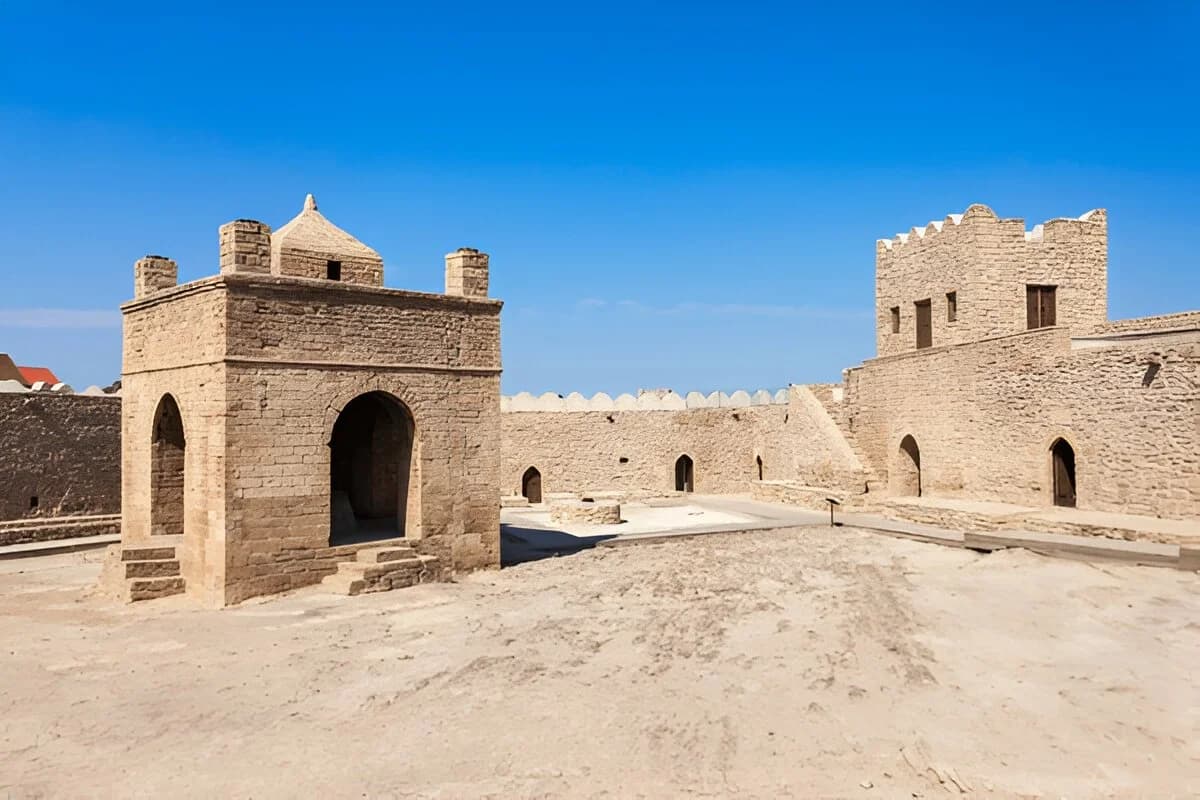
Overview of Baku Zoological Park: Baku Zoological Park is the oldest and most popular zoo in Azerbaijan. Located right in the heart of Baku city, this park has a long history that dates back to 1928. It started as a small animal enclosure but has slowly grown into a full-fledged zoological park with animals from different parts of the world. Over the years, the zoo has seen many upgrades to meet international standards and to provide better living conditions for the animals. Today, Baku Zoological Park is not just a place for animal lovers. It is a peaceful escape for families, students, and tourists. The park is home to over 150 species including lions, monkeys, zebras, and exotic birds. It also focuses on education and conservation, making it a favourite among school groups and nature enthusiasts. If you’re planning a trip to Azerbaijan, don’t miss adding this zoo to your itinerary. And for those looking for a smooth and hassle-free holiday, our Baku tour packages include a visit to this amazing park, along with many other attractions in the city. What are the Key Highlights of Baku Zoological Park: Diverse Animal Collection: The zoo features over 150 animal species, including African lions, Siberian tigers, reptiles, and colourful birds. Kid-Friendly Zones: There are safe and interactive areas where kids can learn and even feed some of the animals under staff supervision. Green Environment: The park is covered with trees, small lakes, and shaded walking paths, making it a pleasant place even on hot days. Mini Educational Exhibits: Boards near animal enclosures give fun and useful facts, making it a learning experience for children and adults alike. Photograph Spots: Several areas in the zoo are designed with backgrounds perfect for family photos or social media moments. Timings & Entry Fee of Baku Zoological Park: 1. Opening Hours: Monday to Friday: 10:00 am to 5:30 pm Saturday & Sunday – 9 am to 5:30 pm 2. Entry Fee: Adults: 2 AZN (approx. ₹100) Children under 5 years: Free Students and seniors: 1 AZN (approx. ₹50) Note: Ticket prices may change slightly depending on the season or special events. Travel Tips / Essential Information of Baku Zoological Park: Easy Access: The zoo is located in Narimanov district, just 15 minutes away from central Baku. You can take a taxi or a local bus directly to the entrance. Carry Essentials: Summers in Baku can get warm. Carry water bottles, hats, and sunscreen for a comfortable visit. Best Time to Visit: Plan your visit in the morning or late afternoon to avoid the heat and see the animals when they are most active. Tickets on Arrival: There’s no need to book tickets in advance. You can buy them directly at the entrance without any hassle. Food & Refreshments: There are small cafes and stalls inside the zoo offering snacks, drinks, and light meals at reasonable prices. Clean Restrooms: Restroom facilities are available at multiple spots and are well-maintained, especially for families with kids. Ideal for Family Outings: If you’re travelling with children or elderly family members, this is a slow-paced, relaxing destination to enjoy together.

Read More

Discover Gianyar
June 30, 20253 Minutes
Discover Gianyar
Overview of Discover Gianyar: Gianyar is a region in central Bali that blends tradition, art, and nature in a way that feels truly special. Unlike the busier parts of Bali, Gianyar moves at a slower pace and is full of heritage. It’s home to the famous Ubud town, a place where creativity and calm meet. You’ll find everything from ancient temples and lush rice terraces to family-run art shops and peaceful riverside villages. Gianyar is ideal for travellers who want to explore more than just beaches. The region is known for its strong connection to Balinese traditions, with regular temple ceremonies, dance performances, and craft-making. Nature lovers can visit waterfalls, jungle trails, and monkey forests, while those looking for peace can relax in spa resorts surrounded by greenery. When exploring Bali tour packages, including Gianyar in your itinerary gives your trip a deeper, more meaningful experience beyond the usual tourist trail. What are the Key Highlights of Gianyar: Ubud: The cultural hub of Gianyar, Ubud is known for its art galleries, yoga retreats, and peaceful vibe. It’s surrounded by green rice fields and offers a mix of nature and tradition. Tegallalang Rice Terraces: These world-famous terraces are a must-visit. The views are breathtaking, and early mornings here feel calm and magical. You can also try a traditional swing over the rice fields. Goa Gajah (Elephant Cave): A mysterious and sacred temple with ancient carvings and a cave, perfect for those interested in Bali’s spiritual history. Bali Safari and Marine Park: Great for families, this park lets you see wildlife up close while still enjoying Balinese culture through performances and themed areas. Traditional Markets: Local markets in Gianyar sell everything from fresh produce to handmade crafts. It’s the best place to connect with locals and shop for souvenirs. Sacred Monkey Forest Sanctuary: A peaceful yet lively forest where monkeys roam freely around old temples. Best Time to Visit Gianyar: The best time to visit Gianyar is during the dry season, from April to October. The weather is pleasant, with sunny days and lower humidity, perfect for exploring temples, rice terraces, and villages. These months are ideal for outdoor activities like trekking, cycling, and sightseeing. Ubud and the surrounding areas are most enjoyable when it’s not raining, as roads and paths can get muddy during the monsoon season. Travel Tips for Discover Gianyar: How to Reach: Gianyar is located about 1.5 hours from Ngurah Rai International Airport (Denpasar) by car. Taxis, private drivers, or airport transfers are the easiest options to reach this region. Once there, you can use scooters or hire a car with a driver to explore. What to Pack: Lightweight clothing, comfortable shoes for walking in rice terraces or villages, a hat, and sunscreen are essential. Carry a raincoat or umbrella if you’re visiting during the rainy season. Local Etiquette: Always dress modestly when visiting temples. Carry a scarf or sarong to cover your legs, and be respectful during local ceremonies. Money and ATMs: Carry some cash for local markets and small shops. ATMs are available in Ubud and other main towns but may not be found in remote villages. Stay Options: Choose from eco-resorts, homestays, or luxurious jungle villas depending on your budget. Ubud is a popular base with plenty of choices. Health Tip: Drink bottled water and try traditional Balinese herbal drinks like “jamu” for a healthy local experience. Also Read: Places to Visit in BaliMust Read: Things to do in Bali

Read More

Candidasa, Bali
June 30, 20253 Minutes
Candidasa, Bali
Overview of Candidasa: Candidasa is a hidden gem located on Bali’s eastern coastline. Unlike the busy tourist areas in the south, this peaceful town offers a more relaxed and authentic side of the island. With its calm beaches, small resorts, and local charm, it’s the perfect place to unwind. You won’t find large nightclubs or shopping malls here, but instead, you’ll enjoy beautiful sunrises, fishing villages, temples, and scenic drives along the coast. The beaches are rocky in some areas, but still great for swimming and snorkelling. Just a short drive inland brings you to rice fields, water palaces, and traditional Balinese communities. When exploring Bali tour packages, adding Candidasa gives you a chance to slow down and enjoy the quieter parts of the island. It’s ideal for couples, solo travellers, and anyone who wants to connect with Bali’s natural beauty and calm rhythm. What are the Key Highlights of Candidasa: Candidasa Beach: Though not sandy everywhere, the beach is peaceful with calm waters, perfect for relaxing, swimming, or reading by the sea. It’s a great place to enjoy quiet sunsets. Lotus Lagoon: Right in the heart of town, this small but beautiful lagoon is filled with pink lotus flowers. A peaceful spot for photography or a calm walk. Tenganan Village: Just 15 minutes away, this ancient village is home to the Bali Aga people. You can learn about their traditions, see unique weaving techniques, and walk through untouched Balinese culture. Tirta Gangga Water Palace: A stunning former royal palace with fountains, koi ponds, and stepping stones surrounded by gardens and rice fields. A must-visit for nature and culture lovers. Snorkelling and Diving: The waters around Candidasa are known for coral reefs and clear visibility. You can snorkel near the shore or book a boat to nearby spots like Blue Lagoon. Day Trips to Amed or Lempuyang Temple: Candidasa is a great base for exploring nearby East Bali attractions. Best Time to Visit Candidasa: The best time to visit Candidasa is from April to October, during Bali’s dry season. These months offer clear skies, calm seas, and ideal weather for outdoor activities like snorkelling, sightseeing, and long coastal drives. Travel Tips For Candidasa: How to Reach: Candidasa is located about 2 hours from Ngurah Rai International Airport in Denpasar by car. The drive takes you through scenic roads with ocean views and rice paddies. You can hire a private driver or book a transfer through your hotel or travel provider. Getting Around: Once in Candidasa, the easiest way to explore is by scooter or car with a driver. Many local drivers offer day trips to nearby places. Where to Stay: Candidasa has a range of stays, from budget guesthouses to boutique beach resorts. Many offer sea views and quiet surroundings. What to Pack: Lightweight clothing, a swimsuit, reef-safe sunscreen, and sandals for walking on rocky beaches are good to carry. Food: Try local Balinese dishes like grilled fish and “nasi campur” at beachside warungs. Some places also serve fresh seafood and healthy smoothie bowls. Local Etiquette: Be respectful at temples. Dress modestly and bring a sarong if planning to visit religious sites. Also Read: Places to Visit in BaliMust Read: Things to do in Bali

Read More

Vietnam in September
June 30, 20255 Minutes
Vietnam in September
Vietnam in September feels soft, green, and very welcoming. The peak summer rush is over, and the country begins to slow down a little. There are light rains in some regions, sunshine in others, and a calm feeling almost everywhere.This month sits between summer and autumn in Vietnam. The rice fields are full of colour, rivers are flowing fresh, and the heat becomes more bearable. The cities are still lively, but you’ll notice fewer crowds at the famous spots.Whether you want to relax on a quiet beach, walk through old towns, or enjoy the green countryside, September makes it all feel relaxed and smooth.It’s also a good time to check out seasonal Vietnam tour packages, as hotels and transport tend to offer better rates. If you like real, calm travel with soft weather and fewer people, September is a good choice.Weather in Vietnam in SeptemberThe weather in September depends on which part of Vietnam you visit. It’s still the rainy season in many areas, but the rain usually comes for short periods and clears quickly.In the north (Hanoi, Sapa), the weather starts to cool. You’ll see green rice fields in Sapa and softer sunlight in Hanoi. Temperatures stay between 25°C and 32°C. Rain comes in small bursts, mostly in the afternoon or evening.In the central region (Hue, Hoi An, Da Nang), it’s still warm and a bit humid. The rain is more frequent here in September, but you still get many clear hours during the day.In the south (Ho Chi Minh City, Mekong Delta), the rain continues but isn’t too heavy. It usually rains quickly, and then the skies open again. The air feels fresh after the showers.Best Places to Visit in Vietnam in SeptemberVietnam is a long country, so September gives you different experiences in different parts. Here are some of the best places to visit in Vietnam in September:1. SapaIn the far north, September is a special time. The rice terraces are golden and full just before harvest. The hills look like a painting, and the cool air makes trekking more pleasant. You can visit local villages and enjoy beautiful mountain views.2. HanoiThe capital city, Hanoi, starts to feel cooler in September. The rains reduce, and the streets come alive with flowers and food. Walk around Hoan Kiem Lake, try warm local dishes, and visit old cultural sites in peace.3. Ninh BinhSeptember brings out the green beauty of Ninh Binh. The river rides through caves feel magical, and the scenery is full of limestone peaks and rice fields. It’s quiet and peaceful this month.4. Hoi AnIn central Vietnam, Hoi An still sees some rain, but the town remains charming. The lantern-lit streets, riverside cafes, and relaxed markets make this place special, even with wet weather.5. Phu QuocIf you want a beach, Phu Quoc in late September starts to clear up. The island becomes less rainy, and the sea slowly turns calm again. It’s a nice escape if you want to end your trip on a quiet beach.Best Things to Do in Vietnam in SeptemberSeptember isn’t a peak tourist month, which is a good thing. You get more space, better deals, and easier travel. Here are some great things to enjoy:1. Walk the Rice TerracesSapa in September is famous for its golden rice fields. A short trek or village walk gives you close views of the harvest season, with friendly locals and fresh air.2. Take a Street Food TourCities like Hanoi and Ho Chi Minh City are full of street food. With fewer tourists, it’s easier to try everything like pho, banh mi, spring rolls, and more. The cooler evenings are perfect for food walks.3. Cruise in Ha Long BayEven if there are clouds, Ha Long Bay in September looks peaceful and calm. A short cruise gives you time to relax, kayak, and watch the limestone islands pass by.4. Explore Temples and Old TownsRainy days are great for exploring indoor places like museums, temples, pagodas, and old town buildings. Vietnam’s culture feels close and real when you slow down your travel.5. Enjoy Local MarketsMarkets are quieter in September. You can explore without rushing, talk to local sellers, and try tropical fruits or handmade goods at your own pace.Also Read: Places to Visit in VietnamMust Read: Things to do in Vietnam

Read More

Vietnam in May
June 27, 20256 Minutes
Vietnam in May
Vietnam in May is a peaceful time. Nature starts to bloom with fresh green landscapes, and the air feels warm but not too heavy. The countryside is alive, the beaches are quiet, and the cities are not crowded. This is a shoulder season in Vietnam, which means it’s not too busy, and you can enjoy your trip at a calm pace.It’s not the dry season anymore, and it’s not yet the full rainy season either. That’s why May feels so balanced. You get soft sunshine, some short rain showers, and long stretches of peaceful weather. The streets feel open, the trees are full of leaves, and many travellers enjoy the slower rhythm of life this month.If you want to travel without the rush, enjoy local culture, and take in natural beauty, then May is a wonderful time to visit Vietnam. The calm weather, fewer tourists, and soft colours of the countryside make the whole experience feel smooth and refreshing.This is also the right time to check out seasonal Vietnam tour packages. Many hotels and travel companies offer better prices in May, and that means your trip can be easier on the budget without missing out on experiences. Let’s explore what makes Vietnam in May a lovely time for travellers.Weather in Vietnam in MayThe weather in Vietnam during May is warm across the country. There may be a few rainy days, but the rain usually comes in short bursts and often clears up quickly. The sky may go from blue to cloudy and back again within a few hours. This light tropical pattern makes it easy to plan your days.In the north, cities like Hanoi and Sapa see average temperatures from 24°C to 33°C. You may get light showers in the afternoon, but mornings and evenings are mostly dry and pleasant.In central areas like Hue, Hoi An, and Da Nang, it can feel hotter, with slightly more humidity. There may be light rain, but it does not last long. You can still enjoy walking through old towns and relaxing by the beach.In the south, around Ho Chi Minh City and the Mekong Delta, May is warm and humid. Afternoon rain helps cool the air, making it a nice break from the daytime heat.The temperature in Vietnam in May may feel different from place to place, but overall, it allows for smooth travel and outdoor activities.Best Places to Visit in Vietnam in MayVietnam is long from north to south, so each part of the country feels a little different. In May, many regions look fresh and bright. It’s a beautiful time to explore both nature and cities. Here are some of the best places to visit in Vietnam in May:1. Hanoi:The capital, Hanoi, is peaceful in May. The large trees give shade, and the lakes around the city feel cool and relaxing. The Old Quarter is nice for slow walks, and the street food is easy to enjoy, especially in the early morning or evening.2. SapaIn the northern hills, Sapa is green and quiet. Vietnam in May brings fresh air and bright colours to this mountain region. This is when rice fields are freshly planted, and the valleys glow with new life. The cool air and soft mist give Sapa a very peaceful look. You can go for short treks and stay in local homestays to enjoy the calm and beauty of the area.3. Ninh BinhJust a few hours from Hanoi, Ninh Binh offers riverboat rides through green fields and tall mountains. In May, the fields are full of life, and the air feels clean and cool. This is a great spot for relaxing and taking in nature.4. Hoi AnIn central Vietnam, Hoi An stays bright and beautiful in May. Its lantern-lit streets and riverside cafés are perfect for evening walks. Even if there’s a bit of rain, it’s still easy to explore the town’s small streets, temples, and markets.5. Phu QuocFor those who love the beach, Phu Quoc Island is a calm spot. In May, the beaches are not crowded, the water is warm, and the seafood is fresh. This island is a nice place to rest and enjoy the ocean breeze.Best Things to Do in Vietnam in MayEven with a bit of rain, there are many things to enjoy in Vietnam during May. The country offers both natural beauty and rich culture. Below are some great things to do this month:1. Explore Ha Long BayMay brings a soft and peaceful feel to Ha Long Bay. The skies may be a bit cloudy, which makes the green cliffs and calm waters look even more magical. Boat cruises are a good way to enjoy the bay without the large tourist crowds.2. Walk Through Rice FieldsIn places like Sapa or Ninh Binh, May is the time when rice fields are newly planted. The green colour is fresh and very pretty. You can take walks through the fields or relax in small cafés with a view.3. Try Seasonal FruitsVietnam has many fresh fruits in May, such as lychees, mangoes, and longans. These are sold in markets and by street vendors. They are sweet, full of juice, and perfect for the warm weather.4. Visit Local MarketsIn every city and town, markets are busy in the morning. You can see fresh vegetables, flowers, and local crafts. The markets are also a good place to try simple meals and snacks.5. Take a Cooking ClassIf you enjoy food, May is a nice time to take a cooking class. Many places in Hoi An, Hanoi, or Ho Chi Minh City offer short classes where you can learn to cook Vietnamese dishes and understand more about local ingredients.Also Read: Places to Visit in VietnamMust Read: Things to do in Vietnam

Read More

Vietnam in November
June 27, 20256 Minutes
Vietnam in November
Vietnam in November feels gentle and open. The summer rains are mostly gone, and the winter cold hasn’t fully arrived. This makes the air light, the skies clear, and travel easy. If you’re looking for a peaceful time to explore Vietnam, November is a great choice.The countryside is quiet and fresh, and the beaches are calm. Many areas have blue skies and dry weather, making this a perfect month for walking around, taking boat rides, or just sitting outside and watching local life.Vietnam in November is not a peak travel month, so you can explore without big crowds. Many travellers enjoy the smooth travel, clear views, and slower rhythm that this month offers.This is also a good time to check seasonal Vietnam tour packages. Many hotels and travel companies offer good prices, and the weather is just right for enjoying your trip without rush or stress.Weather in Vietnam in NovemberThe weather in Vietnam in November is mostly mild and dry, though it changes slightly from north to south.In the north, places like Hanoi and Sapa begin to cool down. The air feels fresh, and temperatures stay between 18°C and 26°C. It’s a nice time for city walks and short mountain trips. The skies are mostly clear, and rain is rare.In central Vietnam, areas like Hue, Hoi An, and Da Nang may still see a bit of rain from the end of the wet season. But you will also get dry, sunny days in between. The temperature stays warm, around 22°C to 29°C, and the sea is still nice for swimming.In the south, including Ho Chi Minh City and the Mekong Delta, the weather is warm and dry. November marks the start of the dry season here. You’ll enjoy sunshine, clear skies, and cooler evenings.The temperature in Vietnam in November is just right for travel. It’s not too hot, not too cold, and you can stay outdoors for longer without discomfort.Best Places to Visit in Vietnam in NovemberVietnam has a lot to offer in November, from green highlands to peaceful beaches. Since the weather is kind in most places, you can explore widely. Here are some of the best places to visit in Vietnam in November:1. HanoiThe capital city, Hanoi, looks calm and pretty in November. Trees turn golden in some parks, and the cool weather makes walking enjoyable. You can visit lakes, explore museums, and enjoy hot pho noodles in the cool air.2. SapaIn the mountains, Sapa feels crisp and clean. The rice has been harvested, so the fields look golden and dry. But the mountain air, quiet paths, and clear views make it a great spot for short hikes and cultural visits.3. Nha TrangThis beach town in central Vietnam starts to dry out in November. The sea is calm, the sand is clean, and the crowds are fewer. You can swim, relax, or try fresh seafood at beachside cafes.4. Da LatLocated in the central highlands, Da Lat is cool all year round. But November feels extra special with flowers blooming and blue skies. You can walk around lakes, visit farms, or just enjoy the mountain air and quiet streets.5. Ho Chi Minh CityThe big southern city, Ho Chi Minh, is full of energy in November. The rains are gone, and the sun is back. You can enjoy street food, markets, museums, and rooftop cafés without worrying about the weather.Best Things to Do in Vietnam in NovemberThanks to the nice weather and smaller crowds, Vietnam in November is full of easy and beautiful things to do. Whether you love nature, food, or culture, there’s something for everyone.1. Take a Boat Ride in Trang AnNear Ninh Binh, the rivers are calm and clear in November. A boat ride through the green cliffs and caves feels quiet and magical. You’ll enjoy nature without the noise of crowds.2. Cycle Through the CountrysideIn places like Hoi An or Mai Chau, the roads are dry, and the air is soft. Rent a bike and ride past rice fields, farms, and small villages. It’s a peaceful way to see local life.3. Explore Local MarketsMarkets in November are full of colours and smells. You can try fruits, snacks, and fresh coffee while watching how people shop and talk. In the cool weather, walking around feels easy and fun.4. Relax on the BeachBeaches in the south, like Phu Quoc or Mui Ne, are sunny and peaceful in November. You can swim, read a book, or walk along the shore. Since it’s not peak season, the beaches are quiet and clean.5. Enjoy Local FoodVietnamese food is perfect in November. The weather makes hot dishes like pho and bun bo more enjoyable. You can also try grilled meats, sticky rice, and sweet desserts while sitting in a quiet street cafe.Also Read: Places to Visit in VietnamMust Read: Things to do in Vietnam

Read More

Jet Ski Dubai
June 27, 20253 Minutes
Jet Ski Dubai
Overview of Jet Ski Dubai: Jet skiing in Dubai is more than just a water sport – it’s an experience that blends adrenaline with breathtaking views. The city’s sparkling coastline and warm weather make it the perfect place to hit the water. As you zoom across the sea, you’ll pass by Dubai’s famous landmarks, including the sail-shaped Burj Al Arab, Atlantis on the Palm Jumeirah, and the vibrant Dubai Marina. Most jet ski services in Dubai cater to both first-timers and experienced riders, offering guided rides and safety gear for a secure yet exciting experience. You can choose to ride solo or share the thrill with a partner. Several locations across the city, like JBR Beach and Umm Suqeim, offer jet ski rentals. This fun water activity is easily incorporated into many Dubai tour packages, especially for those seeking adventure. Whether you’re looking for speed or scenic cruising, Dubai’s jet ski scene has it all. What are the Key Highlights of Jet Ski Dubai: Iconic Backdrop: Jet skiing in Dubai gives you the chance to cruise past famous landmarks such as Burj Al Arab, Atlantis The Palm, and even close views of the Dubai Marina skyline. It’s a unique way to sightsee from the water. Flexible Ride Durations: You can choose the ride duration based on your preference, from 30 minutes to 2 hours. Each ride covers different routes, with longer rides taking you farther out to sea for more panoramic views. Suitable for All Levels: Whether it’s your first time on a jet ski or you’re a regular rider, the activity is beginner-friendly. Professional instructors give you basic training and ride along on a separate jet ski if needed. Perfect for Couples and Friends: You can share the experience with a friend or partner by riding together on one jet ski. It’s exciting and fun for all age groups (18 and above). Adventure and Relaxation in One: It’s not just about speed. You can slow down, take in the ocean breeze, enjoy the silence of the open water, or stop briefly for amazing photo moments. Safety First: Most operators provide life jackets, safety briefings, and have trained guides to ensure your ride is safe and enjoyable. Timings and Entry Fees of Jet Ski Dubai: Jet skiing services in Dubai typically operate from 9:00 AM to 5:30 PM, although timings can vary depending on the location and weather. Morning hours are generally better for calmer waters and clearer views. Price Range: 30-minute ride: AED 250–350 60-minute ride: AED 400–600 Longer guided tours: AED 700+ Travel Tips of Jet Ski Dubai: Go Early: Mornings are ideal for jet skiing. The water is usually calmer, the sun is less harsh, and there’s better visibility. Bring ID: Always carry your original passport or Emirates ID as it’s required to confirm bookings. Dress Right: Wear a swimsuit or quick-dry clothing, and avoid anything that might get damaged by water. Use Sunscreen: Even in the cooler months, the Dubai sun can be strong. Protect your skin before heading out. Stay Hydrated: Bring a bottle of water, especially if you’re going for a longer ride. Secure Your Belongings: Leave valuables behind or use waterproof phone pouches and lockers, if available. Listen to the Instructor: Even if you’ve ridden a jet ski before, each area is different. Follow safety instructions carefully. Book in Advance: Especially during the tourist season, booking your jet ski session early ensures better time slots and availability. Also Read– Places To Visit in DubaiMust Checkout– Things To Do in Dubai

Read More

Best Bali Hotels for a Peaceful and Comfortable Stay
June 26, 20257 Minutes
Best Bali Hotels for a Peaceful and Comfortable Stay
Bali is more than just a tropical destination—it’s a place where nature, culture, and relaxation come together beautifully. From peaceful rice terraces to golden beaches and ancient temples, every corner of the island has something special to offer. While planning your dream getaway, one of the most important things to consider is where you’ll stay. The right hotel can turn your holiday into a truly memorable experience. That’s why we have made it simple with this list of carefully selected Bali hotels.Many travellers who book Bali Tour Packages are not just looking for sightseeing, but also for comfort and calm at the end of each day. Whether it’s a hillside resort in Ubud or a beachfront retreat in Nusa Dua, Bali is home to some of the finest stays in Southeast Asia. In this blog, we’ve handpicked some of thebest hotels in Bali to help you enjoy it at its most relaxing and beautiful.Locating the Top Bali Hotels 1. Four Seasons Resort Bali at SayanOne of the most peaceful Bali hotels, Four Seasons at Sayan is surrounded by rice fields and the Ayung River. It’s located in the heart of Ubud, which is known for its greenery and calm energy. The resort offers private villas with plunge pools, a riverside spa, and organic dining options. The service is personal and caring, and the peaceful surroundings make it a perfect place to relax.Location: Ubud, Sayan ValleyApproximate Price: ₹45,000 per night2. The St. Regis Bali ResortThis beachfront resort in Nusa Dua is one of the top luxury Bali hotels. The St. Regis is known for its large lagoon pool, fine dining restaurants, and butler service. Rooms and villas are spacious, with views of the ocean or gardens. It’s a great choice for couples or families who enjoy comfort, privacy, and excellent service in a quiet setting.Location: Nusa DuaApproximate Price: ₹38,000 per night3. Padma Resort UbudPadma Resort Ubud is located away from the busy areas, surrounded by hills and tropical forest. For travellers looking for a calm and refreshing experience, this is one of the most peaceful Bali hotels to choose from. The main highlight here is its 89-meter infinity pool that overlooks the forest. The hotel also has wellness facilities, daily yoga, and rooms with large windows facing nature. Location: Payangan, UbudApproximate Price: ₹18,000 per night4. The Legian BaliThe Legian Bali is a luxury beachfront hotel in Seminyak, offering easy access to restaurants, beach clubs, and shopping. It is one of the best hotels in Bali for travelers who enjoy a mix of peacefulness and local energy. It is ideal for those who want to enjoy both relaxation and a bit of nightlife. The hotel has large suites, a long infinity pool facing the ocean, and a focus on calm and comfort. Location: Seminyak BeachApproximate Price: ₹30,000 per nightSuggested Read: Best Time to Visit Bali5. Maya Ubud Resort & SpaMaya Ubud is located close to Ubud town but still offers a very quiet setting. It is built near a river and surrounded by trees and gardens. Guests can enjoy a riverside spa, nature walks, and yoga sessions. The rooms and villas are designed with a mix of modern and traditional Balinese style. It’s a peaceful and refreshing place for those who want to stay close to culture and nature.Location: UbudApproximate Price: ₹17,000 per night6. Alila Villas UluwatuAlila Villas Uluwatu is one of the most beautifully designed Bali hotels. Located on a cliff with views of the Indian Ocean, this hotel is known for its modern, eco-friendly style. Every villa has a private pool and an outdoor area with ocean views. The service is detailed and calm, and the food is prepared with fresh local ingredients. It’s an excellent choice for those who enjoy privacy and scenic beauty.Location: UluwatuApproximate Price: ₹42,000 per night7. COMO Uma CangguLocated right on the beach in Canggu, COMO Uma is a modern hotel that attracts younger travellers, surfers, and those who enjoy a vibrant area. It is one of the Bali hotels where you can enjoy beach life and a peaceful stay at the same time. The rooms are simple but stylish, and the hotel also offers wellness classes, healthy food, and a relaxing spa.Location: CangguApproximate Price: ₹25,000 per night8. Tanah Gajah, a Resort by HadipranaFormerly a private estate, Tanah Gajah is now a peaceful resort with only 20 villas. It is one of the best hotels in Bali for travellers who want a private, calm, and elegant experience. The villas are designed in a traditional Balinese style and include private pools and garden views. The resort offers personal service, art displays, and outdoor dining.Location: UbudApproximate Price: ₹24,000 per nightFrom quiet resorts in the hills of Ubud to luxurious beachfront stays in Nusa Dua, these Bali hotels offer something for every traveller. Whether you’re looking for cultural beauty, wellness, luxury, or just a place to unwind, the hotels listed above are trusted and known for quality service and comfort.Choosing the right hotel can make a big difference in how relaxed and happy you feel during your trip. We hope this list helps you find the perfect place to stay and enjoy your time in Bali to the fullest.Also Read: Places to Visit in BaliMust Read: Things to do in Bali

Read More

Best Hotels in South Goa
June 26, 20257 Minutes
Best Hotels in South Goa
South Goa is famous for its calm beaches and peaceful atmosphere. Unlike North Goa’s busy party scene, South Goa offers quiet surroundings perfect for relaxation. People visit South Goa to enjoy beautiful sunsets, clean beaches, and luxury resorts. Families, couples, and solo travelers all love South Goa for its serene environment.This blog will help you discover the top 10 best hotels in South Goa. Each hotel will add unique experiences to your Goa Tour Packages, from beachfront luxury to cozy cottages. Whether you want a budget stay or premium comfort, these hotels will make your Goa trip memorable.Top 10 Best Hotels in South Goa1. Salcete Beach ResortSalcete Beach Resort sits right on the beach with stunning ocean views. The resort has spacious rooms with modern amenities. Guests enjoy the outdoor pool, spa services, and beachside dining. The resort organizes water sports and cultural shows for entertainment.Star: 4-starLocation: Salcete Beach, South GoaPrice: INR 3,300 per night2. Agonda CottagesAgonda Cottages provides a rustic beach experience with comfortable accommodation. These cottages are perfect for travelers seeking peaceful surroundings. The property has a garden restaurant serving fresh seafood. Guests can walk directly to Agonda Beach from their cottages.Star: 3-starLocation: Agonda Beach, South GoaPrice: INR 2,200 per night3. Sterling Goa VarcaSterling Goa Varca is among the best hotels in South Goa for family vacations. The resort features multiple swimming pools, kids play areas, and family rooms. Their restaurant serves Indian and international cuisine. The hotel provides bicycle rentals for exploring nearby areas.Star: 4-starLocation: Varca Beach, South GoaPrice: INR 5,000 per night4. De Garland, Palolem – AM Hotel KollectionDe Garland offers boutique accommodation near Palolem Beach. The hotel has elegant rooms with Portuguese-style architecture. Guests enjoy the rooftop restaurant with panoramic views. The hotel arranges dolphin watching trips and beach picnics for visitors.Star: 4-starLocation: Palolem Beach, South GoaPrice: INR 4,600 per night5. The HQThe HQ provides modern luxury accommodation with contemporary design. This is one of the best hotels in South Goa if you’re looking for luxury, it features a rooftop infinity pool and wellness center. The rooms have smart technology and premium amenities. Their restaurant serves gourmet meals with local ingredients.Star: 5-starLocation: Vasco Da Gama, South GoaPrice: INR 3,500 per night6. SimroseSimrose Hotel offers comfortable stays at affordable prices. The property has clean rooms with basic amenities and friendly staff. Guests appreciate the hotel’s location near multiple beaches. The restaurant serves authentic Goan dishes at reasonable prices.Star: 3-starLocation: Margao, South GoaPrice: INR 3,800 per night7. Alila Diwa GoaAlila Diwa Goa stands out among best hotels in South Goa for luxury seekers. This resort combines traditional Goan architecture with modern comfort. The property has a championship golf course and an award-winning spa. Guests enjoy multiple dining options and premium beach access.Star: 5-starLocation: Majorda Beach, South GoaPrice: INR 10,000 per night8. Karma Royal PalmsKarma Royal Palms offers apartment-style accommodation perfect for extended stays. The property features spacious suites with kitchenettes and living areas. Guests have access to multiple pools, a tennis court, and a fitness center. The resort provides shuttle service to nearby beaches.Star: 3-starLocation: Benaulim, South GoaPrice: INR 2,300 per night9. The Woodside Inn GoaThe Woodside Inn tops the list of budget-friendly yet best hotels in South Goa, and it provides boutique accommodation with personalized service. This hotel has uniquely designed rooms with local artwork and modern amenities. The property features a swimming pool surrounded by tropical gardens. Their restaurant specializes in fusion cuisine and craft cocktails.Star: 3-starLocation: Anjuna-Vagator Road, South Goa Price: INR 3,500 per night10. The Postcard CuelimThe Postcard Cuelim offers heritage accommodation in a restored Portuguese mansion. This property represents the finest best hotels in South Goa for cultural experiences. Guests stay in elegantly furnished rooms with antique furniture. The hotel serves traditional Goan meals in its heritage dining room.Star: 5-starLocation: Cuelim, South GoaPrice: INR 15,200 per nightAlso Read – Things To Do in Goa​Must Read – Places to Visit in Goa

Read More

North East Cities in India
June 26, 20257 Minutes
North East Cities in India
The northeastern region of India is like a treasure that hasn’t been fully discovered by many. While most travellers flock to popular destinations like Goa or Rajasthan, the North East tour packages offer something completely different. This part of our country is blessed with rolling hills, thick forests, crystal-clear rivers, and cultures that will leave you amazed.North East cities in India are special because of how untouched they remain by heavy tourism. You can still find villages where time seems to have stopped, where people welcome you with genuine smiles, and where nature shows its most beautiful face. The food tastes different, the languages sound musical, and every sunrise brings new surprises. Planning your trip becomes easier with North East Tour Packages that cover multiple destinations, giving you the best experience without any hassle.10 Best North East Cities in India1. Guwahati, AssamGuwahati is the gateway to the northeast and is often the first stop for travelers exploring North east cities in India. This city sits beautifully along the Brahmaputra River and mixes modern life with ancient traditions perfectly.Popular Attractions:Kamakhya Temple – One of the most important Hindu temples in IndiaUmananda Temple – Located on a small island in the Brahmaputra RiverAssam State Museum – Great place to learn about local culture and historyBrahmaputra River Cruise – Perfect for evening relaxation2. Shillong, MeghalayaKnown as the “Scotland of the East,” Shillong is one of the most loved North east cities in India. The cool weather, pine trees, and British-era buildings make it one of the best hill stations of India.Popular Attractions:Ward’s Lake – Beautiful spot for boating and picnicsElephant Falls – Three-step waterfall surrounded by green forestsShillong Peak – Highest point offering amazing city viewsPolice Bazar – Main market area for shopping and local food3. Gangtok, SikkimThis fascinating capital city sits high in the mountains and offers stunning views of the Himalayas. Gangtok perfectly balances traditional Buddhist culture with modern tourism facilities.Popular Attractions:Tsomgo Lake – A Sacred lake surrounded by mountainsRumtek Monastery – Important Buddhist monastery with beautiful architectureMG Marg – Car-free zone perfect for evening walksRopeway – Cable car ride offering a bird’s eye view of the city4. Imphal, ManipurImphal is the cultural heart of Manipur and one of the historically rich North east cities in India. This city is famous for its martial arts, dance forms, and the brave women who run the local markets.Popular Attractions:Kangla Fort – A Historic fort with great archaeological importanceIma Keithel – Unique market run entirely by womenLoktak Lake – The Largest freshwater lake in Northeast IndiaShree Govindajee Temple – Beautiful Vaishnavite temple5. Itanagar, Arunachal PradeshAs the capital of Arunachal Pradesh, Itanagar is rapidly becoming popular among travelers looking to explore North east cities in India. The city offers a perfect mix of natural beauty and tribal culture.Popular Attractions:Itanagar Wildlife Sanctuary – Home to various rare animals and birdsGanga Lake – Peaceful lake surrounded by green hillsJawaharlal Nehru State Museum – Showcases rich tribal heritageIndira Gandhi Park – Great place for morning walks and relaxation6. Dimapur, NagalandDimapur is the commercial center of Nagaland and serves as the entry point for most visitors. This city gives you the first taste of Naga culture and hospitality that makes North east cities in India so special.Popular Attractions:Kachari Ruins – Ancient archaeological site with mysterious stone pillarsNagaland Science Centre – Interactive museum perfect for familiesHong Kong Market – Busy market for local handicrafts and clothesTriple Falls – Beautiful waterfall about 10 km from the city7. Kohima, NagalandKohima holds great historical importance as the site of a major World War II battle. Today, it stands as one of the most peaceful North east cities, offering visitors a chance to learn about Naga traditions.Popular Attractions:Kohima War Cemetery – Memorial for soldiers who died in World War IINagaland State Museum – Displays traditional Naga culture and artifactsKisama Heritage Village – Experience authentic Naga village lifeCatholic Cathedral – Beautiful church with unique architecture8. Aizawl, MizoramPerched on hilltops, Aizawl offers some of the most beautiful views among north east cities in india. The city is known for its clean streets, friendly people, and strong Christian culture.Popular Attractions:Mizoram State Museum – Learn about Mizo culture and historyDurtlang Hills – Perfect spot for sunrise and sunset viewsSolomon’s Temple – An Impressive religious building with great architectureBara Bazar – Main market for local products and handwoven items9. Tura, MeghalayaTura is the second-largest city in Meghalaya and serves as the cultural center of the Garo Hills. It’s one of those North east cities in India where you can experience authentic tribal life.Popular Attractions:Tura Peak – The Highest point offering panoramic views of the Bangladesh plainsPelga Falls – Stunning waterfall perfect for nature photographyNokrek National Park – Home to rare plants and animalsGaro Hills Museum – Showcases Garo tribal culture and traditions10. Tezpur, AssamKnown as the “City of Eternal Romance,” Tezpur is one of the oldest North east cities. This historic city sits on the banks of the Brahmaputra River and is rich in mythology and culture.Popular Attractions:Agnigarh Hill – Legendary site with beautiful gardens and river viewsMahabhairab Temple – Ancient Shiva temple with archaeological importanceDa Parbatia Temple – Ruins of a 6th-century templeChitralekha Udyan – Beautiful park perfect for family outingsAlso Read– Places To Visit in North EastMust Checkout– Things To do in North East

Read More

5 Star Hotels in Maldives
June 25, 202510 Minutes
5 Star Hotels in Maldives
When people think of the Maldives, the first thing that comes to their mind is beautiful blue waters, white sandy beaches, and those overwater 5 star hotels in Maldives. It’s a perfect destination for honeymooners, couples, and even families who are looking for a luxury vacation. And those who choose luxury, prefer staying in 5 star hotels in Maldives. There are many options when it comes to five star hotels in Maldives, and each one of them is unique in its own sense. If you’re making the effort to fly all the way to Maldives, why not stay in a place that gives you the complete luxury experience. In this blog we’ll list down the best 5 star hotels in Maldives. And if you’re planning your dream trip, don’t forget to check out our Maldives Tour Packages that give you the best deals for these stunning hotels.15 Five Star Hotels in Maldives1. Villa NauticaThis resort brings a navy or ship-like twist to luxury living. Each villa, whether it’s beachfront or overwater, has spacious rooms, private pools, open-air bathrooms, and direct access to the beach or lagoon. There are five restaurants serving global cuisines, a marine dive center, and a wellness spa with ocean views. Water sports like snorkeling and parasailing are available too. If you’re looking for stylish comfort and modern touches, this is one of the best five star hotels in Maldives to stay at.Location: Lankanfinolhu, 08420, Maldives, 20 minutes by speedboat from MalePrice: ₹26,000 – ₹76,000 per night2. Sheraton Maldives Full Moon Resort & SpaSheraton brings its global luxury to the Maldives with beach cottages and water villas. The hotel has 7 restaurants, a full-service spa, a gym, tennis courts, and a diving school. What makes it one of the top 5 star hotels in Maldives is its location—you can reach here within 15 minutes from the airport, making it perfect for short trips. Enjoy a private island feel without the long travel.Location: Furanafushi Island, North Male, 15 minutes by speedboat from MaléPrice: ₹28,000 – ₹38,000 per night3. LUX South Ari AtollLUX is perfect for those who love both luxury and adventure. The villas are huge and come with infinity pools, swing beds, and outdoor showers. With 8 restaurants, two pools, a floating breakfast option, and even an open-air cinema, it truly stands out among five star hotels in Maldives. Activities like diving with whale sharks and night fishing make the experience extra special.Location: South Atoll, Dhidhoofinolhu, Maldives, 30 minutes by seaplanePrice: ₹28,000 – ₹1,00,000 per night4. Furaveri MaldivesFuraveri is a combination of traditional design and modern luxury. For travelers who want both comfort and a touch of nature, this is a fantastic choice among 5 star hotels in Maldives. Each villa is a private heaven with open-air bathrooms, sun decks, and some even have their own jacuzzis. The resort offers themed dinner nights, water sports, a wellness village, and kids’ play areas. Location: Raa Atoll, 45 minutes by seaplanePrice: ₹20,000 -₹40,000 per night5. Villa Park, MaldivesVilla Park gives you the best mix of nature and comfort. The villas are spread across beaches and waters with huge outdoor spaces and bathtubs overlooking the sea. It features a dive school, garden spa, and restaurants with Indian-friendly menus. It’s also eco-friendly, so for eco-travelers, it is one of the top five star hotels in Maldives.Location: South Ari Atoll, 25 minutes by seaplanePrice: ₹18,000 – ₹30,000 per night6. Cinnamon Velifushi MaldivesThis resort is vibrant and modern with water bungalows that have wooden floors, direct sea access, and private sundecks. It’s ideal for young couples and friends who want fun with luxury, and easily stands out among 5 star hotels in Maldives. The main restaurant serves Indian dishes, seafood grills, and international buffets as well. Nighttime brings live music and beach parties.Location: Aarah Vaavu Atoll, 25 minutes by seaplane or 75 minutes by speedboatPrice: ₹27,000 – ₹60,000 per night7. Pullman MaldivesPullman Maldives offers true all-inclusive luxury. It has beachfront villas with pools, hammocks, indoor and outdoor showers, and massive bathtubs. It’s one of the most well-balanced five star hotels in Maldives for relaxation and entertainment. The resort includes yoga sessions, fitness boot camps, and even healthy juice bars. With three restaurants and two bars, it’s ideal for foodies. Location: Maamutaa Island, 55 minutes by seaplanePrice: ₹54,000 – ₹1,60,000 per night8. Ayada MaldivesLocated in a lesser-explored part of the Maldives, Ayada is all about privacy. Each villa features a private pool, four-poster beds, outdoor showers, and stunning interiors. There’s a Turkish hammam, six restaurants, and a beach cinema. For couples and honeymooners looking for something peaceful yet luxurious, this is one of the top 5 star hotels in Maldives for them.Location: Gaafu Dhaalu AtollPrice: ₹33,000 – ₹1,30,000 per night9. Kandima MaldivesFor travelers looking for a unique and playful vibe, this is easily one of the most exciting five star hotels in Maldives. Kandima is bold, fun, and energetic. It has colorful interiors, a long beach, and a beach club, it’s perfect for families and large groups. It offers beach games, art workshops, ten dining venues, and even has a huge kids’ zone. Location: Dhaalu Atoll, 40 minutes by seaplanePrice: ₹12,000 – ₹90,000 per night10. Angsana VelavaruAngsana offers one of the coolest experiences—“InOcean” villas that are completely surrounded by water, separate from the main island. These come with infinity pools and a floating deck. The resort also has a beach spa, diving school, and eco-friendly programs. It’s peaceful and ideal for those who want something offbeat and premium.Location: Velavaru Island, South Nilandhe Atoll, 40 minutes by seaplanePrice: ₹24,000 – ₹1,30,000 per night11. Diamonds Athuruga MaldivesDiamonds Athuruga is known for its all-inclusive services and peaceful surroundings. The overwater villas come with sunbeds, large decks, and lagoon access. The house reef is so close that you can snorkel directly from your villa. The resort also serves Indian and Italian dishes, making it popular with Indian tourists.Location: South Ari Atoll, 25 minutes by seaplanePrice: ₹37,000 – ₹1,15,000 per night12. Taj Coral Reef Resort & SpaTaj Coral Reef is a favorite among Indian travelers looking for a home-away-from-home feel in the Maldives. The villas are cozy, elegant, and come with plunge pools. The food, especially the Indian menu, is a big hit. Adding to that, a coral-rich lagoon and spa therapies, and you’ve got one of the most comfortable five star hotels in Maldives.Location: North Male, Atoll, Hembadhu Island, 45 minutes by speedboatPrice: ₹60,000 – ₹80,000 per night13. Conrad Maldives Rangali IslandFor a romantic dinner or family snorkel trip, this is the best hotel in the Maldives where you can stay at. Home to the world-famous underwater villa, The Muraka, Conrad is the definition of ultra-luxury. It has 12 restaurants, two islands, an underwater wine cellar, and an overwater spa. Location: Rangali Island Alifu Dhaalu Atoll, 30 minutes by seaplanePrice: ₹66,000 – ₹94,000 per night14. JW Marriott Kaafu Atoll Island ResortJW Marriott brings modern design and traditional beauty together. Each villa is massive with private pools, sunken lounges, and smart interiors. There are five dining options, including an Indian fusion menu, beach bars, and relaxing spa zones. Ideal for those looking for world-class comfort in a scenic environment.Location: Hathas Finolhu, Maldives, 55 minutes by seaplanePrice: ₹88,000 – ₹2,00,000 per night15. Kuredhivaru Resort & Spa MaldivesSurrounded by untouched reefs and marine life, Kuredhivaru Resort offers peaceful overwater and beach villas. A peaceful gem among five star hotels in Maldives. Each has an infinity pool, stunning sunset views, and outdoor dining space. You can try yoga by the ocean, enjoy romantic dinners, or just relax with a full-body massage at the spa. Location: Kuredhivaru Island, 45 minutes by seaplanePrice: ₹40,000 – ₹1,60,000 per nightAlso Read: Places to Visit in MaldivesMust Read: Things to do in Maldives

Read More

Kashmir Famous Food
June 24, 20259 Minutes
Kashmir Famous Food
Kashmir is not just famous for its spectacular mountains and valleys. The region offers something equally mesmerizing – its incredible food culture. Kashmir famous food and cuisine stands apart from other Indian cooking styles with its rich use of spices like saffron, fennel, and dry ginger. The food here has evolved from the Persian, Central Asian, and Mughal influences that have shaped its taste over centuries.The cooking methods passed down through generations create flavors that you cannot find anywhere else in India. The famous food of Jammu and Kashmir uses local ingredients like walnuts, almonds, and dried fruits that grow abundantly in the region. If you are planning for Kashmir Tour Packages, these dishes should definitely be on your must-try list.15 Kashmir Famous Foods You Must Try1. Rogan JoshThis signature dish is the gem of Kashmiri cooking. Rogan Josh features tender mutton pieces cooked in a gravy made with yogurt, onions, and spices. The beautiful red color comes from Kashmiri red chilies and a touch of tomatoes. The meat becomes so soft that it melts in your mouth. This dish tastes best when served with steamed basmati rice or fresh naan bread.2. YakhniYakhni is a delicate yogurt-based curry that showcases the lighter side of Kashmiri cuisine. Made with mutton or chicken, this white curry gets its unique flavor from fennel powder, dry ginger, and green cardamom. This is a famous food of Jammu and Kashmir, and unlike other Indian curries, Yakhni does not use onions, garlic, or tomatoes. The dish pairs perfectly with plain rice, allowing you to enjoy its subtle and refined taste.3. Kashmiri PulaoThis fragrant rice dish brings together the best of local ingredients. Kashmiri Pulao combines basmati rice with dry fruits like almonds, cashews, and raisins. Saffron gives it a golden color and royal aroma. Sweet elements like cinnamon and green cardamom balance the flavors beautifully. People usually enjoy this pulao with raita or a simple dal on the side.4. Tabak MaazTabak Maaz represents the art of Kashmiri meat preparation. This Kashmir Famous Food is tender lamb ribs that are first boiled with whole spices, then shallow-fried until they turn golden brown. The ribs become crispy on the outside while staying juicy inside. This dish works wonderfully as a starter or side dish with any main course meal.5. GustabaKnown as the king of Kashmiri dishes, Gustaba features large meatballs made from minced mutton. These soft, spongy balls float in a creamy yogurt gravy flavored with cardamom and other warm spices. The dish requires great skill to prepare, as the meatballs need to be extremely tender. Gustaba is traditionally served with rice during special occasions and festivals.6. Kashmiri SaagThis famous food of Jammu and Kashmir differs greatly from the saag found in other parts of India. Kashmiri Saag uses local greens like haak (collard greens) cooked with minimal spices to preserve their natural taste. A touch of asafoetida and red chili powder enhances the flavor. The dish goes perfectly with makki ki roti or steamed rice.Suggest Read: Best time to visit Kashmir7. Modur PulaoModur Pulao is Kashmir’s sweet version of rice. This dish combines basmati rice with milk, sugar, and ghee to create a dessert-like main course. Dry fruits and saffron add richness and aroma. The sweetness is perfectly balanced, making it suitable to eat with spicy curries or enjoy on its own.8. Kashmiri RajmaThe Kashmir famous food includes this unique take on kidney beans. Unlike the tomato-based rajma from Punjab, Kashmiri Rajma uses a yogurt and ginger-based gravy. The beans are cooked until they become creamy and absorb all the flavors. This protein-rich dish tastes amazing with steamed rice or roti.9. Lyodur TschamanThis paneer dish showcases how kashmir famous food can be both simple and flavorful. Fresh cottage cheese pieces are cooked in a turmeric-based gravy with minimal spices. The yellow color and mild taste make it appealing to people of all ages. Lyodur Tschaman pairs well with rice or any Indian bread.10. Kashmiri Aloo DumThese small potatoes are cooked in a thick, spicy gravy that bursts with flavor. The potatoes are first deep fried, then simmered in a sauce made with yogurt, ginger, and aromatic spices. Each potato absorbs the rich gravy, creating a perfect balance of textures.Recommended Reading: Hotels in Kashmir 11. Nadir Monji (Lotus Stem)Nadir Monji uses lotus stems, which grow abundantly in Kashmir’s lakes. These crunchy stems are coated in gram flour batter and deep fried until golden. The fritters have a unique texture – crispy outside and tender inside. Consider this as Kashmiri french fries, they make an excellent snack or side dish, often served with mint chutney.12. Kashmiri KahwaNo meal in Kashmir is complete without this traditional Kashmiri tea. Kahwa, this famous food of Jammu and Kashmir, blends green tea with whole spices like cinnamon, cardamom, and cloves. Saffron threads and chopped almonds add luxury to every sip. This warming drink helps digest heavy meals and provides comfort during cold weather.13. HarissaHarissa is Kashmir’s ultimate comfort food, especially during winter months. This thick porridge combines mutton, rice, and wheat, slow-cooked overnight until everything melts together. The dish is rich in protein and carbohydrates, providing energy for long, cold days. People traditionally enjoy Harissa for breakfast with naan or kulcha.14. Kashmiri WazwanWazwan is not just a dish but an entire feast that represents Kashmiri hospitality. This elaborate meal includes multiple courses served on a large copper plate called ‘trami’. The spread typically features various meat preparations, rice dishes, and chutneys. Wazwan is served during weddings and special celebrations, bringing families together around food.15. SheermalThis sweet flatbread adds a perfect ending to all Kashmir famous foods. Sheermal is made with flour, milk, and a touch of saffron that gives it a beautiful golden color. The bread has a slightly sweet taste and soft texture. It pairs wonderfully with spicy curries or can be enjoyed with a cup of kahwa.Along with discovering places to visit in Kashmir and finding things to do in Kashmir, tasting these authentic dishes will make your trip truly memorable. Each bite will connect you to centuries of tradition and the warm hospitality that Kashmir is known for worldwide.Also Checkout: Things to do in KashmirMust Read: Places to visit in Kashmir

Read More

Login ModalPost Login FormTalk with trip expert