Blog hero image
Top Travel Stories

Explore our latest blogs and travel with us

Mountain Coaster in Switzerland
July 15, 20254 Minutes
Mountain Coaster in Switzerland
Overview of Mountain Coaster in Switzerland:Switzerland is famous for its snow-covered mountains, scenic valleys, and peaceful towns. But apart from all this calm beauty, the country also offers thrilling adventures like mountain coasters. These rides are perfect for those who love a mix of speed, fun, and nature.A mountain coaster is a small ride on rails that goes downhill through forests and slopes. It’s like a roller coaster, but with natural scenery all around. You can control the speed and enjoy the ride as you like – slow and scenic or fast and exciting.Many Indian travellers are now exploring Switzerland beyond just lakes and chocolates. And these coasters are becoming a favourite activity, especially for families and honeymooners. If you’re planning your next vacation, check out our Switzerland tour packages that include scenic experiences like these coasters, mountain train rides, and more.Highlights of Mountain Coaster in Switzerland:Toboggan Run, Oeschinensee: This is one of the most popular coasters in Switzerland. It’s located near the stunning Oeschinen Lake in Kandersteg. The track is around 750 meters long and gives you amazing mountain and lake views while you ride down.Pilatus Dragon Ride, Lucerne: Located near Lucerne, this is not just a coaster but a mountain cableway experience. The coaster ride down gives you panoramic views of Lake Lucerne, and the ride itself is smooth and fun.Pradaschier Coaster, Churwalden: This is Switzerland’s longest alpine coaster, stretching over 3 kilometres. It runs through green meadows and alpine forests. You can control the speed and go as fast as 40 km/h. The ride is long, scenic, and thrilling.Unbeatable Views: Whether you’re in Kandersteg or Churwalden, every ride offers mountain views that feel straight out of a movie. Snowy peaks, green slopes, and charming villages make every ride unforgettable.Safe for All Ages: Most coasters are designed for kids and adults alike. Children above 3 can ride with an adult, making it perfect for family trips.Easy to Access: These coasters are located close to famous tourist cities like Lucerne, Interlaken, and Zurich. You can easily add them to your day trips.Best Timings and Price of Mountain Coaster in Switzerland:The best time to enjoy mountain coasters in Switzerland is from May to October, when the weather is clear and the slopes are green. Most rides are open during daylight hours, usually 10 am to 5 pm. Prices range from INR 500 to 1200 per ride, depending on the location and length.Travel Tips/Essential Information of Mountain Coaster in Switzerland:Carry Light Jackets: Even in summer, mountain areas can be a bit chilly. A light jacket will keep you comfortable, especially while waiting in line or riding downhill.Wear Comfortable Shoes: Most coaster spots involve a bit of walking or hiking. Shoes with good grip are ideal, especially if the area is wet or uneven.Check Weather Before You Go: Coaster rides are closed during rain or snow for safety reasons. Always check the weather forecast before planning your ride.Book in Advance: Some coasters get busy during weekends or peak tourist seasons. It’s a good idea to book your ride in advance, especially if you’re travelling in a group.No Need to Worry About Safety: All coasters follow strict Swiss safety rules. Each car has seat belts, and trained staff are always available at the site.Combine with Day Trips: Most coaster locations are near popular tourist spots. For example, after your ride in Oeschinensee, you can enjoy a picnic by the lake or explore nearby hiking trails.Indian Food Nearby: In cities like Lucerne and Interlaken, you can easily find Indian restaurants, so don’t worry about missing home food during your trip.Public Transport Friendly: All major coaster sites are reachable via Swiss trains and buses. You don’t need to rent a car to enjoy these rides.Also Checkout: Things to do in SwitzerlandMust Read: Places to visit in Switzerland

Read More

Best Beaches in South Goa
July 15, 20259 Minutes
Best Beaches in South Goa
In this blog post, we’ll explore the best beaches in South Goa. The southern part of Goa is great for beach lovers who want to enjoy peace. Unlike North Goa’s party scene, South Goa has calmer and cleaner beaches with golden sand and clear blue waters. The area is perfect for families, couples, and solo travelers looking for a relaxing vacation.The best beaches in South Goa are famous for their natural beauty and less crowded atmosphere. These beaches stretch along the coastline and offer peace among the Goa’s party scene. The beaches here are wider, cleaner, and more peaceful compared to other coastal areas. Palm trees line the shores, creating natural shade for visitors. A honeymoon, family trip, or solo adventure, South Goa’s beaches will not disappoint you. And that’s why travelers choose Goa tour packages that focus on South Goa because of its serene environment. The region offers both budget-friendly and luxury accommodations, making it suitable for all types of travelers.12 Best Beaches in South Goa1. Palolem BeachPalolem is often called the crown jewel among best beaches in South Goa. This crescent-shaped paradise boasts coconut palms swaying gently in the breeze. The beach buzzes with a bohemian energy, featuring colorful beach huts and shacks serving fresh seafood that melts in your mouth.Location: Palolem is located in Canacona, South Goa, about 2 kilometers from Chaudi town.Famous for: Dolphin spotting tours, silent disco parties, and yoga sessions.2. Agonda BeachAgonda Beach is one of the most famous beaches in South Goa. This 3-kilometer stretch of soft white sand remains blissfully uncrowded. Gentle waves kiss the shore while you soak up the sun in complete tranquility. It’s the perfect escape for travelers seeking peace away from the hustle and bustle.Location: Agonda is situated in Canacona taluka, about 10 kilometers from Palolem Beach.Famous for: One of the most peaceful beaches in Goa. It’s also a nesting site for Olive Ridley sea turtles.3. Colva BeachColva Beach is the heartbeat of South Goa’s beach scene. Stretching endlessly for 25 kilometers, this lively beach welcomes everyone with open arms. From sunrise to sunset, the beach stays alive with activities, food stalls, and the cheerful chatter of both locals and tourists enjoying their day.Location: Colva is located in Salcete taluka, about 6 kilometers from Margao city.Famous for: Colva is famous for its vibrant nightlife, water sports, and the annual Feast of Menino Jesus festival.4. Benaulim BeachBenaulim Beach is among the historic and best beaches in South Goa as it tells the story of old Goa through its charming fishing village atmosphere. Traditional boats dot the shoreline while fishermen cast their nets at dawn. The best time to visit Goa is from October to March, when Benaulim transforms into a photographer’s dream with perfect lighting.Location: Salcete taluka, about 2 kilometers from Colva Beach.Famous for: Benaulim is famous for its traditional fishing activities and beautiful sunrise views.5. Varca BeachVarca Beach whispers luxury in every grain of its pristine white sand. This sophisticated coastline attracts travelers who appreciate the finer things in life. World-class resorts line the beach, offering five-star comfort while keeping you connected to nature’s raw beauty and the soothing sound of waves.Location: Varca is located in Salcete taluka, about 10 kilometers from Margao.Famous for: Varca is famous for its luxury resorts, water sports, and dolphin watching tours.6. Cavelossim BeachCavelossim Beach is one of the most famous beaches in South Goa. The Sal River gracefully meets the Arabian Sea, creating a breathtaking landscape that changes with the tides. One moment you’re watching backwaters, the next you’re gazing at endless ocean views. It’s nature’s own masterpiece painted in blue and gold.Location: Cavelossim is located in Salcete taluka, at the mouth of River Sal.Famous for: Cavelossim is famous for its river-sea confluence and luxury beach resorts.7. Majorda BeachMajorda Beach carries centuries of Portuguese heritage in its golden sands. This family-friendly destination offers a peaceful retreat with a rich cultural backdrop. Ancient churches and colonial buildings nearby add character to your beach experience, making it more than just sun and sand.Location: Majorda is located in Salcete taluka, about 4 kilometers from Colva Beach.Famous for: Majorda is famous for being the birthplace of Goan bebinca (traditional dessert) and its historical significance.8. Betalbatim BeachBetalbatim Beach is a secluded paradise among the famous beaches in South Goa. This hidden gem offers stunning sunset views that paint the sky in brilliant orange and pink. The beach remains peaceful throughout the day, with many places to visit in Goa nearby, including historic churches and aromatic spice plantations.Location: Betalbatim is located in Salcete taluka, between Colva and Majorda beaches.Famous for: Peaceful environment and beautiful sunset views.9. Mobor BeachMobor Beach offers the best of both worlds in one stunning location. This unique beach gives you instant access to river adventures and ocean thrills. Water sports enthusiasts love the variety here, while luxury seekers enjoy the premium accommodations that make every moment feel special.Location: Mobor is located in Salcete taluka, at the southern tip of Cavelossim.Famous for: Mobor is famous for its water sports, river cruises, and luxury resorts.10. Arossim BeachArossim Beach is a hidden treasure among the famous beaches in South Goa. This romantic coastline offers complete privacy for couples seeking intimate moments. The soft sand feels like silk beneath your feet, while calm waters invite you for a refreshing swim in total serenity.Location: Arossim is located in Salcete taluka, between Velsao and Cansaulim beaches.Famous for: Romantic atmosphere and pristine natural beauty.11. Butterfly BeachButterfly Beach is truly one of the best beaches in South Goa for adventure seekers. Accessible only by boat or forest trek, this small paradise rewards brave travelers with untouched beauty. Colorful butterflies dance around you while waves gently lap the shore. Our all-inclusive Goa Travel Guide highlights this hidden gem.Location: Butterfly Beach is located near Palolem Beach, accessible through a forest trail.Famous for: Butterfly Beach is famous for its untouched natural beauty and butterfly sightings.12. Rajbag BeachRajbag Beach marks the southern edge of Goa with spectacular coastline views. This unexplored paradise offers golden sand beaches and crystal-clear waters perfect for swimming. The beach feels like your own private island, where you can enjoy nature’s beauty without any distractions or crowds.Location: Rajbag is located in Canacona taluka, at the southern end of Goa.Famous for: The last beach in Goa and its untouched natural beauty.Among all the famous beaches in South Goa, each one is different. Some are perfect for families, while others are ideal for couples. The diversity of these beaches makes South Goa a must-visit destination for all beach lovers.The best beaches in South Goa continue to attract travelers from all over India and abroad. Each beach offers unique experiences that will make your trip memorable and enjoyable.Must Checkout – Things To Do in Goa​ Places to Visit in Goa

Read More

Australia in January
July 15, 20254 Minutes
Australia in January
Australia in January is full of energy. It’s the middle of summer, and the whole country is enjoying the heat, sunshine, and outdoor life. Beaches are lively, festivals fill the cities, and nature is at its brightest—making Australia Tour Packages especially popular during this time.This month is also the peak of the holiday season in Australia. Schools are on summer break, and many families take time off to travel, adding to the cheerful vibe. Whether you want cities, coasts, or the wild, Australia Tour Packages offer endless options.If you’re looking for sunny weather and a lively atmosphere, Australia in January is ideal. Just plan early, as Australia Tour Packages get booked quickly.Weather in Australia in JanuaryJanuary is one of the hottest months in Australia. Most of the country experiences warm to hot weather, with long sunny days.In cities like Sydney and Melbourne, the temperatures usually stay between 20°C and 30°C. In Brisbane and the tropical north, it gets hotter, with temperatures around 25°C to 35°C, along with some summer rains. The southern regions, like Tasmania, stay a bit cooler and more comfortable.Beaches are very popular in this weather, and outdoor activities are everywhere. Just remember to stay sun-safe: wear sunscreen, drink water, and take breaks in the shade when needed.Best Places to Visit in Australia in JanuaryAustralia has something for everyone, and January makes everything feel more alive and fun. Here are the Places to visit in Australia1. Sydney:Sydney City shines in summer. Enjoy a walk along Bondi Beach, visit the Sydney Opera House, or take a ferry to Manly. The weather is perfect for sightseeing and beach time.2. Melbourne:With its many parks, cafés, and events, Melbourne is great in January. You can also enjoy the Australian Open tennis tournament, which brings a festive mood to the city.3. Great Barrier Reef:The reef is warm and clear this time of year. Go snorkelling or diving, or take a glass-bottom boat tour. Cairns and nearby towns are your starting points.4. Tasmania:If you want cooler air, head to Tasmania. The island has fresh weather and beautiful scenery. Explore national parks, go hiking, or enjoy local food and markets.5. Gold Coast:Gold Coast is a beach town is full of fun in January. From surfing to shopping to theme parks, there’s a lot to do for families, couples, and solo travellers.Best Things to Do in Australia in January1. Hit the Beaches:Whether it’s Bondi, Byron Bay, or Whitehaven Beach, January is made for beach days. Swim, surf, or simply relax in the sun.2. Enjoy Summer Festivals:Australia Day on January 26 is a big event with fireworks, concerts, and community fun. Other local festivals include food events, music shows, and outdoor cinema nights.3. Explore National Parks:Visit places like the Blue Mountains, the Grampians, or Kakadu. The weather is good for walking, taking photos, and spotting wildlife.4. Take a Road Trip:The weather is perfect for long drives. Explore the Great Ocean Road in Victoria or head up the east coast from Sydney to Brisbane.5. Eat Fresh and Local:Markets are full of summer fruits like mangoes, berries, and melons. Try seafood, local wines, and street food under the warm sky.Also Checkout: Things to do in Australia

Read More

Australia in November
July 15, 20254 Minutes
Australia in November
Australia in November is when spring slowly moves into summer. The days are longer, the sun is brighter, and the air is warm but not too hot. It’s a time when nature is full of colour, and people enjoy being outside.It’s not yet peak tourist season, so the cities and beaches are still calm. This makes November a great month for travellers who want to explore without the rush. You can walk through quiet streets, relax on peaceful beaches, or hike in fresh green parks.If you want a balance of good weather and fewer crowds, Australia in November is a smart choice. It’s also a nice time to look at some Australia tour packages that can help make your travel plans easy and fun.Weather in Australia in NovemberNovember is a spring month in Australia. The weather is warm and fresh across the country. In cities like Sydney and Melbourne, the temperature stays between 15°C and 26°C. In Brisbane and the Gold Coast, it can go up to 30°C. Northern areas like Darwin are hotter and may have a few short rains as the wet season begins.The southern parts of Australia enjoy dry and sunny days. You can wear light clothes during the day and maybe a light jacket in the evening. It’s perfect weather for walking, sightseeing, or just enjoying nature.Best Places to Visit in Australia in NovemberAustralia has many different places to enjoy in November. Here are a few great ones:1. Sydney:Sydney City feels fresh and active in November. You can visit Bondi Beach, walk around Sydney Harbour, or relax in the Royal Botanic Garden. The warm weather is perfect for outdoor activities.2. Melbourne:Melbourne is known for its gardens and food. In November, the flowers are blooming, and the weather is ideal for outdoor cafés and markets. You can also explore nearby places like the Great Ocean Road.3. Canberra:Canberra is the capital city and is quiet and green in November. Visit museums, enjoy lakeside walks, or take a short drive to see the countryside.4. The Whitsundays:This group of islands off the Queensland coast is great for sailing, snorkelling, and relaxing on white beaches. The sea is warm, and the skies are mostly clear.5. Tasmania:This southern island has mild weather and beautiful landscapes. You can hike in the mountains, visit peaceful towns, and enjoy local food.Best Things to Do in Australia in November1. Beach Time:November is warm enough to enjoy the beaches without the summer crowds. Try Bondi, Byron Bay, or Noosa for a calm beach day.2. Hiking and Nature Walks:National parks are full of colour and fresh air. Try places like the Blue Mountains, the Dandenong Ranges, or Freycinet in Tasmania.3. Wine Tours:November is a good time to visit wine regions like the Barossa Valley or the Hunter Valley. The weather is pleasant, and the vineyards are green and alive.4. Explore Cities:With the sun out and streets calm, it’s a perfect month to walk around city centres, visit museums, or enjoy parks and open-air cafés.5. Watch Wildlife:Spring is a great time to see animals. Visit wildlife parks or go on guided tours to spot kangaroos, koalas, and colourful birds.Also Read: Places to Visit in AustraliaMust Read: Things to do in Australia

Read More

Malvern, Australia
July 14, 20253 Minutes
Malvern, Australia
Overview of Malvern, Australia: Malvern is located in Melbourne’s inner south-east and is one of the city’s most elegant suburbs. It’s full of heritage homes, clean streets, and green parks. What makes Malvern special is its balance because it feels quiet and residential but still offers plenty to see and do, from trendy cafés to weekend markets.The suburb is well-connected by trams and trains, making it easy to get around or pop into the city. People come here to enjoy a slower pace, shop at boutique stores, or relax in parks like Central Park or Malvern Gardens. There are also art galleries, schools, and a strong local community feel.While it’s not always listed on major tourist routes, some Australia tour packages now include Malvern for travellers wanting to explore Melbourne like a local. It’s a great place to spend a peaceful afternoon, sip coffee, and take in the leafy charm. Highlights of Malvern, Australia: Central Park: A beautifully maintained green space with open lawns, a playground, walking paths, and seasonal flower beds. A local favourite for picnics and morning walks. Malvern Central Shopping Centre: A modern shopping centre with fashion stores, fresh food, and coffee spots — ideal for a casual shopping trip. Glenferrie Road: The suburb’s main strip is full of boutiques, bookstores, family-run cafés, and relaxed eateries. It has a welcoming, small-town feel. Malvern Town Hall: A lovely heritage building that hosts community events and gives a glimpse into the suburb’s rich past. Art galleries and studios: Small local art spaces offer changing exhibitions and creative workshops that reflect Malvern’s artistic side. Heritage architecture: Walking through Malvern, you’ll see Victorian and Edwardian houses that add a classic charm to every street. Best Time to Visit Malvern, Australia: Malvern can be enjoyed all year round, but the best time to visit is during spring (September to November) and autumn (March to May). The weather is mild and perfect for walking, café hopping, and relaxing in the parks. During spring, the flowers in Malvern Gardens and Central Park are in full bloom.Summer (December to February) is warm and ideal for outdoor dining or catching events happening in the city. It’s a great season for relaxing in the shade of Malvern’s leafy streets.Winter (June to August) is quieter and cooler, but the suburb’s cosy cafés and bookstores make it a lovely place to escape the chill. Travel Tips for Visiting Malvern: How to reach: Malvern is about 10 km from Melbourne CBD. You can get there easily by train (Cranbourne or Pakenham line) or tram (route 5 or 16). It takes around 20–25 minutes. Explore on foot: Malvern is a very walkable suburb. Bring comfortable shoes to stroll through the gardens, explore shops, and enjoy quiet streets. Enjoy local cafés: Don’t miss the coffee scene here. Try local cafés for brunch or sit-down coffee in a relaxed, friendly environment. Great for a peaceful day trip: If you want a break from the city rush, Malvern is perfect for a quiet half-day trip. Markets and events: Look out for weekend markets and local events held in parks or near the Town Hall. Dress comfortably: Malvern has a casual and neat vibe, so dress smart-casual, especially if you plan to visit boutique shops or dine in. Also Checkout: Things to do in AustraliaMust Read: Places to visit in Australia

Read More

Phillip Island, Australia
July 14, 20253 Minutes
Phillip Island, Australia
Overview of Phillip Island, Australia: Located about two hours from Melbourne, Phillip Island is one of Victoria’s most loved getaway spots. The island is famous for its penguin parade, where you can watch hundreds of little penguins waddle back to shore every evening. But there’s much more to see here, like beautiful beaches, peaceful walking trails, wildlife parks, and great spots for surfing or fishing.Phillip Island is also home to koalas, seals, and plenty of seabirds. Kids love the animal parks, while couples enjoy the coastal drives and ocean sunsets. There are charming cafés, fresh seafood, and small local shops that add to the relaxed, seaside vibe.Many Australia tour packages include Phillip Island for travellers who want to experience nature without going too far from the city. Whether you’re staying for a night or just visiting for the day, the island leaves you with simple joys and sweet memories. Highlights of Phillip Island, Australia: Penguin Parade: The main attraction, where you can sit by the beach and watch tiny penguins return to their burrows just after sunset. Koala Conservation Reserve: A peaceful place to see koalas up close as they rest in eucalyptus trees. Great for families and nature lovers. Nobbies Boardwalk: A scenic walk along the rugged coastline with views of sea birds, waves crashing on rocks, and sometimes seals playing offshore. Phillip Island Wildlife Park: Meet kangaroos, emus, wombats, and more. A fun and interactive experience for kids and adults alike. Surf beaches: For those who love water sports, the island offers popular surf spots like Smiths Beach and Cape Woolamai. Churchill Island Heritage Farm: A short bridge connects you to this smaller island, where you can learn about early farming life and enjoy gardens and old cottages. Best Time to Visit Phillip Island, Australia: The best time to visit Phillip Island is from November to April, during the warmer months. The weather is great for beach activities, wildlife viewing, and enjoying long daylight hours. Summer is also the best time for events, outdoor dining, and seeing the penguins in bigger numbers.Autumn (March to May) is quieter but still pleasant, with mild temperatures and fewer crowds. It’s ideal for nature walks and peaceful getaways.Winter (June to August) is cooler and often windy, but you can still enjoy the penguin parade, seal watching, and indoor attractions. Just bring a warm jacket.Spring (September to November) brings wildflowers and active wildlife, making it another lovely season to visit. Travel Tips for Phillip Island, Australia: How to reach: Phillip Island is about 140 km from Melbourne. You can drive or book a day tour. There’s a bridge from San Remo that connects the island to the mainland. Getting around: A car is the best way to explore the island. Attractions are spread out, and public transport is limited. Book Penguin tickets early: The Penguin Parade is popular, especially during summer and holidays, so book tickets online in advance to secure good seats. Dress for the weather: Even in summer, evenings can be cool and windy near the beach. Bring a jacket or blanket if you plan to stay for sunset. Plan your day: Try to visit a mix of nature parks, beaches, and the penguin show in one trip for the full experience. Stay overnight if you can: A night on the island gives you time to enjoy the quieter side, including sunrise walks and starry skies. Also Checkout: Things to do in AustraliaMust Read: Places to visit in Australia

Read More

Boulia, Australia
July 14, 20253 Minutes
Boulia, Australia
Overview of Boulia, Australia: Boulia is located in western Queensland, far away from the busy cities and coastal crowds. It’s a place where the land stretches wide, the stars shine bright, and stories of the outback come to life. This small town may not be big, but it’s rich in history, culture, and character.One of the things that makes Boulia famous is the mystery of the Min Min Lights — unexplained glowing lights that people have seen in the desert for over a century. The town even has a Min Min Encounter Centre where visitors can learn about the stories and legends around these lights.Some Australia tour packages that focus on outback adventures include Boulia for travellers wanting to go beyond the usual tourist trails. From fossils to camel races and wide open spaces, Boulia offers a real taste of outback life. Highlights of Boulia, Australia: Min Min Encounter Centre: A must-visit museum and storytelling attraction dedicated to the famous Min Min Lights. It offers a guided experience with sound and light effects. Boulia Camel Races: Held every July, this is one of the most popular events in the region. Known as the Melbourne Cup of camel racing, it attracts visitors from all over. Stone House Museum: One of the oldest buildings in western Queensland. It’s now a museum that displays fossils, Aboriginal artefacts, and stories from the region. Fossil discoveries: The area around Boulia is part of Australia’s dinosaur country. You can learn about ancient marine reptiles that once swam in the inland sea here. Outback night skies: With almost no light pollution, Boulia offers stunning views of the stars. It’s perfect for stargazing and night photography. Local hospitality: The small population makes visitors feel welcome. People here are friendly and always happy to share a yarn. Best Time to Visit Boulia, Australia: The best time to visit Boulia is during the cooler months from April to September. This is the dry season, and the days are pleasant with cool nights — ideal for exploring the outback and attending local events like the camel races.Summer (October to March) can be extremely hot, often reaching over 40°C. Travel is still possible, but outdoor activities may be limited to early mornings or evenings. If you’re not used to extreme heat, it’s better to avoid this time.During the dry season, the roads are in better condition, and you’ll have a safer, more comfortable experience exploring the region. Travel Tips for Visiting Boulia, Australia: How to reach: Boulia is about 300 km from Mount Isa. The easiest way to reach is by road. You can drive or join an outback tour. There’s also a small airport, but flights are limited. Stay hydrated: The weather in Boulia can be dry and hot. Always carry enough water when heading outdoors or driving long distances. Fuel up early: Fuel stations are far apart in this part of Queensland. Fill up your tank when you get the chance, especially if you’re road-tripping. Bring sunscreen and a hat: Sun protection is essential even in cooler months. The outback sun can be very strong. Plan ahead: Book accommodation and check event dates if you plan to visit during camel racing season. The town gets busy during this time. Enjoy the peace: Boulia is slow, quiet, and relaxing. Take your time, enjoy the wide open spaces, and soak in the charm of true outback Australia. Also Checkout: Things to do in AustraliaMust Read: Places to visit in Australia

Read More

Lake Hillier, Australia
July 14, 20253 Minutes
Lake Hillier, Australia
Overview of Lake Hillier, Australia: Lake Hillier is located on Middle Island, just off the coast of Western Australia. What makes this lake special is its bright pink color, which stays vibrant all year round. Surrounded by white salt crust and lush green forest, it sits right next to the deep blue ocean, creating a perfect contrast of colors that’s hard to believe until you see it.The lake is best viewed from the air, as access to the island is limited and protected to help preserve the environment. Many people book scenic flights from the town of Esperance to enjoy a bird’s-eye view of Lake Hillier and nearby islands.Some Australia tour packages include optional flights or boat trips to the region, especially for those interested in nature and photography. It may be remote, but Lake Hillier offers one of the most unforgettable sights in all of Australia. Highlights of Lake Hillier, Australia: Pink lake waters: The lake’s unique color is caused by natural algae and salt, not artificial dyes. It stays pink even when the water is collected in a bottle. Middle Island location: Lake Hillier is located on a remote island that is part of the Recherche Archipelago, giving it an untouched, wild beauty. Aerial views: The best way to see the lake is from a small plane or helicopter, giving you a full view of its shape, colour, and the surrounding coastline. Scenic contrasts: Bright pink water next to the deep blue ocean and white salt edge create one of the most striking natural scenes in the world. Photography spot: Lake Hillier is a dream for photographers and travel lovers. The colours are real and make for incredible pictures. Protected area: Because of its ecological importance, access to the lake is limited, keeping it clean and naturally beautiful. Best Time to Visit Lake Hillier, Australia: The best time to visit Lake Hillier is between October and April, which is spring and summer in Western Australia. During these months, the skies are usually clear, and you’ll get the best views from the air with bright sunlight enhancing the lake’s pink colour.Summer (December to February) can be hot, but it’s the most popular time for flights and boat tours in the area.Winter (June to August) is cooler and may bring more clouds or rain, which can affect visibility, especially for flights. If you’re planning to go in winter, check the weather in advance to ensure a clear view. Travel Tips for Visiting Lake Hillier: How to reach: The closest town to Lake Hillier is Esperance, about 720 km southeast of Perth. You can fly or drive to Esperance, and then book a scenic flight over Middle Island. Book flights early: Flights to Lake Hillier are popular but limited. Booking in advance is recommended, especially during holiday seasons. Wear light clothes: If you visit during summer, bring sunglasses, sunscreen, and a hat to stay comfortable during your flight or boat trip. Don’t expect to swim: Lake Hillier is a protected area. Visitors are not allowed to swim in the lake, and most tours are for viewing and photography only. Stay in Esperance: There are several hotels and guesthouses in Esperance, making it a good base for your trip to Lake Hillier and other local sights. Bring your camera: The view is stunning, and you’ll want to capture the pink lake from above. Also Checkout: Things to do in AustraliaMust Read: Places to visit in Australia

Read More

Moranbah, Australia
July 14, 20253 Minutes
Moranbah, Australia
Overview of Moranbah, Australia: Moranbah is located in Queensland’s Isaac Region, about two hours west of Mackay. Originally built for workers in the coal mining industry, it has grown into a clean, well-organised town with schools, parks, shopping centres, and sports facilities. While it’s not packed with tourist attractions, it’s a great place to experience small-town Australia.The town is surrounded by open land and bush, and visitors often enjoy walking, relaxing in local parks, or chatting with friendly locals at cafés and pubs. The town also holds community events, sports tournaments, and local markets that give you a sense of daily life here.Some Australia tour packages that explore regional Queensland include stops in towns like Moranbah for a real look at rural Australia. If you’re road-tripping through Queensland or interested in quiet, authentic places off the main tourist path, Moranbah is worth a short visit. Highlights of Moranbah, Australia: Town Square and Shopping Centre: A central spot with supermarkets, shops, cafés, and services. It’s where locals gather for coffee and shopping. Public Art and Murals: Around the town, you’ll find a few interesting murals and artworks that reflect the history and spirit of the mining community. Parks and Playgrounds: Places like Darryl Bourke Park and Lions Park offer walking tracks, shaded picnic areas, and space for kids to play. Greg Cruickshank Aquatic Centre: A local swimming pool and leisure facility that’s great for cooling down in the hot months. Moranbah Golf Club: A laid-back course for golfers, with peaceful views and a casual clubhouse atmosphere. Community events: Keep an eye out for local weekend markets, music shows, and sports events held throughout the year. These small-town gatherings are full of friendly energy. Best Time to Visit Moranbah, Australia: The best time to visit Moranbah is during the cooler months, from April to September. During this time, the weather is mild and dry, making it perfect for outdoor activities like walking, golfing, and community events.Winter months (June to August) are particularly comfortable, with warm days and cool nights. It’s the best season for travelling around Central Queensland.Summer (October to March) can be very hot and humid, with temperatures often above 35°C. This time of year also brings some rainfall, especially between December and February. If you visit in summer, plan your activities early in the day to avoid the peak heat. Travel Tips for Visiting Moranbah, Australia: How to reach: Moranbah is about 200 km inland from Mackay. You can drive or fly in. The town has its own small airport with flights from Brisbane and other parts of Queensland. Getting around: Having your own vehicle is helpful. The town is easy to drive through, and many nearby places can only be reached by car. Pack for the sun: No matter the season, bring a hat, sunscreen, and sunglasses. The sun can be strong even during winter. Plan short stays: Moranbah is ideal for a one or two-night stopover while exploring Central Queensland. It gives you a break from the road and a glimpse into local life. Check local events: The town occasionally hosts community days, markets, and music nights. Check local pages or ask your accommodation for what’s happening. Stay local: Enjoy meals at local pubs and cafés as they often have home-style cooking and a friendly vibe. Also Checkout: Things to do in AustraliaMust Read: Places to visit in Australia

Read More

Best time to Visit Maldives
July 14, 20256 Minutes
Best time to Visit Maldives
You must’ve saved up for months, booked your dream vacation to the Maldives, and then arrived to find endless rain, rough seas, and cloudy skies. This happens to thousands of travelers every year because they don’t research the best time to visit Maldives before planning their trip. The Maldives has a tropical climate with distinct weather patterns that can make or break your vacation experience.The weather in Maldives revolves around two main seasons – the dry season and the monsoon season. Getting this timing wrong means missing out on perfect beach weather. You must check out our Maldives packages, which consider seasonal variations, leading to the best experience.In this blog, you’ll discover everything about Maldives weather patterns, the peak tourist seasons, and exactly when to book your trip for the best experience. We’ll explore each season in detail, share insider tips, and help you decide the perfect time for your tropical getaway.1. Peak Season (December to April)December to April is the peak season in Maldives, coinciding with the dry season. This is the best time to visit Maldives, offering perfect weather conditions for beach activities, water sports, and island hopping.During these months, you’ll experience minimal rainfall, calm seas, and plenty of sunshine. The northeast monsoon brings dry winds, making it ideal for outdoor activities. However, this also means higher prices for accommodation and flights, as demand peaks during this period.2. Shoulder Season (May and November)May and November are the shoulder months in Maldives and is a sweet spot between good weather and reasonable prices. It is the best time to visit Maldives for those who want both Budget and experience. May marks the transition from dry to wet season, while November signals the end of monsoon season.These months still provide decent weather with occasional showers, but you’ll find better deals on resorts and flights. It’s a great time for budget-conscious travelers who want to experience the Maldives without peak season crowds.3. Waning Season (June to October)June to October is the waning season in Maldives. While this isn’t considered the best season to go to Maldives, it has its own beauty and significant cost advantages.Expect more rainfall, higher humidity, and occasional storms during this period. However, many resorts offer substantial discounts, and you’ll encounter fewer tourists, giving you a more private island experience.Seasonal Guide of MaldivesUnderstanding the seasonal variations helps you plan better and set realistic expectations for your trip. Each season offers unique experiences and considerations for travelers.1. Maldives in Summer (May to July)Temperature: 26°C to 30°C with high humidity levelsImportant Things to Know: Summer in Maldives marks the beginning of the southwest monsoon. You’ll experience higher temperatures, increased humidity, and frequent rain showers. The best season to visit Maldives for budget travelers starts during this period as resort prices drop significantly.Unique Experience: Summer brings lush green vegetation to the islands and cloud formations. The rain showers are usually brief but intense, creating beautiful rainbows over the ocean. Marine life is abundant during this season, making it excellent for diving and snorkeling.Tips:Pack lightweight, quick-dry clothingBring waterproof gear for outdoor activitiesBook indoor spa treatments for rainy daysTake advantage of lower accommodation rates2. Maldives in Winter (December to February)Temperature: 24°C to 28°C with comfortable humidityImportant Things to Know: Winter is the best time to go to Maldives for perfect weather conditions. The northeast monsoon brings dry, cool winds and minimal rainfall. This period sees the highest tourist influx, so advance booking is essential.Unique Experience: Winter offers the most stunning sunsets, crystal-clear waters, and ideal conditions for water sports. You’ll experience the calmest seas, perfect for swimming, snorkeling, and diving. The Best time to visit Maldives for photography enthusiasts is definitely during winter months.Tips:Book accommodations well in advanceExpect higher prices for everythingPerfect time for water sports and beach activitiesIdeal for romantic getaways and honeymoons3. Maldives in Monsoon (June to October)Temperature: 27°C to 31°C with very high humidityImportant Things to Know: The monsoon season brings the southwest winds, heavy rainfall, and rough seas. While this isn’t the best month to visit Maldives for beach activities, it offers unique advantages for certain types of travelers.Unique Experience: Monsoon season provides excellent surfing conditions on the southern atolls. The rain creates a cooler atmosphere, and the dramatic weather can be quite spectacular. You’ll find the places to visit in Maldives less crowded, offering a more authentic local experience.Tips:Perfect for surfing enthusiastsBring waterproof camerasFocus on indoor activities and spa treatmentsEnjoy significant savings on accommodationHighlights That’ll Make You Pack Your Bags Right NowCrystal-clear turquoise waters perfect for swimming and snorkeling year-roundOver 1,000 coral islands offering unique experiences on each visitWorld-class diving sites with manta rays, whale sharks, and colorful marine lifeLuxury overwater bungalows providing direct access to the oceanPristine white sand beaches that stretch for milesIncredible spa treatments using traditional Maldivian techniquesFresh seafood and tropical fruits available throughout the yearRomantic sunset cruises and dolphin watching opportunitiesBest time for Maldives photography with stunning natural backdropsCultural experiences with local island communitiesWorld-renowned hospitality and service standardsEasy accessibility from India with direct flights availableThe best time to travel to Maldives ultimately depends on your priorities, budget, and preferred activities. Whether you choose the perfect weather of winter, the budget-friendly monsoon season, or the balanced shoulder months, the Maldives promises an unforgettable tropical experience that will leave you planning your next visit before you even leave.Also Read: Places to Visit in MaldivesMust Read: Things to do in Maldives

Read More

Baku Nightlife
July 14, 20256 Minutes
Baku Nightlife
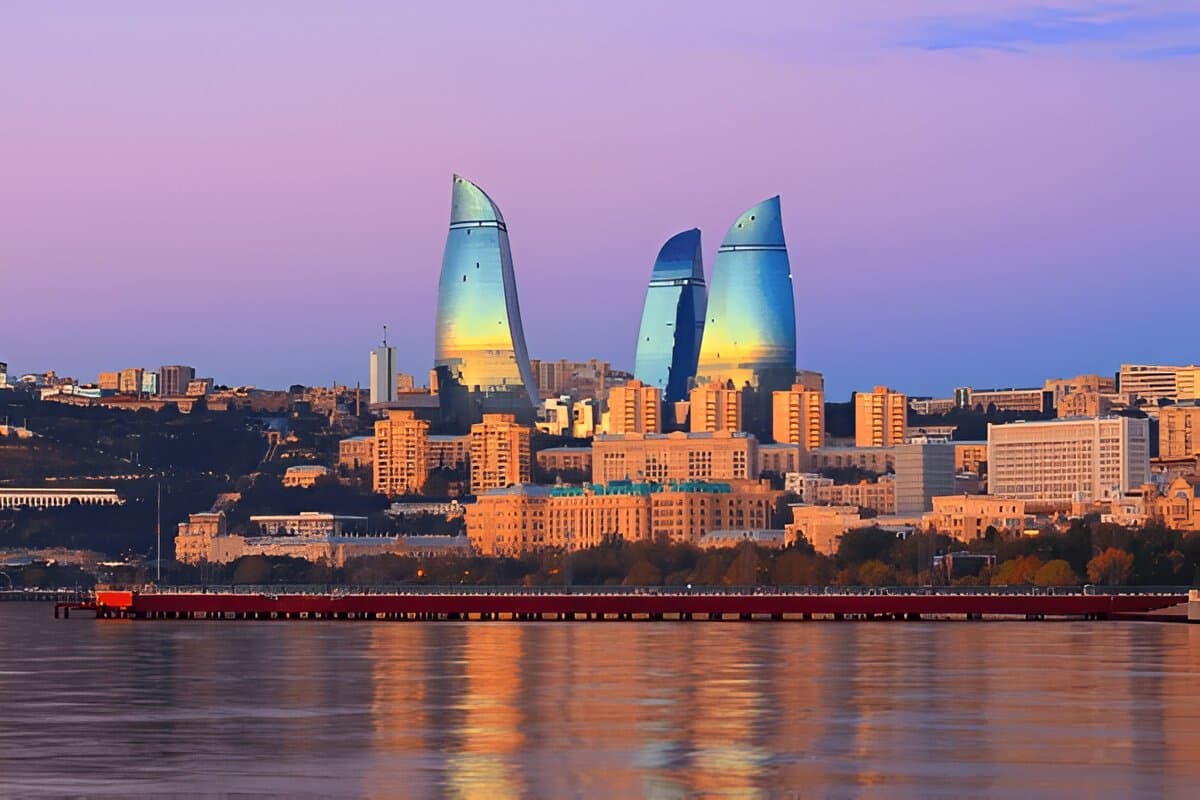
Baku nightlife – a world with ancient traditions, dance with modern energy. As a traveler, a destination is incomplete for you if you haven’t experienced its nightlife.Baku nightlife isn’t just about parties and drinks; it’s a cultural journey that reveals the soul of Azerbaijan’s capital city. This vibrant metropolis transforms after sunset, offering everything from sophisticated jazz lounges to pulsating nightclubs, traditional tea houses to luxury rooftop bars.Baku’s night scene has something extraordinary waiting for you. Consider exploring Baku tour packages that include nightlife experiences, as these often provide better value and insider access to popular venues.In this guide, we’ll take you through the world of nightlife in Baku, exploring hidden gems, must-visit venues, and insider tips that will make your nights in this incredible city absolutely unforgettable. Get ready to discover why Baku is quickly becoming one of the world’s most exciting nightlife destinations.What You Can Experience in Baku at NightThe nightlife in Baku offers an incredible variety of experiences that cater to every taste and preference. Here’s what awaits you when the sun goes down:Rooftop Bars with Stunning Views: Drink cocktails while gazing at the iconic Flame Towers illuminated against the night sky. Baku’s rooftop bars offer breathtaking panoramic views of the city and the Caspian Sea, making every moment feel like a scene from a movie.Traditional Tea Houses: Experience authentic Azerbaijani culture at tea houses where locals gather to play backgammon, share stories, and enjoy aromatic tea. This Baku nightlife experience offers a glimpse into the city’s rich social traditions.Luxury Nightclubs: Dance the night away at world-class nightclubs featuring international DJs, state-of-the-art sound systems, and glamorous interiors. These venues attract party-goers from around the globe.Waterfront Promenades: Take romantic evening strolls along the Baku Boulevard, where street performers entertain crowds, couples share intimate moments, and the sea breeze carries the sounds of laughter and music.Casino Gaming: Try your luck at elegant casinos offering poker, blackjack, and slot machines in sophisticated settings that rival Las Vegas.Cultural Performances: Attend evening concerts featuring traditional Azerbaijani music, folk dances, and contemporary performances that showcase the country’s artistic heritage.Night Markets and Food Tours: Explore bustling night markets where vendors sell everything from handmade crafts to delicious street food, creating a sensory adventure that’s both exciting and delicious.Cultural Night Experiences – Beyond ClubsWhile Baku nightlife is famous for its energetic club scene, the city’s cultural offerings after dark are equally captivating. Jazz enthusiasts will fall in love with intimate venues where talented musicians perform everything from classic standards to contemporary fusion pieces. These cozy spots create an atmosphere where every note resonates with emotion and every performance feels personal.Traditional music nights transport you back in time, where the melodies and the rhythmic beats fill the air. Local musicians share stories through their instruments, creating connections between past and present that touch your heart. Many venues host regular cultural shows featuring traditional Azerbaijani dances, where colorful costumes swirl and ancient stories come alive through movement.Night cruises on the Caspian Sea offer a unique perspective of the city’s illuminated skyline. As you glide across, the city’s lights reflect on the water like scattered jewels, creating a magical ambiance that’s perfect for romantic evenings or peaceful contemplation. These cruises often include dinner, live music, and cultural performances, making them a complete cultural experience.Best Time to Experience Nightlife in BakuUnderstanding the best time to visit Baku significantly impacts your nightlife experience. Each season brings its own uniqueness to the city’s after-dark scene.Summer months transform Baku into an outdoor party paradise. Rooftop terraces come alive with cooling breezes from the Caspian Sea, making them perfect for extended evening celebrations. The warm weather means more outdoor events, street festivals, and waterfront activities that extend well into the night.Winter brings a different kind of magic to nightlife in Baku. Jazz bars become cozy refuges where the warmth of live music contrasts beautifully with the cool evening air. Indoor venues take center stage, creating intimate atmospheres perfect for deep conversations and cultural experiences.Spring and autumn offer the perfect balance, with mild temperatures that make both indoor and outdoor venues equally appealing. These seasons are ideal for exploring the full range of what the Baku nightlife scene has to offer.Safe & Budget-Friendly Nightlife TipsEnjoying Baku nightlife safely and affordably requires some insider knowledge. Always keep your belongings secure and stay aware of your surroundings, just as you would in any major city. The good news is that Baku is generally very safe for tourists, with friendly locals who are often eager to help visitors.Budget-conscious travelers will be pleased to know that many places to visit in Baku offer affordable nightlife options. Local tea houses and traditional restaurants provide authentic experiences without breaking the bank. Happy hour specials at many bars and clubs can significantly reduce your expenses while still allowing you to enjoy premium experiences.Transportation is readily available throughout the night, with taxis and ride-sharing services operating 24/7. Always use licensed transportation services and agree on fares beforehand to avoid any misunderstandings.Baku nightlife truly offers something magical for everyone. Whether you want cultural enrichment, romantic evenings, or energetic party experiences, this incredible city delivers memories that will last a lifetime. The combination of traditional hospitality, modern amenities, and unique cultural experiences makes Baku’s nightlife scene unlike anywhere else in the world.Must Read: Things To Do in Baku

Read More

Dussehra in Nepal
July 14, 20253 Minutes
Dussehra in Nepal
Overview of Dussehra in NepalDussehra, known as Dashain in Nepal, is the biggest and longest Hindu festival in the country. It lasts for 15 days and usually falls in the months of September or October. Dashain celebrates the victory of good over evil—just like in India. But in Nepal, the focus is more on Goddess Durga and her triumph over the demon Mahishasura.The roots of Dashain go back hundreds of years and are deeply connected to Nepalese history and culture. During the festival, families gather, elders offer blessings with tika and jamara, and animal sacrifices are made to honor the goddess. The mood across the country becomes very festive.For Indian travelers, Dashain is a great time to visit. The streets are decorated, markets are lively, and temples are full of spiritual energy. If you’re planning a trip, check out our Nepal tour packages to enjoy the festival up close and without any hassle. What are the Key Highlights of Dussehra in NepalFamily Celebrations: Dashain is a time when families come together. Elders apply red tika (a mixture of rice, yogurt, and vermilion) on the foreheads of younger members and give blessings and money. The ceremony creates a strong bond between generations.Animal Sacrifices: In some parts of Nepal, people still follow the traditional practice of sacrificing goats, ducks, and buffaloes to please Goddess Durga. While this may not appeal to everyone, it reflects ancient customs that have been passed down for centuries.Tika and Jamara: On the 10th day (called Vijaya Dashami), people receive tika and jamara (sacred grass) from elders. It’s a symbol of prosperity, strength, and blessings for the year ahead.Kite Flying and Fairs: In many cities like Kathmandu, Pokhara, and Bhaktapur, the skies are filled with colorful kites during Dashain. Local fairs and markets are set up with swings, food stalls, and music.Public Holidays and Closures: During Dashain, most offices, banks, and schools shut down for about 10-15 days. It’s the longest public holiday in Nepal.Cultural Performances: Traditional dances and music events take place in open grounds and temples. Visitors can enjoy folk songs, dances, and dramas based on stories from Ramayana and Mahabharata.Festive Shopping: Locals buy new clothes, kitchenware, and even vehicles during this time. Streets are filled with discount banners and stalls.Travel Tips/Essential Information For Dussehra in NepalBest Time to Visit: Dashain falls between late September and early October. Check the exact dates before you plan. Book flights and hotels in advance, as this is a peak travel time in Nepal.Respect the Culture: If you’re invited to a local’s home for tika, it’s an honor. Dress modestly, greet with a smile, and accept the tika and jamara with respect.Temples to Visit: Head to Taleju Temple, Dakshinkali Temple, and Swayambhunath in Kathmandu. These places are beautifully decorated during the festival.Local Transport: During the main days of Dashain, public buses and taxis can be crowded or limited. Arrange private transport through your hotel or travel operator.Food Experience: Enjoy traditional Nepali dishes like sel roti, mutton curry, gundruk, and yomari. Many restaurants offer special Dashain menus during the festival.Weather and Packing: The weather during Dashain is generally clear and pleasant. Carry light jackets, cotton clothes, sunscreen, and good walking shoes for temple visits and sightseeing.Stay Connected: Mobile networks work well in most places, but Wi-Fi may be slow in some hill regions. Carry a local SIM card for easier communication.Also Read: Places to Visit in NepalMust Read: Things to do in Nepal

Read More

Mount Agung, Bali
July 14, 20254 Minutes
Mount Agung, Bali
Overview of Mount Agung Mount Agung is the tallest and most sacred mountain in Bali, Indonesia. Standing at 3,031 meters, it’s not just a stunning natural wonder but also an important part of Balinese culture and religion. Locals believe Mount Agung is a spiritual center, home to gods and spirits. The famous Besakih Temple, also known as the Mother Temple of Bali, sits on its slopes and is a major pilgrimage site. Historically, the volcano erupted in 1963, causing massive destruction but also marking a powerful spiritual event for the locals. Despite being active, it draws tourists from all over the world who want to hike, pray, or just admire its beauty. For those planning a trip to Bali, don’t miss adding Mount Agung to your list. You can also explore our Bali tour packages which include guided trips to Mount Agung, local experiences, and safe travel arrangements for Indian families and solo travelers. What are the Key Highlights of Mount Agung: Spiritual Significance: Mount Agung is considered the holiest site in Bali. Many locals perform daily rituals facing the mountain. Visiting here gives you a glimpse into Balinese spiritual life. Besakih Temple: Located on the slopes of Mount Agung, this ancient temple complex is over 1,000 years old. It’s the largest and most important temple in Bali, often called the “Mother Temple.” Sunrise Trekking: The sunrise hike to the summit is one of the most popular activities in Bali. You start around 2 AM and reach the top just in time to watch the sunrise over the island. It’s a tough climb but the view is absolutely worth it. Scenic Beauty: Even if you don’t hike, the mountain looks majestic from many parts of Bali, especially from Amed and Sidemen. Photographers love capturing its dramatic silhouette, especially during sunrise and sunset. Adventure Experience: For those who love a bit of challenge, Mount Agung offers a thrilling trekking experience. It’s not for beginners, but with a guide, it’s safe and exciting. Cultural Festivals: During local festivals, the temple comes alive with traditional music, dance, and colorful decorations. It’s a great time to witness the culture up close. Timings & Entry Fee of Mount Agung: Trekking Hours:Trekking usually starts between 1:30 am and 2:30 am for the sunrise hike. Daytime treks are also available but are less common due to heat and visibility. Temple Hours:Besakih Temple is open from 8:00 am to 6:00 pm every day. Special prayers and ceremonies might alter timings slightly. No Entry fee to visit the Mount Agung. Besakih Temple: ₹200 per person (approx. 40,000 IDR) Trekking Guide (Mandatory): ₹1,500 – ₹2,000 per person (includes basic gear and safety) Parking and small donations may apply at temple and trail entry points. Tip: Always carry some local currency (IDR) for easier transactions. Travel Tips/Essential Information For Mount Agung Early Start is a Must: Start the trek early to enjoy the sunrise and avoid afternoon heat. Fitness Check: Trekking Mount Agung is not easy. It’s a steep and long climb that takes about 6-7 hours round trip. It’s best suited for people with moderate to high fitness levels. Proper Gear: Wear strong hiking shoes and carry a headlamp if you’re doing the sunrise trek. Temperatures drop at night, so wear or carry warm clothes. Travel Insurance: Trekking on an active volcano has its risks. Having travel insurance is a smart idea for unexpected situations. Hire a Local Guide: Independent trekking is not allowed. Local guides know the routes and weather well, making your trip safer and more informative. Respect Local Customs: Mount Agung is sacred. Dress modestly, especially near the temple. Avoid loud music and behavior that may offend the locals. Avoid Rainy Season: The best months to visit are April to October. During the rainy season (November to March), trails become slippery and dangerous. Health Safety: Carry a water bottle, sunscreen, and some snacks. You won’t find any shops once the trek begins. Also Check: Places to Visit in BaliMust Read: Things to do in Bali

Read More

Burpengary, Australia
July 12, 20253 Minutes
Burpengary, Australia
Overview of Burpengary, Australia: Burpengary is a growing town in the Moreton Bay Region, about 35 to 40 minutes from Brisbane. It’s known for its friendly local vibe, wide green areas, and quiet, family-friendly environment. While it’s not a busy tourist hub, it offers a relaxing break from city life and is perfect for those looking to experience a slower pace.There are nature parks, local weekend markets, walking trails, and small cafés where you can enjoy a peaceful morning. Families love the open playgrounds and wildlife areas, and there’s also easy access to nearby coastal towns like Redcliffe and Bribie Island.Some Australia tour packages now include stops in towns like Burpengary for visitors who want to explore Queensland beyond the usual beaches and cities. It’s a great example of how local life blends with nature in a simple, genuine way. Highlights of Burpengary, Australia: Burpengary Regional Aquatic Leisure Centre: A modern swimming and recreation facility with pools for both kids and adults. Great for families or a relaxed swim. Parks and green spaces: The area has several well-kept parks like Burpengary Sports Complex and Buchanan Park, ideal for picnics, jogging, or letting kids play. Local markets: Small weekend markets offer local produce, crafts, and snacks. It’s a great way to meet locals and enjoy fresh food. Caboolture Historical Village (nearby): Just a short drive away, this large open-air museum shows what life was like in old Queensland. Great for history lovers and kids. Wildlife sightings: Because of its natural surroundings, it’s common to see native birds, lizards, and sometimes even wallabies in the area. Community feel: Unlike big cities, Burpengary has a strong local vibe. People are friendly, and community events are common throughout the year. Best Time to Visit Burpengary, Australia: The best time to visit Burpengary is during autumn (March to May) and spring (September to November). During these months, the weather is pleasant and comfortable, with plenty of sunshine and cool breezes, making it ideal for walks, markets, and outdoor fun.Winter (June to August) is mild, with cool mornings and sunny afternoons. It’s a great time if you prefer quieter surroundings and cooler weather.Summer (December to February) can be hot and humid with occasional rain, but the local swimming centres and shaded parks make it manageable for visitors. Travel Tips for Visiting Burpengary, Australia: How to reach: Burpengary is around 40 minutes north of Brisbane by car. You can also take a direct train on the Caboolture line, which is easy and reliable. Getting around: Having a car is helpful if you plan to explore nearby areas like Redcliffe, Bribie Island, or Caboolture. Local roads are easy to drive on. Pack for the weather: Queensland weather can change quickly, so bring a hat, sunscreen, and a light jacket, especially in cooler months. Plan around markets: If you want to catch the local vibe, plan your visit over a weekend when small community markets are usually active. Stay nearby: While Burpengary itself has a few places to stay, more accommodation options are available in Caboolture, North Lakes, or Brisbane. Explore nearby nature: Visit coastal spots like Deception Bay or drive to the Glass House Mountains for a day trip. Also Checkout: Things to do in AustraliaMust Read: Places to visit in Australia

Read More

Albany, Australia
July 12, 20253 Minutes
Albany, Australia
Overview of Albany, Australia: Located on the southern coast of Western Australia, Albany is one of the state’s oldest towns and a favourite spot for travellers looking to enjoy nature and history. Surrounded by cliffs, national parks, and the Southern Ocean, Albany offers amazing views and outdoor activities.The town is also known for its role in Australian military history, as many soldiers left from Albany during World War I. You can visit museums, lookouts, and memorials that tell their story. Nature lovers can enjoy walking trails, whale watching, and peaceful beaches.Albany feels calm and welcoming, with friendly locals, fresh seafood, and charming streets. Many Australia tour packages include Albany as a stop on coastal road trips, especially those exploring the southern part of Western Australia. Whether you’re here for a few hours or a few days, Albany is a place where you can truly slow down and enjoy the simple things. Highlights of Albany, Australia: The Gap and Natural Bridge: Stunning rock formations where you can watch waves crash powerfully against the cliffs. Torndirrup National Park: A great place for walking, photography, and enjoying coastal views. Middleton Beach: A peaceful spot perfect for swimming, relaxing, or enjoying fish and chips by the sea. Albany Wind Farm: A quiet walking trail with ocean views and large wind turbines. Best visited at sunset. National Anzac Centre: A modern museum sharing stories of Australian and New Zealand soldiers. Located with views of King George Sound. Historic Town Centre: Streets lined with old buildings, cafés, galleries, and local shops. Whale Watching (June to October): You can spot humpback and southern right whales from the shore or on boat tours. Emu Point: A calm area for families with safe swimming, BBQ spots, and picnic areas. Best Time to Visit Albany, Australia: The best time to visit Albany is from March to May and September to November. These seasons offer pleasant weather and fewer crowds, making it ideal for walking, beach visits, and sightseeing.Winter (June to August) is great for whale watching. It can be cool and windy, but the views and wildlife experiences are worth it.Summer (December to February) is warmer and perfect for swimming, outdoor dining, and enjoying longer days. It’s also the busiest time, so book accommodation in advance. Travel Tips for Albany, Australia: How to reach: Albany is around 4.5 to 5 hours by road from Perth. There are also daily flights between Perth and Albany, which take about an hour. Getting around: A car is the best way to explore Albany and nearby attractions. Many natural sites are spread out and easier to access with your own vehicle. Pack for changing weather: Albany’s coastal location means the weather can shift quickly. Bring layers, including a jacket for windy or cooler days. Visit local markets: The town hosts weekend markets with fresh produce, handmade goods, and local treats. Enjoy the seafood: Don’t miss trying local dishes made with fresh fish, oysters, and prawns. Take your time: Albany is not a place to rush. Slow down, enjoy the views, and talk to locals — it’s part of what makes the town special. Also Checkout: Things to do in AustraliaMust Read: Places to visit in Australia

Read More

Brunswick, Australia
July 12, 20253 Minutes
Brunswick, Australia
Overview of Brunswick, Australia: Brunswick is one of Melbourne’s most interesting inner suburbs, full of life and personality. Located only a few kilometres from the central city, it’s easy to reach by tram or train. What makes Brunswick special is its mix of cultures, strong arts scene, and laid-back charm.As you walk through the streets, you’ll find coffee shops, old record stores, art galleries, live music venues, and restaurants offering food from all over the world. There’s always something going on — whether it’s a street market, local gig, or weekend brunch with friends.Some Australia tour packages that focus on urban culture now include Brunswick as a stop for travellers who want more than just sightseeing. It’s not a place with big tourist attractions, but rather a neighbourhood full of real local life. If you love food, music, art, and relaxed city energy, you’ll enjoy every corner of Brunswick. Highlights of Brunswick, Australia: Sydney Road: The main street of Brunswick, packed with cafes, shops, restaurants, and a mix of cultures from Lebanese bakeries to Italian delis. Live music venues: Brunswick is known for its music scene. Venues like The Retreat Hotel and Howler host everything from indie rock to jazz. Street art and murals: Colourful art covers many walls and laneways. You’ll see murals that tell stories of the community and its creative spirit. Brunswick Baths: A local favourite for swimming and relaxing. It’s also a nice way to mix with residents and enjoy the sunny weather. CERES Community Environment Park: A peaceful green space offering gardens, a café, and community workshops — perfect for a break from the busy streets. Vintage and thrift shopping: If you enjoy second-hand clothes or unique finds, Brunswick’s shops and markets are full of hidden treasures. Best Time to Visit Brunswick, Australia: Brunswick is a year-round destination, but the best time to visit is during spring (September to November) and autumn (March to May). The weather is mild, the skies are clear, and it’s great for walking around, enjoying outdoor cafes, and attending local events.Summer (December to February) is warm and full of activity, with longer days and more street events. If you enjoy live music, food markets, and outdoor gatherings, this season has a lot to offerWinter (June to August) is quieter but still charming. You can cosy up in a café, visit an art space, or catch a gig at a local venue. Just bring a jacket, as Melbourne winters can be cool. Travel Tips for Brunswick, Australia: How to reach: Brunswick is only 15–20 minutes from Melbourne CBD by tram or train. Tram number 19 along Sydney Road is the most scenic route. Explore on foot: The best way to enjoy Brunswick is by walking. The streets are full of little surprises, from hidden coffee shops to street performances. Try local eats: Don’t miss the local food scene. From falafel rolls and fresh pasta to craft beer and vegan treats, there’s something for everyone. Visit on weekends: Saturday and Sunday are the best days to catch the full energy of Brunswick, with markets, music, and food stalls in full swing. Talk to locals: People in Brunswick are friendly and love to share tips about new events or places to check out. Stay curious: Brunswick doesn’t have a set path. Let yourself wander — the best experiences often come from small discoveries. Also Checkout: Things to do in AustraliaMust Read: Places to visit in Australia

Read More

Odisha
July 12, 20253 Minutes
Odisha
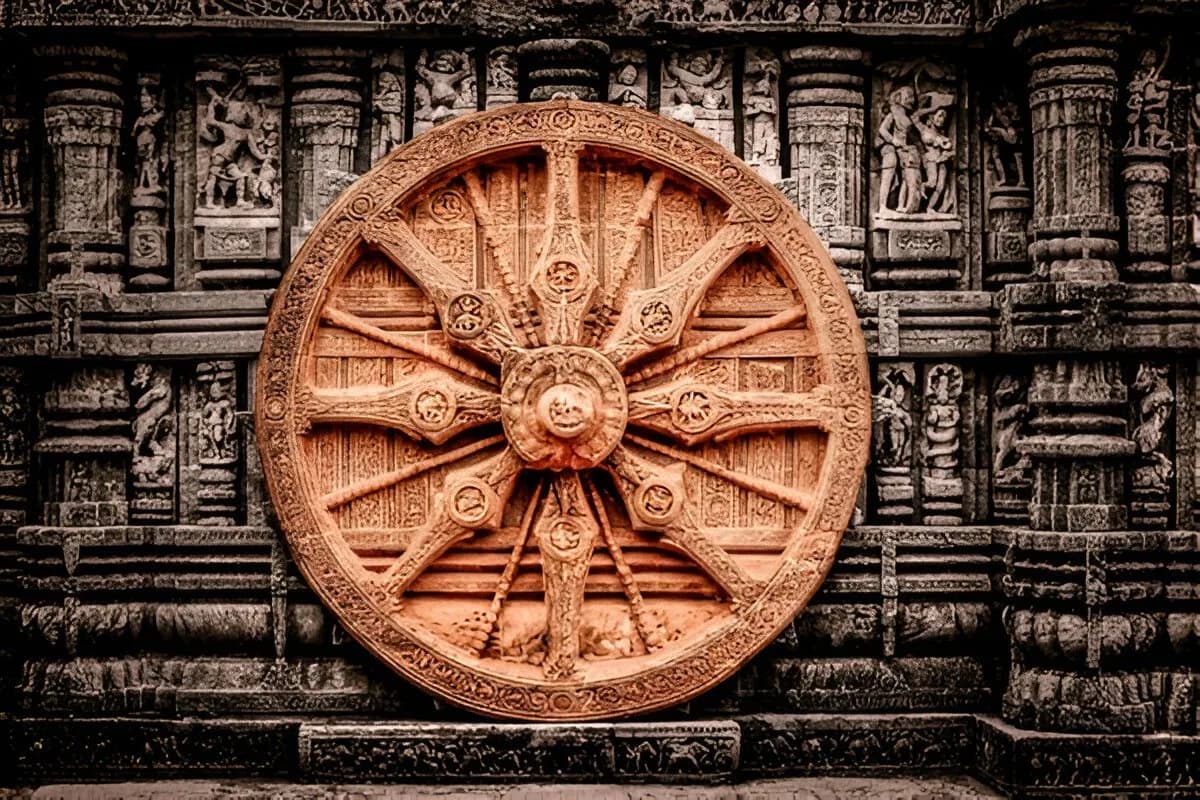
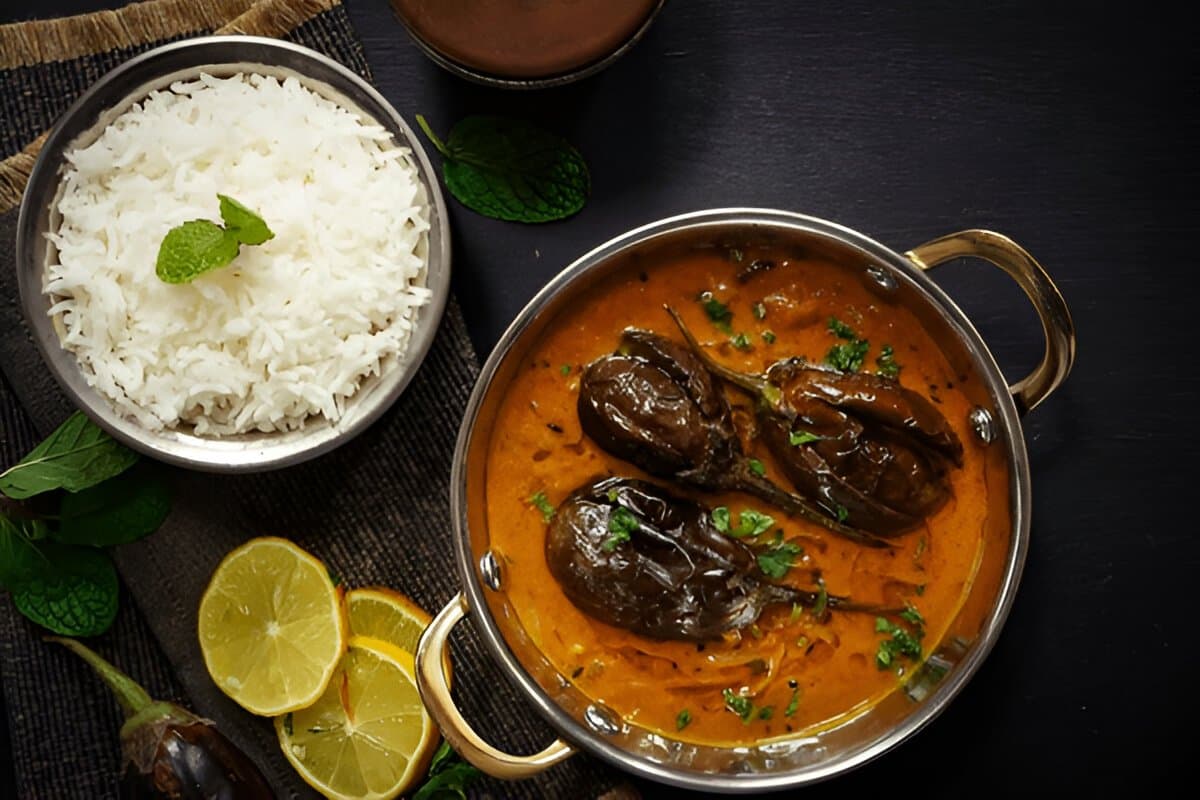
Overview of Odisha: Odisha, located on the eastern coast of India, is a land full of history, nature, and culture. It was once known as Kalinga, the region where Emperor Ashoka fought the famous Kalinga War in 261 BCE. After this war, Ashoka turned to Buddhism, making Odisha and Odisha Tourism an important part of India’s spiritual journey. The state is known for its ancient temples, especially the Sun Temple of Konark and the Jagannath Temple in Puri. Odisha also has beautiful beaches, peaceful lakes, and lush green forests. It is home to tribal communities who still follow old traditions and customs. If you are looking for a mix of heritage, nature, and peace, Odisha is the place to be. With our carefully planned Odisha tour packages, you can explore the best of the state without any stress. From temple visits to nature walks, our packages cover it all. What are the Key Highlights of Odisha? Konark Sun Temple: Built in the 13th century, this UNESCO World Heritage Site is shaped like a huge chariot. The carvings on the temple walls are a treat for history lovers and photographers. Jagannath Temple, Puri: One of the Char Dhams, this temple attracts lakhs of devotees, especially during the Rath Yatra. The energy and devotion during this festival are unmatched. Chilika Lake: Asia’s largest brackish water lake is perfect for a peaceful boat ride. You can spot migratory birds in winter and even see dolphins near Satapada. Lingaraj Temple, Bhubaneswar: This 11th-century temple is a stunning example of Kalinga architecture. It’s one of the most visited places in the capital city. Tribal Culture of Odisha: Odisha has over 60 tribal groups. A visit to a tribal village or museum can give you a peek into their simple, colorful life. Beaches of Odisha: Puri and Gopalpur beaches are great for relaxing. They are clean, quiet, and perfect for watching the sunrise. Simlipal National Park: If you love wildlife, this is your spot. Tigers, elephants, and deer roam free in this peaceful forest area. Handicrafts and Handlooms: Odisha Tourism is known for silver filigree work, Pattachitra paintings, and Sambalpuri sarees. Don’t forget to buy a few as a memento. Dhauli Hills: This is where Ashoka gave up violence. The white Peace Pagoda here is a calm place to sit and think those thoughts. Travel Tips / Essential Information for Odisha: Best Time to Visit: October to March is the best time to visit Odisha. The weather is pleasant, and you can attend popular festivals like the Konark Dance Festival and Puri Rath Yatra. How to Reach: Bhubaneswar is the main entry point. The city has a well-connected airport, railway station, and highways. You can easily reach other parts of Odisha from here by train, bus, or cab. Local Transport: In cities like Bhubaneswar and Puri, you can use autos, cabs, or rented bikes. For long journeys, trains and buses are reliable and affordable. Food to Try: Odisha offers simple and tasty food. Try the famous Dalma (lentil with vegetables), Pakhala Bhata (fermented rice), and Chhena Poda (a baked sweet dish). Street food in Cuttack, especially Dahibara Aloodum, is a must. What to Pack: Carry cotton clothes if visiting in summer and light woollens in winter. Always pack sunscreen, sunglasses, and a cap for temple visits and sightseeing. Cultural Tips: While visiting temples, wear modest clothes. Removing shoes before entering religious places is common. People are friendly and helpful, but it’s always good to ask before taking photos, especially in tribal areas.

Read More

Chilika Lake, Odisha
July 12, 20254 Minutes
Chilika Lake, Odisha
Overview of Chilika Lake, Odisha: Chilika Lake, located along the eastern coast of India in Odisha, is the largest brackish water lagoon in Asia and the second largest in the world. Spanning over 1,100 square kilometers, this lake connects to the Bay of Bengal and is home to a variety of ecosystems, including saltwater, freshwater, and marshes. Historically, Chilika has been mentioned in ancient texts like the Ain-i-Akbari, where it was praised for its rich aquatic life. Even British sailors once used the lake for anchoring ships. Today, it’s a paradise for nature lovers and bird watchers. The lake hosts over 160 species of birds in the winter and is home to the endangered Irrawaddy dolphins. If you’re planning a trip, don’t miss out on our Odisha tour packages, which include a curated visit to Chilika Lake along with other must-visit places in the state. What are the Key Highlights of Chilika Lake, Odisha? Irrawaddy Dolphins: Chilika is one of the only places in India where you can spot Irrawaddy dolphins. A boat ride near Satapada gives you the best chance to see these shy and rare creatures. Bird Watching Paradise: The Nalabana Bird Sanctuary inside the lake is a must-visit. Migratory birds from as far as Siberia and Iran flock here during winter, making it a birdwatcher’s dream. Kalijai Temple: Situated on an island in the lake, this temple is dedicated to Goddess Kalijai. It’s not just a place of worship but also a spot full of local legends and scenic beauty. Beautiful Islands: Chilika Lake has several small islands like Honeymoon Island and Breakfast Island, each offering unique landscapes and serenity. Sea Mouth: This is the narrow channel where the lake meets the Bay of Bengal. It’s an excellent spot for photographs and watching fishermen at work. Boating Experience: Local wooden boats take you through the calm backwaters, making the ride peaceful and memorable. You can choose from motorboats or paddleboats depending on your comfort. Best Timing & Entry Fee for Chilika Lake, Odisha: The best time to visit Chilika Lake is from November to February. During these months, the weather is pleasant and perfect for boating and sightseeing. More importantly, this is also the time when migratory birds arrive in large numbers, making it the ideal season for bird watching. Monsoons (July to September) bring heavy rains, which make boating difficult and slightly unsafe. Summers (March to June) are quite hot and humid, so they are best avoided. As for the entry fee: Entry Fee to Chilika Lake: There is no entry fee to the lake itself, but you will need to pay for boat rides. Boat Charges: Charges can range from ₹200 to ₹2,500 depending on the duration, type of boat, and number of people. Kalijai Temple Entry: No entry fee is charged. Travel Tips / Essential Information of Chilika Lake, Odisha: How to Reach: The closest railway station is at Balugaon, around 5 km from Chilika Lake. If you’re flying in, Bhubaneswar Airport is about 100 km away. From both locations, taxis and buses are easily available. Where to Stay: You can stay at OTDC Panthanivas guesthouses in Barkul and Rambha. Budget hotels and homestays are also available near Satapada and Balugaon. Local Food: Try fresh fish and prawn curries prepared by locals. Many roadside stalls serve delicious Odia meals at low prices. Best Spot for Dolphins: Head to Satapada for the best chances to see Irrawaddy dolphins. Mornings are ideal for dolphin spotting. Clothing Tips: Carry light cotton clothes, sunglasses, and a hat if you’re visiting in winter. Don’t forget sunscreen, as the boat rides expose you to direct sun. Boat Safety: Wear life jackets at all times. Stick to government-registered boats to avoid overcharging or safety issues. Mobile Network: Signal may fluctuate in some parts of the lake, especially on islands. Inform your family before heading into remote areas. Travel Light: Since most travel happens by boat, avoid carrying heavy luggage. Just pack essentials like water, snacks, and a camera.

Read More

Golden Beach, Puri
July 12, 20254 Minutes
Golden Beach, Puri
Overview of Golden Beach, Puri: Golden Beach in Puri, Odisha, is one of the cleanest and most peaceful beaches in India. It sits along the Bay of Bengal and is a big part of Puri’s charm. The soft golden sand and gentle waves make it perfect for a relaxing walk or a fun beach day with family. Golden Beach is also famous for being part of the Blue Flag certification, which means it meets high standards of cleanliness, safety, and eco-friendliness. This recognition has helped the beach gain attention from both Indian and foreign tourists. Historically, Puri is known as one of the Char Dham pilgrimage sites in Hinduism, and Golden Beach lies very close to the famous Jagannath Temple. Many visitors come here after offering prayers at the temple. Planning to explore this beautiful beach and nearby places? Check out our Odisha tour packages to make your trip smooth, affordable, and full of comfort. What are the Key Highlights of Golden Beach, Puri? Blue Flag Status: Golden Beach received the international Blue Flag tag for being very clean, safe, and eco-friendly. This makes it one of the top beaches in India to visit. Morning Walks & Sunrise: The beach is best visited early in the morning when the sun rises over the sea. The orange sky and calm water create a peaceful setting you won’t forget. Beach Activities: You can enjoy activities like camel rides, beach volleyball, and sand art made by local artists. Sometimes, cultural festivals and dance programs are also held here. Peaceful Vibes: Unlike crowded city beaches, Golden Beach is very quiet. It is perfect for couples, families, and even solo travelers looking for some peace. Safety and Cleanliness: The beach is regularly cleaned, and lifeguards are always present. That makes it very safe for kids and elderly people too. Nearby Attractions: After spending time at the beach, you can also visit the Jagannath Temple, and Puri Market, or take a short trip to Chilika Lake. Best Time to Visit Golden Beach, Puri:  Best Time to Visit: The ideal time to visit Golden Beach is between October and February. The weather is pleasant, and the cool sea breeze makes the beach experience even better. Summers are very hot and humid, while the monsoon season (June to September) can bring heavy rains. Timings: The Golden Beach Puri is open from 5:00 am to 10:00 pm every day. Morning and evening hours are the best for photography and peaceful walks. Entry Fee: For Indian visitors: ₹20 per person For Foreigners: ₹100 per person Children under 10 years: Free Tickets can be bought directly at the entry gate. Parking facilities are also available at an extra charge. Travel Tips/Essential Information Golden Beach, Puri: Easy to Reach: Golden Beach is just 2 km from Puri Railway Station. You can take an auto or taxi to reach the beach within 10 minutes. Bhubaneswar Airport is about 60 km away, and taxis or buses are available from there too. Best Time of Day: Early mornings or late evenings are the best times to visit. The beach is less crowded and the weather is more comfortable. What to Carry: Carry sunscreen, a hat, sunglasses, and a water bottle. If you’re planning to get into the water, extra clothes and towels are a must. Stay Options: Puri has many hotels and guesthouses near the beach. From budget rooms to luxury resorts, you can find something that fits your pocket. Local Food: Try local snacks like ‘khaja’ and ‘chhena poda’ from nearby stalls. Fresh coconut water is also easily available on the beach. Safety Measures: Lifeguards are present, but it’s still better to avoid going too deep into the water. Follow signboards and beach rules for your safety. Cleanliness Rules: Littering is strictly not allowed. Use the dustbins and help keep the beach clean for everyone.

Read More

Loxton, Australia – A Peaceful Riverside Town Full of Country Charm
July 12, 20253 Minutes
Loxton, Australia – A Peaceful Riverside Town Full of Country Charm
Overview of Loxton, Australia:Loxton is located in the Riverland region of South Australia, about 250 km northeast of Adelaide. It’s a peaceful farming town surrounded by citrus groves, vineyards, and open countryside. The Murray River runs alongside the town, adding to its charm with wide views and calm water activities.Visitors come to Loxton for its family-friendly parks, walking trails, and the Loxton Historical Village — an open-air museum that brings the past to life. Whether you enjoy a gentle boat ride, wandering through rose gardens, or learning about early settler life, Loxton has a calm and welcoming atmosphere.While it’s not a major tourist stop, some Australia tour packages that focus on South Australia’s inland beauty include Loxton as a quiet getaway. It’s a lovely spot for anyone who wants to step away from fast travel and enjoy a more relaxed rhythm.Highlights of Loxton, Australia:Loxton Historical Village: Step back in time with old-fashioned buildings, tools, and displays that tell the story of the town’s early settlers.Murray River Activities: Go kayaking, fishing, or enjoy a gentle boat cruise along one of Australia’s most famous rivers.Lush gardens and parks: Loxton is known for its well-kept public spaces, including Pioneer Park and the town’s beautiful rose gardens.Seasonal festivals: The town hosts several community events throughout the year, like Christmas lights in December and country fairs.Citrus farms and vineyards: Taste local produce or visit nearby cellar doors for Riverland wine and fresh fruits.Loxton Art Trail: Explore local artworks, murals, and galleries scattered throughout the town.Friendly cafes and bakeries: Enjoy a laid-back meal or coffee in one of the town’s cosy, family-run spots.Best Time to Visit Loxton, Australia:The best time to visit Loxton is during spring (September to November) and autumn (March to May). These seasons offer pleasant weather, making it perfect for outdoor walks, river activities, and exploring gardens.Spring is especially beautiful with fresh blooms and warmer days. Autumn brings cooler air and colourful leaves, ideal for relaxed sightseeing.Summer (December to February) can be quite hot, especially in inland South Australia. If you’re visiting during this time, plan early morning activities and keep afternoons restful.Winter (June to August) is mild and quiet. While it’s a bit cooler, it’s still a good time to visit if you enjoy peaceful moments without many tourists around.Travel Tips for Visiting Loxton:How to reach: The easiest way to reach Loxton is by car from Adelaide. It takes around 3 hours by road. Public transport options are limited, so driving is the best way to visit.Stay locally: There are small motels, cottages, and caravan parks in and around town. It’s best to book ahead if you’re visiting during holiday seasons or events.Pack for the sun: The Riverland region can be sunny year-round, so bring a hat, sunscreen, and light clothing even during spring and autumn.Enjoy the slow pace: Loxton is not a fast-moving place. It’s perfect for relaxing, taking river walks, or reading a book by the water.Support local shops: Stop by local grocers, bakeries, and roadside stalls for fresh produce and homemade treats.Plan around river levels: If you’re interested in river activities, check water levels or boat availability ahead of time with local guides or tourism centres.

Read More

Parkville, Australia
July 12, 20253 Minutes
Parkville, Australia
Overview of Parkville, Australia: Parkville is located just north of Melbourne’s city centre, yet it feels calm and quiet, with wide streets, large trees, and plenty of green space. It is home to the University of Melbourne, the Royal Melbourne Hospital, and the famous Royal Park. The area has a strong mix of students, families, and professionals, and it’s a great place to explore if you enjoy peaceful walks, learning, and history.The suburb is also close to major attractions like Melbourne Zoo, museums, and art galleries. Its location makes it easy to reach, and many visitors enjoy staying here for a quieter, more relaxed experience.Some Australia tour packages that include Melbourne now highlight Parkville as a calm, cultural stop just outside the city buzz. Whether you’re visiting the gardens or simply walking through old streets, Parkville adds a refreshing and thoughtful pause to your journey. Highlights of Parkville, Australia: Parkville is great to visit any time of the year, but the best seasons are spring (September to November) and autumn (March to May). During these months, the weather is mild, flowers are blooming, or leaves are turning golden, and walking through the parks and streets feels even more beautiful.Summer (December to February) brings warmer days, ideal for visiting the zoo or enjoying longer daylight hours in Royal Park. However, some days can be hot, so early mornings or late afternoons are better for exploring.Winter (June to August) is cooler and quieter. You might need a warm jacket, but the calm atmosphere makes it perfect for museum visits, cafés, and short walks through the neighbourhood. Best Time to Visit Parkville, Australia: Parkville is great to visit any time of the year, but the best seasons are spring (September to November) and autumn (March to May). During these months, the weather is mild, flowers are blooming, or leaves are turning golden, and walking through the parks and streets feels even more beautiful.Summer (December to February) brings warmer days, ideal for visiting the zoo or enjoying longer daylight hours in Royal Park. However, some days can be hot, so early mornings or late afternoons are better for exploring.Winter (June to August) is cooler and quieter. You might need a warm jacket, but the calm atmosphere makes it perfect for museum visits, cafés, and short walks through the neighbourhood. Travel Tips for Parkville, Australia: How to reach: Parkville is just a few minutes from Melbourne CBD. You can take a tram, bus, or even walk from the city. It’s very well connected by public transport. Getting around: Most places in Parkville are best explored on foot. The streets are safe, quiet, and lined with trees. Visit during weekdays for peace: The area is quieter during weekdays when there are fewer tourists. Weekends can be busier around the zoo. Wear comfortable shoes: Whether you’re walking in Royal Park or through university grounds, you’ll want comfy shoes for easy exploring. Stop at a café: There are small cafés around the university and hospital areas that serve great coffee and food. Ideal for a midday break. Bring a camera: Parkville is full of beautiful streets, gardens, and historic buildings that make great photo spots, especially in spring and autumn. Also Checkout: Things to do in AustraliaMust Read: Places to visit in Australia

Read More

Login ModalPost Login FormTalk with trip expert