Blog hero image
Top Travel Stories

Explore our latest blogs and travel with us

Spiti Valley in February: 10 Best Places to Visit and Things to Do
October 22, 20256 Minutes
Spiti Valley in February: 10 Best Places to Visit and Things to Do
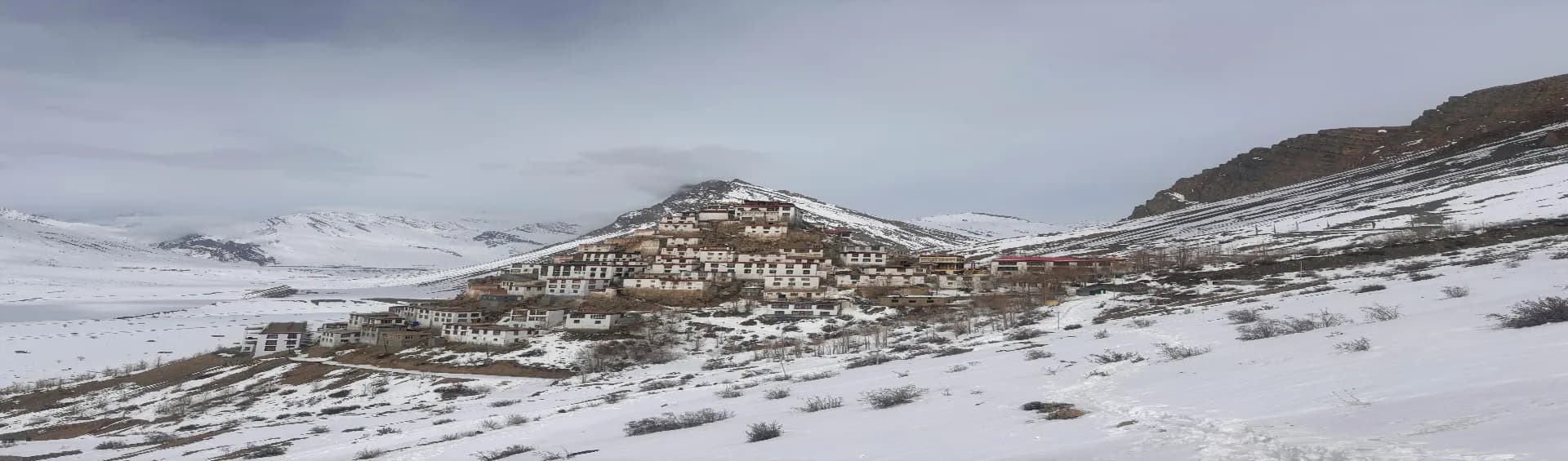
Visiting Spiti Valley in February is a dream for adventure seekers and winter lovers. The valley turns into a white wonderland with frozen rivers, sparkling snow, and peaceful villages surrounded by towering mountains. This month offers a raw, untouched beauty where silence and spirituality reign. Despite extreme cold, the charm of Spiti in February remains irresistible to those who crave solitude and pristine landscapes. The Spiti temperature in February adds a touch of challenge, but it’s perfect for photographers and explorers who wish to witness the Himalayas in their purest form. Many travelers also explore this region as part of Spiti Valley tour packages, combining adventure, culture, and scenic winter views. Here’s a guide to the best places, experiences, and tips for making your February trip to Spiti unforgettable. Spiti promises an unforgettable experience for every traveler seeking both adventure and tranquility.10 Best Places to Visit in Spiti Valley in February1. Kaza: The Winter CapitalKaza, the heart of Spiti, remains accessible during February, though covered in snow. The town’s calm atmosphere and frozen beauty make it ideal for a peaceful stay. Visit the local market, enjoy hot Tibetan food, and interact with locals who brave the cold with warmth and hospitality. The quiet streets and snow-laden rooftops offer postcard-perfect views of Spiti Valley.2. Key Monastery: Spiritual SerenityPerched dramatically above the Spiti River, Key Monastery looks even more mystical under a blanket of snow. The peaceful chants, fluttering prayer flags, and golden glow of lamps create an ethereal winter experience. In Spiti in February, fewer visitors mean you can truly absorb the silence and spirituality of this ancient site.3. Kibber: Snow Leopard TerritoryKibber is one of the highest inhabited villages in the world and a major hub for snow leopard spotting in February. The harsh terrain and icy winds add thrill to the adventure. The Spiti temperature in February often drops below freezing, but with proper gear, wildlife enthusiasts can witness these elusive cats in their natural habitat.4. Langza: Fossils and Frozen BeautyKnown as the fossil village, Langza offers surreal views of Chau Chau Kang Nilda peak and snow-draped fields stretching endlessly. The giant Buddha statue overlooking the valley looks mesmerizing against the snowy backdrop. Visiting Langza in Spiti Valley in February feels like stepping into another world, quiet and timeless.5. Hikkim: The World’s Highest Post OfficeSend a postcard from the world’s highest post office at Hikkim if you can reach it through the snow! The route may be challenging, but it’s worth it. The white landscape, frozen paths, and remote charm create unforgettable memories.6. Komic: The Roof of the WorldAt over 15,000 feet, Komic is one of the highest villages in Asia. In Spiti Valley in February, it’s often blanketed in deep snow, giving breathtaking views of untouched peaks. The small monastery here provides shelter and warmth, making it an ideal stop for travelers seeking solitude.7. Dhankar Monastery: Cliffside WonderDhankar Monastery, dramatically set on a cliff, becomes even more awe-inspiring when surrounded by snow. The frozen Spiti River below adds to its mystical allure. This ancient monastery offers a glimpse into the valley’s deep Buddhist heritage and serene winter beauty.8. Tabo: Ancient Art and PeaceTabo Monastery, over a thousand years old, is a UNESCO World Heritage site and remains accessible even in winter. Its mud-brick walls and intricate murals are a treasure trove for art and history lovers. In Spiti Valley in February, the monastery glows warmly under the soft winter sun.9. Losar: Gateway to Spiti’s Snow TrailsLosar, the last village before Kunzum Pass, is a snow paradise in Spiti in February. The locals here celebrate winter with traditional meals and hospitality. The crisp air and whitewashed houses create a serene contrast against the deep blue sky.10. Pin Valley National Park: Frozen WildernessHome to rare Himalayan wildlife like the snow leopard and ibex, Pin Valley is a true winter wonderland. Trekking here in Spiti Valley in February is only for the daring, but the silence of snow-covered forests is unforgettable. The Spiti temperature in February enhances the beauty, making it both challenging and magical.Tips for Visiting Spiti Valley in FebruaryPack wisely: Bring heavy winter jackets, gloves, snow boots, and layered clothing.Stay prepared for limited accessibility: Some roads may be closed due to snow, so check local updates.Carry cash: ATMs may not work in remote areas during winter.Travel by sturdy vehicle: A 4×4 with snow chains is recommended.Acclimatize properly: The altitude and cold can be harsh, so rest well before exploring.Respect local culture: February is a quiet, sacred time for locals. Move gently and respectfully through villages.Spiti Temperature in February – What to ExpectThe Spiti temperature in February ranges from -4°C to -25°C, depending on altitude.Kaza averages around -10°C, with icy mornings and sunny afternoons.Kibber and Langza often dip below -20°C, especially at night.Lower areas like Tabo and Dhankar stay slightly warmer, around -5°C to -12°C.The extreme cold makes for crystal-clear skies and breathtaking visibility of the Himalayas.Also Read – Best Places to Visit in SpitiMust Checkout – Things To Do in Spiti

Read More

Spiti in Monsoon: A Tranquil Escape Amidst the Himalayas
October 22, 20256 Minutes
Spiti in Monsoon: A Tranquil Escape Amidst the Himalayas
Tucked deep in the Trans-Himalayan region of Himachal Pradesh, Spiti in monsoon transforms into a breathtaking realm of misty mountains, glacial streams, and raw natural beauty. The rain clouds seldom reach this cold desert valley in full force, but the occasional drizzle breathes life into its arid landscapes. Verdant patches bloom around villages, crystal-clear rivers flow with renewed vigour, and the monasteries look even more divine against dramatic grey skies. Monsoon in Spiti brings fewer tourists, making it the perfect season for solitude seekers and adventure lovers alike.From thrilling road journeys along high mountain passes to peaceful walks in remote hamlets, this season reveals Spiti’s hidden serenity. Whether you’re a photographer, nature lover, or cultural explorer, this Himalayan gem offers unforgettable experiences. Plan your visit with Viacation’s Spiti Valley tour packages for a well-curated trip blending comfort, exploration, and the valley’s raw charm.Spiti Climate in MonsoonThe Spiti in monsoon season, stretching from July to September, offers a unique blend of beauty and challenge. Unlike other hill destinations, Spiti receives minimal rainfall due to its location in a rain shadow area. However, light showers occasionally grace the valley, refreshing its barren landscape and adding a hint of green around villages like Kaza, Kibber, and Tabo.During monsoon in Spiti, temperatures range between 10°C and 20°C, making the days pleasant but the nights quite chilly. The region’s rivers swell, creating dramatic vistas along rugged terrains. This is also the time when waterfalls cascade down rock faces, and the snow-capped peaks shimmer in contrast to the darker monsoon clouds.While roads might experience occasional blockages, the surreal beauty of the valley under moody skies is worth the challenge. Travelling during this season is best suited for those who enjoy raw landscapes and peaceful explorations away from crowds.Top 5 Things to Do in Spiti in Monsoon1. Explore Key MonasteryVisiting the ancient Key Monastery is a must during Spiti in monsoon. The monastery appears even more majestic surrounded by fog-covered peaks. You can meditate, talk to monks, or simply enjoy the tranquil view of the Spiti River flowing below.2. Drive Through Kunzum PassThe journey through Kunzum Pass (4,590 meters) offers unparalleled adventure. During the monsoon, the landscape glows with a mix of greenery and snow patches, making the drive an unforgettable experience. Stop by the Kunzum Devi Temple and capture the stunning views.3. Visit Chandratal LakeOften called the “Moon Lake,” Chandratal is a highlight of the monsoon in Spiti. The lake reflects turquoise hues against snow-laden peaks, creating postcard-perfect scenery. Camping near Chandratal during this season is a spiritual experience in itself.4. Village Walks and HomestaysExplore small villages like Langza, Hikkim, and Komik. Monsoon brings vibrant wildflowers and clear mountain air, perfect for leisurely strolls. Staying in local homestays lets you experience Spitian hospitality and taste authentic cuisine.5. Photography and StargazingEven during the monsoon, the skies often clear up at night, offering dazzling views of the Milky Way. The contrast of green fields, white stupas, and cloudy skies during the day makes it a photographer’s paradise.Top 5 Places to Visit in Spiti in Monsoon1. KazaThe heart of Spiti, Kaza, is bustling yet peaceful during the rainy season. The town offers panoramic views, local markets, and easy access to nearby monasteries. During Spiti in monsoon, Kaza becomes a perfect base for exploring the valley.2. Tabo MonasteryOne of the oldest Buddhist monasteries in the Himalayas, Tabo is a serene spiritual retreat. The ancient murals and sculptures inside this 1,000-year-old monastery glow beautifully under soft monsoon light, creating a peaceful ambiance for meditation.3. Dhankar MonasteryPerched dramatically on a cliff between Kaza and Tabo, Dhankar offers panoramic views of the confluence of the Spiti and Pin Rivers. Its precarious yet picturesque setting is particularly enchanting during the monsoon in Spiti months.4. Langza VillageKnown for its Buddha statue overlooking the valley, Langza is among the most scenic spots in Spiti. Monsoon brings a touch of greenery to its rugged terrain, making it ideal for photography and fossil hunting.5. Pin Valley National ParkHome to snow leopards and the Himalayan ibex, Pin Valley National Park bursts into subtle shades of green during the monsoon. The lush meadows and cold streams make it perfect for nature walks and wildlife spotting.Travel Tips for Visiting Spiti in MonsoonCheck Road Conditions: Landslides can temporarily block routes in Spiti in monsoon, especially on the Manali-Kaza highway. Stay updated on local advisories.Carry Essentials: Keep rain gear, waterproof shoes, and extra batteries for your gadgets handy.Stay Hydrated and Acclimatize: The altitude is high, so take breaks to adapt.Book Reliable Transport: Opt for local drivers familiar with the terrain.Choose Homestays: For authentic experiences, choose local accommodations offering comfort and cultural immersion.Avoid Night Travel: Visibility drops drastically after sunset.Also Read – Best Places to Visit in SpitiMust Checkout – Things To Do in Spiti

Read More

Georgia Itinerary 5 Days
October 22, 20257 Minutes
Georgia Itinerary 5 Days
While work may earn you a living, travel gives your soul a story, and few journeys are as enchanting as a Georgia itinerary 5 days. Nestled between Europe and Asia, Georgia is a hidden gem of the Caucasus, where dramatic mountain views, ancient monasteries, and vibrant city life come together in perfect harmony. This itinerary lets you experience the best of Georgia tourism, from the cobbled lanes of Tbilisi’s Old Town to the snow-dusted peaks of Kazbegi, the adventure-filled slopes of Gudauri, and the coastal breeze of Batumi.Along the way, you’ll discover UNESCO heritage sites, charming local markets, and the heartwarming hospitality Georgia is famous for. Whether you’re exploring centuries-old churches, soaking in scenic drives, or indulging in traditional Georgian cuisine and wine, this trip promises a journey full of colour and culture. Choose from curated Georgia tour packages to make the most of your 5-day adventure in this captivating country.Best Time for a Georgia Itinerary 5 DaysThe ideal time to enjoy a 5-day trip in Georgia is from May to October. The weather is pleasant, festivals bring life to the streets, and roads remain clear for mountain drives. If you’re into skiing or snow adventures, the winter months in Gudauri are also magical, though travel routes may be challenging.Best Travel Route for Georgia Itinerary 5 DaysRoute: Tbilisi → Mtskheta → Kazbegi → Gudauri → Uplistsikhe → Borjomi → Batumi. This route ensures your Georgia itinerary for 5 days includes a mix of cities, mountains, and seaside escapes, making it a balanced and memorable journey.Day 1: Explore TbilisiStart your day in the heart of Tbilisi, where cobblestone streets meet modern charm. Explore the Old Town, Narikala Fortress, and Rustaveli Avenue. Don’t miss the sulphur baths to relax after your flight.Location: Tbilisi city centreHighlight: Cable car to Narikala Fortress for panoramic city viewsBest Time: Morning to avoid crowdsDay 2: Tbilisi – Mtskheta – AnanuriContinue your Georgia itinerary 5 days with a drive to Mtskheta, Georgia’s ancient capital and UNESCO World Heritage Site. Visit Svetitskhoveli Cathedral and Jvari Monastery, then head to Ananuri Fortress overlooking the Aragvi River, a picture-perfect stop for history lovers and photographers.Distance: 20 km from Tbilisi (Mtskheta), 70 km (Ananuri)Attraction: Ancient monasteries and scenic mountain drivesDay 3: Kazbegi (Stepantsminda) & Gergeti Trinity ChurchKazbegi is a paradise for mountain lovers. Travel along the Georgian Military Highway to Stepantsminda, then visit the Gergeti Trinity Church, a stunning landmark perched high in the Caucasus Mountains.Location: Kazbegi regionTiming: Morning for clear skiesHighlight: Snow-covered Mount Kazbek and panoramic viewsDay 4: Gudauri & UplistsikheYour Georgia itinerary 5 days continues to Gudauri, a famous ski resort. Try paragliding or soak in the alpine scenery. Later, head to Uplistsikhe, an ancient rock-hewn city showcasing Georgia’s early civilisation through caves, tunnels, and stone temples.Distance: Gudauri, 30 km from Kazbegi, Uplistsikhe, 100 km from TbilisiAttraction: Adventure sports and historical wondersDay 5: Borjomi & BatumiEnd your Georgia 5 days with a visit to Borjomi, known for its mineral springs and lush greenery. Then, travel to Batumi, a coastal city on the Black Sea famed for beaches, nightlife, and modern architecture. Stroll the seaside boulevard at sunset to close your trip beautifully.Distance: Borjomi, 160 km from Tbilisi, Batumi, 160 km from BorjomiHighlight: Seaside views and Batumi Botanical GardenBest Time: Late afternoon for stunning photosTravel Tips for Your 5-Day Trip in GeorgiaPack layers for mountains and light clothes for cities.Keep cash handy, especially in remote areas.Dress modestly when visiting monasteries.Try Georgian cuisine, Khachapuri, Khinkali, and Churchkhela are must-tastes.Hire a guide for deeper cultural and historical insights.Why Choose This Georgia Itinerary 5 DaysA Georgia itinerary 5 days perfectly blends adventure, culture, and relaxation. From the cobbled streets of Tbilisi to Kazbegi’s peaks, Gudauri’s adventure sports, and Batumi’s seaside charm, it’s an experience that captures Georgia’s heart in just five unforgettable days.Must Checkout: Things To Do in GeorgiaAlso Read: Places to visit in Georgia

Read More

Top 10 Hotels in Georgia
October 22, 20259 Minutes
Top 10 Hotels in Georgia
Georgia, the land where Europe meets Asia, welcomes every traveller with its stunning landscapes, rich culture, and heartfelt hospitality. From the charming cobbled streets of Tbilisi to the soothing hot springs of Borjomi and the golden sunsets over Batumi’s Black Sea coast, every corner of this country promises unforgettable memories. Whether you’re seeking luxury or a peaceful mountain escape, the right stay can elevate your experience.Georgia tourism is growing rapidly, offering everything from historic monasteries and scenic wine trails to modern city life and beach relaxation. Travellers can explore these gems effortlessly with Georgia tour packages that include comfortable stays, guided sightseeing, and local experiences. From elegant five-star hotels to cosy boutique retreats, these top 10 hotels in Georgia promise the perfect mix of comfort, culture, and Georgian warmth, making your journey through this diverse and beautiful nation truly remarkable.1. Sheraton Grand Tbilisi Metechi PalaceOverlooking the scenic Kura River and Tbilisi’s vibrant Old Town, Sheraton Grand Tbilisi Metechi Palace redefines urban luxury. The hotel’s elegant interiors, rooftop pool, and fine-dining restaurants make it a perfect blend of business and leisure. Guests can start their morning with panoramic city views and end the evening with local Georgian wine under glittering lights.Location: 20 Telavi Street, TbilisiPrice Range: ₹10,700 – ₹15,000Features: Rooftop pool, spa, fine dining, and city-view roomsIdeal For: Luxury travellers and honeymooners2. Paragraph Resort & Spa Shekvetili, Autograph CollectionSet against the Black Sea coast, Paragraph Resort & Spa Shekvetili is one of the most iconic hotels in Georgia, offering a luxurious beachside escape like no other. The hotel’s architecture is breathtaking, featuring an underwater aquarium, an infinity pool, and world-class spa services. Whether you’re relaxing by the sea or indulging in gourmet dishes, every moment here feels serene and truly unforgettable.Location: Shekvetili Beach, E70, ShekvetiliPrice Range: ₹14,700 – ₹15,000Features: Infinity pool, aquarium, spa, and private beach accessIdeal For: Beach lovers and couples3. Radisson Blu Iveria Hotel, Tbilisi City CentreRising proudly over the city’s skyline, Radisson Blu Iveria Hotel offers unmatched sophistication and panoramic views of Mtatsminda Hill. Guests can unwind in the rooftop spa, enjoy an evening drink by the pool, or savour modern Georgian cuisine. Its central location makes it an excellent choice for exploring Tbilisi’s main attractions.Location: 1 Rose Revolution Square, TbilisiPrice Range: ₹18,300 – ₹20,000Features: Rooftop spa, casino, fine dining, and city viewsIdeal For: Business travellers and modern luxury seekers4. Hotel Astoria TbilisiTucked away near Rustaveli Avenue, Hotel Astoria offers comfort, convenience, and charm without breaking the budget. Among the most welcoming hotels in Georgia, it provides modern rooms, friendly service, and a peaceful ambience. It’s perfect for travellers who want to stay close to Tbilisi’s museums, cafés, and shopping streets while enjoying a calm and cosy environment.Location: 12 Shio Chitadze St, TbilisiPrice Range: ₹5,100 – ₹5,500Features: Spacious rooms, local décor, and central accessIdeal For: Budget-conscious travellers and families5. The Grand Gloria Hotel, BatumiLocated right by Batumi Boulevard, The Grand Gloria Hotel offers the perfect seaside escape. Guests can wake up to breathtaking sea views, enjoy spa sessions, and dine at restaurants serving both local and international cuisines. It’s a fantastic option for those who want a relaxed coastal getaway without compromising on comfort.Location: 22 Sherif Khimshiashvili St, BatumiPrice Range: ₹6,600 – ₹10,000Features: Sea-view rooms, spa, pool, and beach accessIdeal For: Families and beach vacationers6. Crowne Plaza Borjomi by IHGNestled in Georgia’s spa capital, Crowne Plaza Borjomi stands out among the finest hotels in Georgia, surrounded by lush pine forests and natural mineral springs. It’s a true haven for wellness lovers, offering thermal pools, a tranquil spa, and rejuvenating treatments. Guests can also stroll through Borjomi Central Park or sip the famous mineral water straight from the source for a refreshing experience.Location: 9 Baratashvili St, BorjomiPrice Range: ₹12,300 – ₹15,000Features: Thermal pools, wellness spa, and garden viewsIdeal For: Wellness travellers and nature lovers7. Miramare Magnetic Beach Hotel, KobuletiA peaceful coastal gem, Miramare Magnetic Beach Hotel offers simplicity with a sea breeze. The hotel’s clean, comfortable rooms and proximity to the beach make it ideal for those who prefer relaxed, slow-paced holidays. The warm staff and local eateries nearby add to its charm.Location: 379 David Aghmashenebeli Avenue, KobuletiPrice Range: ₹4,800 – ₹5,000Features: Beach access, local dining options, and cosy roomsIdeal For: Budget travellers and solo adventurers8. Mount Villa KvariatiPerched on a lush hillside overlooking the Black Sea, Mount Villa Kvariati is a tranquil hideaway surrounded by nature. Guests can swim in the outdoor pool, enjoy homemade Georgian breakfasts, and take in stunning sea-and-mountain views. Its peaceful setting makes it perfect for a quiet family retreat.Location: ს2, KvariatiPrice Range: ₹3,200 – ₹5,000Features: Outdoor pool, garden views, and homemade mealsIdeal For: Families and couples seeking serenity9. Glarros OldTown, TbilisiSet in Tbilisi’s charming Old Town, Glarros Old Town beautifully blends modern elegance with historic charm. Among the top hotels in Georgia, it offers artistic interiors, warm hospitality, and a prime location near Freedom Square. Guests can explore cosy cafés, cultural landmarks, and the vibrant local life right at their doorstep.Location: 15 Kote Afkhazi St, TbilisiPrice Range: ₹10,300 – ₹12,000Features: Artistic rooms, central location, and heritage ambienceIdeal For: Culture enthusiasts and couples10. Timber Boutique HotelStylish, cosy, and designed with a rustic-modern touch, Timber Boutique Hotel offers a refreshing retreat in the heart of Tbilisi. Counted among the most charming hotels in Georgia, it features comfortable rooms, friendly staff, and a convenient location near major attractions, perfect for travellers seeking warmth and authenticity on a budget.Location: 37 Aleksandre Khakhanashvili St, TbilisiPrice Range: ₹4,800 – ₹5,000Features: Boutique décor, spacious rooms, and great serviceIdeal For: Couples and solo travellersFinal ThoughtsFrom luxurious sea-view resorts to elegant boutique hotels, Georgia has something for every type of traveller. Explore Tbilisi’s vibrant neighbourhoods, unwind in Borjomi’s serene spas, or soak up the sun along Batumi’s golden coast. These top hotels in Georgia offer world-class comfort, modern amenities, and warm hospitality, ensuring that every stay becomes a memorable part of your journey through this beautiful and diverse country.Also Read: Places to visit in GeorgiaMust Checkout: Things To Do in Georgia

Read More

Spiti Valley in 5 Days: A Journey Through the Hidden Himalayas
October 22, 20257 Minutes
Spiti Valley in 5 Days: A Journey Through the Hidden Himalayas
Nestled high in the Trans-Himalayan ranges of Himachal Pradesh, Spiti Valley is a dream destination for those who seek raw natural beauty, adventure, and peace. A trip to Spiti Valley in 5 days is a perfect blend of scenic drives, ancient monasteries, snow-capped peaks, and local culture. Despite its remote location, the valley’s well-connected routes from Manali and Kaza make it accessible to travellers throughout the summer. From high-altitude lakes and winding roads to starlit skies and warm village stays, every moment in Spiti feels surreal.Whether you’re a nature lover, photographer, or culture enthusiast, Spiti’s charm is unforgettable. With the right Spiti Valley tour packages, visitors can experience the region’s stunning contrasts – rugged mountains alongside serene monasteries, and simplicity amidst grandeur. Get ready for a journey that offers breathtaking landscapes and a deep spiritual connection with the mountains in just five incredible days.5-Day Itinerary for Exploring Spiti ValleyDay 1: Manali to Kaza – The Scenic Mountain DriveBegin your Spiti Valley in 5 days with an early morning drive from Manali to Kaza. En route, cross the iconic Rohtang Pass and the majestic Kunzum Pass. The drive offers panoramic Himalayan views, cascading waterfalls, and high-altitude meadows. Stop for tea at Chhatru or Batal before descending into the rugged beauty of Spiti. Upon arrival in Kaza, spend the evening exploring the local market, trying Tibetan food, and relaxing after the thrilling drive.Highlights: Rohtang Pass, Kunzum Pass, Chhatru, Spiti River ValleyThings to Do: Scenic photography, local market visits, and acclimatisation.Day 2: Kaza – Key Monastery, Kibber & Chicham BridgeOn the second day of your Spiti Valley in 5 days itinerary, explore the cultural heart of Spiti. Start with a visit to the famous Key Monastery, perched dramatically on a hilltop overlooking the valley. Continue to Kibber Village – one of the highest inhabited villages in the world. Then, visit Chicham Bridge, Asia’s highest suspension bridge. These places offer unmatched views and glimpses of traditional Spitian life. End the day back in Kaza, soaking in the tranquillity of the valley.Highlights: Key Monastery, Kibber Village, Chicham BridgeThings to Do: Monastery tour, spotting Himalayan blue sheep, photography, and cultural interactions.Day 3: Kaza to Langza, Hikkim & Komic – The High-Altitude VillagesDay 3 of the adventure takes you through some of the highest villages in the world. Begin with Langza, known for its giant Buddha statue and ancient fossils. Continue to Hikkim – home to the world’s highest post office, and finally visit Komic, one of the highest motorable villages. Each of these spots offers panoramic views of the snow-draped Himalayas and insights into remote village life. Return to Kaza by evening, capturing sunset hues over the valley.Highlights: Langza Buddha Statue, Hikkim Post Office, Komic VillageThings to Do: Send a postcard, fossil hunting, cultural exploration, and scenic drives.Day 4: Kaza to Pin Valley National Park – Nature & WildlifeAfter breakfast, drive to the picturesque Pin Valley National Park, known for its lush greenery amidst barren mountains. This protected area is home to rare wildlife like the snow leopard, Siberian ibex, and Himalayan blue sheep. Stop by the villages of Mud and Sagnam for a glimpse of local life and enjoy the serene landscapes of this hidden paradise. Return to Kaza in the evening for a cosy night stay.Highlights: Pin Valley National Park, Mud Village, SagnamThings to Do: Nature walks, wildlife photography, and exploring mountain villages.Day 5: Kaza to Manali via Kunzum PassOn the final day of your trip to Spiti Valley in 5 days, bid farewell to Spiti and drive back to Manali. The route offers one last chance to admire the mesmerising views of glaciers, mountain passes, and pristine valleys. Stop en route for breakfast at Losar or tea at Batal. This journey back is equally captivating and gives travellers time to reflect on their memorable experiences in Spiti.Highlights: Kunzum Pass, Losar, Chhatru, Spiti River viewsThings to Do: Scenic photography, roadside cafés, and short hikes.Travel Tips for Spiti ValleyBest Time to Visit: The ideal time to plan Spiti Valley in 5 days is from mid-June to early October when the roads from Manali and Kaza are open and weather conditions are stable.Packing Essentials: Carry warm clothes, sunscreen, a power bank, reusable water bottles, and medicines for high-altitude travel. Temperatures can drop drastically at night.Road Conditions: Roads can be rough and narrow, especially around Rohtang and Kunzum Pass, so hire an experienced driver or rent a sturdy SUV.Respect Local Culture: Spitians are warm and hospitable. Always greet monks respectfully, remove shoes before entering monasteries, and avoid littering.Sustainable Travel: Carry reusable items and avoid single-use plastic to preserve Spiti’s fragile ecosystem.Also Read – Best Places to Visit in SpitiMust Checkout – Things To Do in Spiti

Read More

Spiti Valley Itinerary 7 Days – The Ultimate Travel Route Across the High Himalayas
October 22, 20257 Minutes
Spiti Valley Itinerary 7 Days – The Ultimate Travel Route Across the High Himalayas
Spiti Valley is a dream for adventure travelers and culture seekers. The barren mountains, crystal-clear rivers, iconic monasteries, and charming villages combine to create an experience that feels like stepping into a cold desert paradise. Planning a trip here requires careful consideration of altitude and road conditions. The 7 days itinerary for the Spiti Valley guide is designed to balance the famous landmarks with acclimatization stops, ensuring you don’t just visit, but truly experience the ‘Middle Land’.Whether it’s sending a postcard from the world’s highest post office, marveling at the ancient Key Monastery, or trekking to the crescent-shaped Chandratal Lake, this route gives you the best of culture, adventure, and Himalayan serenity. With countless Spiti tour packages available, having a ready-made plan helps you know what to expect and how to make the most of each high-altitude stop.Your Ultimate 7-Day Spiti Valley Trip Itinerary: Explore Iconic Sites and Remote VillagesDay 1: Arrival in Shimla/Manali & Journey Towards Spiti: Acclimatization StartArrive at Shimla or Manali (depending on the circuit you choose) and begin your drive to a transitional high-altitude spot like Narkanda (from the Shimla side) or Kaza (from the Manali side, though acclimatization is key). Check in to your pre-booked hotel/homestay. Focus on rest and light activity to begin a 7 days itinerary for the Spiti Valley, the acclimatization process. Dinner can be enjoyed at the accommodation, allowing you to settle in and prepare for the adventures ahead in your 7-day Spiti trip.Day 2: Towards the Cold Desert: Tabo and Gue MonasteryBegin the day with breakfast included at your accommodation, energizing you for the journey deeper into the valley. Travel towards Tabo, often stopping at the Gompa Monastery to see the 500-year-old preserved mummy of a Buddhist Lama. Upon reaching Tabo, check in and visit the renowned Tabo Monastery, a UNESCO World Heritage Site often called the ‘Ajanta of the Himalayas’ for its ancient murals. Dinner and overnight stay in Tabo, prioritizing a good night’s rest for continued acclimatization.Day 3: Kaza: Monastic Marvels and the Valley’s HubAfter breakfast, check out and travel to Kaza, the administrative center of Spiti Valley. En route, visit the breathtakingly located Dhankar Monastery and the stunning Dhankar Lake (if time and energy permit a trek). Upon arrival in Kaza, check in to your hotel/homestay. In the evening, explore the local market of Kaza and relax. 7 days itinerary for Spiti Valley, comes to the stay in Kaza, which will serve as your base for the next couple of days.Day 4: High-Altitude Villages: Komic, Hikkim, and LangzaBreakfast at your hotel sets the pace for a day full of exploration of the world’s highest inhabited villages. Drive to Langza to see the iconic Buddha statue and search for prehistoric marine fossils. Next, visit Hikkim to send a postcard from the world’s highest post office. Conclude the village circuit at Komic, considered one of the highest villages in the world, connected by a motorable road. Return to Kaza for a casual dinner and overnight stay, soaking in the high-altitude life.Day 5: Key Monastery and Pin Valley: Serenity and WildlifeThe 7 days itinerary for Spiti Valley comes on the 5th day, the day with breakfast before heading to the iconic Key Monastery (Kye Gompa), Spiti’s largest and most famous monastery, perched dramatically on a hilltop. From there, drive to Kibber Village and marvel at the engineering of the Chicham Bridge, Asia’s highest suspension bridge. In the afternoon, explore the serene Pin Valley National Park, a region known for its elusive wildlife and the remote village of Mudh. Return to Kaza for your final overnight stay in the central valley.Day 6: Trek to Chandratal Lake: The Moon Lake’s BeautyFollowing breakfast, check out of your Kaza accommodation and begin the drive towards Chandratal Lake via the challenging Kunzum Pass. Stop at the Kunzum Devi Temple to seek blessings. The journey is incredibly scenic, leading to the designated camping site near the lake. Check in to your campsite and take a short trek to the crescent-shaped Chandratal (Moon Lake) for sunset views. Dinner and overnight stay at the campsite, offering a magical experience under the starry high-altitude sky.Day 7: Departure from Spiti: Return Journey with MemoriesEnjoy breakfast at your campsite before checking out. Begin the long return journey towards Manali (if completing the circuit) or back towards Shimla. Your 7 days itinerary for Spiti Valley concludes with a journey full of spiritual discoveries, high-mountain adventure, and seamless travel experiences facilitated by proper planning and your chosen package.Also Read – Best Places to Visit in SpitiMust Checkout – Things To Do in Spiti

Read More

Uttar Pradesh History
October 21, 20257 Minutes
Uttar Pradesh History
Uttar Pradesh, often called the “Heartland of India,” is not just the most populous state but also the cultural and historical soul of the nation. From the banks of the Ganga and Yamuna to the grandeur of Mughal architecture, Uttar Pradesh history is deeply intertwined with India’s identity. Its cities have been centers of power, learning, and spirituality for millennia, shaping philosophies, politics, and art that influenced the entire subcontinent. For modern travelers, many curated Uttar Pradesh tour packages allow you to explore this rich heritage with guided ease.In this blog, we will explore the history of Uttar Pradesh across ancient, medieval, and modern times, while also highlighting the important towns and their roles in shaping the cultural legacy of India.Ancient Roots of Uttar Pradesh HistoryThe earliest evidence of the history of Uttar Pradesh can be traced back to the Vedic age. Cities like Varanasi, one of the world’s oldest living cities, and Ayodhya, the birthplace of Lord Rama, find mention in Hindu scriptures. Prayagraj (formerly Allahabad) was revered as a confluence of the holy Ganga, Yamuna, and mythical Saraswati rivers, making it central to spiritual traditions.During the 6th century BCE, Uttar Pradesh history witnessed the rise of great kingdoms and republics. Kushinagar became associated with the Mahaparinirvana of Gautam Buddha, while Sarnath near Varanasi marked the place where Buddha delivered his first sermon. These towns established Uttar Pradesh as a vital hub for Hinduism, Buddhism, and Jainism.Another remarkable city, Mathura, flourished as a cultural and religious center. Known as the birthplace of Lord Krishna, it became a focal point for art and trade. Archaeological remains from Kaushambi and Shravasti further highlight the deep ancient legacy embedded in history.Also Read: Things to do in Varanasi1. The Mauryan and Gupta Eras:The Mauryan Empire (3rd century BCE) brought administrative excellence and political unity to Uttar Pradesh. Emperor Ashoka’s pillars at Varanasi and Kushinagar continue to symbolize the state’s historical grandeur.Later, during the Gupta dynasty (4th – 6th century CE), Uttar Pradesh emerged as a golden seat of culture and education. Kannauj, located on the banks of the Ganga, rose to prominence as a political capital. It became a hotspot of intellectual debates, Sanskrit learning, and scientific achievements, playing a pivotal role in shaping Uttar Pradesh history through its cultural and academic influence.Must Check: Five Star Hotels in Uttar Pradesh2. Medieval Period – The Rise of New Powers:The medieval era dramatically transformed the history of Uttar Pradesh with the arrival of Turkic, Afghan, and Mughal rulers. Towns like Agra, Fatehpur Sikri, and Lucknow gained importance as centers of governance and art.Agra became a jewel under the Mughal Empire, housing world-renowned monuments such as the Taj Mahal, Agra Fort, and Itmad-ud-Daulah’s tomb. Nearby, Fatehpur Sikri, built by Emperor Akbar, reflected Mughal architectural brilliance and served as the empire’s short-lived capital.Lucknow, though rising to greater prominence later, also has medieval roots in Uttar Pradesh history, especially as a center of Nawabi culture, poetry, and cuisine. Its distinct Awadhi traditions still echo the grandeur of this period.Other towns like Jaunpur, founded by the Sharqi dynasty, thrived as centers of learning and Indo-Islamic architecture. The famous Atala Masjid and Shahi Bridge of Jaunpur still showcase their historical significance.3. Colonial Period and Freedom Struggle:With the advent of British colonialism, Uttar Pradesh history entered a new phase. The region became part of the United Provinces, playing a vital role in India’s freedom struggle.The Revolt of 1857 began in Meerut, making it the starting point of India’s first war of independence. Towns like Kanpur and Lucknow saw intense uprisings led by brave leaders like Nana Saheb, Rani of Jhansi, and Begum Hazrat Mahal. The Siege of Cawnpore (Kanpur) and the heroic defense of Lucknow Residency became defining moments in the colonial era.Simultaneously, Varanasi, Prayagraj, and Gorakhpur emerged as intellectual centers fostering nationalist leaders and thinkers. The Allahabad (now Prayagraj) session of the Indian National Congress in 1929 marked a turning point, with the call for complete independence.Also Check: Monuments in Uttar Pradesh4. Post-Independence Uttar Pradesh:After 1947, Uttar Pradesh history evolved with the state emerging as a political powerhouse of independent India. It has produced several prime ministers, including Jawaharlal Nehru (from Prayagraj), Indira Gandhi, Atal Bihari Vajpayee, and Narendra Modi (though elected from Varanasi).Culturally, cities like Ayodhya, Mathura, and Varanasi continue to be global centers of Hindu devotion, while Lucknow preserves its Nawabi elegance. Agra attracts millions of tourists annually with its Mughal marvels. Meanwhile, industrial towns like Kanpur, Noida, and Ghaziabad reflect the modern face of Uttar Pradesh.Must Read: Places to Visit in VaranasiTowns That Define Uttar Pradesh History:To understand the diversity of Uttar Pradesh history, here’s a list of significant towns and their contributions:Varanasi – Spiritual and cultural epicenterAyodhya – Birthplace of Lord RamaPrayagraj – Triveni Sangam and a political hubMathura – Birthplace of Lord KrishnaVrindavan – Associated with Krishna’s leelasAgra – Mughal capital, Taj MahalFatehpur Sikri – Akbar’s imperial cityLucknow – Nawabi culture and freedom struggleKanpur – Industrial town, Revolt of 1857Meerut – Sparked the 1857 uprisingJaunpur – Sharqi dynasty, Indo-Islamic architectureKushinagar – Buddha’s Mahaparinirvana siteSarnath – Buddha’s first sermonShravasti – Ancient Buddhist capitalKannauj – Seat of learning in the Gupta eraAlso Read: Places to visit in Uttar Pradesh

Read More

Best Madhya Pradesh Cities to Explore for an Unforgettable Experience
October 21, 20257 Minutes
Best Madhya Pradesh Cities to Explore for an Unforgettable Experience
They call it the heart of India for a reason. Every road in Madhya Pradesh leads to something magical, a hidden palace, a soulful temple, or a lake that mirrors the sky. From royal Gwalior to poetic Khajuraho, each of the Madhya Pradesh cities hums with its own rhythm and charm.Whether you crave history, art, or adventure, this land welcomes every traveller with warmth and wonder. So, dive into the timeless spirit of Madhya Pradesh tourism and explore curated Madhya Pradesh tour packages that let you feel the real heart of India.10 Best Cities to Visit in Madhya Pradesh1. Indore: The Food Capital of Madhya PradeshIndore, where flavours meet culture, delights travellers with its lively bazaars, royal palaces, and buzzing streets. Visit Rajwada Palace, Lal Bagh, and the famous Sarafa Bazaar to soak in its energy. Later, savour local treats like poha, jalebi, and imarti, a mouth-watering trio that makes Indore the perfect mix of taste and tradition.2. Bhopal: The City of LakesA stunning blend of old and new, Bhopal charms visitors with serene lakes, Mughal architecture, and vibrant markets. It’s one of the most captivating Madhya Pradesh cities, known for Van Vihar National Park, Taj-ul-Masajid, and the Tribal Museum. Perfect for both nature lovers and history enthusiasts, Bhopal beautifully balances heritage and harmony.3. Gwalior: The Royal City of FortsGwalior shines with its majestic fort, ancient temples, and palaces echoing regal history. Explore Scindia Palace and Sas Bahu Temple, then stroll through colourful markets filled with local crafts. This city’s timeless grace and musical legacy make it an unmissable stop for travellers seeking art, architecture, and authenticity.4. Khajuraho: The City of Temples and ArtKhajuraho is a masterpiece of devotion and creativity, famous for the intricately carved temples that depict the beauty of life itself. The Light and Sound Show adds magic to the experience. Among the most iconic Madhya Pradesh cities, Khajuraho perfectly blends history, spirituality, and art that continues to inspire travellers.5. Ujjain: The Sacred City on the Shipra RiverA city of deep spirituality, Ujjain is home to the revered Mahakaleshwar Temple. At dawn, the river aarti fills the air with devotion and calm. Walk along ancient ghats, visit Kal Bhairav Temple, and immerse yourself in traditions that transcend time, making Ujjain an unforgettable experience for every spiritual seeker.6. Jabalpur: The Gateway to Marble RocksJabalpur mesmerises visitors with the marble cliffs of Bhedaghat and the thunderous Dhuandhar Falls. Later, explore Madan Mahal Fort or take a boat ride under a moonlit sky. Its raw natural beauty and calm atmosphere make it an ideal destination for those who crave peace with a hint of adventure.7. Sanchi: The Land of Buddhist HeritageSanchi exudes serenity through its timeless stupas and ancient carvings. The Great Stupa built by Ashoka tells tales of enlightenment and peace. It’s one of those Madhya Pradesh cities where silence speaks louder than words, perfect for travellers who seek reflection, learning, and a glimpse into India’s spiritual roots.8. Orchha: The Riverside Gem of Central IndiaOrchha feels like a fairytale frozen in time. Its palaces, temples, and cenotaphs reflect medieval grandeur against the backdrop of the Betwa River. Walk through Jahangir Mahal, witness the evening aarti, and let the slow rhythm of the town remind you what it means to truly pause and breathe.9. Chanderi: The Silk Town of Central IndiaFamous for its handwoven sarees, Chanderi blends craft, history, and timeless charm. Explore Chanderi Fort, ancient Jain temples, and the scenic hills surrounding the town. Later, meet the skilled artisans behind its renowned silk. This offbeat yet enriching destination beautifully reflects the soul of Indian craftsmanship in every delicate thread.10. Mandu: The City of Joy and RomanceMandu is poetry carved in stone, where ruins whisper tales of love between Baz Bahadur and Roopmati. Explore Jahaz Mahal and Afghan-style architecture scattered across rolling hills. Among the enchanting Madhya Pradesh cities, Mandu stands as a romantic escape, wrapped in history, legends, and timeless charm, perfect for every wanderer.

Read More

Beach Resorts in Karnataka
October 21, 20258 Minutes
Beach Resorts in Karnataka
Are you planning a trip to Karnataka? Known for its green landscapes, colourful culture, and beautiful coastline, Karnataka is a great destination for beach lovers. The state is home to some of India’s most stunning beaches, offering both relaxation and adventure. From quiet shores to lively beach towns, Karnataka has something for every traveler. One of the best ways to enjoy the coast is by staying at beach resorts in Karnataka. These beach resorts in Karnataka offer scenic sea views, comfortable rooms, and easy access to beach activities.Karnataka’s beaches are famous for their golden sands, coconut palms, and serene environment. Popular destinations like Gokarna, Karwar, and Malpe attract travelers seeking a break from city life. Booking Karnataka Tour Packages often includes stays at resorts with modern amenities, such as swimming pools, restaurants, spa facilities, and activities like water sports, yoga, and guided beach walks.Top Beach Resorts in Karnataka1. Cintacor Island ResortCintacor Island Resort is a unique private island getaway located off the coast of Karwar. Surrounded by turquoise waters and lush greenery, it offers a peaceful and luxurious experience. The resort features modern villas, an infinity pool, a spa, and delicious seafood dining.Location: Kurumgad Island, Karwar, Uttara Kannada, KarnatakaWhy Stay Here: Perfect for a private island experience and water adventure.Price: ₹15,000 – ₹26,000 per nightTip: Take the boat ride from Karwar jetty to the island — the views are stunning.2. Aura Ecostay, GokarnaAura Ecostay is one of the top beach resorts in Karnataka, nestled amidst coconut trees near Gokarna Beach. This eco-friendly resort focuses on sustainability and offers comfortable cottages made from natural materials. Guests can enjoy yoga sessions, beach walks, and organic meals during their relaxing stay.Location: Kadekodi, Talgod, KarnatakaWhy Stay Here: Ideal for nature lovers and those seeking peace.Price: ₹4,000 – ₹6,000 per nightTip: Try their yoga and meditation sessions for complete relaxation.3. Bluewaves Seafront Cottage, Malpe BeachBluewaves Seafront Cottage is located right on Malpe Beach, offering a cozy and affordable beachfront stay. Guests can wake up to sea views, enjoy fresh seafood, and take a walk to the nearby St. Mary’s Island.Location: Malpe Beach, Udupi, KarnatakaWhy Stay Here: Best for budget travelers who want a true beach experience.Price: ₹7,000 – ₹10,000 per nightTip: Book a seafront cottage for beautiful sunrise views.4. Denissons Beach Resort, formerly Gamyam RetreatDenissons Beach Resort is one of the finest beach resorts in Karnataka, offering a perfect blend of luxury and comfort with modern amenities. The property features a swimming pool, fitness center, and a fine dining restaurant, making it ideal for both leisure and business travelers seeking easy access to coastal attractions.Location: Aghanashini Rd, Baad, Kumta, KarnatakaWhy Stay Here: A premium stay with urban comfort and easy coastal access.Price: ₹6,000 – ₹11,000 per nightTip: Ideal stopover for travelers exploring the beaches of North Karnataka.5. Coorg Cliffs ResortAlthough Coorg is known for its hills rather than beaches, Coorg Cliffs Resort offers a tranquil nature escape just a few hours from the coast. Surrounded by misty valleys and coffee plantations, it’s a great choice for travelers who want both greenery and serenity.Location: Hanchikad, Coorg, KarnatakaWhy Stay Here: Perfect mix of luxury, nature, and relaxation.Price: ₹8,000 – ₹13,000 per nightTip: Visit during winter for the best weather and scenic views.6. Atlantis Beach ResortsAtlantis Beach Resorts in Karnataka is a beautiful coastal property located near Malpe Beach. The resort offers beachfront rooms, a swimming pool, and a seafood restaurant. Its clean surroundings and friendly service make it one of the top beach resorts in Karnataka.Location: Karma Beach Road, Baad, Kumta, KarnatakaWhy Stay Here: Great for families looking for beachside fun.Price: ₹3,500 – ₹4,000 per nightTip: Visit St. Mary’s Island nearby for a unique day trip.7. Silver Sand Beach ResortSilver Sand Beach Resort is another favorite in Karnataka, known for its modern design and sea-facing rooms. The resort has an in-house restaurant, beach access, and cycling activities for guests.Location: Hubbangeri, Bada, Kumta, KarnatakaWhy Stay Here: Comfortable stay with easy access to the beach.Price: ₹2,000 – ₹4,000 per nightTip: Take evening walks along the beach for the perfect sunset view.8. Arthigamya Spa & ResortArthigamya Spa & Resort, ranked among the best beach resorts in Karnataka, is a peaceful getaway near Kudle Beach. Featuring luxurious rooms, a wellness spa, and an outdoor pool, the resort is surrounded by greenery, offering couples a serene and rejuvenating escape.Location: Kudle Beach Road, Gokarna, Uttara Kannada, KarnatakaWhy Stay Here: Best for couples and spa lovers.Price: ₹4,000 – ₹6,000 per nightTip: Book a spa session after a day of exploring Gokarna’s beaches.9. Raj Sea Front Beach ResortRaj Sea Front Beach Resort offers panoramic views of the Murudeshwar Beach and Temple. Guests can enjoy spacious sea-facing rooms, local cuisine, and proximity to the famous Lord Shiva statue.Location: Murudeshwar Beach, Bhatkal, KarnatakaWhy Stay Here: Ideal for spiritual travelers and sea lovers.Price: ₹4,500 – ₹6,000 per nightTip: Visit early morning for a peaceful temple darshan and sunrise.10. Gokarna International Beach ResortGokarna International Beach Resort is among the most popular beach resorts in Karnataka. It features cozy cottages, a swimming pool, and an on-site restaurant serving delicious seafood, making it an ideal choice for travelers seeking comfort, relaxation, and easy access to Gokarna’s scenic beaches.Location: Kudle Beach Rd, Dandebagh, Gokarna, KarnatakaWhy Stay Here: Great combination of comfort, location, and beach access.Price: ₹3,000 – ₹5,000 per nightTip: Try water sports at Om Beach for an adventurous experience.

Read More

Top 10 Hotels in Madhya Pradesh – Madhya Pradesh Stay Guide
October 21, 20257 Minutes
Top 10 Hotels in Madhya Pradesh – Madhya Pradesh Stay Guide
Madhya Pradesh, the heart of India, is a land of cultural charm, ancient heritage, and stunning landscapes- and its hospitality matches this grandeur. From luxurious resorts overlooking scenic lakes to heritage hotels nestled near majestic forts, every stay offers something unique. Whether you’re travelling for leisure, business, or adventure, the state’s accommodation options cater to all kinds of travellers- families, couples, or solo explorers.Many Madhya Pradesh tour packages include stays at these premier properties to ensure travellers enjoy the perfect blend of comfort and local flavour. From the royal touch of heritage mansions to the modern comforts of boutique stays, hotels in Madhya Pradesh redefine traditional Indian hospitality. Here’s a curated list of the top 10 hotels across the state that promise unforgettable experiences, combining elegance, convenience, and true Madhya Pradesh warmth.Check out the top 10 hotels in Madhya Pradesh:1. Jehan Numa Palace, BhopalA stunning blend of colonial architecture and modern luxury, Jehan Numa Palace offers an elegant escape surrounded by lush greenery. With fine dining, an inviting pool, and world-class service, it’s a perfect stay for couples and families alike. The hotel also overlooks the beautiful Upper Lake, adding serenity to every visit.Location: Shyamla Hills, BhopalPrice: INR 12,000 per nightStar: 5-star2. Noor-Us-Sabah Palace, BhopalAmong the finest hotels in Madhya Pradesh, Noor-Us-Sabah Palace is a heritage property that reflects the royal past of Bhopal. Once a royal residence, it offers panoramic views of Bhopal Lake and features regal interiors, delicious Mughlai cuisine, and impeccable hospitality. Ideal for couples seeking a royal retreat.Location: VIP Road, Koh-e-Fiza, BhopalPrice: INR 9,000 per nightStar: 5-star3. Usha Kiran Palace, GwaliorA heritage Taj property, Usha Kiran Palace offers guests a royal experience with intricate architecture, courtyards, and a grand poolside. It’s a favourite for couples and history lovers looking to relive Gwalior’s regal past while enjoying luxurious amenities and fine dining options.Location: Jayendraganj, Lashkar, GwaliorPrice: INR 14,000 per nightStar: 5-star4. Sayaji Hotel, IndoreSayaji Hotel stands out as one of the best hotels in Madhya Pradesh, combining elegance with modern convenience. Known for its warm hospitality, multiple restaurants, and rooftop pool, it’s ideal for business travellers and families alike. Its prime location and top-notch service make every stay enjoyable and stress-free.Location: Vijay Nagar, IndorePrice: INR 8,000 per nightStar: 4-star5. MPT Marble Rocks Resort, JabalpurPerched near the iconic Bhedaghat marble cliffs, this resort by Madhya Pradesh Tourism offers breathtaking views of the Narmada River. Perfect for nature lovers and families, it provides cosy cottages, boating access, and proximity to Dhuandhar Falls, ensuring a peaceful and scenic getaway.Location: Bhedaghat, JabalpurPrice: INR 5,000 per nightStar: 3-star6. Radisson Blu Hotel, IndoreOne of the top-rated hotels in Madhya Pradesh, Radisson Blu offers luxury, comfort, and contemporary design. With spacious rooms, a rooftop restaurant, fitness centre, and spa, it caters perfectly to both business and leisure travellers. Its central location makes exploring Indore’s attractions easy and convenient.Location: Ring Road, IndorePrice: INR 10,000 per nightStar: 5-star7. The Lalit Temple View, KhajurahoAs the name suggests, this luxurious property offers breathtaking views of the world-famous Khajuraho temples. Combining spiritual tranquillity with premium amenities, The Lalit features lush gardens, fine dining, and top-notch hospitality- a perfect blend for culture enthusiasts and romantic travellers.Location: Near Western Group of Temples, KhajurahoPrice: INR 13,000 per nightStar: 5-star8. Hotel Shreemaya Residency, IndoreAmong the most popular hotels in Madhya Pradesh, Hotel Shreemaya Residency offers comfort and affordability with a touch of class. Its neat rooms, delicious vegetarian food, and family-friendly atmosphere make it a trusted choice for Indian travellers seeking value without compromising on quality or cleanliness.Location: R.N.T. Marg, IndorePrice: INR 4,000 per nightStar: 3-star9. MPT Kipling’s Court, PenchPerfect for nature enthusiasts, MPT Kipling’s Court is located near Pench National Park. It offers cosy cottages surrounded by greenery, wildlife safaris, and campfire evenings under the stars. A top pick for families and adventure lovers seeking an immersive nature experience in central India.Location: Turia Gate, Pench National ParkPrice: INR 6,500 per nightStar: 3-star10. Courtyard by Marriott, BhopalOne of the most sophisticated and the best hotels in Madhya Pradesh, Courtyard by Marriott offers a seamless blend of modern design, comfort, and convenience. Its proximity to Bhopal’s shopping hubs and lakes makes it ideal for both leisure and corporate travellers, ensuring a world-class experience in the state capital.Location: DB City Mall, Arera Hills, BhopalPrice: INR 11,000 per nightStar: 5-star

Read More

Manali in October: Weather, Places to Visit & Travel Tips
October 21, 20256 Minutes
Manali in October: Weather, Places to Visit & Travel Tips
Manali in October is a treat for travelers who love calm and beautiful places. The weather is cool and pleasant, perfect for sightseeing and exploring nature. The crowds from peak season start to leave, making it easier to enjoy the mountains, rivers, and forests. October is also a great time for photography with clear skies and colorful landscapes.This month gives you a peaceful Manali experience without the rush of tourists. You can choose Manali Tour Packages, enjoy activities like walking in apple orchards, visiting temples, or trying local food. The snow hasn’t fully arrived yet, so you can enjoy mild adventures like trekking or river walks. October makes Manali look magical with its mix of autumn colors and mountain charm.Manali Weather & Temperature in OctoberOctober in Manali is marked by cool days and chilly nights, making it ideal for travelers seeking a refreshing mountain escape. Average daytime temperatures range between 15°C and 22°C, while evenings can drop to 5°C-10°C. The weather is mostly clear, offering excellent visibility for sightseeing and photography.With the post-monsoon freshness, October brings calm rivers, clean mountain streams, and lush green valleys. The skies are mostly sunny with minimal rainfall, making it perfect for trekking, camping, and exploring local attractions. The crisp air and long daylight hours also allow visitors to maximize sightseeing and adventure activities.10 Places to Visit in Manali in October1. Rohtang PassManali in October offers clear roads and stunning views of the snow-capped Rohtang Pass. The surrounding mountains provide opportunities for photography, snow fun, and adventure sports. Visitors can also enjoy breathtaking landscapes, crisp mountain air, and thrilling panoramic experiences while trekking or sightseeing.Things to Do: Snow play, photography, and sightseeing in the Himalayas.2. Solang ValleyKnown for adventure activities, Solang Valley is perfect in October. The cool weather enhances experiences like paragliding and zorbing, while the valley’s greenery contrasts beautifully with distant peaks. The area also offers scenic cable car rides, horse rides, vibrant meadows, and peaceful nature walks.Things to Do: Paragliding, zorbing, and cable car rides.3. Hadimba TempleSet amidst pine forests, Hadimba Temple in Manali in October is peaceful and serene. The calm surroundings are perfect for meditation, photography, and enjoying ancient architecture, lush gardens, sacred rituals, and quiet forest trails nearby.Things to Do: Explore the temple, stroll in the surrounding forests, and capture scenic views.4. Manu TempleDedicated to the sage Manu, this temple is a cultural highlight. October’s clear skies make visiting and capturing the historic site even more enjoyable. Travelers can witness local prayers, traditional architecture, peaceful surroundings, vibrant festivals, and friendly devotees during temple visits.Things to Do: Explore temple architecture and enjoy nearby local markets.5. Jogini WaterfallVisiting Jogini Waterfall in Manali in October is a treat. A short walk along nature trails offers stunning views, peaceful surroundings, and fresh air. Hikers can enjoy streams, green landscapes, birds, picnic spots, and the serene beauty of the areaThings to Do: Trekking, picnicking, and photography.6. Vashisht Hot SpringsRelax in the natural hot springs while enjoying cool October weather. The combination of warm water and mountain air is rejuvenating. The hot springs also provide wellness benefits, therapeutic experiences, mountain views, peaceful surroundings, and soothing natural ambiance.Things to Do: Soak in hot springs and explore nearby temples.7. Naggar Castle & Art VillageNaggar Castle in Manali in October gives beautiful views of the Kullu Valley. Nearby villages show local Himachali culture and crafts. Visitors can enjoy history, traditional houses, simple walks, and take lovely photos of the scenery.Things to Do: Visit the castle, explore art galleries, and walk in scenic gardens.8. Beas River & River RaftingOctober is ideal for calm river activities. The Beas River’s cool water and scenic surroundings make it perfect for rafting and riverside walks. Travelers can also enjoy fishing, riverside picnics, serene sunsets, natural beauty, and gentle flowing streams for relaxing adventures.Things to Do: River rafting, fishing, and riverside strolls.9. Old ManaliFamous for cafes, boutiques, and quiet streets, especially old Manali in October, is very pleasant. Explore local culture and enjoy warm drinks at cozy cafes. The town also offers boutique shopping, street art, small music events, riverside walks, friendly locals, and vibrant autumn scenery.Things to Do: Cafe hopping, local shopping, and evening walks.10. Tirthan Valley (Nearby)A short drive from Manali, Tirthan Valley offers tranquil nature trails, waterfalls, and trout fishing. October’s weather enhances the valley’s beauty. Visitors can also enjoy forest trekking, peaceful camping, birdwatching, flowing streams, scenic photography, and quiet countryside experiences in nature.Things to Do: Trekking, fishing, and nature photography.Some Travel TipsPack Layers for nights that can be cold, especially in higher altitudes.Book accommodations early, recommended. October can be rushyTravel Insurance is recommended for trekking and adventure activities.Wear comfortable Footwear for trekking, exploring villages, and uneven trails.Keep Local Currency for small markets, cafes, and local transport.Must Visit – Places To Visit in ManaliAlso Checkout – Things To do in Manali

Read More

Forts in Madhya Pradesh
October 21, 20258 Minutes
Forts in Madhya Pradesh
When it comes to understanding the historical backbone of India’s heartland, nothing compares to exploring the forts in Madhya Pradesh. These mighty structures are not just remnants of stone and mortar; they are living witnesses to the state’s glorious past. From the majestic Gwalior Fort that has stood tall through centuries to the scenic ruins of Mandu perched over hills, each fort tells a story of valor, architecture, and royal legacy. Together, they form a magnificent network of defense, culture, and art across the region.To make your understanding even more complete, knowing about the forts helps you appreciate the state’s architectural evolution and strategic history. Whether you’re drawn to the medieval ramparts of Orchha, the ancient charm of Chanderi, or the grandeur of Asirgarh, exploring these forts offers a journey through dynasties and battles that once shaped central India. You can even plan your exploration through Madhya Pradesh tour packages, which often include visits to these majestic fortresses, ancient citadels, and heritage spots that highlight the state’s cultural depth and architectural brilliance.Major Forts in Madhya Pradesh1. Gwalior FortThe Gwalior Fort is among the most magnificent forts in Madhya Pradesh, standing proudly on a sandstone hill overlooking the city. Known for its intricate architecture and royal palaces, the fort is often called the “Gibraltar of India.” Inside its massive walls are historical marvels like Man Mandir Palace and Gujari Mahal, showcasing Indo-Islamic art and Rajput valor.Built by: Raja Suraj SenPeriod: 6th Century (expanded in later eras)Major Structures: Man Mandir, Gujari Mahal, Sas Bahu TempleLocation: Gwalior DistrictBest For: History lovers and architecture enthusiasts2. Orchha FortLocated on the banks of the Betwa River, Orchha Fort is a stunning example of Bundela Rajput architecture. Among all forts, this complex stands out for its scenic setting and blend of palaces and temples. The fort complex includes the Jahangir Mahal, Raj Mahal, and Sheesh Mahal, all adorned with murals and frescoes.Built by: Raja Rudra Pratap Singh (16th Century)Major Attractions: Jahangir Mahal, Raj Mahal, Rai Praveen MahalLocation: Orchha, Tikamgarh DistrictBest For: Photography, royal history, and architecture lovers3. Mandu Fort (Mandu or Mandavgarh)Mandu Fort is one of the largest and most romantic forts in Madhya Pradesh, spread across the Malwa plateau. Known for its sprawling ruins, the fort includes royal palaces, mosques, pleasure pavilions, and lakes. It was once the capital of the Malwa Sultanate and resonates with the love story of Baz Bahadur and Rani Roopmati.Built by: Parmar Dynasty (Later expanded by Malwa Sultans)Major Attractions: Jahaz Mahal, Rani Roopmati Pavilion, Hindola MahalLocation: Dhar DistrictBest For: History buffs and architecture admirers4. Chanderi FortPerched on a hill overlooking the ancient town of Chanderi, this fort dates back to the 11th century. Among the historic forts, Chanderi Fort stands as a testimony to Rajput bravery and Mughal encounters. It features impressive gates, ancient walls, and offers panoramic views of the surrounding plains.Built by: Kirti Pal (11th Century)Major Attractions: Khooni Darwaza, Hawa Paur, Kirti DurgLocation: Ashoknagar DistrictBest For: Heritage tours and panoramic photography5. Asirgarh FortKnown as the “Gateway to South India,” Asirgarh Fort sits majestically in the Satpura Range near Burhanpur. It played a strategic role in connecting northern and southern India and is one of the most significant forts in Madhya Pradesh. The fort features massive gates, temples, and mosques within its walls, symbolizing a blend of cultures.Built by: Asa Ahir (Early 15th Century)Major Attractions: Jama Masjid, Shiva Temple, Old CavesLocation: Burhanpur DistrictBest For: Ancient history and military architecture6. Deogarh Fort (Devgarh Fort)Located in the Chhindwara district, the Deogarh Fort was once a Gond stronghold. This hilltop fort is surrounded by dense forests and offers breathtaking views. It’s an architectural wonder among forts located in Madhya Pradesh, boasting over a hundred rooms and beautiful murals on its walls.Built by: Gond Rulers (15th Century)Major Attractions: Ruined chambers, murals, and templesLocation: Chhindwara DistrictBest For: Offbeat heritage travelers and nature explorers7. Bandhavgarh FortSituated inside the famous Bandhavgarh National Park, this fort blends history with wilderness. Among forts in Madhya Pradesh, Bandhavgarh is unique for its mythological connection; it’s believed to have been gifted by Lord Rama to his brother Lakshmana. The fort’s ruins, sculptures, and carvings add a mysterious charm to the area.Built by: Ancient rulers of the Vakataka dynastyMajor Attractions: Ancient caves, sculptures, and fort ruinsLocation: Umaria DistrictBest For: Wildlife lovers and history enthusiasts8. Ater FortBuilt during the reign of the Bhadauria kings, Ater Fort stands near the Chambal River in the Bhind district. It represents the fusion of Mughal and Rajput architectural styles. The fort’s strategic design and towers make it one of the important forts in Madhya Pradesh to visit for history lovers.Built by: King Badan Singh Bhadauria (17th Century)Major Attractions: Rani Mahal, Hathi Pol, Data MahalLocation: Bhind DistrictBest For: Heritage travelers and photographers9. Raisen FortPerched on a high hill near Bhopal, Raisen Fort is a blend of natural beauty and historical significance. With its reservoirs, temples, and palaces, it remains one of the most scenic forts. The fort’s past is linked to Rani Durgavati and the Mughal campaigns.Built by: Raisen Rajputs (11th–13th Century)Major Attractions: Bhadbhada Gate, Palace ruins, Shiva TempleLocation: Raisen DistrictBest For: Cultural historians and fort trekkers10. Dhar FortDhar Fort, located in the heart of Dhar city, is another gem in the list of forts in Madhya Pradesh. Built from red sandstone, the fort once served as the stronghold of the Paramaras and later the Malwa Sultans. Its massive walls, gateways, and palace ruins speak volumes about the region’s royal heritage.Built by: Raja Bhoj (11th Century)Major Attractions: Kharbuza Mahal, Bhadkeshwar TempleLocation: Dhar DistrictBest For: History enthusiasts and architectural explorersTravel Tips for Exploring Forts in Madhya PradeshVisit between October and March when the climate is pleasant for sightseeing.Wear comfortable footwear suitable for trekking and walking through ruins.Hire a local guide to uncover stories and secret spots within the forts.Carry water, sunscreen, and hats, as many forts are spread over large hilly areas.Follow heritage preservation rules, avoid climbing restricted sections, or defacing walls.

Read More

Manali in Summer: Weather, Places to Visit & Travel Tips
October 21, 20256 Minutes
Manali in Summer: Weather, Places to Visit & Travel Tips
Manali in summer is a paradise for travelers who want to enjoy lush greenery, pleasant weather, and vibrant landscapes. The mountains are alive with colorful flowers, and apple orchards are in full bloom. Summer makes sightseeing enjoyable, with clear skies and fresh air, ideal for photography and nature walks.The season is also perfect for adventure activities like paragliding, river rafting, and trekking. Unlike the winter months, roads are easily accessible, and you can explore remote villages and valleys. Manali offers a balance of relaxation and adventure, making it suitable for families, solo travelers, and couples.The calm and scenic surroundings allow visitors to experience the Himachal lifestyle, enjoy local food, and shop for handicrafts. By choosing the right Manali Tour Packages, you can also enjoy festivals and local fairs that add cultural charm, while the longer daylight hours let you explore more destinations comfortably.Manali Weather & Temperature in SummerSummer in Manali, from May to June, is marked by warm days and cool nights. Average daytime temperatures range from 20°C to 30°C, while nights can drop to 10°C–15°C. The weather is generally sunny with occasional rain showers, which enhance the greenery and fill rivers and waterfalls.This season is ideal for outdoor activities, sightseeing, and photography. The moderate temperature allows travelers to trek comfortably, enjoy river sports, and explore villages without facing extreme cold or snow. Summer also provides excellent visibility for panoramic views of the mountains.10 Places to Visit in Manali in Summer1. Rohtang PassRohtang Pass, a popular spot near Manali in summer, is famous for its amazing mountain views and fresh air. In summer, the roads are clear, and you can enjoy snow patches and wide open views. It is perfect for walking, taking photos, and feeling the cool mountain breeze while enjoying nature.Things to Do: Take photos, walk around, enjoy the mountains, and see snow.2. Solang ValleySolang Valley is great for adventure and fun in the summer. You can try paragliding, zorbing, and cable car rides. The green fields, flowers, and tall mountains make it very pretty. It is also nice for walking, riding horses, and enjoying the fresh air.Things to Do: Paragliding, zorbing, horse rides, walking, enjoying nature, and taking photos.3. Hadimba TempleHadimba Temple, surrounded by tall pine trees, is a serene spot to visit in Manali in summer. You can see old temple designs and enjoy quiet walks in the forest. It is a good place to take photos, relax, and enjoy nature and calm surroundings.Things to Do: Visit the temple, walk in the forest, take photos, and enjoy peace.4. Manu TempleManu Temple is for sage Manu and is very important in local culture. Summer is perfect to visit because the sky is clear and you can enjoy the views. You can also watch local prayers, see the temple design, and explore nearby markets.Things to Do: Visit the temple, see the prayers, enjoy the view, and visit the market.5. Jogini WaterfallJogini Waterfall is easy to reach with a short walk through nature. Manali in Summer makes the trees and grass very green. You can enjoy the waterfall, have a small picnic, listen to birds, and take photos of the water and forest around.Things to Do: Walk, picnic, take photos, enjoy the waterfall, listen to the birds.6. Vashisht Hot SpringsVashisht Hot Springs are warm natural pools in the mountains. Even in summer, the water feels nice and relaxing. You can soak in the hot water, enjoy the cool air, see the mountains, and feel calm and refreshed.Things to Do: Soak in water, relax, enjoy the mountains, take photos, and feel calm.7. Naggar Castle & Art VillageNaggar Castle shows a glimpse of the local life of Manali in summer. The nearby village shows local Himachal art and culture. You can walk around, see old buildings, visit art shops, and take photos of the beautiful views.Things to Do: Visit the castle, see art, walk, take photos, and enjoy the views.8. Beas River & River RaftingThe Beas River is calm and perfect for summer fun. You can try river rafting, fishing, or just walk along the river. The green mountains around and the flowing water make it peaceful and beautiful for relaxing or taking photos.Things to Do: Raft, fish, walk, relax by the river, take photos, and enjoy nature.9. Old ManaliOld Manali is full of small streets, cafes, and shops. Manali in Summer is perfect to enjoy warm drinks, buy local items, and walk along quiet roads. You can also see small art pieces, enjoy riverside views, and meet friendly locals.Things to Do: Walk, visit cafes, shop, enjoy the river, see art, and meet locals.10. Tirthan ValleyTirthan Valley is a short drive from Manali and very calm. You can walk in the forest, see waterfalls, fish in the river, and take photos. Summer makes the place green and peaceful. It is perfect for camping, walking, and enjoying nature quietly.Things to Do: Walk, fish, camp, take photos, and enjoy the forest and rivers.Some Travel TipsPack light layers for mornings and evenings, as nights can be cool.Book accommodations in advance; summer is a popular season.Carry travel insurance for adventure activities.Wear comfortable footwear for trekking and village exploration.Keep local currency for small markets and transport.Must Visit – Places To Visit in ManaliAlso Checkout – Things To do in Manali

Read More

Best Time To Visit Punjab
October 21, 20257 Minutes
Best Time To Visit Punjab
Punjab, also known as the Land of Five Rivers, is one of the most vibrant and culturally rich states in India. Famous for its green fields, tasty food, lively festivals, and warm-hearted people, Punjab is a destination that travellers love to explore. Whether you want to experience the spiritual aura of the Golden Temple, enjoy the energy of Baisakhi celebrations, or witness the patriotic passion at the Wagah Border, our Punjab tour packages can help you visit Punjab at the best time.Punjab has three main seasons – summer, monsoon, and winter – and each season offers a different state flavour. In this blog, we will discuss the best time to visit Punjab for sightseeing, festivals, and cultural experiences, along with travel tips to make your journey memorable.Peak Season (October to March)October to March is the peak season in Punjab. This is the time when most tourists visit a place. The weather is usually the best, and many festivals or events happen during this period. Because of the high demand, hotels and tickets are more expensive.Shoulder Season (April to May)April to May is the shoulder season of Punjab. This is the time just after the peak season. The weather is still good, but fewer tourists visit compared to the peak season. Prices are usually lower, and places are less crowded.Waning Season(July to September)July to September is the waning season of Punjab. This is when very few tourists travel because the weather may not be suitable. Hotels and flights are cheaper, and tourist spots are less crowded. However, outdoor activities may be limited.Seasonal Guide to Visit PunjabSummer – April to JuneIn Punjab, the summer season starts in April and lasts until June. The temperatures during this period can get quite harsh, starting from around 29°C at the lower side to nearly 45°C at the peak. Summer can be very hot, so some visitors think it is not the best time to visit Punjab, but it is also the time when one of the biggest festivals, Baisakhi, is celebrated. If you can bear the heat, this season gives you a chance to see Punjab at its most colourful and festive.Temperature: Temperatures gradually rise from 25°C – 45°CImportant Things to Know:Experience the Baisakhi festival in April with bhangra, gidda, and fairs.Lively atmosphere in villages with celebrations and fairs.Mango season begins in late May – enjoy fresh fruits.Tips:Always carry a water bottle with you and drink water regularly. Wear light cotton clothes in light coloursUse sunscreen and sunglasses to avoid sunburnPlan sightseeing in the morning or eveningKeep cool inside; Book hotels or stays that have air conditioning or fans. Places To Visit In Punjab In Summer1. Golden Temple: Also known as Sri Harmandir Sahib, it is the most sacred place for Sikhs and the most visited attraction in Punjab. Don’t miss the Langar, which gives free meals to thousands of people every day.Location: Amritsar, PunjabNearest Airport/ Railway: Sri Guru Ram Dass Jee International Airport ATQ (13 km), Amritsar Railway Station (2.5 km)Famous for: Akal Takht, Langar2. Qila Mubarak: A grand fort in Patiala that reflects the royal heritage of Punjab. Built in the 18th century. The fort is known for its stunning Sikh and Mughal architecture and is a must-visit for history and culture lovers.Location: Bhatinda, PunjabNearest Airport/ Railway: Shaheed Bhagat Singh International Airport (65 km), Bhatinda railway station (2 km)Famous for: Boating experience, birdwatchingAlso Read: Famous 5 Rivers of PunjabMonsoon – July to SeptemberMonsoon brings greenery to Punjab’s farmlands and a fresh charm to its rural areas. However, due to heavy rain and humidity, it is not considered the best time to visit Punjab. Still, if you love nature and greenery, you can plan a short trip during this time.Temperature: 20°C – 35°CImportant Things to Know:The entire state turns green, with fields and countryside looking fresh and beautiful.Nature lovers, photographers, and peace seekers who enjoy the sound of rain and quiet landscapes. It’s less crowded, and you can see Punjab’s farmlands at their most scenic.Tips:Rainfall in Punjab can be sudden and heavy, so always be prepared for unexpected showers. You should carry an umbrella or a raincoat. Along with rain, the air becomes humid and sticky. Wear comfortable cotton clothes that dry quickly. Roads may get waterlogged. During heavy rainfall, some roads in cities and villages may get slippery or flooded. Plan your travel routes carefully.The fields and countryside look beautifully green and refreshing after rainfall, which is perfect for photography and nature walks.Monsoon can bring an increase in mosquitoes, so always carry a mosquito repellent cream or spray.Places To Visit In Punjab In Monsoon1. Punjab Rural Fields: These are the heart of the state, where you can see endless stretches of green farms. Visiting here lets you experience authentic Punjabi hospitality, traditional food, and the famous rural charm that the state is known for.Location: Villages near Ludhiana, JalandharNearest Airport/ Railway: Ludhiana Airport (15 km), Jalandhar Railway Station (5 km)Famous for: Refreshing air, village life2. Virasat-E-Khalsa: Heritage museum in Anandpur Sahib that tells the story of Sikh history and culture.Location: Anandpur Sahib, PunjabNearest Airport/ Railway: Chandigarh Airport (85 km), Anandpur Sahib Railway Station (2 km)Famous for: Multimedia Galleries, ArchitectureWinter – October to March If you are planning your trip, winter is undoubtedly the best time to visit Punjab. The weather is cool and comfortable, making it perfect for sightseeing and outdoor activities.Temperature: 4°C – 20°CImportant Things to Know:Pleasant weather makes it the best season for sightseeing and outdoor activities. Major festivals like Lohri, Diwali, and Hola Mohalla also fall in this period. Visiting the Golden Temple, Wagah Border, Anandpur Sahib, Patiala, and enjoying authentic Punjabi winter food like sarson da saag and makki di roti. It’s the best time to visit Punjab, as the climate is comfortable and the festive spirit is at its peak.Tips:Nights and early mornings can be quite cold, especially in December and January. Pack sweaters, jackets, or shawls to stay warm. This is the best season to visit major attractions like the Golden Temple, Jallianwala Bagh, Wagah Border, Patiala Fort, and Anandpur Sahib.Festivals are celebrated in winter. Popular festivals like Lohri (January), Diwali (Oct/Nov), and Hola Mohalla (March) take place during this season, giving travellers a chance to enjoy Punjab’s culture.Don’t miss the seasonal delicacies like sarson da saag with makki di roti, gajar ka halwa, and hot lassi. These foods taste best in winter.Places To Visit In Punjab In Winter1. Sukhna Lake: Sukhna Lake is a beautiful man-made lake at the foothills of the Shivalik Hills in Chandigarh. It is considered one of the best places to visit in Punjab.Location: Chandigarh, PunjabNearest Airport/ Railway: Chandigarh Airport (12 km), Chandigarh Railway Station (8 km)Famous for: Boating experience, birdwatching2. Ranjit Singh War Museum: Located in Ludhiana, the Ranjit Singh War Museum showcases the bravery and sacrifices of Indian soldiers. It is a great place for history lovers to learn about Punjab’s contribution to India’s defense.Location: Ludhiana, PunjabNearest Airport/ Railway: Ludhiana Airport (12 km), Ludhiana Railway Station (7 km)Famous for: Vintage Tanks, Warfare artefactsMust Read: Rivers of Punjab

Read More

Baku: The Jewel of Azerbaijan
October 18, 20257 Minutes
Baku: The Jewel of Azerbaijan
Baku, the capital of Azerbaijan, is a city where ancient history meets futuristic architecture. Nestled along the Caspian Sea, Baku Azerbaijan, is a thriving cultural hub offering a unique blend of tradition and modernity. Whether you are exploring historic streets or marveling at contemporary architectural marvels, it offers something for every traveler. As the largest city in Azerbaijan, it is not only a political and economic center but also a magnet for tourists who come to admire its cultural treasures. From UNESCO World Heritage sites to modern skyscrapers, the city reflects centuries of history infused with modern innovation. Many travelers opt for Baku tour packages to fully experience its charm, covering the best attractions, local cuisine, and cultural highlights. Let’s explore the top 10 attractions that make Azerbaijan a must-visit destination. Top 10 Attractions in Baku, Azerbaijan 1. Baku Old City (Icherisheher) The historic heart of Baku, the Old City, is a UNESCO World Heritage site that offers a step back in time. With winding cobbled streets, ancient mosques, and charming courtyards, it is a living museum of Azerbaijan’s past. Highlights include the Maiden Tower and the Palace of the Shirvanshahs. Best Time to Visit: Spring and autumn Highlights: Cobblestone streets, ancient mosques, traditional tea houses 2. Heydar Aliyev Cultural Center Designed by world-renowned architect Zaha Hadid, the Heydar Aliyev Center in Baku Azerbaijan is a masterpiece of modern architecture. Its fluid, wave-like design houses exhibition halls, a library, and a conference center, making it a cultural and architectural landmark. Best Time to Visit: Year-round Entry Fee: Varies depending on exhibitions 3. Baku Boulevard Stretching along the Caspian Sea, Baku Boulevard is a beautiful promenade perfect for leisure walks. It offers stunning views of the coastline, fountains, gardens, cafes, and the Baku Eye Ferris wheel. This is one of the most popular places for both locals and tourists. Best Time to Visit: Evening for sunset views Things to Do: Walking, cycling, boat rides 4. Highland Park For panoramic views and the Flame Towers, Highland Park is the place to be. This serene park offers a peaceful escape and a stunning vantage point to appreciate the city’s skyline. Visitors can enjoy leisurely walks along scenic trails while soaking in breathtaking sunsets. It’s also a perfect spot for photography enthusiasts to capture the essence of Azerbaijan. Best Time to Visit: Late afternoon Highlights: Scenic views, quiet ambiance 5. Maiden Tower The Maiden Tower is one most iconic landmarks. Located in the Old City, this ancient structure dates back to the 12th century and is shrouded in legends. The observation deck offers breathtaking views of the city and the Caspian Sea. Best Time to Visit: Spring and autumn Entry Fee: Modest ticket charges 6. Palace of the Shirvanshahs A splendid example of medieval architecture, the Palace of the Shirvanshahs served as the royal residence of the Shirvanshah dynasty. Its detailed stone carvings and tranquil courtyards make it a highlight of any trip. The palace complex also houses ancient mosques, mausoleums, and bathhouses, offering a deep insight into Azerbaijan’s rich history. Visitors can immerse themselves in the stories of royal life while exploring this UNESCO World Heritage site. Best Time to Visit: Morning hours Entry Fee: Small entry fee 7. Azerbaijan National Carpet Museum The museum showcases Azerbaijan’s rich tradition of carpet weaving. Its striking architecture and impressive exhibits make it a must-visit spot to understand the country’s cultural heritage. Visitors can also participate in interactive workshops to learn weaving techniques. Additionally, the museum offers a beautiful view of Baku Azerbaijan’s skyline, enhancing the cultural experience. Best Time to Visit: Year-round Highlights: Traditional carpets, cultural exhibitions 8. Fountain Square Located in the heart of Baku, Fountain Square is a lively meeting place surrounded by shops, cafes, and restaurants. The vibrant atmosphere makes it a perfect spot for both relaxation and socializing. It is especially enchanting in the evenings when the fountains are illuminated. The square also hosts cultural events and live performances, adding to its charm and appeal. Best Time to Visit: Evening Things to Do: Shopping, dining, people-watching 9. Flame Towers One of Baku’s modern icons, the Flame Towers are three skyscrapers symbolizing fire, an element deeply connected to Azerbaijani culture. They offer dazzling LED light shows at night, adding magic to the city skyline. These towers also house luxury residences, offices, and a hotel, making them a vibrant hub of activity. Their unique design has made them a symbol of Baku Azerbaijan’s blend of tradition and modernity. Best Time to Visit: Night Highlights: LED light shows, rooftop views 10. Ateshgah – Fire Temple The Ateshgah Fire Temple, located on the Absheron Peninsula in Baku Azerbaijan, is an ancient Zoroastrian site. Known for its eternal flames, it’s a place of deep spiritual and historical significance. The temple’s architecture reflects a blend of Persian and Indian influences, showcasing centuries of cultural exchange. Today, it stands as both a sacred site and a captivating historical monument for visitors from around the world. Best Time to Visit: Morning hours Highlights: Ancient architecture, spiritual atmosphere Frequently Asked Questions About Baku 1. What makes Baku famous? Ans. Baku is famous for its unique blend of ancient heritage and modern architecture. Highlights include the Baku Old City, Flame Towers, and Heydar Aliyev Center, making it a vibrant cultural hub in Azerbaijan. 2. When is the best time to visit Baku? Ans. The best time to visit Baku is from April to June and September to November when the weather is pleasant and ideal for sightseeing and outdoor activities. 3. What are the must-visit attractions in Baku? Ans. Top attractions include Baku Old City, Heydar Aliyev Cultural Center, Flame Towers, Maiden Tower, and Baku Boulevard. Each site offers a unique glimpse into Baku’s culture and history. 4. Is Baku suitable for family trips? Ans. Yes, it offers plenty of family-friendly attractions such as Baku Boulevard, Highland Park, and the Azerbaijan Carpet Museum, combining culture, leisure, and entertainment for all ages. 5. How many days are enough to explore Baku? Ans. A 3 to 5-day trip is ideal to explore the top attractions. For a deeper experience, including nearby excursions, 7 days is recommended. Must Checkout: Things To Do in BakuAlso Read: Places To Visit in Baku

Read More

Switzerland Resorts
October 18, 20258 Minutes
Switzerland Resorts
Switzerland is known for its majestic Alps, serene lakes, and charming villages. Switzerland Resorts is a paradise for travelers seeking both adventure and relaxation. The country offers a perfect blend of natural beauty and luxury, making it an ideal destination for staying at exquisite resorts that provide comfort, scenic views, and memorable experiences.Switzerland’s resorts are famous for their world-class hospitality, stunning mountain vistas, and a range of recreational activities. Popular destinations like Zermatt, St. Moritz, and Interlaken attract visitors who want a blend of adventure, wellness, and luxury. Booking Switzerland tour packages often includes stays at resorts equipped with spa facilities, fine dining, and outdoor activities like skiing, hiking, and lake excursions.Whether you are looking for a romantic getaway, a family vacation, or a solo retreat, Europe Tour Packages cater to every traveler’s needs. Guests can enjoy cozy alpine chalets, panoramic balcony views, wellness therapies, and gourmet cuisine. Staying at these resorts allows visitors to immerse themselves fully in Switzerland’s beautiful landscapes while enjoying premium comfort and service.Top Switzerland Resorts1. Badrutt’s Palace Hotel, St. MoritzBadrutt’s Palace Hotel is an iconic luxury resort in St. Moritz, offering spectacular views of the Alps and Lake St. Moritz. The resort features elegant rooms, a world-class spa, fine dining restaurants, and winter sports facilities, providing an unforgettable luxury experience.Location: St. Moritz, Graubunden, SwitzerlandWhy Stay Here: Iconic luxury with alpine charmPrice: ₹1,00000 – ₹2,20,000 per nightTip: Enjoy the winter sports activities for a thrilling stay.2. Kulm Hotel, St. MoritzKulm Hotel is one of the top Switzerland Resorts, combining traditional elegance with modern amenities. Guests can relax in luxurious rooms, indulge in spa treatments, and enjoy fine dining with panoramic mountain views.Location: St. Moritz, Graubünden, SwitzerlandWhy Stay Here: Perfect mix of history and luxuryPrice: ₹1,00,000 – ₹1,55,000 per nightTip: Book a lake-view suite for stunning sunrise views.3. The Dolder GrandThe Dolder Grand is a luxury resort in Zurich, known for its spectacular architecture and wellness facilities. The resort offers lavish rooms, a state-of-the-art spa, gourmet dining, and easy access to Zurich’s attractions.Location: Zurich, SwitzerlandWhy Stay Here: Urban luxury with serene surroundingsPrice: ₹70,000 – ₹1,10,000 per nightTip: Schedule a spa session to unwind after city tours.4. Hotel Villa HoneggHotel Villa Honegg is one of the luxurious Switzerland Resorts, perched on a hillside overlooking Lake Lucerne. Famous for its infinity pool and panoramic views, it offers a tranquil and exclusive retreat. Guests can enjoy wellness therapies, gourmet dining, and stunning landscapes.Location: Ennetbürgen, Canton of Nidwalden, SwitzerlandWhy Stay Here: Perfect for couples and scenic luxuryPrice: ₹90,000 – ₹1,00,000 per nightTip: Visit during sunset for breathtaking lake views.5. Victoria-Jungfrau Grand Hotel & SpaVictoria-Jungfrau Grand Hotel & Spa is a luxury resort in Interlaken, providing world-class amenities with views of the Jungfrau mountains. Guests can enjoy wellness programs, fine dining, and access to adventure activities like paragliding and hiking.Location: Interlaken, Bern, SwitzerlandWhy Stay Here: Luxury with adventure accessPrice: ₹70,000 – ₹95,000 per nightTip: Try their guided mountain tours for an unforgettable experience.6. The OmniaThe Omnia, located in Zermatt with stunning views of the Matterhorn, is one of the top Switzerland Resorts, offering modern American-style design, an indoor-outdoor pool, a well-stocked library, and gourmet dining prepared by artistic in-house chefs for a sophisticated alpine experience.Location: Zermatt, Valais, SwitzerlandWhy Stay Here: Contemporary luxury with alpine vistasPrice: ₹1,00,000 – ₹1,30,000 per nightTip: Enjoy the alfresco terrace for panoramic mountain views.7. Lenkerhof Gourmet Spa Resort, Lenk – Relais & ChâteauxLenkerhof Gourmet Spa Resort is a luxury wellness resort in the Bernese Oberland region. Guests enjoy spa treatments, indoor and outdoor pools, fine dining, and mountain excursions, making it perfect for a rejuvenating stay.Location: Lenk, Bern, SwitzerlandWhy Stay Here: Wellness and luxury in the mountainsPrice: ₹56,000 – ₹85,000 per nightTip: Try seasonal wellness packages for full relaxation.8. Grand Hotel Des Bains Kempinski St. MoritzKempinski Grand Hotel des Bains, set in the heart of the Alps, is one of the finest Switzerland Resorts, offering heated pools, luxurious spa facilities, gourmet restaurants, and easy ski access for travelers seeking indulgence amidst breathtaking scenic surroundings.Location: St. Moritz, Graubünden, SwitzerlandWhy Stay Here: Classic alpine luxury and comfortPrice: ₹90,000 – ₹1,15,000 per nightTip: Reserve early for the peak winter season.9. Park Hotel VitznauPark Hotel Vitznau is a lakeside resort with contemporary design and traditional Swiss hospitality. Guests can enjoy lake views, private balconies, spa services, and fine dining experiences with locally inspired cuisine.Location: Vitznau, Canton of Lucerne, SwitzerlandWhy Stay Here: Luxury lakeside retreatPrice: ₹1,00,000 – ₹1,30,000 per nightTip: Take a boat ride on Lake Lucerne nearby.10. Cervo Mountain ResortCervo Mountain Resort is a chic alpine resort near Zermatt, offering modern chalets, mountain views, gourmet cuisine, and wellness facilities. A perfect example of exclusive Switzerland Resorts. It’s perfect for travelers who want style, comfort, and adventure all in one place.Location: Zermatt, Valais, SwitzerlandWhy Stay Here: Contemporary luxury in Alpine surroundingsPrice: ₹80,000 – ₹1,00,000 per nightTip: Enjoy guided hikes in the summer months.Must Checkout: Things to do in EuropeAlso Read: Places to Visit in Europe

Read More

Australia in May
October 17, 20256 Minutes
Australia in May
Visiting Australia in May offers travelers an ideal mix of pleasant weather, fewer crowds, and diverse experiences. It’s autumn in the Southern Hemisphere, meaning golden landscapes, comfortable days, and crisp evenings. Whether you want to dive in the Great Barrier Reef, explore the outback, or enjoy the cultural buzz of Sydney, this is a great time to visit.The Australian weather in May is perfect for both city tours and outdoor adventures, ranging from mild coastal breezes to cooler mountain air. With thoughtfully crafted Australia tour packages, you can explore the highlights of this incredible country seamlessly and experience the best of its landscapes, culture, and attractions.Top 10 Places to Visit in Australia in May1. Discover The Great Barrier Reef:The Great Barrier Reef is home to over 2,900 individual coral reefs, 600 islands, and 1,500 species of large fish. Australia in May is ideal for visiting the reef, as the water remains warm and visibility is excellent for snorkeling and scuba diving. You can also take a glass-bottom boat tour to experience the vibrant marine life without getting wet.Activities include sailing, scenic helicopter flights, boating, and relaxing on golden beaches. Coastal cities like Cairns, Townsville, Mackay, and Rockhampton provide easy access to this natural wonder.Location: The Coral Sea, Queensland, Australia2. Explore Bondi Beach:Bondi Beach is an iconic destination in Sydney. In Australia in May, you can enjoy sunbathing, swimming, and surfing with mild sea temperatures. The occasional showers make it refreshing without spoiling your beach day.Visit Aboriginal rock art sites, the Bondi Pavilion, and nearby cliffside walks. Beachside bars and cafés offer a taste of local flavors, while the scenic coastlines provide picture-perfect moments.Location: Sydney, New South WalesOpening Hours: Open 24 hours3. Visit the Sydney Harbour Bridge:The Sydney Harbour Bridge is one of the world’s most recognizable landmarks. Australia in May offers perfect conditions for walking or cycling across the bridge without the summer heat. For a panoramic view, visit the Pylon Lookout or join a guided bridge climb tour.Nearby, the Sydney Observatory provides a fascinating glimpse into Australia’s astronomical history, and the city’s vibrant harborside atmosphere enhances the experience.Location: Sydney, New South WalesOpening Hours: Open 24/74. Drive the Great Ocean Road in Victoria:The Great Ocean Road is a scenic self-drive route along Victoria’s southwest coast. May is an excellent time for spotting whales migrating along the coast. Highlights include the iconic 12 Apostles and the picturesque fishing village of Port Fairy.Cooler autumn temperatures and fewer tourists make it perfect for a leisurely drive. Sunrise at the 12 Apostles during this month is a breathtaking experience.Location: South-west coast of VictoriaOpening Hours: Open 24/75. Explore Rottnest Island:Located off Perth, Rottnest Island is famous for its friendly quokkas, 63 beaches, and 20 bays. Australia in May offers crisp weather ideal for hiking the Wadjemup Bidi trails and exploring natural beauty.Early mornings and peaceful evenings in May enhance your experience, allowing you to connect with nature and wildlife.Location: Offshore from Perth, Western AustraliaOpening Hours: 6:30 AM – 5:00 PM6. Discover the Flinders Ranges National Park:Flinders Ranges National Park in South Australia showcases rugged mountains, serene gorges, and native flora and fauna. May offers perfect weather for bushwalking along trails like the Hills Homestead Walk or the Aroona to Youngoona Hike.Accommodation options range from camping to luxury resorts, making it suitable for all types of travelers.Location: Blinman, SA 5730, AustraliaOpening Hours: Open 24/77. Explore Kakadu National Park:Kakadu National Park, a UNESCO World Heritage Site, is renowned for its biodiversity. In Australia in May, you can explore the lush landscapes, observe kangaroos, koalas, crocodiles, and a variety of bird species.Cruises, hikes, and guided tours offer immersive experiences in Australia’s rich wildlife and ancient indigenous culture.Location: Jabiru, Northern TerritoryOpening Hours: Open 24/78. Visit the Red Center:The Red Center features iconic landscapes like Uluru, Kata Tjuta, and Kings Canyon. The Australia weather in May provides mild temperatures, perfect for hiking and sightseeing. Enjoy cultural experiences such as Sounds of Silence dinners under the stars, scenic flights, and learning about Aboriginal heritage in the region. The Red Center is a must-visit for its unique beauty and cultural significance.Location: Central AustraliaOpening Hours: Various, depending on the attraction9. Take the Barossa Valley Wine Tour:The Barossa Valley is famous for its vineyards, gourmet food, and scenic landscapes. In May, the cooler weather makes exploring wineries a pleasant experience.Visit Château Yaldara, Jacobs Creek, and Peter Lehmann Winery, sampling Shiraz and other renowned wines. The region also offers charming towns, perfect for walking tours and cultural exploration.Location: North-east of Adelaide, South Australia10. Visit the Pink Lake (Lake Hillier):Lake Hillier in Western Australia is famous for its pink hue, caused by natural algae. The Australian weather in May offers ideal conditions to explore this unique landscape. Cruises allow visitors to see dolphins and enjoy breathtaking scenery. The surrounding coastline provides additional opportunities for photography and wildlife observation.Location: Goldfields-Esperance region, Western AustraliaTips for Visiting Australia in May:Pack layers – mornings and evenings can be cool, while afternoons are mild.Book tours early for popular events like Vivid Sydney.Use public transport cards (like Opal in Sydney) for convenience.Try local Australian wines and seafood – they’re at their best this season.Respect local wildlife and conservation rules when visiting natural parks.Australia Temperature in May – What to ExpectThe Australian temperature in May varies by region:Sydney: around 18°C, pleasant and breezy.Melbourne: averages 15°C, perfect for cozy café visits.Cairns & Great Barrier Reef: 26°C, great for swimming and diving.Uluru: 20–25°C, comfortable for desert hikes.Tasmania: 10–16°C, ideal for autumn foliage.Also Read: Places to Visit in AustraliaMust Read: Things to do in Australia

Read More

Switzerland in August
October 17, 20257 Minutes
Switzerland in August
Switzerland in August is one of the best times to explore this Alpine country. The air is warm, the skies are endlessly blue, and the valleys glow under strong summer sunlight. As high summer peaks, the government comes alive with outdoor adventure and local celebrations that reflect its deep-rooted culture. Travelers can enjoy hiking, sightseeing, and photography in near-perfect weather.Planning your trip through curated Switzerland tour packages helps you make the most of your time in this season. These packages typically include guided mountain hikes, cultural festivals, and scenic routes through Zurich, Lucerne, Interlaken, Zermatt, and the Bernese Oberland. Whether you’re looking for adventure or tranquility, August offers the ideal balance between warm days and cool nights.Switzerland Weather in August: Warm and VibrantThe Switzerland weather in August is famously stable and pleasant. Days are bright with temperatures ranging from comfortably warm in the valleys to cooler at higher elevations. Rain is occasional but mostly brief, making travel comfortable and roads safe for long journeys. Evenings are cooler, often requiring a light jacket, especially in mountain areas.Because of the clear air and moderate humidity, Switzerland in August feels refreshing rather than oppressive. The higher regions, such as the Alps, experience cooler nights, while lower valleys, like around Lake Geneva, remain warm and inviting. For most travelers, it’s the perfect climate for sightseeing and outdoor photography without worrying about extreme heat or sudden weather changes.Top Places to Visit in Switzerland in August1. ZermattHome to the iconic Matterhorn, Switzerland in August makes Zermatt shine under strong summer sunlight. The warm mornings make mountain walks pleasant, and the clear air enhances views of distant peaks. Average temperatures hover around 10 °C to 22 °C. Entry fees for lifts or mountain railways vary by route, making it a must-visit start to your Switzerland journey.Best Time to Visit: Early morning for clear Matterhorn viewsEntry Fee: Around INR 8,000–10,000 for the Gornergrat railway2. LucerneThe city offers a perfect blend of Swiss tradition and lakeside charm. Visit Chapel Bridge, Lake Lucerne, and nearby Mount Pilatus or Rigi for a cultural experience and scenic views. Evenings are mild with temperatures between 16°C and 26°C, ideal for exploring the lakeside promenades wrapped in the warm charm of Switzerland in the month of August.Best Time to Visit: Midday to evening for lakeside activitiesEntry Fee: INR 3,000–5,000 for lake cruises3. Interlaken & Bernese OberlandSurrounded by lakes and towering mountains, Interlaken is known for its adventure sports and lush landscapes. During August, temperatures range from 12 °C to 24 °C, making sightseeing and activities like paragliding, boating, or hiking comfortable. It’s a visual delight set against luminous skies and verdant hills.Best Time to Visit: August for clear skies and adventure sportsEntry Fee: INR 16,000 for the Jungfraujoch railway4. Geneva & Lake Geneva RegionIn Switzerland in August, the Lake Geneva region offers relaxing lakeside villages, wine regions, and cosmopolitan ambiance. Festivals and open-air concerts are common. Temperatures range between 17 °C to 28 °C, so light summer clothing works well, though an evening layer helps. There’s usually no entry fee to explore lakeside towns, but some venues charge for performances or wine tours.Best Time to Visit: Evenings for lakeside festivals and sunsetsEntry Fee: INR 2,500–4,000 for cruises5. St. MoritzSynonymous with luxury and natural beauty, St. Moritz is stunning in summer. August turns its alpine lakes turquoise and its forests lush. Visitors enjoy hiking, biking, and gondola rides with crisp, refreshing mountain air. The temperature in Switzerland in August stays between 9°C and 22°C. Cable car rides can be added.Best Time to Visit: August for lakeside hikes and open trailsEntry Fee: INR 2,000–3,000 for cable ridesOutdoor Adventures and ActivitiesTrekking: Trekkers love the mostly dry, predictable Switzerland in the August weather. Popular routes like the Haute Route, trails around the Eiger, Mönch, and Jungfrau, and the trails around Zermatt offer scenic views through alpine meadows and glacial passes.Nature Walks: The Lakes of Geneva, Lucerne, and towns like Appenzell are perfect for gentler nature walks. The warm air, bird calls, and summer hues create a meditative experience.Photography: From early morning mist over lakes to golden sunset hues on mountain peaks, Switzerland in August offers stunning photo opportunities across the country.Cultural Immersion: In August, join locals for music festivals, village fairs, explore markets, and attend open-air concerts. The month is lively yet relaxed, providing a perfect blend of tradition and scenic beauty.Travel Tips for Switzerland in August1. Pack in Layers: In Switzerland in August, mornings and evenings can be cooler, especially in higher altitudes. Switzerland’s temperature in August varies across valleys and mountain regions, so carry a light fleece, a windbreaker, comfortable walking shoes, and maybe a shawl or scarf for evenings.2. Hydrate Often: The alpine air at altitude can be drying, especially in August. Even with warm, daytime Switzerland in August, it’s important to drink plenty of water. Carry a reusable bottle and sip frequently during hikes and sightseeing.3. Book Early: August is peak tourist season, so plan when traveling in Switzerland can be best for you. In Switzerland, the August weather is ideal for sightseeing, and accommodations and transport options fill up quickly. Reserve hotels, chalet stays, and train or cable-car tickets well in advance to avoid last-minute hassles.4. Respect Local Customs: While traveling in August, dress modestly when visiting churches and heritage sites. The Switzerland temperature may allow for lighter clothing, but always ensure attire is respectful. Remove shoes and follow local protocols when required.5. Carry Essentials: In Switzerland, don’t forget sunscreen, sunglasses, and a camera to capture the clear skies and scenic views. The mild Switzerland in August makes outdoor exploration comfortable. These essentials enhance both safety and enjoyment during your trip.Also Read: Places to Visit in SwitzerlandMust Read: Things to do in Switzerland

Read More

Monsoon in Madhya Pradesh: A complete Travel guide
October 17, 20257 Minutes
Monsoon in Madhya Pradesh: A complete Travel guide
Monsoon in Madhya Pradesh is nothing short of magical, turning the heart of India into a lush paradise. As the rains sweep across the state from June to September, landscapes come alive with greenery, rivers flow with renewed vigour, and cascading waterfalls create breathtaking sights. Ancient forts, temples, and palaces glisten in the showers, offering a blend of history and natural beauty like nowhere else. Hill stations such as Pachmarhi wear a fresh, misty charm, while heritage sites like Mandu and Orchha appear straight out of a fairytale.Wildlife sanctuaries also flourish in this season, making safaris and forest trails enchanting experiences. For Indian travellers seeking a refreshing escape, many curated Madhya Pradesh tour packages highlight the beauty of these destinations during the rains. Whether you’re a nature enthusiast, history buff, or spiritual seeker, exploring Madhya Pradesh in the rains promises moments of serenity, adventure, and discovery wrapped in the soothing rhythm of rainfall.Why Visit Madhya Pradesh in Monsoon?The arrival of rain transforms the state into a vibrant canvas of life and beauty. Verdant forests, blooming meadows, and mist-covered hills give the entire region a serene yet dramatic makeover. Heritage monuments, temples, and forts glisten in the fresh showers, making photography and exploration more rewarding.Waterfalls gush with full force, rivers brim with energy, and lakes become stunning picnic spots. The cool weather after the summer heat offers the perfect climate for sightseeing and long drives through scenic routes. Wildlife reserves also thrive during this period, with animals emerging in lush green surroundings, making safaris all the more special. Simply put, the monsoon in Madhya Pradesh is the best season for travellers who wish to combine history, nature, and adventure into one enriching journey. From spiritual towns to natural escapes, the rains breathe life into every corner of the state.Top Destinations to Explore During MonsoonWhen the first rains fall, Madhya Pradesh unveils some of its most breathtaking destinations. Each corner of the state carries a unique charm in this season, from cascading waterfalls to ancient heritage sites surrounded by lush greenery. Here are some of the must-visit getaways of the monsoon in Madhya Pradesh:1. Pachmarhi – The Queen of Satpura HillsA UNESCO Biosphere Reserve, Pachmarhi, looks like a dream during the rains. Dense forests, silvery streams, and waterfalls like Bee Falls and Apsara Vihar come alive, making it a perfect retreat for couples and families alike. Trekking and cave exploration are bonuses in this hilly paradise.2. Mandu – The City of JoyImagine exploring grand Mughal architecture, love legends, and monuments draped in mist and greenery. Mandu becomes an enchanting destination in the rains, with its Jahaz Mahal and Hindola Mahal reflected beautifully in overflowing lakes. For those who adore heritage with romance, it’s a monsoon delight.3. Bhedaghat – Marble Rocks on NarmadaNear Jabalpur, the stunning marble cliffs of Bhedaghat shine brighter when rain clouds hover above. The mighty Dhuandhar Falls roars in full force, offering spectacular views. Boat rides through the marble gorge (when permitted) are magical, making it one of the finest highlights of the monsoon in Madhya Pradesh.4. Amarkantak – Pilgrimage Amidst NatureKnown as the source of the Narmada River, Amarkantak becomes even more spiritual during the rainy season. With mist-covered temples, lush forests, and sacred ponds brimming with water, this place combines divinity with natural splendour. It’s a unique mix of spirituality and eco-tourism.5. Orchha – Heritage on the Betwa RiverFamous for its palaces and temples, Orchha glows differently in the monsoon in Madhya Pradesh. The Betwa River flows with renewed energy, surrounding the town’s cenotaphs and ghats with vibrant beauty. Photographers especially love capturing the rain-kissed architecture here, blending heritage and nature.Things to Do During Monsoon in Madhya PradeshThe rainy season brings countless opportunities for travellers to experience the state in unique ways. Whether you are an adventure seeker, a nature enthusiast, or someone who prefers soaking in culture, the monsoon offers activities to suit every mood.1. Trekking and Nature WalksThe lush green trails of Pachmarhi, Satpura, and Pench make for thrilling treks. The cool climate and mist-covered paths enhance the adventure, with waterfalls and streams offering perfect pit stops along the way.2. Wildlife SafarisThough some reserves close during heavy rains, places like Satpura and Bandhavgarh offer limited safaris. Spotting deer, leopards, or migratory birds in the rain-drenched forests is a magical experience. The raw beauty of the monsoon in Madhya Pradesh makes wildlife encounters even more unforgettable.3. Cultural and Heritage ToursExploring Mandu, Orchha, and Khajuraho during the rains adds a surreal charm. The monuments glisten after showers, and fewer crowds mean you can enjoy heritage walks at your own pace.4. Waterfall ChasingFrom Dhuandhar Falls in Jabalpur to Kapildhara in Amarkantak, chasing waterfalls is one of the most popular activities. The roaring cascades, surrounded by greenery, create postcard-worthy sights.5. Local Food ExperiencesThe rains bring cravings for hot snacks. Indulge in bhutte ka kees, poha, or piping hot jalebis paired with tea while enjoying misty views. Food is an essential part of enjoying the spirit of monsoon in Madhya Pradesh, giving travellers comfort and warmth amid adventures.Travel Tips for Experiencing Monsoon in Madhya PradeshPack Smart: Carry rain gear, waterproof shoes, and quick-dry clothes to stay comfortable.Plan Flexibly: Keep buffer time in travel schedules, as rain can delay road journeys.Safety First: Roads may be slippery; hire local drivers or opt for safer routes.Morning Excursions: Visit waterfalls, temples, or parks early in the day for clearer skies.Health Essentials: Always keep mosquito repellent, basic medicines, and clean drinking water handy.Stay Local: Choose eco-lodges or homestays to experience the natural charm of the monsoon in Madhya Pradesh.

Read More

Switzerland in January
October 17, 20256 Minutes
Switzerland in January
Switzerland in January is a wonderland of glistening snow, cozy chalets, and pure alpine magic. The air is crisp, the peaks sparkle, and the lakes shimmer beneath blue winter skies. As the year begins, the country transforms into a paradise for skiers, photographers, and those who simply wish to soak in serene mountain beauty. The peaceful atmosphere and postcard-perfect views make Switzerland in the month of January ideal for a luxurious yet tranquil escape.Booking through curated Switzerland tour packages ensures a smooth and fulfilling winter experience. These packages typically include scenic train rides, ski passes, and guided tours through destinations such as Zermatt, St. Moritz, Interlaken, Lucerne, and Bern. Whether you’re gliding down snowy slopes or exploring historic towns, Switzerland in the month of January creates the perfect backdrop for both adventure and relaxation.Switzerland Weather in January: Cold and CaptivatingThe Switzerland weather in January is characterized by crisp air, snow-covered peaks, and bright winter sunshine. Average daytime temperatures range between −8 °C to 7 °C, depending on the altitude. Lower valleys like Geneva and Zurich are cold but comfortable, while alpine regions experience deep snow ideal for winter sports.The Switzerland temperature in January varies across regions, except for colder conditions in high mountains such as the Jungfrau and milder but still chilly days in cities. Evenings drop below freezing, so warm layers are essential. With minimal rainfall and clear skies, Switzerland in January is perfect for skiing, sightseeing, and enjoying the peaceful winter landscapes.Top Places to Visit in Switzerland in January1. ZermattZermatt, home to the world-famous Matterhorn, becomes a breathtaking snowy haven in Switzerland in January. Skiers and snowboarders flock to its pristine slopes, while non-skiers enjoy the Gornergrat Railway’s panoramic views. Average temperatures hover around −5 °C to 5 °C. Lift passes vary by route, and local attractions like the Matterhorn Glacier Paradise cost around INR 7,500 – INR 10,000 per adult.Best for: Skiing, winter hikes, and photography of snow-clad peaks.2. St. MoritzThe glamorous resort town of St. Moritz shines in Switzerland in January, known for its frozen lake, luxury hotels, and international winter events like the White Turf Horse Races. Temperatures range from −9 °C to 2 °C, with plenty of sunshine. Cable car rides and ski passes start from INR 6,000 – INR 9,000.Best for: Luxury stays, skiing, snow polo, and high-end winter experiences.3. LucerneLucerne combines lakefront charm with snow-capped mountain views. The Chapel Bridge, Lake Lucerne, and nearby Mount Pilatus and Rigi offer scenic winter backdrops. The Switzerland temperature in January here averages −2 °C to 8 °C. Cable car tickets to Pilatus start around INR 3,500, while most city attractions are free to explore.Best for: Winter city walks, lake cruises, and mountain day trips.4. Interlaken & Jungfrau RegionIn Switzerland in January, Interlaken and the Jungfrau Region are the heart of Alpine adventure. Snow blankets the landscape, turning it into a paradise for skiers, paragliders, and winter hikers. Temperatures range from −8 °C to 2 °C. Train rides to Jungfraujoch (“Top of Europe”) cost approximately INR 15,000 – INR 18,000.Best for: Jungfraujoch excursions, snow sports, and breathtaking mountain panoramas.5. GrindelwaldGrindelwald, a picturesque alpine village, offers postcard-perfect views of the Eiger north face. Switzerland’s January weather brings powdery snow ideal for skiing and snowshoeing. Average temperatures sit around −7 °C to 1 °C, and cable car passes start from INR 4,000. Best for: Skiing, snowshoe trails, and cozy alpine stays.6. BernThe Swiss capital, Bern, turns magical in winter. Its UNESCO-listed Old Town, sandstone arcades, and clock tower look stunning under a soft dusting of snow. The Switzerland temperature in January hovers around −3 °C to 6 °C. Most museums and cultural sites charge entry fees of INR 800 – INR 1,200. Best for: Heritage walks, cultural museums, and winter city charm.7. Chateau-d’OexThis charming alpine village is world-famous for the International Hot Air Balloon Festival held every January. The snow-covered valley surrounded by the Vaudois Alps creates a serene and scenic setting. Temperatures remain around −6 °C to 2 °C, and balloon ride prices start from INR 25,000 per person. Best for: Hot-air ballooning, mountain views, and local winter festivals.8. Geneva & Lake Geneva RegionThe Lake Geneva region offers a tranquil escape with snowy vineyards, lakeside promenades, and vibrant city life. Temperatures range from 0 °C to 7 °C, and most attractions like the Jet d’Eau and Old Town are free. Best for: Museums, lakeside strolls, and exploring Swiss-French culture.Outdoor Adventures and ActivitiesSkiing & Snowboarding: January is peak season in Switzerland in January weather. Popular ski destinations include Zermatt, St. Moritz, Verbier, and Grindelwald.Winter Hiking & Snowshoeing: Interlaken and the Engadine Valley offer scenic snow trails and peaceful alpine walks.Hot-Air Ballooning: Experience stunning bird’s-eye views at Chateau-d’Oex during its iconic winter festival.Photography: Capture Switzerland in January in its finest light, icy lakes, snowy rooftops, and golden mountain sunrises.Cultural Experiences: Explore Christmas markets still lingering in early January, and enjoy music events and art exhibitions in cities like Bern and Lucerne.Travel Tips for Switzerland in JanuaryPack in Layers: Switzerland’s temperature in January is cold, so carry thermals, down jackets, gloves, and scarves. The temperature of Switzerland in January can drop well below zero, especially in alpine towns.Hydrate Often: The dry winter air can cause dehydration even in cold conditions. Drink water regularly to stay energized while exploring.Book Early: Winter is the peak season for skiing and festivals. In Switzerland, the January weather attracts global tourists, so book accommodations, ski passes, and train tickets well in advance.Respect Local Customs: Dress modestly in churches or heritage sites, and follow etiquette at ski resorts.Carry Essentials: Sunscreen, sunglasses, and a good camera are a must to enjoy the bright snow and clear skies of Switzerland in January.Also Read: Places to Visit in SwitzerlandMust Read: Things to do in Switzerland

Read More

Andaman and Nicobar in December
October 17, 20258 Minutes
Andaman and Nicobar in December
Are you planning a trip to Andaman and Nicobar in December? This is one of the best months to explore the islands’ beauty. The clear skies, moderate humidity, and cool sea breezes make the month perfect conditions for beach hopping, water sports, and exploring lush forests. The islands are lively yet beautiful, making them ideal for couples, families, and solo travelers alike.December in Andaman and Nicobar brings dry and sunny weather. The sea is calm, perfect for swimming, snorkeling, and scuba diving. Tourists flock to popular spots, but the islands remain peaceful enough for relaxation. This month is perfect for exploring both natural and cultural attractions, from marine sanctuaries to historical landmarks. The islands’ beaches, coral reefs, and tropical forests are at their most photogenic in December. With Andaman Tour Packages, visitors can enjoy vibrant sunsets, crystal-clear waters, and a range of adventure activities. Local markets, cultural shows, and seafood festivals also flourish, giving tourists a chance to experience authentic island life. Let’s explore Andaman and Nicobar in December, the weather, must-visit places, and top travel tips.Andaman and Nicobar Weather & Temperature in DecemberDecember is marked by pleasant weather across the islands, with low humidity and minimal rainfall. Daytime temperatures range between 24°C and 30°C, while evenings cool down to 20°C-22°C. The skies are mostly clear, offering sunny days and calm seas, perfect for beach activities and sightseeing. Andaman in December also ensures a comfortable climate for outdoor activities, allowing tourists to enjoy trekking, kayaking, and island-hopping tours.Visitors can enjoy extended daylight hours, making it ideal for exploring beaches, islands, and marine sanctuaries. Clear waters enhance visibility for diving and snorkeling. Coastal regions, forests, and waterfalls are all accessible, providing opportunities for adventure and nature photography. December is widely regarded as the most favorable month for visiting the Andaman and Nicobar Islands.10 Places to Visit in Andaman and Nicobar in December1. Radhanagar Beach, Havelock IslandRanked among Asia’s best beaches, Radhanagar Beach is perfect for swimming, sunbathing, and photography. The golden sand and clean and clear waters shine under December’s clear skies.Things to Do: Enjoy beach walks, sunset photography, and water sports like kayaking and snorkeling.2. Cellular Jail, Port BlairA historic landmark, the Cellular Jail is a must-visit to understand the island’s colonial past. Visiting this iconic site during theAndaman and Nicobar Islands in December is a great experience, as the pleasant weather makes it ideal to enjoy the evening light and sound shows that narrate tales of India’s freedom struggle.Things to Do: Attend the light and sound show, explore museum exhibits, and learn about colonial history.3. Havelock Island & Elephant BeachKnown for adventure activities, Elephant Beach offers snorkeling, scuba diving, and coral reef exploration. December’s calm waters enhance underwater visibility for a breathtaking experience. You can enjoy many things here diving to riding.Things to Do: Scuba diving, snorkeling, and banana boat rides.4. Neil IslandNeil Island is a quiet paradise with pristine beaches and scenic viewpoints. The pleasant climate of Andaman and Nicobar in December makes it perfect for relaxing, cycling, and exploring the island’s charming villages at your own pace.Things to Do: Visit Sitapur Beach, Natural Bridge, and Laxmanpur Beach.5. Ross IslandA historical island, Ross Island features ruins from the British era surrounded by palm trees. Here you can enjoy the remainder of the colonial era. It is accessible by a short boat ride from Port Blair.Things to Do: Explore colonial ruins, spot peacocks, and enjoy island photography.6. North Bay IslandPerfect for marine adventures, North Bay Island is famous for its coral reefs and snorkeling trails. The crystal-clear waters of the Andaman and Nicobar Islands in December make underwater exploration an unforgettable experience for travelers.Things to Do: Scuba diving, snorkeling, and glass-bottom boat rides.7. Chidiya TapuFamous for sunsets and birdwatching, Chidiya Tapu offers lush greenery and coastal views. December is perfect for nature walks and photography. The pleasant weather and clear skies make it an ideal spot for couples and families to relax and enjoy the island’s natural charm.Things to Do: Birdwatching, trekking, and capturing sunset views.8. Baratang IslandBaratang Island is home to fascinating limestone caves, mud volcanoes, and dense mangroves. Visiting during Andaman and Nicobar in December offers pleasant weather, making tours through these natural wonders even more enjoyable and adventurous.Things to Do: Explore limestone caves, witness mud volcanoes, and go jungle trekking.9. Mount Harriet National ParkLocated near Port Blair, this park offers hiking trails, panoramic viewpoints, and wildlife spotting. December’s pleasant weather makes trekking enjoyable and perfect for nature lovers and adventure seekers alike.Things to Do: Hike to viewpoints, spot endemic species, and enjoy panoramic photography.10. Chatham Saw MillOne of the oldest and largest sawmills in Asia, this site offers a glimpse into the islands’ industrial heritage. Visiting Andaman and Nicobar in December is ideal, as the dry weather makes tours comfortable and enjoyable.Things to Do: Learn about timber processing, observe machinery, and shop for wooden souvenirs.Some Travel Tips on Andaman and Nicobar IslandsPack Light Cotton Clothing. Days are warm, but evenings can be slightly cooler near the coast.Book Accommodations Early. December is the peak tourist season in the Andaman.Travel Insurance is recommended for water sports and island tours.Comfortable Footwear is Essential for trekking, walking on beaches, and exploring historical sites.Keep Local Currency because Indian Rupees are widely accepted, but small change is handy for island markets.Also Checkout: Things to do in Andaman

Read More

Login ModalPost Login FormTalk with trip expert