 8 Minutes
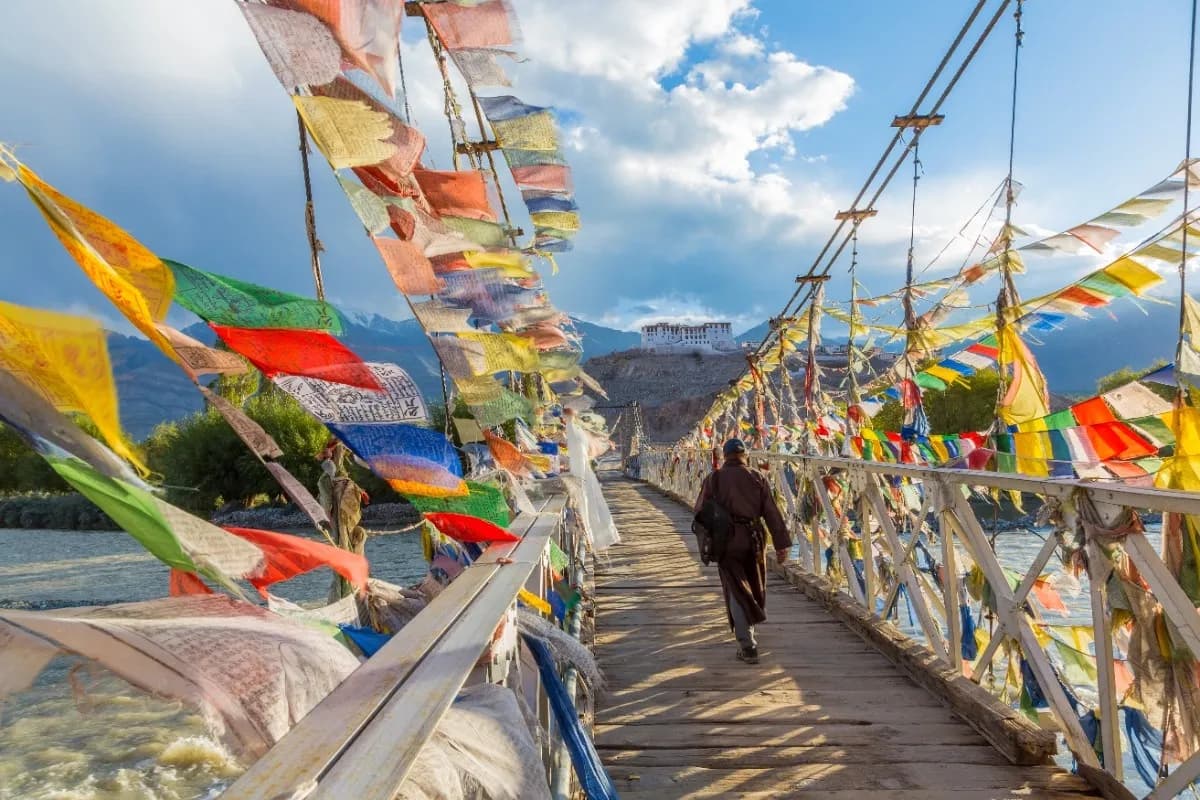
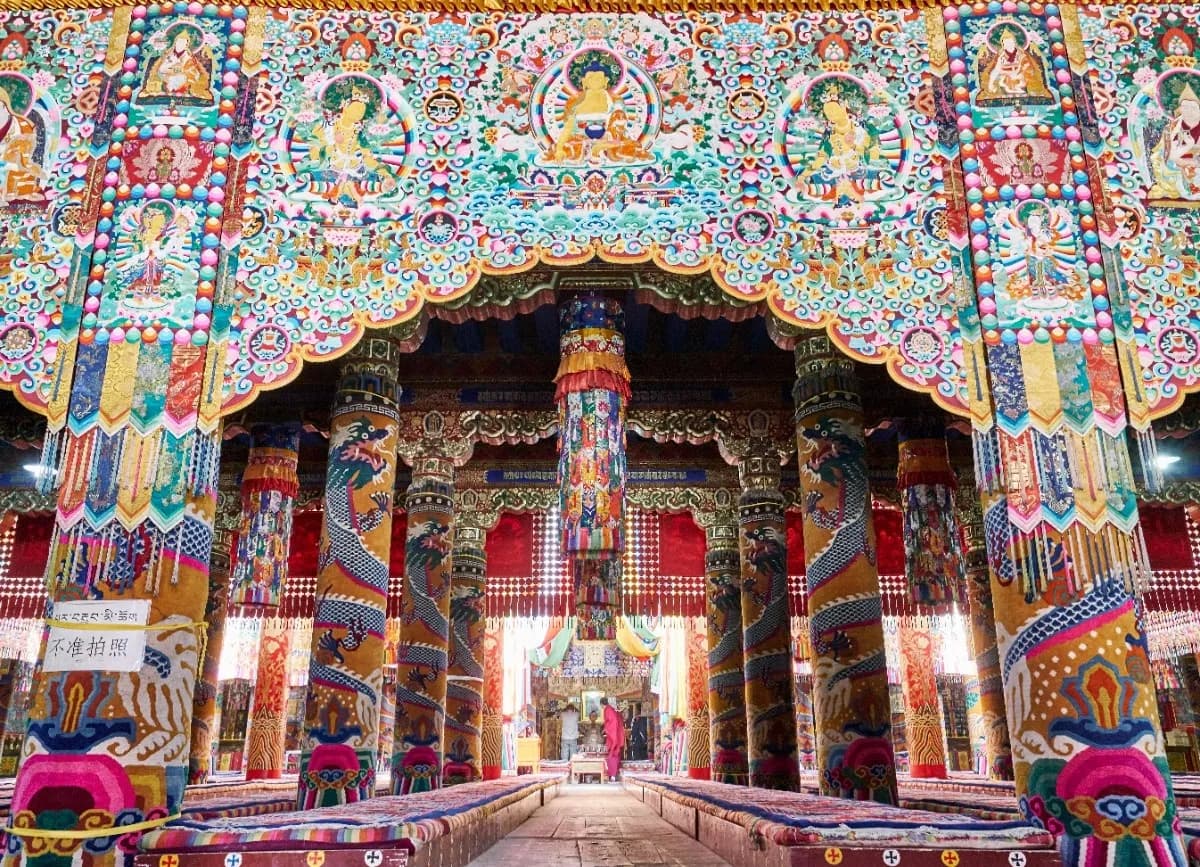
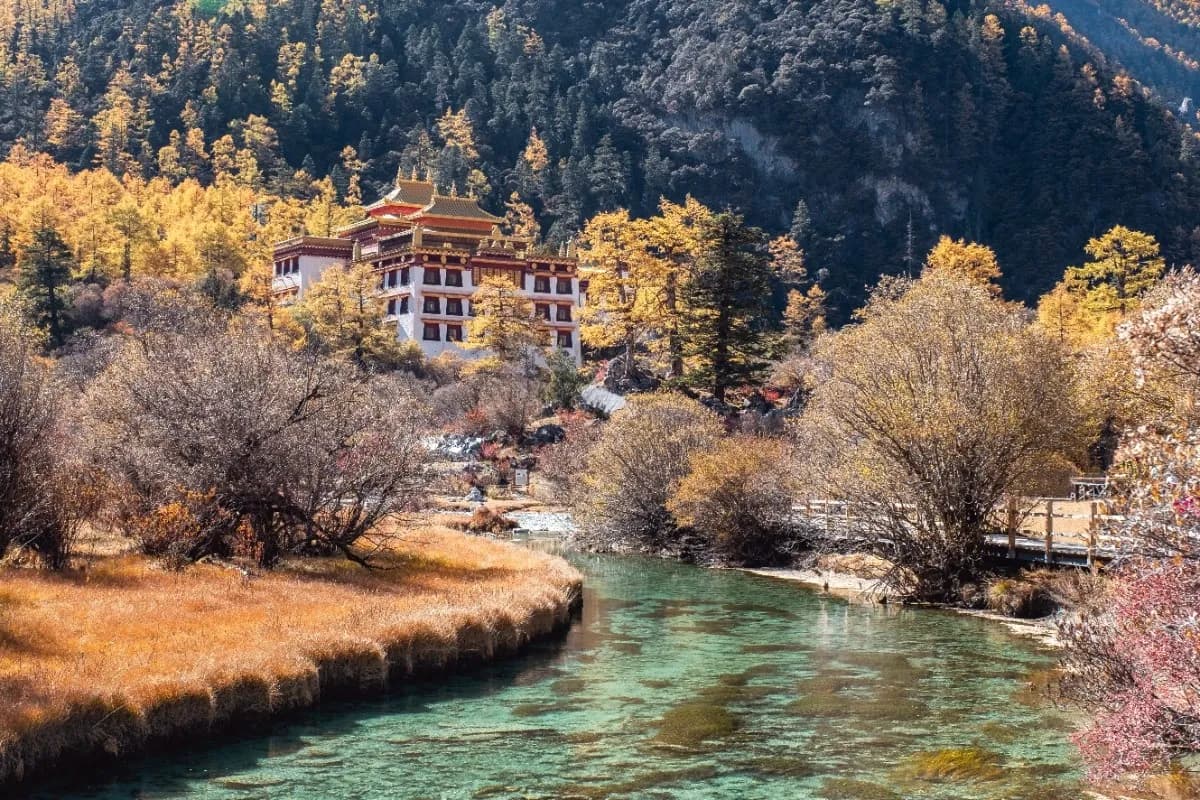
There’s a certain magic about Bhutan that words can barely capture. The fluttering prayer flags, the snow-capped Himalayas, the monasteries, and the warm Bhutanese smiles, Bhutan is a place that tugs at your soul. But here’s the thing: timing matters. Choosing the best time to visit Bhutan can completely change your experience.
For those who’ve been Googling the best month to visit Bhutan or the best season for Bhutan, we hope this blog will help you make up your mind as picking the right season can make the difference in a Good trip and the bad one.
₹44,999
per person
₹40,999
per person
₹32,999
per person
₹52,999
per person
Most of the travelers make the mistake of rushing into bookings without checking the weather or local calendar. And then rain spoils the trek, or winter shuts down the mountain pass. That’s exactly why knowing the best time to travel to Bhutan becomes essential. This blog is your seasonal guide to planning a perfect Bhutan trip. Also, if you’re already thinking about planning your itinerary, don’t forget to check out some carefully designed Bhutan tour packages for your convenience.
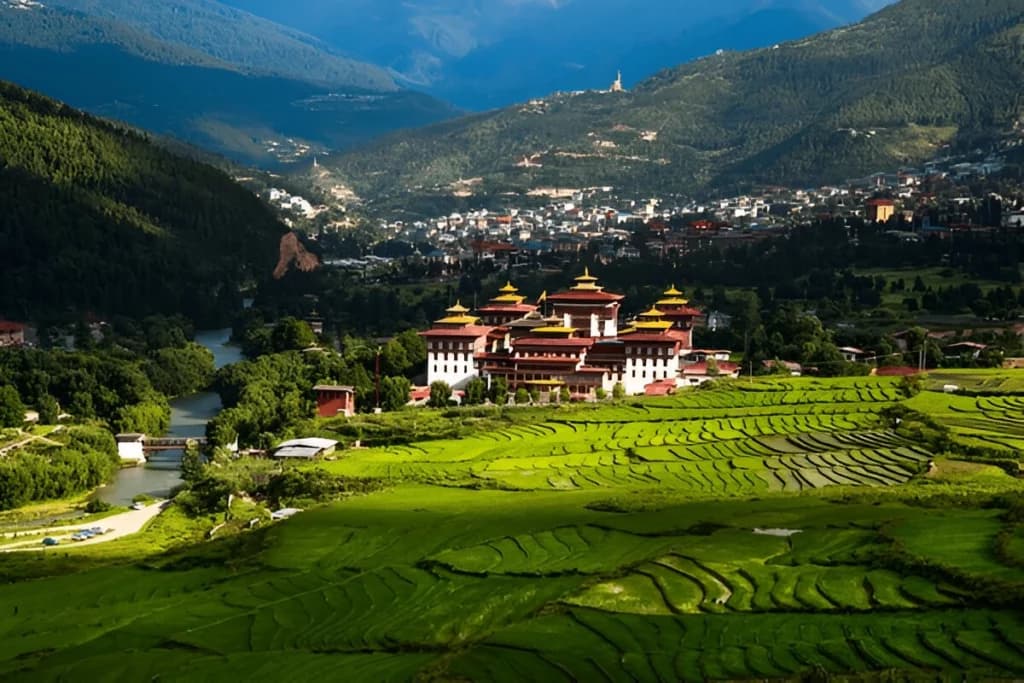
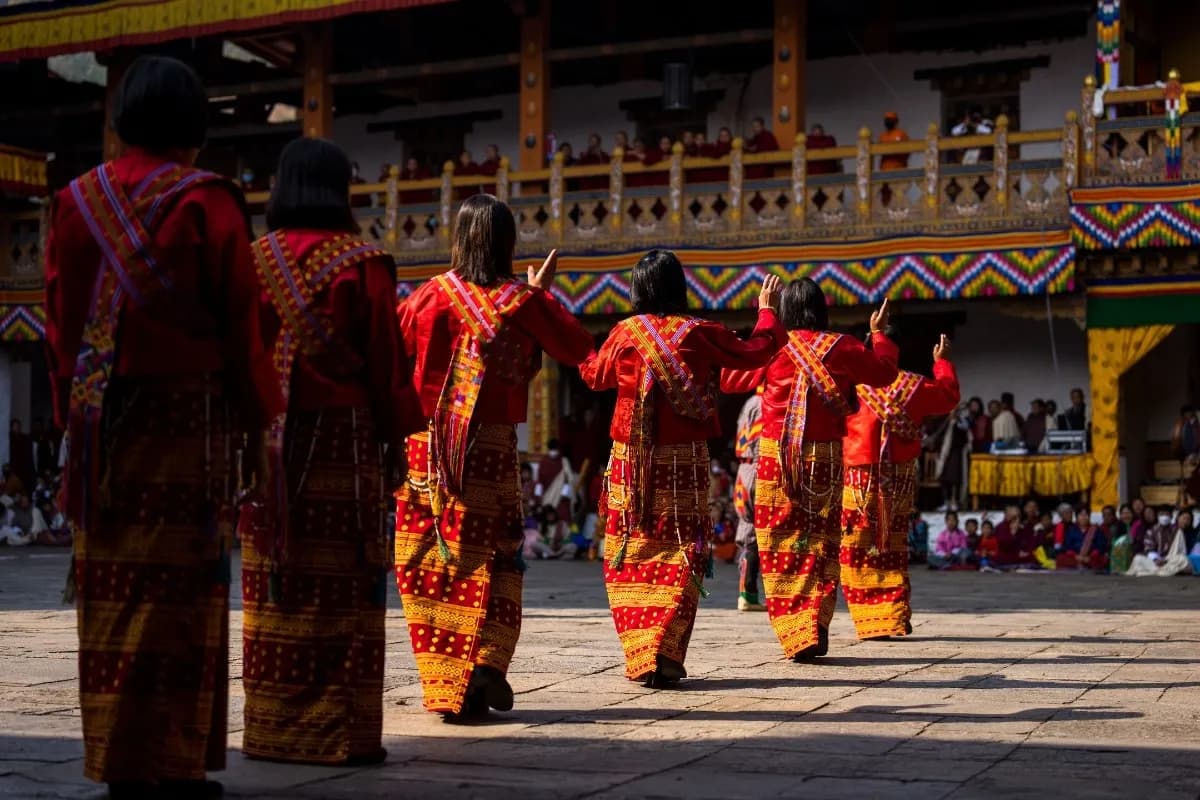
Spring (March to May) and autumn (September to November) is the peak season of Bhutan with temperatures ranging from 15°C to 25°C in spring, and 18°C – 5°C in autumn. This is hands-down the best season to visit Bhutan if you’re looking for crisp weather and stunning views. The skies are clear, flowers are blooming, and major festivals like Paro Tshechu and Thimphu Tshechu light up the country. It’s ideal for sightseeing, hiking, and photography.
During peak season, flights and hotels get booked quickly, so it’s best to plan in advance. But the beauty of this season makes it all worth it. If you’re serious about planning, our Bhutan travel guide can help you navigate the routes, festivals, and even local food joints.
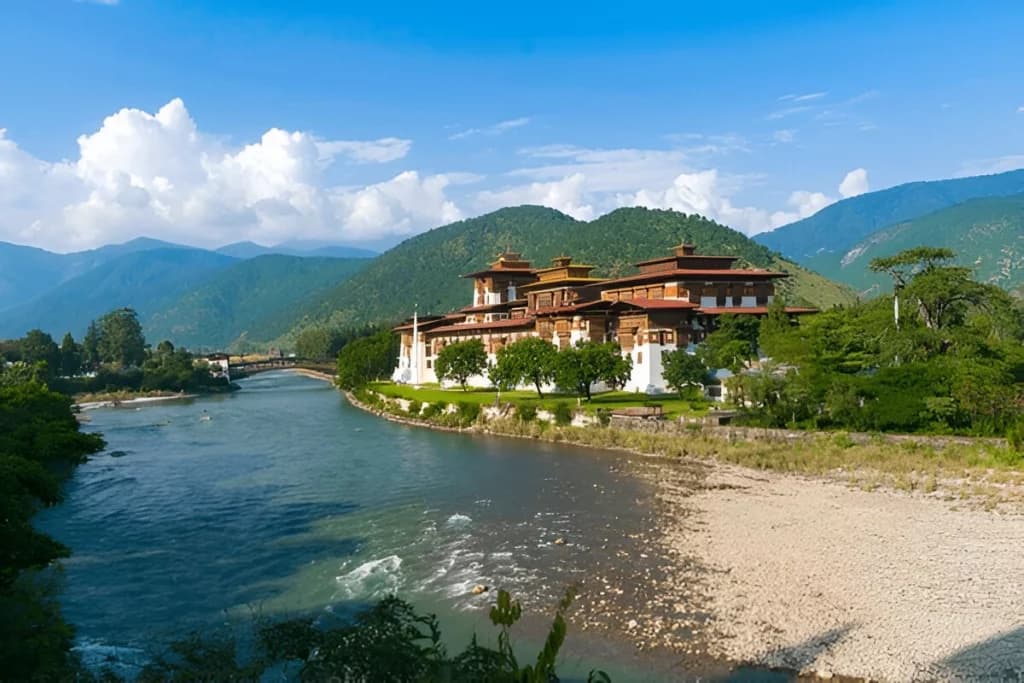
December to February is the shoulder season of Bhutan. This season offers the best of both worlds, means fewer crowds, lower prices, and the beauty of a cold Himalayan winter. The days are sunny and dry, while nights can get freezing. If you love snow or want to visit in peace, this is an underrated gem.
However, not all areas are accessible due to snow. It’s a calm time with local life in full swing and no rush of tourists. Especially for Indian travelers from warmer regions, it offers a different kind of travel thrill.
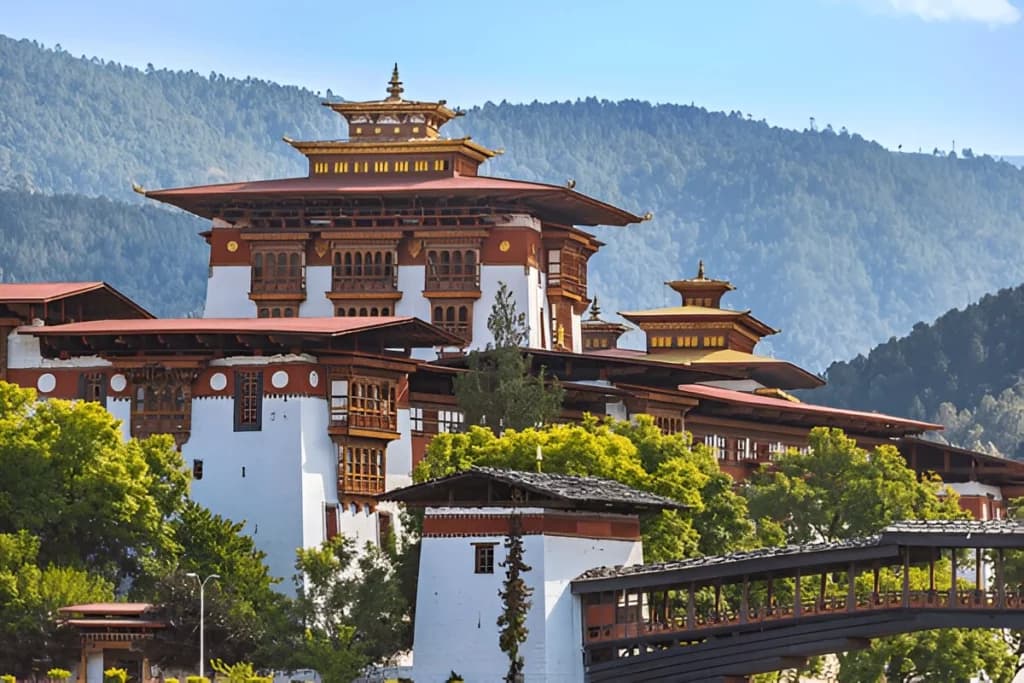
June to August is the waning or the offseason of Bhutan. It’s a love-hate relationship. Bhutan gets heavy rainfall, especially in the southern parts. Landslides and slippery roads can disrupt travel. But there’s a golden lining—lush green landscapes, fewer tourists, and better deals.
If you don’t mind rain and like a quiet vibe, this season has its for you. However, it’s not the best time to visit Bhutan from India if your plan includes trekking or road trips.
Let’s break it down month-wise, so you can decide your best window depending on what you want from your Bhutan trip.
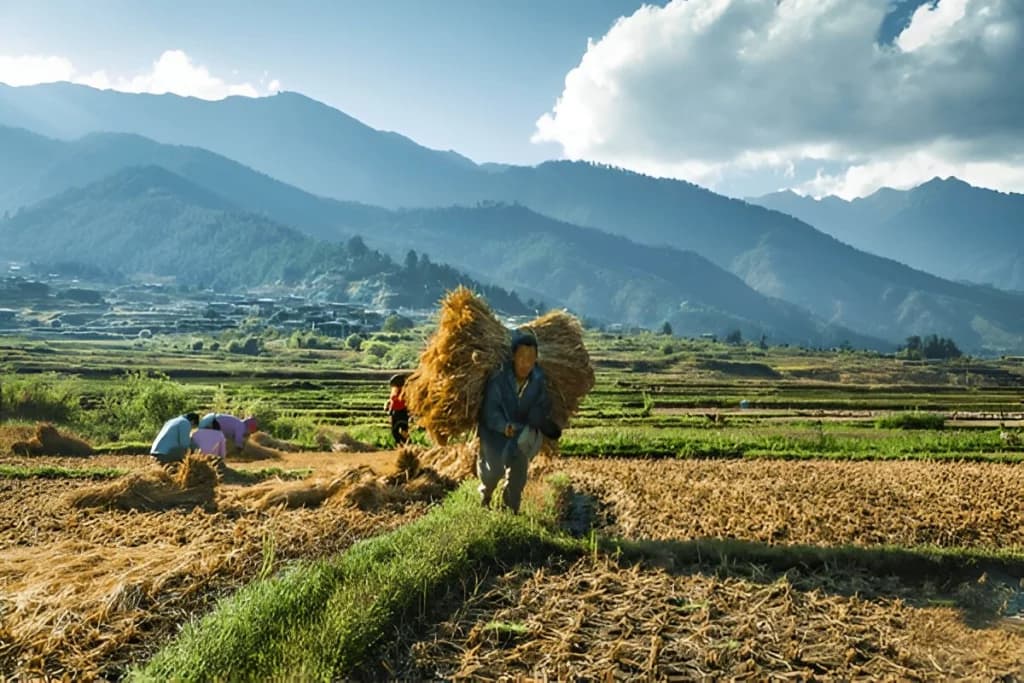
Temperature: 15°C to 25°C
Important Things to Know: Summer in Bhutan is dominated by the monsoon. The rainfall can be quite heavy, especially in the southern parts of the country. Roads, particularly in hilly areas, can get slippery, and landslides occasionally affect travel plans. It’s not the best time to visit Bhutan from India if your focus is trekking or cross-country road trips. However, this season showcases Bhutan’s natural beauty at its greenest, and the crowd-free atmosphere can be a blessing for those seeking quiet time in monasteries and valleys.
Unique Experiences:
Tips:
Also Read: Bhutan in November
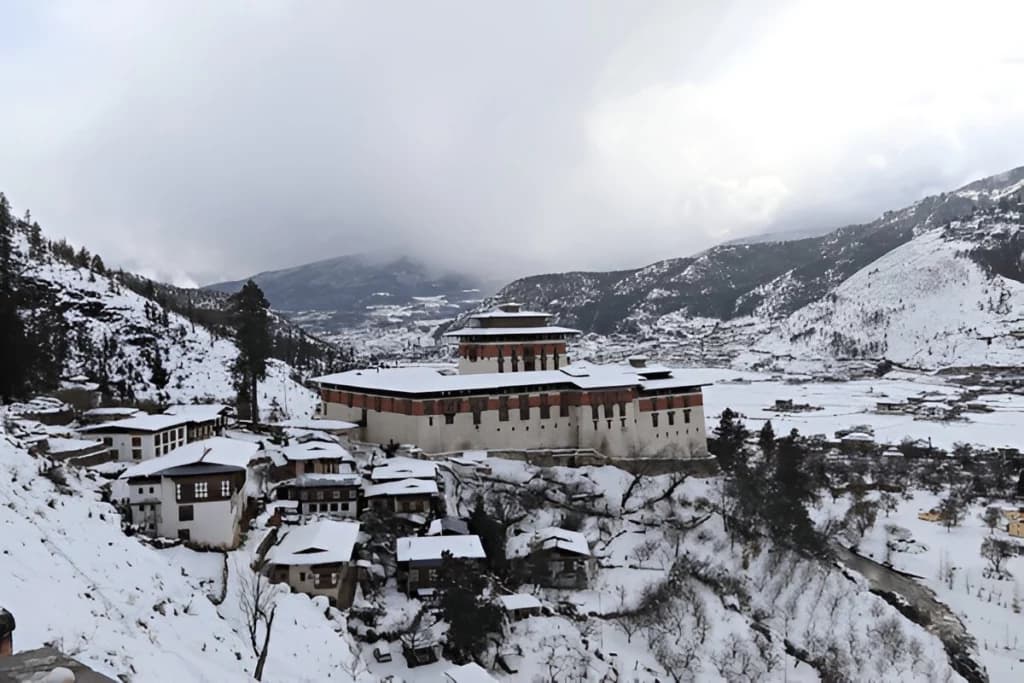
Temperature: -2°C to 15°C
Important Things to Know: Winter in Bhutan is cold and magical. The northern and higher altitude areas like Haa Valley and Bumthang can experience snowfall, while places like Thimphu and Paro remain dry and chilly. The days are sunny, skies are clear, and it’s perfect for sightseeing in cities. However, some mountain passes may close due to snow, so planning short and safe routes is wise. It’s considered the best season for Bhutan if you love snow and cozy mountain vibes. Also, this is one of the most budget-friendly times to travel.
Unique Experiences:
Tips:
Must Read: Bhutan in March
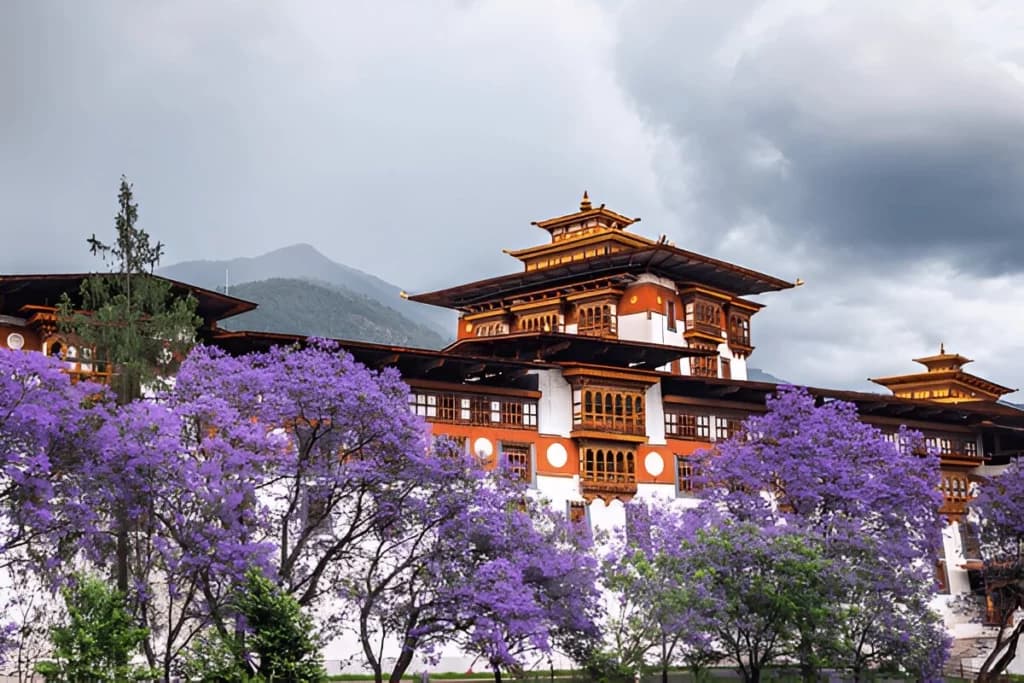
Temperature: 17°C to 27°C
Important Things to Know: The monsoon season sees frequent rainfall, especially in the southern regions. While nature is at its most lush and beautiful, travel can be unpredictable due to landslides or delayed flights. This isn’t the best season to visit Bhutan for trekking or high-altitude adventures, but it is perfect for relaxation, photography, and local experiences. You’ll find great deals on accommodation and hardly any tourist crowd.
Unique Experiences:
Tips:
By now, you can tell that the best time to visit Bhutan really depends on what kind of experience you’re looking for. Adventure, cultural, peace, or even rain.
Also Check: Best Hotels in Paro
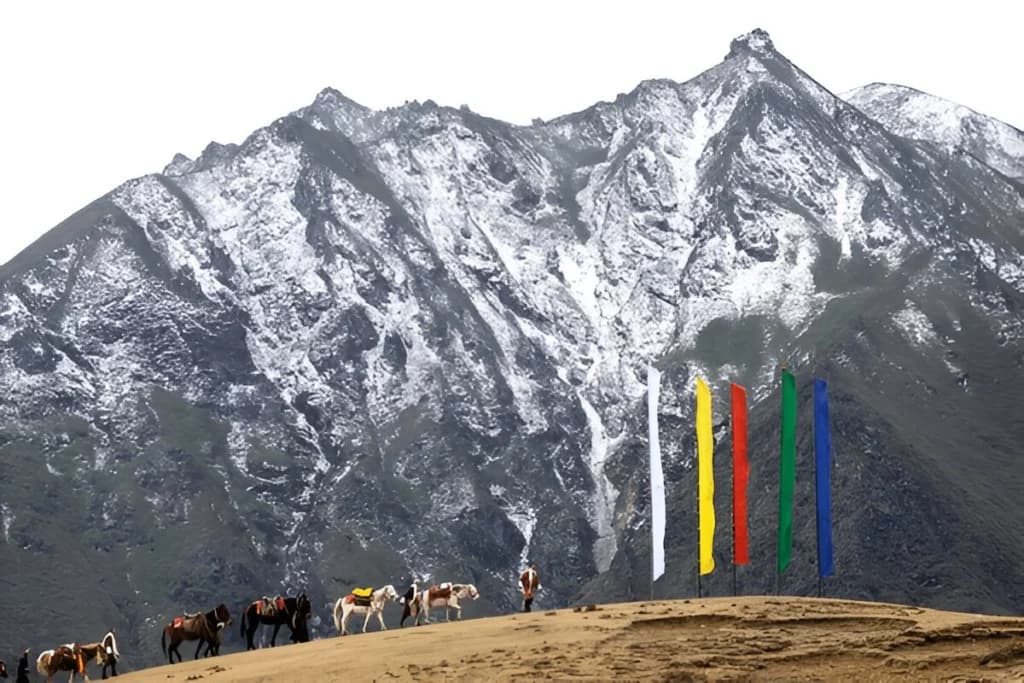
If you’re still wondering about the best time to visit Bhutan? Think about what you value most—festivals, landscapes, weather, or solitude—and plan accordingly.
Also Read: Places to Visit in Bhutan
The best month to visit Bhutan is October. The weather is clear, skies are blue, and major festivals happen during this time, making it perfect for sightseeing and trekking.