 6 Minutes
Punjab, as the name suggests, means “The Land of Five Rivers.” These 5 rivers of Punjab are the heartbeat of the state, shaping its culture, agriculture, and daily life. Flowing across plains and valleys, the rivers of Punjab have given life to lush green fields and are deeply connected to its history and heritage.
In this blog, we will explore the 5 rivers of Punjab, their origin, interesting facts, and why they matter so much to the people of this region. These rivers not only support farming but also hold religious, cultural, and geographical significance. Each river has a story – from ancient times to the present day.
₹10,999
per person
₹12,999
per person
If you’re planning to explore the state, knowing about these rivers will help you understand Punjab better before booking Punjab tour packages that include visits to nearby riverbanks and historical spots.
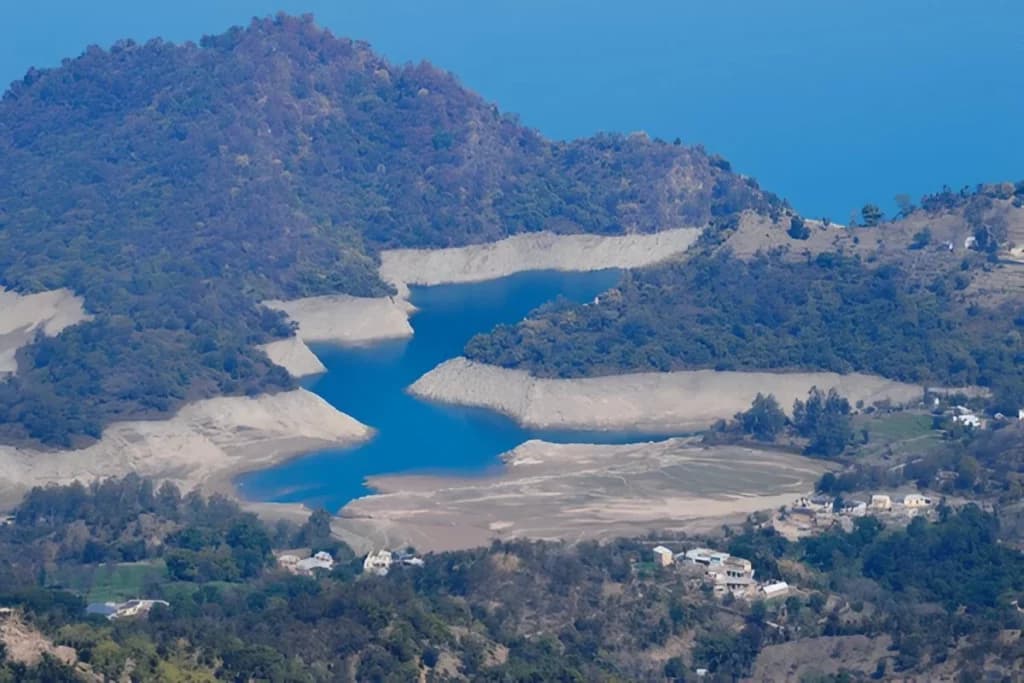
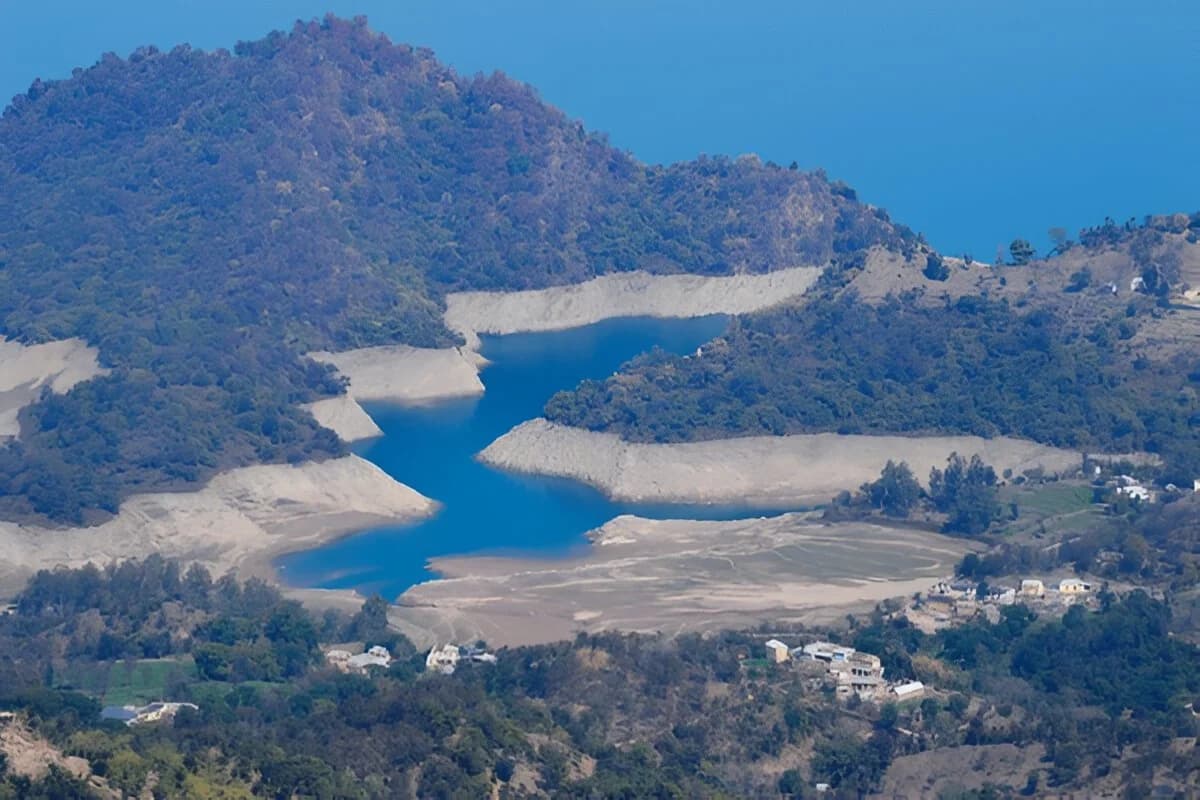
The Sutlej is the longest and most important among the 5 rivers of Punjab. It originates from Lake Rakshastal in Tibet, near Mount Kailash, and enters India through Himachal Pradesh before flowing into Punjab. However, some geologists consider Mansarovar Lake to be its origin because Mansarovar Lake overflows into Rakshastal Lake.
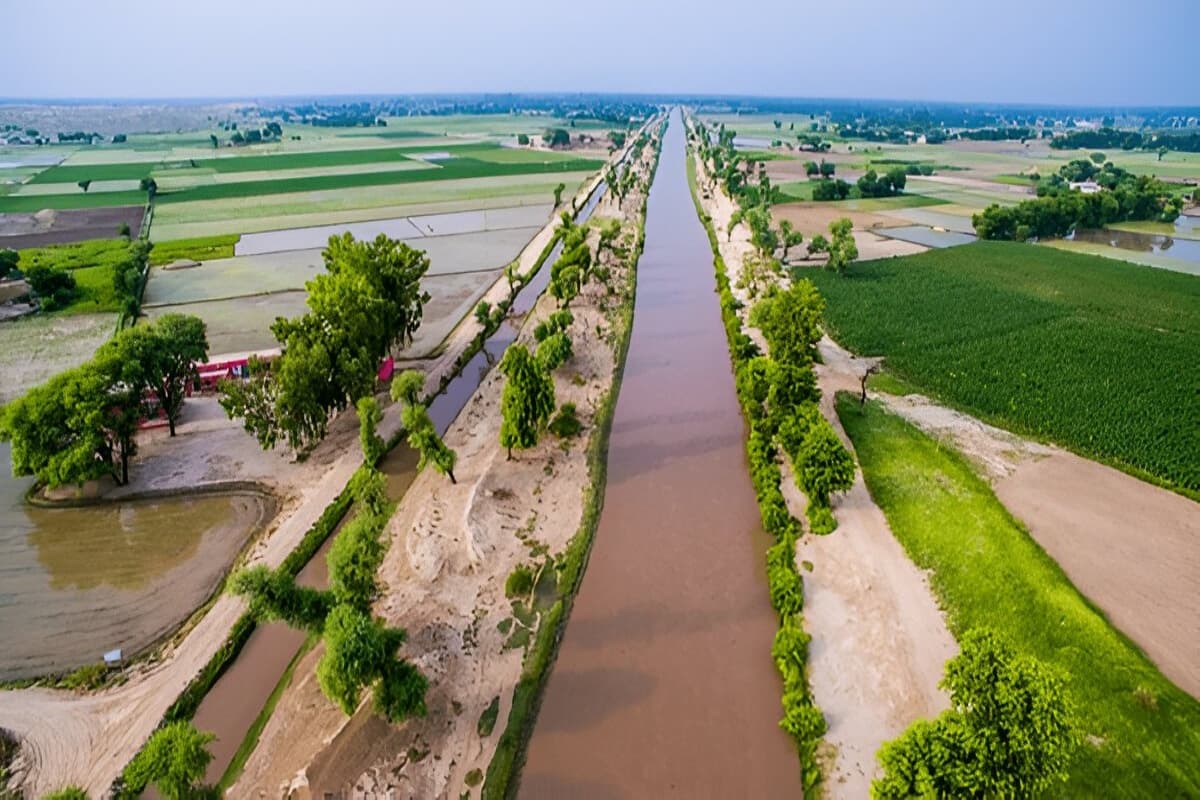
Sutlej is the easternmost river of the Indus River system. It plays a major role in irrigation and is one of the reasons why Punjab is known as the “Granary of India.” The Bhakra-Nangal Dam, one of the highest gravity dams in the world, is built on this river.
The Sutlej has seen centuries of history, from the times of the Indus Valley Civilization to the present-day canals that water the fields of Punjab. Farmers in Ludhiana, Firozpur, and other districts rely on this river for growing wheat and rice, the staple crops of the region. If you’re thinking about the best time to visit Punjab, do plan a trip when the fields are full and green.
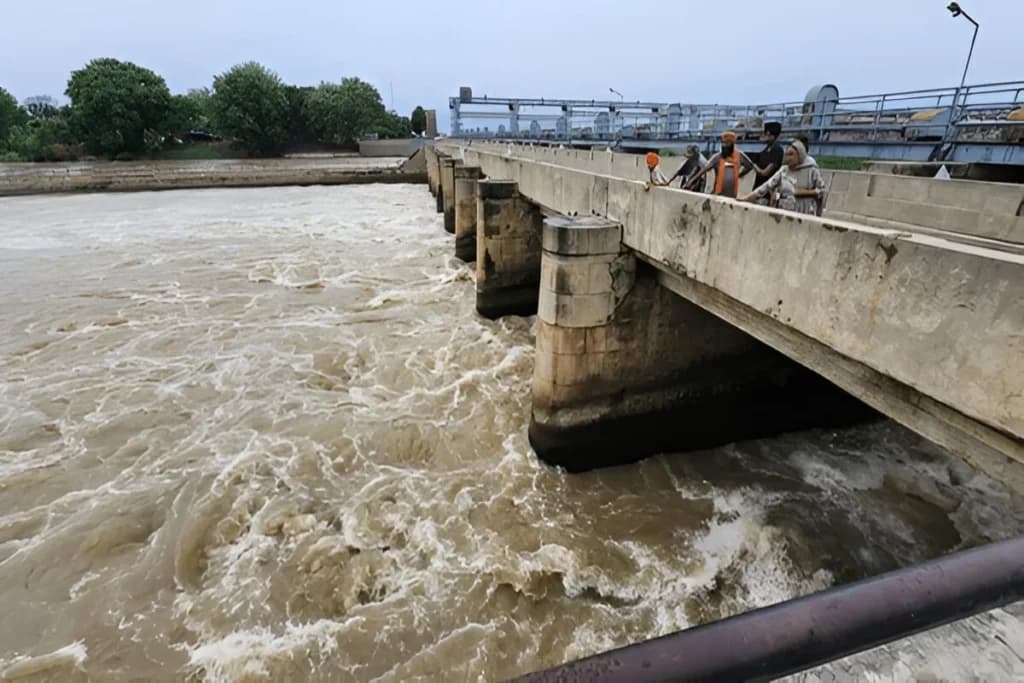
The Beas River is another major river among the 5 rivers of Punjab. It starts from the Beas Kund near Rohtang Pass in Himachal Pradesh and enters Punjab near Mirthal.
This river holds mythological significance as well. It is believed that Rishi Vyas, the author of the Mahabharata, meditated near the banks of the Beas—hence the name. The Beas flows through scenic towns like Kapurthala and Amritsar, adding charm to the landscape.
The Beas plays a huge role in maintaining Punjab’s water balance. Its calm flow and clear waters are ideal for sightseeing during your travels.
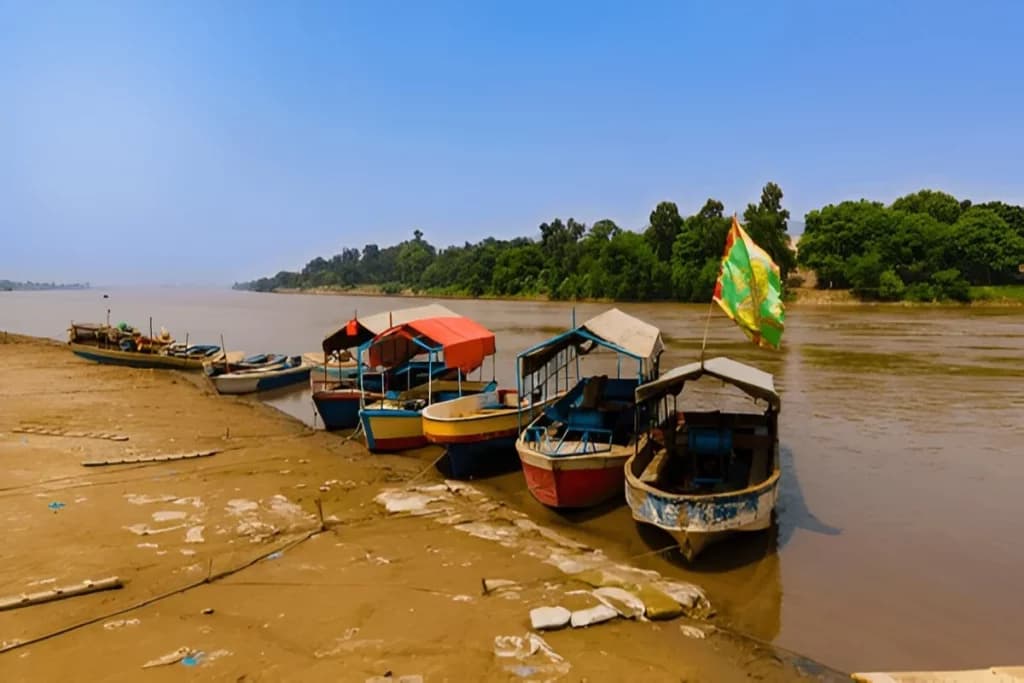
Next on the list of 5 rivers of Punjab is the Ravi River. It originates from the Bara Bhangal region in Himachal Pradesh and flows through the Chamba Valley before entering Punjab and then Pakistan.
The Ravi has a long history and is mentioned in many old scriptures. It was known as ‘Iravati’ in ancient times. This river flows past the city of Pathankot and is vital for agriculture in the region.
The Ravi is relatively shorter but has a powerful presence. Its flow supports the fields and maintains groundwater levels in nearby districts. So, if you’re planning your trip, don’t forget to learn about the rivers that make up Punjab’s backbone.
Must Read: Rivers of Punjab
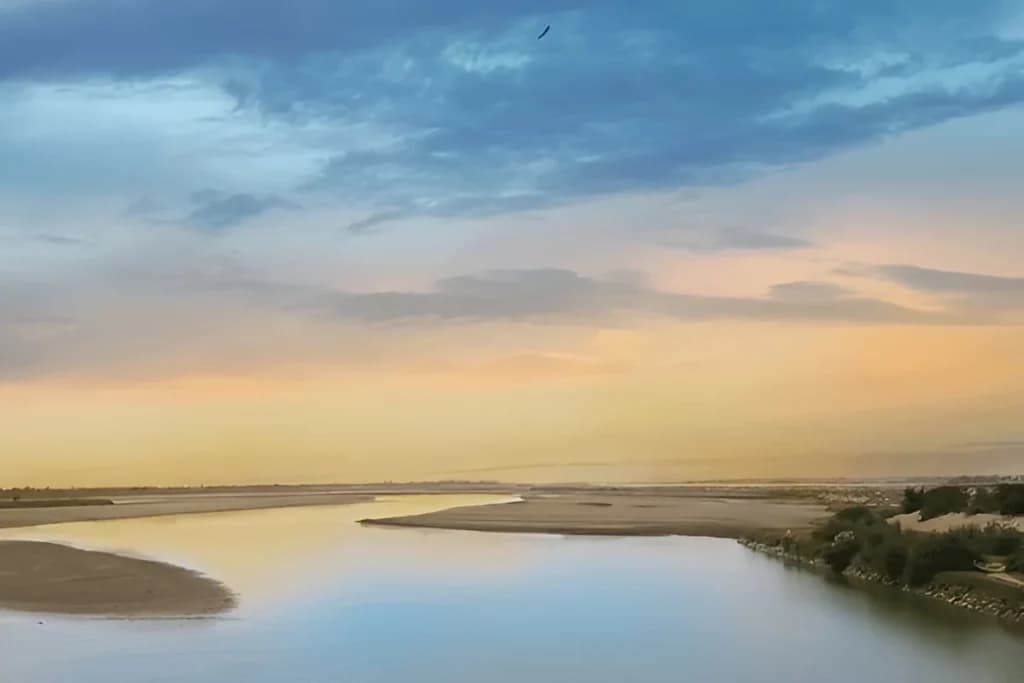
The Chenab River may not flow entirely through Indian Punjab today, but it is still one of the original 5 rivers of Punjab. It begins at the confluence of the Chandra and Bhaga rivers in Himachal Pradesh and flows into Jammu and Kashmir, eventually crossing into Pakistan.
Historically, it was known as ‘Asikni’ in Vedic texts. The Chenab holds emotional and cultural value in Punjabi folklore. One of the most famous love stories, Heer Ranjha, is set along the banks of the Chenab.
The Chenab River is massive and powerful, and its water has been a point of agreement and division between India and Pakistan under the Indus Water Treaty.
Though most of its flow is in Pakistan today, its historical connection to the land and people of Punjab is undeniable. If you read through the Punjab travel guide, you’ll often find mentions of Chenab in cultural references and old legends.
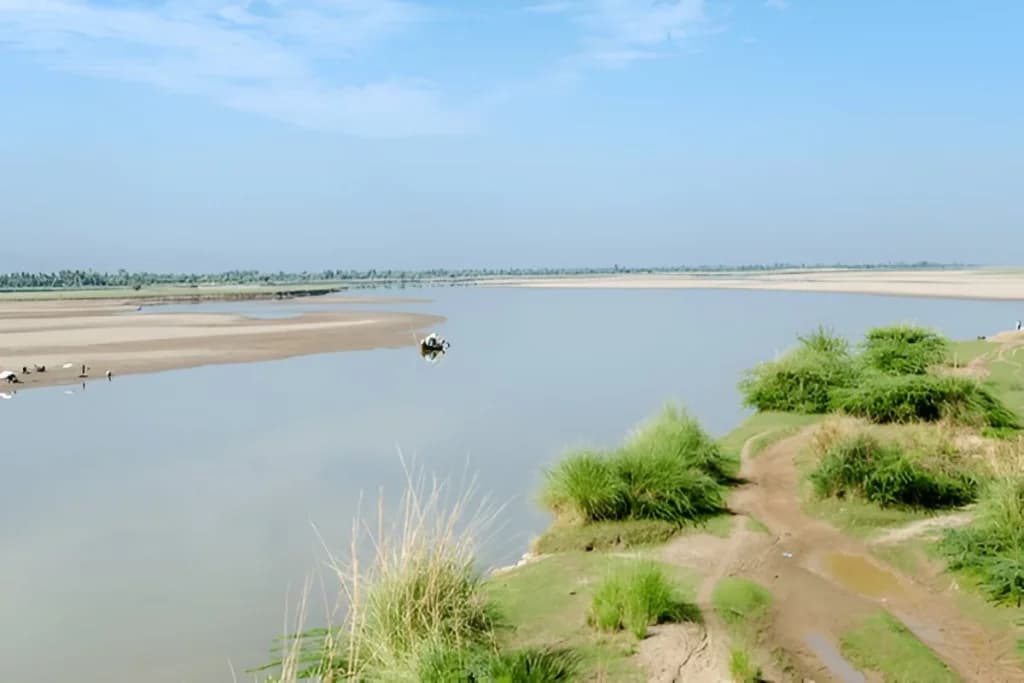
The Jhelum is the fifth in the list of the 5 rivers of Punjab. It originates from Verinag Spring in Jammu and Kashmir and passes through the Kashmir Valley before entering Pakistan.
Though it no longer flows through Indian Punjab, the Jhelum was one of the key rivers in the ancient region of Punjab. It was known as ‘Vitasta’ in old Sanskrit texts. Alexander the Great fought the famous Battle of the Hydaspes near this river in 326 BCE, where he defeated King Porus.
Jhelum is among the top places to visit in Punjab and has old links through stories, culture, and memories. Even though borders have shifted, the emotional and historical bond with the river remains strong in the hearts of Punjabis.
The 5 rivers of Punjab are: