Author page hero image

About Author

Samyak kanjilal

Samyak kanjilal

Author

Samyak’s Work

Spiti Valley’s 500 Million Year Secret - Spiti Valley History
May 25, 20267 Minutes
Spiti Valley’s 500 Million Year Secret - Spiti Valley History
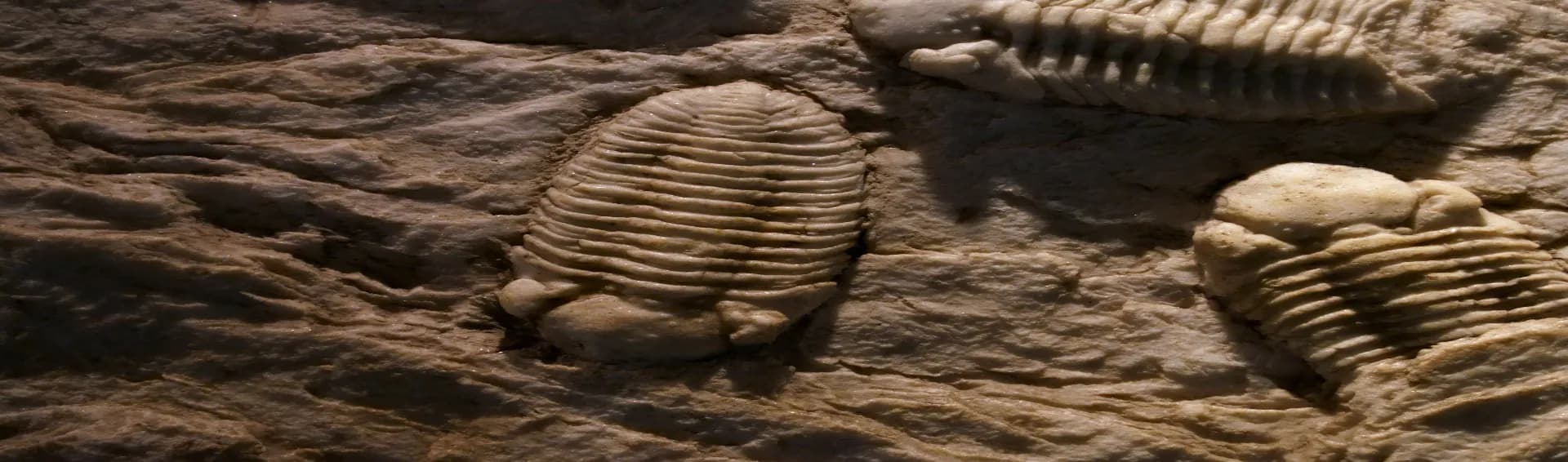
There’s a strange moment that almost every traveler experiences in Spiti. You’re standing somewhere near Langza, surrounded by silent brown mountains at nearly 14,000 feet, when someone casually points at a fossil lying on the ground. A real marine fossil. In the middle of a cold desert. Together, let’s uncover the Spiti Valley history, so next time when you visit Spiti, you know the story of it.Today, travelers searching for the best places to visit in Spiti Valley usually come for the road trips, monasteries, and mountain views. But very few realize they are driving across what was once the floor of an ancient ocean.That is Spiti’s biggest secret. Long before Kaza became a tourist destination, before bikers filled the roads, before monasteries appeared on cliffs, this land was underwater. Not hundreds or thousands of years ago, but millions of years ago.And honestly, once you know the story behind Spiti, the mountains stop looking like normal mountains. You will know the exact reasons why Spiti Valley Packages are so popular.Chapter One: When Spiti Was Under the Tethys SeaAround 500 million years ago, the region we now call the Spiti Valley was submerged under the ancient Tethys Sea. It is difficult to imagine today because the landscape now looks dry, rocky, and almost alien, but this entire region was once underwater.That’s why marine fossils still appear across here, and that’s how Langza became the fossil village. Fossilized shells and tiny sea organisms became trapped inside rocks over millions of years. Even today, travelers walking through parts of Spiti can spot spiral fossils lying near mountain trails. Your brain struggles to connect the two realities.This happened because of tectonic movement over millions of years. Slowly, layers of sediments from the seabed hardened into rocks. That’s also why many Spiti mountains look layered and folded, almost like giant sheets of paper stacked over each other.In recent years, fossil tourism has become increasingly popular in Spiti. Locals sometimes sell fossils to travelers, although responsible tourism groups in 2026 are encouraging people not to remove important geological remains from the region.Chapter Two: The Himalayan Collision That Changed EverythingThe reason Spiti no longer sits underwater is that one of the biggest geological collisions in Earth’s history changed everything.Millions of years ago, the Indian tectonic plate slowly crashed into the Eurasian plate. The collision pushed the seabed upward over time, eventually forming the Himalayan range. That process is still technically happening today.According to the Spiti Valley history, it rose from the ancient ocean floor and transformed into a high-altitude cold desert. Unlike places such as Manali or Shimla, Spiti receives very little rainfall because the Himalayas block most monsoon clouds.That’s why the mountains here look harsher, rougher, and far less green. In many ways, Spiti is still helping scientists understand Earth’s ancient history.The internet won’t show you everything. These lesser-known Places to Visit in Spiti Valley are where the real magic is.Chapter Three: The First Humans (1st–15th Century CE)Long before tourism existed, survival in Spiti itself was an achievement. Early settlers learned to adapt to freezing winters, limited farming seasons, and complete isolation for months at a time. Villages slowly developed near rivers because water meant survival.Mud houses became the smartest solution against the cold. Even today, many old homes in villages like Dhankar and Tabo feel frozen in time.One detail travelers immediately notice is how unusually small many traditional doors are. They were intentionally designed that way to trap heat inside homes during brutal winters.Spiti also became an important part of the old Indo-Tibet trade routes. Traders moved salt, wool, barley, and livestock across these dangerous mountain paths for centuries.Back then, roads did not exist the way they do today. Journeys often took weeks through high mountain passes that now tourists cross in a few hours.And honestly, when you see the terrain in person, it becomes difficult not to respect the people who survived here hundreds of years ago.Chapter Four: Buddhism Arrives (10th Century CE Onwards)Over time, Tibetan Buddhism deeply shaped Spiti’s identity. Monasteries became centers of learning, shelter, culture, food storage, and survival. The famous Tabo Monastery, often called the “Ajanta of the Himalayas,” was founded more than a thousand years ago and still remains one of the most important Buddhist centers for Spiti Valley history and religious importance.Key Monastery later became another spiritual and cultural landmark above the Spiti River. The influence of Tibet slowly entered every part of Spitian life like food, clothing, language, festivals, architecture, and daily routines.Even today, Spiti is culturally different from most parts of Himachal Pradesh.During harsh winters and periods of political instability, monks protected ancient scriptures and manuscripts inside monasteries.Chapter Five: Spiti Before Tourism (Before 1990s)Before the tourism boom, Spiti was one of the most isolated regions in India. Until the 1990s, roads remained extremely limited and dangerous. Heavy snowfall would cut off entire villages for months. Electricity was unreliable, communication was difficult, and many families depended almost entirely on local resources.Older locals still talk about the “silent Spiti” they grew up in, a time before internet cafés, bike convoys, and social media tourism. Some elders in remote villages even today describe distance in walking hours instead of kilometers because roads arrived relatively recently in their lifetime.And while tourism has improved income opportunities today, many locals admit that the old Spiti was way calmer and more connected to nature.Chapter Six: The Spiti We See Today (2000s–2026)The moments in the Spiti Valley history have shaped the Spiti Valley we see today, and it is changing rapidly. Social media, biking culture, travel vlogs, and remote work trends transformed the valley over the last decade. Villages once known only to researchers and trekkers are now appearing regularly on travel reels and bucket lists.Kaza today has cafés, internet connections, boutique homestays, co-working spaces, and travelers from around the world. Places like Langza became globally famous not just for mountain views but also for fossils and ancient geological history. Ironically, many popular things to do in Spiti Valley today are directly connected to its ancient past.From fossil hunting to monastery stays and village walks, travelers are unknowingly exploring pieces of Earth’s geological timeline. Road connectivity through both the Shimla and Manali routes has also improved accessibility significantly in 2026. That convenience has increased tourism numbers massively.But there’s also a growing concern.Spiti’s ecosystem is fragile. Water shortages, waste management issues, reckless off-roading, and overcrowding during peak months are becoming serious problems.The valley may look endless and empty, but its environment is surprisingly delicate.And that creates an important question for travelers: Can Spiti remain authentic while becoming more popular every year?Final ReflectionThe reason Spiti feels ancient is that it truly is ancient. Every fossil, monastery, mountain layer, and village road carries part of a timeline far older than human civilization itself.This is not just another mountain destination where people come for pretty views.But Spiti tells a story - one that began under an ocean hundreds of millions of years ago and continues evolving even today.If you’re planning a 2026 Spiti trip, Viacation’s curated Spiti tours help travelers experience not just the scenery, but also the stories, villages, monasteries, local culture, and Spiti Valley history hidden behind these mountains. Explore responsibly, travel slowly, and give yourself enough time to truly understand Spiti beyond the road trip photos.Every traveler does Spiti differently, make yours count with these Things to do in Spiti Valley.

Read More

10 Authentic Food in Spiti Valley Every Traveler Must Try
May 25, 20265 Minutes
10 Authentic Food in Spiti Valley Every Traveler Must Try
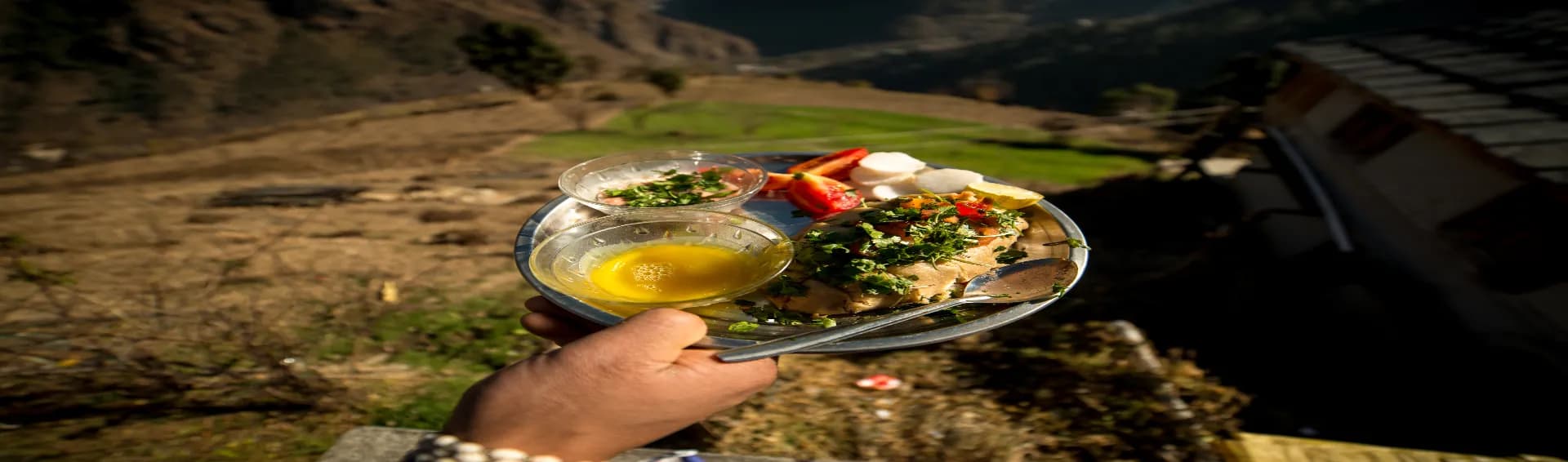
Spiti is not the kind of place where you come expecting fancy food streets. Spiti is a remote region, and its isolation has shaped its food culture. Food in Spiti exists because survival here is difficult. The weather is brutal for half the year, farming is limited, and ingredients are not easily available. That is exactly why local meals feel honest, warm, and surprisingly comforting after long drives at 14,000 feet.If you are planning to explore local culture through food, these authentic foods in Spiti Valley deserve a place in your Spiti Valley Packages. Let’s discuss the list of 10 real and authentic foods that are consumed by locals throughout the year.How Spiti’s Food Culture Is Different From the Rest of HimachalFirst of all, do you know why Spiti Valley’s food is very different from places like Manali, Kasol, or Shimla? Here, Tibetan influence dominates local kitchens, which is why meals are simpler, warmer, and designed for harsh Spiti Valley weather rather than restaurant-style presentation.The growing season is extremely short, so locals depend heavily on barley, potatoes, peas, yak dairy, preserved vegetables, and meat. You will notice fewer spices and almost no oily gravies compared to North Indian food.Locals’ eating habits change at high altitude. Suddenly, soups, steamed breads, and butter tea start making more sense than heavy restaurant meals.Food in Spiti Valley: What People Really Eat in Spiti1. Thukpa – Spiti’s Lifesaver in Cold WeatherThukpa is probably the first local dish most travelers try in Spiti, and for good reason. This hot noodle soup comes loaded with vegetables, herbs, and sometimes chicken or meat. Roadside dhabas between Kaza and Tabo serve some surprisingly good versions. The broth here tastes lighter and cleaner than the heavily spiced restaurant versions found in cities.A lot of travelers underestimate how tiring altitude becomes until they sit down with steaming Thukpa after crossing Kunzum Pass. It remains the most searched comfort food in Spiti Valley.2. Tingmo – The Soft Tibetan Bread You’ll End Up Ordering AgainTingmo is a soft steamed Tibetan bread usually served alongside curries, soups, or vegetable dishes. It's light, airy, and spongy. It has a mild, slightly sweet taste that makes it highly versatile. It looks basic, but it works perfectly in Spiti’s cold climate because it feels light and filling at the same time.Many monasteries and homestays still prepare Tingmo traditionally by hand. Unlike fried breads, it sits comfortably on the stomach even at high altitude.Interestingly, some cafés in Kaza have started serving it with mushroom gravy and local herb sauces for tourists. But honestly, the homemade versions still taste better. You can find it in your homestay in Spiti Valley.3. Butter Tea – The Drink That Confuses Everyone FirstButter tea is the most misunderstood drink in Spiti. It is salty, buttery, and completely different from normal Indian chai. Most tourists take one sip and immediately look confused.But after cold mornings in Langza or Hikkim, people slowly understand why locals drink it constantly. The yak butter provides warmth and energy during freezing temperatures.You may not love it instantly, but it becomes part of the experience. And unlike tourist café beverages, butter tea tells you something real about life in Spiti.4. Momo – But Not the Delhi VersionSpiti-style momos are very different from the overloaded street-style versions found in cities. The outer layer is usually thicker, the fillings are simpler, and the chutney tastes more homemade than commercial. Here, you will notice that you have been eating the wrong chutney for years, until you taste the same chutney here.You will find both vegetarian and meat options across Kaza, Tabo, and small village cafés. The best ones are often served inside family-run kitchens rather than trendy tourist cafés.One noticeable difference is the lack of excessive oil or masala. The flavors stay clean and comforting, which works better in high-altitude weather.5. Chhang – The Traditional Local Drink of SpitiChhang is a traditional, mildly alcoholic fermented barley-based drink commonly consumed in Spiti villages during festivals and social gatherings. It has deep cultural importance and is often offered to guests as a gesture of hospitality.The flavor can feel unfamiliar initially, especially for first-time travelers, but locals consider it an important part of mountain culture. In remote villages, sharing Chhang is less about drinking and more about community conversations during cold evenings.This is where Spiti reveals itself slowly, explore the most unforgettable Places to Visit in Spiti Valley.6. Skyu – The Most Underrated Comfort Food in SpitiSkyu is one of those dishes most tourists accidentally miss because it rarely appears on café menus. It is made using handmade wheat dough pieces cooked slowly with vegetables and sometimes meat.Trekkers and bikers absolutely love it after exhausting travel days because it feels heavy, warm, and filling without being overly spicy. Honestly, the best Skyu is usually served inside homestays. Travelers rushing through Spiti often focus only on viewpoints and completely miss authentic local dishes like this.7. Sea Buckthorn Juice – Spiti’s Natural Energy DrinkThis food in Spiti grows naturally in the cold desert terrain of Spiti and has become an increasingly popular fruit among travelers. The juice tastes slightly sour and sharp, which surprises many people initially.Locals talk about its health benefits and energy-boosting properties. This is their replacement for sugary packaged drinks; this actually feels refreshing. Many bikers who know about this carry bottled Sea Buckthorn juice during long rides through remote routes.8. Yak Cheese & Local Dairy ProductsAs cows are uncommon in high-altitude places like Spiti, yaks are the common source of dairy products. In higher villages near Kibber and Komic, travelers sometimes get the chance to try local yak cheese and dairy products. The texture is stronger and firmer compared to regular cheese.However, its availability depends heavily on the season, so not everyone gets lucky enough to try authentic versions. What makes these products special is not luxury, but the effort required to produce dairy in such extreme weather conditions.9. Madra – Himachali Influence in Spiti Food CultureMadra is a traditional Himachali dish made using chickpeas and yogurt-based gravy. While it is more common in lower Himachal regions, you still find versions of it in parts of Spiti.This dish reflects the cultural crossover between Tibetan and Himachali food traditions. The flavors are richer compared to most Spitian dishes but still less spicy than standard North Indian curries. It is one of the few dishes that shows how Spiti’s food culture slowly changes as you move across different regions.10. Apricot Jam & Local Bakery ItemsMany travelers do not expect Spiti to have good bakery culture, but cafés in Kaza have evolved rapidly in recent years. There, you can find homemade apricot jam which is one of the most loved local specialties among tourists.The flavor tastes fresher and far less sugary than packaged market jams. Homestays often serve it with toast, pancakes, or local bread during breakfast.Final RecommendationThe food in Spiti is not luxurious, and honestly, that is exactly why people remember it. You remember the hot soup because the weather was freezing. You remember the butter tea because there was nothing else around for miles. And you remember the people serving the food because hospitality in the mountains feels genuine.If you are planning a Spiti Valley trip, Viacation can help you explore local stays, authentic food experiences, and updated itineraries that go beyond regular tourist stops.The same place feels completely different in different months, choose the best time to visit Spiti Valley.

Read More

Hidden Villages of Spiti Valley - The Places Beyond Kaza (2026 Updated)
May 25, 20265 Minutes
Hidden Villages of Spiti Valley - The Places Beyond Kaza (2026 Updated)
Most people visit Spiti Valley in the exact same way. Reach Kaza, visit Key Monastery, click photos at Chicham Bridge, eat at a café, and move on. That version of Spiti is only scratching the surface.The real Spiti still exists in villages hidden deep in the establishments where mobile signals disappear for hours. These places are quieter, slower, and honestly, far more memorable than crowded tourist stops.Things are changing quickly. Better roads, viral reels, and rising tourism are slowly pushing even remote villages into mainstream travel circuits. That is exactly why now is the right time to explore the hidden villages of Spiti before it becomes another overexposed mountain destination.If you are planning a Spiti valley tour or looking at Spiti Tour Packages, skip the rushed checklist itinerary for once. These villages are where Spiti actually feels alive.Langza - The Fossil VillageSituated high above Kaza, Langza looks unreal the first time you see it. The giant Buddha statue facing snow-covered mountains almost feels staged for photographs, but the village itself is much more interesting than the famous viewpoint.Langza is famous for marine fossils, especially ammonite and shell fossils, which are millions of years old. What makes this shocking is that Langza sits high in the Himalayas today. Scientists believe this region was once underwater as part of the ancient Tethys Sea before the Indian and Eurasian tectonic plates collided and pushed the seabed upward, eventually forming the Himalayas. Even today, locals sometimes find fossils after rainfall or small landslides around the village.Did you know that Langza becomes unreachable every year for almost 6 months? It's because of heavy snowfall, and the roads become blocked. Locals work 6 hard months so save food and survival items, so that they can live those 6 months without problems.Demul - An Unfiltered VillageFor travellers searching for offbeat Spiti Tour experiences or hidden Spiti Valley Villages, Demul is easily one of the most underrated stops in Spiti Valley. Located about 32 km from Kaza, it is globally celebrated for its sustainable, community-run homestay network. A genuinely peaceful village away from the noise of Kaza. That is exactly why it stands out. Evenings here become strangely quiet after sunset. No loud music, no traffic, no crowd noise. Just cold winds and occasional conversations near traditional mud homes. Many locals still follow old farming routines, and homestays serve simple meals made from barley, potatoes, and local vegetables.What makes Demul special is authenticity. It is like a real Himalayan village, not a tourist product designed for social media.Dhankar Village - The Side Most Tourists Never SeeMost people know Dhankar because of the monastery. Very few actually explore the village behind it. And honestly, that is where the real experience begins.The narrow mud lanes, old cliffside homes, and valley views make Dhankar feel timeless. One underrated part of staying here overnight is the atmosphere after tourists leave. The monastery becomes quieter, the mountains turn golden during sunset, and the valley suddenly feels much larger and emptier.You can also go for a short trek to Dhankar Lake; the trek is roughly 3 to 6 km round-trip, which is worth the effort. The altitude hits hard, but the lake surrounded by barren mountains feels almost surreal.Network issues still happen frequently here. Carry cash, download offline maps, and do not expect luxury stays.Komic - World’s Highest Motorable VillageKomic is famous for being one of the world’s highest motorable villages, but the altitude here is no joke. Even people who feel perfectly fine in Kaza sometimes struggle here.Walking fast feels exhausting, breathing becomes heavier, and the weather changes aggressively. Sunshine can suddenly turn into snowfall or freezing winds within minutes. But that harshness is also what makes Komic unforgettable.It has the world’s highest restaurant at the top which serves local authentic Himlachali dishes like momo, thukpa, butter tea, etc. Most tourists visit Komic during daytime and rush back to Kaza before evening. That means nights here remain incredibly peaceful. If you can handle the altitude, staying overnight completely changes the experience. For travellers planning a proper Spiti Valley road trip, Komic deserves more than a rushed photo stop.Planning blindly is risky here, understand the best time to visit Spiti Valley before committing.Kakti - The Tiny HamletKakti is not the kind of place that appears on every Spiti itinerary. In fact, many travellers crossing Spiti have never even heard its name. That alone says a lot.Kakti is officially recognized as India's smallest village, distinguished by the fact that it contains exactly one traditional house. Located in the sub-divisional Kaza region of the Spiti Valley, Himachal Pradesh, this unique high-altitude settlement sits at an elevation of roughly 3,800 metres (12,460 feet).The interesting thing about Kakti is that infrastructure is slowly improving. Roads are getting better, and tourism will eventually increase here too. But right now, it’s raw and untouched compared to mainstream Spiti destinations.Honestly, villages like Kakti divide travellers into two categories. Some get bored within an hour. Others suddenly realise this is exactly what they came to Spiti searching for.Gue - Home to India’s Mysterious Monk MummyLocated close to the Indo-Tibet border region, Located in the remote Spiti Valley of Himachal Pradesh, Gue is a tiny, border-sensitive village famous for housing the 500-year-old naturally preserved mummy of a Buddhist monk named Sangha Tenzin.But beyond the mummy, Gue itself deserves attention. There are almost no tourist crowds, very few cafés, and limited accommodation options. That isolation is exactly what gives the village its charm. Nights here feel incredibly silent, with almost no artificial light around.One thing to remember, travellers visiting Gue should fuel up properly before entering this side of Spiti because petrol pumps are limited.Mud Village — The End of the RoadMud Village (or Mudh), located at an altitude of 3,810 meters in Himachal Pradesh's remote Pin Valley, is literally where the motorable road ends. It serves as the gateway to the Pin Valley National Park and the legendary Pin-Parvati and Pin-Bhabha trekking passes.Trekkers know this place well because it acts as the gateway to the famous Pin Parvati Pass trek. But regular tourists often skip it because reaching here takes extra time.That is unfortunate because Mud Village offers one of the most memorable overnight experiences in the Spiti Valley.This tiny hamlet consists of roughly 30 to 40 houses, but offers a profoundly peaceful and ruggedly beautiful mountain experience.Want your trip to actually feel worth the effort? Start with these Places to Visit in Spiti Valley.Final RecommendationIf you are planning a Spiti Valley Tour in 2026, avoid treating Spiti like a checklist destination. The real magic is not only in famous monasteries or bridges — it is hidden inside villages where life still moves slowly. Places like Langza, Kakti, Demul, and Mud Village offer the side of Spiti most travellers completely miss. And honestly, that window may not stay open for long. Travellers looking for offbeat routes and customised experiences can also explore hidden Himalayan itineraries with Viacation.This is where your trip stops being a checklist and becomes an experience. Try these Things to do in Spiti Valley.

Read More

Life in Spiti: How Locals Survive Extreme Winters, Isolation & Life Above 4,000m
May 25, 20265 Minutes
Life in Spiti: How Locals Survive Extreme Winters, Isolation & Life Above 4,000m
Spiti does not ease you in. You cross a pass, the trees disappear, and suddenly you are looking at a landscape that feels like someone removed everything unnecessary and left only rock, sky, and silence. No crowds. No noise. Just a valley sitting quietly at over 4,000 metres, going about life the way it has for centuries. Most people who visit Spiti come for the views. But the ones who stay a little longer realise the real story is not the mountains. It is the people living inside them.Life in Spiti Valley runs on a rhythm that outsiders rarely expect. No alarms, no traffic, no rush. Mornings begin before sunrise, livestock needs tending, butter tea goes on the fire, and the day moves at the pace the altitude allows. Buddhism is not something practised here occasionally. It is the daily structure that holds everything together, across every season, in every village. The prayer flags outside every home are not a decoration. The butter lamps burning in monasteries before dawn are not tourist attractions. They are just Tuesday morning in Spiti.This valley has been Buddhist for over a thousand years, and the Tibetan connection runs deeper than most visitors realise. The language, the food, the festivals, the architecture, all of it traces back to a time when Spiti was part of the ancient Tibetan kingdom. That history did not disappear. It just got quieter. Travellers who book Spiti Valley Packages expecting only landscapes often leave surprised by how much the culture stays with them long after the trip ends. The mountains are unforgettable. But it is usually a conversation over butter tea in a homestay that people remember most.What Is Daily Life Like in Spiti Valley?Two people per square kilometre. That number tells you almost everything. Spiti is not sparsely populated; it is barely populated. Small clusters of mud homes sit between massive mountains, and each village runs like its own small world. Mornings start early. Livestock need feeding before the cold gets worse. Tea, usually butter tea, comes before anything else. The day moves slowly and deliberately, because at this altitude, moving fast is not an option your body allows.Buddhism is not practised here on weekends or special occasions. It is the daily structure. Monks from the Key or Tabo monastery are not just religious figures; they are community anchors. Festivals like Losar, the Tibetan New Year, bring entire villages together in a way that no other event does.How Cold Does Spiti Valley Actually Get in Winter?Brutally cold. Night temperatures regularly drop to -30°C and in some higher villages, closer to -40°C. During the day, sunshine gives an illusion of warmth, but step into the shade and the temperature difference hits immediately. Locals do not describe cold in degrees. They describe it by what freezes overnight. Water pipes. Stored vegetables. Sometimes, the inside walls of older homes.December and January are the hardest months. February starts showing the first signs of the cold loosening, but only slightly.These are not just stops, they’re moments. Discover meaningful Places to Visit in Spiti Valley.What Do Spiti Locals Eat When Roads Are Blocked for Months?Summer is not just warmer in Spiti. It is the only window to stock up for the rest of the year. Barley is the oldest staple, ground into flour and used in almost every meal. Dried vegetables, lentils, and dry fruits get stored in large quantities before October. Sea buckthorn, a thorny orange berry that grows across the valley, becomes a winter essential. Locals use it in drinks, jams, and traditional medicine. It is high in Vitamin C, which matters when fresh produce is completely unavailable for months.Butter tea is consumed all day. It sounds unusual to outsiders, but at altitude, the fat and salt serve a real physical purpose. It keeps the body warm and provides energy when food options are limited.How Does Isolation Actually Affect Life in Spiti Valley?Kunzum Pass closes around October and does not reopen until May or June. The Shimla route stays partially accessible but is unreliable during heavy snowfall. What that means practically: no fresh supply runs, no quick medical access, no reliable electricity, and power cuts that can last several days after a storm.Network and Internet in Spiti ValleyThis is the question every traveller searches for before visiting, and the answer is straightforward. Network in Spiti Valley is limited to BSNL postpaid, which is the only connection that works with any consistency. Airtel and Jio are unreliable at best, nonexistent in most villages. The internet in Spiti Valley is 2G in Kaza on a good day. Remote villages like Langza, Hikkim, and Kibber have almost no connectivity. Download your offline maps, music, and reading material before you enter the valley. Do not plan to work remotely from Spiti. It will not go well.How Do People in Spiti Valley Earn Money?Tourism changed Spiti economically, but only for five months a year. Between May and September, homestays fill up, local guides get work, and small cafes in Kaza stay busy. Outside that window, those income sources vanish completely.Off-season earnings come from government jobs, handicraft sales, and, in some cases, monastic support systems that have existed for generations. Spiti sits between Lahaul, known for farming, and Kinnaur, known for dry fruit cultivation. Spiti has neither advantage. The land is too high and too dry for most crops. Barley grows because nothing else reliably does. That agricultural reality is why tourism income, despite being seasonal, matters so much to local families.Which Villages in Spiti Valley Are Cut Off Completely in Winter?Most of them, to varying degrees. A few worth knowing:Hikkim sits at over 4,400 metres and holds the world's highest post office, which stays operational year-round. The village itself gets completely snow-locked.Langza is the fossil village. Eight-hundred-year-old marine fossils sit in the ground here, a reminder that this entire region was once underwater. In winter, it becomes one of the most isolated places in India.Kibber and Chicham are snow leopard territory in winter. The big cats come down to lower altitudes when prey is scarce higher up. Local trackers run small wildlife tours here during this period.Komic is among the highest motorable villages in the world. In winter, motorable is a generous description.Do Spiti Locals Ever Leave During Winter?Some do. Younger residents with jobs or education in Shimla, Manali, or bigger cities often leave before the passes close and return in spring. What remains is a smaller, older, more rooted population, the people who have always stayed, the ones who know how to read the weather and manage six months of near-complete isolation without panic.The concern is that this pattern is becoming permanent for younger generations. Many are not returning after education or city jobs. The population of several villages has been quietly shrinking for years.Spiti Valley Travel Tips Every Visitor Should KnowCarry cash; ATMs in Spiti rarely workBook homestays early; hotels shut in winterOnly postpaid SIM cards work in SpitiRest for 48 hours before exploring high passesPack layers, temperatures drop sharply after sunsetCarry personal medicines, as pharmacies are nearly nonexistentCheck road conditions daily, routes close without warningComfort is overrated here, experience these raw Things to do in Spiti Valley instead.

Read More

Chandratal Lake — Spiti’s Most Jaw-Dropping Secret & How to Actually Reach It
May 23, 20265 Minutes
Chandratal Lake — Spiti’s Most Jaw-Dropping Secret & How to Actually Reach It
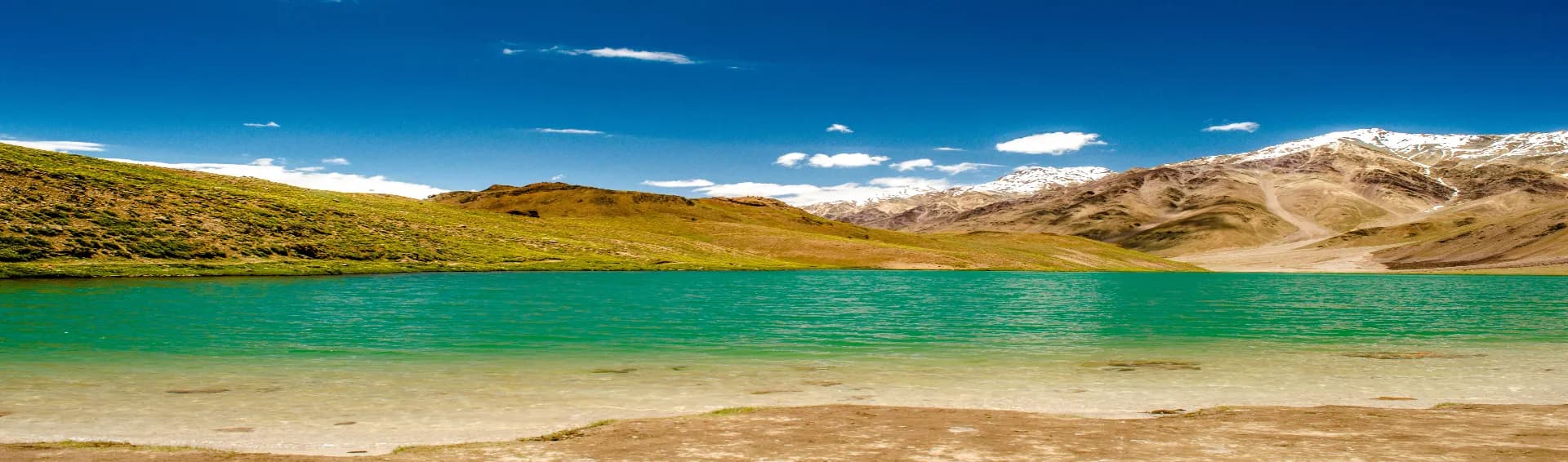
Located in the Lahaul and Spiti region, and situated at an elevation of approximately 4,300 metres (14,100 feet), Chandratal, also called the “Moon Lake,” is famous for its changing colors, high-altitude camping experience, and raw Himalayan landscape. The lake sits near the Kunzum Pass route and remains accessible only for a few months every year because of heavy snowfall. Reaching here is not easy, and that’s why people choose Spiti Valley Packages for better safety and overall experience. With tour packages, you get throughout support, and you also travel with 20 - 25 other travelers, so the experience is even more wonderful and fun.Chandratal Lake at a GlanceLocation: Lahaul and Spiti district, Himachal PradeshAltitude: Around 14,100 ft (4,300 meters)Distance from Manali: Approx. 130 kmDistance from Kaza: Approx. 97 kmBest Months to Visit: June to SeptemberNearest Airport: Kullu–Manali AirportNearest Major Towns: Manali and KazaMobile Network: Mostly weak or unavailable near the lakeAccommodation: Campsites available near the Chandratal parking areaDirect vehicle access to the lake: Not allowed beyond the parking areaHistory and Local Legends of Chandratal LakeThe name Chandratal literally means “Lake of the Moon.” Locals believe the curved shape of the lake resembles a crescent moon, which is where the name came from. Chandratal is also linked to an old Mahabharata legend. According to local stories, this is the place where Lord Indra arrived with his chariot to take Yudhishthira to heaven. That story still gives the lake a spiritual importance among nearby villages.Apart from mythology, Chandratal Lake is environmentally important because it supports high-altitude wildlife and fragile Himalayan vegetation. The area falls under a protected wetland ecosystem, which is why permanent construction near the lake is restricted. Travelers can camp near the designated areas, but authorities do not allow camping directly beside the lake anymore.The real Spiti is hidden in its experiences, not just its views. Start with these Things to do in Spiti Valley.How to Reach Chandratal LakeReaching Chandratal is where the actual adventure begins. Google Maps may show a short distance, but mountain roads do not work like city highways. Landslides, water crossings, broken roads, and sudden weather changes can easily increase travel time.Route from Manali via Atal TunnelThis is the fastest and most common route to Chandratal.Manali → Atal Tunnel → Gramphu → Chhatru → Batal → ChandratalDistance and TimeTotal distance: Around 130 kmTravel time: 6 to 8 hours, depending on road conditionsRoad ConditionsManali to Atal Tunnel: Excellent roadAtal Tunnel to Gramphu: Mostly goodGramphu to Batal: Rough mountain road with off-road stretchesBatal to Chandratal diversion: Narrow and uneven roadSUVs and bikes handle the terrain much better than sedansTaxi and Transport CostShared taxi from Manali: ₹1500–₹3000 per personPrivate cab: ₹10,000–₹15,000 depending on vehicle typeBike rental in Manali: ₹1500–₹2500 per dayRoute from Manali via Jibhi and Jalori PassThis is not the shortest route to Chandratal, but it is calmer and more scenic for travelers who do not want to rush directly into high altitude.Manali → Kullu → Banjar → Jibhi → Jalori Pass → Rampur → Kinnaur → SpitiWhy Travelers Choose This RouteBetter altitude acclimatizationMore relaxed road trip experienceChance to explore villages like Jibhi and ShojaLess tiring compared to direct overnight ascentRoad ConditionsRoads remain decent around Kullu and Jibhi, but Jalori Pass has steep curves and narrow stretches. During the monsoon, landslides can slow traffic heavily.Travel TimeThis route usually takes multiple days(3 - 4 days) because travelers stay overnight in Jibhi, Kalpa, or Kaza before reaching Chandratal. It suits travelers who want a full Spiti circuit instead of a quick Chandratal trip.Final Stretch to Chandratal LakeVehicles cannot go directly to the lake. You must park near the designated parking area and walk around 1.5 km to reach Chandratal. The trail is mostly easy but feels tiring because of the high altitude and low oxygen levels.Older travelers, people with breathing issues, or anyone not acclimatized properly may struggle during this short walk. Carry water, avoid rushing, and walk slowly.Night walking near the lake is not recommended because temperatures drop sharply and visibility becomes poor.Best Time to Visit Chandratal LakeThe best time to visit Chandratal is from June to September, when the snow melts, the roads open, and designated campsites are operational. For the absolute clearest skies, optimal photography, and stunning stargazing, September is widely considered the prime month.June is ideal for travelers who want to see snow walls near Kunzum Pass. July and August bring greener landscapes but also higher chances of rain and landslides around Manali routes. September works best for photographers and bikers because skies stay clearer and roads become slightly safer.By October, snowfall can begin again, and the Chandratal route often becomes inaccessible for normal tourists.Key Places to Visit Near Chandratal LakeKunzum PassKunzum Pass sits at around 15,000 feet and acts as the gateway between Lahaul and Spiti Valley. Travelers usually stop here for panoramic mountain views and blessings at the small Kunzum Mata temple before continuing toward Chandratal. The air feels noticeably thinner here, and the weather changes very quickly. During early summer, huge snow walls remain visible near the road, making the drive memorable for bikers and photographers.BatalBatal is a tiny settlement famous among Spiti travelers for its rugged atmosphere and the legendary Chacha-Chachi dhaba. Most people stop here for food, tea, and rest before taking the Chandratal diversion road. Accommodation options remain basic, but the place becomes important during bad weather because it acts as a rescue and a halt point. Roads around Batal are rough, rocky, and often unpredictable, especially after rainfall or glacier melting.Losar VillageLosar is the first major village after entering the Spiti side from Kunzum Pass. Sitting at around 13,400 feet, the village offers a quieter and more traditional Himalayan atmosphere compared to crowded tourist stops. Many travelers stay overnight here for better acclimatization before heading toward Chandratal or Kaza. Small homestays, local food, and wide valley views make Losar feel peaceful without trying too hard to impress tourists.If you’re building a serious itinerary, these are the Places to Visit in Spiti Valley that matter.Things Most Travelers Do Not Know Before Visiting ChandratalThere are no luxury hotels near the lakeCamping directly beside the lake is not allowedOxygen levels drop noticeably at nightCarry cash because online payments often failMobile network is unreliable near ChandratalFuel stations are extremely limited after Manali and KazaAfternoon water crossings become stronger due to glacier meltDo not attempt night driving on this routeWeather can shift from sunny to freezing within minutesWarm jackets are necessary even during summer

Read More

Altitude Sickness in Spiti Valley - Acclimatization Tips & What Actually Helps (2026 Updated)
May 23, 20265 Minutes
Altitude Sickness in Spiti Valley - Acclimatization Tips & What Actually Helps (2026 Updated)
Every year, travelers book Spiti Valley packages, thinking the toughest challenge will be the bad roads. In reality, the bigger challenge is the Spiti Valley's height and altitude, and how your body reacts above 10,000 feet. Even experienced bikers and fit gym-goers struggle in Spiti because oxygen levels drop significantly at high altitude.And honestly, AMS is not something you should “figure out on the trip.” In 2026, despite better roads and more tourism, altitude sickness is still the number one reason why travelers cut short their Spiti plans.What is AMS in Spiti Valley?AMS in Spiti Valley stands for Acute Mountain Sickness, commonly known as altitude sickness. It is a physical condition that occurs when your body is exposed to a sudden drop in air pressure and oxygen levels due to ascending to high altitudes too rapidly.Because Spiti Valley sits at a massive elevation averaging between 10,000 to 15,000 feet (3,000 to 4,500+ meters), AMS is a very real health risk for travelers coming from lower-altitude regions.Why Altitude Sickness Happens in Spiti ValleyAs you climb higher in Spiti, the air becomes thinner, meaning your body gets less oxygen with every breath. Places like Kaza, Kibber, Langza, and Hikkim are located at very high altitudes, and your body needs time to adjust.The problem is that most travelers reach too quickly. This is why people coming from the Manali side often feel symptoms faster compared to travelers entering via Shimla and Kalpa. Your body simply doesn’t get enough time to acclimate gradually.Even updated 2026 travel advisories continue warning travelers about fast ascents in the Spiti Valley.Early AMS Symptoms You Should Never IgnoreAltitude sickness rarely starts dramatically. It begins quietly.The most common early signs include:Constant headacheDizzinessNauseaLoss of appetiteDifficulty sleepingFeeling unusually tiredShortness of breath while walkingA very real Spiti moment people talk about later is this: climbing a few hotel stairs in Kaza suddenly feels exhausting. That’s usually when travelers realize something is wrong.Bike riders especially make one mistake: they confuse AMS with road fatigue. After long hours of riding rough roads, they assume the headache and tiredness are normal. Sometimes it is. Sometimes it’s not.And that confusion becomes dangerous.Mild AMS can become severe overnight if ignored completely.Dangerous Symptoms of AMS - When You Must Descend ImmediatelyThere’s a point where “resting for some time” is no longer enough. If someone experiences these symptoms, immediate descent is important:Severe breathlessnessVomiting repeatedlyWalking imbalanceConfusionChest tightnessBlue lips or fingertipsWhat Actually Helps in Spiti Valley (Not Just Internet Advice)The internet is full of random AMS advice. Some useful, some completely useless.Here’s what genuinely helps in Spiti:1. Ascend SlowlyDon’t go to Spiti via the Atal Tunnel; the [Shimla → Kalpa → Tabo → Kaza or Manali → Jibhi → Kinnaur → Kaza] route works better for acclimatization because altitude increases gradually. It may feel slower, but your body handles it much better.2. Hydration Matters More Than You ThinkMost travelers drink less water because of the cold weather. Bad idea. Dehydration makes AMS symptoms worse. Carry water constantly, especially during road trips. Interestingly, people who stop every 10 minutes for photos often forget to hydrate properly.3. Avoid Alcohol InitiallyYour first 48 hours at high altitude matter a lot. Alcohol affects oxygen absorption and dehydration levels. Skipping drinks initially genuinely helps.4. Don’t Rush the ItinerarySlow travel works better in Spiti. Spend proper time resting instead of constantly chasing the next location. This is why many experienced travelers now prefer balanced itineraries instead of aggressive road-trip schedules.Viacation’s updated 2026 Spiti bike trip and group tours usually focus on gradual altitude gain, which actually helps first-time travelers avoid unnecessary health issues.5. Sleep ProperlyPeople underestimate sleep in Spiti. Overnight drives from Delhi, followed by immediate riding, is honestly one of the worst ways to start the trip. Fatigue makes AMS worse.AMS Medicines - What Helps & What Doesn’tThe most commonly used medicine for AMS is Diamox, but it should only be taken after proper medical advice. And no, oxygen cans are not magical solutions.They may help temporarily, but they don’t replace acclimatization. Many travelers carry them mainly for confidence. Also, internet myths like “garlic soup cures AMS instantly” are exaggerated. Warm food helps comfort levels, but no soup can magically fix altitude sickness.The things that actually work are boring but effective:HydrationRestSlow ascentProper sleepBike Riders vs Car Travelers - Who Suffers More?Honestly, both face different problems. Bike riders deal with cold winds, exhaustion, dehydration, and physical fatigue. Long riding hours increase stress on the body. Car travelers often make the opposite mistake; they ascend too quickly without giving their bodies time to adapt.People doing aggressive Delhi-to-Kaza schedules are usually the first ones struggling badly. Spiti is not a race. Your body will remind you of that very quickly.Quick AMS Checklist Before Your Spiti TripBefore leaving for Spiti, remember these basics:Stay hydrated constantlySleep properly before entering a high altitudeAvoid alcohol initiallyDon’t over-exert on Day 1Carry medicines after the doctor's consultationDescend immediately if symptoms worsenDon’t ignore headaches at altitudeFinal RecommendationAltitude sickness in Spiti Valley is manageable if you respect the mountains and plan smartly. Fitness alone does not guarantee safety at high altitude. Slow travel, proper acclimatization, hydration, and realistic itineraries make a massive difference.If you’re planning a Spiti trip in 2026, Viacation can help with practical route planning, safer itineraries, and useful bike travel guidance that actually works in real mountain conditions.

Read More

Kaza, Spiti Valley - The Ultimate Travel Guide To Spiti's Headquarters At 3,800m
May 23, 20265 Minutes
Kaza, Spiti Valley - The Ultimate Travel Guide To Spiti's Headquarters At 3,800m
Kaza is the main hub for travelers exploring monasteries, high-altitude villages, and remote Himalayan roads. Kaza is the largest commercial town and the administrative headquarters of the remote Spiti Valley in the Lahaul and Spiti district of Himachal Pradesh, India. Situated at a high altitude of roughly 3,650 metres (11,980 feet) above sea level along the Spiti River, it functions as the central hub and base camp for travellers exploring this high-altitude cold desert. The town features a distinct landscape and Tibetan Buddhist culture closely resembling neighbouring Ladakh and Tibet. This Kaza travel guide covers everything you need to know before planning your Spiti Valley packages, including routes, weather, nearby attractions, and practical travel tips.Why Kaza is the Heart of Spiti ValleyKaza is the main town where travelers rest, refuel, acclimatize, and prepare for the tougher parts of the journey. Almost every road trip through the Kaza valley passes through this town. You will find the region’s main fuel station, cafés, ATMs, bike repair shops, hotels, and local markets here. That becomes important because many nearby villages have limited facilities and weak connectivity.Kaza is also divided into two parts, Old Kaza and New Kaza. Old Kaza feels quieter and more traditional, while New Kaza has cafés, homestays, and small restaurants filled with travelers discussing road conditions and altitude headaches over hot tea.How to Reach Kaza from Manali and ShimlaRoute to Kaza via ManaliThe Manali to Kaza route is shorter but far more challenging. The distance is around 180 kilometers, but the journey usually takes 8 to 10 hours because road conditions change constantly. After crossing the Atal Tunnel, the roads become rough in several patches, especially near Gramphu, Batal, and Kunzum Pass.The route generally opens between June and October. Heavy snowfall shuts this road during winter.Travel options include:HRTC buses from Manali to Kaza, ₹600–₹900 approximatelyShared cabs, ₹1,500–₹2,500 per seatPrivate taxis, ₹10,000–₹15,000 depending on seasonSelf-driving cars and bikes (₹1,500 - 2,200)Many riders prefer a Spiti bike trip style adventure through this route because the terrain feels wild and unpredictable. Water crossings become stronger in the afternoons, so starting early from Manali is always safer.Route to Kaza via ShimlaThe Shimla route is longer but safer and smoother. The total distance from Shimla to Kaza is around 400 kilometers, usually covered in 2 days with stops at Kalpa, Nako, or Tabo.This route remains open almost throughout the year unless landslides block certain sections temporarily. The gradual climb also reduces the risk of Acute Mountain Sickness, which becomes a serious issue for some travelers entering directly from Manali.Transport options:HRTC buses from Shimla to Kaza, ₹900–₹1,300Shared taxis from Reckong Peo and NakoPrivate cabs, ₹18,000 onwards for full tripRoad conditions stay comparatively stable because the route follows the Hindustan-Tibet Highway for a large stretch.If this is your first high-altitude Himalayan road trip, the Shimla side is usually the smarter choice in this Kaza travel guide.Manali vs Shimla RouteManali route: shorter, adventurous, rougherShimla route: safer, gradual altitude gain, better for familiesBike riders usually prefer ManaliFirst-time Spiti travelers often prefer ShimlaBest Time to Visit KazaJune to September is the best time to visit Kaza. Roads remain accessible, the weather stays manageable, and most tourist attractions operate normally during these months. Day temperatures usually range between 15°C and 20°C.October brings colder nights and fewer tourists, which many photographers prefer. Winter, from November to March, turns Kaza into a snow-covered cold desert. Temperatures can fall below -20°C, and the Manali route stays closed. Winter suits experienced travelers looking for snow landscapes and isolation, not casual tourists. If you are visiting for road trips, sightseeing, and village exploration, summer remains the most practical season.Key Places to Visit in KazaKey MonasteryKey Monastery, or Kye Gompa, is the largest and oldest Tibetan Buddhist monastery in Spiti Valley, Himachal Pradesh. Perched on a 4,166-meter (13,668 ft) conical hill, this 11th-century fortress-style complex serves as a major religious training center for lamas and houses ancient murals, rare manuscripts, and a 14-meter Maitreya Buddha statue. Inside, you will find prayer halls, ancient murals, and rooms filled with old manuscripts. Morning prayers create a completely different atmosphere here. Most travelers visiting the Kaza valley stop here early in the morning for better weather and fewer crowds.Chicham BridgeChicham Bridge is one of the highest suspension bridges in Asia, hanging roughly 13,000 feet above sea level. The bridge connects Chicham Village with Kibber and dramatically cuts travel time between the two areas. Standing in the middle of the bridge feels intimidating because of the deep gorge below. Strong winds are common here, especially in the evenings, so plan in or before the afternoon. The road leading to the bridge is narrow but offers some of the sharpest mountain views around Kaza.Kibber VillageKibber Village is a high-altitude settlement in the Spiti Valley of Himachal Pradesh, India, renowned for its striking Tibetan architecture, dramatic barren landscapes, and its status as one of the highest inhabited villages connected by a motorable road. Perched at an elevation of 4,270 metres (14,010 feet) on a limestone plateau, this remote village serves as a major hub for high-altitude trekking, stargazing, and wildlife photography. It houses a tight-knit community of around 366 residents living in uniformly built stone houses, maintaining an old-world charm where traditional Tibetan Buddhist culture still thrives.Buddha Statue in KazaThe iconic Buddha statue near Kaza is located in Langza Village, about 16 km (a 30-45 minute drive) from Kaza in Spiti Valley, Himachal Pradesh. This majestic 35-foot, brightly colored statue sits atop a hill at 14,500 feet, overlooking the valley, and is believed to guard the local villagers from harsh weather and evil spirits. Travelers stop here while covering Langza, Hikkim, and Komic together. The views during sunset look particularly dramatic because the mountains turn golden for a brief period. The road to the statue is steep in certain sections, so careful driving is important.Kaza MarketKaza Market acts as the town’s social center. You will find cafés, local woolen shops, bike rental stores, bakeries, and small restaurants serving Tibetan and North Indian food. Travelers usually gather here in the evenings after long drives around Spiti. The market is also one of the few places where mobile connectivity and ATM access work somewhat reliably. If you forgot medicines, gloves, or cash, this is your best place to sort things out before heading deeper into Spiti.The Spiti Trio: Hikkim, Komic, LangzaHikkim, Komic, and Langza, together, these three villages create one of the most popular day circuits near Kaza.Hikkim Hikkim is famous for having one of the world’s highest post offices. Travelers often send postcards from here because the postmark itself becomes a souvenir. The road to Hikkim is steep and dusty, but the surrounding mountain views make the drive memorable.KomicKomic is known as one of the world’s highest motorable villages. At over 4,500 meters, the oxygen level drops noticeably here. The village has a small monastery and offers a raw, isolated Himalayan experience that many tourists are not prepared for mentally or physically.Langza Langza is the fossil village of Spiti with a giant Buddha statue and peaceful homestays. Locals still find marine fossils here because this region was once underwater millions of years ago. The village feels calmer than Kaza and gives a more traditional Spitian atmosphere.Kaza: The Gateway to ChandratalApart from these attractions, Kaza is the main getaway to Chandratal, and most travelers heading toward Chandratal Lake use Kaza as their final major stop before entering rougher terrain. The distance from Kaza to Chandratal is around 110 kilometers, but the drive can easily take 5 to 6 hours because of broken roads and water crossings near Batal. Chandratal remains accessible mainly between June and October. Camping near the lake has strict restrictions now, so most camps stay a few kilometers away from the lake itself. Carry enough cash, fuel, and warm clothing before leaving Kaza because facilities become extremely limited after Losar.

Read More

Chasing Snowfall In Spiti Valley: When It Hits, Which Roads Close & Should You Go?
May 23, 20265 Minutes
Chasing Snowfall In Spiti Valley: When It Hits, Which Roads Close & Should You Go?
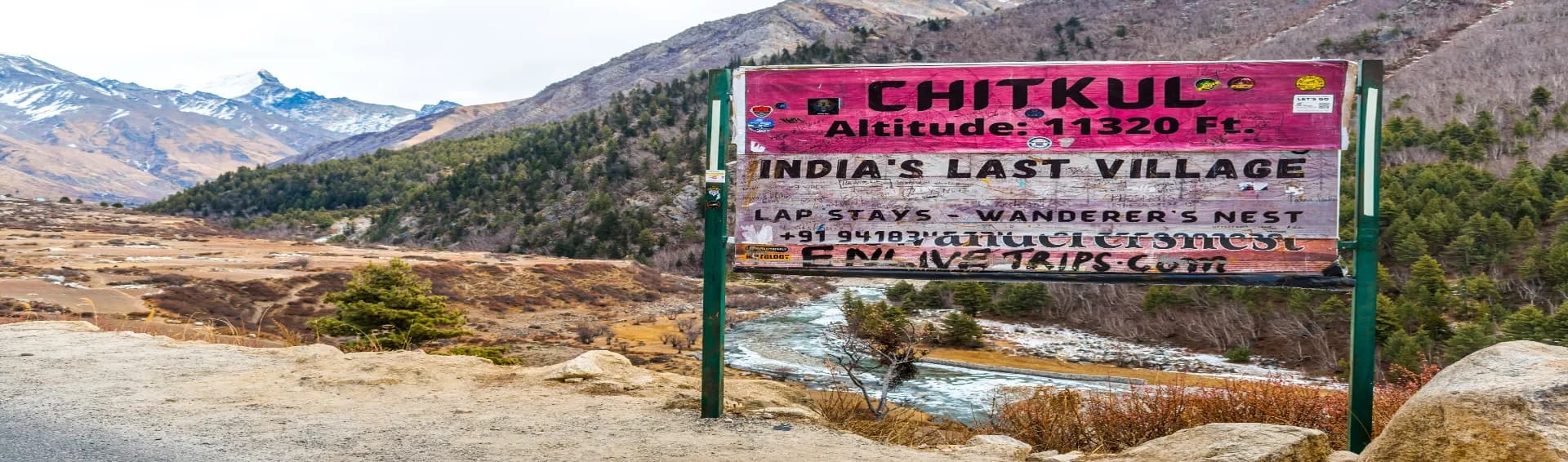
Snow is a white crystal of ice. When you heat it, it turns into water. The same water that you see in lakes looks beautiful. If you reduce the temperature, it changes the form to convert into snow. The Spiti Valley snow does the same. It covers the roads, houses, lakes, and rivers. But there is a catch. The same snow that makes it beautiful also makes it dangerous, isolated, and sometimes completely unreachable. So before you pack your bags and book Spiti Valley Packages for a "snow trip," read this first.When is the Best Time to Visit Spiti Valley for Snowfall?If seeing snow is your only goal, December to February is the window. But know what you are signing up for.Temperatures during this period drop to minus 20 degrees Celsius or lower at night. The best time to visit Spiti Valley for snow is actually November to early December, when fresh snow is falling, but the roads have not fully closed yet. You get the white landscape, the frozen rivers, and the clear skies without being completely cut off.April and May are a sweet spot for a different reason. The snow is still very visible on the mountains, the valley looks stunning, and the roads are much safer. If you do not need to be there during an active snowfall, this period gives you the visual experience without the risk of getting stranded.Here is a quick month-by-month read:October to November: Snow starts falling. Roads begin closing. Go early in this window if you want both accessibility and snow.December to February: Peak snowfall. Extreme cold. Only for experienced travelers who know what they are getting into.March to April: Snow is everywhere, but roads start reopening slowly. The Chadar-like frozen streams are worth seeing.May to June: Snow only in peaks, green in valleys, best accessibility.How many highways run through the Spiti Valley during the Snowfall?There are mainly two highways that connect Spiti Valley to the rest of India, and both behave very differently when Spiti Valley is hit by snow in the winter.1. NH 505, the Kaza-Manali HighwayThis is the route through Rohtang Pass and Kunzum Pass. It is only open from around June to October. The moment snow starts falling heavily, this highway closes. And it does not reopen until the next summer. So if you are planning to enter or exit via Manali, your window is limited.2. NH 5, the Hindustan-Tibet HighwayThis connects Shimla to Spiti through Kinnaur. It stays open for most of the year, though road conditions get challenging in deep winter. Landslide-prone zones near the Sutlej gorge can cause temporary blocks, but it is your only lifeline once the Manali route shuts down.Snowfall Blocks Roads: So Which Route Do You Actually Take?Two main routes, and the Spiti snowfall season decides which one you can actually use.1. The Shimla-Kinnaur Route (The All-Weather Route)This is the route that keeps Spiti connected to the outside world in winter. It runs through Delhi or Chandigarh to Shimla, then Narkanda, Rampur, Sarahan, Sangla, and Chitkul, Kalpa, Nako, Tabo, and finally Kaza.It is longer and more winding, but it does not shut down in winter the way the Manali route does. Road quality can be rough. Especially near the Kinnaur gorge sections. But travelers who have done it say the views of the Sutlej river canyon alone are worth the extra hours.2. The Manali Route (The Adventure Gateway)The path goes from Delhi or Chandigarh to Manali, through the Atal Tunnel, then Gramphoo, Batal, Kunzum Pass, Losar, and Kaza.Available only from June to October. Kunzum Pass sits at around 4,590 metres, and once snow blocks it, that is it. The road closes and does not open again for months. Seeing Spiti Valley in snow sounds romantic until you realise your only exit is buried under two feet of ice. If you are chasing the adventure of biking or driving this route, plan your dates carefully. Many travelers have gotten stuck here by ignoring weather forecasts.

Read More

Login ModalPost Login FormTalk with trip expertAccount Scheduled for Deletion