Author page hero image

About Author

Piyush Pathak

Piyush Pathak

Author

Piyush’s Work

Why Train Journeys in Vietnam Are Becoming Every Traveler’s Favorite Experience
May 27, 202612 Minutes
Why Train Journeys in Vietnam Are Becoming Every Traveler’s Favorite Experience
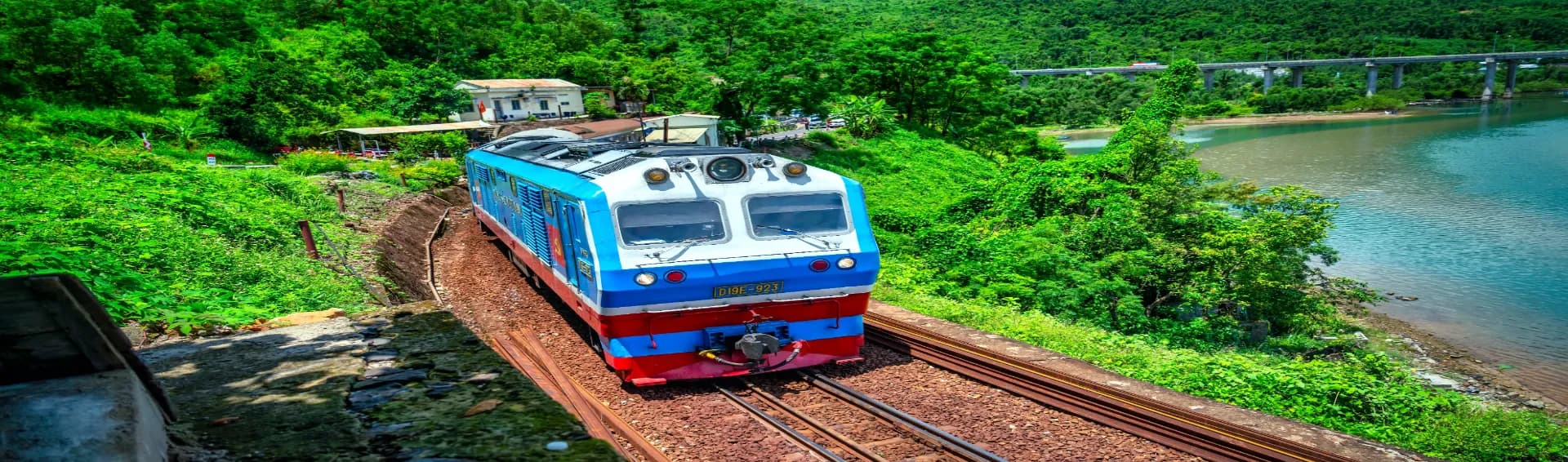
Most people fly between Vietnamese cities. Ninety minutes, done. But thousands of travelers are deliberately skipping that flight, choosing a 16-hour train ride instead. And they are coming back saying it was the best part of the whole trip.That is not nostalgia. That is a real shift happening right now in 2026.Vietnam's north-south train network, running from Hanoi to Ho Chi Minh City, covers 1,726 km through coastlines, mountains, and rice fields. Tickets start from around ₹2,900 for a soft seat. The Hue-to-Da Nang stretch is the most scenic two-and-a-half hours in Southeast Asia. You can book it online before landing or can be included in your Vietnam tour package. The whole experience costs a fraction of flying and gives you views no flight window ever will.The Train or The Plane? Most Travelers Are Switching SidesA flight from Hanoi to Da Nang takes about 90 minutes. A train takes 16 hours. So why are people choosing the train?Because what happens in those 16 hours is the actual Vietnam. Villages, fishermen, rice paddies, mountains, and coastline. All of it rolling past your window while you sit with a cup of coffee and nowhere to be. Lonely Planet ranked Vietnam's Thong Nhat Express among the world's top train journeys for 2026. That is not a small thing.The slow travel trend is real. And Vietnam's railway is benefiting directly from it.The Reunification Express: One Train, 1,726 Kilometers of VietnamThe train connecting Hanoi and Ho Chi Minh City is informally called the Reunification Express. No single train does the full journey under one name, but the route is continuous and runs daily with multiple departures.What Does the Full Hanoi to Ho Chi Minh City Train Journey Actually Look Like?The full trip takes 32 to 37 hours, depending on the train. That sounds long, and it is. But overnight sleeper cabins solve most of that problem. You board in the evening, sleep, wake up somewhere in Central Vietnam watching the sun hit the ocean, and arrive the next day rested and with a full story to tell.Vietnam Railways expanded its summer 2026 timetable with additional services between Hanoi, Da Nang, Nha Trang, and Ho Chi Minh City to meet rising demand.Which Stops Are Worth Getting Off At?Three stops stand out clearly. Hue, Vietnam's former imperial capital, deserves at least two days. Da Nang works as a base for the famous marble mountains and nearby Hoi An. Nha Trang is the beach stop. All three are on the main line, so you buy separate tickets for each leg and move at your own pace.How Much Does a Vietnam Train Ticket Cost in 2026?Here is the actual price breakdown for Indian travelers, converted to INR at current rates.Hanoi to Ho Chi Minh City (full route):Soft seat: around ₹2,900 per personSoft sleeper (4-berth cabin): around ₹3,750 per personLuxury tourist cabin: ₹8,000 and aboveHue to Da Nang (the scenic stretch):Soft seat: ₹500 to ₹1,000 per personOvernight sleepers on long routes make real financial sense. You skip one night's hotel bill, so the train ticket effectively pays for itself.Can You Book Online Before You Land in Vietnam?Yes, and you should. Two platforms work well for international travelers: 12Go Asia and Baolau. Both accept international cards and give you an e-ticket you can show on your phone. The official Vietnam Railways site (dsvn.vn) also works, but navigating it in English can be frustrating.Book through these platforms exactly as you would a flight. Name on the ticket must match your passport.How Far in Advance Should You Book?For the Hue to Da Nang segment, book at least two weeks ahead in the June to August window. Window seats on the sea-facing side sell out fast. For the full Hanoi to Ho Chi Minh City route, three to four weeks ahead is safer during peak season. Last-minute tickets exist but you will lose the good seats.The Hue to Da Nang Stretch: The 2.5 Hours That Break the InternetThis specific leg is the one everyone is posting about. And it earns it.About 40 minutes after leaving Da Nang, the train begins climbing Hai Van Pass at around 496 metres above sea level. The track literally hugs the cliff face. On one side, a thick jungle. On the other hand, the East Sea is crashing far below. For about 20 minutes. You are inside something that feels edited.Seat selection is everything here. Traveling from Hue to Da Nang, sit on the right side of the train for ocean views. Going from Da Nang to Hue, sit on the left side. Skip sleeper cabins for this leg. The windows in soft-seat carriages are bigger, and that matters.One more thing. Take a daytime train. A night train through Hai Van Pass means you paid for a view and got darkness.What First-Time Train Travelers in Vietnam Usually Get WrongFour things catch people off guard every time.Food: There are food carts and small counters on board, but the options are basic. Bring snacks from a convenience store before boarding. A bag of banh mi and some instant noodles goes a long way on a 16-hour trip.Luggage: There is no official luggage check. Keep bags with you or directly overhead. Cabins are small, so pack smart. A soft duffel fits better than a rigid suitcase.SIM connectivity: Postpaid SIMs from India do not reliably work in Vietnam. Buy a local Viettel or Vietnamobile SIM at the airport. You will want it for Grab, maps, and booking.Cabin etiquette: You will share a 4-berth or 6-berth cabin with strangers. Keep noise low after 10 PM. It is not a rule anyone enforces, but locals follow it, and they will appreciate you doing the same.

Read More

Rainy Season in Vietnam: Unexpected Experiences Travelers Actually Enjoy
May 27, 202612 Minutes
Rainy Season in Vietnam: Unexpected Experiences Travelers Actually Enjoy
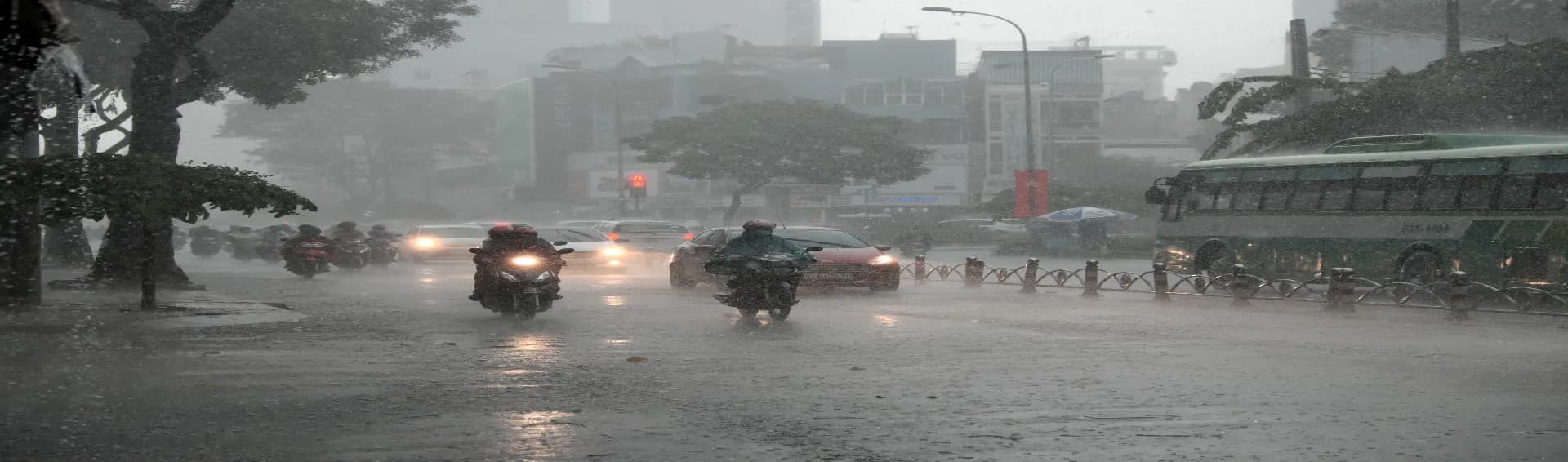
A sudden tropical shower in Vietnam can completely change the mood of a place. Streets glow under lantern lights, mountain valleys disappear behind drifting clouds, and roadside cafés suddenly feel warmer and more inviting. People avoid the rainy season in Vietnam, expecting endless downpours and ruined plans. The reality is very different once you are there. Our experience in exploring Vietnam across changing seasons has shown that rain often brings out the country’s most memorable side. We have booked many Vietnam tour packages in almost every season, and because of that, this blog will tell you the real Vietnam weather in monsoon, the best rainy-season attractions, and experiences that travelers surprisingly end up loving during the monsoon in Vietnam.Vietnam Weather in MonsoonThe Vietnam weather in monsoon stays warm and comfortable for travel in most regions, with the Vietnam monsoon temperature ranging between 24°C to 32°C depending on the location. Northern mountain areas feel cooler and misty, while southern cities often receive predictable afternoon rain followed by clearer evenings. Many travelers actually enjoy this season because hotel prices drop, attractions feel less crowded, and places like Sapa, Ha Giang, and Hoi An look far more dramatic during the rainy season in Vietnam.Places to Visit in Vietnam During the Rainy Season1. Ancient Town of Hoi AnRain completely changes Hoi An’s atmosphere. Lantern lights reflect beautifully across wet streets, riverside cafés feel more peaceful, and the old yellow buildings look richer after evening showers. It also becomes more photogenic during light rain than on crowded sunny days. This is one of the rare places where gloomy weather actually improves the experience.2. Fansipan Rice TerracesThe terraces near Fansipan become intensely green during the monsoon in Vietnam. Low clouds drift across the mountains while rainwater fills the rice fields, creating mirror-like reflections. The cooler climate also makes trekking easier compared to hotter months. Sapa feels quieter and more atmospheric during rainy periods.3. Ma Pi Leng PassThis mountain pass becomes surprisingly beautiful during rainy weather. Fog rolls across the cliffs, waterfalls grow stronger, and the roads feel cinematic during light mist. Adventure travelers can enjoy this season and this place because the landscapes look more raw and powerful. Early morning drives through cloud-covered valleys become unforgettable here.4. Cai Rang Floating MarketRain gives the Mekong Delta a different rhythm. Boats move through cooler waterways while local vendors continue trading fresh fruits, coffee, and breakfast dishes directly on the river. Morning visits are less exhausting compared to hotter months, and the floating market atmosphere becomes more authentic during light rain.5. Tuyen Lam LakeDa Lat already feels cooler than most Vietnamese cities, but rainy weather makes it even more peaceful. Pine forests around the lake disappear into fog while soft rain creates a calm, almost European atmosphere. Travelers who enjoy quiet nature, scenic cafés, and slow travel usually love Da Lat during the rainy months.Unique Experiences During Vietnam’s Rainy Season1. Watching Lantern Reflections in Hoi AnAfter evening rain, the streets of Hoi An turn into glowing reflections of colorful lanterns. Photographers wait specifically for this moment because the wet roads create stunning visuals that dry-season travelers rarely experience.2. Drinking Egg Coffee During Tropical Rain in HanoiHeavy rain outside and hot egg coffee inside a small café is a surprisingly comforting experience. Egg coffee is traditionally prepared with egg yolks, sugar, condensed milk, and robusta coffee. Many local cafés become crowded during showers, creating a cozy atmosphere that travelers rarely expect from busy Hanoi streets.3. Riding Through Cloudy Mountain Roads in Ha GiangThe mountains around Ha Giang look far more dramatic during the monsoon period. Thick clouds move across valleys, visibility changes every few minutes, and the roads feel adventurous without needing extreme weather conditions.4. Seeing Overflowing Rice Terraces in SapaRainwater transforms Sapa’s rice terraces into layered reflective pools stretching across entire hillsides. The scenery changes almost daily depending on rainfall and fog movement, making every visit feel different. You can just sit somewhere at a height, enjoy some food, and just gaze at the terraces; it's refreshing and soothing.5. Storm Watching from Beach Cafés in Da NangMany travelers stay indoors during coastal storms, but beach cafés in Da Nang create an unexpectedly relaxing atmosphere during rainy evenings. Da Nang has many beach cafes with open terraces and even big windows, so that people can actually enjoy the outside weather. Watching dark clouds roll across the ocean while enjoying Vietnamese coffee becomes a memorable part of the trip for many visitors. You can go to any beach cafe, order food of your choice, and enjoy nature while eating.Whether you love nature, photography, or peaceful travel moments, visiting Vietnam during the rainy season can be surprisingly rewarding. You can also explore famous Places to Visit in Vietnam and enjoy amazing Things to Do in Vietnam to make your vacation more adventurous and enjoyable.

Read More

Best Scenic Motorbike Routes Across Vietnam for Adventure Travelers
May 26, 202613 Minutes
Best Scenic Motorbike Routes Across Vietnam for Adventure Travelers
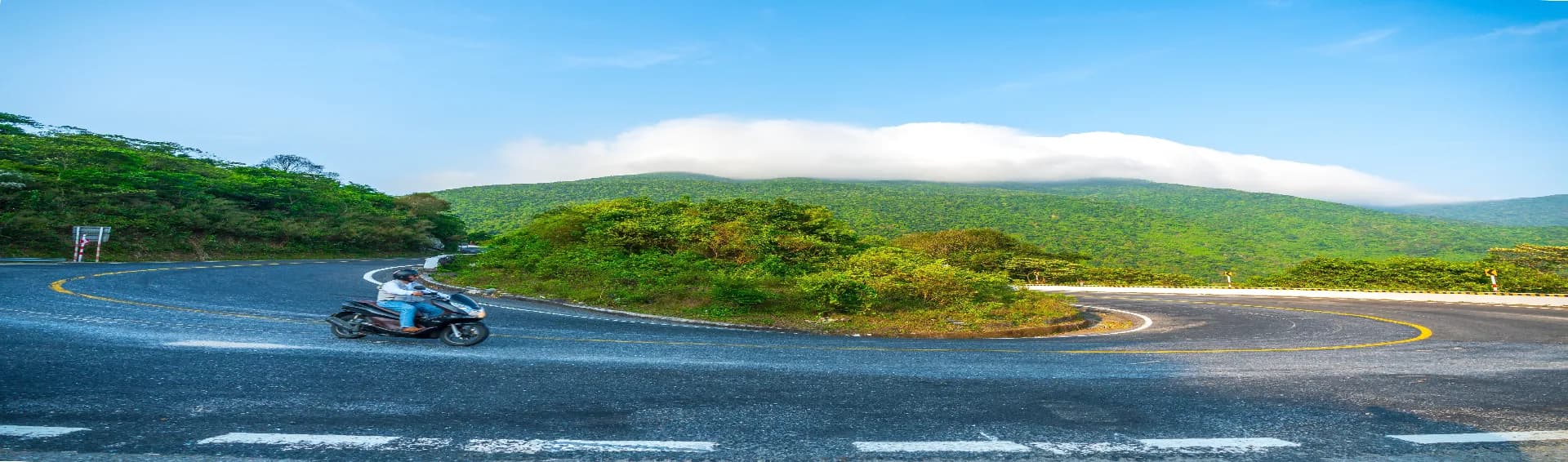
Vietnam does not stay the same for long when you are riding through it on two wheels. One hour, you are crossing misty mountain roads with clouds floating beside you, and the next, you are riding along a coastal highway with villages and endless sea views. That constant change is what makes motorcycle travel here unforgettable. After organizing so many Vietnam trips through our Vietnam tour packages, we have seen why adventure seekers rank Vietnam among Asia’s top riding destinations. This blog covers the most scenic routes, riding distances, road conditions, and practical tips that make these journeys worth planning.Why Vietnam Is Perfect for Long-Distance Motorcycle AdventuresFew countries match the variety Vietnam offers riders in a single trip. It offers mountain passes, rice terraces, coastal roads, dense forests, and quiet countryside highways, all of which exist within riding distance of each other. Because of this variety, the journey feels adventurous.Another reason travelers love Vietnam road trips is affordability. Fuel, local food, homestays, and bike rentals cost far less compared to many other adventure destinations. Riders can comfortably travel longer without burning through their budget in just a few days.Vietnam also has a strong backpacker and riding culture. You will regularly meet solo travelers, bike groups, and local riders. That community makes riding easier, especially for first-time visitors exploring the country by motorcycle.Best Time for Riding in VietnamThe best overall time for a country-wide motorcycle travel across Vietnam is from December to March, when rainfall is at its lowest nationwide. However, because of the country’s long, narrow geography, different regions experience entirely distinct climate patterns.Best Scenic Motorbike Routes in Vietnam1. Hai Van Pass to HueThe Hai Van Pass remains one of the most famous motorcycle rides in Vietnam, and unlike many tourist-heavy attractions, it actually deserves the hype. The road curves along the mountains while opening coastal views almost every few minutes.Riders must begin from Da Nang and continue toward Hue while stopping at scenic viewpoints along the pass. What catches many travelers off guard is the weather. Fog can reduce visibility quickly, especially during rainy months. Road surfaces also become slippery after sudden rain showers.Distance: Around 120 km, depending on your starting pointKey highlights:Sharp mountain bends with sea viewsOld French and wartime structuresQuiet café stops overlooking the coastlineCooler temperatures near the top of the pass2. Ha Giang LoopThe Ha Giang Loop is easily one of the most challenging yet rewarding motorbiking routes in Vietnam. This route suits confident riders better than beginners, as some roads remain steep, uneven, and unpredictable. Fuel stations also become less frequent in remote areas, so planning ahead matters.Travelers often underestimate how physically tiring the loop can become. Riding six to seven hours daily through mountain terrain demands focus and stamina.Distance: Roughly 350 km for the complete loopKey highlights:Dong Van Karst Plateau viewsRemote ethnic villagesDramatic mountain passesDeep canyon viewpoints near Ma Pi Leng Pass3. Ho Chi Minh RoadThe Ho Chi Minh Road gives riders a very different side of Vietnam. Instead of crowded tourist hubs, this route passes through quiet towns, forests, coffee plantations, and peaceful rural landscapes.Long-distance riders often prefer this highway because traffic stays lighter compared to the busy coastal routes. The road also carries historical importance due to its connection with wartime supply routes.Among all Vietnam road trips, this route is the most immersive because riders can spend more time interacting with local communities rather than hopping between tourist hotspots.Distance: Over 1,800 km if covered fullyKey highlights:Less tourist trafficLong smooth riding stretchesRural food stops with local dishesMountain scenery across Central Vietnam4. Da Lat to Nha Trang Coastal RideThis ride delivers constant landscape changes within just a few hours. Da Lat begins with cool mountain weather, pine forests, and winding roads before the route slowly descends toward the warmer coastal region near Nha Trang.The elevation changes make this route visually impressive. Riders pass waterfalls, forest sections, and open roads with sweeping valley views before eventually reaching the coastline.This is the most beginner-friendly route on the list. Adventure travelers love this stretch because it balances scenic beauty with manageable riding difficulty.Distance: Around 135 kmKey highlights:Curvy downhill mountain roadsCooler temperatures in Da LatWaterfall viewpointsSmooth transition into coastal scenery5. Northern Coastal Route, Hanoi to Cao BangMany experienced riders consider this among the most underrated motorbiking routes in Vietnam because the scenery feels authentic. This route remains less crowded compared to Vietnam’s famous riding circuits, which makes it ideal for travelers searching for peaceful experiences. The journey toward Cao Bang gives riders access to Ban Gioc Waterfall, one of the country’s most beautiful natural attractions.The roads also pass through rivers, villages, forests, and mountain regions without heavy tourist traffic interrupting the ride.Distance: Around 280–300 kmKey highlights:Peaceful countryside ridingLimestone mountain landscapesFewer tourist crowdsAccess to Ban Gioc WaterfallThings Riders Should KnowWeather changes happen fast, especially in mountain regionsSome rental bikes look good outside, but perform badly on long ridesOffline maps matter because signal drops in remote areasFuel stations become less frequent in northern mountain regionsPolice checks occasionally happen near tourist-heavy routesAvoid riding after dark becomes risky on unfamiliar roadsMany travelers planning Vietnam road trips also forget how exhausting back-to-back riding days can become. Rest days become really important, especially on mountain-heavy routes like Ha Giang.From winding mountain passes to breathtaking seaside highways, Vietnam offers unforgettable road trip experiences for adventure travelers. Along with these scenic rides, don’t miss the best Places to Visit in Vietnam and the most exciting Things to Do in Vietnam for a complete travel experience.

Read More

Most Peaceful Villages in Vietnam
May 26, 202612 Minutes
Most Peaceful Villages in Vietnam
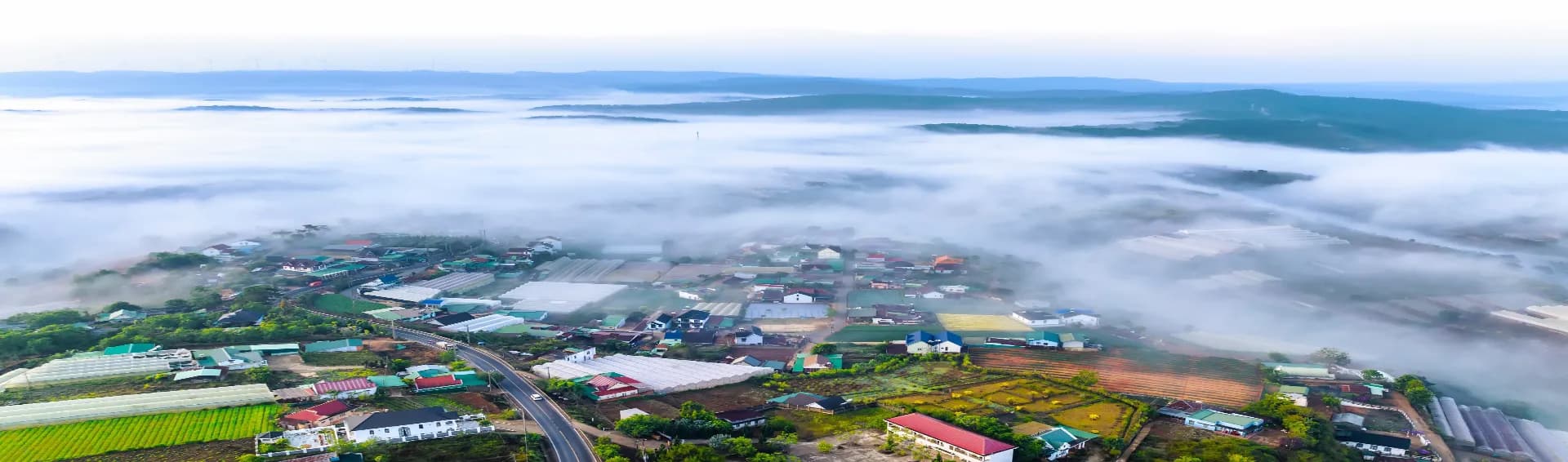
When your mind is restless, with daily work. You feel you are in a loop, doing the same thing every day. You're eating the same food, travelling the same destinations in cities. You want refreshment, you want something that gives peace to your mind and body. You need to go for a trip where there are mountains, green rice fields, and raw village culture. Vietnam is famous for its peaceful Villages. Even you don't add these villages to your Vietnam tour packages. Still, you can see green rice fields, farmers working in the fields, while travelling from one destination to another. The view you can get from your taxi or car window. You don't even need to step out of your car. Find Your Peach in Vietnam VillagesThe tendency to go back to the forest is pure. Our ancestors lived there, and preyed there to eat. Now we are in cities doing 9-to-5 jobs. We should also move to the villages. To find the peace we have lost. The peaceful villages in Vietnam will provide what you and we looking for. Mai Chau (Hoa Binh)Imagine waking up to a valley completely wrapped in rice fields. That is Mai Chau. The White Thai ethnic community here still lives in traditional wooden stilt houses, weaves colorful fabric by hand, and genuinely welcomes visitors into their homes. No crowded bazaars. No honking. Just chickens, mountains, and incredibly good food.Location: Hoa Binh Province, about 135 km southwest of Hanoi, roughly a 3-hour drive.USP: One of the closest peaceful escapes from Hanoi. Stilt house homestays let you live with local families, not just near them. Cycling through the valley floor between rice paddies is an experience that no guided tour can replicate.Best time to visit: October to April. The rice harvest in September and October is especially stunning, and the post-harvest fields glow gold. Avoid July and August if you dislike rain.Cat Cat VillageThis one will catch you off guard. Cat Cat sits in a deep valley just below Sapa town, and getting there means walking down a stone path surrounded by terraced fields and waterfalls. The Black Hmong people here still wear traditional embroidered clothing daily, not for show.Location: 5 km from Sapa town, Lao Cai Province. A 40-minute walk down from the town center.Best time to visit: March to May and September to November. Avoid the heavy Sapa rain months of June and July if you want clear views.Ham Ninh Fishing VillagePhu Quoc Island gets a lot of attention. Ham Ninh does not, which is exactly why it belongs on this list. This small fishing village on the east coast of the island operates exactly the way it always has. Wooden fishing boats. Nets drying in the sun. Men sorting catches by hand.Location: East coast of Phu Quoc Island, Kien Giang Province. About 25 km from Phu Quoc town.USP: The seafood here is pulled out of the water the same morning you eat it. Grilled clams, fresh crab, sea urchin, you can eat all of it sitting at wooden tables right on the pier. The prices are a fraction of what beachside restaurants charge. And the view is the actual ocean, not a pool.Best time to visit: November to April. The dry season gives calm seas and clearer skies.Duong Lam Ancient VillageThis one is different. Duong Lam is the kind of village that makes historians go quiet. It is the first village in Vietnam to receive the title of National Cultural Heritage. Stone walls built from laterite over 400 years ago still stand here, and the banyan trees at the village gate are older than most countries.Location: Son Tay District, Hanoi. Just 50 km from Hanoi city center, making it a very doable day trip.USP: You are walking through living history. Some families have lived in the same house for 10 to 20 generations. There is a very particular silence here, not lonely, just old.Best time to visit: October to April. Spring festivals (around Tet) make it especially alive.Bat Trang Pottery VillageCeramics have been made here since the 14th century. Not a rough estimate. The 14th century. Today, Bat Trang is a full working village where you can watch potters shape clay, paint traditional blue and white patterns, and fire pieces in wood kilns. Many workshops also let you try it yourself.Location: Gia Lam District, about 13 km from Hanoi's Old Quarter. Accessible by boat or bus.USP: You are not watching a craft demo for tourists. You are standing inside a community where pottery is how everyone earns a living.Best time to visit: Year-round, but March to May and September to November give the most pleasant weather for browsing outdoor markets.Dong Ho Painting VillageThis village is on a different kind of quiet. Dong Ho was once famous across all of Vietnam for its woodblock paintings, printed on a special paper made from the bark of the Do tree, colored with natural pigments like indigo and rust. These paintings are still made by hand today, by the few families who kept the tradition alive when it nearly disappeared.Location: Thuan Thanh District, Bac Ninh Province. About 35 km from Hanoi.USP: The Dong Ho painting style is recognized by UNESCO as intangible cultural heritage. Watching a craftsman apply indigo to a carved woodblock is quietly mesmerizing.Best time to visit: Year-round. The annual Dong Ho Village Festival takes place on the first and second days of the first lunar month.From lush rice fields and traditional homes to serene mountain valleys, rural Vietnam showcases a different side of the country’s beauty. Along with visiting these hidden gems, don’t miss the best Places to Visit in Vietnam and the most exciting Things to Do in Vietnam for a complete travel experience.

Read More

Best Adventure Activities in Vietnam for Thrill Seekers
May 26, 202612 Minutes
Best Adventure Activities in Vietnam for Thrill Seekers
Vietnam surprises people. You land expecting postcard beaches and street food, and then someone tells you about kayaking through glowing water at midnight or sliding down a waterfall inside a jungle. If you are actually looking for the best adventure activities in Vietnam, that gap between what people expect and what this country delivers is exactly why this guide exists.Quick answer: Vietnam's best adventure activities include night kayaking in Cat Ba, canyoning in Da Lat, cave exploration in Phong Nha, and the Ha Giang Loop motorbike tour. Costs range from ₹400 to ₹19,000 depending on what you pick. Most travelers book these as part of their Vietnam tour packages to avoid last-minute planning stress. Top 8 Thrilling Activities To Do in Vietnam1. Night Kayaking in Cat BaCat Ba Island does not get half the attention it deserves. Most people rush to Halong Bay, take a boat cruise, and call it done. But stay on Cat Ba after dark, and you get something completely different.Bioluminescent plankton. The water glows around your paddle. Genuinely. It is not a light show someone set up; it is just what happens when you disturb these tiny organisms at night. The effect is quietly stunning, the kind of thing you photograph badly and then give up and just watch.The kayaking itself is easy. No experience needed. Couples love it. So do solo travelers who want something calm but memorable. Go between May and September for the best plankton activity.Cost: ₹2,500 to ₹5,000 per person. Worth every rupee.2. Extreme Canyoning in Da LatDa Lat feels like a hill station until you sign up for canyoning. Then it stops feeling gentle very quickly.You rappel down live waterfalls. Jump off cliffs into deep pools. Slide down natural rock chutes that the water has smoothed over the years. Trek through the jungle where everything is wet and nothing is flat. Sessions run 5 to 7 hours, and by the end, your legs will remind you about it.This is genuinely one of Vietnam's most physically demanding experiences. Not dangerous if you go with a proper operator, but exhausting in the best way. First-timers always say the waterfall rappel was the part they almost backed out of. And the part they talk about most afterward.Cost: ₹4,500 to ₹8,000 per person.3. Dark Cave and Paradise Cave Adventure in Phong NhaPhong Nha-Ke Bang is UNESCO-listed, which usually means crowds and barriers and "please do not touch." The cave system here is different. Parts of it you actually get inside.Dark Cave starts with a zipline over the Chay River. You land at the cave mouth, wade through water, and eventually hit the mud bath section. Thick, grey, mineral-rich mud. You float in it. It sounds odd. It is odd. Also genuinely fun in a way that is hard to explain until you are chest-deep in a cave covered in mud and laughing.Paradise Cave nearby is the visual payoff. The chambers are enormous. Some formations look like frozen waterfalls. It is the kind of scale that makes you feel small in a good way.Tickets: ₹1,500 to ₹2,000.Full tour with transfers and guide: ₹5,000 to ₹7,000.4. Lan Ha Bay Cruise AdventureHalong Bay is famous. Lan Ha Bay is better. Fewer boats, cleaner water, and lagoons that most tourists simply never find because they did not look past the brochure.You kayak through limestone cave passages that open into hidden pools. Swim in water that is actually emerald, not just called that for marketing. Join boat cruises that stop at spots with nobody else around. Families do well here. Groups too. The risk level is low, but the scenery is not.Cost: ₹3,500 to ₹8,000 per person, depending on the package length.5. Cu Chi Tunnels and Gun Shooting ExperienceSeventy kilometers from Ho Chi Minh City, the Cu Chi Tunnels sit quietly in the ground and hold a lot of history. The Viet Cong built over 250 km of underground passages here during the war. You crawl through a widened tourist section and still feel claustrophobic. That reaction is not accidental.The shooting range next door offers AK-47s, M16s, and a few other weapons from the same era. Not subtle. But if military history genuinely interests you, firing the actual rifles from that conflict puts the whole visit in a different context.Entry: ₹400 to ₹600.Shooting: ₹1,500 to ₹4,000 depending on how many rounds you buy.6. Ha Giang Loop Motorbike TourHa Giang is the one that people come back from and immediately start telling others about. A 3 to 4 day motorbike loop through Vietnam's northernmost mountain provinces. Passes that drop hundreds of meters on both sides. Villages where life looks nothing like the cities. Landscapes that genuinely change every thirty minutes of riding.Not comfortable on a bike? The Easy Rider option puts you in the back with a local driver. You stop worrying about the road and start actually seeing the mountains.Cost: ₹11,000 to ₹19,000 for full packages. Best windows: September to November and March to May.7. Quad Bike Adventure in Mui NeMui Ne has dunes. Real ones. Red and white, depending on which side you go, and large enough that you genuinely feel like you left Vietnam for twenty minutes. The best way across them is on a quad bike.Sunrise rides are popular because the light hits the dunes at an angle that makes everything look dramatic. Sunset works too. Midday is just hot and flat and not worth it.Cost: ₹2,000 to ₹5,000 for guided tours.Short ATV rental: ₹1,500 to ₹3,000.8. Paragliding in SapaSapa's rice terraces look incredible from the ground. From the air, they look like something a careful artist spent centuries drawing into the hillside. Tandem paragliding here gives you that view for real, not in a photo someone else took.Flights go from a ridge above the valley. You are in the air for 10 to 30 minutes, depending on conditions. Some packages include pickup from Sapa town. The pilots are certified and experienced, and the September to November window gives the clearest skies after the monsoon clears out.Cost: ₹7,000 to ₹12,000 per person.Which Adventure Activity in Vietnam Is Best for You?Thrill seekers: Da Lat canyoning or Sapa paragliding. Beginners: Lan Ha Bay kayaking.Groups: Hoi An ATV rides with BBQ.Nature lovers: Phong Nha caves or Sapa terraces. Road trip fans: Ha Giang Loop, no second thoughts.Pick your type. Vietnam has it covered.Adventure lovers visiting Vietnam can make their journey even more exciting by exploring the most scenic Places to Visit in Vietnam and experiencing thrilling Things to Do in Vietnam, from trekking and kayaking to cave exploration and water sports.

Read More

North Vietnam vs South Vietnam: Which One Should You Explore First?
May 13, 202611 Minutes
North Vietnam vs South Vietnam: Which One Should You Explore First?
Vietnam is split into three main regions – the North, the Center, and the South. Weather, climate, and culture differ depending on the area. Mainly, the problem lies in the fact that travelers lack the necessary information regarding the geographical aspect of the destination. Hence, their travels are not properly organized, resulting in failure. They decide on how to fly to Vietnam through Instagram videos, going to Hanoi or Ho Chi Minh City. In this case, the traveler spends about half of the time in confusion about what he/she might miss. North and South Vietnam seem to be two distinct worlds rather than two separate parts of the country. The one you are supposed to visit depends exclusively on your type of tourist. To escape from all the trouble and stress, purchase Vietnam tour packages to keep everything under control.Hence, here is a sincere answer. Let's start with North Vietnam vs South VietnamNorth Vietnam: Slower, Colder, and Incredibly RawNorth Vietnam is where you should go when you need to feel the country, not merely capture images of it.HanoiThere is something about Hanoi that sets it apart from any other Southeast Asian metropolis. The streets are narrower. The cuisine is more authentic. Witness the hustle and bustle surrounding Hoan Kiem Lake early in the morning; see old ladies practicing tai chi alongside young children biking to school.Halong BayWhile Halong Bay is a given, the limestone peaks protruding from the green water are genuinely mesmerizing. But honestly, when comparing travel experiences across North and South Vietnam, Ninh Binh quietly stands out even more. It gives you a calmer experience without huge tourist crowds and far less hassle. A two-day trip to Ninh Binh can cost anywhere between ₹3,000 to ₹6,000 per day, depending on your style, but the wooden rowboat ride through the caves of Trang An is something you genuinely remember later.SapaIn Sapa, you must witness the terraced rice paddies and the hilltribe villages. However, it would help if you kept in mind that visiting Sapa during its most touristy times (October, March) may ruin the atmosphere. Visit Sapa a bit off-peak and prepare yourself to be mesmerized.Climate reminder: North Vietnam will get chilly between December and February. Hanoi can get as low as 12 to 15 degrees centigrade. Bring warm clothing. No one ever tells you that in travel videos.South Vietnam: Louder, Faster, and Addictively FunIn between North Vietnam vs South Vietnam, South Vietnam also has many amazing cities and places. Let's explore them one by oneHo Chi Minh CityLife never sleeps in Ho Chi Minh City. Whether it be midnight or a Tuesday, the vibe here just keeps on going, and if you love cities with an edge, then you'll love living in Ho Chi Minh. The food alone is worth the flight. A bowl of hu tieu at a street stall in District 5 costs around ₹80 to ₹150 and is, without exaggeration, one of the best things you will eat in Southeast AsiaThe Mekong DeltaIt doesn't matter how far into the south of Vietnam you go, but you definitely won't regret a visit to the Mekong Delta region. This includes floating markets, village communities that rely solely on water travel, and fruit farms that span miles upon miles. Expect to pay somewhere between ₹2,500 and ₹4,500 for a day-long trip from Ho Chi Minh City to Can Tho (return).Da LatThere is no such thing as being too far away from the beach when you're in the south of Vietnam. Da Lat is a French colonial-era hill station set within pine forests and strawberry farms, and it is nothing like other places along the coast. Accommodation costs here will run you approximately ₹1,500 per night.The Con Dao islandsThe Con Dao Islands are a great getaway spot. Beaches are pristine, tourist numbers are relatively low, and there is even some eerie historic value in the colonial-era prison facilities.So Which One Do You Visit First?Still fighting over North Vietnam vs South Vietnam, which should visit first. Here is the practical answer.Visit the North First If you are coming from October to March. The weather in the north is moody but manageable, and Halong Bay, Ninh Binh, and Sapa are at their clearest. The south stays hot and humid year-round, so you can always save it for later.Visit the South FirstIf you are pressed for time or on a tighter budget. Getting around Ho Chi Minh City is cheaper and more efficient. Flights within India to Ho Chi Minh City (direct or one-stop via Bangkok or Singapore) often start around ₹18,000 to ₹28,000 return, depending on how early you book. Hanoi is slightly pricier to reach from most Indian cities.And if someone tells you to "do all of Vietnam in 7 days," smile politely and ignore them. You need at least 5 to 6 days per region to actually experience it rather than just transit through it.One More Thing Nobody Talks AboutThe divide between North and South Vietnam is not just geographical. Food, accents, attitudes toward time, even how people drink their coffee, everything shifts noticeably once you cross the middle. Central Vietnam (Hue, Da Nang, Hoi An) sits between them and deserves its own separate trip entirely.Start with one region. Do it properly. Then come back for the other. That is how you actually get Vietnam.If you’re confused between exploring North or South Vietnam first, the best approach is to choose based on the experiences you enjoy most nature, culture, nightlife, or beaches. You can also explore our recommended Places to Visit in Vietnam and must-try Things to Do in Vietnam to plan a memorable and well-balanced itinerary.

Read More

Vietnam Café Culture: Which Unique Coffee Experiences Should Tourists Not Miss?
May 13, 202612 Minutes
Vietnam Café Culture: Which Unique Coffee Experiences Should Tourists Not Miss?
When you land in Hanoi early in the morning. The streets are already loud. You can see motorbikes everywhere. Then you passed by a cafe, and the smell! That deep, smoky, almost chocolatey smell drifting out of a tiny shop where an old man sits on a plastic stool sipping from a glass the size of your fist. That is Vietnam famous coffee. And no, it is nothing like what you get at a mall cafe back home.The urge to drink the world's finest coffee can get you anywhere in the world. If you want to have the experience of it. You can add the cities in your Vietnam tour packages, where you can find the world's finest coffee. Is the Cultural History of Coffee in Vietnam Exciting?Yes, very much. As per history, coffee came to Vietnam through French colonists in the 1800s. But here is the part that makes it interesting. Vietnam did not just copy French cafe culture. It transformed it completely. Fresh milk was hard to get, so people started using sweetened condensed milk instead. The result? A richer, thicker, sweeter brew that became its own thing entirely.Vietnam is now the second-largest coffee producer in the world. Most of it is Robusta beans, which are stronger and more bitter than the Arabica variety you find in most Western cafes. That strength is exactly what gives Vietnam famous coffee its punch.But what really sets it apart is not the bean. It is the ritual. The slow drip filter, called a "phin," sits on top of your glass, dripping coffee drop by drop. You wait. You sit. You watch. Nobody is rushing you. That patience is part of the experience.Egg coffee, coconut coffee, salt coffee, yogurt coffee. These are not quirky tourist gimmicks. These are real drinks that locals have been making for decades. Each city is putting its own spin on the cup.Where Can You Get the Famous Vietnamese Coffee?If you want to do a coffee date with your loved ones, then these cities can be the best pick. The smell of fresh coffee follows you everywhere here.1. HanoiThis is where egg coffee was born. A man named Nguyen Van Giang invented it in the 1940s when milk was too expensive. He whipped egg yolk with sugar and coffee until it became thick and creamy, like a dessert you drink. Cafe Giang on Dinh Tien Hoang Street still serves it. Sitting in that old, narrow room, surrounded by locals who have been coming here for years, you feel like you have found a secret the rest of the world has not caught up to yet.2. Ho Chi Minh CityVietnam famous coffee culture here is more grab-and-go. You will find it on pavements, inside tiny alleys, and in converted French villas. Coconut coffee is the signature here. Cold, blended, and almost like an iced dessert, it is made with coconut milk or coconut cream mixed into strong black coffee. On a hot afternoon in Saigon, nothing hits the same.3. Da LatIt is Vietnam's highland city, sitting at around 1,500 meters above sea level. The cooler climate makes it ideal for growing Arabica beans, which are rarer in Vietnam. The cafes here feel different, too. Think mountain mist, pine trees, and cups that taste cleaner and more delicate. Da Lat is where Vietnamese coffee gets a little quieter, a little more thoughtful.4. Hoi AnBlends old-town charm with cafe culture beautifully. Many small coffee shops here are run by families, and they roast their own beans. You sit by the river, watch lanterns float by at night, and sip something that tastes like it was made just for that moment.What Makes Vietnamese Coffee Different from the Rest?The phin filter is the key piece. It is a simple four-part metal device, no electricity, no paper filter, no pressure. Just hot water and gravity doing the work slowly. Vietnam famous coffee that comes out is concentrated and intense. You can drink it hot, or pour it over ice for cà phê sữa đá, which is iced milk coffee. This is probably the most consumed drink in the country.Salt coffee is a Hue specialty. Yes, actual salt. A small pinch of salt is added to the cream or milk layer on top. It sounds strange. But salt cuts the bitterness and makes the sweetness feel more balanced. Try it once before you judge it.Yogurt coffee exists, too, mostly in Hanoi. Frozen yogurt at the bottom, strong black coffee poured on top. You mix it yourself. The sourness of yogurt against the bitterness of coffee sounds like a chemistry experiment. But tastes like something a pastry chef would charge a lot for back home.How Should You Actually Experience Coffee in Vietnam?If you want to taste real coffee in Vietnam, then don't go for the fancy chain cafes your hotel menu recommends. Go where the plastic stools are tiny, the glasses are small, and the bill is under ₹50. That is where the real stuff is. You can sit there and have the taste of divine coffee.Generally, most traditional Vietnamese coffee costs between ₹40 and ₹150, depending on the type and city. Egg coffee in a touristy spot might go up to ₹300. Still cheaper than a single shot at most Indian café chains.You should go in the morning. Vietnam famous coffee culture is heavily tied to mornings. Locals sit out on the pavement before 9 AM, newspaper or phone in hand, coffee on the ground beside them. Join that rhythm. Order without overthinking. Point if you have to.And slow down your pace. That is the whole point of the phin. It forces you to stop. You cannot rush it. While it drips, you just exist for a few minutes. In a country that moves so fast, that little pause is quietly radical.Vietnamese cafe culture is not an attraction you visit. It is something you settle into. One cup, one plastic stool, one slow morning at a time. The coffee scene in Vietnam offers much more than just great flavors, it gives travelers a glimpse into local culture, daily life, and hidden city corners. Along with trying these unique cafés, you can also explore popular Places to Visit in Vietnam and add exciting Things to Do in Vietnam to create a complete and unforgettable travel experience.


Read More

Sunsets in Vietnam: 5 Best Vietnam Sunset Spots
May 12, 202612 Minutes
Sunsets in Vietnam: 5 Best Vietnam Sunset Spots
Vietnam has no shortage of beautiful landscapes, and one of those beautiful places is where you can watch sunsets. Travelers plan their food stops and sightseeing carefully, but they often miss the real magic hour of the country. Some of the best travel memories in 2026 are being created at hidden evening viewpoints instead of famous tourist attractions. If you are planning through Vietnam tour packages, make sure sunset experiences are part of the itinerary because some of the best Vietnam sunset spots are still surprisingly underrated.What is the Time of Sunset in Vietnam?The sunset timing in Vietnam is around 5:30 - 6 PM. However, sunset timings in Vietnam slightly change depending on the region and season. In northern areas like Hanoi and Ha Long Bay, sunsets usually happen between 5:15 PM and 6:30 PM. Central regions like Da Nang see sunsets around 5:20 PM to 6:10 PM, while southern Vietnam often gets slightly longer evening light. Updated 2026 travel trends also show that weather haze during monsoon months can reduce visibility.Best Season for Sunsets in VietnamThe best months for sunsets in Vietnam are usually from October to April. During this period, skies remain clearer, humidity is lower, and sunset colors stay visible for longer. Summer sunsets can look dramatic too, especially after rainfall, but clouds may block the sun unexpectedly. One thing experienced travelers notice is that coastal sunsets after light rain often create pink and purple skies for barely 10 minutes before fading away. Many famous Vietnam sunset spots are getting busier in 2026, so arriving early matters more than ever.Top Unique Places to Watch Sunsets in Vietnam1. Ha Long Bay (Quang Ninh)Among all Vietnam sunset spots, this one feels the most cinematic. Watching the sunset in Ha Long Bay feels almost unreal because the sunlight reflects between giant limestone islands floating on calm water. The best experience usually comes from evening cruises rather than rushed day trips. If possible, choose viewpoints near Ti Top Island for wider evening views. Winds become surprisingly cold after sunset, even during warmer months, so carrying a light jacket helps. 2. My Khe Beach (Da Nang)My Khe Beach is a very different sunset mood. Instead of dramatic cliffs, you get soft golden reflections across a long shoreline with relaxed evening energy. Around sunset time, locals gather for volleyball, jogging, and beach walks, making the atmosphere feel even more enjoyable and authentic rather than overly touristy. The southern side of the beach is usually less crowded and better for peaceful sunset watching. Weekdays are far better than weekends if you want quieter moments.3. West Lake (Hanoi)Most travelers in Hanoi focus only on the Old Quarter, but West Lake gives one of the calmest city sunsets in Vietnam. Small lakeside cafés around Trinh Cong Son Street become perfect evening spots when the sunlight starts reflecting on the water. During winter, the mist around the lake creates a softer and more cinematic look. One thing to remember is that Hanoi traffic becomes heavy before sunset, so leaving early saves a lot of frustration.4. Thien Phuc Duc HillThien Phuc Duc Hill remains one of the lesser-known Vietnam sunset spots. Unlike crowded city locations, this hill is very peaceful. During colder months, clouds often move below the viewpoint, creating an almost floating effect during sunset. The trail can become slippery after rain, so proper shoes are important. 5. Mui Ne Sand DunesThe sand dunes near Mui Ne create sunset landscapes that many people do not expect from Vietnam. Red and white dunes glow beautifully during golden hour, making the area look almost desert-like. Jeep tours are common here, but the quieter experience comes from walking slightly away from the parking zones. Coastal winds become strong in the evening, and sand can easily blow into your eyes, so sunglasses are genuinely useful even during sunset hours.How to Plan for Sunsets in Vietnam?Reach the location at least 45 minutes before sunsetCarry a light jacket for beaches, lakes, or hill viewpointsKeep offline maps ready for remote areasAvoid weekends at famous sunset locationsCarry a power bank if you plan to do photographyCheck weather forecasts before leaving your hotelAccount for evening traffic, especially in Hanoi and Da NangMany travelers in 2026 are missing sunset timings simply because Vietnam’s evening traffic delays are more unpredictable than expected.Final RecommendationThe right sunset experience can completely change how a destination feels in your memory. Some places feel energetic, while others feel peaceful and personal. The best approach is to mix famous locations with lesser-known viewpoints during your trip. If you are planning a Vietnam holiday in 2026, Viacation can help you explore hidden experiences beyond regular itineraries. Peak travel dates fill quickly, so sending an early inquiry can help you to get the best deals without rushing later.Every sunset spot in Vietnam offers a different vibe, from peaceful coastal views to lively city evenings. To make the most of your vacation, explore our recommended Places to Visit in Vietnam and discover amazing Things to Do in Vietnam that can turn your trip into a truly unforgettable adventure.

Read More

Login ModalPost Login FormTalk with trip expertAccount Scheduled for Deletion