Author page hero image

About Author

Nitin Negi

Nitin Negi

Author

Nitin’s Work

10 Real Experiences in Bali That Indians Are Skipping
May 26, 202612 Minutes
10 Real Experiences in Bali That Indians Are Skipping
Bali has completely changed in the last 5 - 6 years because of tourism. Most of the popular experiences for which Bali is famous have now become very crowded, and this is the reason why travellers are now looking for more real and authentic experiences rather than just doing the same party and beach things.Travellers who visit Bali return with the same beach club photos, the same café videos, and the same rushed itinerary. Very few know that the island has a completely different side that many people miss, and it feels nothing like the Bali flooding Instagram feeds every day. After exploring different corners of the island closely with our Bali tour packages, one thing is obvious: the best memories usually come from the real and slower experiences in Bali that most tourists skip.Why Most Tourists Experience Only One Side of BaliA large number of travellers spend most of their trip around Seminyak, Canggu, and Kuta. These places are exciting, but they only show one side of the island. Bali is much bigger, calmer, and culturally richer.Social media has changed the way people plan trips. Many people now build itineraries around trending cafés, viral photo spots, and places they have already seen hundreds of times online. That is why many travellers return feeling tired instead of refreshed.The tourists who truly enjoy Bali usually slow down, explore different regions, and balance sightseeing with meaningful experiences in Bali instead of trying to cover everything in four days.10 Real Bali Experiences Indians Are Missing1. Watching Sunrise Above the Clouds at Mount BaturMost tourists wake up late in Bali because they party a lot. The ones climbing Mount Batur start their day at 2 AM. The trek is not extremely difficult, but it does require decent fitness and warm clothes because the weather becomes cold before sunrise. Once you reach the top, the entire view changes with clouds below you, and sunlight spreads slowly across the volcanoes and surrounding lakes.This experience feels completely different from the busy beach clubs in South Bali. There is no loud music, no traffic, and no rush. 2. Staying in a Traditional Balinese Village Instead of a ResortLuxury resorts are everywhere in Bali, but village stays will give you something resorts cannot. Places around Sidemen and North Bali allow travellers to stay with local families, eat home-cooked food, and experience daily Balinese life closely. You wake up to rice fields instead of traffic noise. Observing small things like morning temple offerings, local farming routines, and traditional architecture makes the stay feel more real and authentic.3. Taking a Balinese Cooking Class With Local FamiliesYes, Bali’s food is popular, but how about learning how to actually cook it the real way? Balinese food has far more depth than most tourists realise. Cooking classes teach you that, and it usually begins with a local market visit where families explain spices, herbs, vegetables, and traditional ingredients used in daily meals. After that, travellers learn how dishes are prepared inside traditional kitchens.It also becomes a break from expensive cafés and repetitive tourist restaurants. Think about it, you return home with something more valuable than photos.4. Visiting Sidemen Valley Before It Gets OvercrowdedUbud is already crowded during peak season while sidemen is still peaceful. The valley has green rice terraces, mountain views, village roads, and slow-paced local life that many travellers imagine Bali would feel like before tourism exploded. Cycling through the area feels refreshing because traffic is minimal and the surroundings remain untouched compared to South Bali.Travellers looking for peaceful experiences in Bali should definitely visit Sidemen. This area is especially good for couples and travellers who are on workation or want a slow and peaceful vacation instead of constant sightseeing pressure.5. Exploring Hidden Waterfalls Beyond Instagram SpotsMost tourists visit waterfalls only for quick photos and leave within minutes. The better waterfalls in Bali require effort. Places like Sekumpul waterfall and Banyumala waterfall involve short hikes and early morning travel. That effort keeps large crowds away.The experience also changes depending on the season. Waterfalls become more powerful during the monsoon months, while dry months make hiking easier.6. Experiencing a Balinese Purification Ritual at Tirta EmpulPura Tirta Empul Temple is already a popular attraction, and it would be unfair if you skip it. But, let’s experience this temple by its rituals. It is an active spiritual site where locals participate in purification rituals using holy spring water. Visitors are allowed to join respectfully, but travellers must wear proper temple clothing, follow instructions carefully, and avoid treating the ritual like a social media activity. The experience becomes meaningful only when approached with respect.7. Taking a Road Trip Through North BaliNorth Bali feels completely different from the southern party zones. The roads pass through mountains, lakes, coffee plantations, and quiet villages. Popular places include Ulun Danu Beratan Temple, Gitgit Waterfall, and Lovina.The biggest difference is the pace. South Bali often is crowded and commercial. North Bali feels calmer, cooler, and less chaotic. Travellers searching for authentic experiences in Bali usually appreciate North Bali more because it feels less tourist-driven and more natural.8. Learning to Surf in Kuta Instead of Just Partying ThereKuta gets criticised heavily online, but beginners still love it for surfing. The waves are beginner-friendly, instructors are easily available, and lessons remain affordable compared to many other international surfing destinations.Even first-timers with zero experience can learn basic techniques within a few sessions. It also adds adventure to the trip without making the itinerary exhausting.9. Watching a Kecak Fire Dance at Uluwatu TempleThe Kecak Fire Dance is one of the famous cultural things to see in Bali, and it feels different because of the environment if offers. The performance takes place near the cliffs of Uluwatu Temple during sunset. The chanting, fire sequences, and Ramayana storytelling create a engaging atmosphere once darkness begins settling around the temple.This is one of those rare cultural experiences in Bali that still feels powerful even after becoming popular with tourists.10. Spending a Day on Nusa PenidaNusa Penida looks beautiful online, but many travellers arrive with unrealistic expectations. It’s roads are rough, travel time is long, and day trips often become exhausting because tourists try to cover too many spots in a few hours. The better approach is slower exploration.Instead of rushing only for Kelingking Beach photos, travellers should spend time snorkeling, visiting Crystal Bay, or exploring quieter parts of the island. This destination becomes far more enjoyable once expectations match reality.

Read More

Nusa Penida Complete Guide for Indians 2026: Boats, Beaches & Budget
May 26, 202612 Minutes
Nusa Penida Complete Guide for Indians 2026: Boats, Beaches & Budget
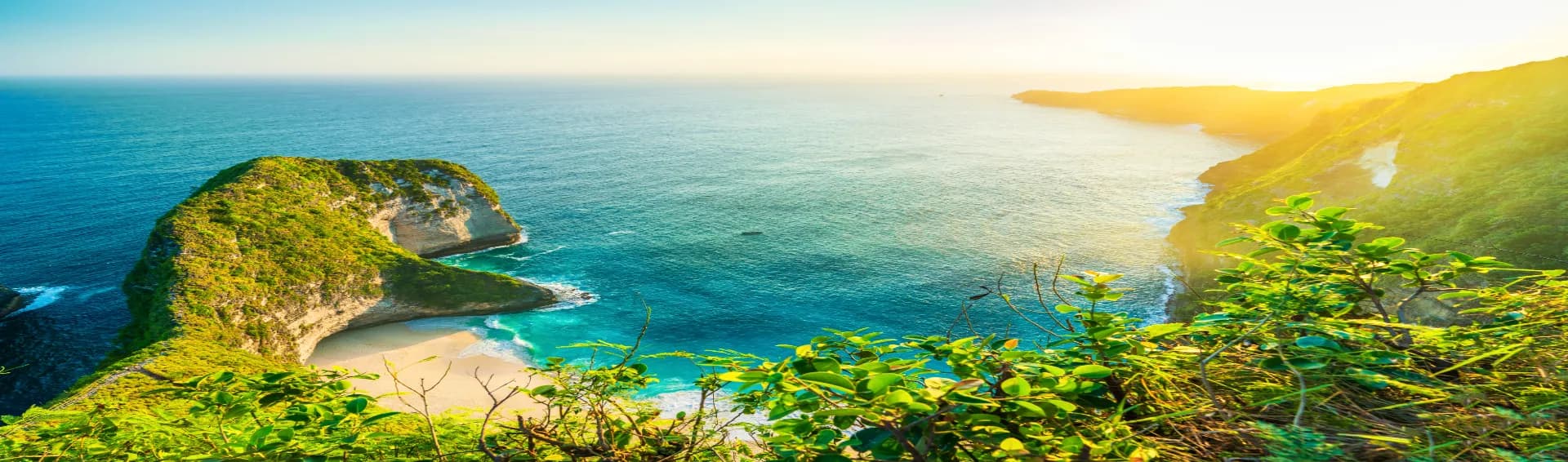
Nobody warns you about the roads. You have seen the photos, the T. rex cliff, the blue water, and the dramatic viewpoints. What nobody mentions is that getting to those spots involves 45 minutes on potholed mountain roads with no barriers between you and a very long drop.That is Nusa Penida. Beautiful, raw, and slightly inconvenient in the best way. Most Indians add it as a day trip while booking their Bali tour packages and end up wishing they had planned two days instead.This guide covers everything an Indian traveler actually needs: visa process, ferry details, costs in INR, food options, and honest advice on what is worth your time and what is not.Do Indians Need a Visa for Nusa Penida?Nusa Penida is part of Indonesia, so the same visa rules apply as in Bali.Indian passport holders get a Visa on Arrival at Bali's Ngurah Rai Airport. Cost is USD 35, roughly ₹2,900. You can also apply for an e-VOA online before travel at molina.imigrasi.go.id, which saves time at the airport counter.On arrival at Nusa Penida's port, there is a separate island entry fee of IDR 25,000, about ₹130. Small amount, but carry cash because card machines are not reliable there.How You Can Get To Nusa Penida from BaliThe fast boat from Sanur Harbour is the standard route. The journey takes 30 to 45 minutes. Over 90 boats depart daily, so you are rarely stuck waiting.Cost in INR:Fast boat one way: ₹800 to ₹2,100Return ticket: ₹1,600 to ₹3,400Book online in advance, especially during peak months like July, August, and December. Boats fill up fast, and last-minute tickets at the port cost more.The public ferry from Padang Bai is cheaper but takes 90 minutes and is mainly used for vehicles. Not worth it for tourists.Best Places to Visit in Nusa Penida1. Kelingking BeachThe T-Rex shaped cliff. You have seen it in every Bali reel. In person, it is bigger and steeper than photos suggest. The viewpoint at the top is free. Hiking down to the actual beach takes 45 minutes each way on near-vertical steps. Do it only if you are physically fit and carry enough water.2. Angel's Billabong and Broken BeachBoth are on the west coast, five minutes apart. Angel's Billabong is a natural rock pool that fills with ocean water. The colour is genuinely that turquoise. Swimming is sometimes restricted during high tide due to wave surge risk. Broken Beach next door is a circular cove with a natural rock arch. No swimming there, but the view is worth the stop.3. Diamond BeachEast coast. Less crowded than the West. Long staircase down to the beach, but manageable. The sand is white, and the water is calm enough to swim. If you are staying overnight, this is worth the extra travel time.4. Crystal Bay and Manta PointCrystal Bay has calm water and a reef you can snorkel from shore. Manta Point, about 20 minutes by boat, is where you swim with manta rays. Most organised tours include this. Sightings are almost guaranteed between July and October.Day Trip or Overnight Stay?One day is enough for the west coast circuit: Kelingking Beach, Angel's Billabong, Broken Beach, and Crystal Bay. But you will be rushing. Roads are rough, and distances take longer than Google Maps suggests.Two days lets you cover the East Coast too, go snorkeling properly, and actually sit at a beach instead of photographing it and leaving.For families with kids, overnight is the better call. Less stress, better experience, similar cost when you factor in what you actually see.Getting Around Nusa PenidaThere are three options:Scooter rental: ₹200 to ₹1,400 per day. Only do this if you are genuinely comfortable on a bike. The roads have potholes, steep gradients, and no barriers on cliff edges. Not the place to learn.Private driver: ₹1,500 to ₹2,500 for a full day. Best option for families and first-timers. The driver knows the roads, handles timing, and waits at each spot while you explore.Organised tour: ₹2,500 to ₹5,000 per person, including ferry. Good value if you are traveling solo or as a couple and do not want to plan logistics yourself.Where to Stay in Nusa Penida Budget guesthouses in Toyapakeh and Ped area run between ₹800 and ₹1,800 per night. Toyapakeh is the most practical base, close to the ferry port, and has the most food options around.Mid-range hotels near Jungeut Batu cost ₹2,500 to ₹5,000 per night. Good balance of comfort and location.Cliff-view resorts on the west coast start from ₹6,000 and go higher. Stunning views, but isolated. Go there for the experience, not the convenience.Total Budget for Indians: Cost BreakdownFast boat return: ₹2,400 to ₹4,200Island entry fee: ₹130Private driver (full day): ₹1,500 to ₹2,500Meals per day: ₹600 to ₹1,200Accommodation per night: ₹800 to ₹5,000Activities and snorkeling: ₹800 to ₹2,000Day trip total: ₹5,000 to ₹10,000 per personTwo-day trip total: ₹9,000 to ₹18,000 per personBest Time to Visit from IndiaApril to October is the dry season. Seas are calm, boat crossings are smooth, and snorkeling visibility is good. July and August are peak months, meaning more crowds at viewpoints but reliable weather.November to March brings rougher seas and some boat cancellations. Not impossible, but riskier. If you are traveling during Christmas or New Year, book ferries and accommodation at least a month in advance. Prices go up, and availability drops fast.Indians traveling during Diwali (October) hit the sweet spot: good weather, slightly fewer international tourists, and manageable prices.Food: What Indians Should KnowLeh town, this is not. Vegetarian options exist, but you need to look for them. Most warungs (local eateries) serve grilled fish, noodles, and rice dishes. Dal and roti are not common outside tourist restaurants.A few places in Toyapakeh and near Crystal Bay serve basic Indian-style vegetarian food. Expect to pay ₹300 to ₹600 per meal. Carry some snacks from Bali if you are a strict vegetarian, especially if you are heading to remote spots on the east coast.Points to be considered: UPI does not work in Indonesia. Carry IDR cash or use a zero-forex debit card.Should Indians Visit Nusa Penida?Yes, and sooner rather than later. The island is getting more popular every year and the quieter East Coast beaches will not stay quiet forever. Go for two days, hire a driver, and keep at least one morning free with no plan. That is usually when the best moments happen.

Read More

Bali Transport Guide 2026: How to Get Around Safely
May 26, 202612 Minutes
Bali Transport Guide 2026: How to Get Around Safely
First-timers land in Bali with a rough plan: see the rice terraces, catch a sunset in Uluwatu, eat something good in Seminyak. What nobody warns you about is the 45-minute traffic jam between Kuta and Canggu that eats your entire afternoon. Or the airport taxi that charges three times the fair price because you did not know better. Getting around Bali is not complicated. But it does require a plan.The best ways to get around Bali in 2026 are scooter rentals for short, flexible rides, Grab or Gojek for quick, convenient trips, and private drivers for full-day sightseeing. Public transport is minimal. An International Driving Permit is legally required to ride or drive. Most travelers booking Bali tour packages get transport sorted in advance, and honestly, that is the smarter way to do it.How to Get Around Bali: All Transport Options at a GlanceScooter Rental: Best for solo and budget travelers.Grab or Gojek: Best for short, convenient rides. Private Driver: Best for full-day tours and families. Shuttle Service: Best for airport transfers and groups.Public Bus: Best for fixed routes on a tight budget.Car Rental: Best for long road trips.Scooter Rental in Bali: Cost, Rules, and What Nobody Tells YouScooters are everywhere in Bali. They are cheap, easy to park, and genuinely the fastest way to move through narrow roads and traffic. Most budget travelers swear by them.But here is what rental shops will not tell you: Bali traffic is chaotic in a way that feels manageable until it suddenly is not. Potholed side roads, dogs crossing highways, and trucks with no lights at night are real situations. If you are not comfortable on two wheels back home, Bali is not the place to learn.How Much Does a Scooter Cost in Bali?Daily rental rates sit between IDR 60,000 and IDR 1,80,000, which works out to roughly ₹300 to ₹900 per day. Weekly rates come cheaper. Fuel costs almost nothing extra.Do You Need an International Driving Permit in Bali?Yes. This is non-negotiable in 2026. Bali authorities have tightened checks on tourists, especially around Kuta and Seminyak. You need a valid International Driving Permit (IDP) along with your original Indian license. Getting caught without one means fines or being asked to pay on the spot, and neither is a good start to a holiday.Apply for your IDP through the RAC or AAI in India before you travel. It is a straightforward process.Safety Tips Before You RideAlways wear a helmet, even for five-minute rides. Avoid riding after dark in areas outside the main tourist zones. Roads in less-visited parts of Bali are poorly lit. Download offline Google Maps before heading out because mobile data drops in hilly regions around Ubud and Kintamani.Grab and Gojek in Bali: Does It Actually Work Everywhere?Short answer, yes, in most places. In a long answer, it depends on where you are trying to be picked up.Both Grab and Gojek work reliably across southern Bali, including Seminyak, Kuta, Canggu, Sanur, and Denpasar. Ubud has restrictions in certain areas because local transport unions have pushed back on ride-hailing pickups. The workaround most travelers use is walking a few minutes away from the main market area before requesting a ride. Drop-offs are usually fine.Where These Apps Work and Where They Do NotReliable areas: Kuta, Seminyak, Canggu, Sanur, Nusa Dua, Denpasar, and most of Ubud, with the workaround mentioned above.Limited or unavailable: Remote villages, Sidemen, Amed, and Lovina in the north. In these areas, you will need a private driver or scooter.Grab vs Gojek: Which One to Use?Both are solid. Grab tends to have slightly better car availability. Gojek has more motorbike options and is marginally cheaper for short rides. Download both before you land and use whichever has a shorter wait time in the moment. Pricing is transparent on both apps, which is the main advantage over flagging down a street taxi.Hiring a Private Driver in Bali: Cost, How to Book, and Is It Worth It?For most Indian travelers, especially families and couples, a private driver is the single best transport decision you can make in Bali. You get a comfortable air-conditioned car, someone who knows the roads, and the flexibility to stop wherever you want.Local drivers often double as informal guides. They know which temple has the shortest queue in the morning, which viewpoint is worth the detour, and where to eat without paying tourist prices. That local knowledge is genuinely useful.Full-Day vs Half-Day Driver Rates in INRA full day with a private driver, roughly 8 to 10 hours, costs between ₹2,200 and ₹4,000 depending on the vehicle size and route. A half-day of around 4 to 5 hours runs ₹1,200 to ₹2,000. For longer inter-island routes or drives to North Bali, rates go higher.How to Find a Trustworthy DriverBook through your hotel or a reputable travel portal rather than accepting offers from strangers at the airport or near tourist sites. Ask for the driver's name, contact number, and vehicle registration before confirming. Trusted drivers on platforms like Klook or GetYourGuide have reviews you can check.Bali Airport Transfer Guide: Ngurah Rai to Your HotelNgurah Rai International Airport sits in the south of the island, near Kuta. The moment you step out of arrivals, you will be approached by drivers offering rides. Some are legitimate. Many are not.Do not accept random offers. Use the official taxi counter inside the terminal where rates are fixed and printed. Or better, pre-book your airport transfer before landing so a driver is already waiting with your name on a board.Official Taxi vs Pre-Booked Transfer: Which Is Cheaper?Official metered taxis from the airport counter are reliable but not always the cheapest. A transfer from the airport to Seminyak costs roughly ₹700 to ₹900. Ubud runs ₹1,500 to ₹2,000. Pre-booked private transfers via hotel or travel portal are often in the same range but come with the added comfort of confirmation and tracking.How to Use Grab at Bali AirportGrab pickups are available at Ngurah Rai, but from a designated zone outside the terminal. Follow airport signage to the ride-hailing pickup area. Staff are usually present to help direct you. This is often cheaper than the official taxi counter, but wait times can vary.Getting Between Seminyak, Ubud, Canggu, and Kuta: What to ExpectDistances in Bali look short on a map and feel long in traffic. Seminyak to Ubud is about 31 km, but it can take 1.5 to 2 hours during peak hours. Canggu to Kuta looks close, but it regularly takes 45 minutes due to bottlenecks near Legian.Here are approximate private driver or Grab costs between major areas:Kuta to Seminyak: ₹250 to ₹400Seminyak to Canggu: ₹350 to ₹500Kuta to Ubud: ₹700 to ₹1,000Ubud to Nusa Dua: ₹900 to ₹1,300Seminyak to Uluwatu: ₹600 to ₹900Plan around traffic. 8 to 10 AM and 4 to 6 PM are the worst windows, especially through Denpasar and Kuta.Public Transport in Bali: Bemo, Trans Metro Dewata, and Kura-Kura BusPublic transport in Bali is minimal. That is the honest reality. It has been improving slowly, but for tourists with a real itinerary, buses are more of a backup than a reliable option.Kura-Kura Bus connects Kuta, Seminyak, Sanur, and Ubud on fixed routes. Fares start around ₹110. It is air-conditioned and tourist-friendly, but runs on a fixed timetable that may not match your plans.Trans Metro Dewata (Teman Bus) is Bali's newer public bus initiative, primarily designed for local commuters between Denpasar and surrounding areas. It uses a prepaid card system and covers limited tourist routes.Bemos are traditional shared minivans still found in local areas. Very cheap, no fixed schedule, and leave only when full. They were essentially Bali's version of a tuk-tuk, but tuk-tuks as you know them from Bangkok or Delhi do not exist in Bali. Bemos are fine for adventurous travelers with no time pressure, but not practical for a structured holiday.Renting a Car in Bali: When It Makes Sense and When It Does NotSelf-driving in Bali has real appeal if you want total freedom. You set your own pace, stop at viewpoints spontaneously, and are not dependent on anyone's schedule.But Bali roads are genuinely challenging. Traffic in Denpasar and Ubud is dense. Roads narrow sharply once you leave the main tourist corridors. Street signage is inconsistent. Parking near popular attractions can be frustrating.Car rental costs ₹1,600 to ₹2,700 per day, depending on the model. You need an IDP. If you are not comfortable driving in Southeast Asian traffic conditions, the wiser call is hiring a driver. Same comfort, less stress.Getting Beyond Bali: Ferries, Speedboats, and Domestic FlightsBali is a base for exploring the rest of Indonesia. The three main options for island-hopping:Ferries depart from Padang Bai and connect to Nusa Penida, Lombok, and the Gili Islands. Budget-friendly and slow. Good if you are not in a hurry.Speedboats from Sanur or Padang Bai cut travel time significantly. Bali to Nusa Penida takes about 45 minutes. Bali to the Gili Islands takes 1.5 to 2 hours. Costs range from ₹500 to ₹1,800 per person, depending on the operator and destination.Domestic flights connect Bali to Lombok, Flores, Labuan Bajo (for Komodo), Sulawesi, and beyond. Garuda Indonesia and Lion Air run frequent routes. Good option if you are combining Bali with a Komodo or Raja Ampat extension.Bali Transport Tips for Indian Travelers SpecificallyBuy an Indonesian SIM card at the airport first.Telkomsel and XL Axiata work best across all of Bali.Grab and Gojek need active mobile data to function.Never bargain too hard; drivers will cut corners fast.Unofficial airport drivers often add surprise charges at the destination.Official prepaid taxi counters sit inside the terminal; use them.Always confirm the driver's name and rate before starting your ride.


Read More

Bali with Kids: Complete Family Trip Guide for Indian Parents 2026
May 25, 202612 Minutes
Bali with Kids: Complete Family Trip Guide for Indian Parents 2026
Bali with kids is not as complicated as most Indian parents imagine. Yes, it is international, yes, the language is different, but this island is genuinely one of the most child-friendly places in Southeast Asia. Calm beaches, animal parks, water parks, and family resorts that actually understand what "family-friendly" means, it checks every box.And here is the part that surprises most families: Bali costs far less than other international destinations like Europe or Australia. You get beaches that rival the Maldives, food that works for Indian stomachs, and no visa stress for Indian passport holders. A well-planned Bali tour package with kids can fit any budget, whether you are travelling with a toddler or a twelve-year-old.Is There a Best Time to Visit Bali With Kids?Timing your Bali trip well saves you from a lot of heat, rain, and crowded attractions. Here is how the year splits up:April to October (Dry Season: Best Overall)The weather stays sunny and pleasant, with temperatures between 26°C to 32°COutdoor activities like beach days, safari visits, and water parks are fully accessibleRoads are drivable, and most attractions are openIdeal for first-time family travellersApril to May and September to October (Sweet Spot Within Dry Season)Crowds are thinner compared to peak summer monthsHotel prices are more affordableYou get all the good weather with fewer tourist queuesBest months if you want a calm, relaxed trip with kidsNovember to March (Rainy Season: Approach with Caution)Heavy afternoon showers are common, especially in December and JanuarySome beach activities get cancelled due to rough waterCertain waterfalls and roads can get floodedPrices drop significantly, so budget travellers accept the trade-offBest Stay Options for Families and Kids in BaliYour hotel choice matters more than most parents realise. A bad pick means kids sharing a tiny room, no pool, and zero in-house activities. These three properties consistently deliver for Indian families:1. Grand Hyatt Bali, Nusa DuaGrand Hyatt sits in Nusa Dua, which is the safest, most family-oriented part of Bali. The resort has expansive lagoon-style pools, a dedicated Kids Club with fun and educational activities, and a calm, reef-protected beach that is ideal for children.Approximate cost: ₹18,000 to ₹30,000 per night.2. The Westin Resort Nusa DuaThe Westin has a dedicated freshwater kids-only pool with a 12-metre water slide, plus canoeing and kayaking options for older children. The Westin Family Kids Club keeps little ones busy while parents actually get to relax. Approximate cost: ₹15,000 to ₹25,000 per night.3. Padma Resort LegianPadma is famous among families for its multi-level pool complex with water slides, shallow pools, and a lazy river. The children's centre runs a full daily activity programme. It is slightly less resort-corporate than Nusa Dua, with beach access in a calmer stretch of Legian.Approximate cost: ₹12,000 to ₹20,000 per night.What Is There for the Kids in Bali?Kids do not run out of things to do here. Bali has built an entire ecosystem of child-friendly experiences, and three places stand out above the rest:1. Waterbom Bali, KutaAsia's top-rated water park. Slides, wave pools, and splash zones across 3.8 hectares of lush grounds. Go early; the crowds build up fast after 11 AM.Activities: Water slides for all ages, lazy river, splash zone for toddlers, FlowRider surf simulatorEntry fee: Approx ₹3,000 to ₹3,500 per adult, ₹2,000 to ₹2,500 per child (under 12)Timings: 9 AM to 6 PM daily2. The Amazing Taman Safari Bali, GianyarKids watch animals from safari-style vehicles and can get close to elephants, lions, and Komodo dragons through interactive exhibits. One of the most memorable Bali experiences for children between the ages of 5 and 14.Activities: Safari rides, elephant rides, animal shows, marine park section with fish and raysEntry fee: Approx ₹4,000 to ₹5,500 per adult, ₹3,000 to ₹4,000 per childTimings: 9 AM to 6 PM daily3. Ubud Monkey Forest, UbudMore than 700 long-tailed macaques roam freely in a lush jungle sanctuary. Kids absolutely lose their minds here in the best possible way. Just keep food in bags and do not make direct eye contact with the bigger ones.Activities: Guided forest walks, monkey interaction, and ancient temple explorationEntry fee: Approx ₹300 to ₹550 per personTimings: 9 AM to 5 PM dailyBest Itineraries for Families: 3-Day, 5-Day, and 7-Day Plans3-Day Itinerary (Short but Sweet)Day 1: Arrival and Beach TimeCheck into your hotel. Head to Nusa Dua beach in the afternoon. Let the kids splash around in the calm water. Keep the evening low-key with dinner at the hotel.Day 2: Waterbom Bali + Kuta ExploreFull day at Waterbom Bali. Arrive by 9 AM. After the water park, stroll through Kuta's beachside area. Buy some souvenirs at the night market.Day 3: Ubud Day TripMonkey Forest in the morning. Tegallalang Rice Terraces for photos and a quick walk. Lunch at a local Ubud restaurant. Head back to base and fly home the next morning.5-Day Itinerary (Balanced and Comfortable)Day 1: Arrive, check in, rest. Evening beach walk.Day 2: Waterbom Bali (full day). Evening at Seminyak beach.Day 3: Bali Safari and Marine Park. Kids spend 4 to 5 hours here easily.Day 4: Ubud -Monkey Forest, Tegallalang Rice Terraces, local craft market.Day 5: Leisure morning at the hotel pool. Shopping. Evening departure or beach dinner.7-Day Itinerary (Full Bali Experience)Day 1: Arrival. Hotel check-in. Rest.Day 2: Waterbom Bali. Kuta beach evening.Day 3: Bali Safari and Marine Park, Gianyar.Day 4: Ubud- Monkey Forest, Tegallalang, Ubud Palace, local food tour.Day 5: Nusa Dua- calm beach, water sports (kayaking, banana boat), resort pool.Day 6: Uluwatu Temple and Kecak Fire Dance at sunset. Seafood dinner at Jimbaran Beach.Day 7: Morning leisure. Last-minute shopping at Seminyak or Sukawati market. Departure.The Cost for a Bali Trip With FamilyHere is a practical cost breakdown for an Indian family of 4 (2 adults, 2 kids) for a 7-day trip:Round-Trip Flights (per person): ₹15,000 to ₹30,000Stay Cost (per night): Budget (3-star hotels): ₹4,000 to ₹6,000Mid-range (4-star resorts): ₹8,000 to ₹15,000 Premium (5-star): ₹18,000 to ₹30,000Other CostsVisa on Arrival + Tourist Levy: approx ₹14,000 to ₹15,000 for family of 4Daily food budget per person: ₹800 to ₹2,000 depending on restaurant typeActivity costs (Waterbom, Safari, Ubud): approx ₹20,000 to ₹30,000 for the familyPrivate car with driver (full day): approx ₹3,000 to ₹4,500 per dayThings to Carry for Kids in BaliHigh SPF sunscreen, reapply every two hoursOral rehydration salts for heat or stomach issuesKids' insect repellent with DEET for eveningsWaterproof sandals are good for the beach and poolsA small first aid kit with basic medicinesPortable power bank, kids can drain phones fast

Read More

Bali Beyond the Crowd: 7 Off-Beat Areas Indians Are Discovering in 2026
May 25, 202611 Minutes
Bali Beyond the Crowd: 7 Off-Beat Areas Indians Are Discovering in 2026
Bali keeps showing up on every Indian travel group. And honestly, it deserves the hype. But here is the thing nobody tells you before you land, Kuta smells like sunscreen and exhaust, Seminyak costs more than a weekend in Goa, and Ubud's famous rice terraces now have a ticketing system with selfie zones. So the question is simple. Is there a real Bali left? Yes. You just have to know where to look.Indians figured this out fast. Travelers who once booked standard Bali tour packages are now asking their agents for places that are not already on Instagram Reels. And 2026 is the year that the shift became impossible to ignore.Why Travelers Are Moving Beyond Seminyak and KutaKuta used to be a vibe. Now it is a crowd management problem. Every peak season, hotels raise prices, beaches fill up by 8 AM, and the sunsets you came for are half-blocked by drone operators. Seminyak is better, but "better" now means spending around ₹15,000 to ₹25,000 per night for a villa that used to cost half that three years ago.Social media did something interesting here. It made the hidden spots visible, but it also made the hidden spots crowded. So travelers are now chasing the next wave, the places that are one step ahead of the algorithm. And Bali has plenty of those. Here are some offbeat places to visit in Bali1. Sidemen: The Bali Most Tourists Still MissSidemen sits in East Bali, about 90 minutes from the airport. No one is fighting for a rice terrace photo here. The terraces are wider, quieter, and surrounded by a view of Gunung Agung on a clear morning that genuinely stops you mid-step.Local warung meals cost around ₹150 to ₹300. Villas with mountain views run between ₹2,500 and ₹6,000 per night, which is a remarkable value. Slow mornings, long breakfasts, and absolutely zero club music at midnight. Couples and solo travelers are making Sidemen their base for 3 to 4 days, not just a day trip.2. Munduk: Waterfalls, Coffee Farms, and Cold WeatherBali is mostly warm and humid. Munduk is not. This hill town in North Bali sits at around 1,000 metres above sea level, and the temperature drops enough that you will actually want a jacket at night. That alone surprises most Indian travelers exploring offbeat places to visit in Bali, especially those who pack only shorts.The waterfalls near Munduk, especially Melanting and Banyumala, are a 20 to 45 minute trek from the road and still see very little foot traffic outside peak months. Coffee plantation walks here cost around ₹300 to ₹600 and include a tasting session. Couples particularly love Munduk because it feels like a hill station that nobody else has discovered yet.3. Amed: The Calm Side of Bali's CoastlineAmed is everything Kuta is not. Black sand beaches, fishing boats lined up at dawn, and a coastline so quiet you can hear the water without someone's Bluetooth speaker interrupting. The snorkeling is excellent, and the Japanese shipwreck dive site nearby is one of Southeast Asia's best-kept secrets for divers.Cafes here serve fresh catch for under ₹400 a plate. Sunset points along Amed's coast stay surprisingly peaceful even in July, which is why it’s becoming one of the offbeat places to visit in Bali. If you are done with the party beach scene, Amed delivers the exact opposite without making you feel like you gave something up.4. Nusa Penida Beyond the Instagram SpotsKelingking Beach. Angel's Billabong. Diamond Beach. You know these names. Everybody does. And everybody shows up between 7 AM and 2 PM in the same wave of day-trip boats. Here is what most visitors skip: stay overnight in Nusa Penida. The entire dynamic changes after 4 PM. Tourists leave, the light gets golden, and the cliffs are yours.5. Pemuteran: Bali Before Tourism Took OverPemuteran is a small coastal village in Northwest Bali. The whole town feels like what Bali must have felt like 30 years ago, before resort chains arrived. The reef restoration project here, Biorock, is internationally known among divers, but the village itself stays calm year-round.Stays in Pemuteran average ₹3,500 to ₹8,000 per night. The best time to visit is between April and October, when visibility underwater is clearest. Conversations with locals here are easy and genuine, not rehearsed for tourists.6. Seseh: The New Favorite for Quiet LuxurySeseh is where Canggu was five years ago, before Canggu became a yoga-and-coffee influencer neighbourhood. It sits just north of Canggu, has the same black sand beach, but none of the scooter traffic or smoothie bowl queues. That’s exactly why it’s becoming one of the offbeat places to visit in Bali. Boutique villas here are increasingly popular with digital nomads from India who work remotely and want a peaceful base.Many travelers now prefer exploring hidden gems over crowded tourist spots, which is why lesser-known Places to Visit in Bali are becoming more popular. While mainstream areas like Kuta and Seminyak offer nightlife and luxury stays, offbeat destinations provide peaceful scenery, local culture, and a more relaxing experience.Is Offbeat Bali Better Than Mainstream Bali?Depends entirely on who you are. If this is your first Bali trip and you want the pool villa, beach clubs, and Bali swing photos, mainstream Bali delivers that perfectly well. No shame in it.But if you have done the standard circuit once, or if you just want something quieter from the start, the offbeat version is sharper. The food costs less. The views compete. And you come back with stories that do not sound like everybody else's trip. Bali still has real corners to find. You just have to be willing to skip the obvious ones.The choice also depends on the type of Things to Do in Bali travelers enjoy. Mainstream Bali is perfect for beach clubs and shopping, while offbeat Bali offers hidden waterfalls, village tours, and nature experiences away from heavy crowds.

Read More

Bali Solo Female Travel Guide for Indians: Safety, Areas & Tips 2026
May 25, 202612 Minutes
Bali Solo Female Travel Guide for Indians: Safety, Areas & Tips 2026
Bali has this funny effect on people. You tell your family you are going alone, and they look at you like you just said something dangerous. Then you come back and spend the next month telling everyone they need to go. That gap, between the fear before and the reality after, is what this guide is trying to close.Bali is genuinely one of the easier first international solo trips for Indian women. English works everywhere, locals are used to solo female travelers, and the risks are mostly the boring, practical kind. Most travelers book Bali tour packages starting at ₹60,000 to ₹1,00,000 for 7 nights from India, covering flights, stay, and key activities.Is Bali Safe for Indian Solo Female Travelers in 2026?Yes. Bali is consistently ranked one of the safest destinations in Southeast Asia for women traveling alone, and violent crime against tourists is extremely rare.The real risks are practical. Unlicensed taxis, scam tour operators, and overpriced money changers are more common than any physical threat. Use Grab or Gojek for all transport and stick to authorized money changers only.One warning most guides skip: avoid cheap Arak shots at beach bars. Methanol poisoning from low-quality Arak is rare but documented. Stick to sealed bottles, and never leave your drink unattended, even in Canggu.Best Areas to Stay in Bali for Solo Female TravelersUbud: Ubud is the safest and most welcoming area for solo female travelers. Strong spiritual vibe, wellness culture, and a high number of other solo women passing through. Very walkable during the day.Seminyak: Seminyak suits travelers who want comfort, good restaurants, and beach clubs without full resort isolation. Well-lit streets and a high concentration of tourists make it feel secure.Canggu: Canggu is the spot for digital nomads and younger crowds. Strong social scene, cafes everywhere, and a vibe where solo travel feels completely normal.Sanur: Sanur is calmer and more local. Good base for day trips to Nusa Lembongan or Uluwatu if you prefer a quieter pace.How to Reach Bali from IndiaDirect flights to Bali operate from Delhi, Mumbai, and Bengaluru via Air India and IndiGo. Flight duration: Bengaluru takes around 6 hours 50 minutes, Delhi around 7 hours 30 minutes to 8 hours, and Mumbai around 8 to 8 hours 30 minutes.Connecting flights through Singapore or Kuala Lumpur add 3 to 8 hours, depending on the layover.Round-trip direct flight costs: Delhi ₹36,000 to ₹48,000, Mumbai ₹34,000 to ₹46,000. Budget connecting flights booked early can come in around ₹22,000 to ₹30,000. Book 6 to 8 weeks in advance. Avoid July, August, and December for lower prices.Bali Visa Rules for Indian Passport Holders in 2026Indian passport holders need a Visa on Arrival (VOA) for Bali, valid for 30 days. The visa costs ₹3,000 to ₹3,500 (IDR 500,000), payable online via e-VOA or at the airport. A separate Bali Tourist Levy of around ₹750 to ₹850 is mandatory on top of the visa fee.Requirements: Passport valid for at least 6 months, return ticket, and proof of accommodation. The VOA is extendable for 30 more days. Carry printed copies of your hotel booking and return flight at immigration.Important: Indonesia requires proof of funds of USD 100 per day of stay. For a 7-day trip, that is roughly ₹58,000. Keep a bank statement or a forex card screenshot on your phone.How Much Does a Solo Trip to Bali Cost from India?A 7-night Bali trip from India costs ₹60,000 to ₹1,00,000 for most Indian solo female travelers.Breakdown: Flights ₹22,000 to ₹48,000 return, accommodation ₹3,000 to ₹6,000 per night, food ₹500 to ₹1,500 per day, activities and transport ₹8,000 to ₹15,000 for the week. Comfort travelers with private transfers should budget ₹1,20,000 to ₹1,50,000.Getting Around Bali Alone: Transport Options and CostsGrab and Gojek are the safest and most reliable options. Prices are fixed before you confirm. Short rides of 3 to 5 km cost ₹125 to ₹250. Airport to Seminyak runs ₹670 to ₹1,000. Seminyak to Ubud goes up to ₹1,250 to ₹2,100. Both apps have a share-ride feature; use it to send your live location to someone back home.Note: Apps do not work in all areas. Parts of Ubud and Uluwatu have local taxi restrictions, so walk to a nearby pickup point or hire a driver directly.Scooter rentals cost IDR 70,000 to IDR 100,000 per day (₹350 to ₹500). But in 2026, Bali police are running strict daily checkpoints. Tourists without a valid International Driving Permit endorsed for motorcycles are fined on the spot. If you do not have an IDP and real riding experience, skip it entirely.Private driver for a full day costs ₹2,500 to ₹4,000 and is the smartest option for temple circuits or multi-area days.Safety Tips Every Indian Female Traveler Must KnowSave your accommodation number in your contacts before you land. Not in notes. Contacts.Tell someone back home your daily plan every morning.Grab or Gojek only. Never get into an unmarked taxi.Leave expensive jewellery at home. Markets are crowded, and chains disappear fast.Photocopy your passport and keep it somewhere separate from the original.No isolated beaches after dark. No exceptions.Drinks stay in your hand at bars. Put it down and order a fresh one.Best Time to Visit Bali for Indian TravelersThe best time to visit Bali for Indian travelers is April to June and September to October. These months offer dry weather, manageable crowds, and flight prices below peak season levels. July and August are busy and expensive. December spikes due to Christmas and New Year demand. Book at least 2 months ahead if traveling during Indian school holidays.

Read More

North Bali vs South Bali 2026: Why Indians Keep Missing the Better Half of the Island
May 12, 202611 Minutes
North Bali vs South Bali 2026: Why Indians Keep Missing the Better Half of the Island
If you are a hardcore traveller, you must know that Bali has two sides, North and South. Most Indian travellers return from Bali thinking they’ve “seen Bali” after spending 5 days between Kuta, Seminyak, and Ubud. But Bali in 2026 is no longer just beach clubs, floating breakfasts, and traffic-filled sunset roads. The island is split into two very different experiences: North Bali and South Bali.And honestly, most tourists only experience the louder half.That’s also why travelers searching for Bali tour packages are now asking more questions before booking. They want to know where Bali actually feels peaceful, where the crowds are lower, and whether North Bali is worth the long drive. Viacation has seen this shift clearly in updated 2026 travel inquiries. And this is why this blog is very necessary.Experiences You Get in North and South Bali1. Beach Cafes & NightlifeIf your idea of a holiday is packed nightlife and social energy, South Bali wins easily. South Bali is designed for stimulation. The moment you enter Seminyak or Canggu, you notice it immediately: music from beach clubs, packed cafés, scooters everywhere, influencers taking photos at sunset, and restaurants open till midnight. For first-time Indian travelers, this side feels exciting because everything is accessible. With Indian food, shopping streets, clubs, and currency exchanges, it’s easy to travel.North Bali is almost opposite. Places like Lovina don’t try hard to entertain you. Cafés are smaller, roads are quieter, and evenings end earlier. Instead of beach DJs, you hear waves and scooters passing occasionally. Some travelers call it “boring.” Others call it the side of Bali they were actually looking for.2. Beaches: Famous Beaches vs Peaceful CoastlinesSouth Bali’s beaches are built around activity. Kuta is crowded almost every evening. Melasti Beach has become one of the biggest social media spots in Bali. Surf schools, beach clubs, ATV rides, café hopping, etc. For honeymooners and first-time international travelers, this works well because everything feels lively.But North Bali beaches are different in both appearance and mood. The sand is darker because of volcanic activity. The waves are calmer. You won’t find rows of luxury clubs on every shoreline. Instead, beaches here feel slower and more local.One of the biggest experiences is the sunrise dolphin tour in Lovina. But even that shows the difference between the two sides of Bali. South Bali sells sunsets and nightlife. North Bali wakes up before sunrise.And honestly, many Indian travelers are surprised by this. They expect all of Bali to look like Instagram reels from Seminyak. North Bali feels quieter, greener, and less commercialized.3. Waterfalls & NatureThis is where the gap becomes much bigger in 2026. South Bali waterfalls near Ubud are easier to reach, which is why most tourists visit them. But many of these places now feel heavily commercialized. You’ll often find queues for photos, ticket counters everywhere, and crowded viewing points.North Bali still gives a stronger feeling of discovery. Places like Sekumpul Waterfall and Munduk involve mountain roads, cooler weather, and longer drives through villages. The journey itself starts becoming part of the experience.Bottom of the line is: South Bali feels curated for tourism. North Bali still feels connected to local life.4. Travel Fatigue — The Biggest 2026 Reality CheckThis is probably the most important difference nobody explains properly before booking Bali. South Bali traffic has become exhausting in 2026. People plan 4 - 5 activities daily because locations “look nearby” online. Then half the day disappears in cars. Many travelers return saying Bali was beautiful but tiring.North Bali has the opposite problem. It’s far from the airport. Reaching there can take 3 - 4 hours, depending on traffic and weather. That distance scares many tourists away.But once you arrive, the pace changes completely. Roads are emptier. Drives are scenic instead of stressful. You spend less time calculating routes and more time actually experiencing places.Ironically, many travelers skip North Bali because of the drive, then later regret not staying there longer.5. Hotels & Stay ExperienceSouth Bali dominates when it comes to luxury resorts. Private pool villas, honeymoon properties, rooftop bars, beach resorts South Bali is better developed for premium tourism. If someone is visiting Bali for 4–5 days only, staying south makes logistical sense.Whereas North Bali hotels focus more on atmosphere. You’ll find jungle lodges, mountain-view villas, eco-resorts, and quiet oceanfront stays. These places often feel more personal because tourism is still lighter here compared to Seminyak or Kuta.Which Side of Bali Should Indians Choose in 2026?Choose South Bali if you want:NightlifeCafé cultureShoppingBeach clubsShorter travel distances between tourist attractionsChoose North Bali if you want:NaturePeaceful staysWaterfalls and mountain landscapesSlower travelA less commercial version of BaliBut the smartest Bali travelers in 2026 are no longer choosing only one side. They’re combining both. Spend a few days in the south for energy and convenience, then move north for the quieter and more scenic side of the island. That balance is where Bali starts feeling complete instead of rushed.If you’re planning a trip to Bali in 2026, Viacation can help you build a more balanced itinerary that covers both North and South Bali instead of the usual overcrowded tourist circuit.

Read More

Bali vs Thailand 2026: Where Should Indians Go This Year?
May 12, 202612 Minutes
Bali vs Thailand 2026: Where Should Indians Go This Year?
When you decide to visit anywhere. There are some questions that come to every mind. After lots of research and consideration. You're finally stuck between two countries, Bali or Thailand? Now you are under stress! Every Insta reel and snap showing both are stunning. But you don't have the budget for both. So, don't stress anymore, we're gonna give you the best detailed information about both destinations.Both are on every "best international trips for Indians" list. Both are affordable. Both are gorgeous. And yet, they are nothing alike. Picking the wrong one for your travel personality is like ordering biryani and getting pasta. Technically food. Not what you wanted. You can also explore Thailand or Bali tour packages for more itinerary options.So here is an honest assessment without sugar-coated language for 2026.Which is More Expensive, Bali or Thailand?Thailand is considered cheaper than Bali. A 5-night trip to Thailand averages around ₹35,000 to ₹55,000 per person, while Bali costs ₹45,000 to ₹70,000. The gap comes from flight connections and higher activity costs in Bali.Bali Cost Breakdown (Per Person, 5 Nights)Flights (round trip via Singapore or KL): ₹22,000 to ₹35,000Stay (3-star hotel): ₹2,500 to ₹4,500 per nightFood per day: ₹700 to ₹1,200Activities and transfers: ₹5,000 to ₹10,000Thailand Cost Breakdown (Per Person, 5 Nights)Flights (round trip): ₹16,000 to ₹28,000Stay (3-star hotel): ₹1,800 to ₹3,500 per nightFood per day: ₹400 to ₹800 (street food is incredibly cheap)Activities and transfers: ₹4,000 to ₹8,000Thailand is more affordable overall, mainly because flights are cheaper and street food in Bangkok costs as little as ₹80 to ₹150 per meal. But here is one thing people miss: Bali's private pool villas go for ₹4,000 to ₹6,000 per night. If you are travelling as a couple or in a group and want that luxury-on-a-budget feel, Bali actually punches above its weight on accommodation value.Which Country Has an Easier Visa Process?The visa process for Bali or Thailand is easy. But they work differently.1. Thailand Visa for IndiansThailand gives Indians 60 days of visa-free entry. No fees, no paperwork before you travel. You walk in, show your passport, return ticket, and hotel booking. Done in 15 minutes. Just make sure your passport has at least 6 months of validity.2. Bali (Indonesia) Visa for IndiansBali uses a Visa on Arrival system. You pay roughly ₹2,900 at the airport counter before immigration. It gives you 30 days, which you can extend for another 30 days if you want to stay longer. Indonesia now technically requires proof of funds at around $100 per day, so carry a bank statement or a credit card with a reasonable limit, just in case.Both are first-timer-friendly. No embassy visits, no stress. Thailand wins on cost since it is completely free. Bali wins if you want the option to extend your stay without leaving the country.Are Both Destinations Veg-Friendly?Bali: Much easier for vegetarians. Bali is a Hindu island, and that changes everything. Ubud has entire streets of plant-based cafes, raw food restaurants, and Indian eateries. You will find dal, paneer, and thali-style meals in Seminyak without even looking hard. Tempeh and tofu are staples in local warungs. Even the non-vegetarian Balinese food is relatively light on meat.Thailand: Trickier, but manageable. Fish sauce and oyster sauce sneak into almost everything, including dishes that look completely vegetarian. The safest trick is to ask for "jay" food, which is Buddhist vegan, available at dedicated restaurants across Bangkok, Chiang Mai, and Phuket. Indian restaurants are easy to find near tourist areas. But if you are a strict vegetarian or Jain, you will need to stay alert.Verdict: Bali is clearly more veg-friendly for Indian travellers.Beach Fight: Whose Beaches Are More Stunning?Phuket alone has over 30 beaches. Phi Phi Island looks like a screensaver. Railay is surrounded by dramatic limestone cliffs with no road access. Koh Samui, Koh Phangan, and Krabi each one feels like a different universe. The water in the Andaman Sea is genuinely turquoise, the kind of colour you think is only real in edited photos.Bali's beaches are honestly a mixed bag. Kuta is crowded and not particularly attractive. Seminyak has a great sunset bar scene, but the beach itself is ordinary. To get truly beautiful beaches in Bali, you have to take boats to Nusa Penida or Nusa Lembongan, which adds both cost and logistics.Where Bali fights back: surf culture. Uluwatu and Canggu have world-class breaks. If learning to surf is on your bucket list, Bali beats Thailand easily.For pure beach beauty, Thailand wins this round.Are Both Suitable for Every Type of Traveller?First-time international traveller: Thailand. It is cheaper, more straightforward, and easier to navigate. Bangkok has English signage everywhere. Getting from the airport to your hotel takes 30 minutes on an express train.Family with kids: Thailand edges ahead. More kid-friendly activities, simpler food options, and better public transport mean less parental stress.Solo female traveller: Both are safe. Thailand has more backpacker hostels and social infrastructure if you want to meet people. Bali is calmer and more introspective, better if you want peace over parties.Honeymooners: Bali, without question. Private pool villas, temple sunsets, rice terrace walks, the whole vibe is built for romance. Thailand is fun, but it does not feel intimate in the same way.Friend groups: Thailand. Nightlife, island hopping, beach parties, zip lines in Chiang Mai jungles. The energy matches a group looking to have a lot of fun without overthinking it.So, Who Wins, Bali or Thailand?In the competition between Bali vs Thailand, who wins? It depends on what you are chasing.You can go to Thailand if this is your first international trip, and you want to stretch your budget. You love beaches and variety, or your group wants nightlife and adventure. Or go to Bali if you want a slow, spiritual experience. If vegetarian food is important to you, you are on a honeymoon or a couple's trip.And if you still cannot decide? Most people who visit one end up visiting the other within two years. They scratch completely different itches. Thailand gives you the kind of holiday where every day is packed, loud and fun. Bali gives you the kind where you come back feeling like you actually rested. Both are worth your time. Pick based on where your head is right now, not where someone else thinks you should go.

Read More

Login ModalPost Login FormTalk with trip expertAccount Scheduled for Deletion