Author page hero image

About Author

Anshuman Satapathy

Anshuman Satapathy

Author

Anshuman’s Work

Bike Rental vs Bringing Your Own Bike to Ladakh – Which Is Smarter?
May 25, 202610 Minutes
Bike Rental vs Bringing Your Own Bike to Ladakh – Which Is Smarter?
The first time you see those endless Ladakh roads cutting through mountains, your brain says only one thing: “I need to ride here at least once in my life.” Then the confusion starts. Should you bring your own bike or go for a Leh Ladakh bike rental after reaching Leh? One wrong decision can turn an exciting ride into a stressful trip filled with breakdowns, permit confusion, and unnecessary expenses. After planning so many bike trips, speaking with riders, and understanding how Leh Ladakh Tour packages actually work, we have seen both sides closely. This blog clears the confusion and will help you choose the smarter option for your Ladakh adventure.Can You Take Your Own Bike to Ladakh?Yes, you can absolutely take your own bike to Ladakh. Thousands of riders travel from Delhi, Chandigarh, Manali, and Srinagar every year on their personal motorcycles.But your bike should be in excellent condition before entering Ladakh. High altitude, rough patches, water crossings, and long fuel gaps can expose even small mechanical issues. A bike that runs perfectly in city traffic may struggle badly on mountain roads.You should also:Service your bike properly before the tripCarry spare clutch cable, tubes, and engine oilCheck brakes and tyres carefullyBe comfortable riding for long hours continuouslyPrepare for altitude and weather changesAnother important thing, bikes rented outside Leh are not allowed for local sightseeing in many areas of Ladakh. Riders coming from Manali or Srinagar on rented bikes often face restrictions at checkpoints because outside rented bikes are not allowed in Leh. That is why many travelers prefer a local Leh Ladakh bike rental instead of taking outside rental bikes.Why Renting a Bike is Better for Ladakh?For many travelers, renting a bike in Leh turns out to be the smarter and less stressful choice.You avoid riding 1000+ kilometers before even reaching LadakhLocal rental bikes are already suited for the Ladakh terrainRepairs and service support are easier in LehYou save tyre wear, engine stress, and maintenance costs on your personal bikeRental shops provide backup support during breakdownsLocal bikes help avoid permit and union-related issues in sightseeing areasA good Leh Ladakh bike rental also gives flexibility. You can fly directly to Leh, rest for acclimatization, and start your ride fresh instead of arriving exhausted after multiple highway days.Where Can You Rent Bikes in Ladakh?You can rent bikes only in Leh for unrestricted Ladakh sightseeing. This is extremely important because many travelers do not know this rule beforehand. Bikes rented from Manali, Srinagar, or Delhi are not allowed for inner Ladakh sightseeing routes, like:Nubra ValleyPangong LakeTso MoririLocal taxi and bike unions in Leh strictly monitor this. Outside rental bikes may still enter Leh town, but travelers often need to hire local bikes again for sightseeing routes.That is why experienced riders usually choose a local Ladakh bike rental after reaching Leh instead of risking last-minute problems.Best Bikes for Ladakh Trip?Choosing the best bike for Ladakh trip depends on comfort, reliability, and road handling.Here are the most preferred and common options:Royal Enfield Himalayan has excellent stability and comfort on rough roadsKTM Adventure 390, strong performance and better highway handlingRoyal Enfield Classic 350 is comfortable for relaxed ridersIf you are a beginner, the Himalayan usually feels more confidence-building in the Ladakh terrain.What is the Cost of Bike Rental in Ladakh?Bike rental prices in Ladakh usually change slightly every season based on demand, bike condition, and tourist rush. But these are the common 2025–2026 rates you will find in Leh:Royal Enfield Himalayan 411 → ₹2,000 per dayRoyal Enfield Himalayan 450 → ₹2,200 per dayKTM Adventure 390 → ₹3,000 to ₹3,500 per dayRoyal Enfield Classic 350 → ₹1,400 per dayThese rates are based on local Leh rental operators and union-regulated pricing.Documents Required for Bike RentalCarry both physical and digital copies whenever possible.Valid driving licenseAadhaar Card or PassportSecurity deposit amount (usually ₹5,000 - 7,000)Hotel booking details in some casesSome rental shops also ask riders to sign responsibility agreements before handing over the bike.Important Rental TipsBefore finalizing your bike, do not rush just because the bike “looks fine.”Check brakes, clutch, horn, and lights properlyTake photos or videos of existing scratches before pickupAsk clearly about breakdown support and extra chargesConfirm daily kilometer limits if applicableTest ride the bike inside Leh before starting the tripStart your Ladakh ride only after proper acclimatizationMany travelers ignore acclimatization and begin riding immediately after landing in Leh. That mistake alone can ruin the entire trip faster than bad roads.A smart rider does not just choose a powerful bike. A smart rider chooses the safer, more practical option for the terrain, weather, and route conditions.If you are planning to visit Ladakh, then Read These best Places to visit in Ladakh & Things to do in Ladakh.

Read More

Leh Ladakh Group Tour vs Self-Planned Trip – Which One Is Better in 2026?
May 25, 202610 Minutes
Leh Ladakh Group Tour vs Self-Planned Trip – Which One Is Better in 2026?
Answering the biggest confusion: Should you book a Leh Ladakh Group Tour or manage everything yourself?This question matters more in 2026 because Ladakh is getting busier every season. Hotel prices are rising faster during peak months, permits keep changing, and popular routes now get crowded earlier than before. Many travelers still think Ladakh is a “just ride and explore” destination, but the mountains are much more than that, and demand really good planning.With Viacation’s Leh Ladakh tour packages, travelers planning Ladakh group tours often ask the same question: Is freedom worth the extra stress, or is a planned group tour the smarter choice?And we always say: the answer depends on what kind of traveler you are.Advantages of a Group Tour to Leh Ladakh in 2026A proper Leh Ladakh Group Tour is less about “touristy travel” and more about removing the exhausting parts of mountain travel. Your permits, stays, transport, route planning, and backup support are usually already handled. That becomes important in Ladakh because distances look short on Maps but feel very different in reality.For example, the stretch from Pangong to Hanle may look manageable online, but road conditions, army checkpoints, water crossings, and altitude slow everything down. In some areas, mobile networks disappear completely for hours.This is where group tours genuinely help.Tour leaders already know:Where fuel is availableWhich cafés are reliableWhere altitude sickness starts affecting travelersWhich routes become risky after eveningGroup tours reduce those risks heavily.The Reality of a Self-Planned Ladakh Trip in 2026A Self-Planned Ladakh Trip gives you something group tours can never fully provide: freedom to stop at any random cafés, spend extra time near Pangong Lake, explore villages like Turtuk properly, or change routes without asking anyone. For photographers and slow travelers, this flexibility is valuable.But self-planned trips also come with problems that social media rarely talks about.Fuel management becomes stressful outside Leh town. Some routes have extremely limited fuel access.Carrying backup fuel becomes necessary. Bike breakdowns are another reality. Another issue is timing.Google Maps badly misjudges mountain travel. A 120 km route in Ladakh can easily take 5–6 hours because of rough terrain, army traffic, weather, and water crossings.In 2026, peak-season accommodation prices are also becoming unpredictable. Travelers who book late often end up paying premium rates for average stays.Weather remains another major factor.A clear morning near Khardung La can suddenly turn windy, cold, or snowy within hours. The same applies to routes connected to Manali. Mountain travel rewards flexibility, but comes with a lot of backdrops.That is why many experienced travelers still prefer a well-structured Ladakh Road Trip instead of completely improvising everything.Budget Comparison of Ladakh Group Tour Vs Self PlannedMost travelers assume self-planned trips are cheaper. That is not always true. A group tour splits costs across multiple travelers, and because of bulk bookings, tour packages cost much less. Meanwhile, self-planned travelers usually pay higher individual rates, especially during peak season (June to September).In 2026, rising fuel costs are already impacting long mountain circuits. Even bike rentals, taxi prices, and backup vehicle charges are increasing during peak season.A Budget Ladakh Trip can quickly stop being “budget” after:Emergency hotel bookingsRoute changesBike repairsMedical issuesExpensive local taxisAnother hidden reality is exhaustion spending.Many travelers initially plan aggressive riding schedules but later start hiring taxis or upgrading stays simply because they are too tired to continue rough travel daily.Which Option Is Better for Different Types of Travelers?First-Time TravelersA group tour is usually the smarter choice. You focus on enjoying Ladakh instead of constantly managing logistics, routes, permits, and altitude-related issues.Solo TravelersSolo travel sounds exciting, but Ladakh is physically tiring. A solo Ladakh trip through a group departure gives better safety, shared transport support, and easier social interaction during long travel days.Hardcore RidersExperienced riders should prefer self-planned trips because flexibility matters to them more than comfort. But even experienced bikers underestimate how exhausting consecutive high-altitude riding days can become, so a good planning is very necessary for them.CouplesThis depends on priorities. Couples wanting comfort and smoother planning should prefer group tours. Couples wanting slower travel and offbeat stays may enjoy self-planned routes more. Just make sure to book your stays in advance, and don’t skip any travel planning for the last minute.Photographers & Content CreatorsSelf-planned travel works better because sunrise and sunset timings matter heavily in Ladakh. Group itineraries rarely wait for “perfect lighting conditions.”One thing many travelers realize too late:The hardest part of Ladakh is not the roads. It is the exhaustion after multiple days at high altitude.Headaches, dehydration, sleep issues, and fatigue affect even fit travelers. Many people create unrealistic itineraries and end up skipping places entirely. It's a good idea to consult an experienced traveller or even a travel consultant like Viacation, who helps you plan your trips.Which Option Gives a Better Experience in 2026?Group tours are better for:ConvenienceSafetyFaster coordinationFirst-time visitorsShorter vacationsSelf-planned trips are better for:FlexibilitySlow travelPhotographyOffbeat explorationExperienced mountain travelersThe important thing is being honest about your travel style. Many people say they want “freedom,” but they actually want comfort with a little adventure. Others think group tours are restrictive until they realize how stressful mountain logistics can become.The best experience usually comes from matching the trip style to your actual personality, not your Instagram expectations.Biggest Mistakes Travelers Still Make in Ladakh in 2026Reaching high altitude too quicklyIgnoring acclimatizationOverpacking unnecessary winter gearRiding continuously without proper restDepending completely on the Maps timingsBooking stays too late during peak seasonNot carrying cash in remote regionsOne of the biggest mistakes is underestimating hydration. Ladakh’s dry climate drains energy faster than most travelers realize.Another common issue is poor itinerary pacing. Many people try covering Leh, Nubra, Pangong, Hanle, and Tso Moriri too quickly, which turns the trip into a tiring checklist instead of an experience.Also Read: 10 Mistakes to Avoid on Your First Ladakh Trip (Most People Regret #5)Final RecommendationIf this is your first Ladakh journey in 2026, a properly planned Leh Ladakh Group Tour is the smarter option. You spend less time solving logistical problems and more time actually experiencing the mountains. Self-planned trips work better for experienced riders, photographers, and travelers comfortable handling uncertainty. Either way, do not delay planning because peak-season prices and availability change fast now. If you are confused about routes, permits, or bike planning, we can help you pick the right trip before the 2026 rush gets expensive.If you are planning to visit Ladakh, then Read These best Places to visit in Ladakh & Things to do in Ladakh.

Read More

13 Reasons Why Travellers Keep Falling in Love With Ladakh
May 25, 202610 Minutes
13 Reasons Why Travellers Keep Falling in Love With Ladakh
"This place changes you. This place reminds you of how small and insignificant you are in the scope of things." - Farhan Akhtar on Ladakh.Farhan did not say this for Instagram. He meant every word.Have you ever wondered why certain places have a pull that never fades? People visit Ladakh once and start counting the days until the next trip. Not weeks, not months. Days. There is something about this union territory that gets under your skin and stays there.So if you are still on the fence, here are 13 honest reasons to book Leh-Ladakh tour packages and go.First Reason: The Beauty Of This Union TerritoryNo filter makes Ladakh look better than it already does. Brown mountains, blue skies so clear they hurt your eyes, roads that seem to go on forever. There is no green, no trees competing for attention. Just raw, honest landscape. And somehow, that rawness is what stays with you long after you are back home, stuck in traffic.Second Reason: Ladakh Bike TripsRiding through Khardung La at 17,582 ft with cold wind hitting your face and not a single signal bar on your phone. That is freedom most people talk about but never actually feel. Ladakh bike trips are a full category of their own. Thousands of riders take the Manali-Leh or Srinagar-Leh highway every year, and not one of them says it was "just okay." If you ride, this is the trip. Full stop.Third Reason: Heaven for Trekking and CampingMarkha Valley Trek, Stok Kangri, and Chadar Trek in winter. Ladakh has trails that range from "challenging but doable" to "only if you are seriously prepared." Camping here is a different experience, too. You sleep under a sky so full of stars it genuinely looks fake. Hanle, India's first Dark Sky Reserve, sits at 14,700 ft with zero light pollution. You see the Milky Way with your naked eye. That is not marketing copy; that is just the sky there.Fourth Reason: Gompas Are EverywhereLadakh has over 40 monasteries, locally called Gompas. The most famous is Hemis Monastery (Hemis Gompa), celebrating the Hemis Festival every June with music, mask dances, and centuries of tradition. Thiksey Gompa looks like a mini Potala Palace perched on a hill. Diskit Gompa in Nubra Valley has a 32-metre Maitreya Buddha statue watching over the valley. These are not tourist stops. These are living, breathing places where monks still study, pray, and carry forward a culture most of the world forgot.Fifth Reason: The Wild WildlifeSnow Leopard. You have a real shot at spotting one in Ladakh during winter, especially around Hemis National Park. It is one of the highest densities of Snow Leopards on Earth. Outside winter, you can spot Kiang (Tibetan wild ass), Himalayan Blue Sheep (Bharal), and Bar-headed Geese flying over passes. Wildlife here does not perform for you. You have to earn the sighting. And that makes it so much better.Sixth Reason: Peaceful LakesHave you seen the film Lootera? In a famous scene, Ranveer Singh's character talks about his last wish: "I want to see Chandratal before I die." That level of longing. That is exactly what Pangong Tso, Tso Moriri, and Tso Kar do to people. Pangong sits at 14,270 ft and changes colour throughout the day, blue to green to silver, depending on how the light falls. No photograph has ever fully caught it. You have to see it yourself to understand why people cry at a lake.Seventh Reason: Double-Humped Camel RideHunder's cold desert in Nubra Valley is where you find Bactrian camels, the ones with two humps, left behind from the old Silk Route trade. Riding one across that sand with snow-capped mountains in the background is a combination you will not find anywhere else on Earth. Not in Rajasthan, not in Jaisalmer. Only here.Eighth Reason: Magnetic HillMagnetic Hill is about 30 km from Leh on the Kargil highway, there is a stretch of road where your vehicle appears to roll uphill on its own. It is an optical illusion created by the surrounding terrain and slope angles. But knowing the science does not make the moment any less interesting. Park your car, turn off the engine, and watch. You will still pull out your phone and film it.Ninth Reason: White Water RaftingThe Indus River near Leh offers Level 1 to 2 rapids, perfect for first-timers. The Zanskar River, about 35 km from Leh, is where experienced rafters go for a real challenge. Season runs from June to September. The water is cold, the guides are trained, and the adrenaline is real. Good Ladakh tour packages include this with proper gear, which matters more than people realise.Tenth Reason: Disconnect From The WorldCity life is relentless. You are never fully away from your phone, your notifications, your reels. Ladakh forces a disconnect. Not gently either. Signals vanish. Plans change because the mountain decided so. And in that silence, most people rediscover what it actually feels like to sit with their own thoughts. No performance, no audience. Just you and the altitude.Eleventh Reason: Who Loves Maggi And ThukpasAt 15,000 ft, after hours of riding or trekking, a bowl of hot Thukpa (Tibetan noodle soup) feels like the best thing you have ever eaten. Ladakh's food culture is simple and honest. Maggi at a mountain dhaba. Butter tea that divides opinions but warms you instantly. Momos that cost ₹30 and taste like they should cost more. Leh town also has proper restaurants with vegetarian meals and familiar dal-chawal for anyone who needs something from home.Twelfth Reason: Losar Festival (Tibetan New Year)Losar Festival falls in February or March, depending on the Tibetan lunar calendar. It is the Tibetan New Year, celebrated with butter lamps, traditional dress, folk dances, and thangka displays at Gompas across Ladakh. Most tourists miss it completely because they only plan summer trips. If you can handle the cold (and yes, it gets brutal), Losar gives you access to a Ladakh that very few outsiders ever see.The Last Reason: Ladakhi PeopleNo exaggeration here. The people of Ladakh are genuinely, unreservedly warm. They wave at strangers from across a valley. They invite you in for butter tea without knowing your name. When bikers are leaving after a stay, locals stand outside and wave until you turn the corner, full hearts, no performance. There is no other way to say it. The people make the trip unforgettable in a way that no lake or mountain can.If you are planning to visit Ladakh, read these best Places to visit in Ladakh & Things to do in Ladakh.

Read More

Summer Ladakh Trip vs Winter Ladakh Trip – Which Experience Is Better?
May 25, 202610 Minutes
Summer Ladakh Trip vs Winter Ladakh Trip – Which Experience Is Better?
Someone books a Ladakh trip, spends three weekends researching hotels, obsesses over the packing list, and then just... picks dates randomly. June because a friend went in June. Or December, because the photos looked nice. That is honestly how most Ladakh trips get planned, and it is also why so many people come back saying "it was okay, but not what I expected."Here is the thing. Ladakh in summer and Ladakh in winter are not the same place. Not even close. And if you pick the wrong season for what you actually want, no amount of good Leh Ladakh tour packages will save the experience. So let's talk about both, honestly, without the usual travel blog cheerfulness.What Ladakh Looks Like in SummerMay, June, July, August, September. These five months are when Ladakh becomes the version you see in every photo. Pangong Tso actually looks blue (in winter, it's a frozen white slab). Nubra Valley has those weird double-humped camels walking around like it's perfectly normal. The roads are open. Monasteries have people in them. Dhabas are serving hot food by 7 am.There is a certain energy to summer Ladakh that is hard to describe without sounding cliché. Villages that were completely shut for five months suddenly wake up. Guesthouses fill. Local kids are out. The mountains don't change, but everything around them does.Ladakh Temperature in SummerDaytime sits between 15°C and 25°C across most of the region. Sounds perfect, and it mostly is. But nights are a different story. Even in July, once the sun goes down, temperatures can drop to 8°C or lower. Pack a proper jacket regardless of what month you go. The sun is also deceptively strong at this altitude, carry sunscreen you would not normally bother with at home.WeatherJuly and August are technically monsoon months for the rest of India. Ladakh doesn't care. The Himalayas block most of that moisture from reaching here, so the region stays dry while everything south of it is soaked. You'll see maybe one or two brief showers across a week-long trip. Nothing trip-ruining. The sky stays clear enough that you'll genuinely wonder if clouds exist.Road ConditionsThe Manali-Leh Highway opens around late May, sometimes early June, depending on snowmelt. The Srinagar-Leh Highway runs through most of the summer and is generally reliable. Both stay open well into September, sometimes early October. This matters enormously. In Ladakh, a road being "closed" doesn't mean you take a longer route. It means that the place simply doesn't exist for you that day. No Pangong. No Nubra. You sit in Leh and stare at the walls.Also Read: Manali vs Srinagar Route – Which is Better for Ladakh Trip?Famous Festivals CelebratedHemis Festival in June or July is the one worth planning around. Held at Hemis Monastery, it is the largest monastic festival in Ladakh, with masked dances, traditional music, and an atmosphere that doesn't feel performed for tourists. It feels real because it is real. The Sindhu Darshan Festival in June celebrates the Indus River and brings a certain festive chaos to Leh. Come August and September, the Ladakh Festival spreads across Leh with polo matches, archery, and folk performances. If cultural experiences are part of why you want to go, summer is the only season that actually delivers them.What Ladakh Looks Like in WinterWinter in Ladakh covers October through March. Let's be straight about this. Winter Ladakh is not a more peaceful version of summer Ladakh. It is an entirely different trip that suits an entirely different kind of traveler.By November, the tourist shops are shuttered. By December, the roads out of Leh are gone. The silence is something people either find deeply moving or deeply inconvenient, depending on what they came for.The Temperature of Ladakh in WinterOctober starts around -5°C to -10°C, and that's the mild part. January and February regularly see -20°C to -30°C in Leh. Not "cold, wear a puffer" cold. The kind of cold where your phone dies in twenty minutes outside, water freezes in your hotel room overnight if the heating fails, and stepping out without proper gear is genuinely dangerous. Pangong Tso turns completely solid. You can walk on it, which is surreal, but you're also standing at 14,000 feet in -25°C, so surreal has a cost.WeatherHeavy snowfall runs from December through February. Visibility on the roads that are still open (mostly within Leh town) can drop badly. The sun does come out on clear days, and it is beautiful in a stark, almost violent way. But you cannot plan around it. Cloud cover can sit for days. AMS is still very much a risk in winter, which surprises a lot of first-time winter visitors. Cold does not protect you from altitude. Your body still needs time to adjust, and it is working harder in the cold on top of that.Road ConditionsThe Manali-Leh Highway closes by late October or November. The Srinagar-Leh Highway goes around the same time. Flying into Leh is your only real option from November to April. And once you are in Leh, where you can go is sharply limited. Pangong is technically reachable on some days but it takes serious planning and the right vehicle. Nubra becomes very difficult. Your world shrinks to Leh town and a few nearby monasteries.Famous Festivals CelebratedChadar Trek from January to February is the headline act. Trekkers walk the frozen Zanskar River for several days, camping on the ice at night. It is one of those trips people talk about for years. But it is not for people who have never trekked before. The physical and mental demands are real. The Losar Festival (Ladakhi New Year) falls in January or February and is celebrated quietly within local communities. Worth witnessing if you can access it, but don't expect the open-air spectacle of summer festivals.Final Decision: Which Season Is Better, Winter or Summer?Summer. And here is why that answer is not even close.Roads are open. You can get to Pangong, Nubra, Khardung La, and Zanskar. You can actually do the things people go to Ladakh for. Camel safari in Hunder. Rafting on the Indus. Watching the Hemis festival in a monastery courtyard. Stargazing in Hanle. None of that is properly accessible in winter.Your body handles the altitude better, too. At -25°C, you are dealing with altitude and extreme cold at the same time. That is two things hitting you simultaneously, and it makes acclimatisation harder, not easier.Budget-wise, summer Ladakh tour packages start at around ₹20,000 per person for a decent 6 to 7-night trip and go up to ₹45,000 for more comfortable options with flights and internal travel included. That range gives you real flexibility.Winter is worth doing. But only with a specific reason. Chadar Trek. Snow Leopard. Frozen lake photography. If you don't have a clear purpose that only winter serves, you are making the trip harder than it needs to be. Closed roads, limited food, extreme cold, and a town that is essentially half asleep is not a holiday. It is an expedition.Go in the summer. See Ladakh first. Then, if you want to come back for winter, you'll know exactly what you are signing up for.If you are planning to visit Ladakh, read these best Places to visit in Ladakh & Things to do in Ladakh.

Read More

Top 7 Rivers in Ladakh to Visit At Least Once
May 25, 20267 Minutes
Top 7 Rivers in Ladakh to Visit At Least Once
Rivers in Ladakh are not just water bodies flowing quietly through the mountains. The rivers here are the backbone of the region. They shape villages, fuel ancient trade routes, support local life, and create some of the most unreal landscapes you will ever see. For travelers planning for Ladakh tour packages, understanding every major Ladakh river adds a completely different layer to the journey.Having guided expeditions across this Himalayan terrain, we've witnessed how Ladakh rivers tell a story of survival, spirituality, and spectacular natural engineering. They’re the arteries sustaining one of Earth's most extreme inhabited landscapes, fed by glaciers older than recorded history. Every famous valley, monastery, camping site, and mountain pass somehow connects back to a powerful Leh Ladakh River system that keeps this high-altitude land alive.Importance of Ladakh RiversLife in Ladakh would struggle without its rivers. Agriculture, drinking water, transportation routes, and tourism activities all depend heavily on these glacial rivers flowing through the mountains. Since Ladakh receives very little rainfall, most villages survive because snow-fed rivers continue supplying fresh water even during harsh conditions.The rivers also shape Ladakh’s tourism identity. River rafting in Zanskar, camping beside the Shyok, all attract travelers searching for raw Himalayan beauty. Another interesting part is the spiritual connection. Locals consider several rivers sacred, especially the Indus River, which holds deep historical and cultural significance in Indian civilization. Many Ladakh Monasteries and ancient settlements were built near these rivers centuries ago because water meant survival.Every major river in Leh Ladakh tells a different story. Some carry legends, some create adventure, and some simply leave people speechless with their scenery.Exploring the Stunning Rivers of Ladakh1. Indus RiverThe Indus River is the heart of Ladakh’s geography and history. Originating near Mount Kailash in Tibet, this mighty river enters Ladakh and flows across valleys before continuing toward Pakistan. At 3,180 kilometers, it's one of Asia's longest rivers, sustaining the Indus Valley Civilization millennia ago. Ancient civilizations grew around the Indus, and many historians believe India got its name from this river. Several monasteries and villages in Ladakh still stand close to its banks. During summer, the contrast of clean water against barren brown mountains creates one of the most iconic views of any Ladakh river landscape.2. Zanskar RiverFew rivers in India shift personality so dramatically across seasons. Adventure lovers usually know the Zanskar River before they even visit Ladakh. Famous for the Chadar Trek during winter, this river freezes into a sheet of ice that people walk across when temperatures crash below zero. In warmer months, it transforms into a fast-flowing rafting destination packed with thrilling rapids. Summer brings Grade IV-V rapids, attracting extreme kayakers worldwide. The Zanskar Valley remains snow-isolated for seven months annually, and only flows in summers, and it makes the river even more unique.3. Shyok River"River of Death" in local dialect, the Shyok earned its terrifying name from unpredictable flash floods that historically caused major problems for travelers and settlements. Despite the intimidating name, the river creates stunning scenery along the Nubra Valley route. Many travelers driving toward Turtuk or Diskit Monastery spend hours here, stopping for photographs along this beautiful Leh Ladakh River stretch. It flows through Nubra Valley before joining the Indus near Skardu (Pakistan). Wide riverbeds, sandy landscapes, and snow-covered peaks together create views that almost feel unreal. 4. Suru RiverFlowing through the Suru Valley in the Kargil district, the Suru River brings a softer and greener side of Ladakh that surprises many visitors. Unlike the cold desert appearance common in Leh, this valley features farms, villages, and mountain fields nourished by the river. The Suru River originates from the Panzella Glacier and supports local agriculture throughout the region. Travelers heading toward Rangdum often describe this route as one of Ladakh’s most peaceful drives because the river stays beside the road for long stretches.5. Nubra RiverThe Nubra River quietly shapes the famous Nubra Valley, one of the most visited regions in Ladakh. Formed by glacier melt from the Siachen area, this river supports villages surrounded by sand dunes and high-altitude mountains. The unusual mix of cold desert terrain and flowing water gives Nubra Valley its unique character. Double-humped Bactrian camels found here also exist because old trade routes once passed near this Ladakh river valley connecting Central Asia and Ladakh through ancient caravan networks, and these camels are the proof for that, as they are not native to Ladakh.6. Markha RiverThe Markha River is closely linked with trekking culture in Ladakh. People attempting the popular Markha Valley Trek cross this river on foot multiple times while walking through remote villages and mountain trails. Unlike larger rivers, Markha is more intimate and raw, surrounded by cliffs and hidden settlements. his tributary of the Zanskar begins in Nimaling's high pastures and flows through a cultural tapestry of remote villages like Skiu, Markha, and Hankar, where traditional Ladakhi life persists unchanged. Trekkers often camp beside the river after exhausting hiking days. During summer, the valley around the river becomes one of the best examples of untouched Himalayan beauty, and blue sheep and Himalayan marmots frequent the riverbanks, while the occasional snow leopard pug mark reminds trekkers they're in predator territory.7. Drass RiverThe Drass River flows through one of the coldest inhabited regions in the world, the town of Drass at 3,230 meters. Fed by glacier systems in the Himalayas, this river eventually joins the Suru River near Kargil. Fed by surrounding glaciers, the Drass River flows through the war-scarred Drass Valley where the 1999 Kargil War raged. Winter temperatures here regularly hit -45°C, freezing the river solid for six months. When summer arrives, the river in Ladakh becomes a raging torrent carrying glacial sediment that enriches valley farmlands, enabling short-season crops. Today, travelers passing through Drass often stop to admire the river flowing quietly between harsh mountain terrain. The peaceful scenery around it feels very different from the intense history connected to this area.If you are planning to visit Ladakh, read these best Places to visit in Ladakh & Things to do in Ladakh.

Read More

Ladakh in May vs June vs July – Which Month Is Actually Best?
May 19, 20265 Minutes
Ladakh in May vs June vs July – Which Month Is Actually Best?
"I have been in Ladakh in May, in June, and in July. I personally experienced it was amazing. The weather was cold, yet it was summer season. The air was pollution-free. If I can bring it, I will keep it in my pocket and bring it to my city." - Neelam SharmaIt feels awesome, right? Yes, that's why Ladakh is very famous as a travel destination. People come here all over the month. Even when roads are closed due to heavy snowfall. They come here by flight and enjoy the fresh and cold snowfall. But May, June, and July have a different aura. Roads are without snow, the sky without clouds, and the temperature that gives you relaxation. But you are going for the snow! Don't worry, you can still see snowfall at very high altitudes like Khardung La and Chang La. So if you are planning a Leh Ladakh package from Delhi or anywhere in India. Read this before you book anything. The blog will clear all your doubts, How Is Ladakh in May?May is Ladakh waking up. Literally. After months of snow and silence, the roads start reopening, the guesthouses dust off their rooms, and the first batch of travelers arrive.Temperature in MayMorning (6 AM to 9 AM): 2°C to 5°C. Carry a heavy jacket. It bites.Afternoon (12 PM to 4 PM): 12°C to 20°C. Comfortable, almost warm in the sun.Evening (after 6 PM): 3°C to -5°C. Drops fast. Do not skip your layers.Weather in MayMostly clear skies and dry air. Snow is still sitting on the mountain peaks, which makes the views stunning. Occasional dusty winds pass through Leh, but rain is rare. Overall, May gives you clean weather days with crisp Himalayan light.How Are the Roads in May?The Manali-Leh Highway usually reopens in early to mid-May, sometimes the last week of April if snowfall has been light that year. The Srinagar-Leh Highway opens slightly earlier, around the end. Khardung La and Chang La passes open for vehicles in May, though they can still have icy patches in early May mornings.Road trips are actually a big draw in May. People coming from Delhi choose the Manali-Leh route as it is just opening, meaning fresh roads with almost no traffic. No jam at Rohtang. No convoy. Just you, your bike or SUV, and the mountains. This is exactly what makes Ladakh in May such a thrilling experience for road trip lovers.How Is the Crowd in May?Low to moderate. May is before the school summer vacation season, so families are still waiting. Most visitors in May are solo travelers, couples, and early-bird bikers. Hotels are available without pre-booking stress. Prices are lower. You get Ladakh more or less to yourself.If crowd-free is your priority, May is your answer.How Is Ladakh in June?June is when Ladakh shifts gears. Hard.Temperature in JuneMorning (6 AM to 9 AM): 7°C to 10°C. Noticeably warmer than May mornings.Afternoon (12 PM to 4 PM): 20°C to 25°C. Comfortable T-shirt weather in Leh town.Evening (after 6 PM): 8°C to 12°C. Still cool, still layering needed.Weather in JuneJune is stable and mostly sunny. It is probably the most photogenic month for Ladakh because the snow has not fully melted yet, the rivers are full from the melt, and the sky stays blue most of the time. Pangong Tso shows that famous turquoise blue shade in June because the ice has cleared.How Are the Roads in June?Both the Manali-Leh and Srinagar-Leh Highways are fully open and in good condition in June. Khardung La, Baralacha La, and Chang La are all accessible. Road-trippers can take either route without worrying about closures. Internal roads to Nubra Valley, Turtuk, and Hanle are also accessible.June: Is It the Most Crowded Month in Ladakh?Yes. And the reason is simple: school summer vacations begin in most Indian states by late May or the first week of June. Families who were waiting come in now. Add to that long weekend rush, corporate group tours, and a wave of bikers who plan their Manali-Leh ride every June, and you get the peak crowd situation in Ladakh in June.Hotels in Leh see 80 to 100 percent occupancy in June. Pre-booking is not optional; it is survival. Pangong Lake campsites fill up fast. Even taxis need booking.But, and this is important, the crowd in Ladakh never feels like a Goa beach crowd. The landscape is so vast that you rarely feel suffocated. You might wait 20 minutes extra at Khardung La for a photo, but the drive there will still feel empty.How Is Ladakh in July?July is for the bold ones. The riders, the adventure seekers, the people who do not mind a little unpredictability.Temperature in JulyMorning (6 AM to 9 AM): 10°C to 13°C. Noticeably warmer, especially in the valley.Afternoon (12 PM to 4 PM): 22°C to 27°C. This is almost warm by Ladakh standards.Evening (after 6 PM): 12°C to 15°C. Still cool, but lighter layers work.Weather in JulyMostly dry. But July brings what locals call "Ladakhi summer rain," which are short, sudden showers that come and go in an hour. Not the kind of monsoon that drenches you all day. Ladakh sits in a rain shadow zone, so the main Indian monsoon mostly skips it.Is July a Rainy Month?No, not in the traditional sense. Ladakh receives very little rainfall annually, around 100 mm per year, because the Himalayas block most of the monsoon moisture. Ladakh in July can bring brief afternoon showers and sometimes cause minor landslides on mountain roads, particularly near the Zoji La pass on the Srinagar-Leh route. But it does not rain continuously. Most days are dry and bright.The bigger concern in July is road blockages due to flash floods or landslides on specific sections, particularly around Sarchu on the Manali-Leh route. Check current road conditions before heading out.How Is the Crowd in July?Still high, but slightly less than June. The first week of summer vacation rush has settled. However, bikers peak in July because the road conditions are the most reliable and the weather is the warmest. Royal Enfield groups, cross-country riders, and adventure tourists make July feel energetic on the roads.Is Ladakh Affordable? A Month-by-Month Cost BreakdownMay:Flights (round trip from major metros): ₹10,000 to ₹18,000 per person. Off-season pricing is visible here.Stay: ₹800 to ₹2,500 per night for a decent guesthouse. Premium hotels start at ₹3,500.Transport (cab for sightseeing): ₹2,500 to ₹3,500 per day for a Leh-based SUV.Accessibility: All major roads are open; some remote roads may still have early-season restrictions.June:Flights (round trip): ₹14,000 to ₹28,000 per person. Prices spike during long weekends.Stay: ₹1,500 to ₹4,000 per night. Budget options book out fast without booking.Transport: ₹3,000 to ₹5,000 per day. Shared cabs and mini-buses are available for popular routes.Accessibility: Maximum. All passes, valleys, and highways are open.July:Flights (round trip): ₹12,000 to ₹22,000 per person. Slightly more relaxed than the June peak.Stay: ₹1,200 to ₹3,500 per night. Availability is better than June; negotiation is possible.Transport: ₹2,800 to ₹4,500 per day. Similar to June, but slightly easier to find availability.Accessibility: Roads are open, but monitor road conditions for landslide-prone sections.The most affordable month is May. Flights cost less, hotels have more rooms available, and you are not competing with school-holiday crowds for everything. If your budget is the deciding factor, May wins outright.If you are planning to visit Ladakh, then Read These best Places to visit in Ladakh & Things to do in Ladakh.
Read More

Leh Ladakh Bike Rental Guide for 2026
May 12, 20265 Minutes
Leh Ladakh Bike Rental Guide for 2026
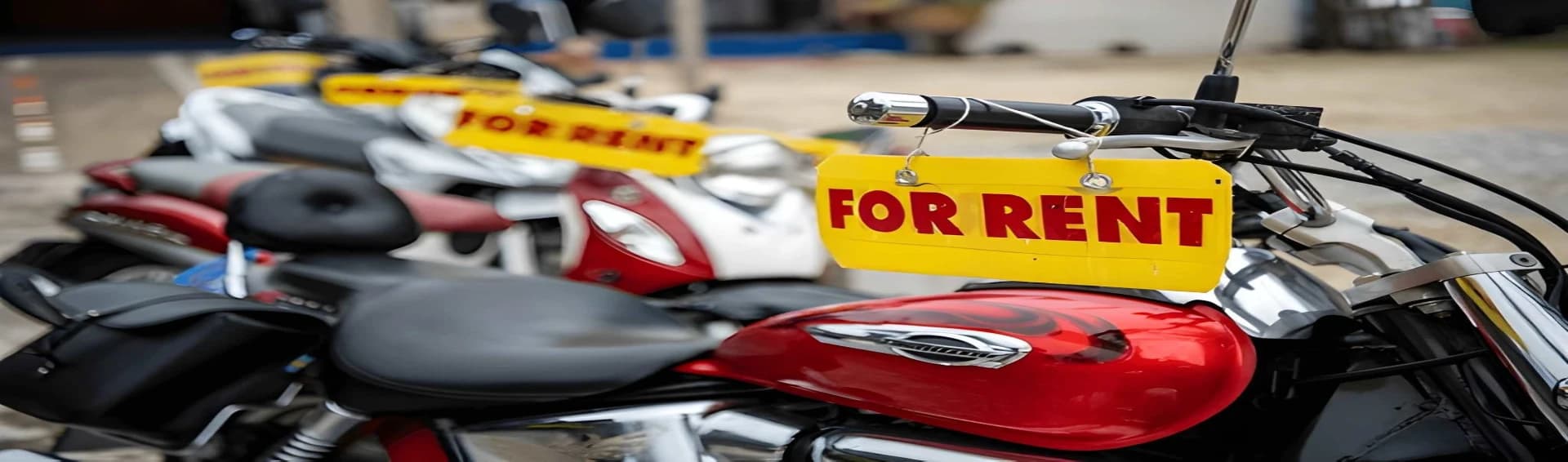
There’s no better way to experience Leh Ladakh than on a bike — the cold winds, open valleys, and the sound of your engine through the mountains make the journey unforgettable. Whether it’s crossing Khardung La or riding beside Pangong Lake, bikes offer a freedom that cars simply cannot. That’s why they’re now a major part of many Ladakh tour packages. Before booking a Leh Ladakh bike rental, though, you should understand the costs, documents, hidden charges, and common mistakes that most first-time riders overlook.Why Rent a Bike in Ladakh?Ladakh bike rental gives you the freedom to explore independently.Narrow mountain roads are often easier to manage on bikes.Riding through passes like Khardung La feels far more thrilling on a bike.Experienced travelers say the real connection with Ladakh happens only during long bike rides.What are the Best Bike Types Available for Rent in Ladakh?For 2026, and according to the most available bikes for rent in Ladakh, these are the best options:1. Royal Enfield Himalayan:This is probably the most practical option for the Ladakh terrain. The bike handles rough roads, gravel, and water crossings better than most. Its upright posture also makes long rides more comfortable.2. KTM Adventure:These bikes are lighter and more responsive. Experienced riders often prefer them for better pickup and handling. However, they can feel less comfortable on extremely broken roads compared to the Himalayan.3. Classic 350:The Classic 350 remains one of the most rented bikes in Ladakh. It offers comfort, stability, and that iconic road-trip feel. However, the upper two bikes should be the priority.One mistake many travelers make during their Leh Ladakh bike rental journey is choosing lightweight city bikes just to save money. Ladakh roads are unpredictable even in 2026, and underpowered bikes can quickly become exhausting.Where Can You Rent Bikes in Ladakh?1. Leh Main MarketThis is the most common rental area with dozens of shops lined together. You’ll get multiple bike options and better bargaining opportunities.2. Changspa RoadPopular among backpackers and solo travelers, this area has smaller rental shops with decent pricing and flexible rental durations.3. Through Tour OperatorsTravelers now prefer booking Ladakh bike trips through Viacation through our Ladakh tour packages. It reduces the stress of arranging permits, stays, taxis, and rentals separately.NOTE: Don’t rent a bike from Manali, as the Manali-rented bike is not allowed in LadakhIf you’re visiting between June and September 2026, advance booking is strongly recommended because demand increases quickly during peak season.What is the Cost of Bike Rental in Ladakh?The cost of bike rental prices in Ladakh starts from ₹1200 and goes upto ₹3000, depend on season, bike model, and rental duration.Average 2026 Rental Prices:Classic 350: ₹1200–₹1800 per dayHimalayan: ₹1800–₹2500 per dayKTM Adventure: ₹2200–₹3000 per dayHowever, the rental amount is not the final expense.Here’s what many travelers forget:Fuel is not included.Security deposits are separate (₹5,000 - 7,000)Riding gear costs extra.Peak-season prices can suddenly increaseA lot of travelers assume Ladakh bike rental is cheap, but after adding fuel, permits, riding gear, and deposits, the total budget increases faster than expected.What are the Documents Required for Bike Rental?Valid Driving LicenseAadhaar Card or PassportSecurity DepositHotel booking proof in some cases (very rare)Before starting your ride, always make a proper video of the bikes, check whether the bike’s RC and insurance papers are updated. Many tourists focus only on the bike condition and forget the paperwork part completely.This small check can save major problems during checkpoints or inspections on your Leh Ladakh bike rental trip.What’s Included in the Rental?HelmetBasic bike servicingSpare clutch cable in some casesEmergency support contact numberWhat’s Not Included in the Rental?Riding jackets usually cost extra.Knee guards and gloves are rarely included.Helmet quality can vary a lot.It's always best to carry our own riding gear instead of depending entirely on local rentals. Sometimes it also brings up hygiene concerns.Suggested Read: This Ladakh Road Trip Will Change Your Life (Full Itinerary Inside)Biggest Mistakes to Avoid While Renting Bikes in Ladakh1. Booking the Cheapest BikeA low rental price often means poor maintenance. Always inspect the bike carefully.2. Ignoring Tyres and BrakesLadakh roads test your tyres constantly. Worn-out brakes or tyres can become dangerous quickly.3. OverpackingHeavy luggage affects bike balance on rough roads and steep climbs.4. Assuming Fuel Stations Are EverywhereAs fuels area not included in Leh Ladakh bike rental, always keep the tack of fuel and fuel pumps, and carry extra fuel if heading toward remote regions.5. Not Recording Bike ConditionAlways click photos and videos before taking delivery. Existing scratches or damage can later become arguments during return.Also Read: 10 Mistakes to Avoid on Your First Ladakh Trip (Most People Regret #5)Final RecommendationIf you genuinely want to experience Ladakh properly, a bike trip remains unmatched. The roads, mountain passes, cold winds, and silent landscapes feel more personal on two wheels. But the trip becomes memorable only when planned correctly. Don’t rush into random rentals just because they are cheaper.If you’re planning your trip soon, Viacation can help with complete Ladakh bike trip packages, including hotels, permits, and bikes with fuel, so you don’t have to worry about Leh Ladakh bike rental options, making your journey smoother, safer, and far less stressful.If you are planning to visit Ladakh, read these best Places to visit in Ladakh & Things to do in Ladakh.
Read More

Ladakh Altitude Sickness Guide: How to Survive AMS on Your First Trip
May 12, 20265 Minutes
Ladakh Altitude Sickness Guide: How to Survive AMS on Your First Trip
Make a picture of this in your mind. You land in Leh-Ladakh after a short flight, step out of the airport, breathe in that crisp mountain air, and feel absolutely fine. So you check into the hotel and immediately plan to leave for Pangong Tso the next morning.It is a wrong move. That is exactly how hundreds of first-time travelers every season end up flat on a hotel bed. With a splitting headache, vomiting, and zero energy to enjoy the trip, they spent months planning Ladakh tour packages and saving for it. Acute mountain sickness in Ladakh is not a myth. And it does not care how fit you are.What Actually Happens Inside Your Body at 11,500 FeetLeh is located at roughly 3,500 metres, about 11,500 feet above sea level. When you arrive in Leh directly by flight. Your body jumps from near sea level to 3,500 metres almost instantly. Even healthy and physically fit people can develop Acute Mountain Sickness. If the body does not get enough time to adjust.At over 3,000 metres, 75% of people will experience at least mild AMS symptoms. Including headache, nausea, dizziness, loss of appetite, fatigue, shortness of breath, and disturbed sleep. These symptoms usually show up 6 to 24 hours after arrival, not immediately on landing. So that false sense of "I feel completely fine" right after stepping off the plane? Do not trust it at all. Three Stages of AMS You Must UnderstandIf you think acute mountain sickness in Ladakh hits everyone in the same way, it does not.1. Mild AMSIt feels like you have a hangover after consuming alcohol. Some people feel it's like having fluMild headachesLose appetiteNausea and DizzinessDifficulty falling asleepTime to Recover: 24 to 48 hours2. Moderate AMSLet's see what the symptoms are when you are suffering from mild AMSBrings a severe headacheNausea and vomitingIncreasing weakness and shortness of breath. Time to Recover: 24 to 72 hours3. Severe AMSSevere AMS is a medical emergency. No debate, no waiting. The only real answer at that stage is getting down to a lower altitude immediately.Severe AMS leads toInability to walkBreathlessness even while restingA decreased mental statusFluid build-up in the lungs.Time to Recover: Days to WeeksThe Mistake Almost Every First-Timer MakesMost people get this wrong because they confuse physical fitness with altitude readiness. A marathon runner from Bengaluru is just as likely to get Acute mountain sickness in Ladakh as someone who has never jogged a single day. Altitude simply does not care about your gym records or your daily step count.Physical fitness does not protect against altitude sickness. Even healthy and athletic travelers can develop AMS if they ascend too fast. And the second mistake? Skipping the 48-hour rest window in Leh. People fly in, feel okay for a few hours, and immediately rush toward Nubra Valley or Khardung La. Then Day 2 hits like a wall.Suggested Read: 10 Mistakes to Avoid on Your First Ladakh Trip (Most People Regret #5)What Actually HelpsRest. Full stop.Take it slow. Give your body time to adjust. Stay at lower altitudes like Leh town for 1 to 2 days before heading to higher places like Nubra, Pangong, or Khardung La. On Day 1, do nothing adventurous. No long monastery walks, no market hopping, no excited late-night trip planning sessions. Eat something light, drink water slowly and steadily throughout the day, and sleep early. Your body is working overtime trying to adjust to thin air. Let it do its job without adding more load.Hydration matters far more than most travelers expect. Aim for 3 to 4 litres of water daily while in Ladakh. And avoid alcohol completely for at least the first two days. Alcohol makes oxygen absorption harder, which is the last thing your body needs at 11,500 feet.Should You Take Diamox?Diamox (acetazolamide) is one of the most commonly recommended preventive medicines for AMS. It helps the body acclimatize faster. Start taking it one day before reaching Leh, only after consulting a doctor. Side effects include tingling in toes and fingers, numbness, vomiting, nausea, and frequent urination. Not everyone needs it, and not everyone tolerates it well. A quick conversation with your doctor before your trip, whether you are traveling from Mumbai, Chennai, Delhi, or Kolkata, costs very little and can save you enormous pain at 14,000 feet.Natural options also help. Ginger water works well for nausea. Locals in Leh often recommend garlic for blood circulation at altitude. These are not miracle cures, but they genuinely help manage mild discomfort during the first two days of acclimatization.The High-Altitude Places That Catch People Off GuardPangong Tso sits at 14,270 feet. Khardung La is at 17,582 feet. Hanle sits at 14,700 feet. Even if you feel perfectly fine in Leh town, these destinations will hit differently. The risk of acute mountain sickness in Ladakh increases when travelers ascend rapidly to high-altitude spots like Pangong Lake, Nubra Valley, or Tso Moriri without taking proper rest days in between.A properly designed itinerary spaces out high-altitude days. Vehicles should carry oxygen cylinders. Drivers familiar with Ladakh roads know when to stop, slow down, and when to turn back. If your package does not include these basics, reconsider the package.Also Read: Why Ladakh Trips Fail for Many Travelers (And How to Plan It Right)Warning Signs That Mean Descend NowIf anyone in your group shows these signs, do not wait and do not hope it passes:Confusion or disorientation. Inability to walk in a straight line. Breathlessness while simply sitting still. Persistent vomiting that rest cannot fix. These can indicate High Altitude Cerebral Oedema or High Altitude Pulmonary Oedema, both of which are serious, life-threatening emergencies.Descend at least 300 to 500 metres immediately and head to SNM Hospital in Leh, which is well-equipped for altitude-related cases.The 48-Hour Rule That Nobody Follows But Everybody ShouldTravelers who fly into Leh face the steepest challenge because the altitude gain is sudden and total. There is no gradual adjustment like a road trip from Manali or Srinagar offers. The body goes from plains to 11,500 feet in two hours.So the 48-hour acclimatization window in Leh is non-negotiable. Not a suggestion. Not something to shorten if you feel fine. Your EDF (Environmental Development Fee) receipt, required for visiting restricted high-altitude areas, also becomes valid only after 48 hours in Leh. So even the rules agree with the doctors on this one.Ladakh is worth every rupee. But only if your body actually gets to experience it, instead of spending three days fighting through it from a hotel bed.If you are planning to visit Ladakh, read these best Places to visit in Ladakh & Things to do in Ladakh.
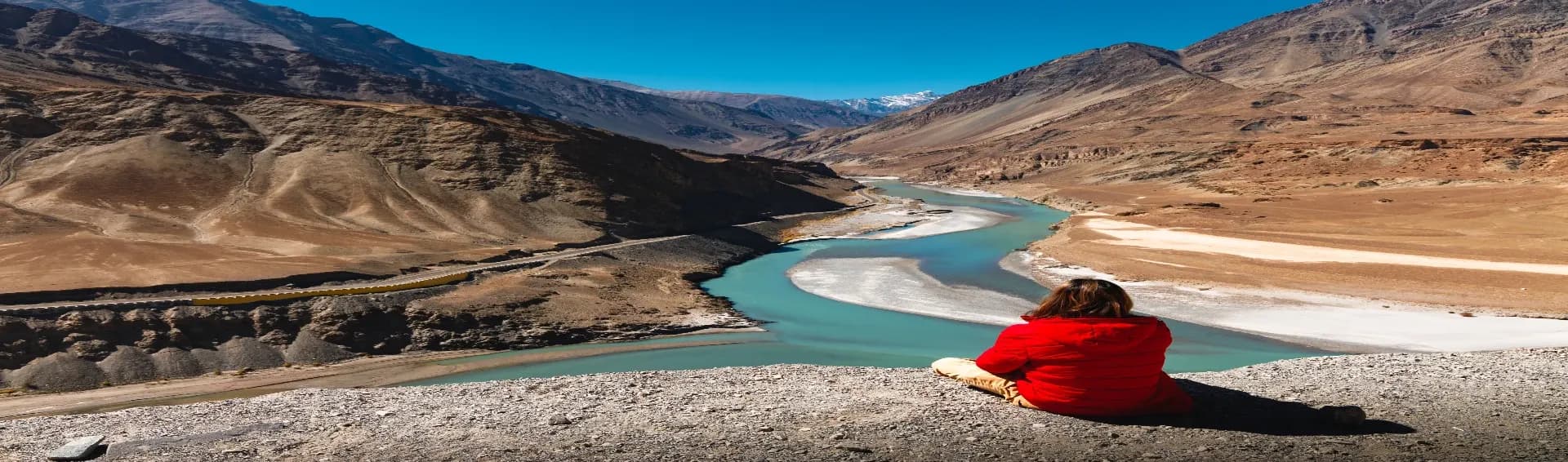
Read More

Login ModalPost Login FormTalk with trip expertAccount Scheduled for Deletion